Carbonara
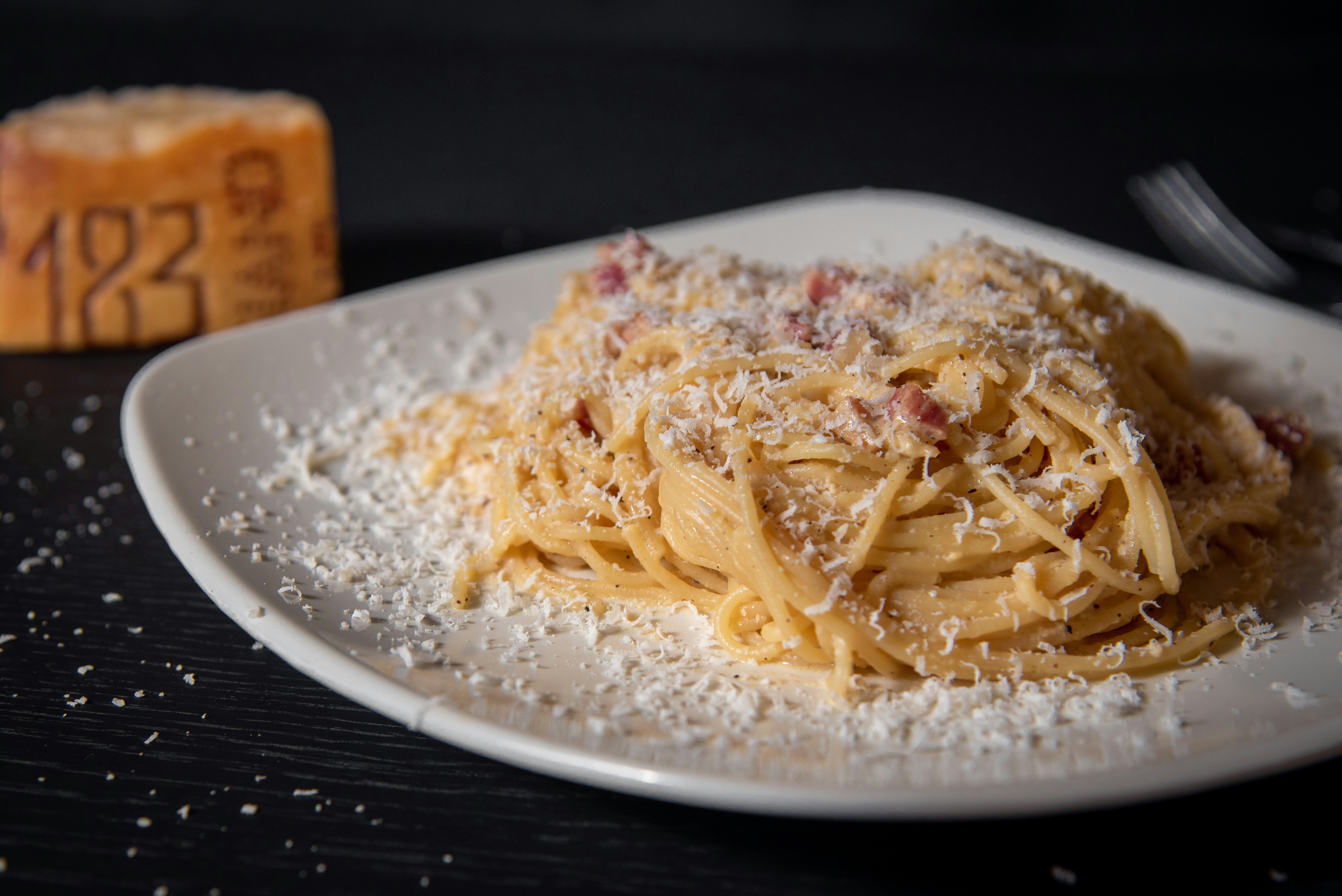
Carbonara is a Roman pasta dish made with egg yolks, Pecorino Romano cheese, guanciale (cured pork cheek), and black pepper—absolutely no cream. The heat of the pasta cooks the raw egg into a silky, creamy sauce that coats each strand. It's Rome's most iconic dish, fiercely protected by locals who consider adding cream a culinary crime.
The Trattoria Rule
Trattoria Romana
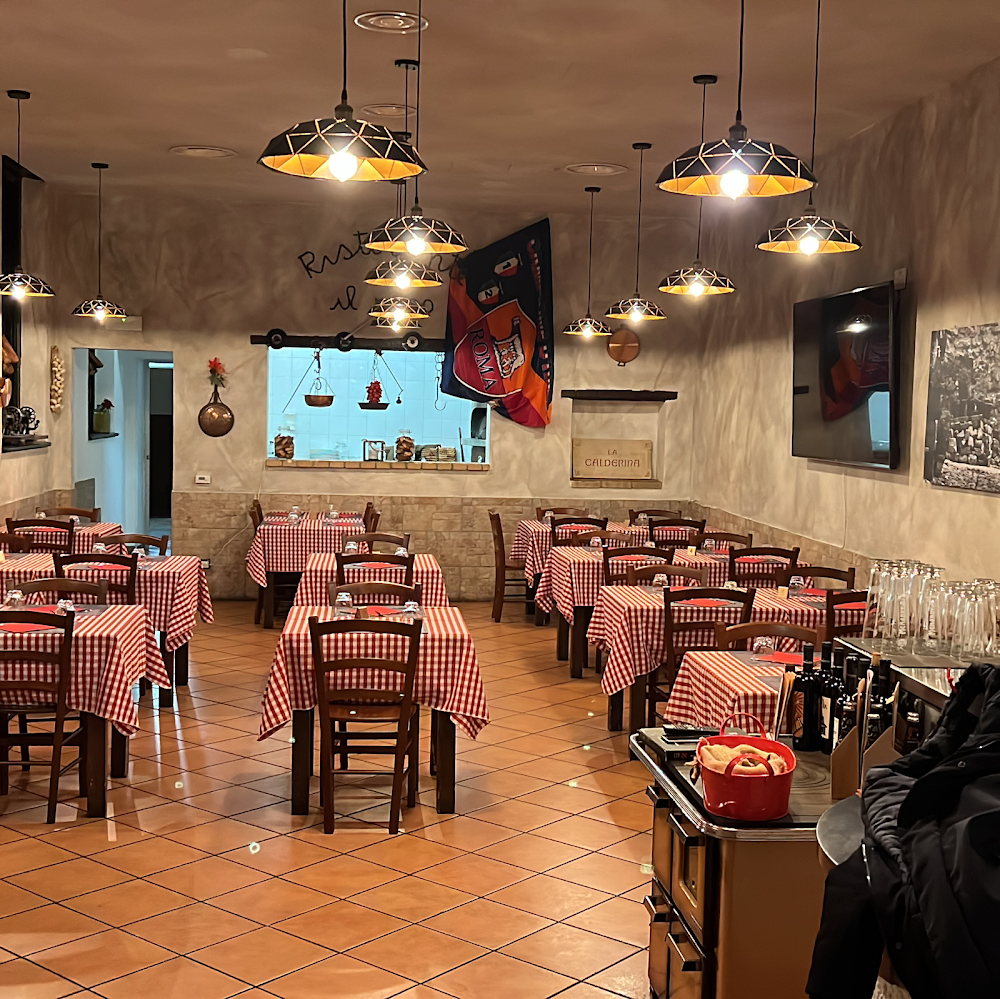
A trattoria is a family-run, casual Italian restaurant serving simple regional food at affordable prices, typically with paper tablecloths and handwritten menus. Real trattorias never advertise, never have English menus with photos, and never seat tourists preferentially. They're loud because Romans talk loudly, cramped because space is expensive, and serve food locals eat daily.
Fried Starters (Fritti)
I Fritti
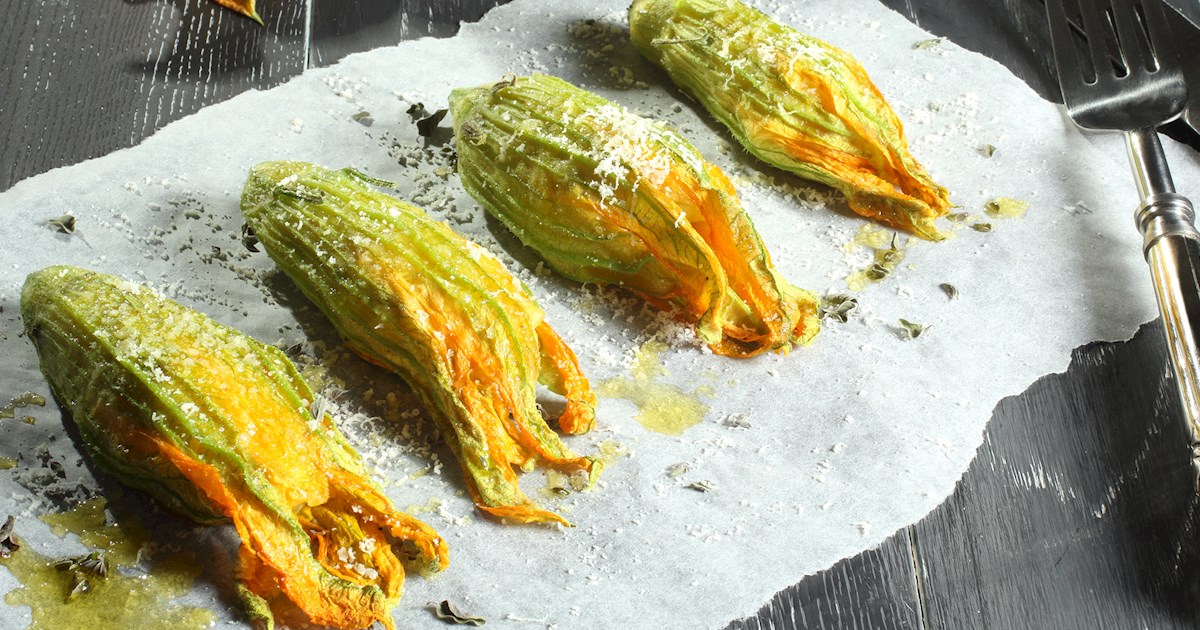
Fritti are fried appetizers served before pasta or pizza, including supplì (fried rice balls with mozzarella), fiori di zucca (fried zucchini flowers), and potato croquettes. They're crispy, hot, eaten with hands, and central to Roman dining. It's a social ritual: you order one plate for the table and everyone picks.
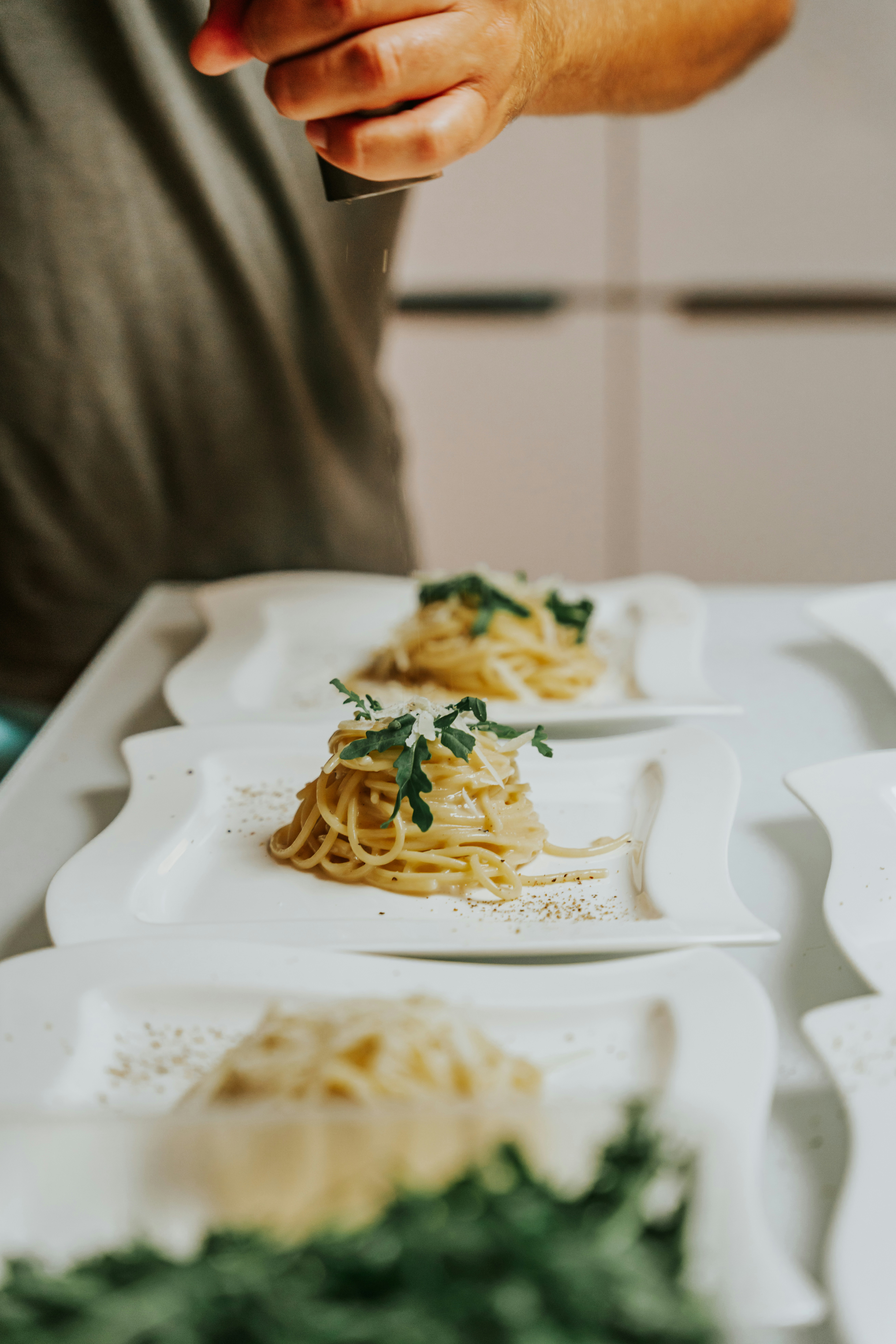
Cacio e Pepe
Cacio e Pepe is a minimalist Roman pasta with just three ingredients: pecorino cheese, black pepper, and pasta water. The cheese must be finely grated and tempered with hot pasta water to create a smooth emulsion, not clumps. Despite its simplicity, it requires extreme technical skill and has become a test of a restaurant's quality.
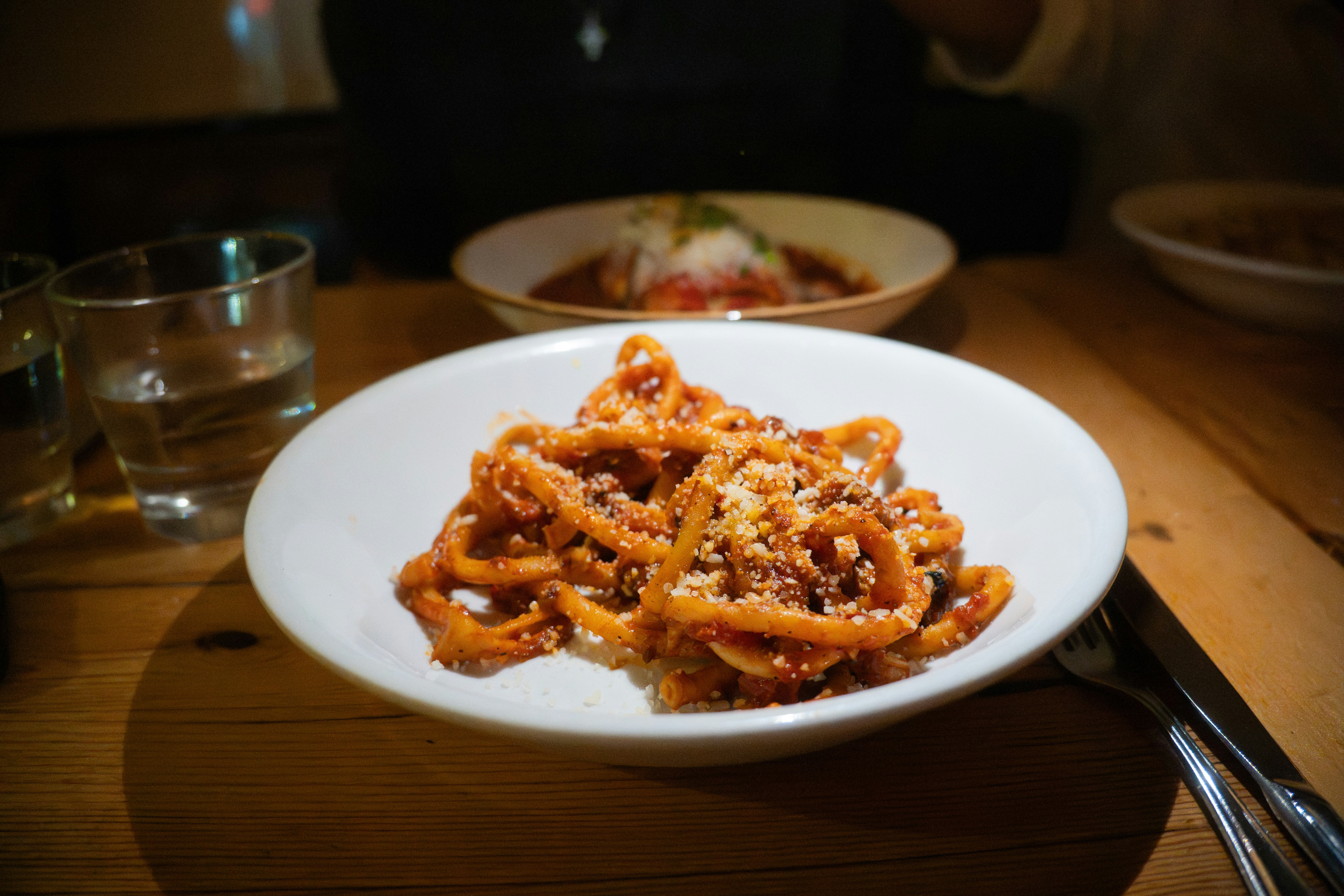
Amatriciana
Amatriciana is a tomato-based pasta sauce with guanciale (cured pork cheek), pecorino cheese, and chili. It comes from Amatrice, a mountain town destroyed by a 2016 earthquake. The recipe is legally protected: only guanciale, pecorino, tomato, white wine, and chili are allowed—onions and garlic are forbidden by purists.
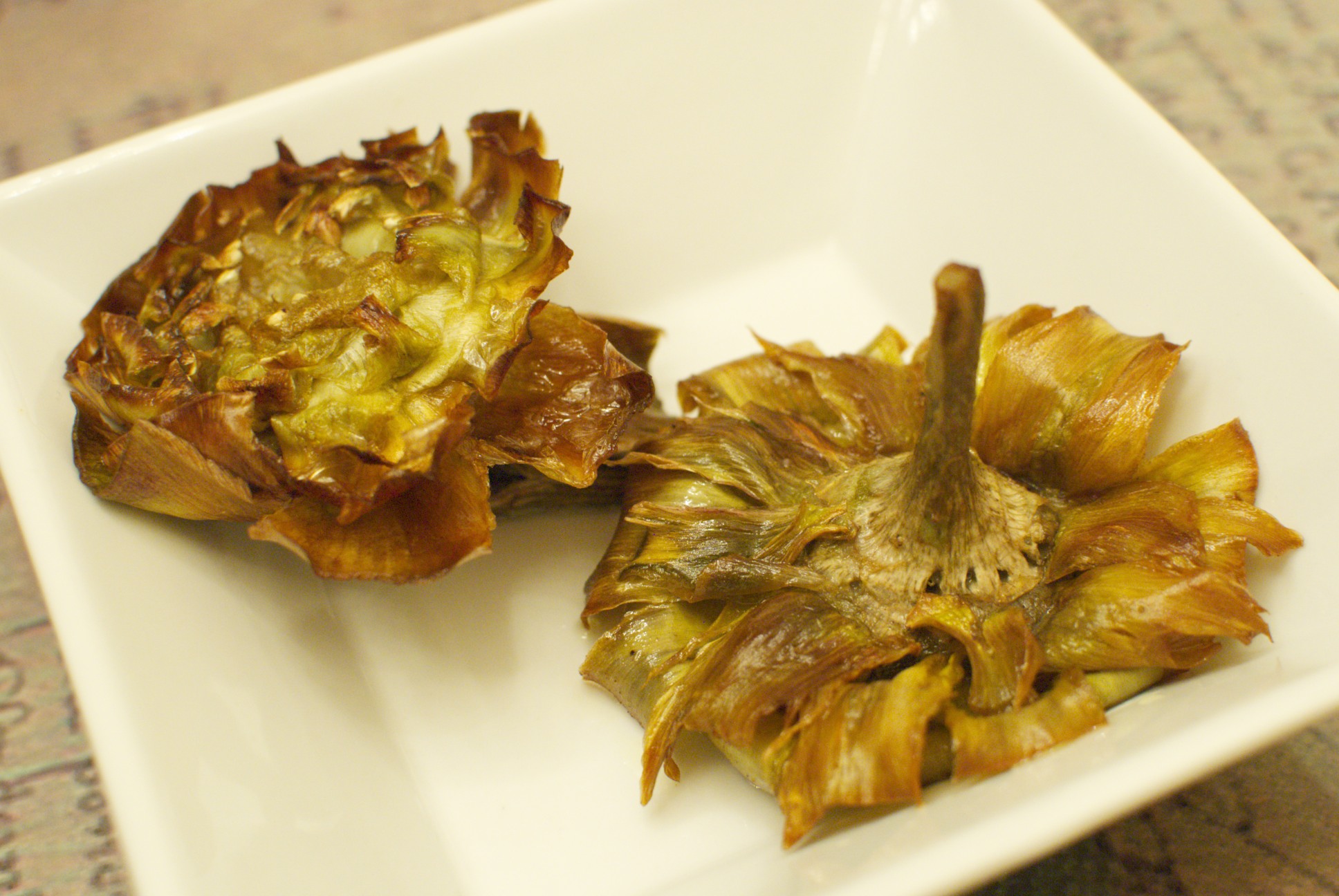
Roman-Style Artichokes
Carciofi alla Romana / Giudia
Roman artichokes come in two styles: carciofi alla romana (braised with garlic, mint, and olive oil) and carciofi alla giudia (fried whole until crispy like flower petals). Both use the tender romanesco artichoke variety, prized for its lack of inner choke. Artichokes are Rome's seasonal obsession from November to April.
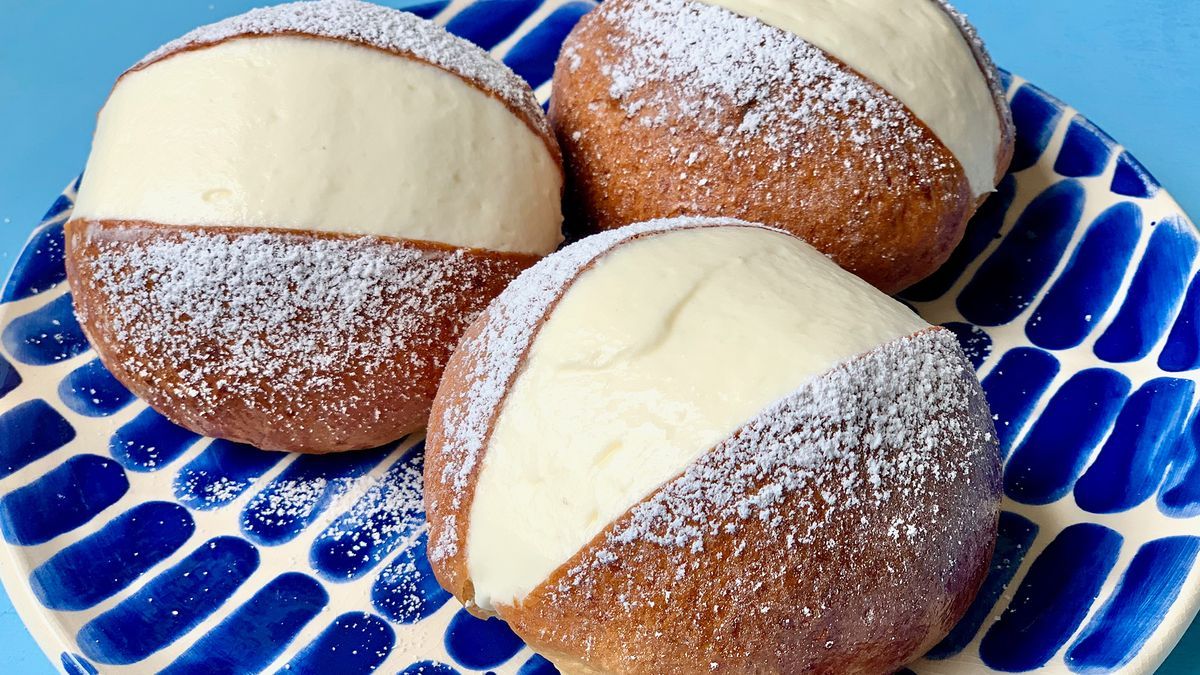
Maritozzo
Maritozzo is a soft brioche bun split open and stuffed with whipped cream—the filling should be twice the height of the bun. It's a Roman breakfast staple eaten as a mid-morning snack with coffee, never as dessert. The bun must be soft, lightly sweetened, and brushed with honey.
Roman-Style Pizza
Pizza Romana
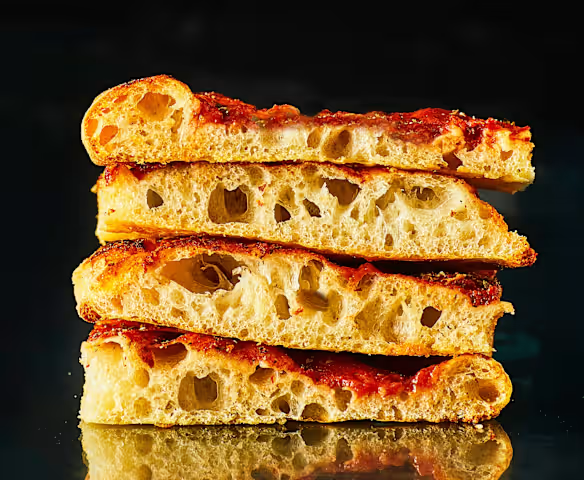
Roman pizza is thin, crispy, rectangular, and sold by weight at bakeries (pizzerie al taglio). The dough has more olive oil than Neapolitan pizza, creating a cracker-like crust. It's street food cut with scissors, eaten standing up, folded like a sandwich. Toppings are simple: margherita, potato and rosemary, or zucchini flowers.
Gricia
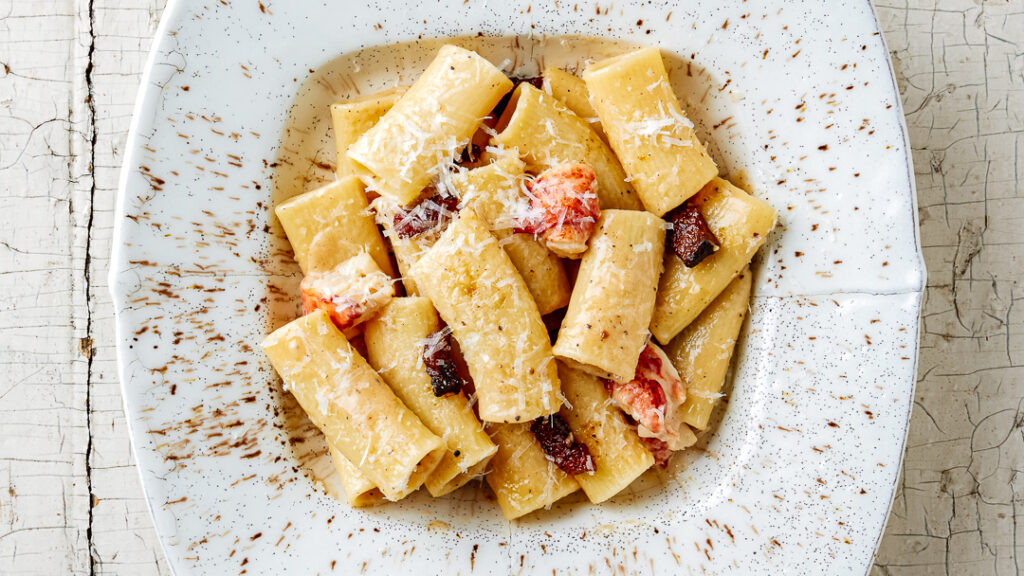
Gricia is the oldest Roman pasta—carbonara without egg, or amatriciana without tomato. It's just guanciale, pecorino, black pepper, and pasta water. Some say it's the original shepherd's pasta before tomatoes or eggs were added. Despite being the foundation of Roman pasta, it's the least famous, overshadowed by its descendants.
Porchetta
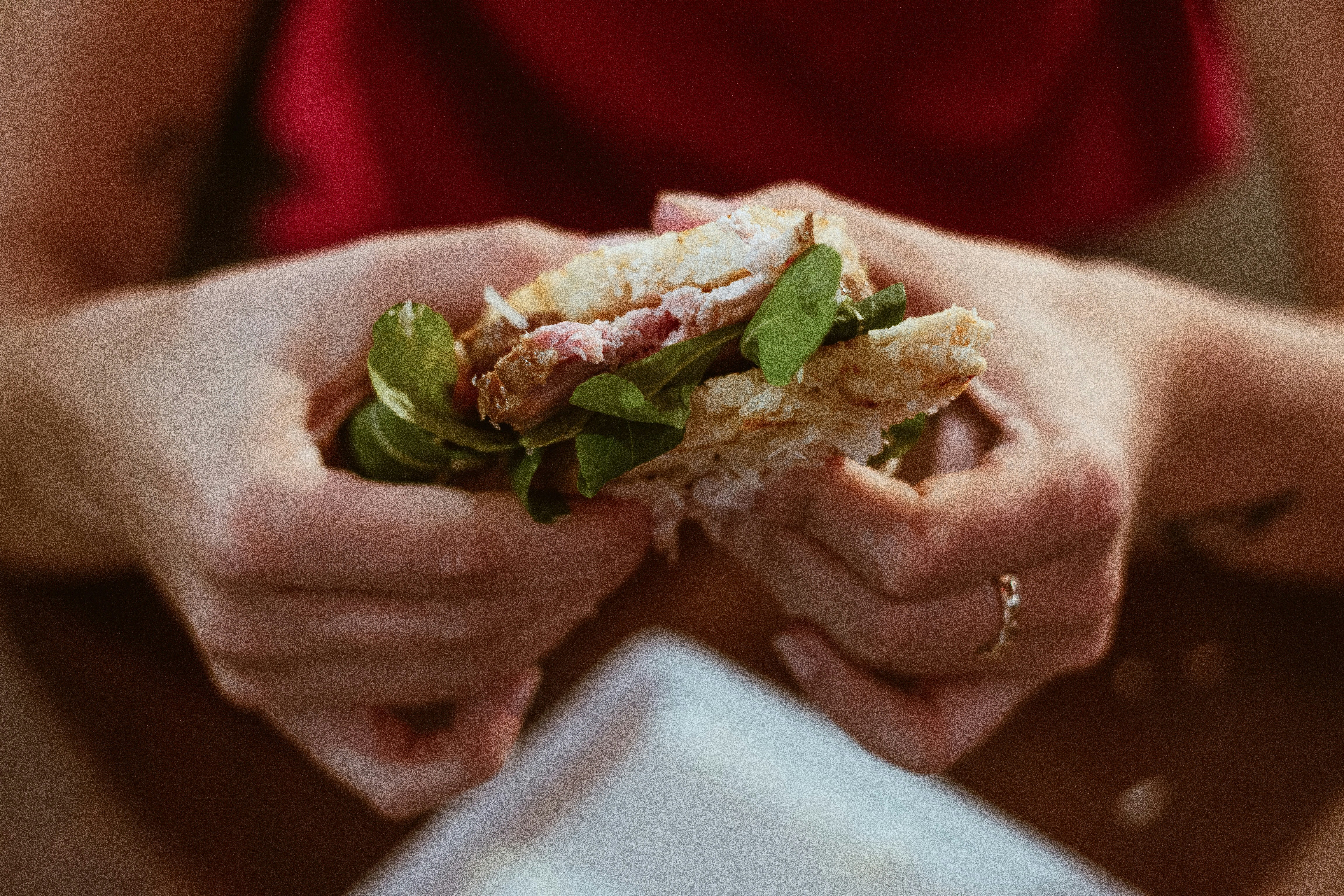
Porchetta is a whole pig, deboned and stuffed with wild fennel, garlic, rosemary, and black pepper, then roasted on a spit for 8+ hours until the skin crackles. It's sliced thick and served in crusty bread as a sandwich. Porchetta is street food, market food, and Sunday lunch food found at markets and porchetta trucks.
Gelato (The Rules)
Gelato Artigianale
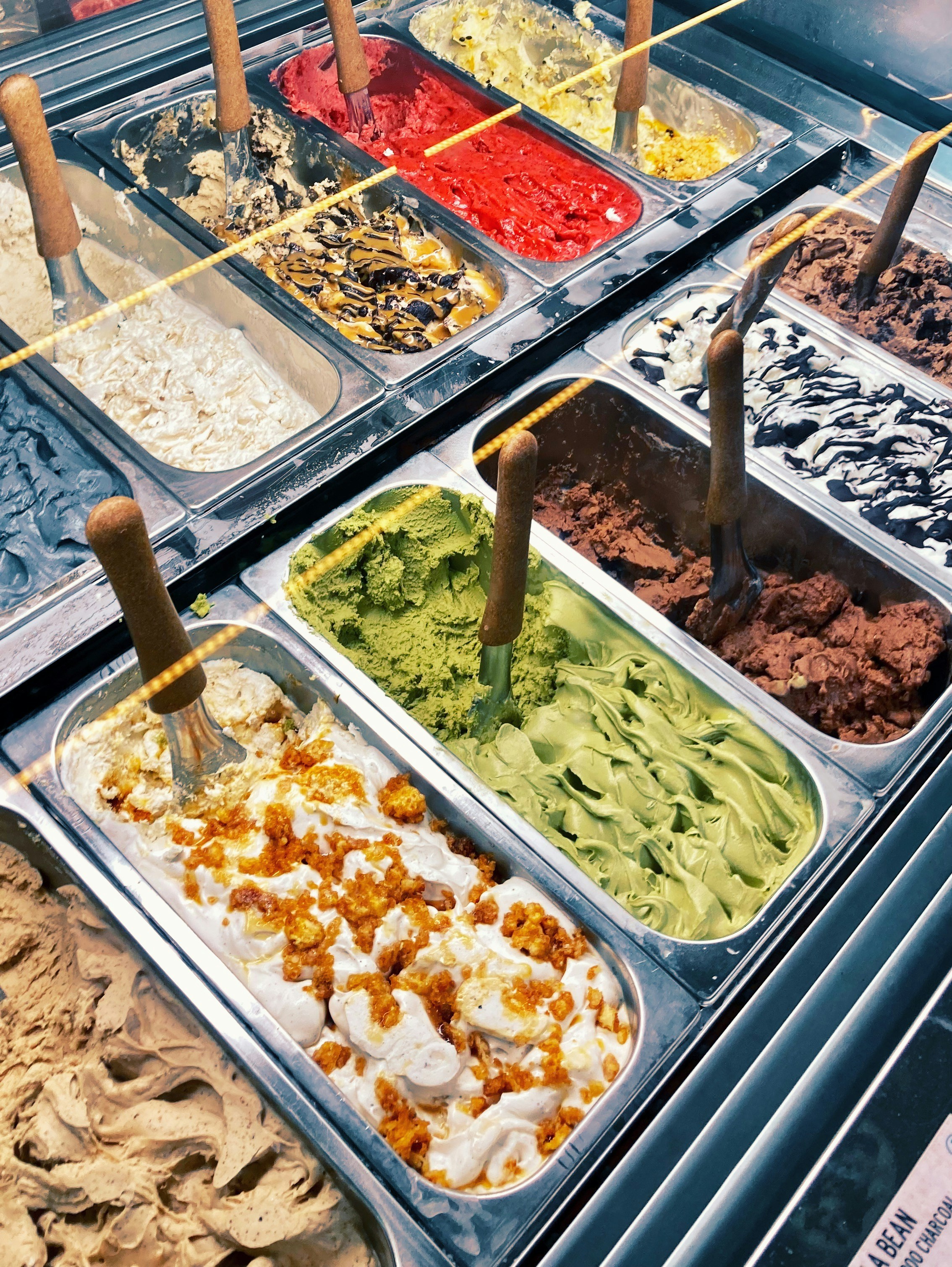
Gelato is Italian ice cream churned at a slower speed with less air and fat than American ice cream, resulting in denser, more intense flavor. Real artisanal gelato is made daily in small batches, stored in covered metal tins, and has muted natural colors. Pistachio should be brown-green, not neon; banana should be grey-white, not yellow. If it's piled in tall colorful mounds, it's fake industrial gelato.
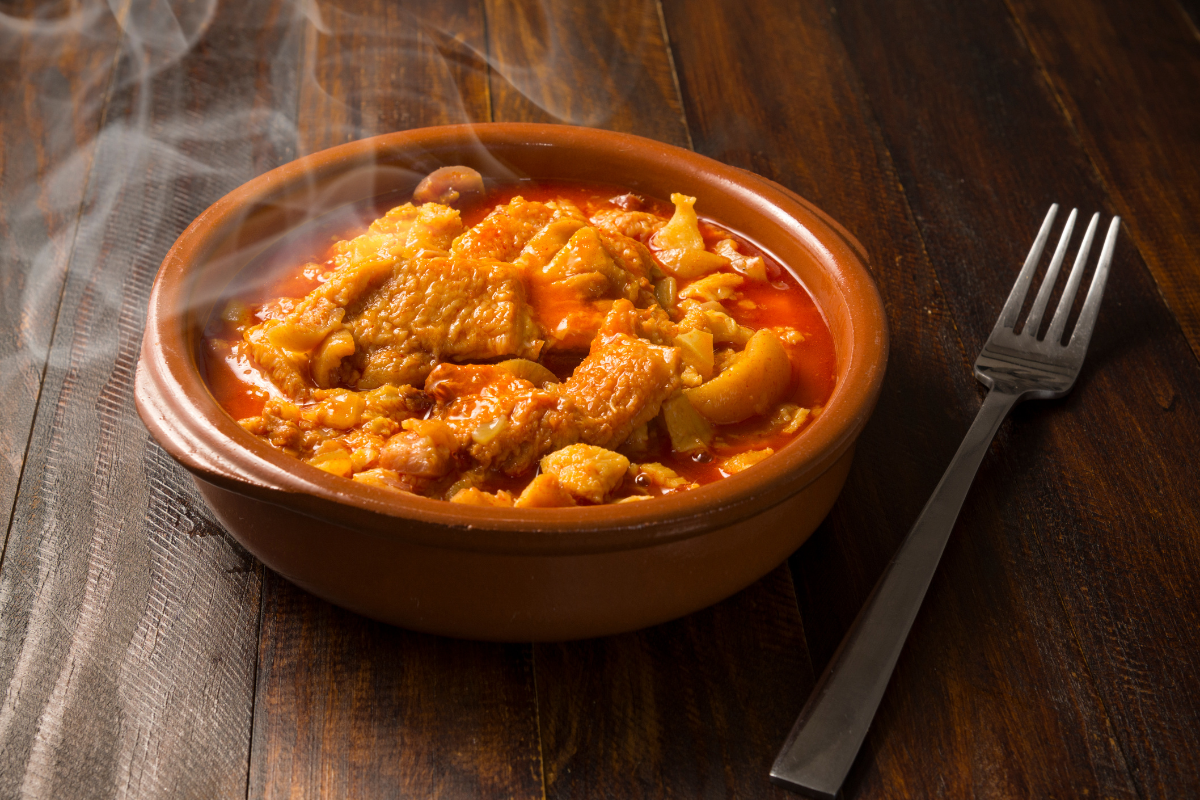
Tripe Stew
Trippa alla Romana
Trippa is slow-cooked beef tripe (cow stomach lining) in tomato sauce with mint and pecorino. It's nose-to-tail eating from Rome's slaughterhouse culture in Testaccio. The tripe must be cleaned, boiled, then stewed for hours until tender. The texture is slippery and chewy, which polarizes diners unfamiliar with offal.
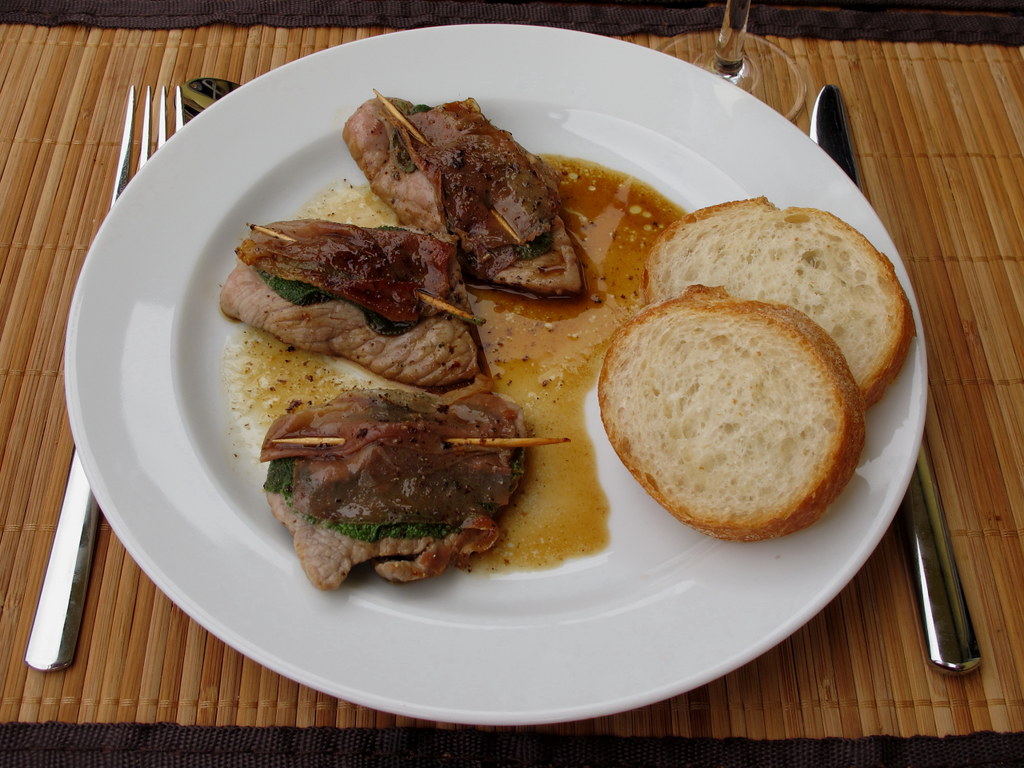
Saltimbocca
Saltimbocca alla Romana
Saltimbocca is a thin veal cutlet topped with prosciutto and a sage leaf, secured with a toothpick, then pan-fried in butter and white wine. The name means 'jumps in the mouth,' referring to its explosive flavor. Cooking time is under 5 minutes—overcooking makes the veal tough. It's a secondo (main course) served after pasta.
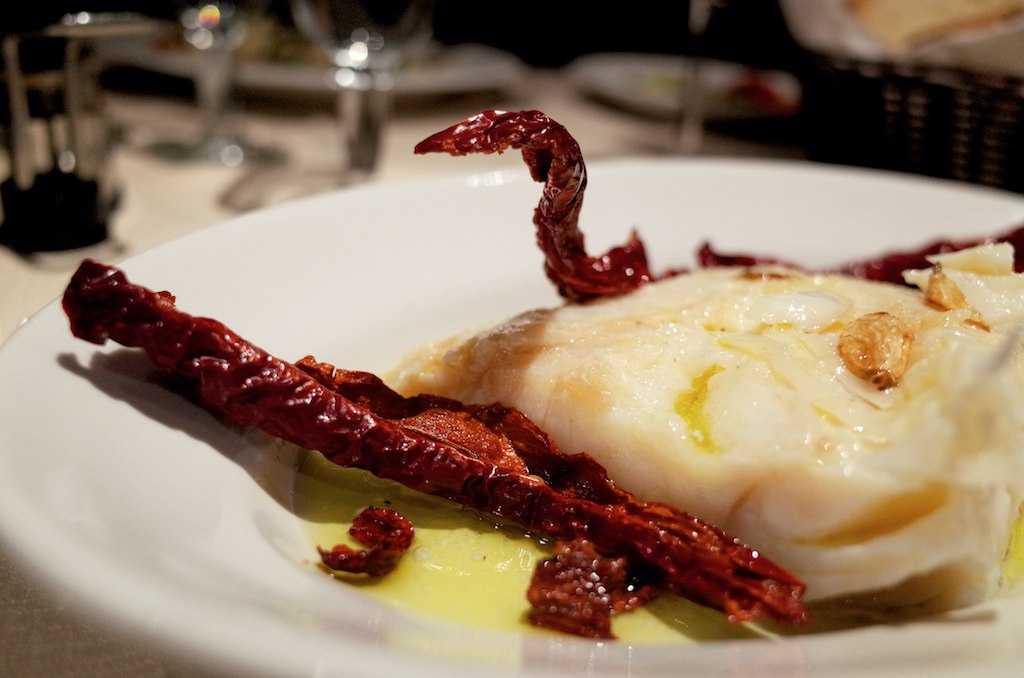
Jewish Ghetto Cuisine
Cucina Giudaico-Romanesca
Jewish Ghetto cuisine is a 500-year fusion of Jewish dietary laws with Roman ingredients, including carciofi alla giudia (fried artichokes), concia (fried zucchini with vinegar and mint), and baccalà (salt cod). Frying in olive oil became central since butter (dairy) couldn't be mixed with meat under kosher law. These dishes are found in the Jewish Ghetto neighborhood and many traditional Roman restaurants.
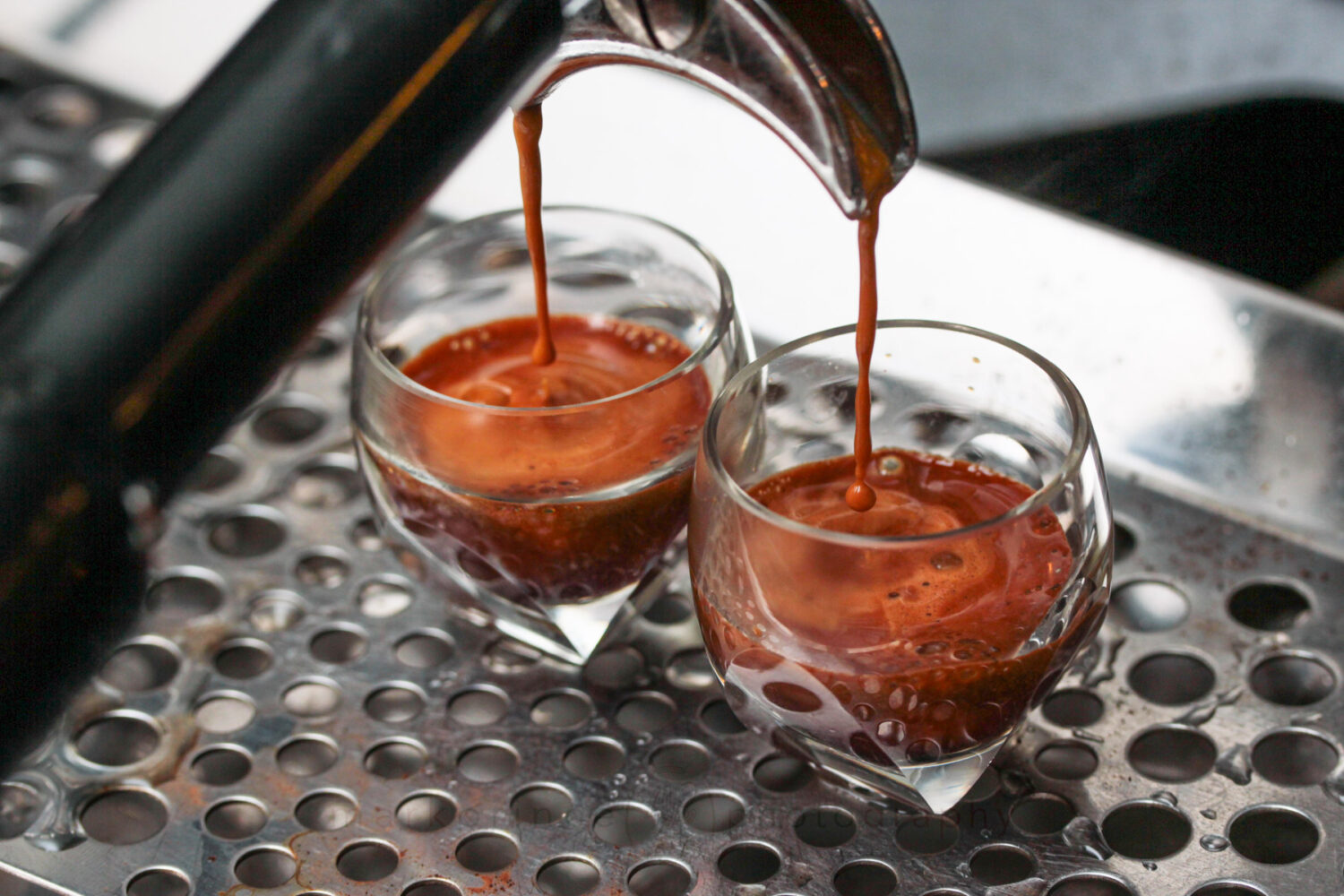
Espresso Rules
Caffè
Espresso (called 'caffè' in Italy) is a concentrated coffee shot consumed in under 60 seconds while standing at the bar. Sitting adds a €2-4 surcharge. Cappuccino is strictly a breakfast drink before 11am; ordering it after lunch marks you as a tourist. Romans drink caffè (espresso) after meals with a small glass of water.
Roman Wine Culture
Vino Laziale
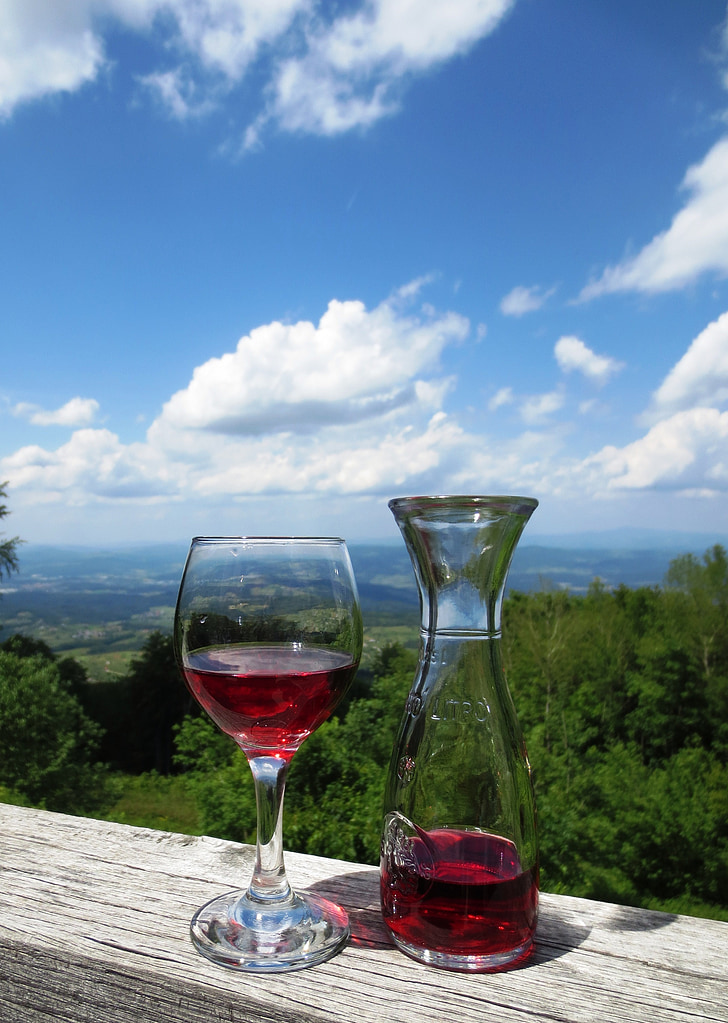
Roman wine culture centers on Frascati and Castelli Romani whites made from Malvasia and Trebbiano grapes. The tradition of ordering 'vino della casa' (house wine) by the carafe remains strong—house wine is local, cheap (€8-12 per liter), and perfectly fine for daily drinking. Romans view wine as a meal accompaniment, not an event.