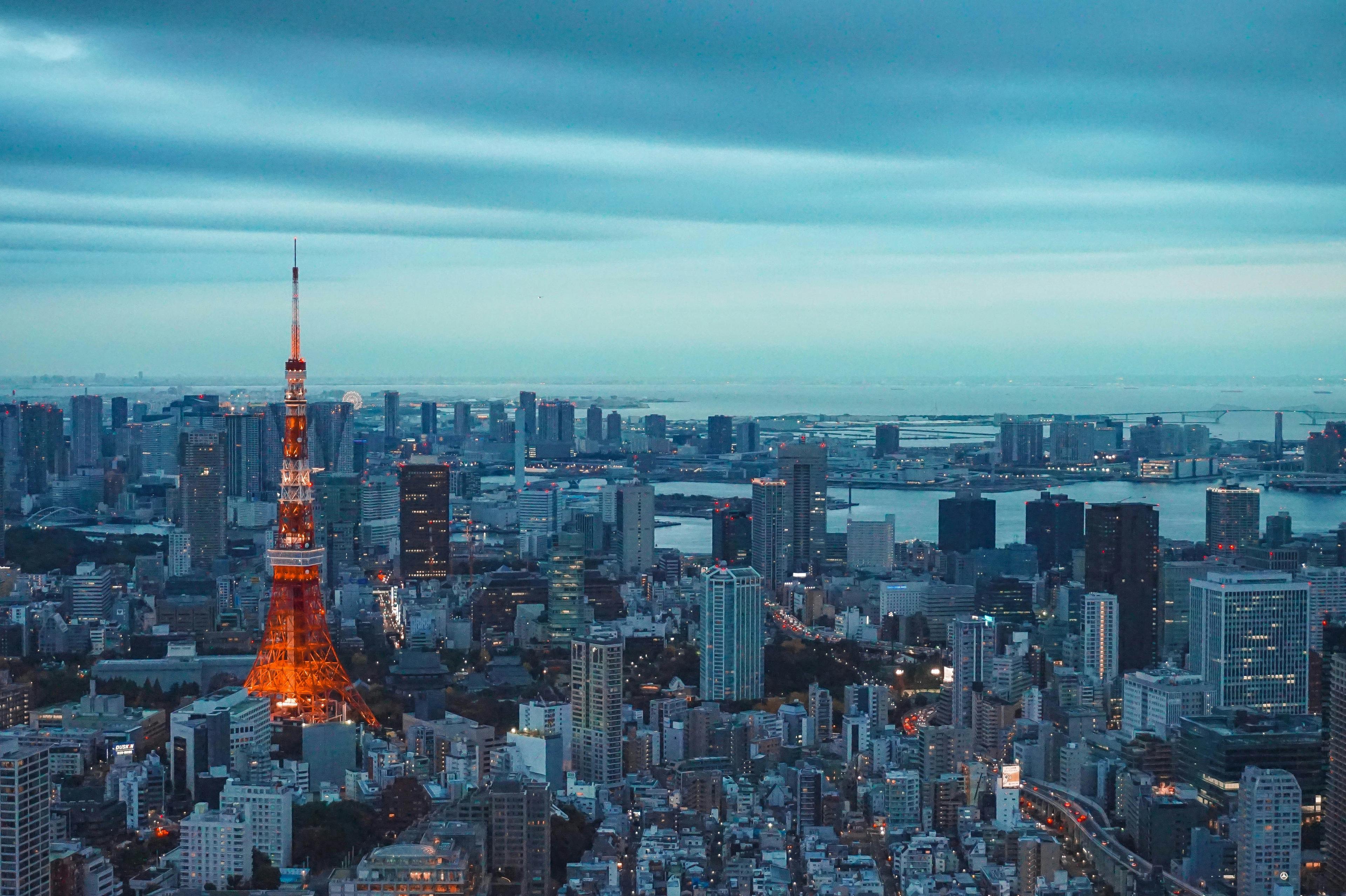
Tokyo
The Electric Capital: Where ancient tradition meets neon-lit future.
View Photo GalleryEssential Info
Survival Kit
Best Time
Spring / Fall
Currency
JPY
Language
Local Language
Jan
0°C - 10°CWinter coat, layers
Clear skies
Cold
Feb
1°C - 10°CWarm jacket, scarf
Plum blossoms
Cold winds
Mar
5°C - 14°CLight jacket, layers
Cherry blossom season starts
Crowds at parks
Apr
10°C - 19°CLight layers, comfortable shoes
Full cherry blossoms
Very crowded
May
14°C - 23°CT-shirts, light jacket
Golden Week holidays
Golden Week crowds
Jun
18°C - 26°CRain jacket, umbrella
Hydrangea flowers
Daily rain
Jul
22°C - 30°CLight clothes, sunscreen
Festivals (Tanabata)
Extreme heat
Aug
23°C - 31°CVery light clothes, hat
Fireworks festivals
Hottest month
Sep
20°C - 27°CLight layers, rain gear
Cooler than summer
Typhoons
Oct
15°C - 22°CLight jacket, comfortable shoes
Perfect weather
Crowds increase
Nov
9°C - 17°CWarm jacket, layers
Peak autumn colors
Colder evenings
Dec
4°C - 12°CWinter coat, warm layers
Christmas illuminations
Cold
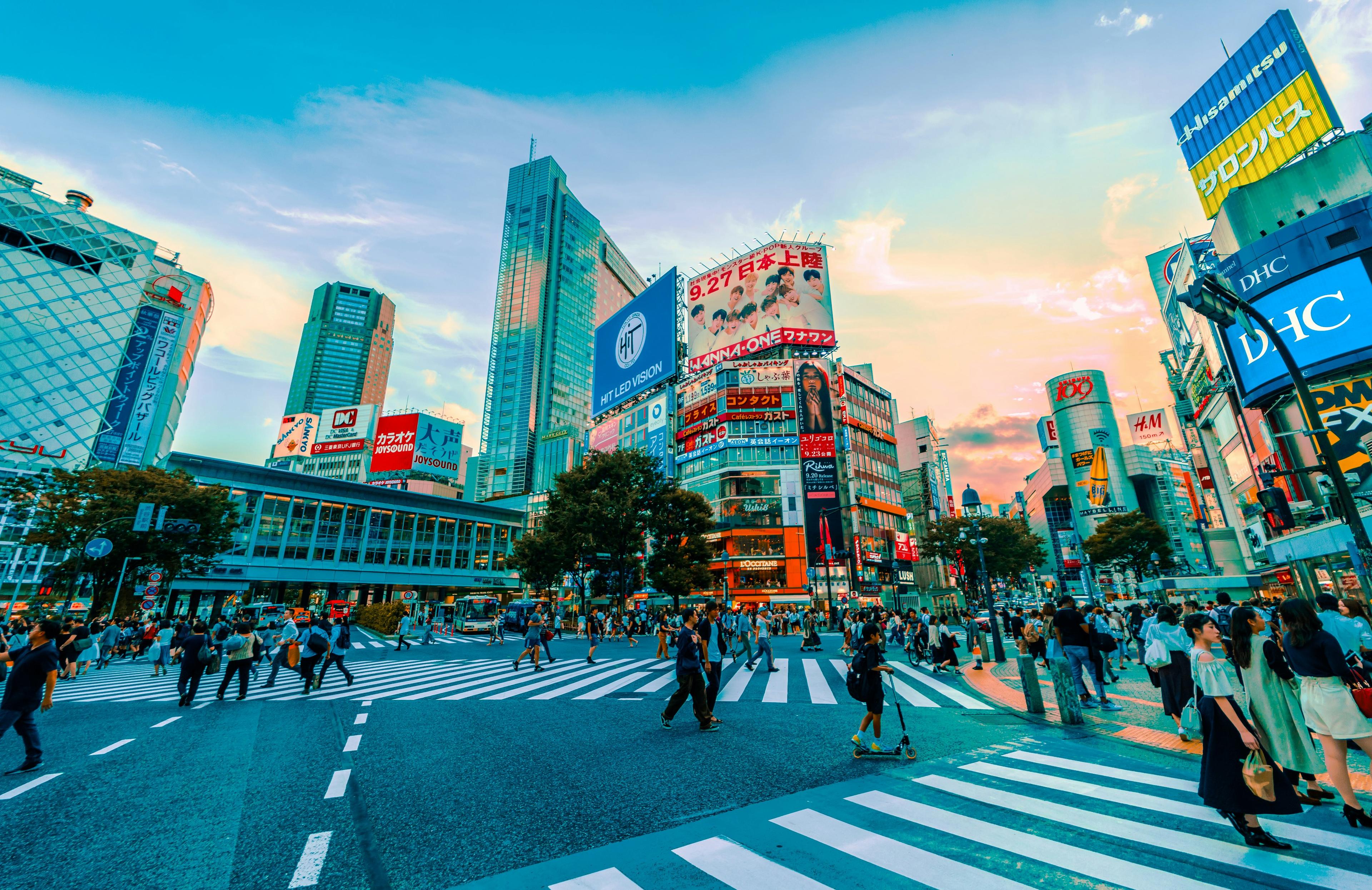
Shibuya
The beating heart of Tokyo's youth culture. Defined by verticality and valley topography. The station is a stack; the Ginza line is on the 3rd floor, others are deep underground. Use 'Urban Cores' (elevators) to move up.
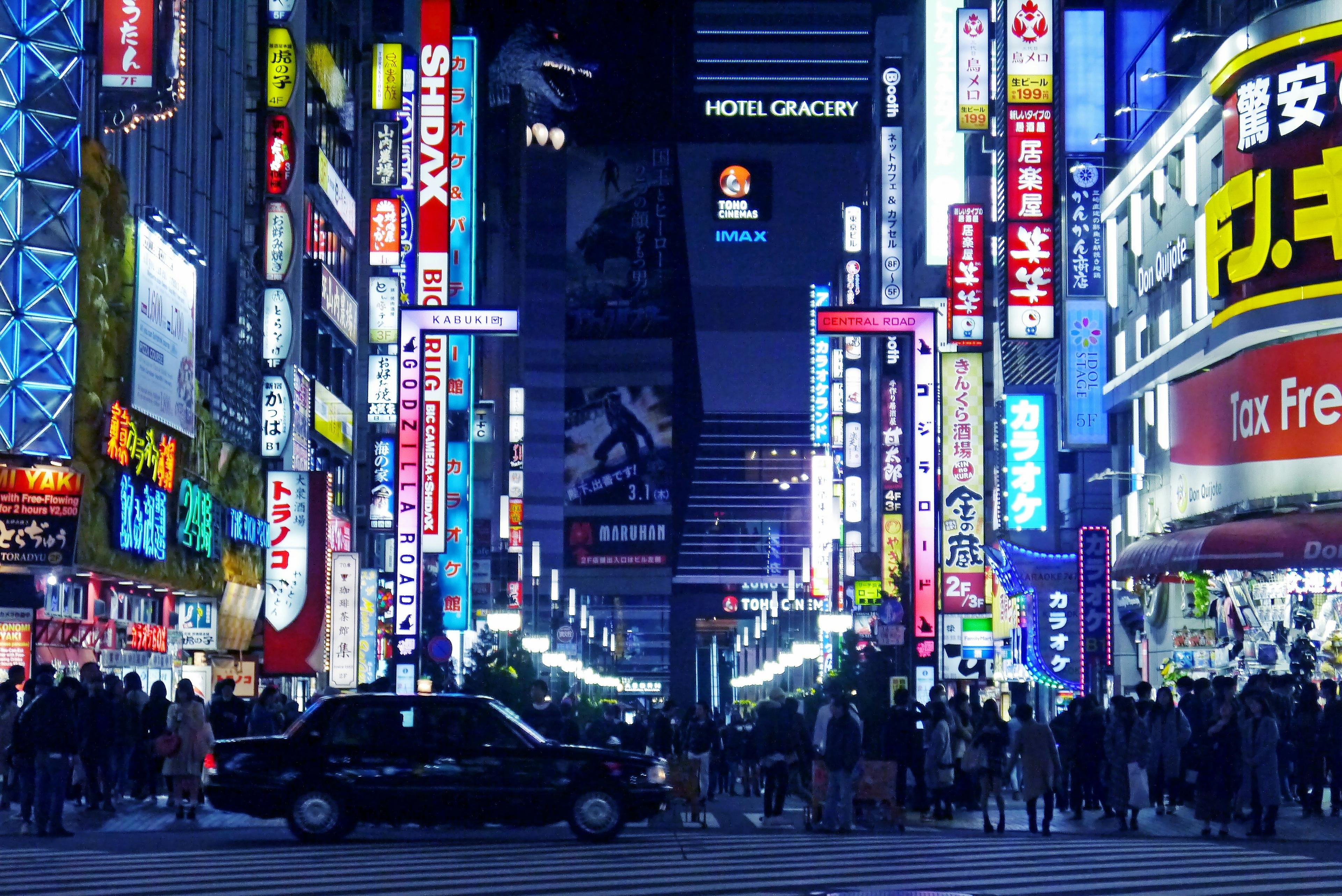
Shinjuku
Tokyo's busiest district and transport hub. Navigate by cardinal direction: East Gate = Neon/Noise (Kabukicho). West Gate = Verticality/Business (Skyscrapers). South Gate = Shopping/Open Air.
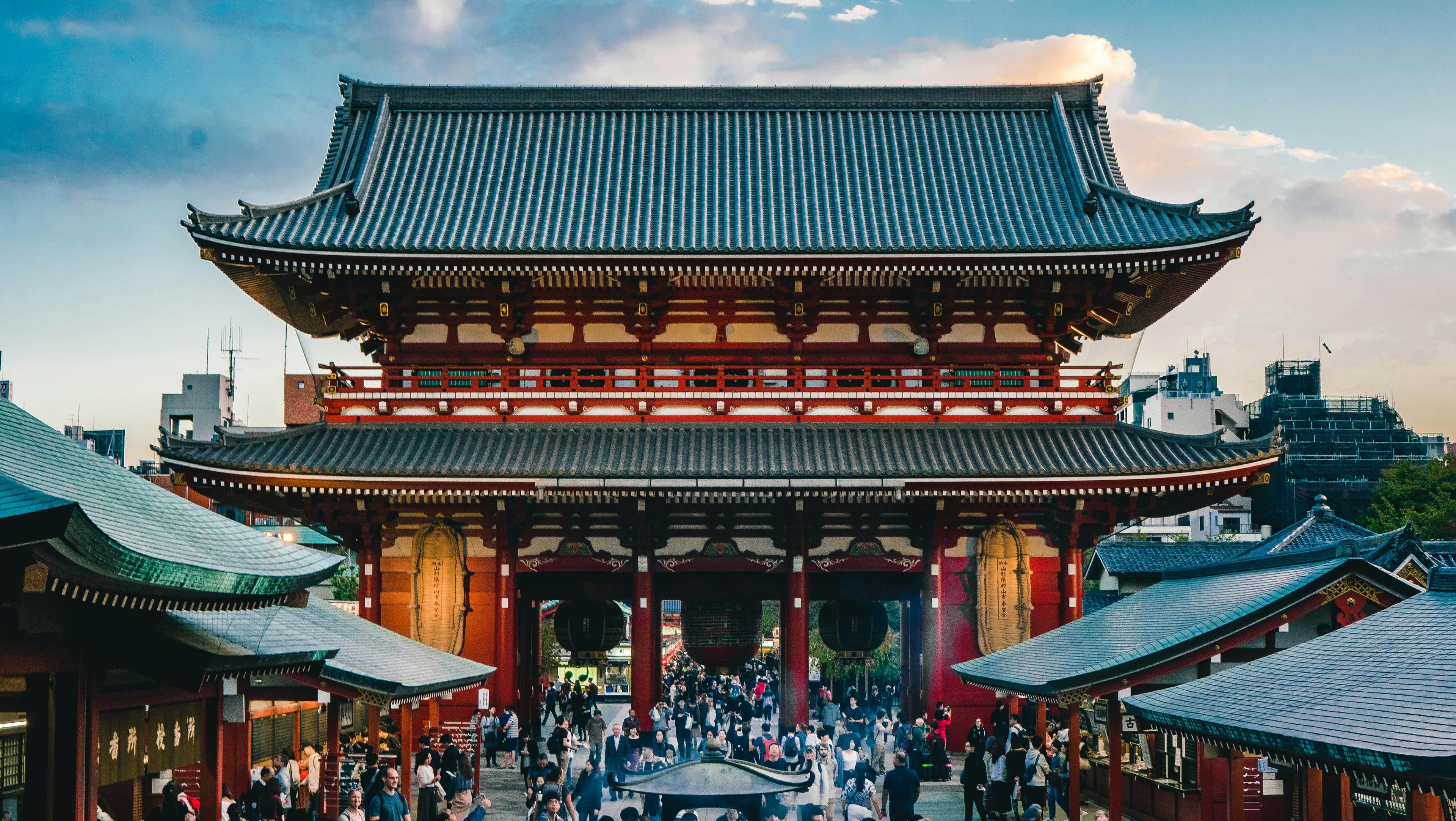
Asakusa
Old Tokyo preserved. Historic temples, traditional shops, and the nostalgic atmosphere of Edo-era Japan. Visit early (6am) or late (8pm) to avoid the crush.
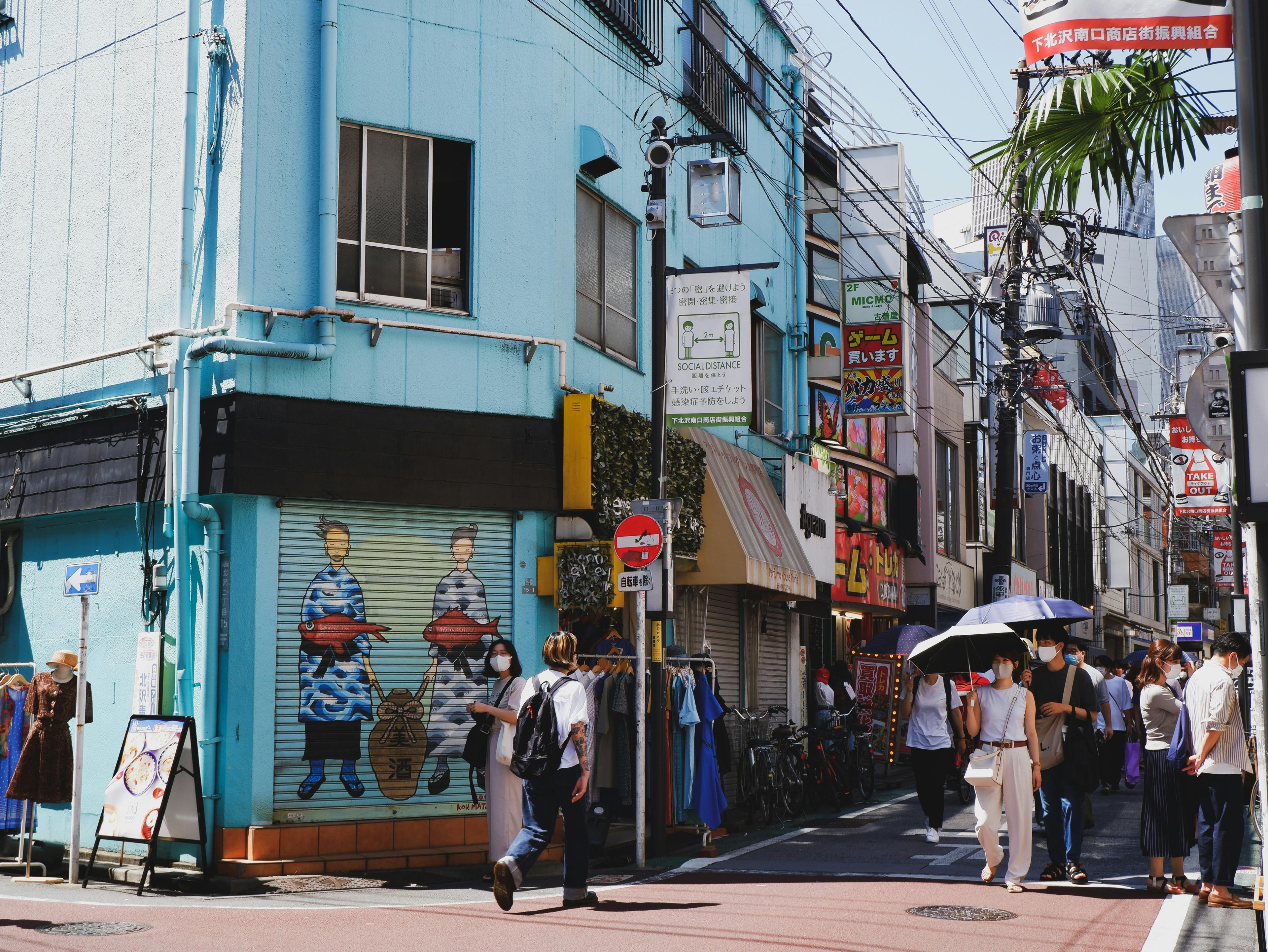
Shimokitazawa
The hipster capital. Narrow pedestrian streets packed with vintage clothing stores, vinyl shops, cafes, and small theaters. Check out the new 'Bonus Track' greenway connecting to Setagaya-Daita.
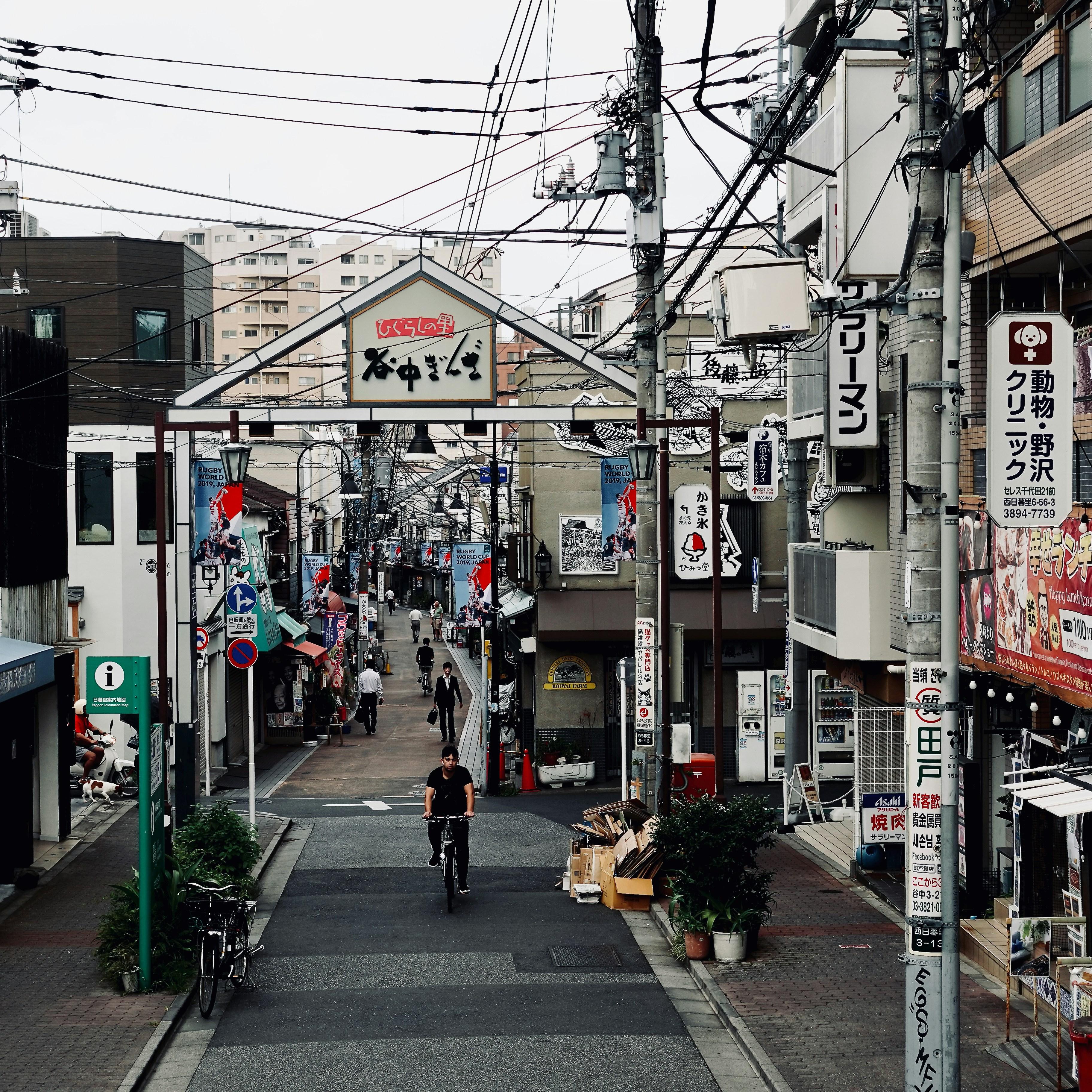
Yanaka
A rare survivor of WWII bombings. Low-rise buildings, many temples, and a distinct residential vibe. Walk the 'Yanesen' route from Ueno to Nippori for a glimpse of pre-war Tokyo.
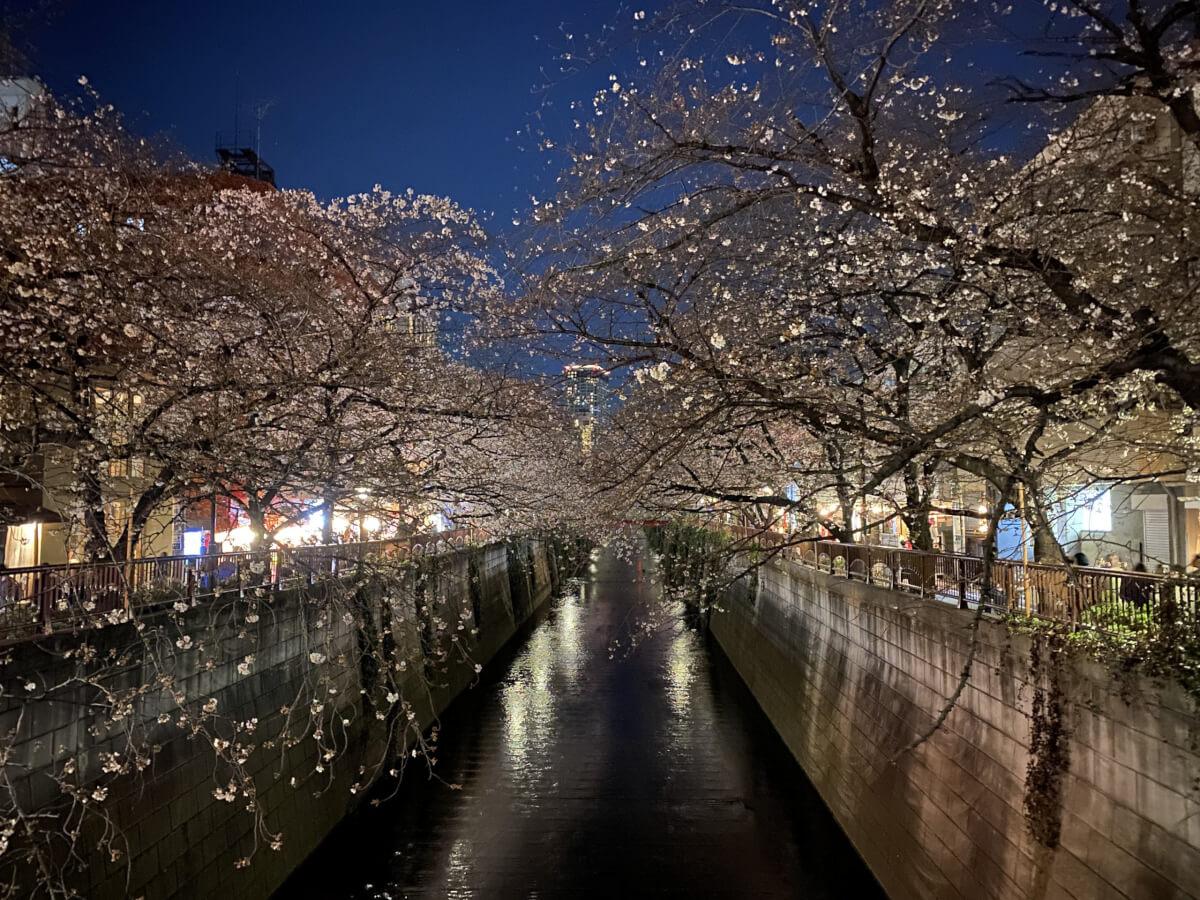
Daikanyama & Ebisu
The 'Brooklyn of Tokyo'. Stylish, expensive, and residential. Home to T-Site bookstore and riverside walks. This is where fashionable Tokyoites spend their weekends.
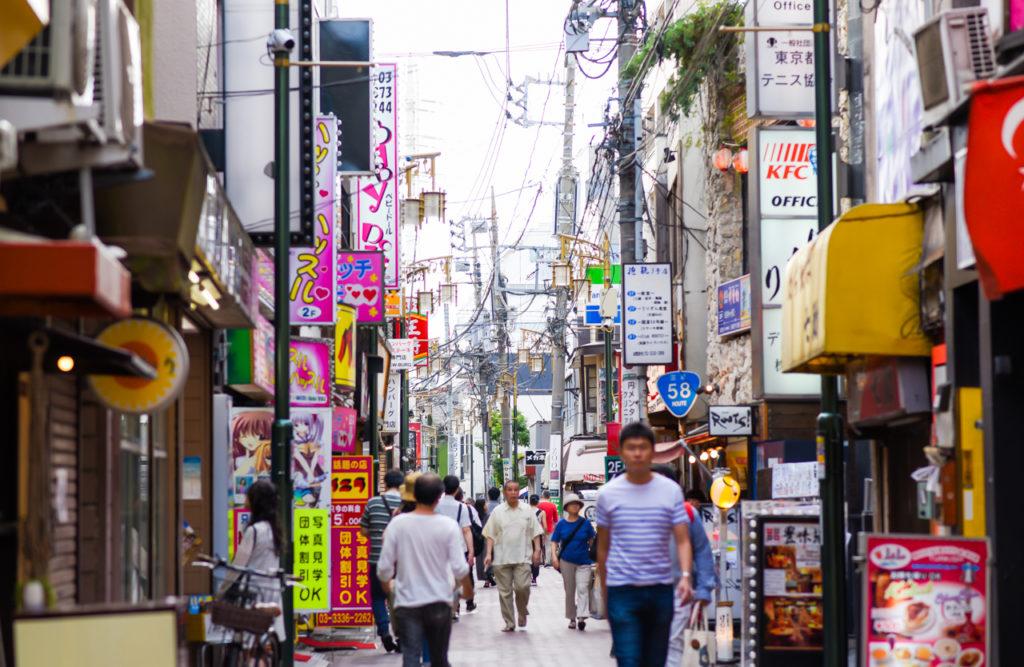
Koenji
Raw, lived-in, and famous for its punk rock roots and vintage culture. A great place to experience 'everyday' Tokyo life away from the glitz.
Dos & Don'ts
- The 'Meiwaku' Rule: The golden rule of Tokyo is 'Meiwaku'—avoiding nuisance to others. This explains why trains are silent and backpacks are worn on the front. It is not just politeness; it is infrastructure.
- Silence is Social Glue: Noise creates social friction. Talking on the phone on the train is a major taboo. Conversations should be hushed. Silence is an active behavior to respect shared space.
- The Trash Reality: There are NO public trash cans (a legacy of 1995 security measures). You must carry your trash with you until you find a bin at a convenience store (konbini) or your hotel.
- Tabearuki (No Eating While Walking): Walking while eating is frowned upon ('sloppy'). If you buy street food, stand near the shop to eat it, dispose of trash there, and then move on.
- Queue Culture: Lining up is sacred. Whether it's for the train or a restaurant, never cut the line. If there's a queue, the food is probably worth it.
- Cash vs Card: While modernizing, many Ramen shops, ticket machines, and temples are still CASH ONLY. Always carry 10,000 Yen in cash.
- Escalator Sides: Stand on the LEFT, walk on the RIGHT. This is rigidly enforced by peer pressure. (Note: This swaps in Osaka).
- Procedural Politeness: Japanese politeness is about correctness and efficiency, not emotional warmth. A lack of smiles doesn't mean they are rude; it means they are focused on doing their job perfectly.
- No Tipping: Excellent service is standard. Tipping causes confusion and may be returned to you as 'lost money'.
- Shoes Off: Look for the entryway step (genkan). If there are slippers, use them. Never wear toilet slippers outside the bathroom.
Key Phrases
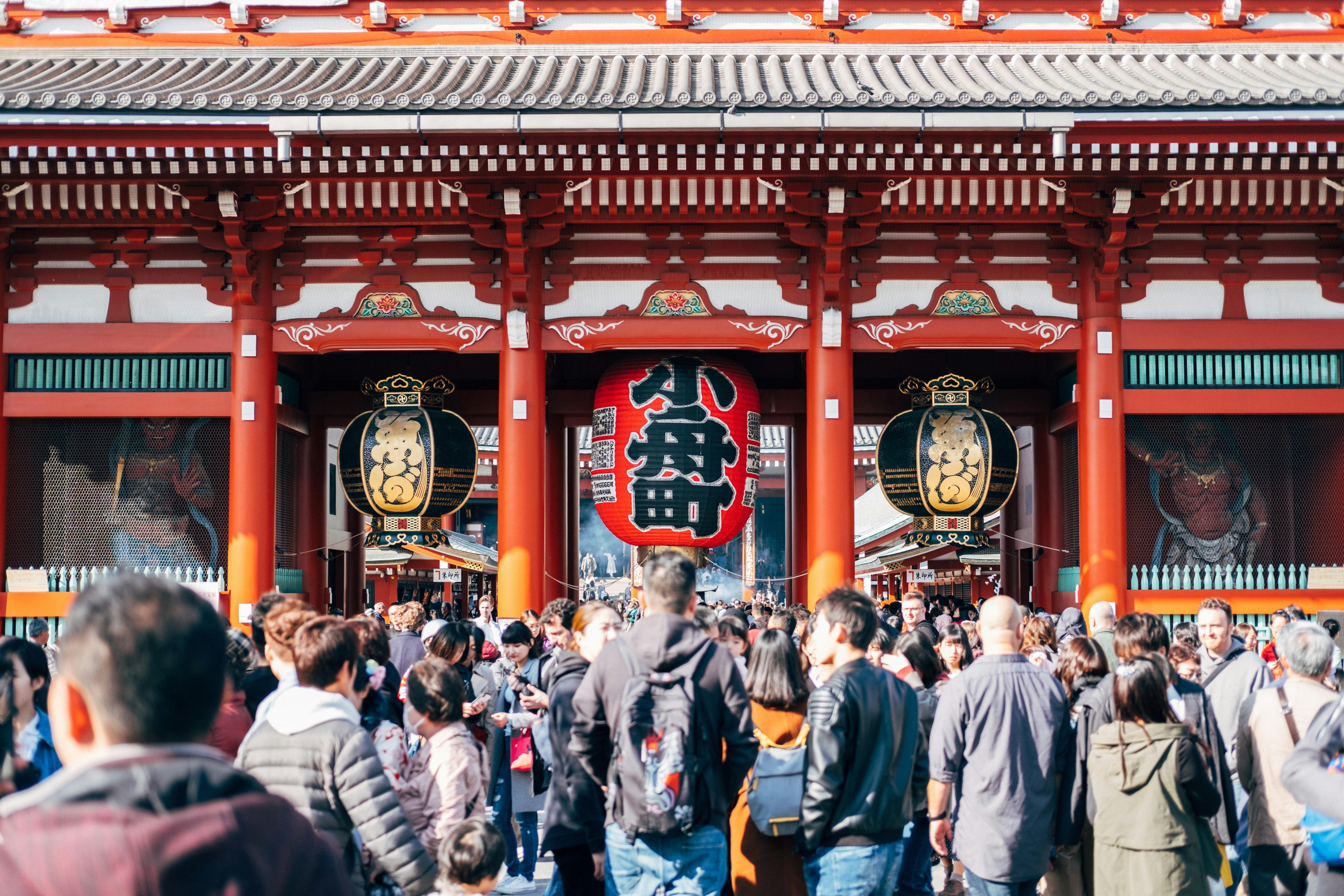
Senso-ji Temple
浅草寺
Senso-ji is Tokyo's oldest and most famous Buddhist temple (founded 645 AD), located in Asakusa. The entrance features the iconic Kaminarimon ('Thunder Gate') with a massive red lantern. Walk through Nakamise shopping street (200m of souvenir stalls) to reach the main hall. The temple is free, always open, and stunningly beautiful when lit at night. It's the most touristy temple but also the most photogenic and historically significant.
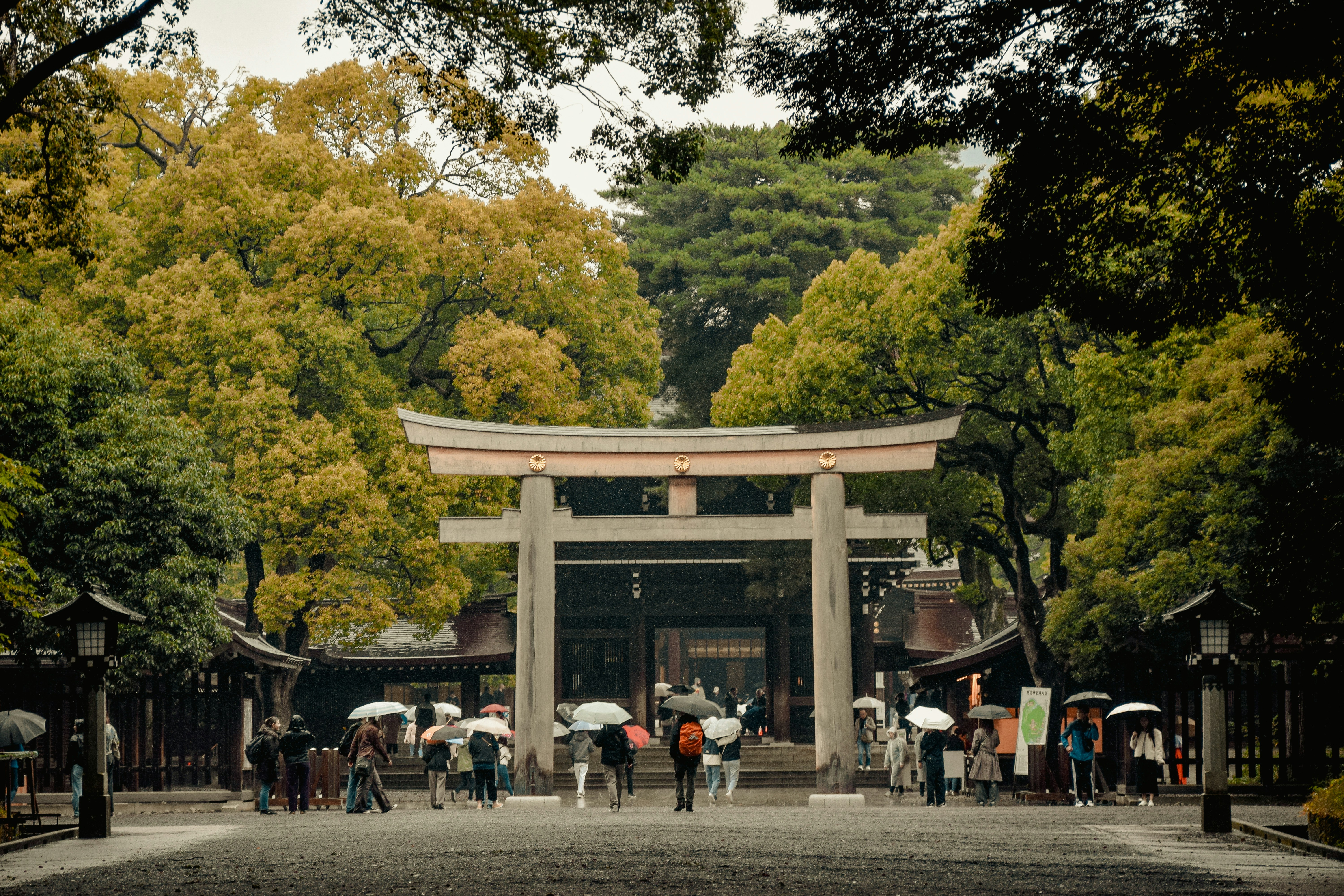
Meiji Shrine
明治神宮
Meiji Shrine (Meiji Jingu) is a serene Shinto shrine dedicated to Emperor Meiji and Empress Shoken, set in a 175-acre forested park in the heart of Tokyo. The walk through the towering torii gates and forest creates a peaceful transition from the chaos of Harajuku next door. The shrine itself is built from Japanese cypress and copper. It's free, always open, and a spiritual escape. If lucky, you might witness a traditional Shinto wedding.
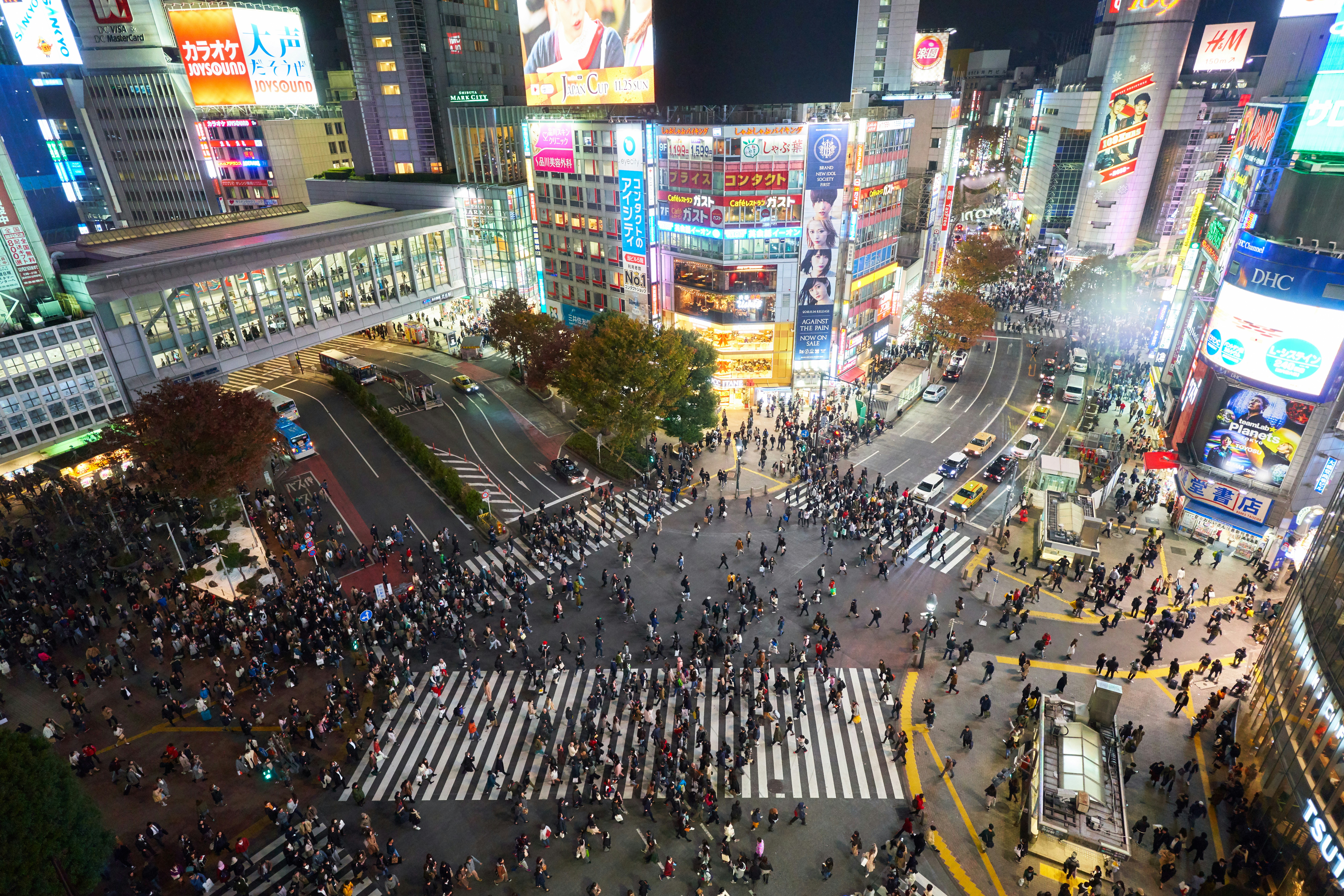
Shibuya Crossing
渋谷スクランブル交差点
Shibuya Crossing is the world's busiest pedestrian intersection—up to 3,000 people cross simultaneously every light cycle (every 2 minutes). It's a spectacle of organized chaos: neon billboards, video screens, and a sea of people converging from five directions. The experience is surreal—you're part of the flow. Best viewed from above (Mag's Park rooftop or Starbucks) or experienced at street level. Peak times (6-8pm weekdays) are most dramatic.
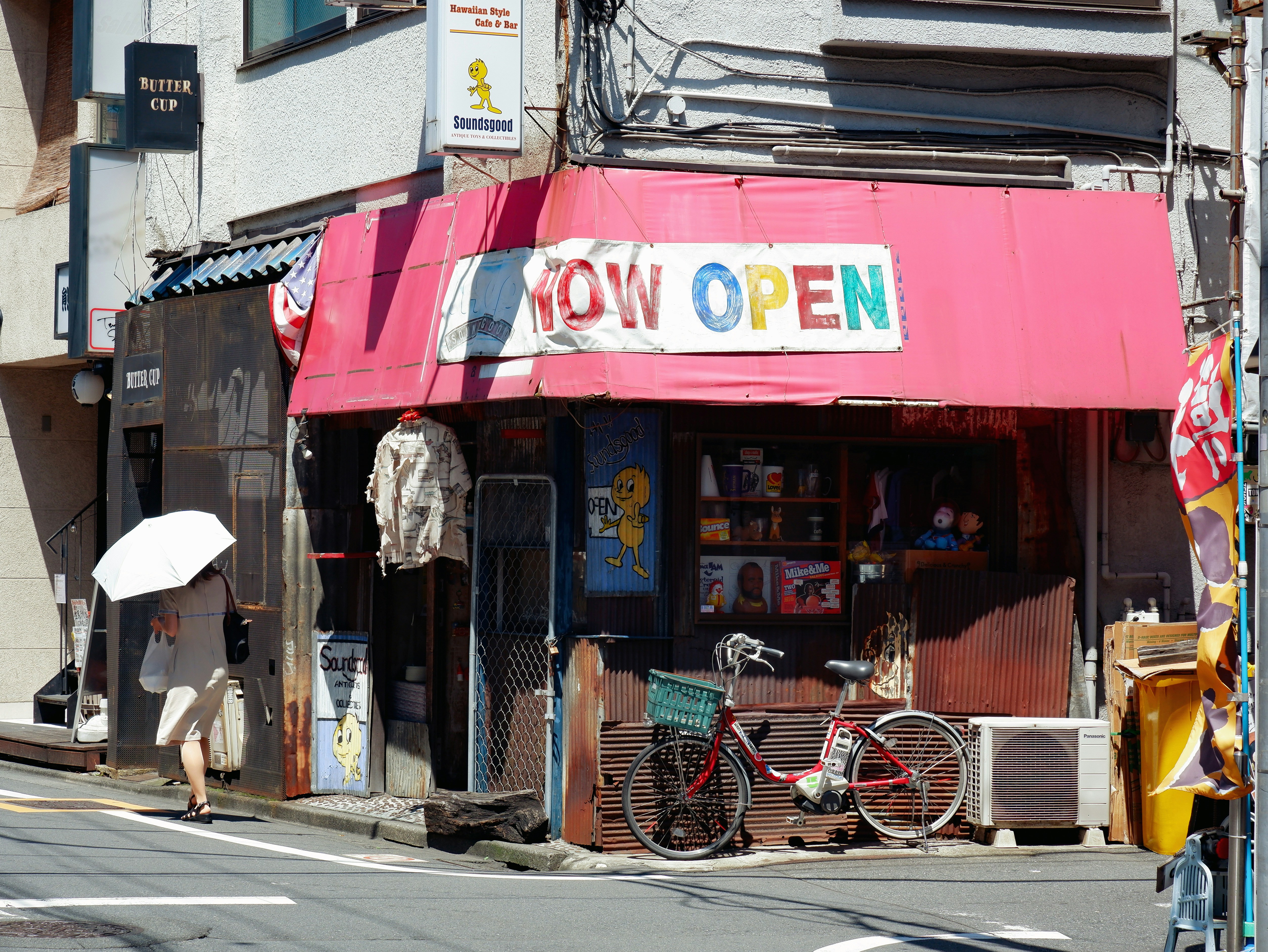
Shimokitazawa
下北沢
Shimokitazawa ('Shimokita') is Tokyo's hipster neighborhood: narrow pedestrian streets packed with vintage clothing shops, vinyl record stores, indie cafes, tiny theaters, and second-hand bookstores. There are no skyscrapers, chain stores, or tourist landmarks—just wandering, discovering, and vibes. The new 'Bonus Track' greenway (2020) connects Shimokita to Setagaya-Daita with boutique shops. It's where young Tokyoites spend weekends thrifting and cafe-hopping.
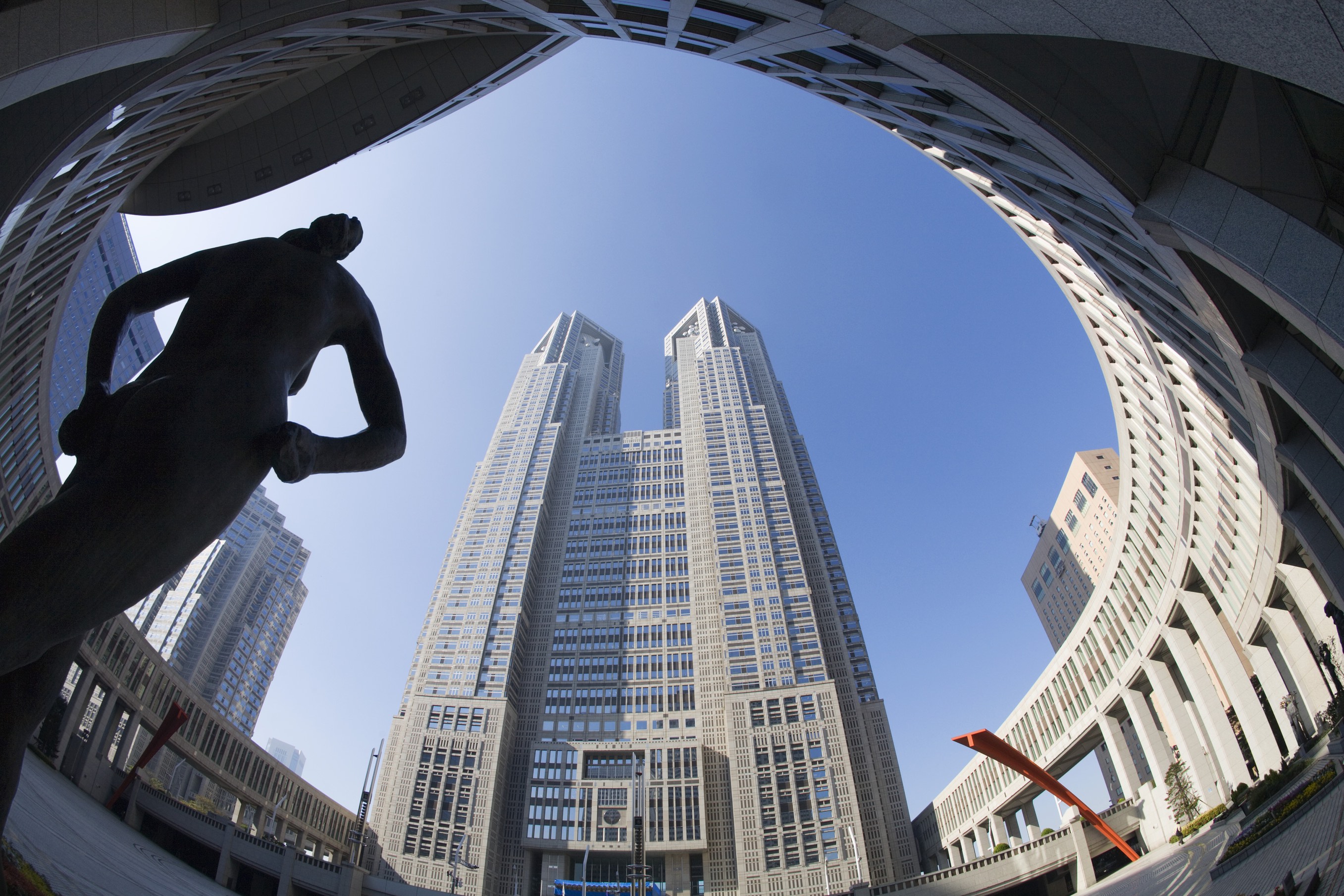
Tokyo Metro Gov Building
東京都庁
Tokyo Metropolitan Government Building (Tocho) offers the best FREE panoramic view in Tokyo from its 45th-floor observation decks (202 meters high). On clear days, you can see Mt. Fuji. The view rivals paid observation decks like Shibuya Sky (¥2,500) or Tokyo Skytree (¥3,000). Located in West Shinjuku among skyscrapers, the building itself is impressive brutalist architecture. Two towers—usually at least one is open. Less crowded than tourist observation decks.
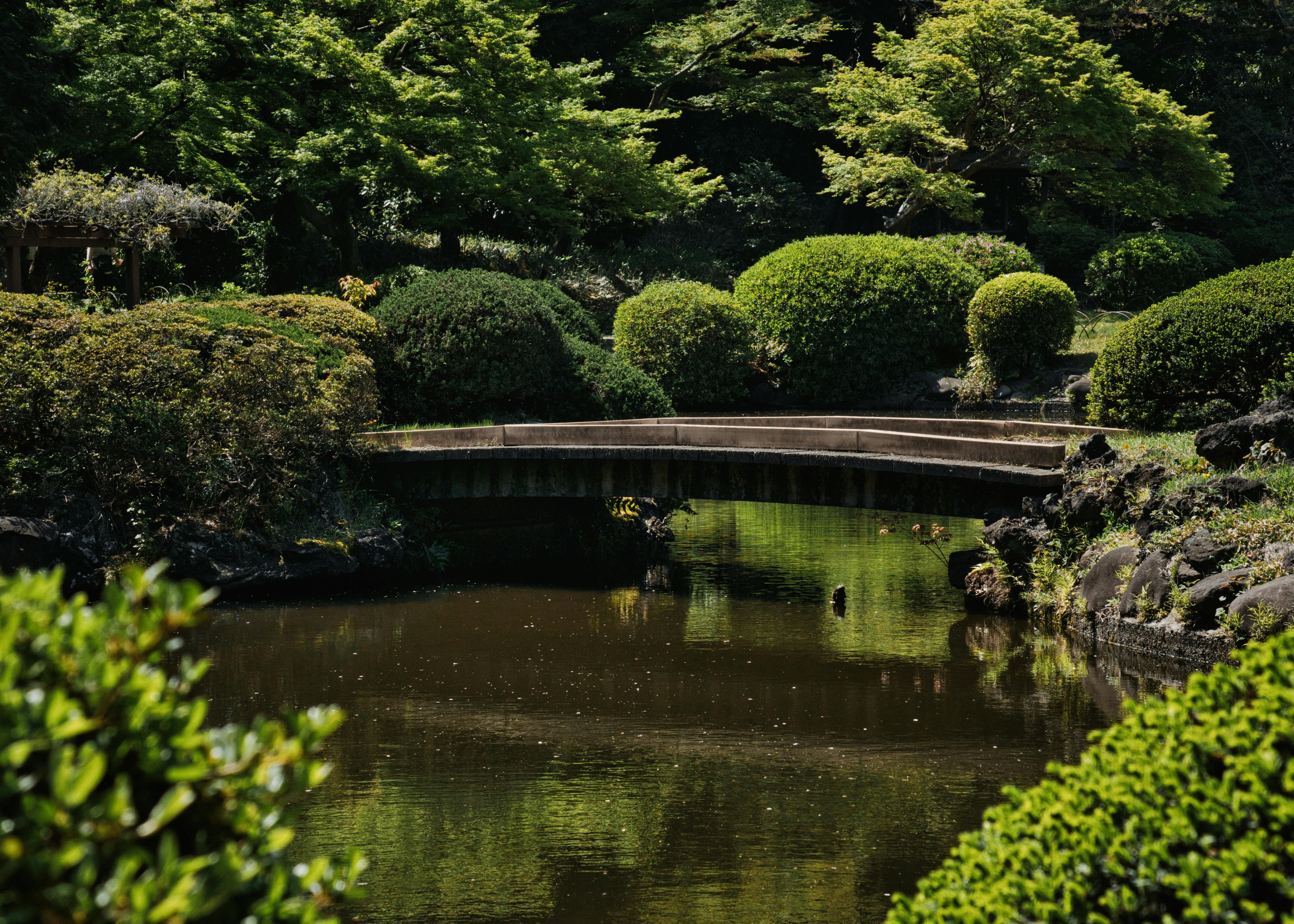
Shinjuku Gyoen
新宿御苑
Shinjuku Gyoen is a massive 144-acre traditional Japanese garden in the heart of Tokyo, combining three garden styles: French formal, English landscape, and Japanese traditional. It's famous for cherry blossoms (1,000+ trees, March-April) and autumn foliage (November). The park offers a peaceful reset from the urban chaos of Shinjuku. Entry costs ¥500, but it's spacious, well-maintained, and never feels crowded. No food/alcohol allowed—bring nothing but yourself.
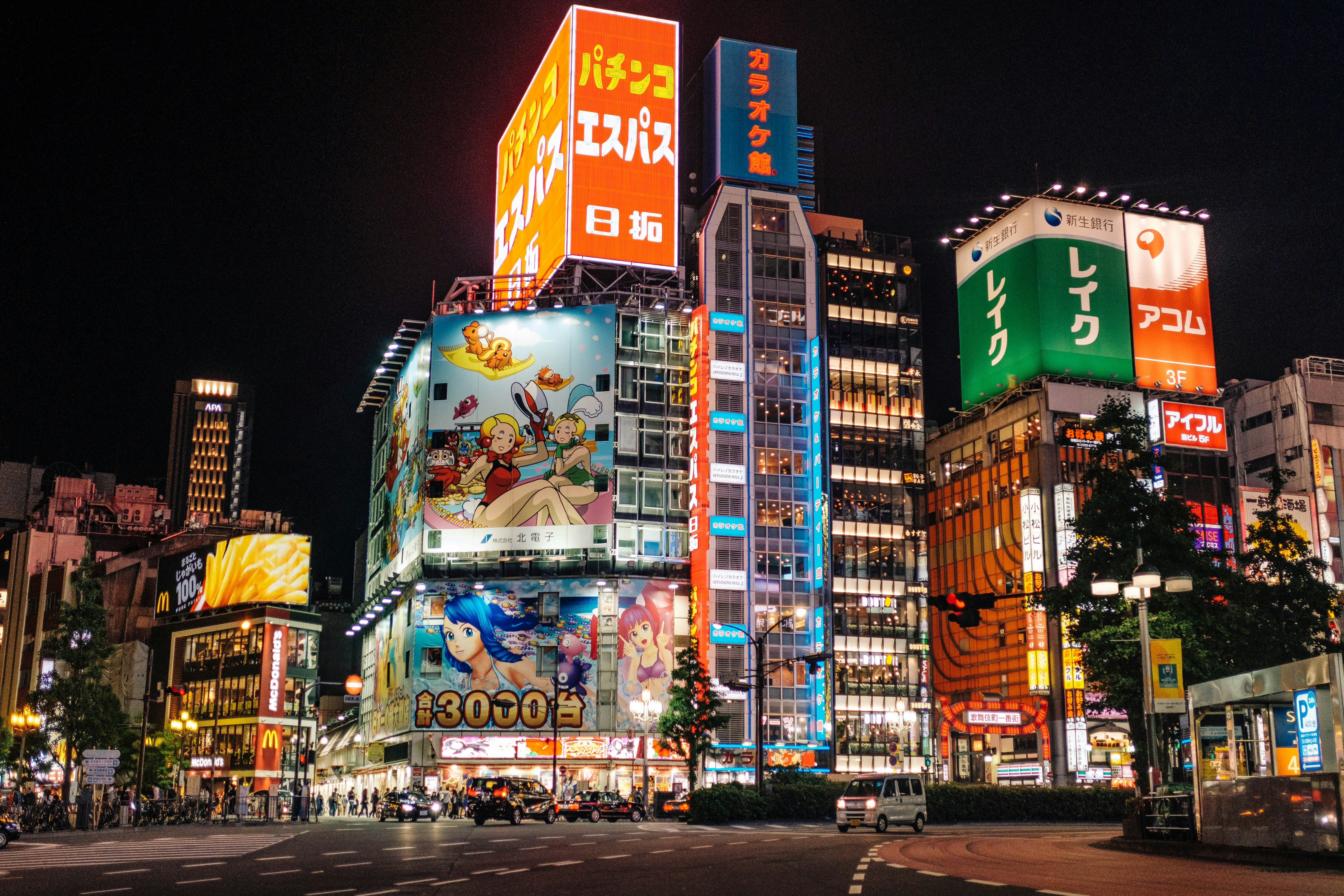
Shinjuku at Night
新宿
Shinjuku at night is Tokyo's neon soul: towering video screens, packed izakayas, red-light districts (Kabukicho), and smoky alleyways like Omoide Yokocho ('Piss Alley')—a narrow alley of yakitori stalls where salarymen drink after work. The area is safe but chaotic, loud, and overwhelming. East Shinjuku (Kabukicho) is the entertainment district; Omoide Yokocho offers authentic grilled skewers under low ceilings. It's cyberpunk reality.
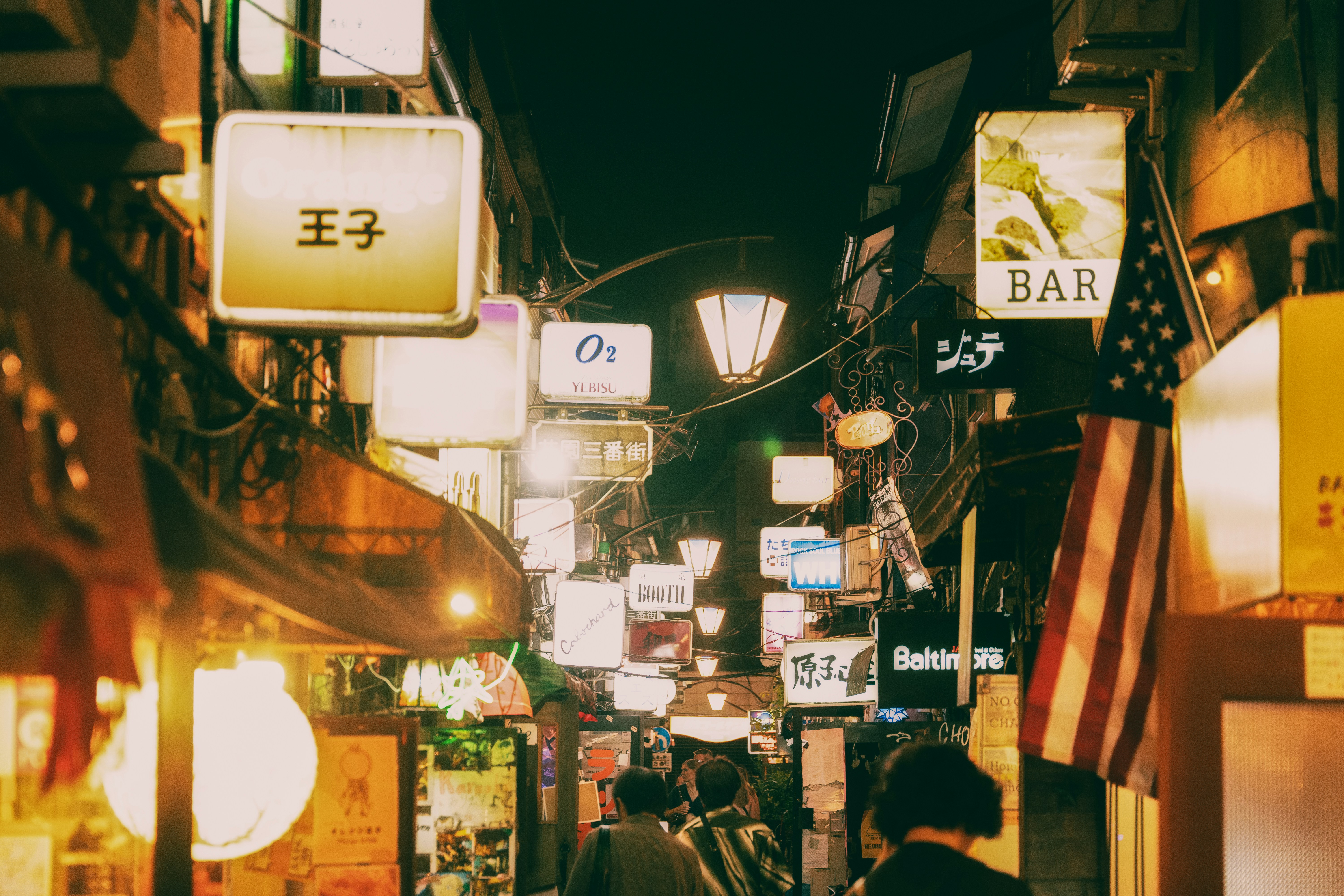
Golden Gai
ゴールデン街
Golden Gai is a cluster of over 200 tiny bars (seating 4-8 people) packed into six narrow alleys in Shinjuku. Each bar has its own theme, regulars, and personality—some welcome tourists, others don't. Most charge a cover fee (¥500-1,000) plus drink costs. It's a relic of post-war Tokyo, miraculously surviving redevelopment. The atmosphere is intimate, smoky, and nostalgic. Not all bars accept walk-ins—look for signs saying 'English OK' or 'Tourists welcome.'
teamLab Planets
チームラボ
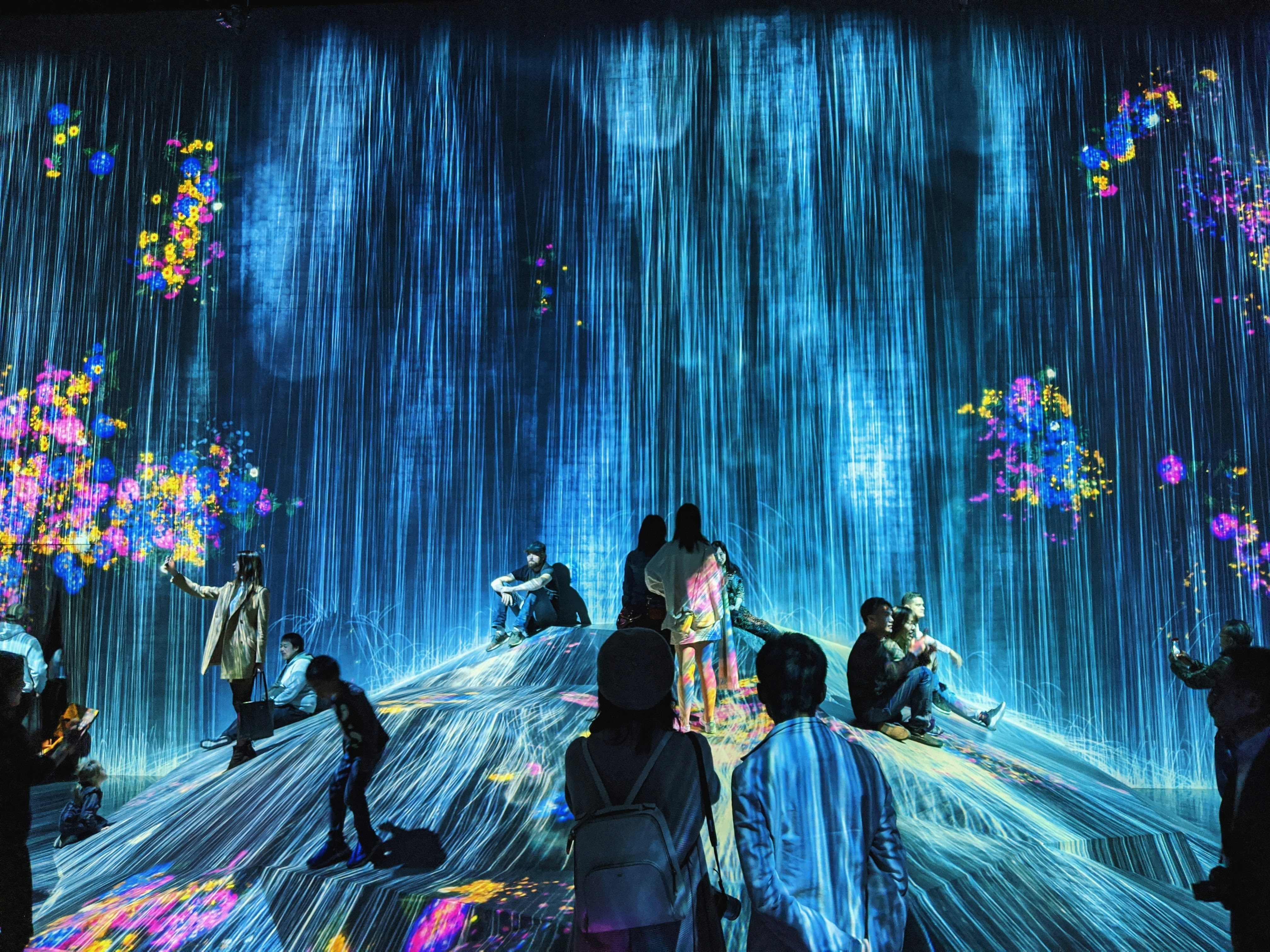
teamLab Planets is an immersive digital art museum where you walk barefoot through water, wade through mirrored rooms filled with floating flowers, and experience interactive light installations that respond to your movement. It's surreal, Instagrammable, and overwhelmingly popular—tickets sell out weeks in advance. The experience is multi-sensory: touch, walk, wade. Each room is a different world. It's art meets technology meets playground. Budget 90 minutes.
Akihabara Electric Town
秋葉原
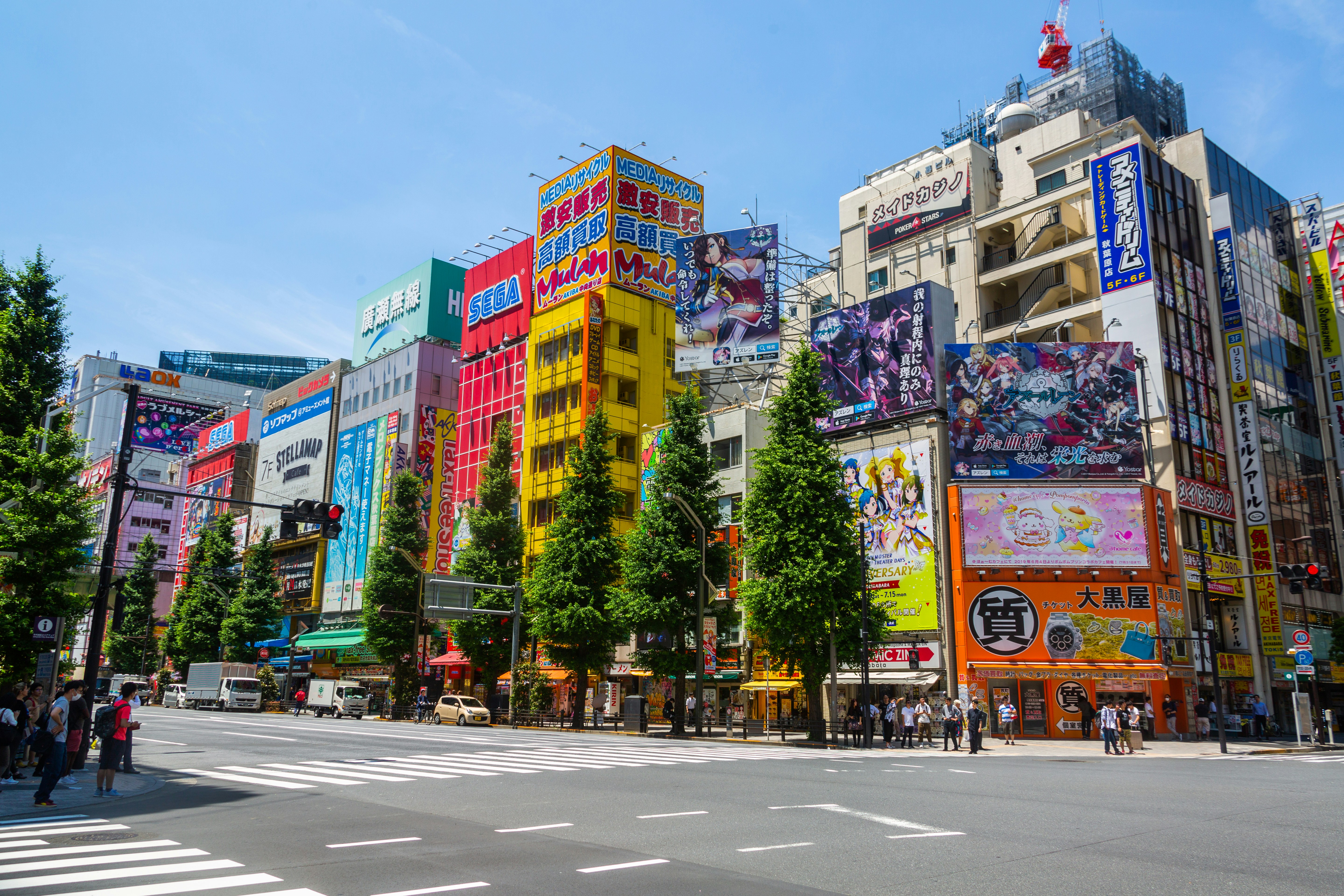
Akihabara ('Akiba') is the center of anime, manga, and otaku (geek) culture: multi-story electronics stores, anime shops, maid cafes, arcades, and adult goods stores. It's sensory overload—neon signs, cosplayers, and blaring J-pop. You can buy anything from retro video games to the latest tech gadgets. Maid cafes are surreal—waitresses in maid costumes serve food with performances. It's weird, wonderful, and uniquely Tokyo. Not for everyone.
Shotengai (Shopping Street)
商店街
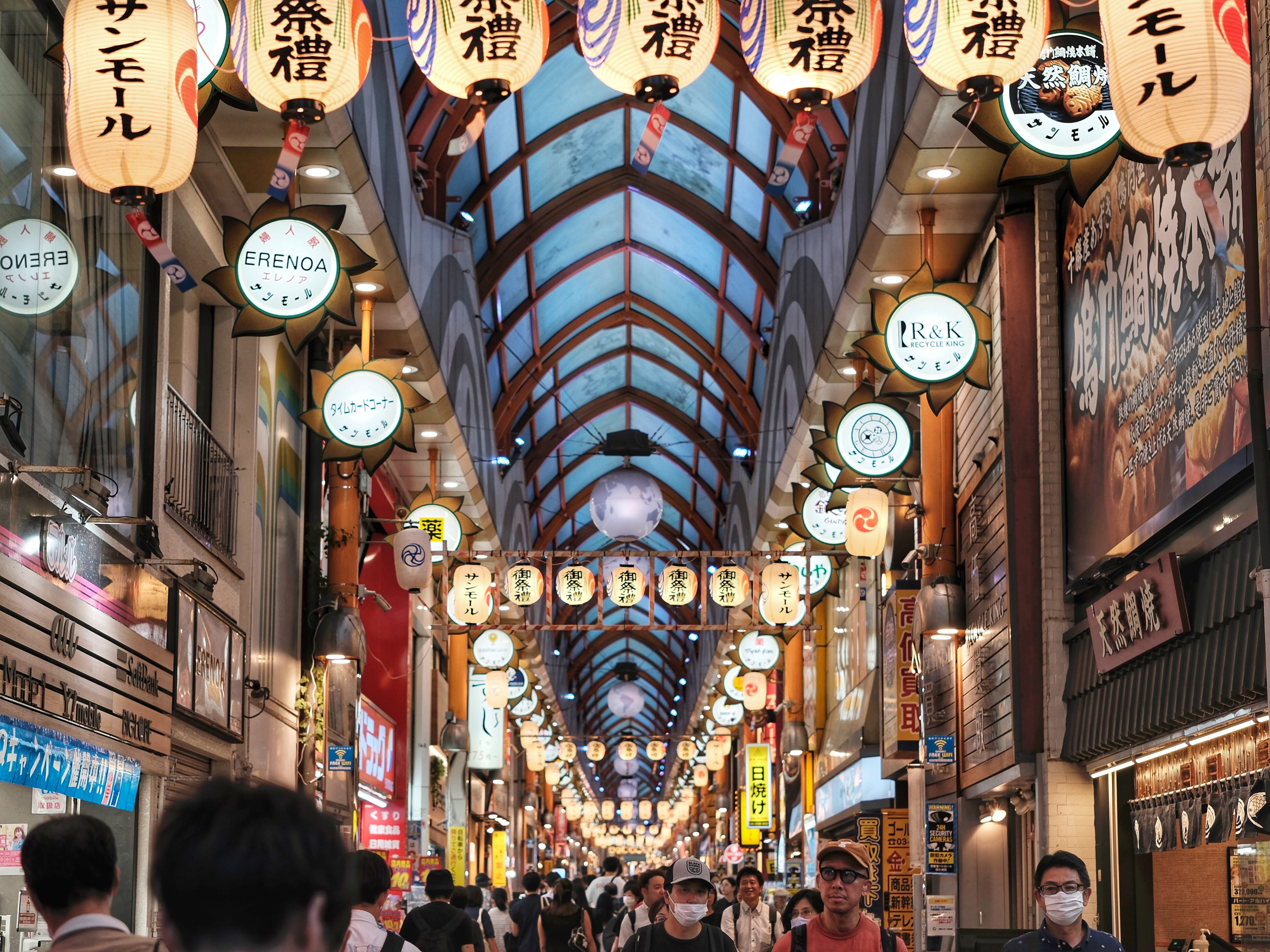
Shotengai are traditional covered shopping arcades found in every Tokyo neighborhood—long pedestrian streets lined with independent shops: butchers, fishmongers, tea shops, rice crackers, pharmacies, cheap croquette stands, and family-run restaurants. No chains, no tourists, just locals buying groceries and daily necessities. Famous examples: Nakano Broadway, Togoshi Ginza, Koenji. This is where real everyday Tokyo life happens, away from the tourist districts.
🎒Travel Essentials for Tokyo
Curated gear recommended by locals to make your trip smoother.
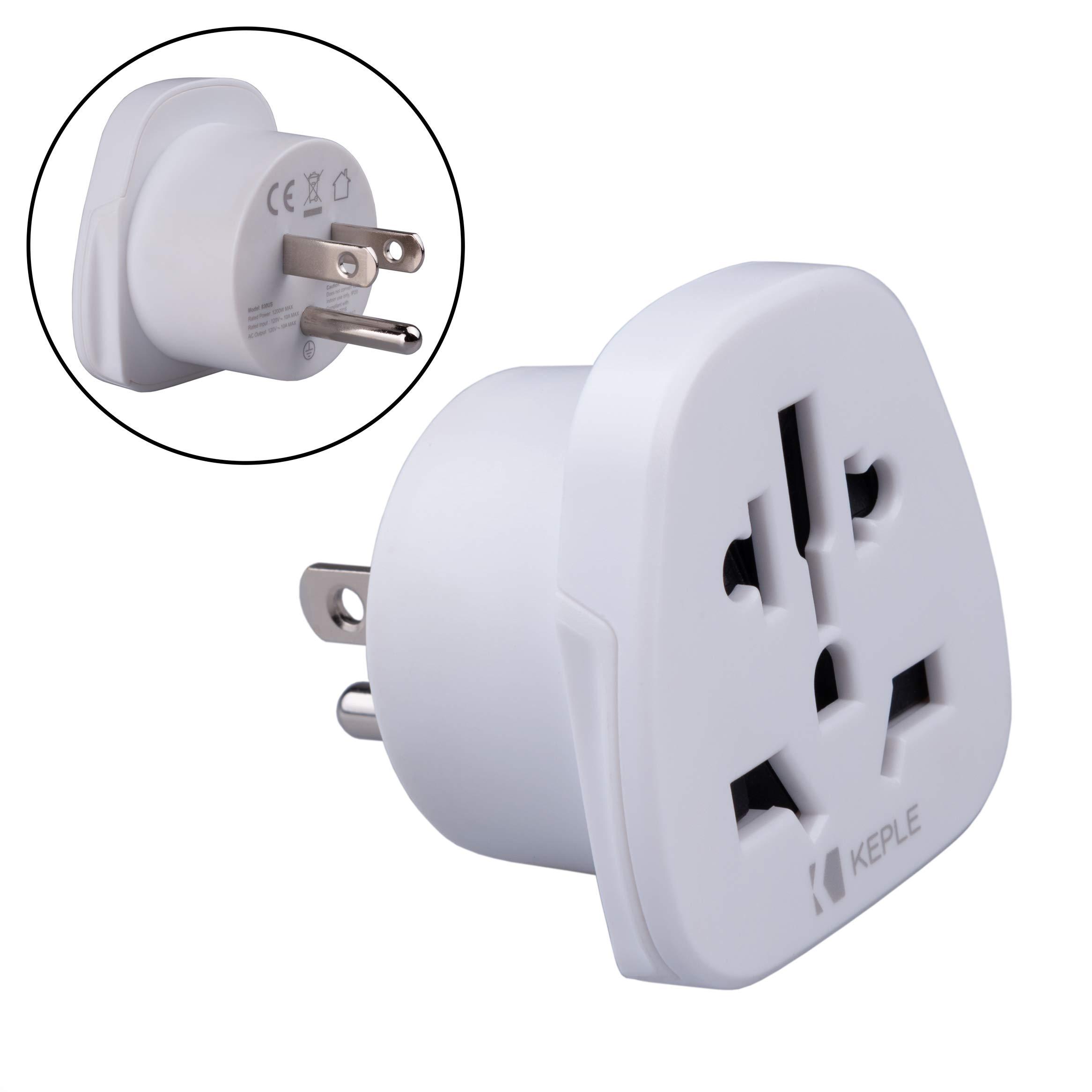
Japan Travel Adapter (Type A/B)
Why you need it:Japan uses Type A (two flat pins). European/UK travelers need an adapter.
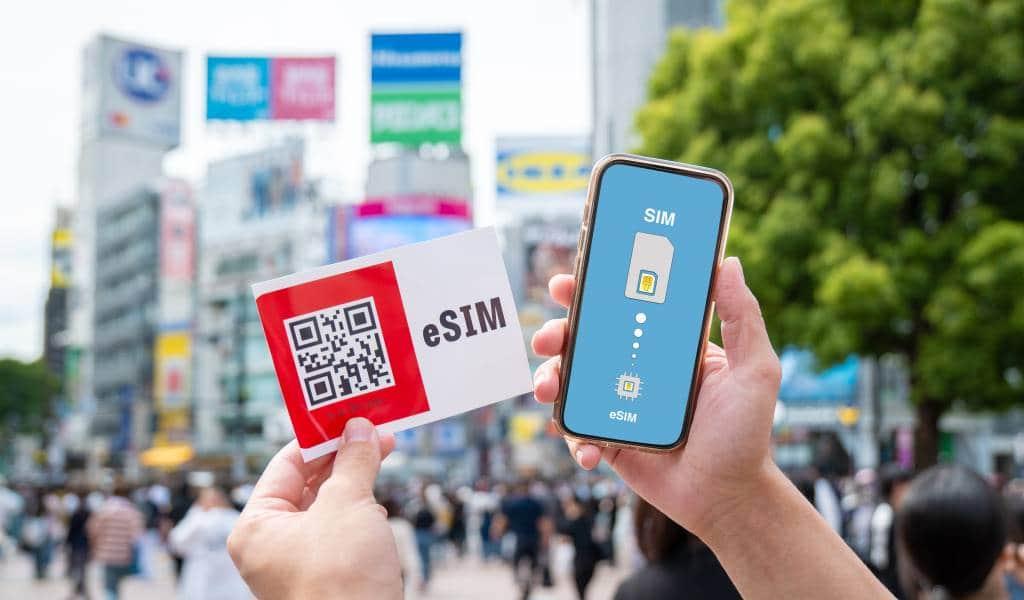
Pocket WiFi / eSIM
Why you need it:Free WiFi is rare in public. You need data for Google Maps and translation. Rent a Pocket WiFi or buy an eSIM.
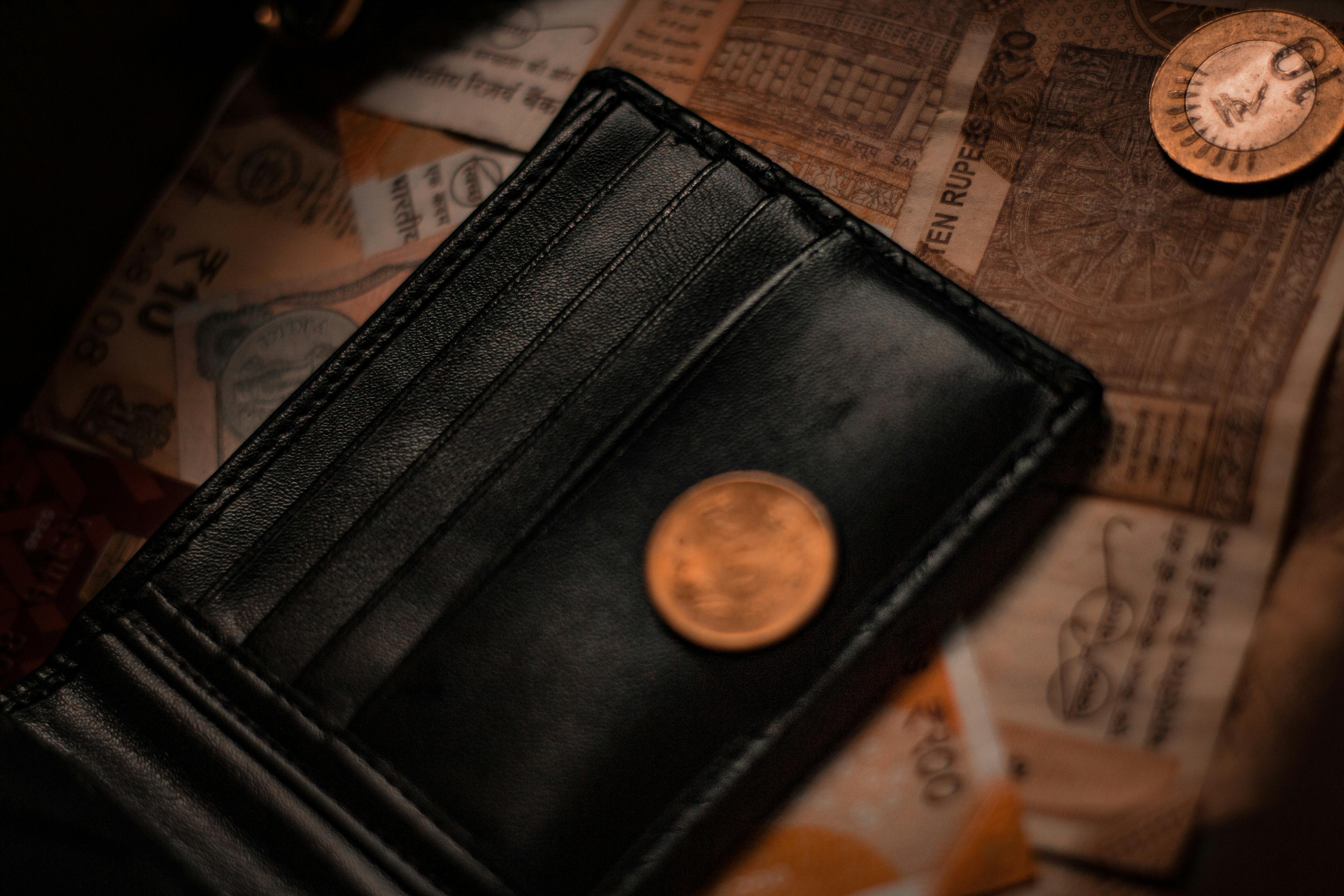
Coin Purse
Why you need it:Cash is still king, and you will accumulate a LOT of coins. A dedicated coin purse is a life-saver.
As an Amazon Associate, we earn from qualifying purchases.•Prices and availability subject to change.•Smart routing detects your region for the best shopping experience.
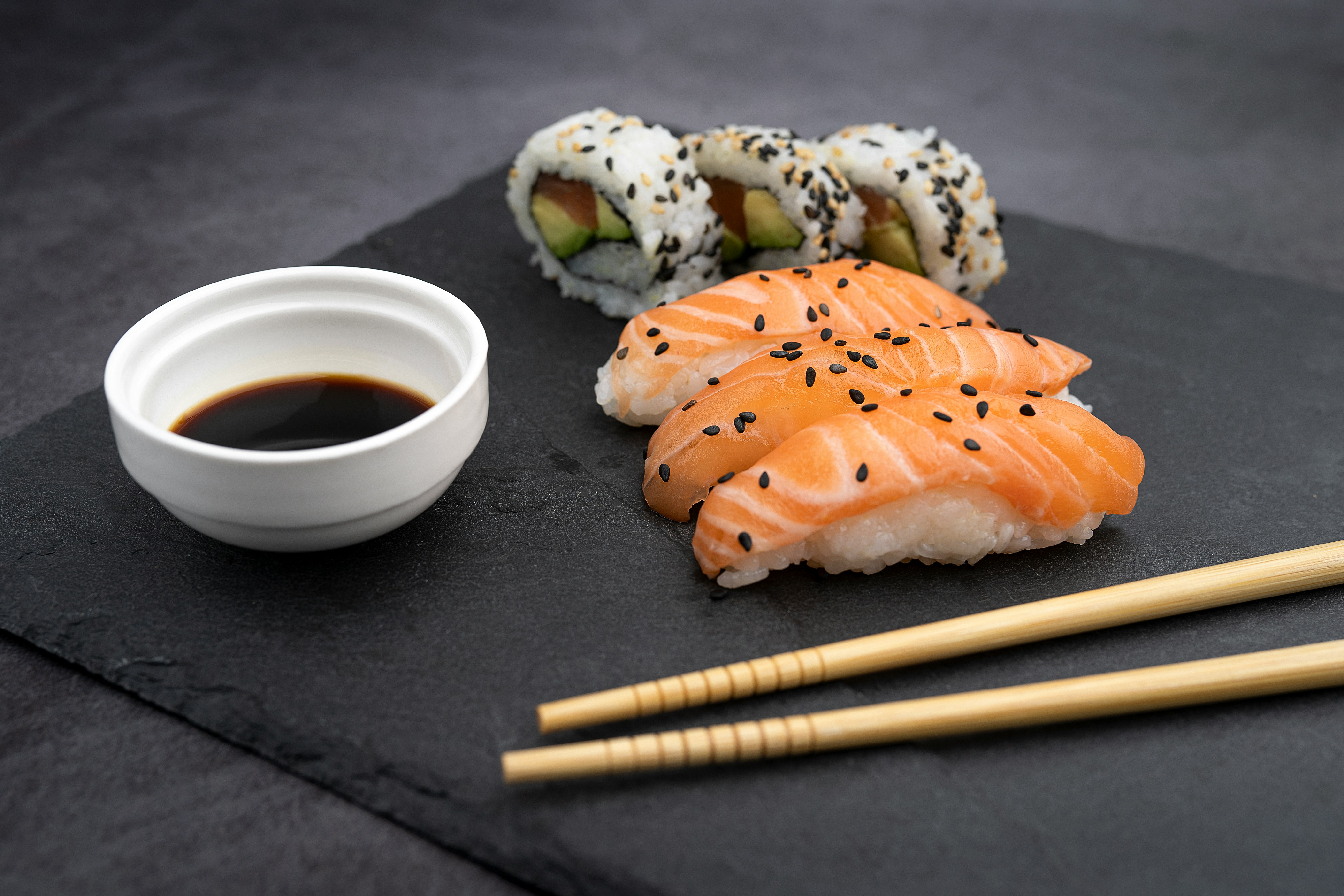
Sushi
寿司
Sushi is fresh raw fish or seafood served over vinegared rice, sometimes with wasabi between the fish and rice. Tokyo is the global capital of sushi, from ultra-expensive omakase (chef's choice tasting menus at counters like Sukiyabashi Jiro) to affordable kaiten-zushi (conveyor belt sushi). Each piece is meant to be eaten in one bite. Don't mix wasabi into soy sauce—it's already in the sushi.
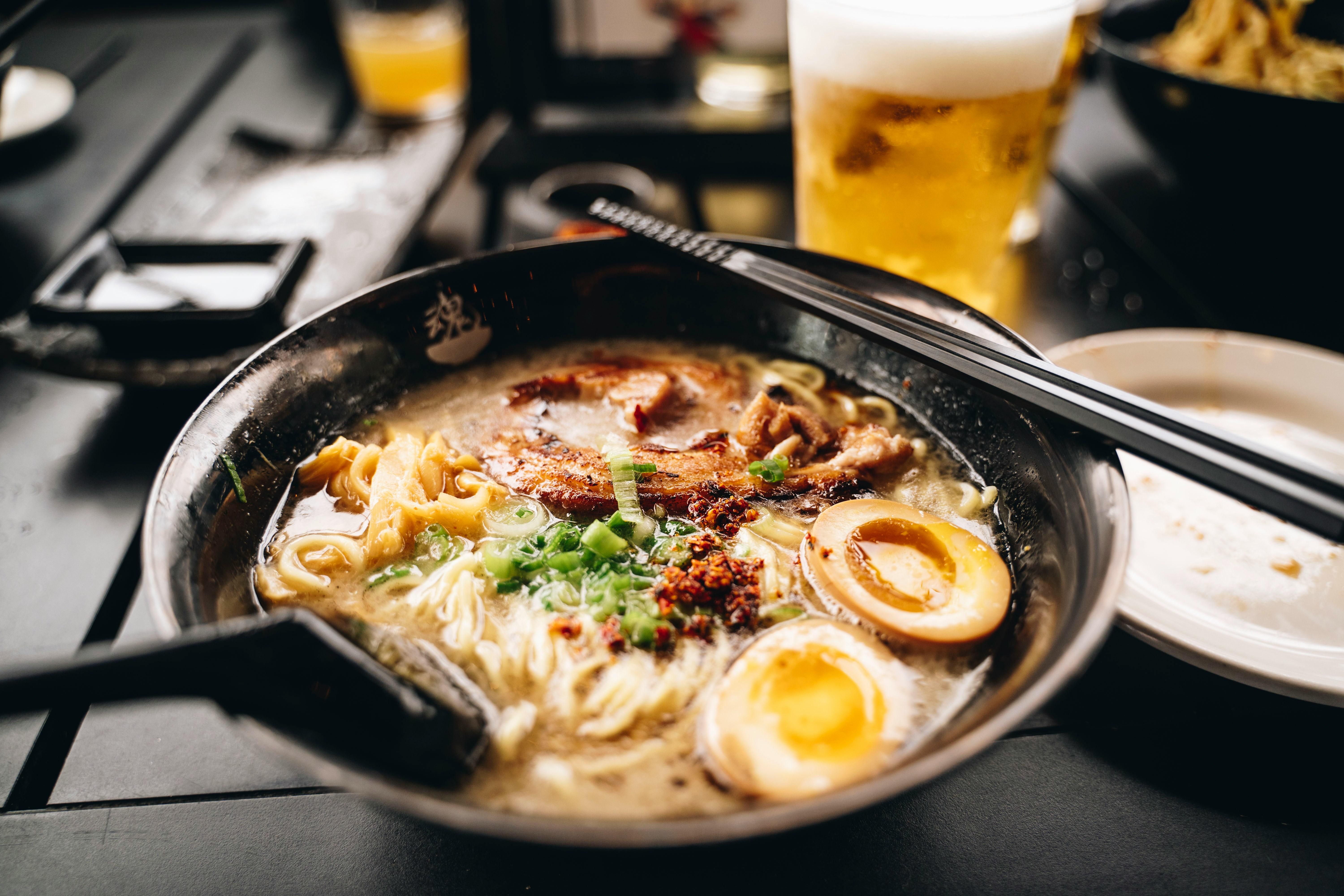
Ramen
ラーメン
Ramen is Tokyo's soul food: wheat noodles in rich broth (shoyu soy sauce, miso, tonkotsu pork bone, or shio salt) with toppings like chashu pork, soft-boiled egg, nori, and green onions. It's fast, cheap (¥800-1,200), and consumed solo at counters. Slurping is encouraged—it cools the noodles and enhances flavor by aerating the broth. Most shops require ordering via ticket vending machines before sitting.
Tempura
天ぷら
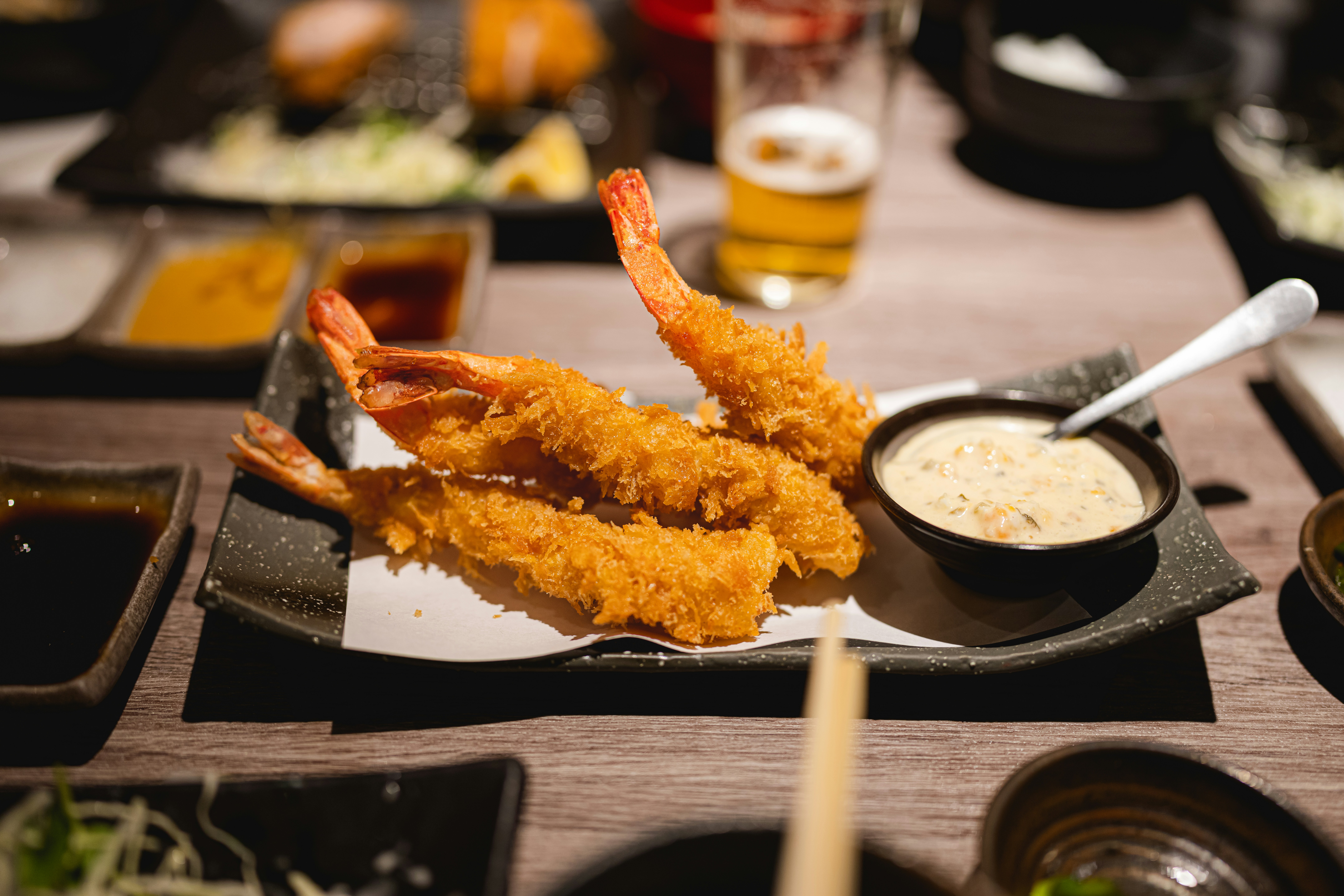
Tempura is seafood or vegetables battered in a light, airy coating and deep-fried at precise temperatures (160-180°C) until crispy but not greasy. Common items: ebi (shrimp), anago (sea eel), shiitake mushrooms, shiso leaves, and sweet potato. Served over rice (tendon) or with dipping sauce (tentsuyu). High-end tempura restaurants serve each piece individually as it's fried. The batter should shatter on first bite.
Japanese Curry
カレーライス
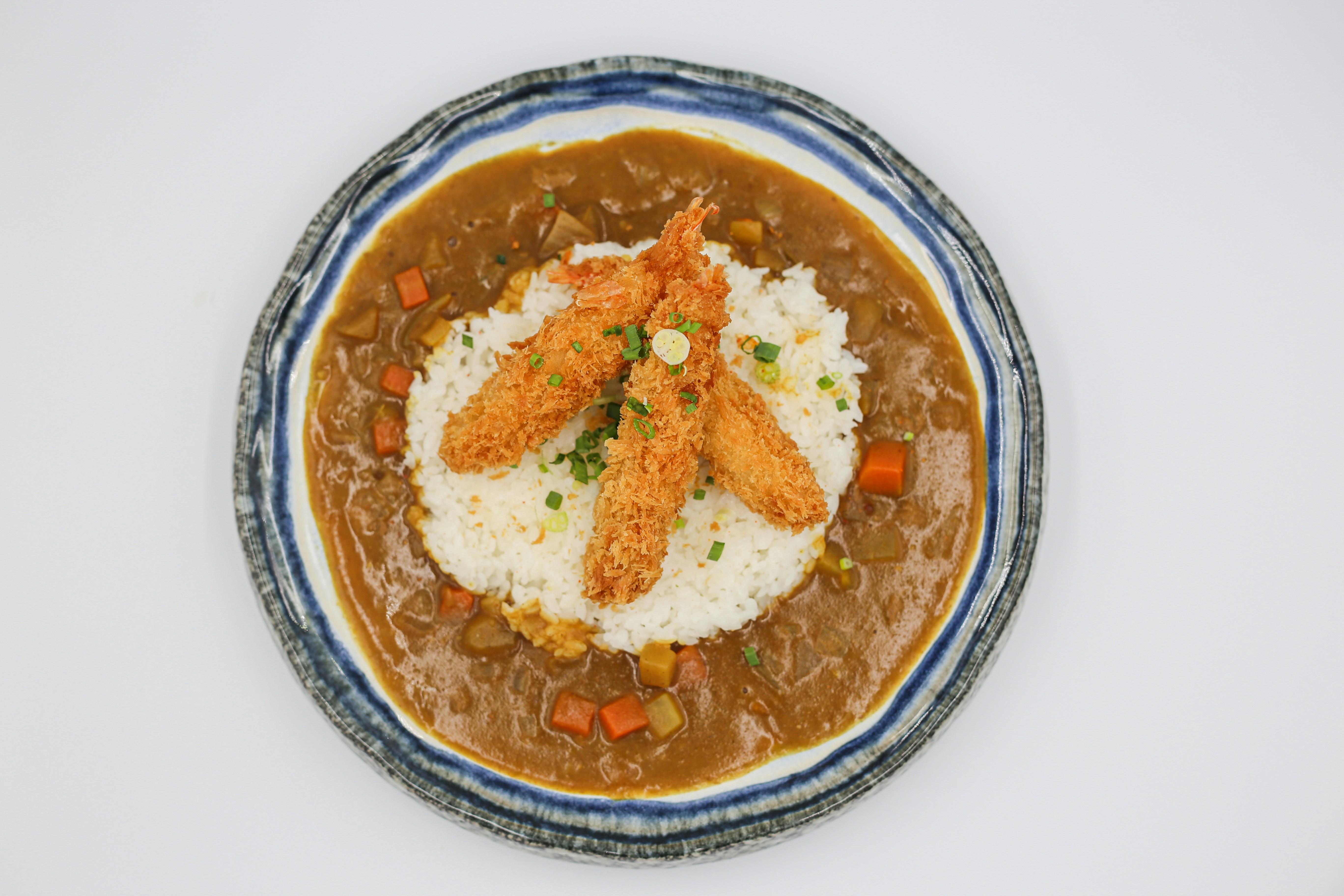
Japanese curry (kare raisu) is thick, mild, slightly sweet, and completely different from Indian or Thai curry. It's made with a roux base containing curry powder, flour, and oil, resulting in a gravy-like consistency. Served over rice with toppings like pork cutlet (katsu curry), chicken, or vegetables. CoCo Ichibanya is the ubiquitous chain where you customize spice levels (1-10) and toppings. It's comfort food, not exotic.
Tonkatsu
とんかつ
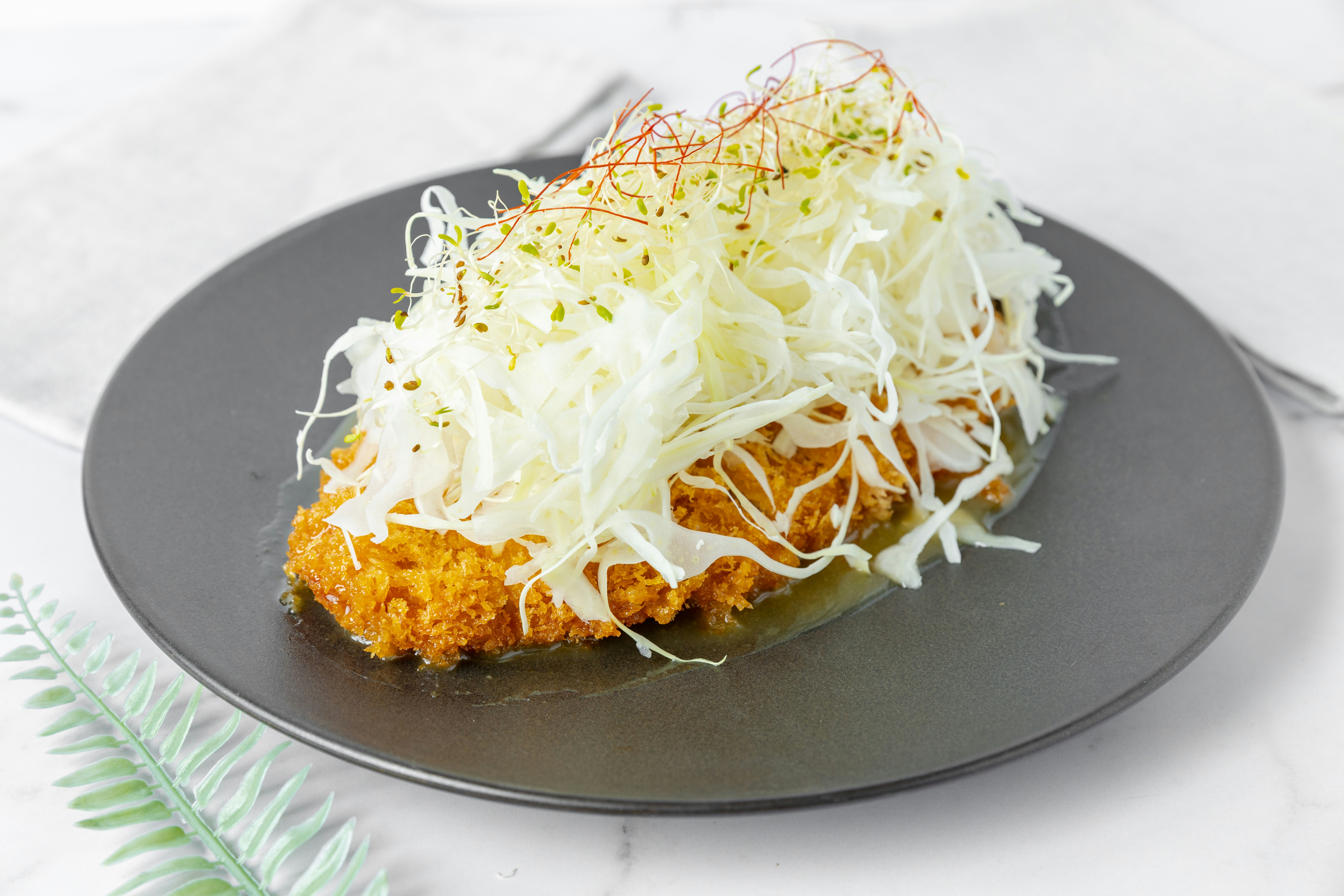
Tonkatsu is a breaded, deep-fried pork cutlet (usually loin or fillet) pounded thin, coated in panko breadcrumbs, and fried at precise temperatures for a crispy exterior and juicy interior. Served with shredded cabbage (eaten with sesame dressing), miso soup, rice, and tonkatsu sauce (thick, sweet-savory). The breading should shatter; the pork should be tender and pale pink inside. It's surgical precision applied to fried pork.
Yakitori
焼き鳥
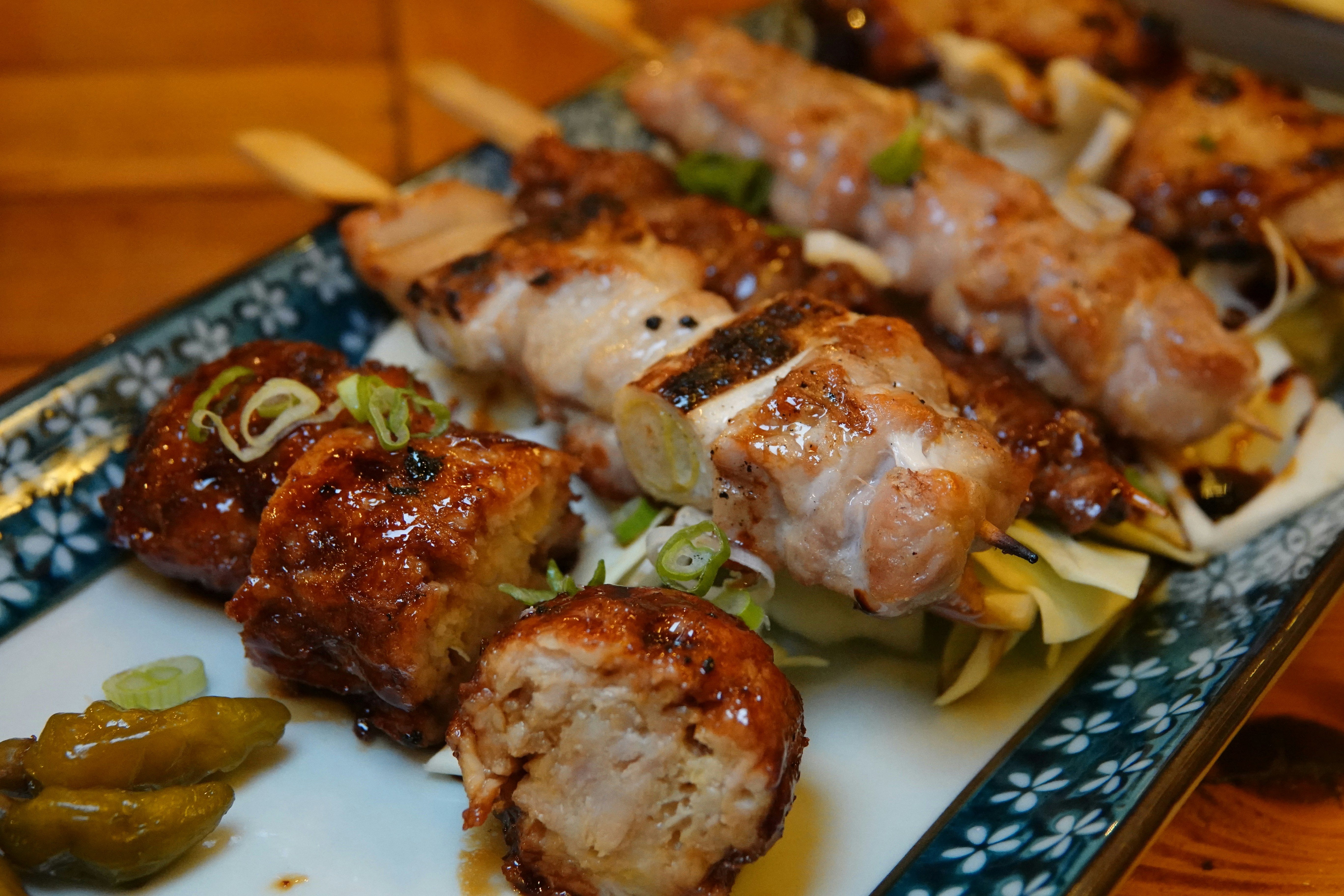
Yakitori is grilled chicken skewers cooked over binchotan charcoal, giving a smoky flavor. Not just breast meat—try thigh (momo), skin (kawa), liver (reba), heart (hatsu), gizzard (sunagimo), and meatballs (tsukune). Ordered 'tare' (sweet soy glaze) or 'shio' (salt). It's the quintessential after-work food, eaten standing at casual joints or sitting in smoke-filled alleys, paired with beer or highballs.
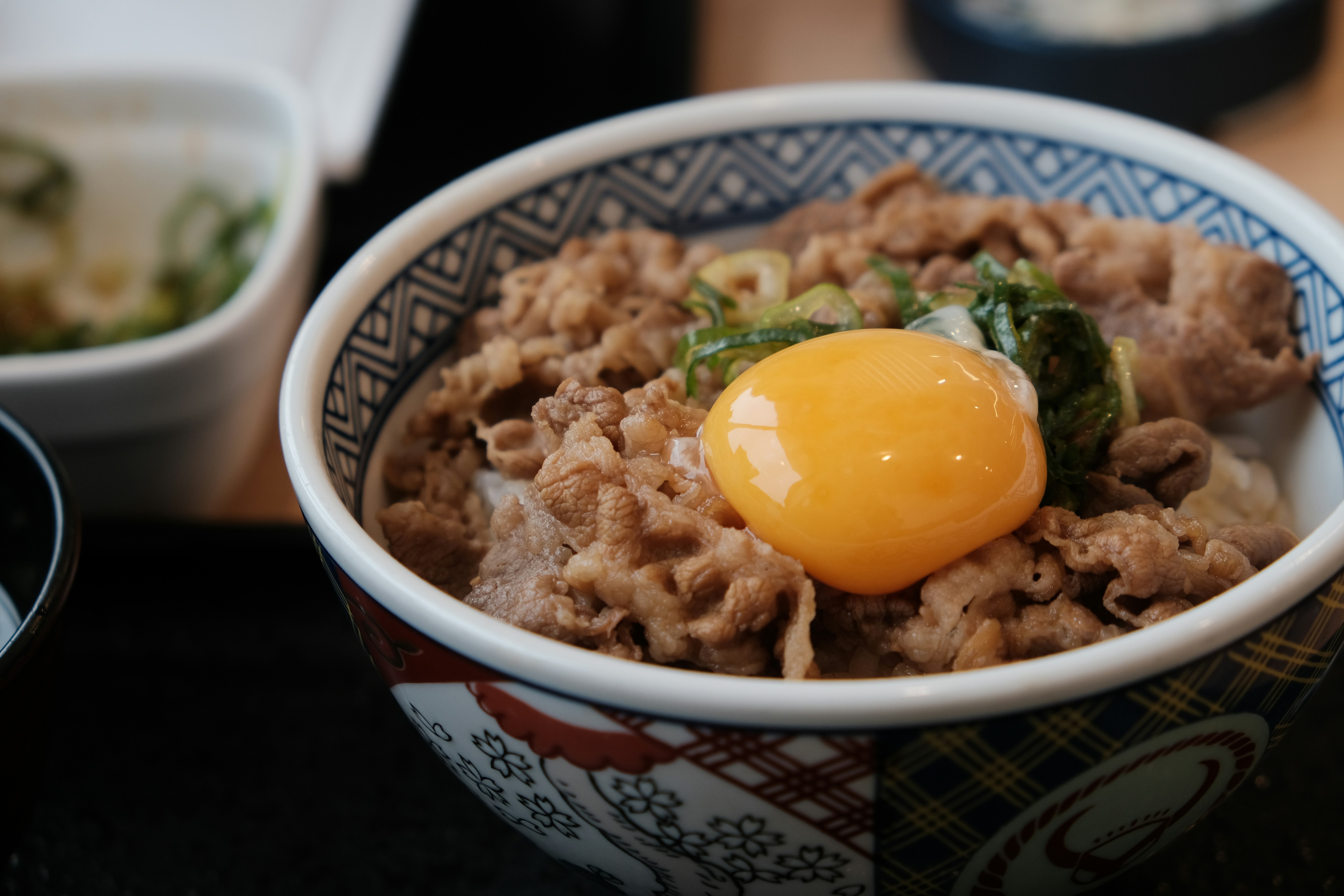
Gyudon (Beef Bowl)
牛丼
Gyudon is thinly sliced beef and onions simmered in a sweet-savory soy-based broth, served over a bowl of steamed white rice. It's fast, cheap (¥400-600), filling, and available 24/7 at chains like Yoshinoya, Sukiya, and Matsuya. You order at a vending machine, sit at a counter, and eat quickly. It's the Japanese equivalent of fast food—utilitarian, consistent, and everywhere.
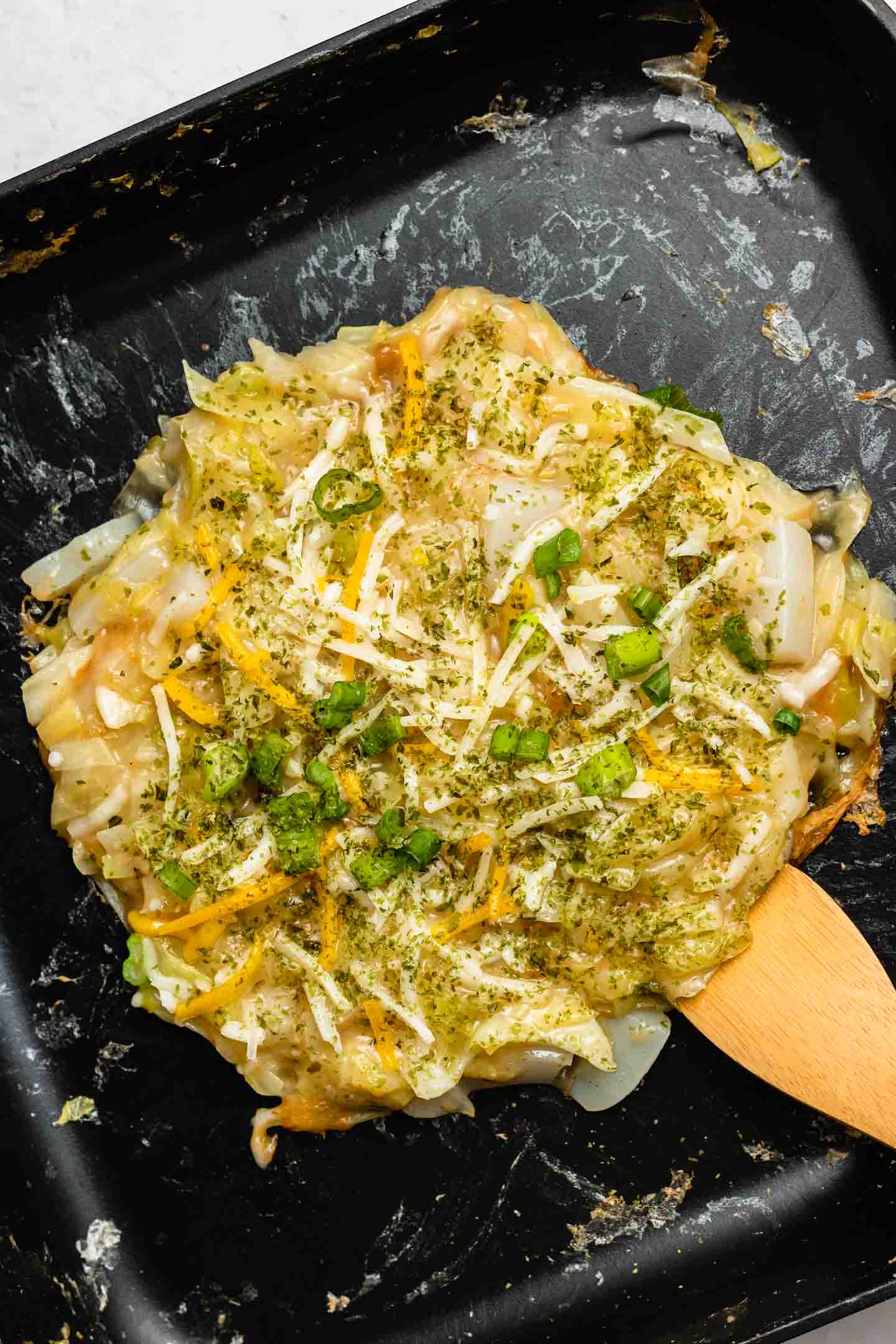
Monjayaki
もんじゃ焼き
Monjayaki is Tokyo's runnier, more chaotic cousin of Osaka's okonomiyaki—a savory pancake made with cabbage, seafood or meat, and a watery batter cooked on a flat teppan grill at your table. The batter stays liquid and crispy at the edges. You scrape it off the grill with tiny metal spatulas and eat directly from the hot surface. It's messy, interactive, and found primarily in Tokyo's Tsukishima neighborhood ('Monja Street').
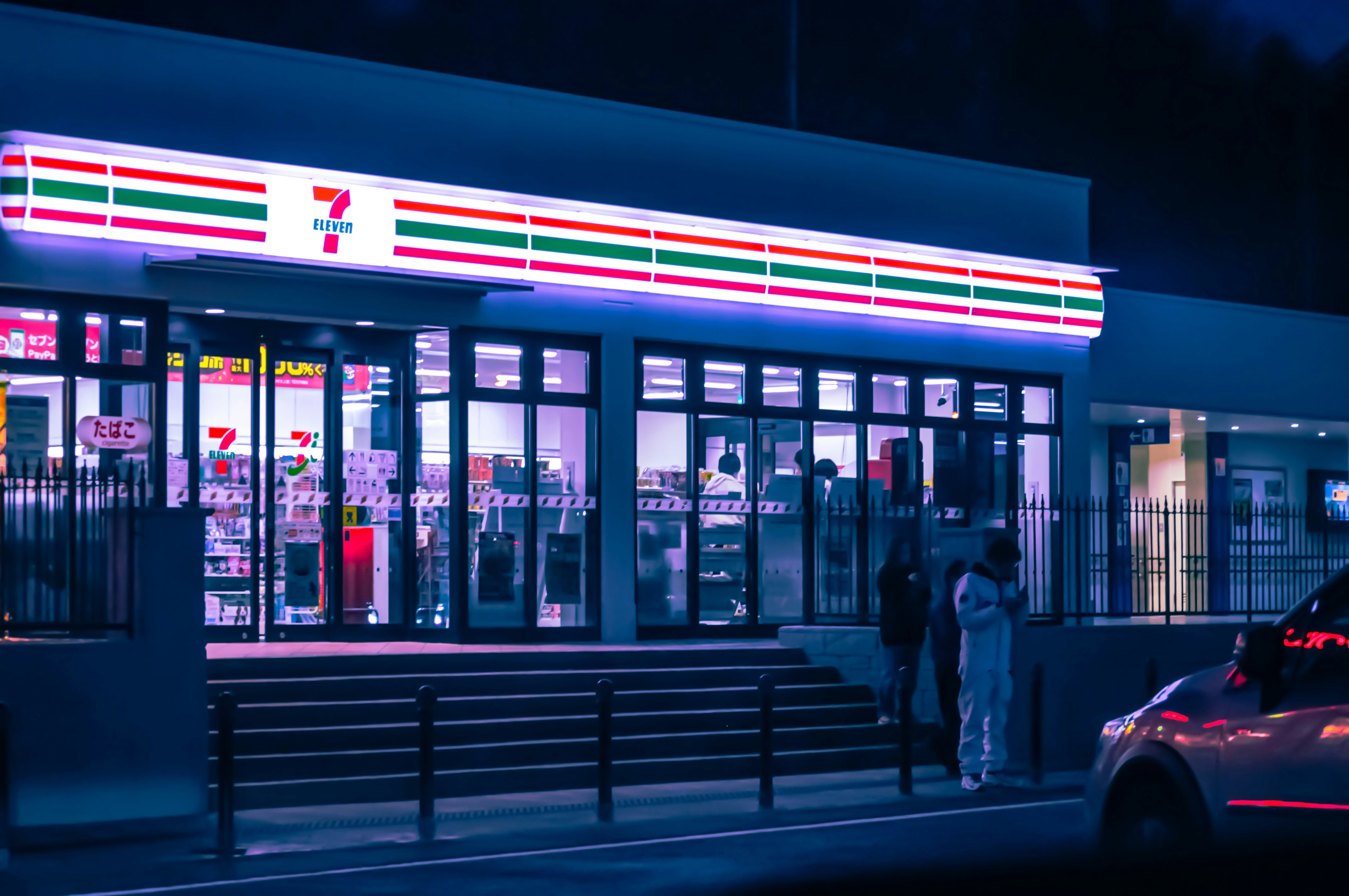
Konbini (Convenience Store)
コンビニ
Konbini (convenience stores)—7-Eleven, Lawson, FamilyMart—are Japan's culinary secret weapon, offering shockingly high-quality food 24/7. Famous items: egg salad sandwiches (fluffy white bread, creamy filling), onigiri (rice balls with salmon, tuna mayo, or pickled plum), fried chicken (Famichiki at FamilyMart), oden (hot pot items in broth), and fresh coffee. It's cheap (¥100-500), reliable, and open all night.
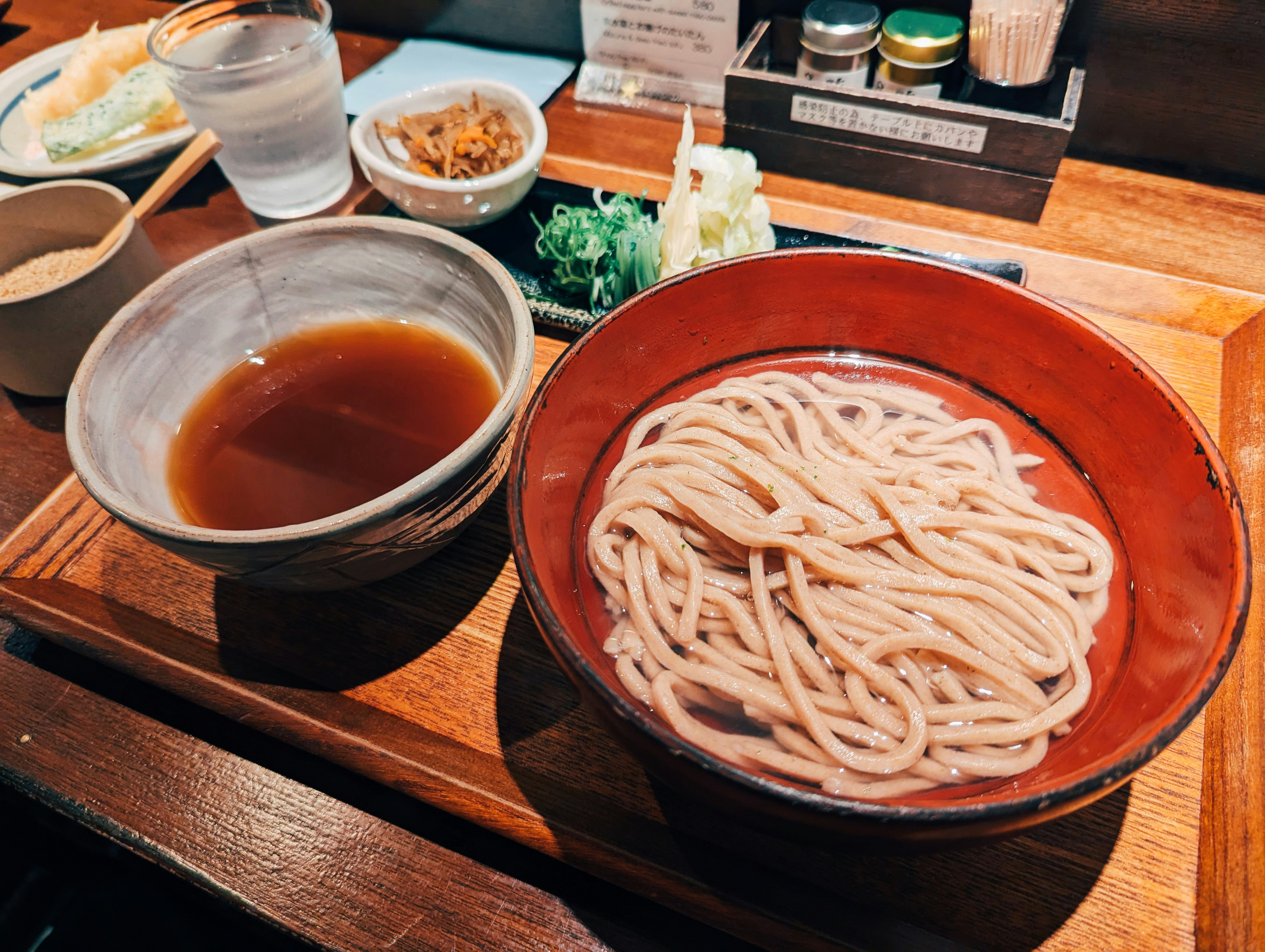
Udon & Soba
うどん / そば
Udon is thick, chewy wheat noodles; soba is thin, nutty buckwheat noodles. Both are served hot in broth or cold with dipping sauce. Found at stand-up counters in train stations (tachi-gui) where you slurp quickly and leave, or sit-down restaurants for handmade versions. It's fast, cheap (¥300-800), and light. Popular versions: kake udon (plain hot broth), tempura soba (with shrimp tempura), and zaru soba (cold noodles).
Teishoku (Set Meal)
定食
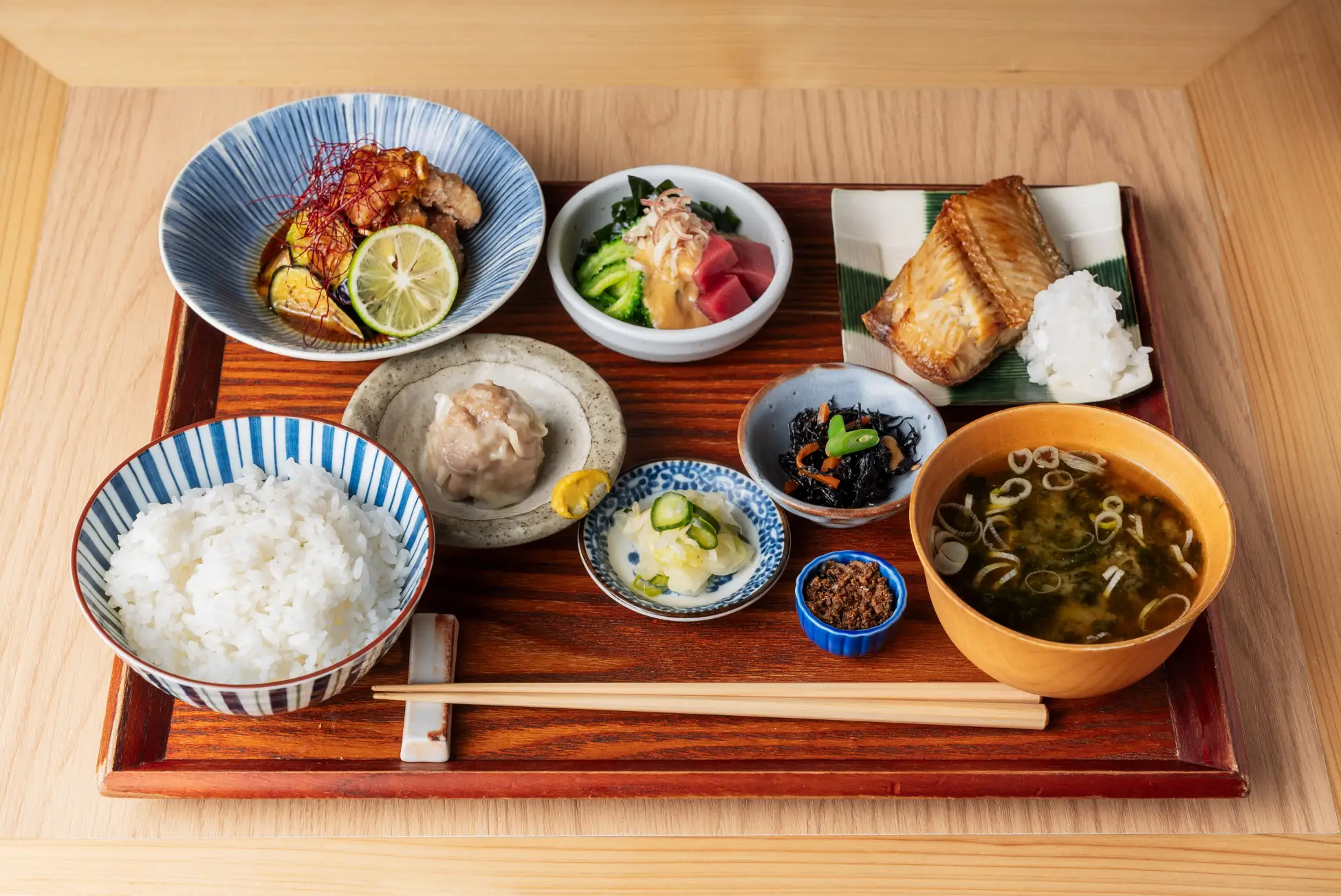
Teishoku is a balanced set meal: a main dish (grilled fish, ginger pork, fried chicken karaage, or mackerel), steamed rice, miso soup, pickled vegetables (tsukemono), and sometimes a small salad. It's the real lunch of Tokyo—fast, healthy, affordable (¥800-1,200), and served at chains like Ootoya, Yayoiken, or local shokudo (cafeterias). You get a complete, nutritious meal in 15 minutes.
Izakaya & Otoshi
居酒屋
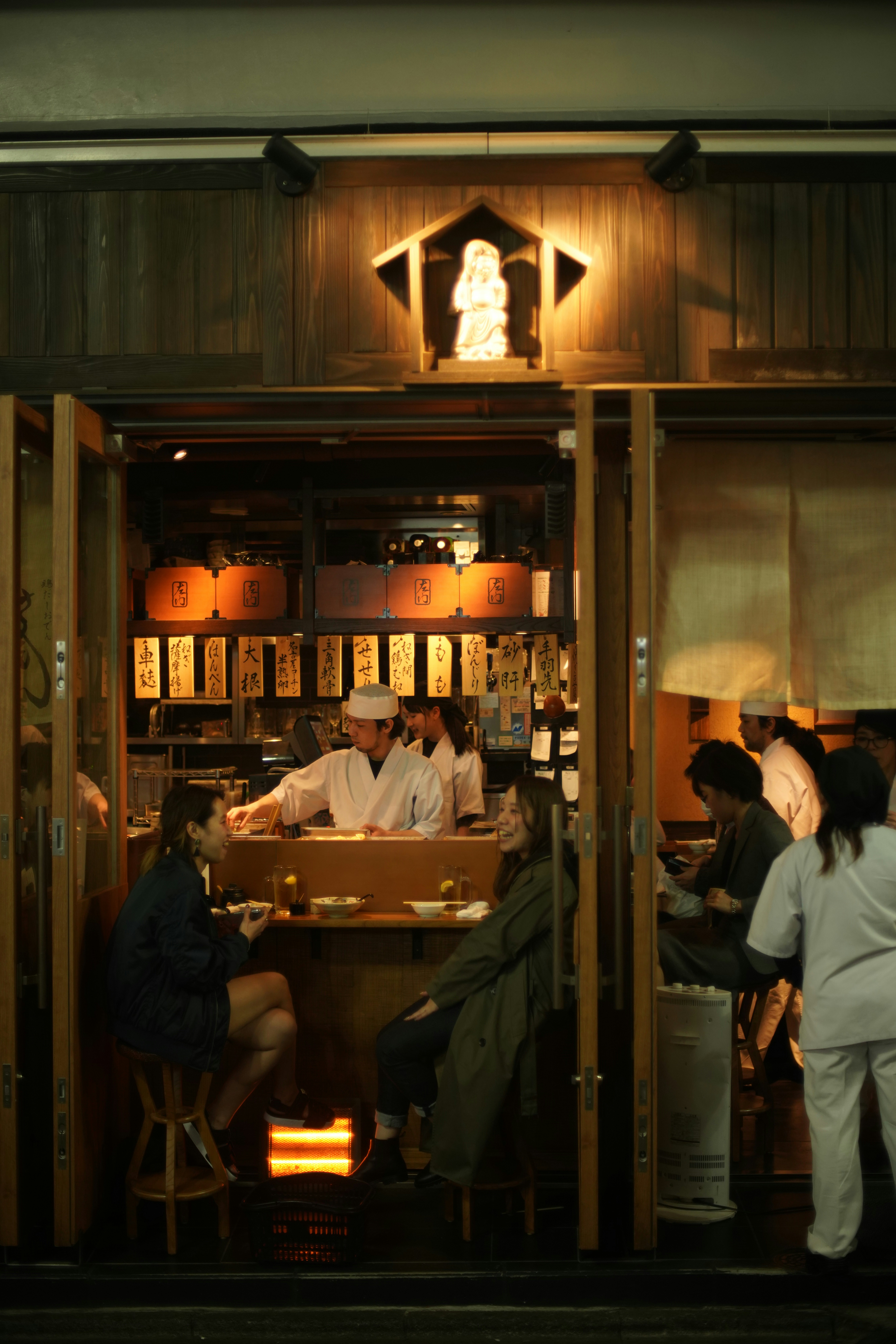
Izakaya is a Japanese pub where coworkers gather after work to drink and eat small plates (edamame, karaage, grilled fish, yakitori). The 'otoshi' is a mandatory table charge (¥300-500) that includes a small appetizer—it's not a scam, it's the cover charge like bread at Italian restaurants. Shout 'Sumimasen!' to call the waiter. Order beer (nama biiru), highballs, or sake, and share dishes. It's Tokyo's social release valve.
Tokyo Breakfast
朝ご飯
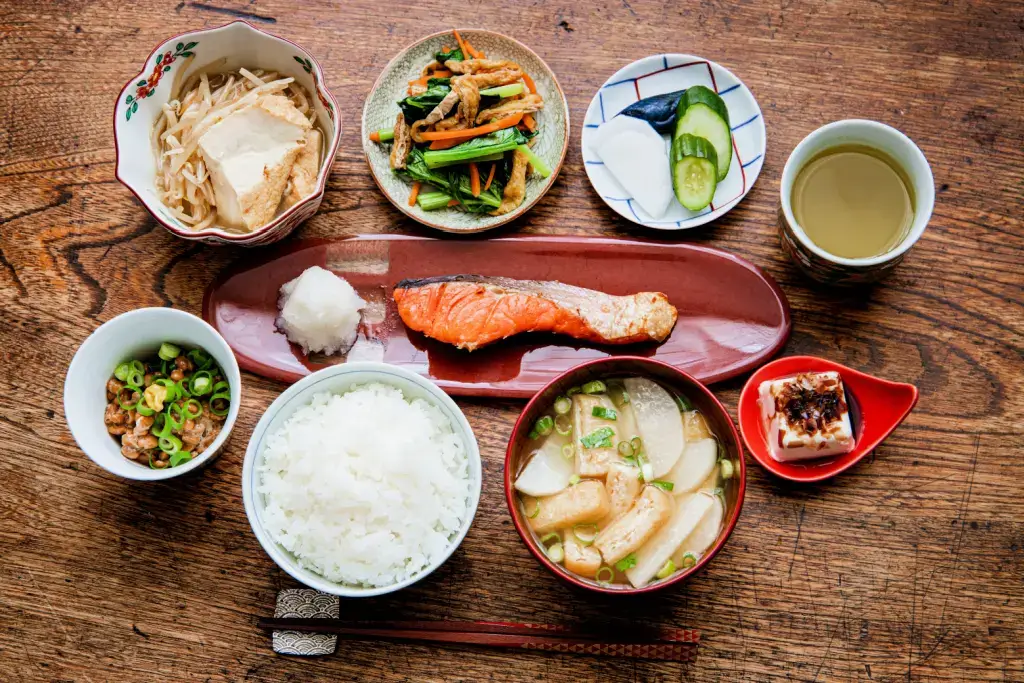
Tokyo breakfast is not eggs and toast—it's either a traditional Japanese set (grilled fish, rice, miso soup, pickles, natto) served at hotel buffets or teishoku restaurants, or a konbini pastry/sandwich grabbed on the go. Western-style cafes opening before 10am are rare; coffee shops (Doutor, Starbucks) serve pastries. The concept of 'brunch' doesn't exist. Breakfast culture is utilitarian, not leisurely.
Depachika (Food Halls)
デパ地下
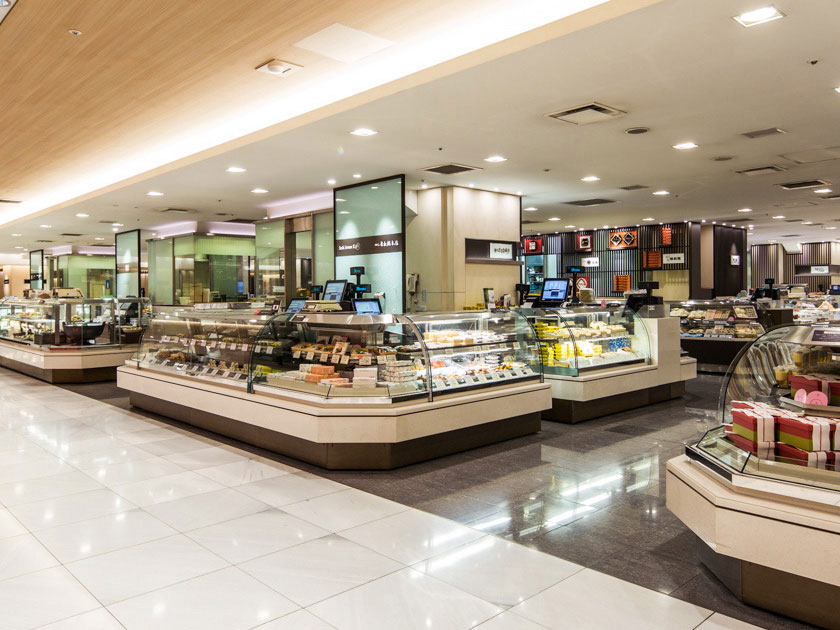
Depachika is the basement food hall of Japanese department stores (Isetan, Mitsukoshi, Takashimaya)—a wonderland of high-end bento boxes, sweets, fresh produce, imported goods, and gourmet gifts. Everything is immaculately presented and expensive. Go at 7:30-8pm for the 'discount rush' (waribiki) when prepared foods are marked down 20-50% before closing. Perfect for hotel room picnics or gifts.
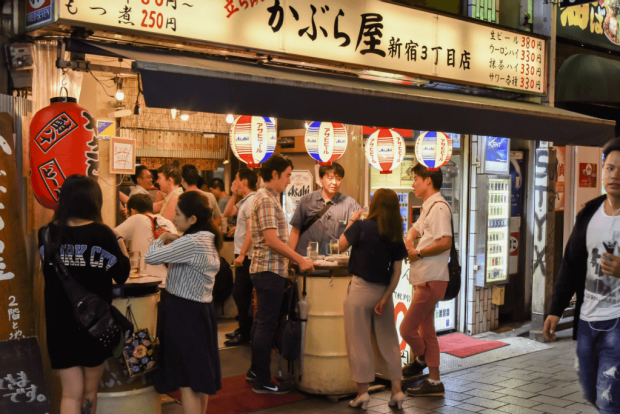
Tachinomi (Standing Bar)
立ち飲み
Tachinomi is a standing bar (no seats) where salarymen drink cheap beer, sake, or highballs and eat simple snacks (grilled fish, edamame, yakitori, oden) after work. It's often cash-on-delivery (pay as you order), making it scam-proof and authentic. Tachinomi are concentrated near major train stations (Shimbashi, Ueno, Yurakucho) and under train tracks. It's loud, smoky, male-dominated, and quintessentially Tokyo working-class culture.
The Perfect 24 Hours in Tokyo
Sunrise at Tsukiji Outer Market
Wake up early for Tokyo's famous fish market. The inner wholesale market moved to Toyosu, but Tsukiji's outer market still thrives with 400+ vendors. Watch chefs select the day's catch, then grab fresh uni (sea urchin) or toro (fatty tuna) sushi for breakfast. Stalls open around 5am; arrive by 6:30am before tour groups. Street food vendors sell tamagoyaki (sweet egg omelet) and grilled seafood. This is Tokyo at its most authentic and delicious.
Meiji Shrine & Yoyogi Park
Take the Yamanote line to Harajuku for Meiji Shrine—Tokyo's most important Shinto shrine hidden in a 170-acre forest. Watch priests perform ceremonies and write wishes on ema (wooden plaques). Then cross to Yoyogi Park where you'll see rockabilly dancers, street performers, and locals practicing tai chi. On Sundays, Harajuku's Takeshita Street floods with teenagers in wild fashion. The contrast between ancient shrine and modern chaos is pure Tokyo.
Ramen Lunch in Shibuya
Navigate to Shibuya for Tokyo's best ramen. Ichiran offers solo booths where you customize your bowl via vending machine—tonkotsu broth, noodle firmness, spice level. Or try Afuri for yuzu-infused ramen. Slurping is not just allowed but encouraged—it aerates the noodles and shows appreciation. After lunch, cross Shibuya Scramble—the world's busiest intersection where 3,000 people cross simultaneously. Watch from Starbucks' 2nd floor for the aerial view.
Senso-ji Temple & Asakusa
Take the metro to Asakusa for Tokyo's oldest temple (628 AD). Walk through Kaminarimon Gate (the giant red lantern), then browse Nakamise Shopping Street's 90 stalls selling traditional snacks and souvenirs. At Senso-ji, throw a coin in the offering box, bow twice, clap twice, bow once. Fortune-telling papers (omikuji) cost ¥100—if you get bad luck, tie it to the racks and leave it behind. The temple complex is massive; explore side streets for old Tokyo atmosphere.
Shibuya Sky Sunset
Return to Shibuya for sunset from Shibuya Sky observation deck (47th floor). Watch the city transform as 13 million lights flicker on. Mt. Fuji appears on clear days. The rooftop is open-air—bring a jacket. Book tickets online for ¥2,000. After sunset, explore Shibuya's chaos: department stores, izakayas, and endless neon. Don Quijote (discount store) is 5 floors of organized insanity worth visiting.
Izakaya Dinner & Shinjuku Nightlife
Head to Shinjuku for izakaya hopping in Omoide Yokocho (Memory Lane)—narrow alleys packed with tiny bars seating 6-10 people. Order yakitori (grilled chicken skewers), edamame, karaage (fried chicken), and beer or sake. Then explore Golden Gai—200+ micro-bars in a two-block radius, each with unique themes. Some charge cover fees, some are regulars-only. Robot Restaurant is touristy but wonderfully bizarre. End at Kabukicho for neon overload and late-night ramen.