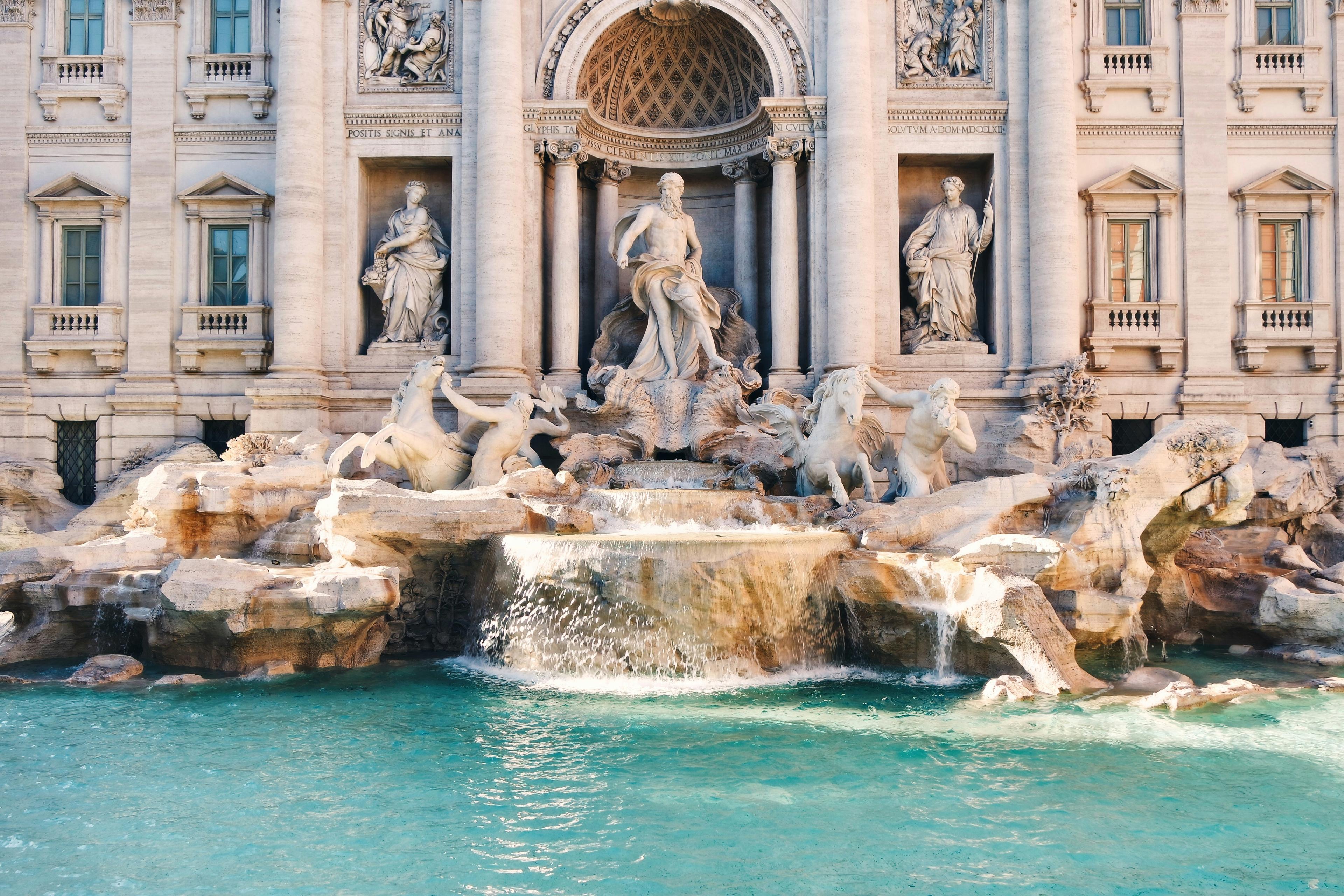
Rome
The Eternal City: A chaotic open-air museum where ancient ruins meet Vespa traffic and perfect pasta.
View Photo GalleryEssential Info
Survival Kit
Best Time
Spring / Fall
Currency
EUR
Language
Local Language
Jan
3°C - 12°CWarm coat, scarf, waterproof shoes
Empty museums
Rainy
Feb
4°C - 13°CLayers, warm jacket
Carnevale snacks
Unpredictable rain
Mar
6°C - 16°CLight jacket, umbrella
Flowers bloom
Spring rain
Apr
9°C - 19°CLayers, sunglasses
Azaleas at Spanish Steps
Holy Week crowds
May
13°C - 24°CLight clothes, sunhat
Rose Garden opens
Crowds increase
Jun
17°C - 28°CSummer clothes, linen
Outdoor cinema
Heatwaves begin
Jul
20°C - 31°CMinimal clothes, fan
Summer sales
Oppressive heat
Aug
20°C - 31°CLightest possible clothes
Zero traffic
Many shops closed
Sep
16°C - 27°CSummer clothes + light layer
Perfect weather again
Crowded
Oct
12°C - 22°CLight jacket, comfortable shoes
Famous Roman sunsets
Rain returns mid-month
Nov
8°C - 17°CRaincoat, sturdy boots
Artichoke season
Wettest month
Dec
4°C - 13°CWinter coat, gloves
Christmas lights
Crowded center
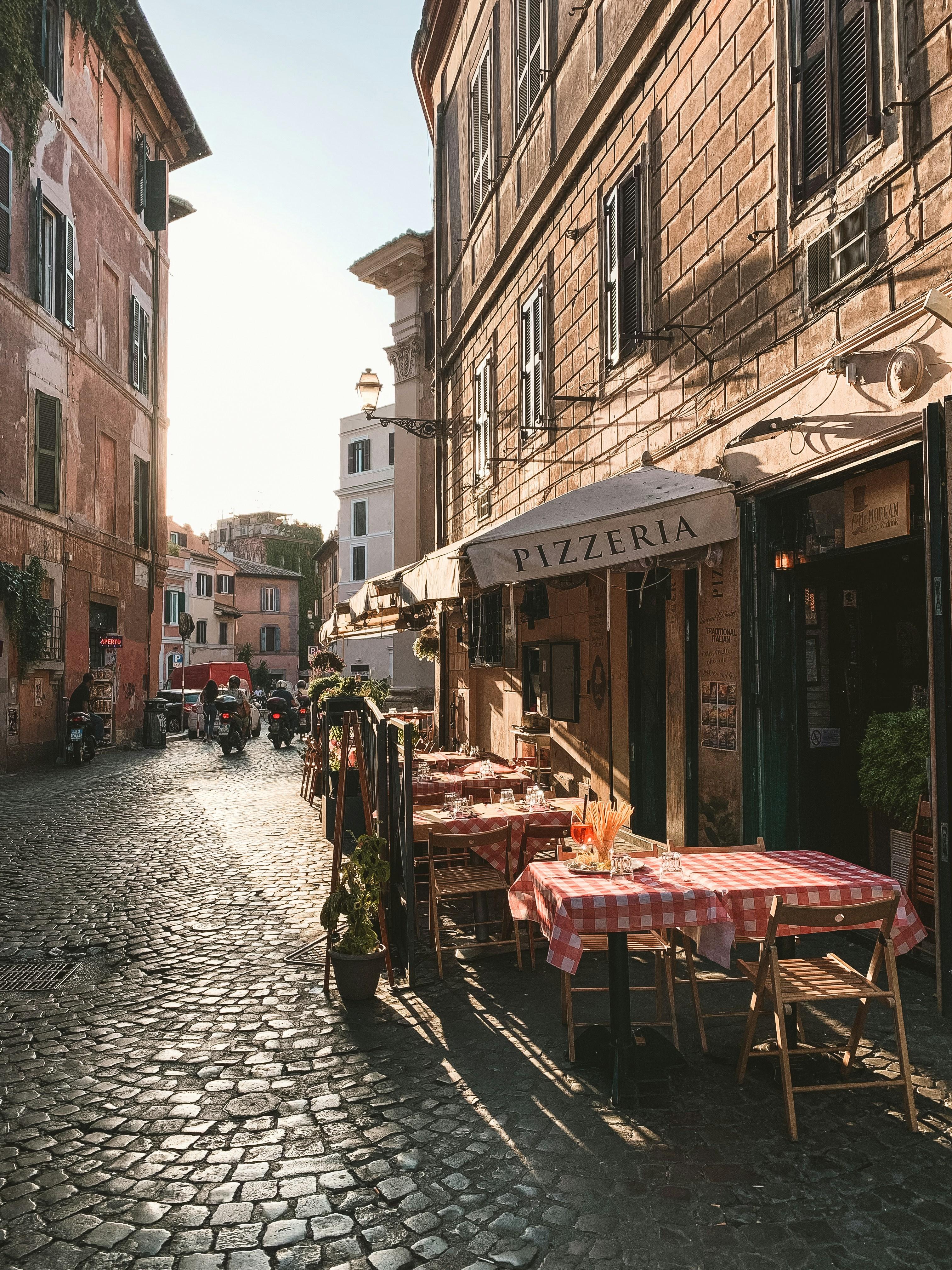
Trastevere
Ivy-covered buildings, cobblestone streets, and intense nightlife. Beautiful by day, a street party by night. It gets very crowded, but the charm is undeniable.
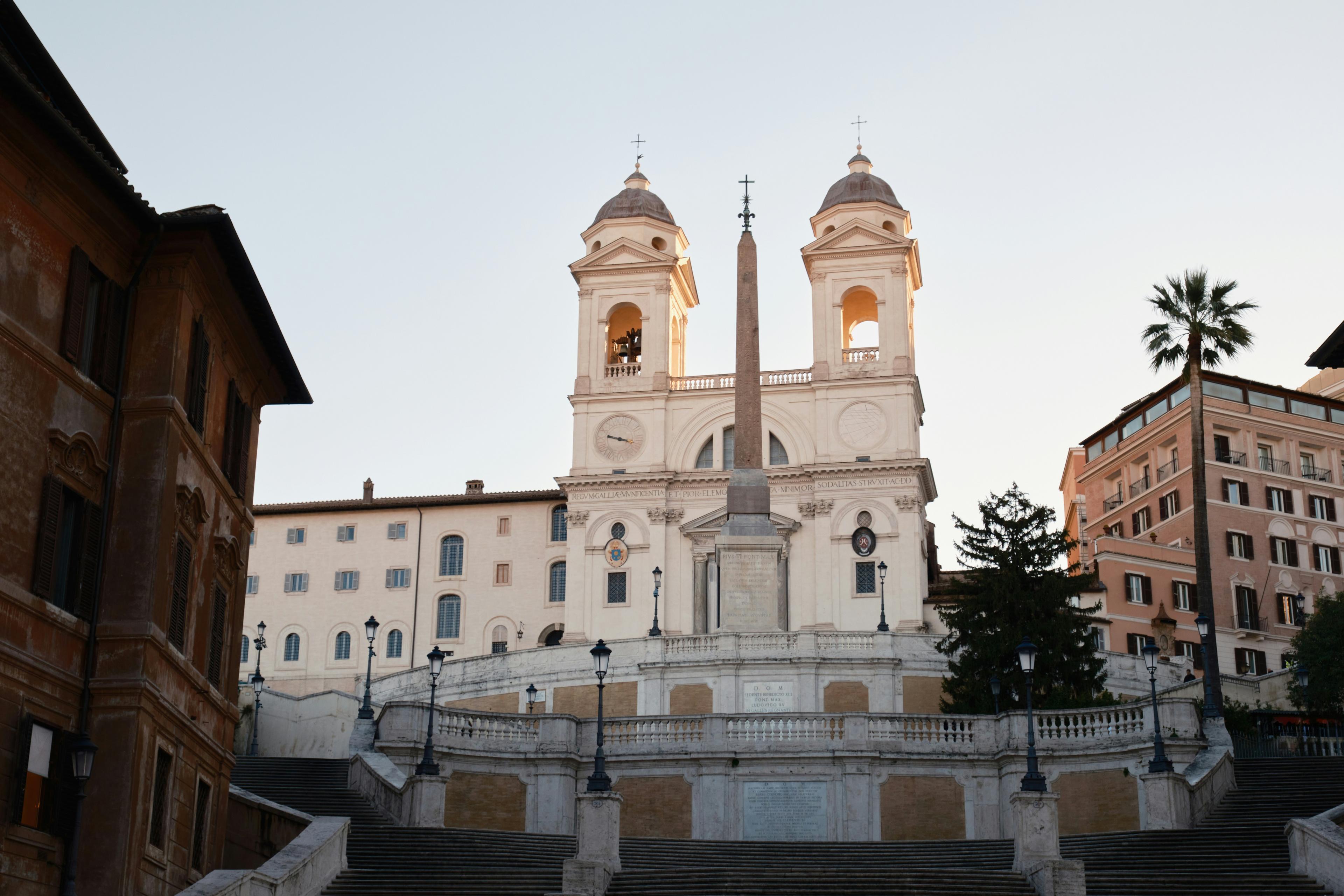
Monti
Rome's hipster village right next to the Colosseum. Vintage shops, wine bars, and artisans. Where locals hang out to avoid the tourist crush.
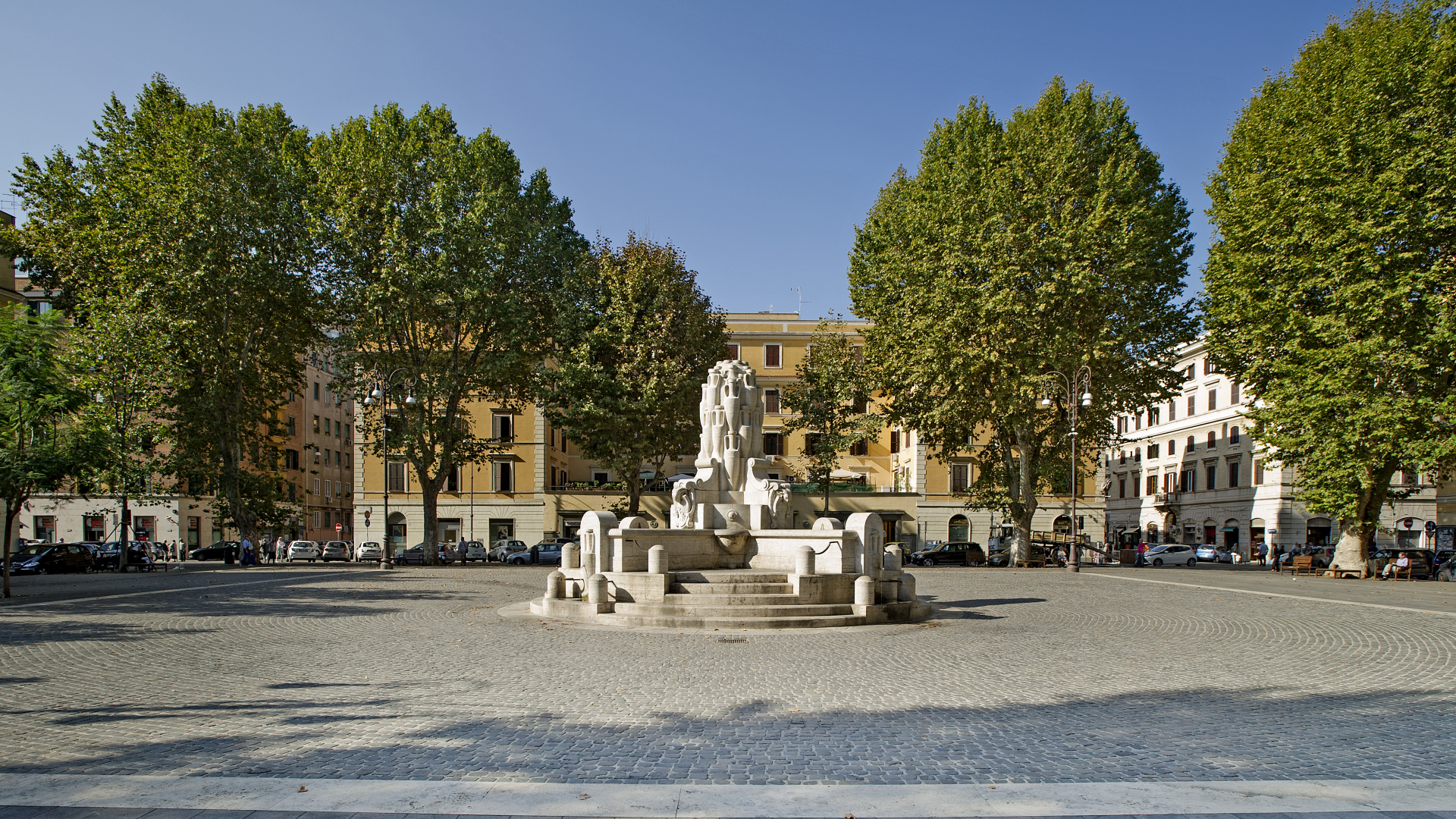
Testaccio
The gritty heart of Roman cuisine. Home to the old slaughterhouse and the best traditional trattorias. Not pretty, but tasty and authentic.
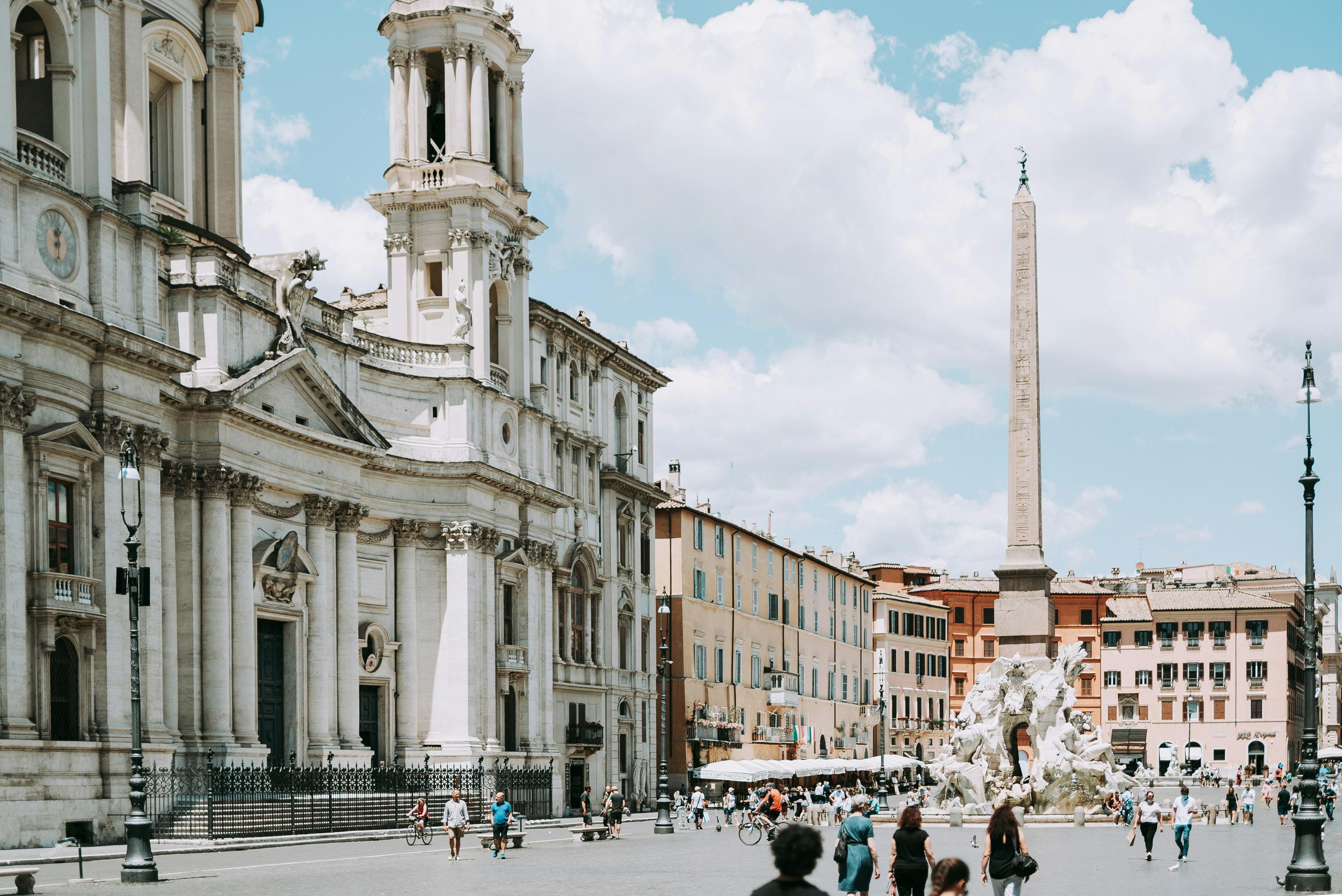
Centro Storico
The heart of Baroque Rome. Pantheon, Navona, Trevi. Stunning, crowded, and expensive. Visit early morning or late night.
Dos & Don'ts
- No Cappuccino After 11am: Milk is for breakfast. Ordering a cappuccino after lunch is a digestive crime. Order 'caffè' (espresso) or 'caffè macchiato'.
- The Bill Ritual: The check will rarely come automatically. You must catch the waiter's eye and mime scribbling. Paying at the table vs. the cashier varies; watch what locals do.
- Time is Fluid (Except for Food): Trains might be late, shops might close randomly, but meal times are rigid. Lunch is 1-3pm. Dinner is 8:30pm+. Don't try to eat dinner at 6pm.
- Dress Code: Shoulders and knees MUST be covered for St. Peter's/Pantheon. In general, Romans dress well. Athletic wear in the city center marks you as a tourist.
- Chaos Mindset: Lines are suggestions. Interruptions are normal. Arguing about efficiency is futile. Rome runs on social flow, not systems. Relax and go with it.
- Ticket Validation: Validate bus/tram tickets in the yellow machines. Inspectors are ruthless and target tourists.
- Water Fountains (Nasoni): The street water fountains flow constantly with cold, clean volcanic water. Drink from them! Carry a reusable bottle.
Key Phrases
Morning Markets
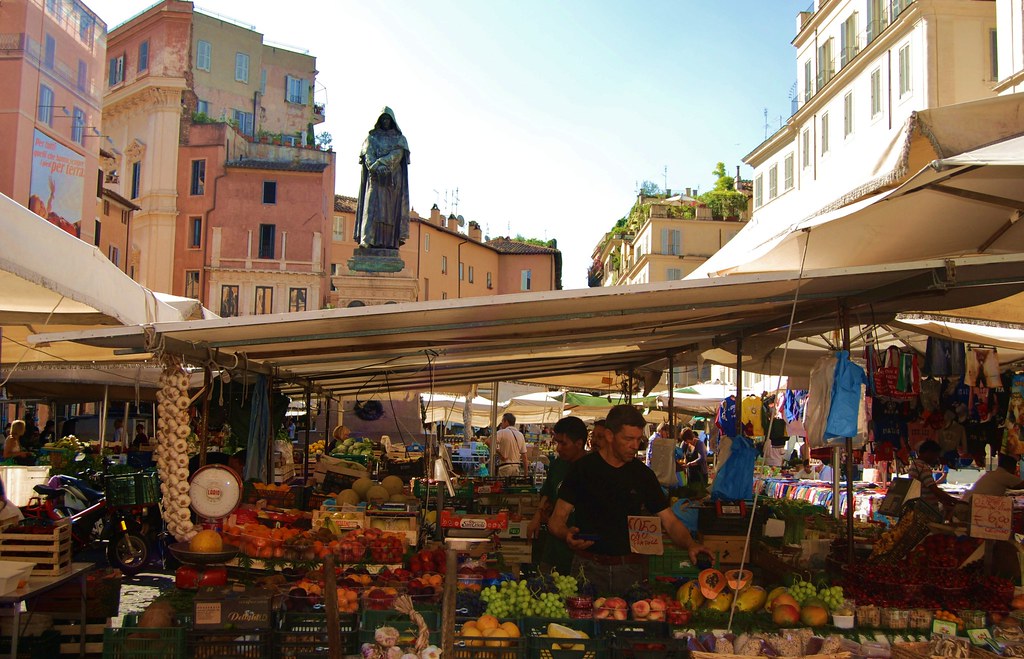
Mercato Rionale
Mercato rionale are neighborhood markets where Romans buy fresh produce daily—loud, functional affairs that close by 2pm. Vendors shout prices, argue with regulars, and sell seasonal ingredients. Romans shop daily because refrigerators are small and the tradition is to buy what's seasonal and eat it that day.
Rome by Night
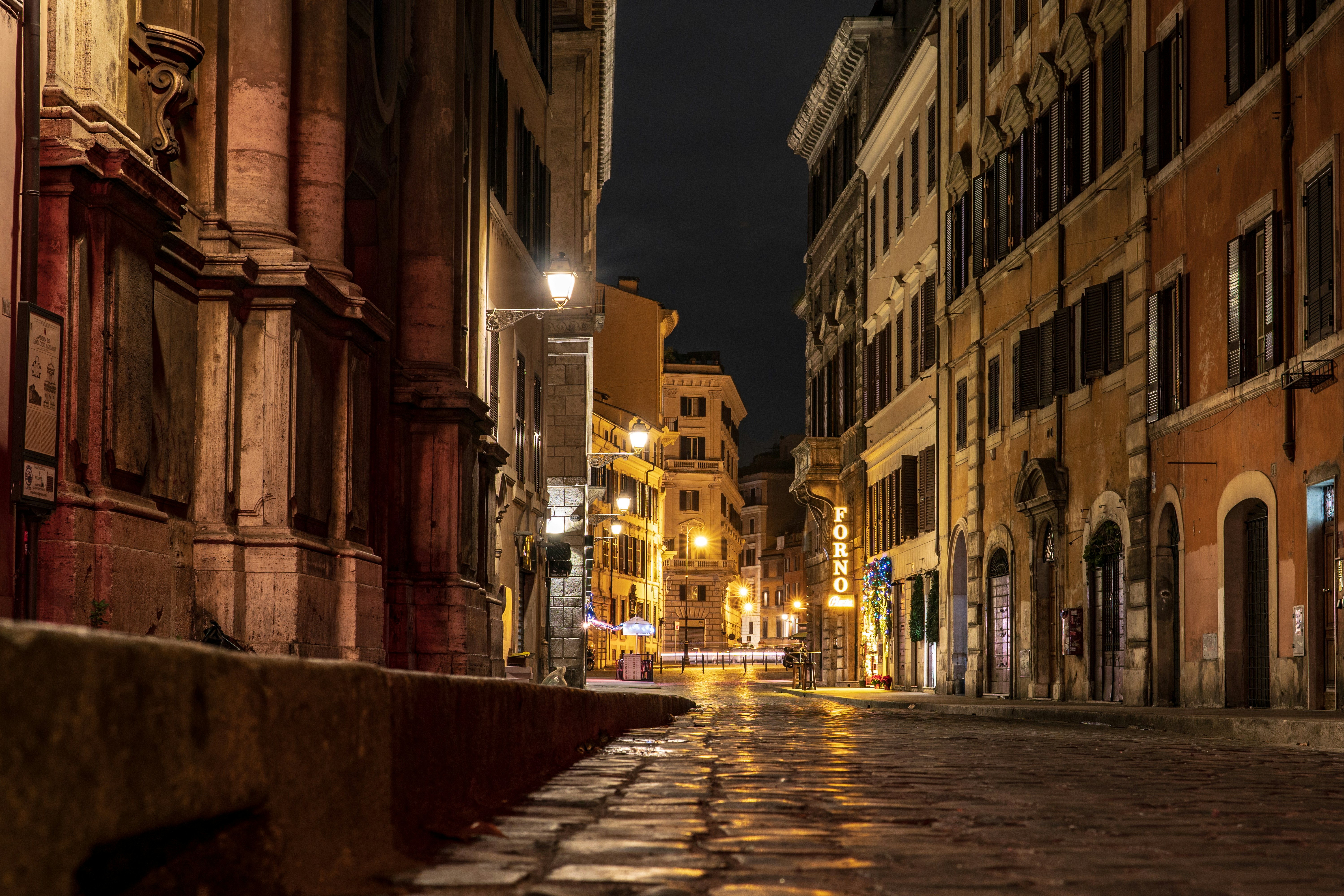
Roma di Notte
Rome transforms after dark with dramatically lit ancient ruins, cooler air, and piazzas filled with locals. Night walks have been a tradition since the Grand Tour era (1600s-1800s). The daytime crowds disappear and the city belongs to locals again.
Colosseum
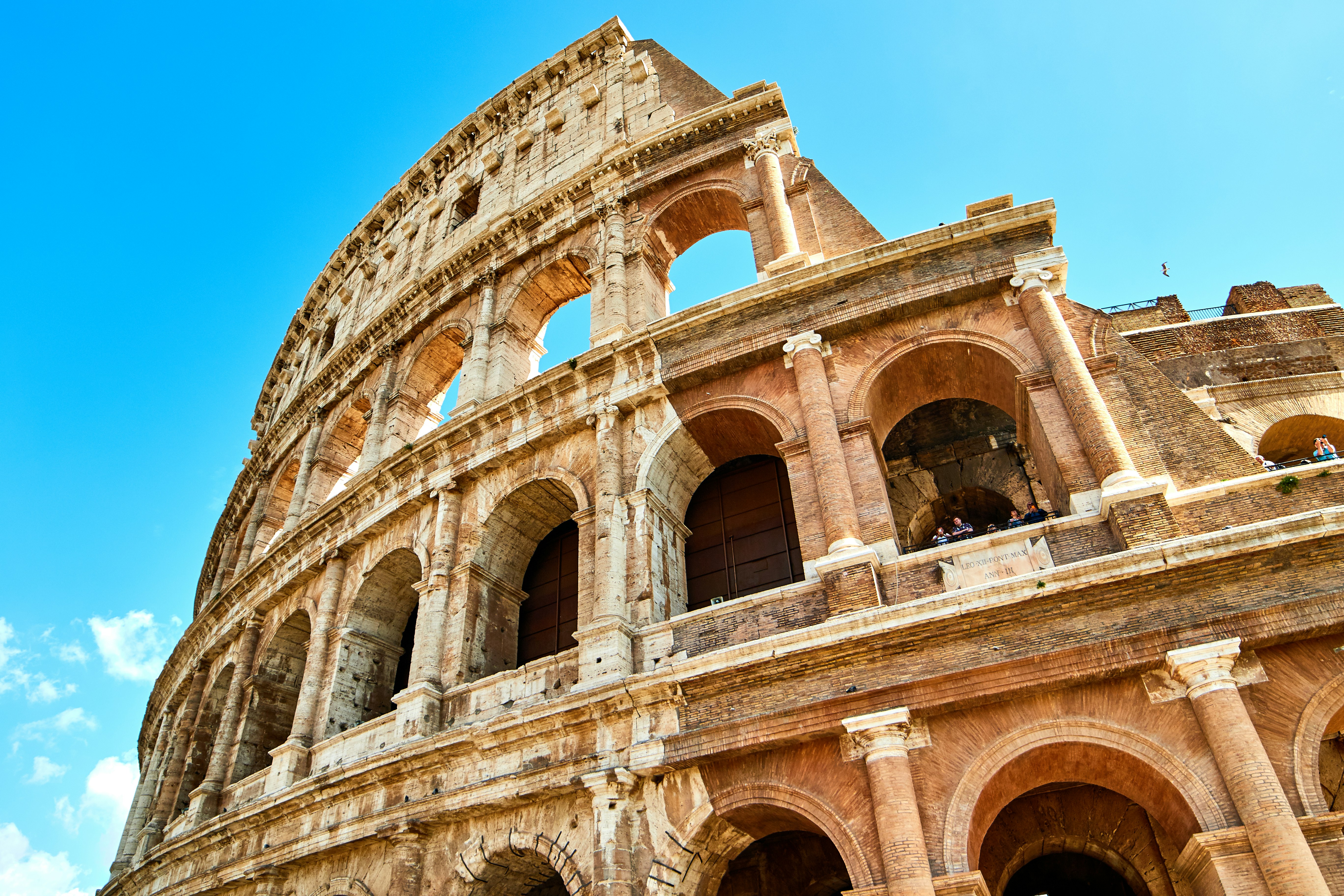
Colosseo
The Colosseum is the largest amphitheater ever built, constructed between 70-80 AD to hold 50,000-80,000 spectators for gladiatorial combat, animal hunts, and executions. The floor could be flooded for mock naval battles. It's Italy's most-visited monument and the defining symbol of ancient Rome's power.
Pantheon
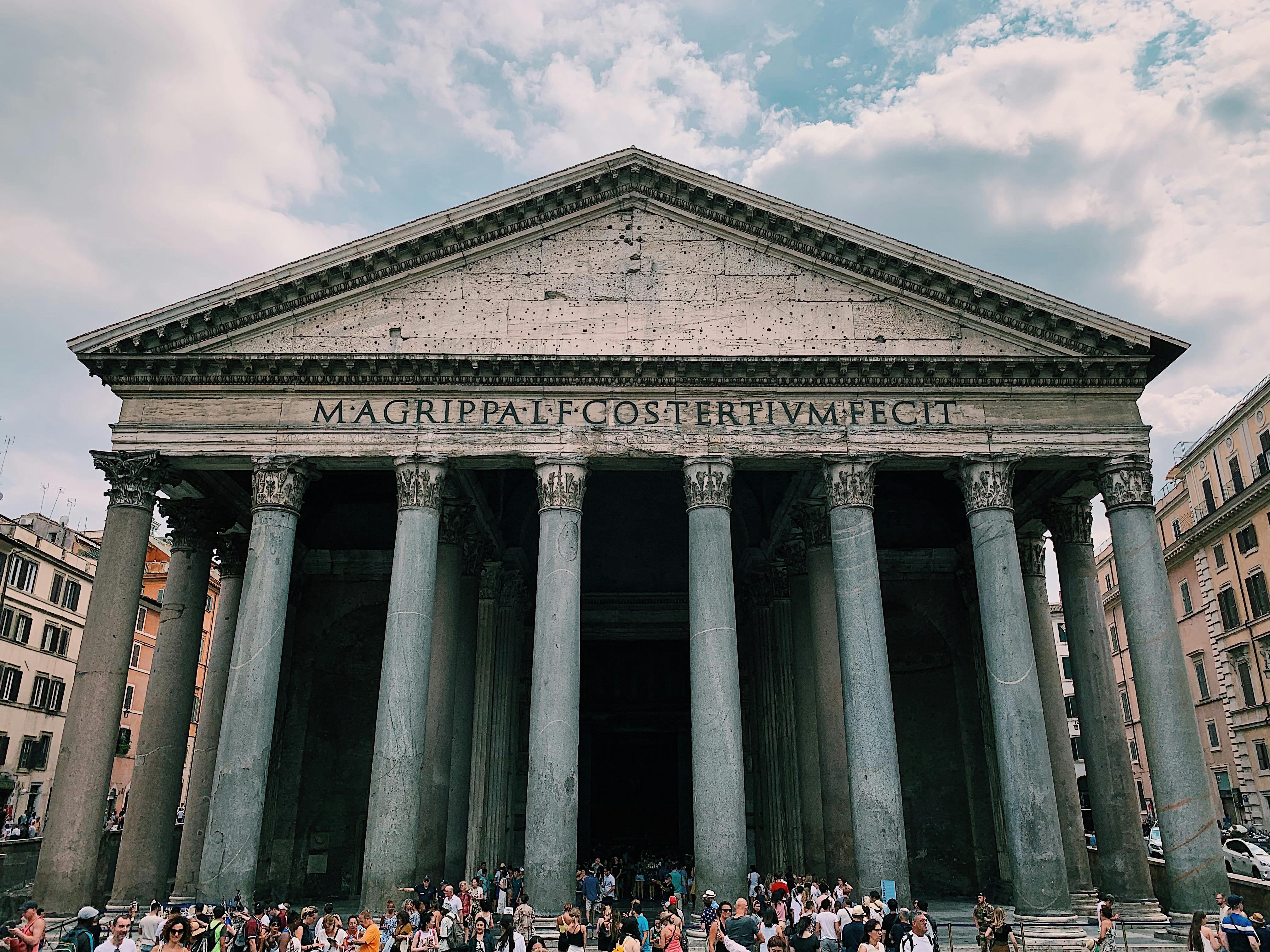
The Pantheon is the best-preserved building from ancient Rome, built in 126 AD by Emperor Hadrian. Its concrete dome remained the world's largest unreinforced dome for 1,300 years. The oculus (9-meter hole at the dome's peak) is the only light source and lets rain fall directly onto the marble floor with drainage holes.
San Luigi dei Francesi
San Luigi
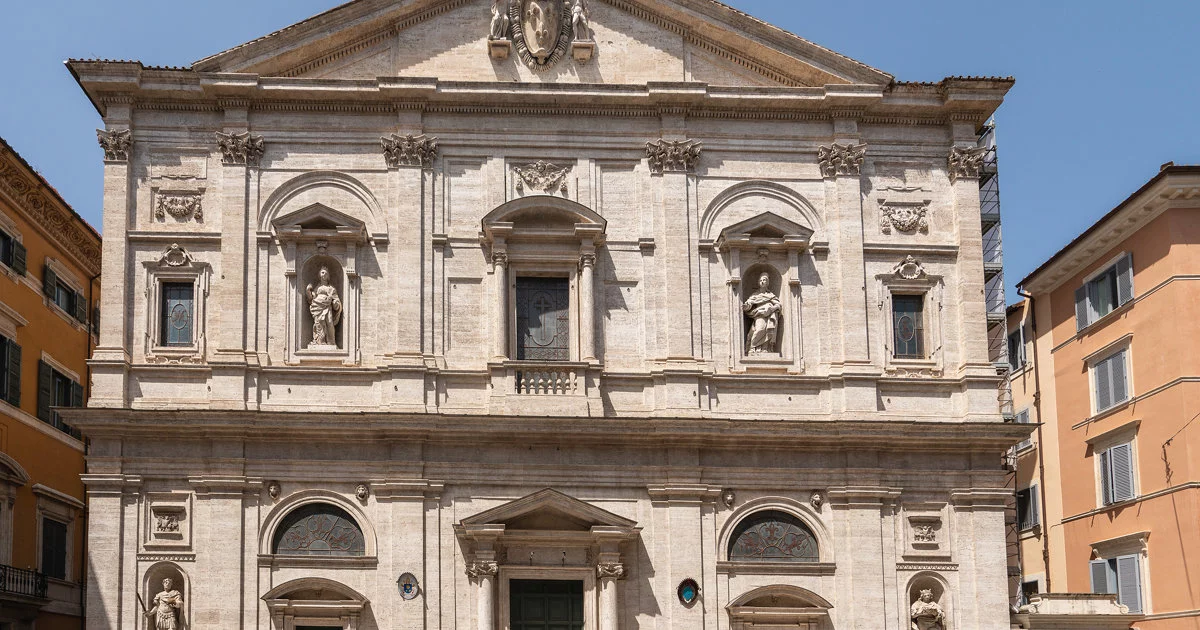
San Luigi dei Francesi is a church containing three massive Caravaggio paintings in the Contarelli Chapel: The Calling, The Inspiration, and The Martyrdom of St. Matthew (1599-1602). These paintings revolutionized art with their dramatic use of light and shadow. Entry is free, making it one of Rome's best art bargains.
The Orange Garden
Giardino degli Aranci
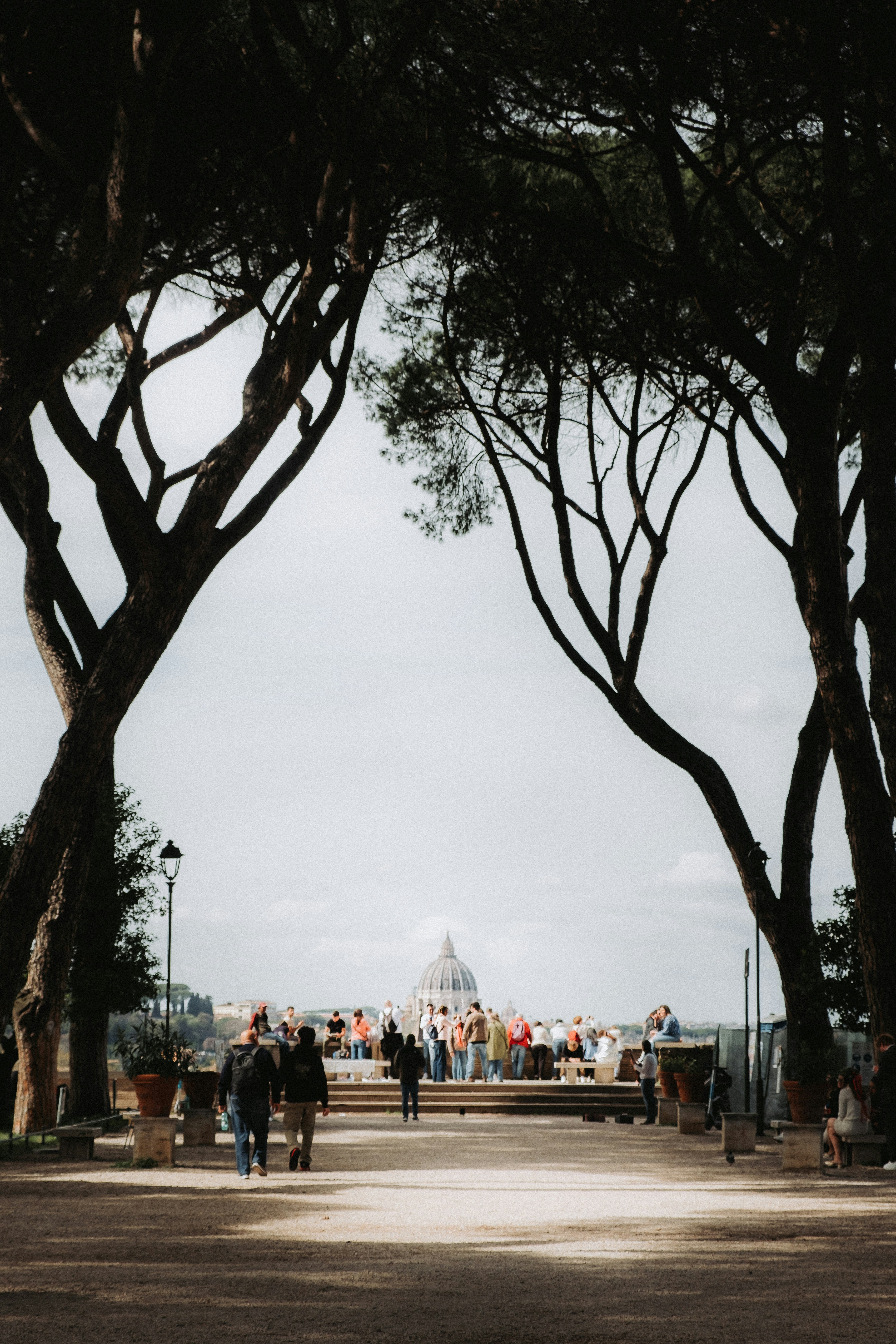
The Orange Garden is a small hilltop park on the Aventine Hill with the best sunset view in Rome: St. Peter's dome perfectly framed by pine trees across the Tiber. The garden was created in 1932 when the city planted bitter orange trees (not edible). It's a local secret for sunset, though increasingly popular.
Gianicolo Hill
Gianicolo
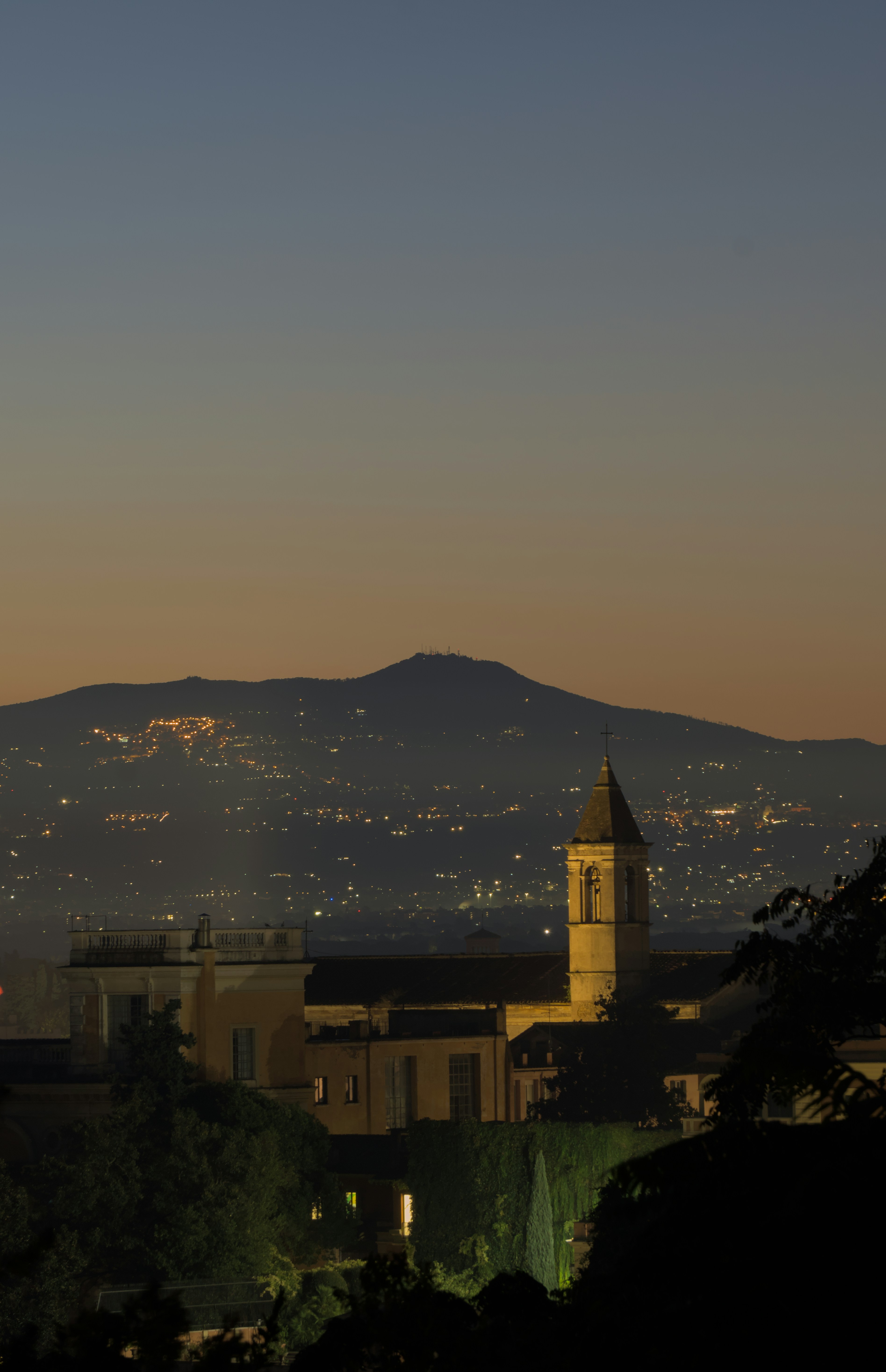
Gianicolo is the highest viewpoint in Rome with 360° panoramic views of the entire city. A cannon has been fired every day at noon from the terrace since 1847 to synchronize the city's clocks. The terrace offers the best overview: all seven hills, the Vatican, and the Apennine Mountains.
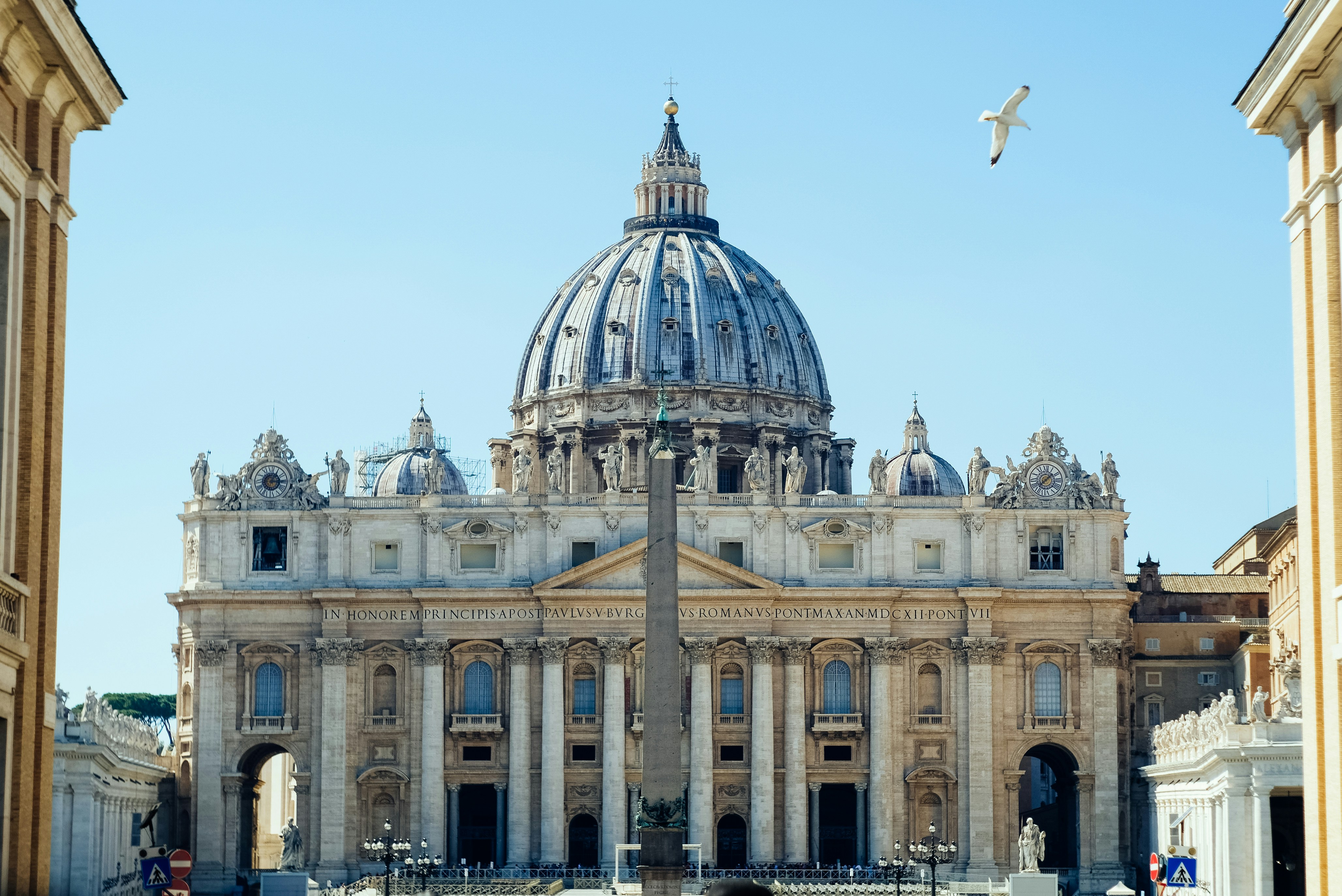
St. Peter's Basilica
Basilica di San Pietro
St. Peter's Basilica is the largest church in the world and the center of Catholicism, built over St. Peter's tomb. The current Renaissance structure was built 1506-1626 under multiple popes. Michelangelo designed the iconic dome at age 71. It contains masterpieces by Michelangelo, Bernini, and Raphael. Entry is free but lines can be 2+ hours.
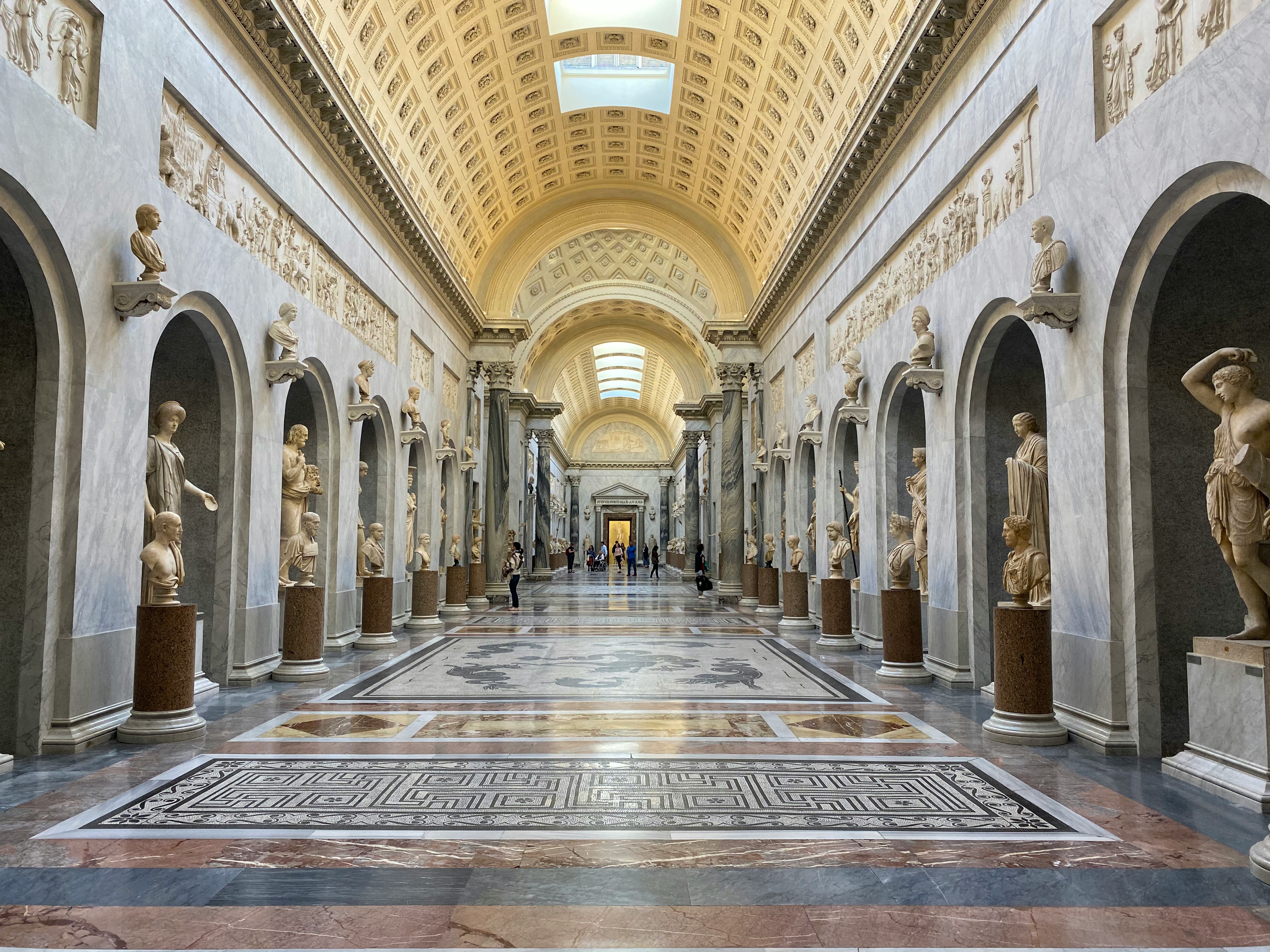
Vatican Museums
Musei Vaticani
The Vatican Museums contain 7km of corridors with one of the world's greatest art collections, ending in the Sistine Chapel with Michelangelo's ceiling (painted 1508-1512). The museums hold Egyptian artifacts, Greek statues, Renaissance paintings, and tapestries accumulated over 500 years. Over 6 million people visit annually, making it crushingly crowded.
🎒Travel Essentials for Rome
Curated gear recommended by locals to make your trip smoother.
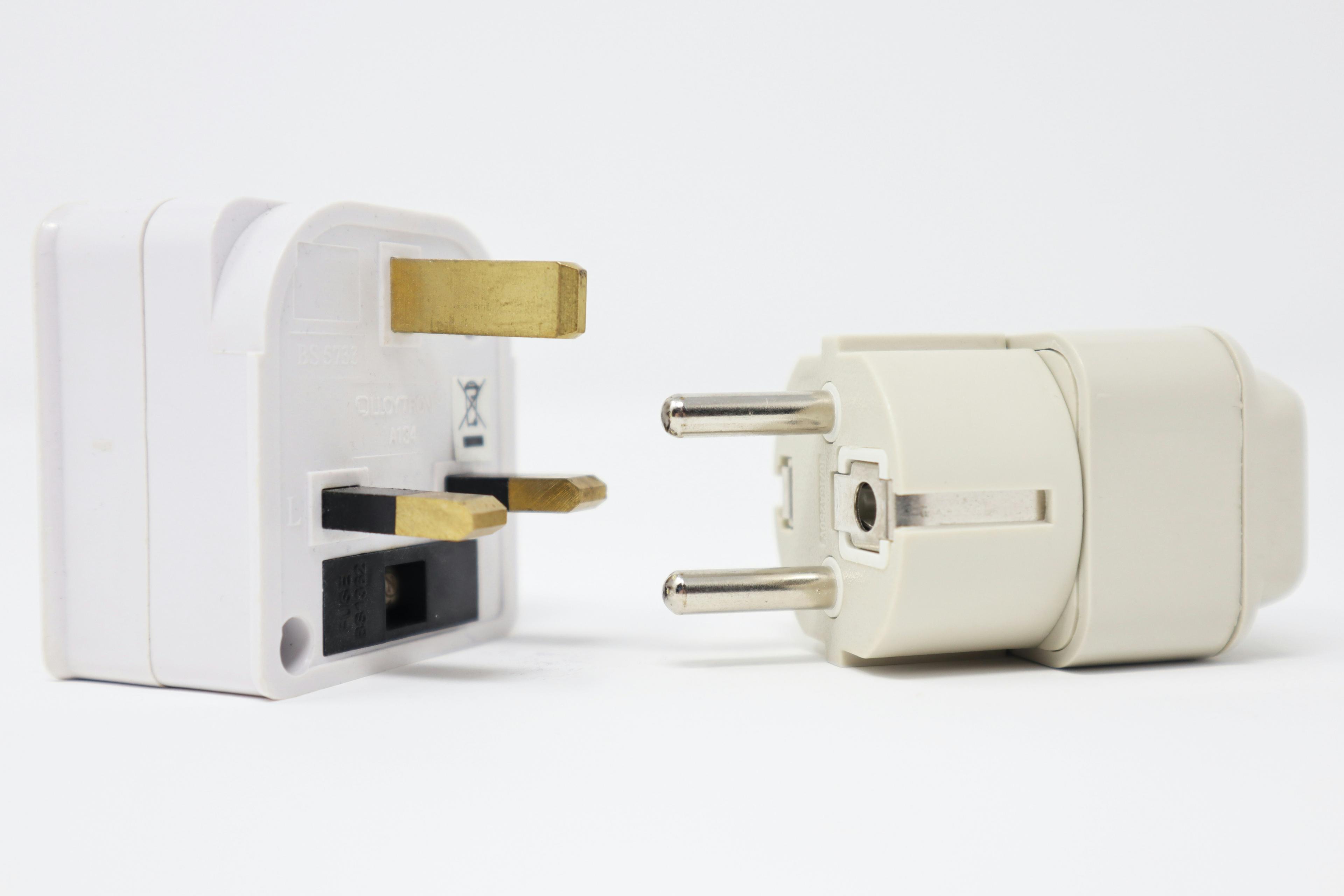
Italy Travel Adapter (Type L)
Why you need it:Italy has a unique 3-pin plug (Type L) alongside the standard Euro plug. Essential for charging.
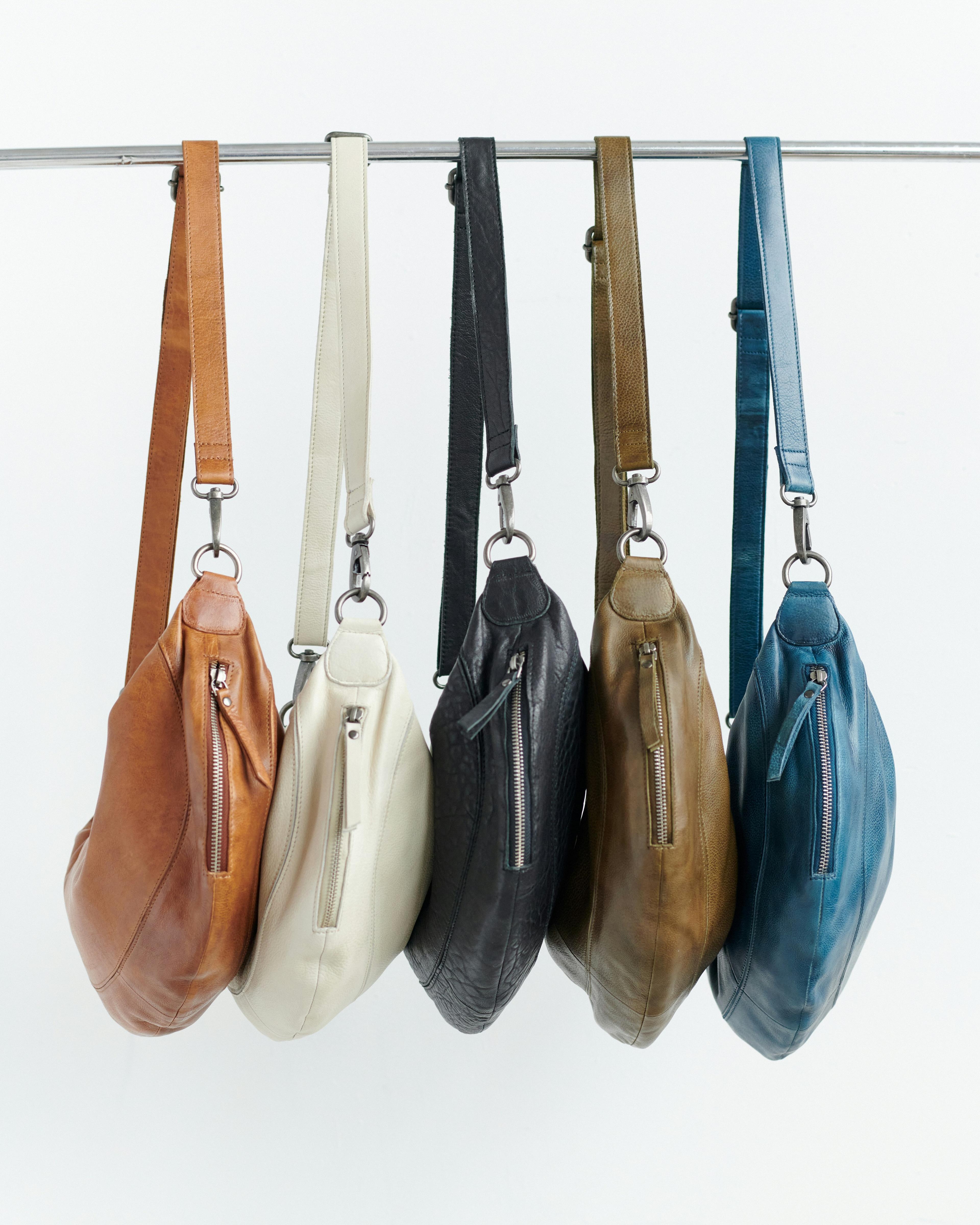
Anti-Theft Crossbody Bag
Why you need it:Pickpockets on buses and metros are skilled. A locking bag gives you peace of mind.
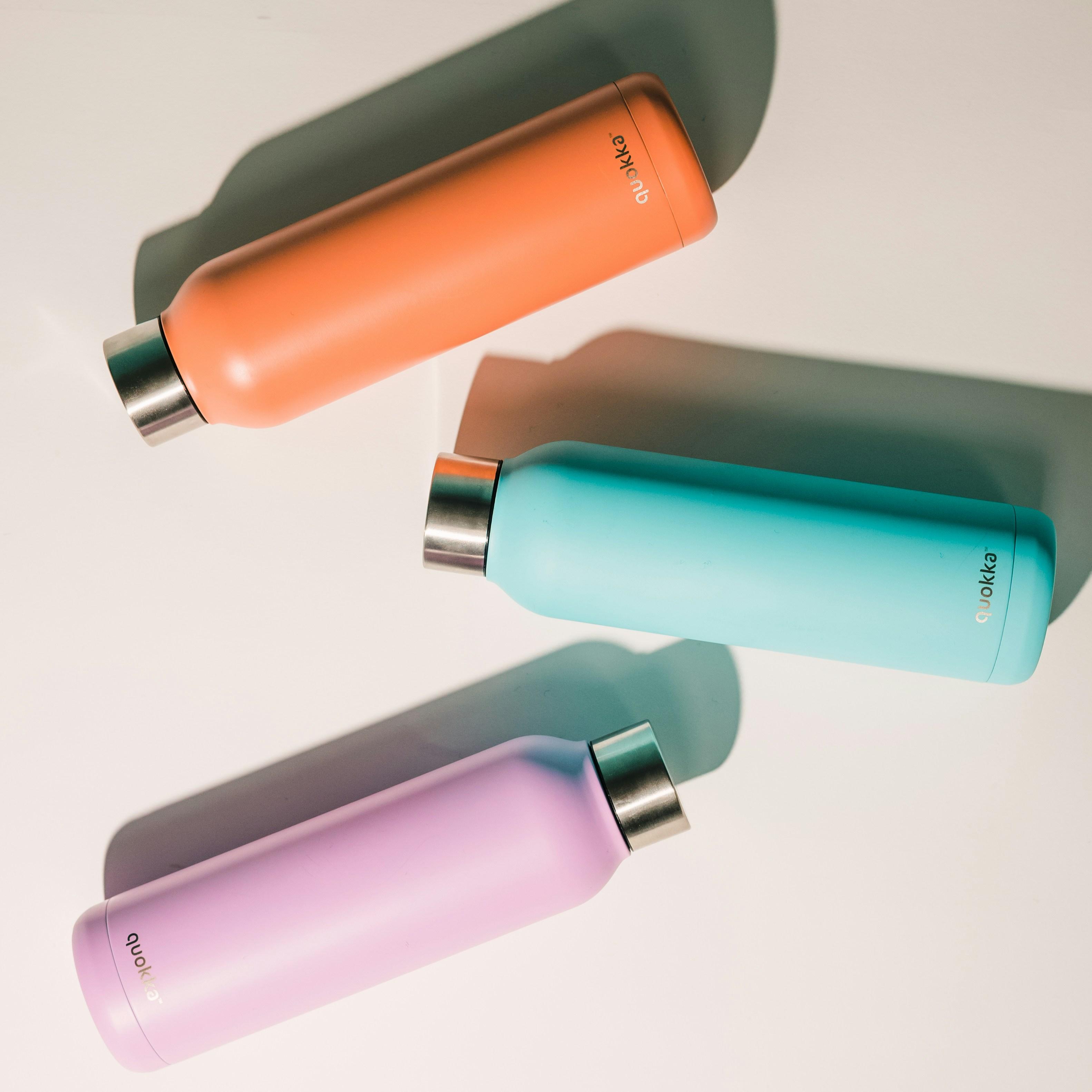
Reusable Water Bottle
Why you need it:Rome has thousands of free, cold water fountains (nasoni). Refill yours for free all day.
As an Amazon Associate, we earn from qualifying purchases.•Prices and availability subject to change.•Smart routing detects your region for the best shopping experience.
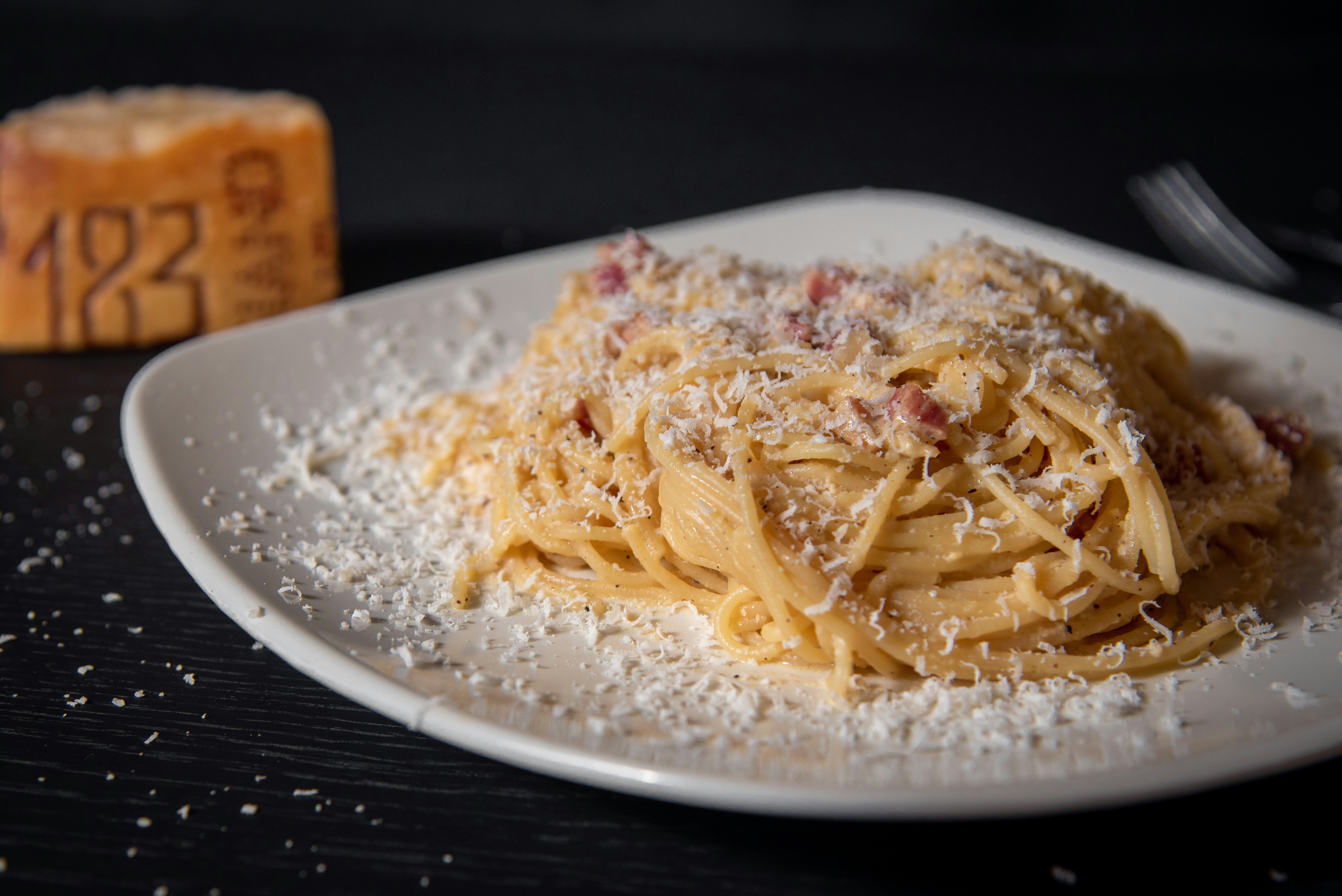
Carbonara
Carbonara is a Roman pasta dish made with egg yolks, Pecorino Romano cheese, guanciale (cured pork cheek), and black pepper—absolutely no cream. The heat of the pasta cooks the raw egg into a silky, creamy sauce that coats each strand. It's Rome's most iconic dish, fiercely protected by locals who consider adding cream a culinary crime.
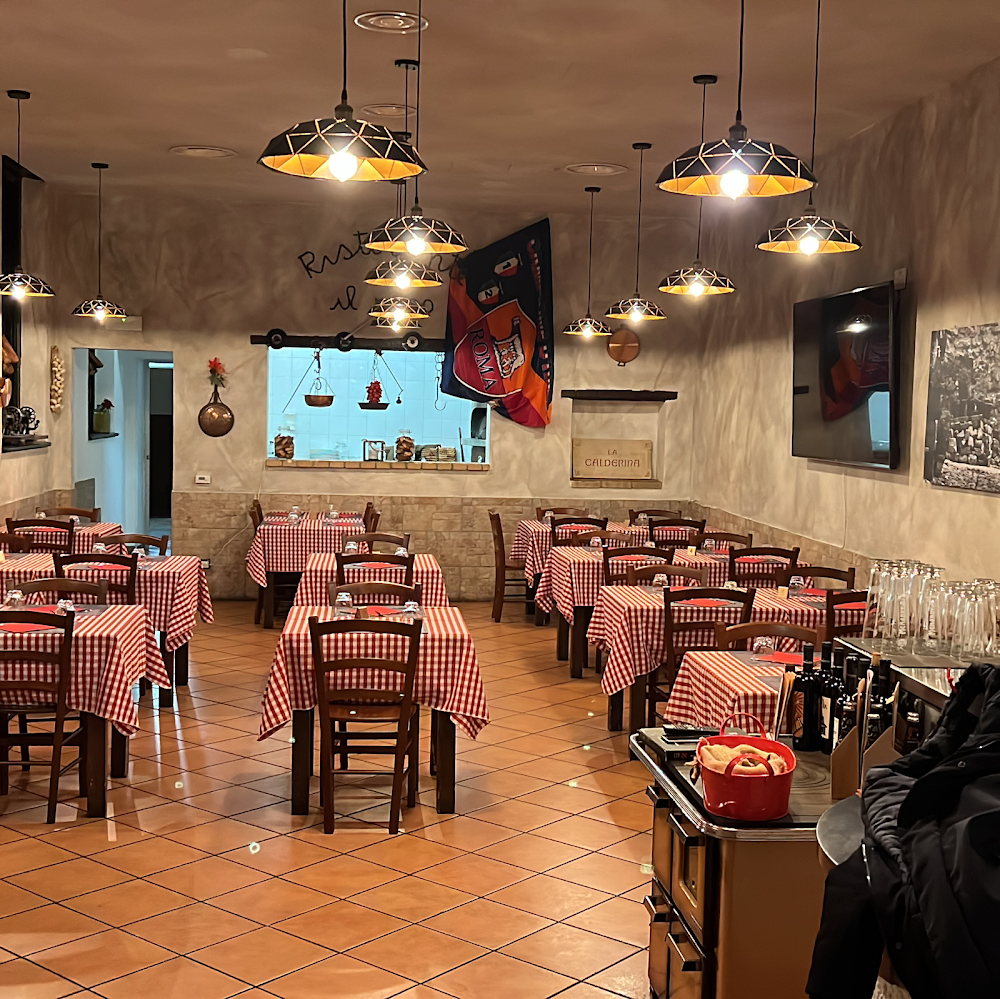
The Trattoria Rule
Trattoria Romana
A trattoria is a family-run, casual Italian restaurant serving simple regional food at affordable prices, typically with paper tablecloths and handwritten menus. Real trattorias never advertise, never have English menus with photos, and never seat tourists preferentially. They're loud because Romans talk loudly, cramped because space is expensive, and serve food locals eat daily.
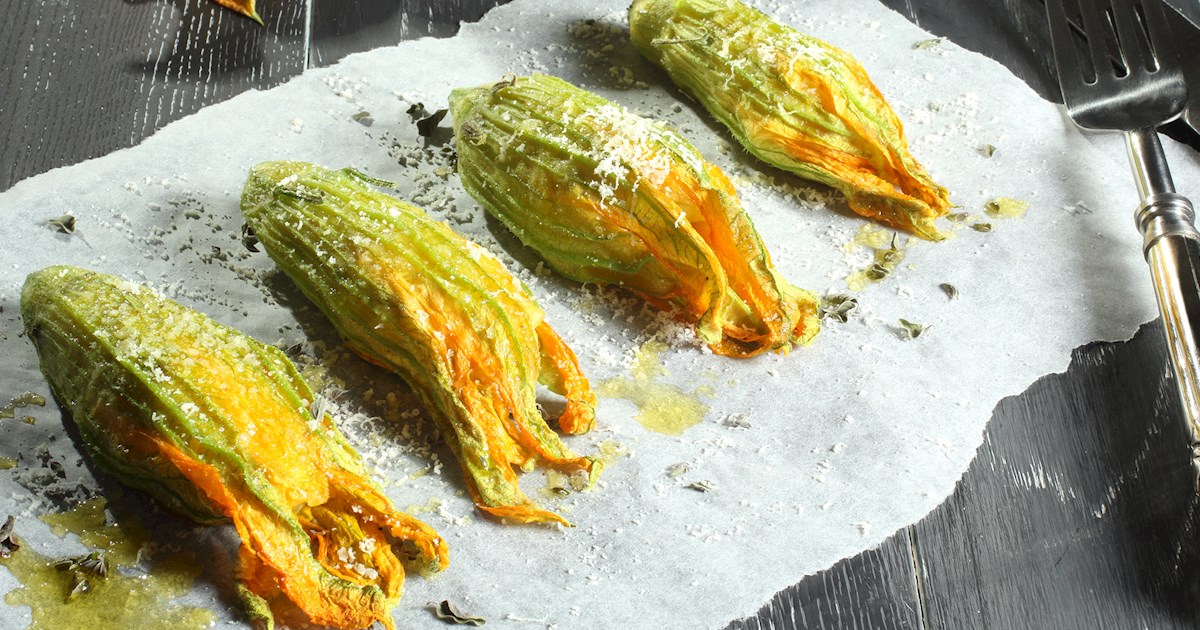
Fried Starters (Fritti)
I Fritti
Fritti are fried appetizers served before pasta or pizza, including supplì (fried rice balls with mozzarella), fiori di zucca (fried zucchini flowers), and potato croquettes. They're crispy, hot, eaten with hands, and central to Roman dining. It's a social ritual: you order one plate for the table and everyone picks.
Cacio e Pepe
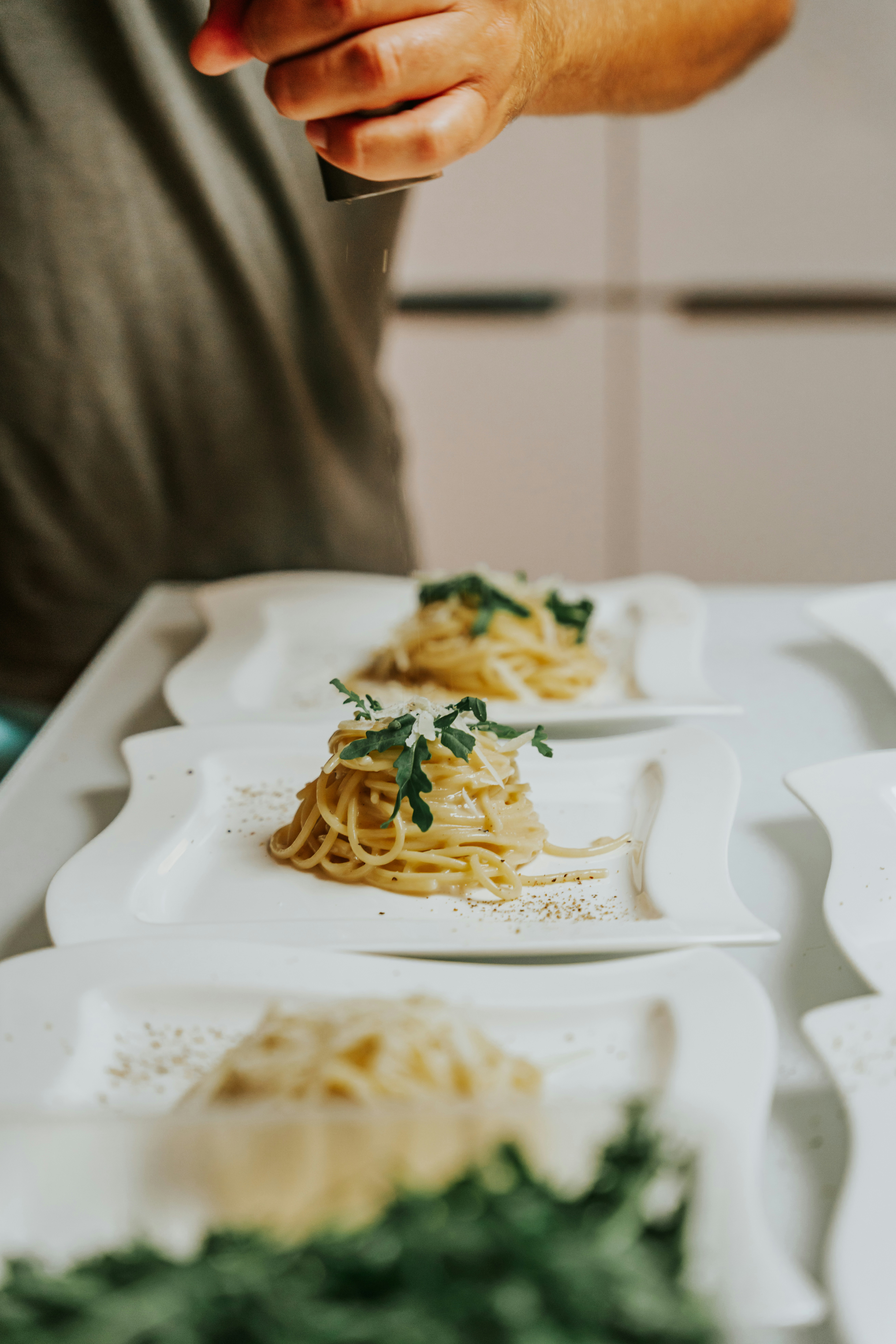
Cacio e Pepe is a minimalist Roman pasta with just three ingredients: pecorino cheese, black pepper, and pasta water. The cheese must be finely grated and tempered with hot pasta water to create a smooth emulsion, not clumps. Despite its simplicity, it requires extreme technical skill and has become a test of a restaurant's quality.
Amatriciana
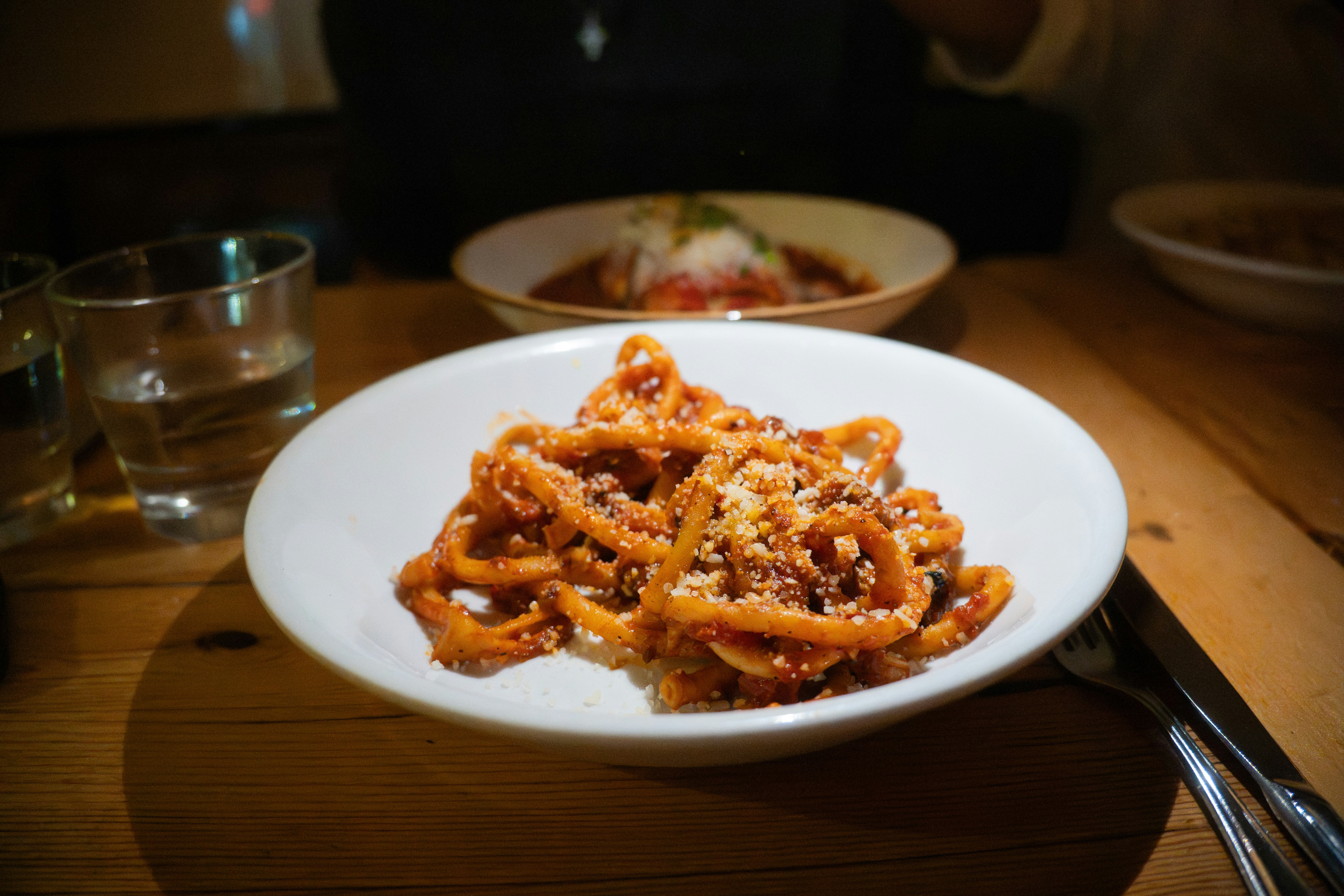
Amatriciana is a tomato-based pasta sauce with guanciale (cured pork cheek), pecorino cheese, and chili. It comes from Amatrice, a mountain town destroyed by a 2016 earthquake. The recipe is legally protected: only guanciale, pecorino, tomato, white wine, and chili are allowed—onions and garlic are forbidden by purists.
Roman-Style Artichokes
Carciofi alla Romana / Giudia
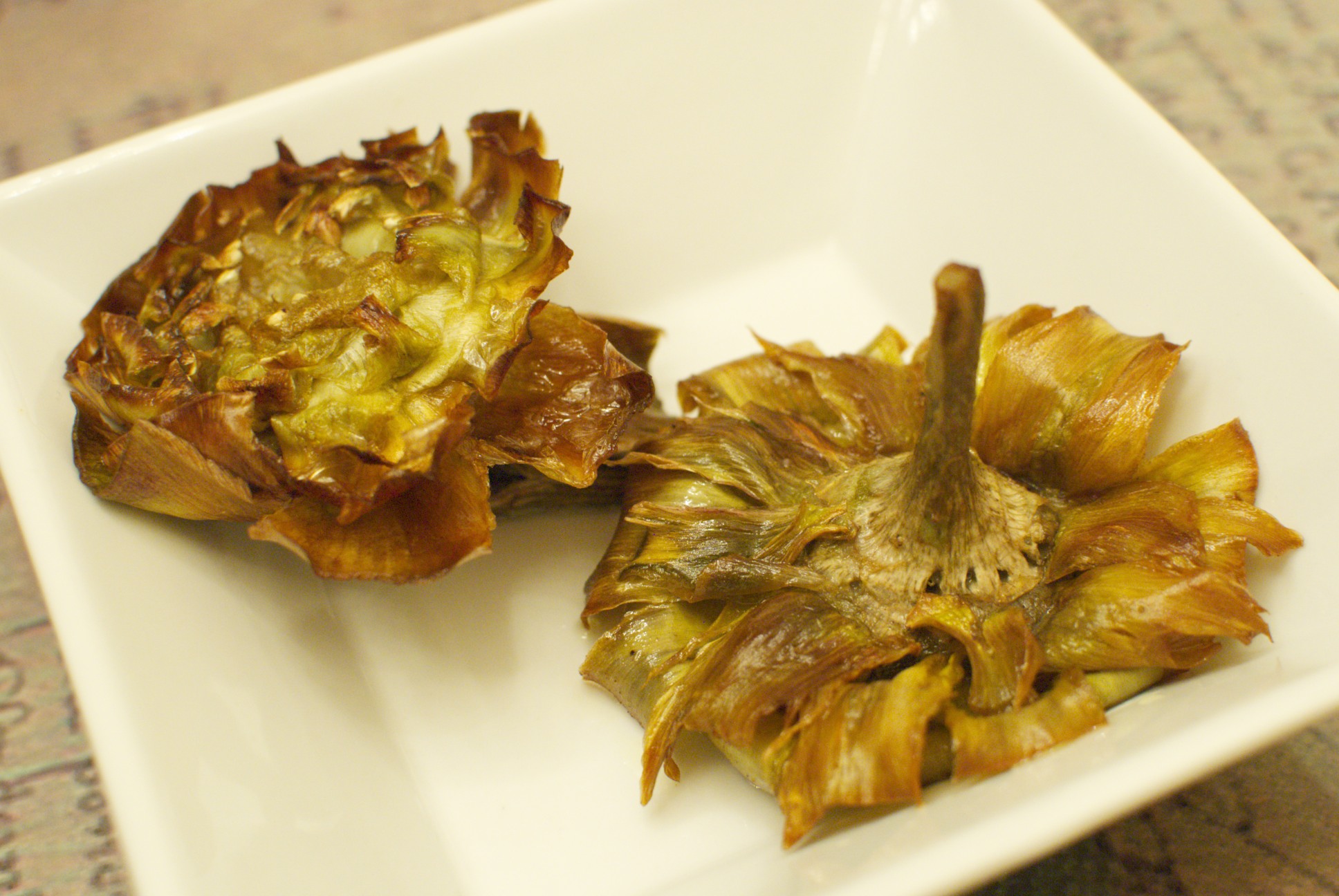
Roman artichokes come in two styles: carciofi alla romana (braised with garlic, mint, and olive oil) and carciofi alla giudia (fried whole until crispy like flower petals). Both use the tender romanesco artichoke variety, prized for its lack of inner choke. Artichokes are Rome's seasonal obsession from November to April.
Maritozzo
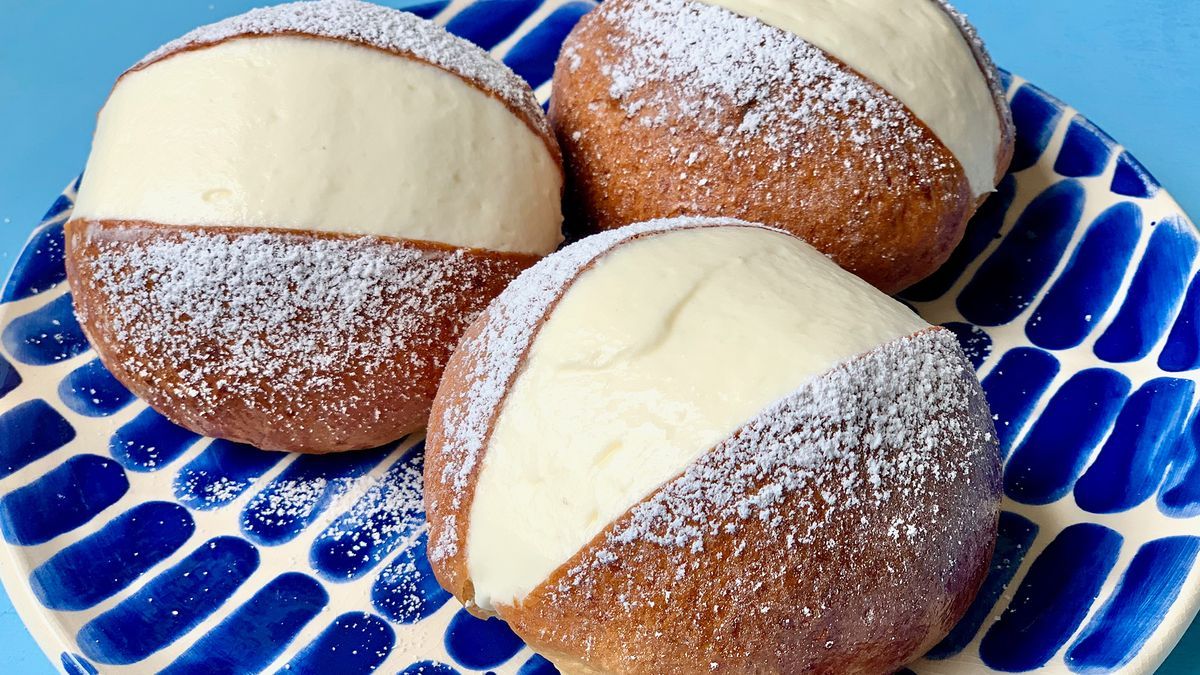
Maritozzo is a soft brioche bun split open and stuffed with whipped cream—the filling should be twice the height of the bun. It's a Roman breakfast staple eaten as a mid-morning snack with coffee, never as dessert. The bun must be soft, lightly sweetened, and brushed with honey.
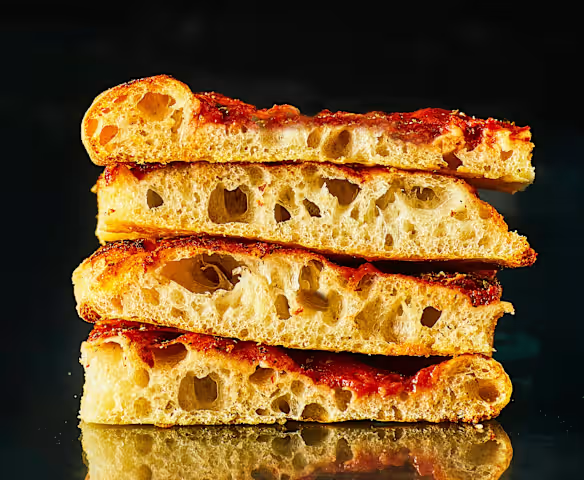
Roman-Style Pizza
Pizza Romana
Roman pizza is thin, crispy, rectangular, and sold by weight at bakeries (pizzerie al taglio). The dough has more olive oil than Neapolitan pizza, creating a cracker-like crust. It's street food cut with scissors, eaten standing up, folded like a sandwich. Toppings are simple: margherita, potato and rosemary, or zucchini flowers.
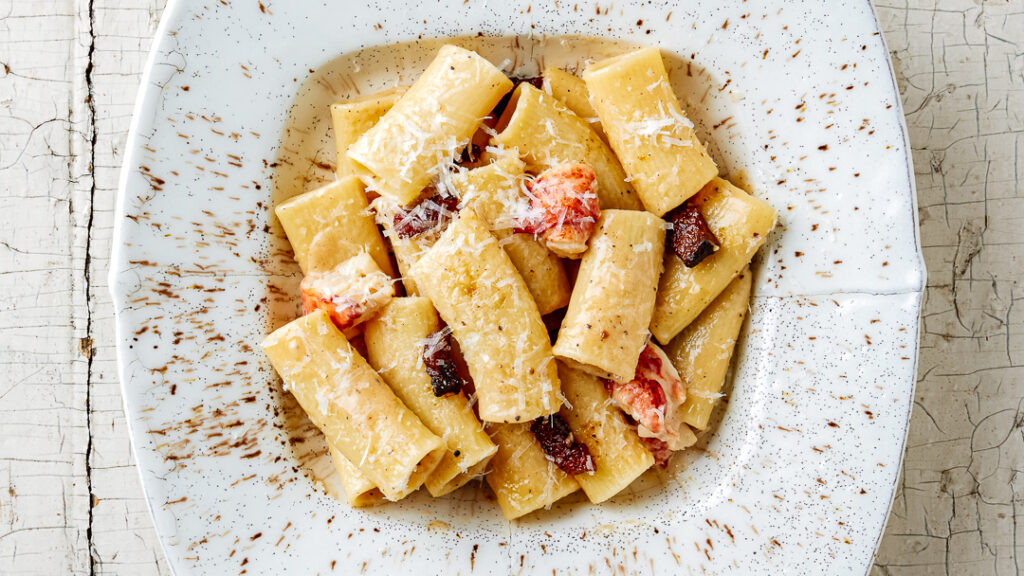
Gricia
Gricia is the oldest Roman pasta—carbonara without egg, or amatriciana without tomato. It's just guanciale, pecorino, black pepper, and pasta water. Some say it's the original shepherd's pasta before tomatoes or eggs were added. Despite being the foundation of Roman pasta, it's the least famous, overshadowed by its descendants.
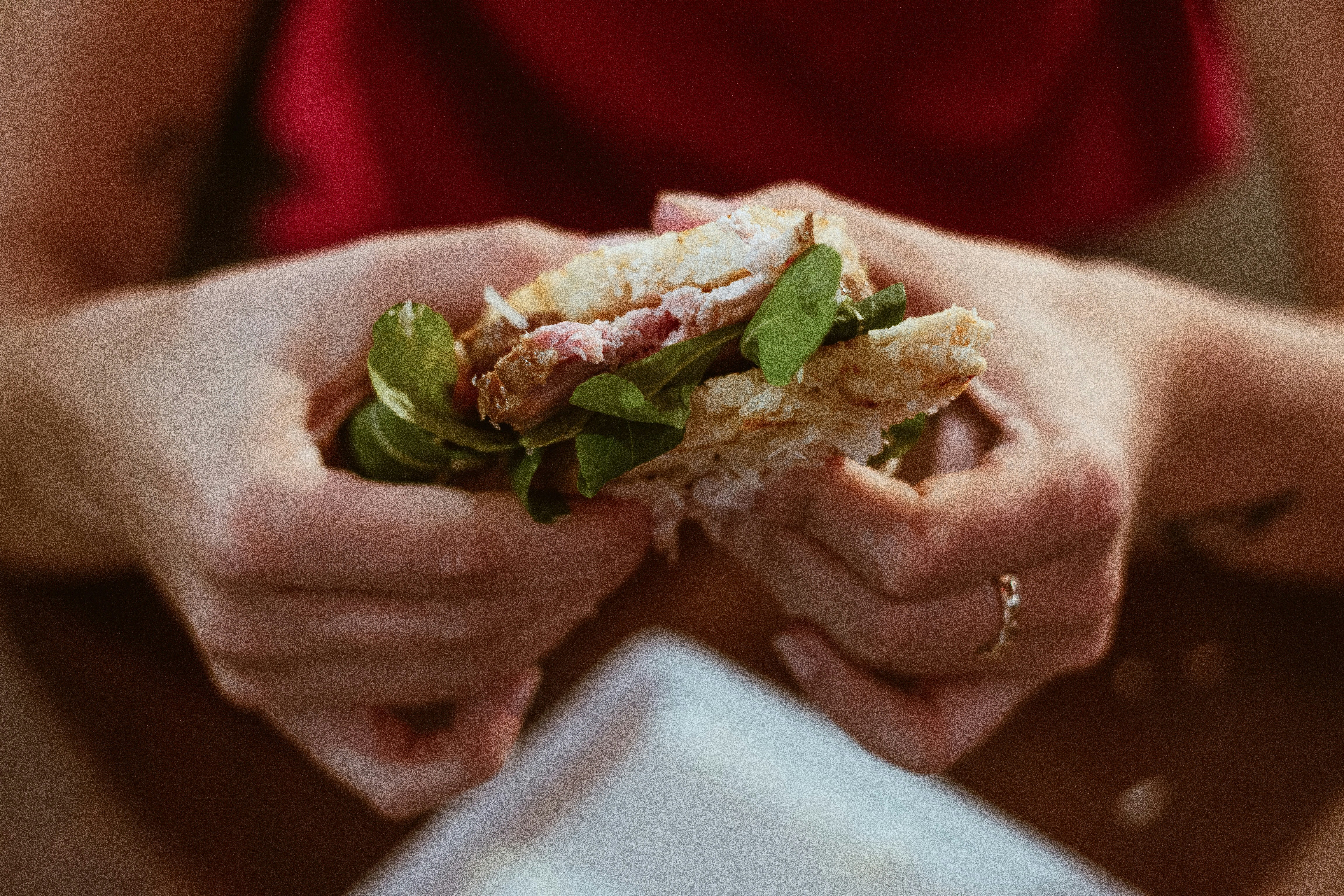
Porchetta
Porchetta is a whole pig, deboned and stuffed with wild fennel, garlic, rosemary, and black pepper, then roasted on a spit for 8+ hours until the skin crackles. It's sliced thick and served in crusty bread as a sandwich. Porchetta is street food, market food, and Sunday lunch food found at markets and porchetta trucks.
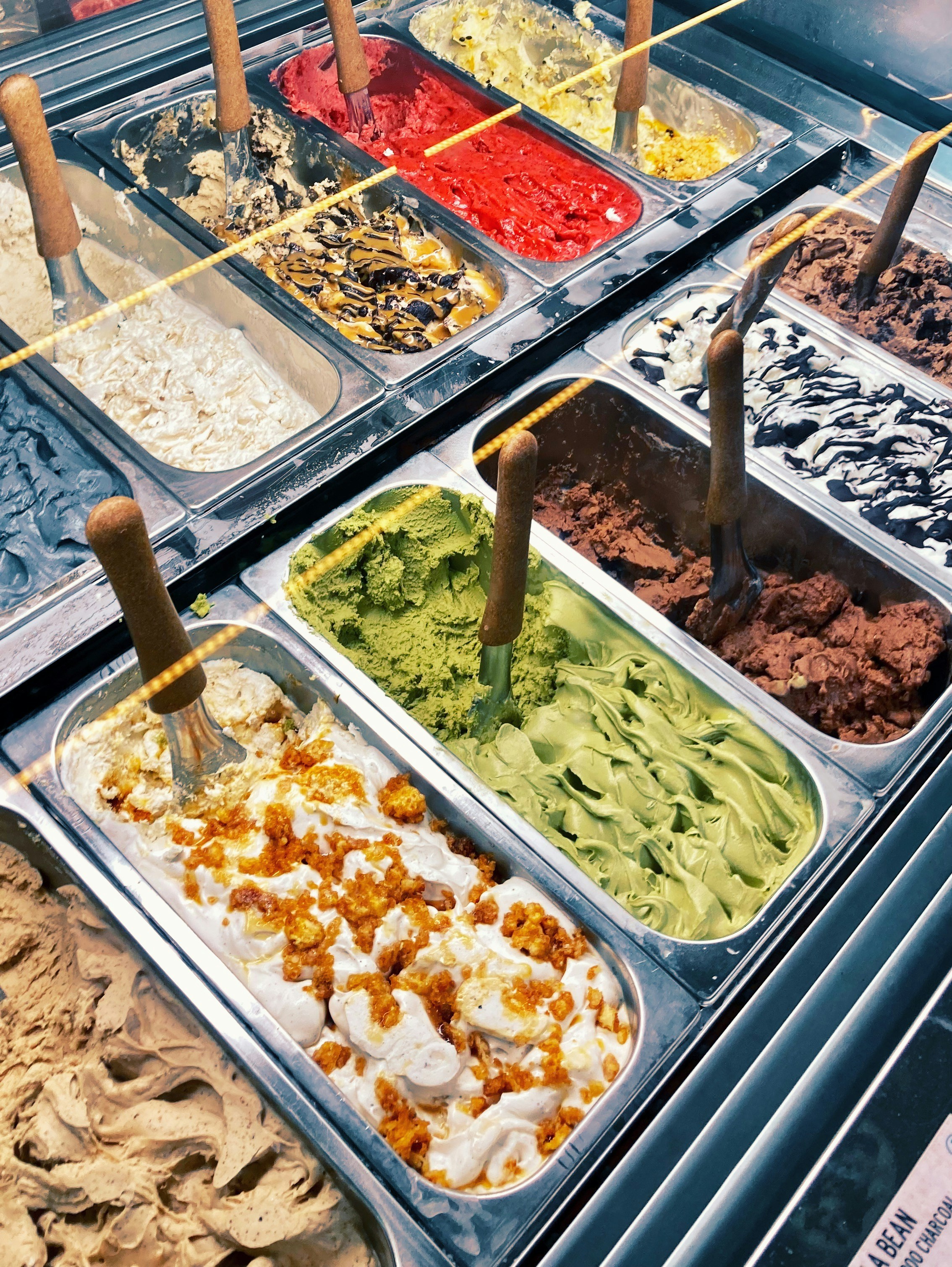
Gelato (The Rules)
Gelato Artigianale
Gelato is Italian ice cream churned at a slower speed with less air and fat than American ice cream, resulting in denser, more intense flavor. Real artisanal gelato is made daily in small batches, stored in covered metal tins, and has muted natural colors. Pistachio should be brown-green, not neon; banana should be grey-white, not yellow. If it's piled in tall colorful mounds, it's fake industrial gelato.
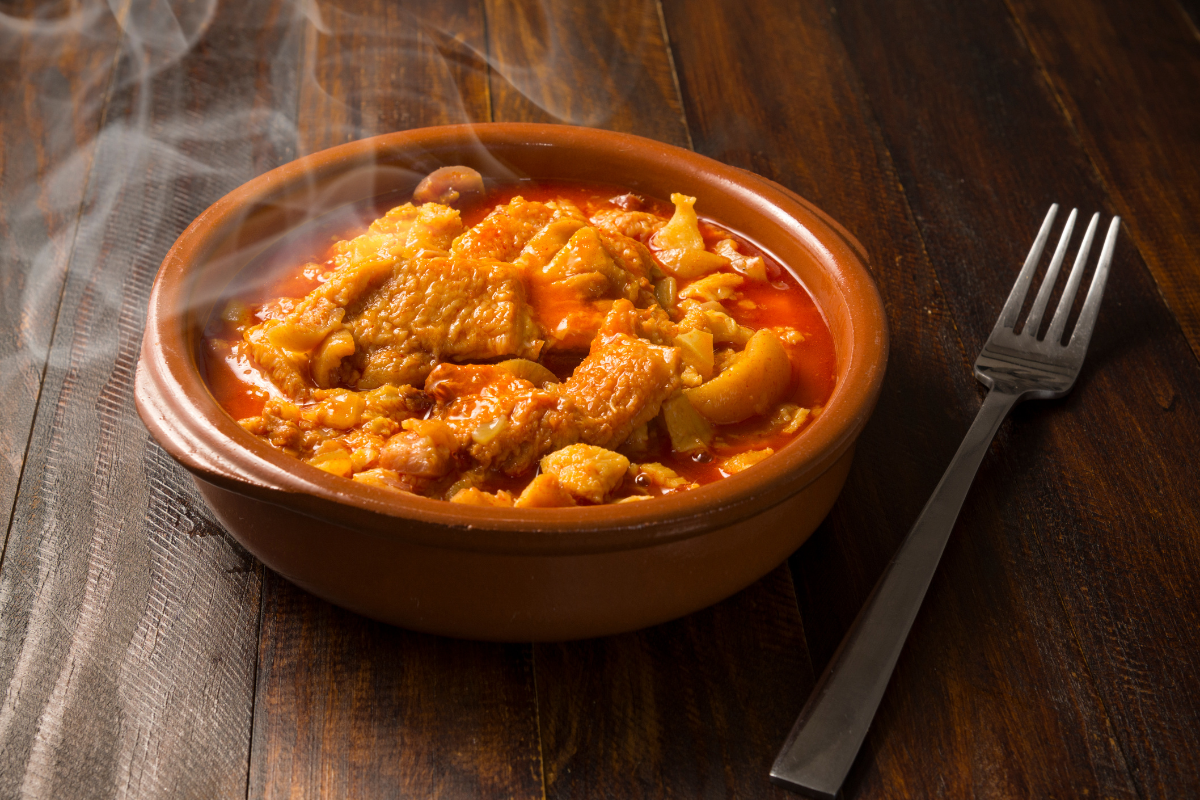
Tripe Stew
Trippa alla Romana
Trippa is slow-cooked beef tripe (cow stomach lining) in tomato sauce with mint and pecorino. It's nose-to-tail eating from Rome's slaughterhouse culture in Testaccio. The tripe must be cleaned, boiled, then stewed for hours until tender. The texture is slippery and chewy, which polarizes diners unfamiliar with offal.
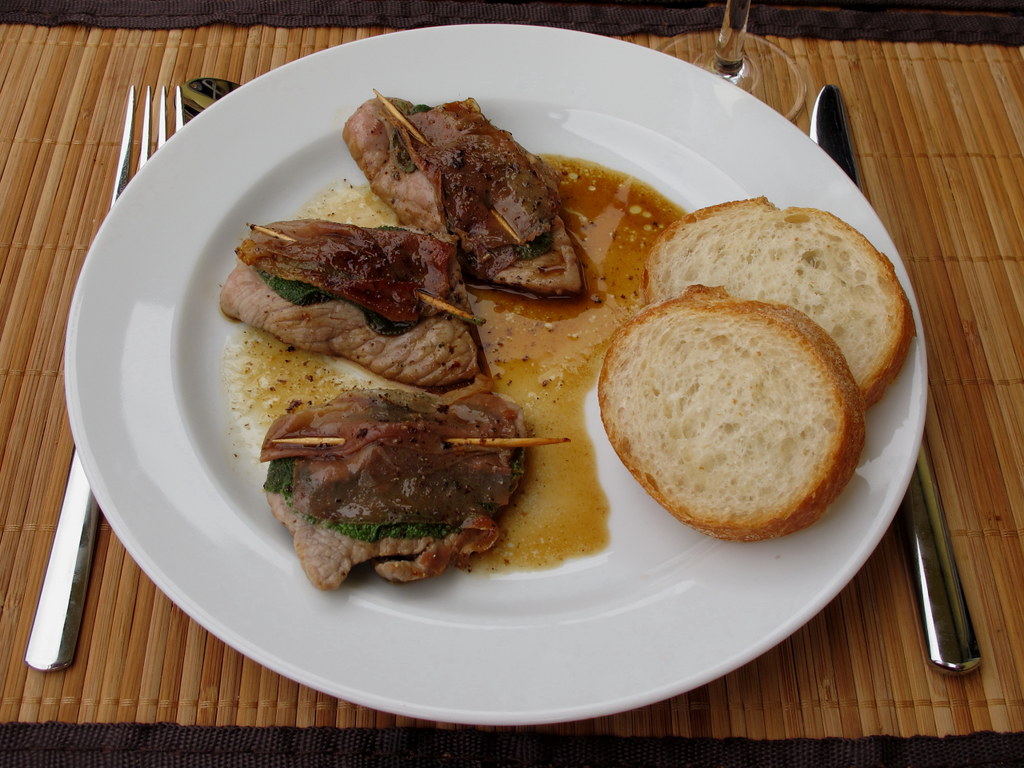
Saltimbocca
Saltimbocca alla Romana
Saltimbocca is a thin veal cutlet topped with prosciutto and a sage leaf, secured with a toothpick, then pan-fried in butter and white wine. The name means 'jumps in the mouth,' referring to its explosive flavor. Cooking time is under 5 minutes—overcooking makes the veal tough. It's a secondo (main course) served after pasta.
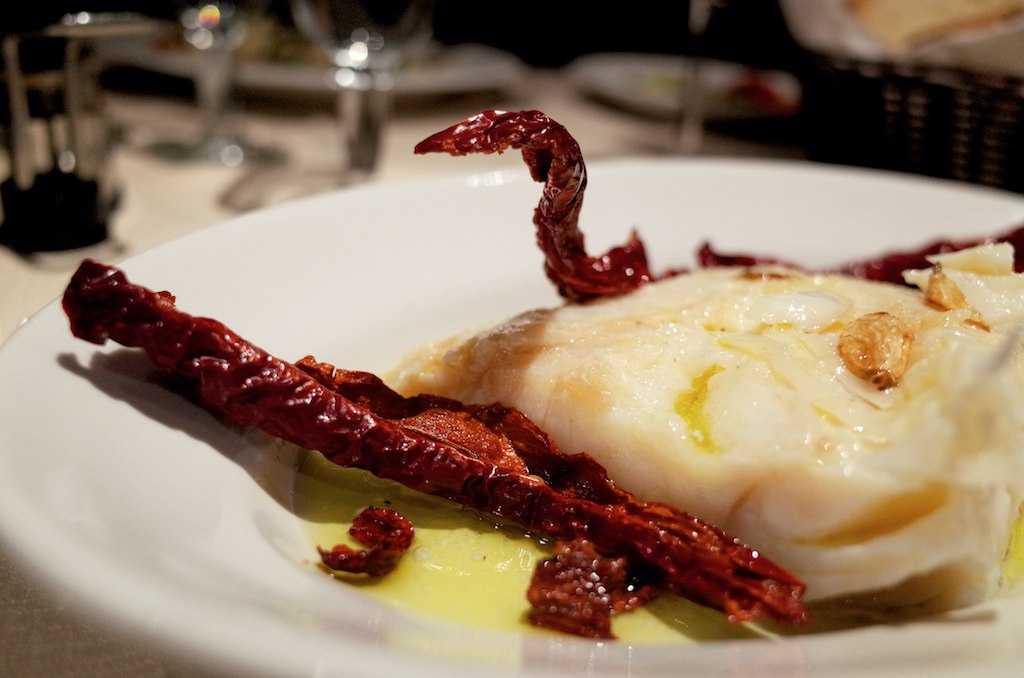
Jewish Ghetto Cuisine
Cucina Giudaico-Romanesca
Jewish Ghetto cuisine is a 500-year fusion of Jewish dietary laws with Roman ingredients, including carciofi alla giudia (fried artichokes), concia (fried zucchini with vinegar and mint), and baccalà (salt cod). Frying in olive oil became central since butter (dairy) couldn't be mixed with meat under kosher law. These dishes are found in the Jewish Ghetto neighborhood and many traditional Roman restaurants.
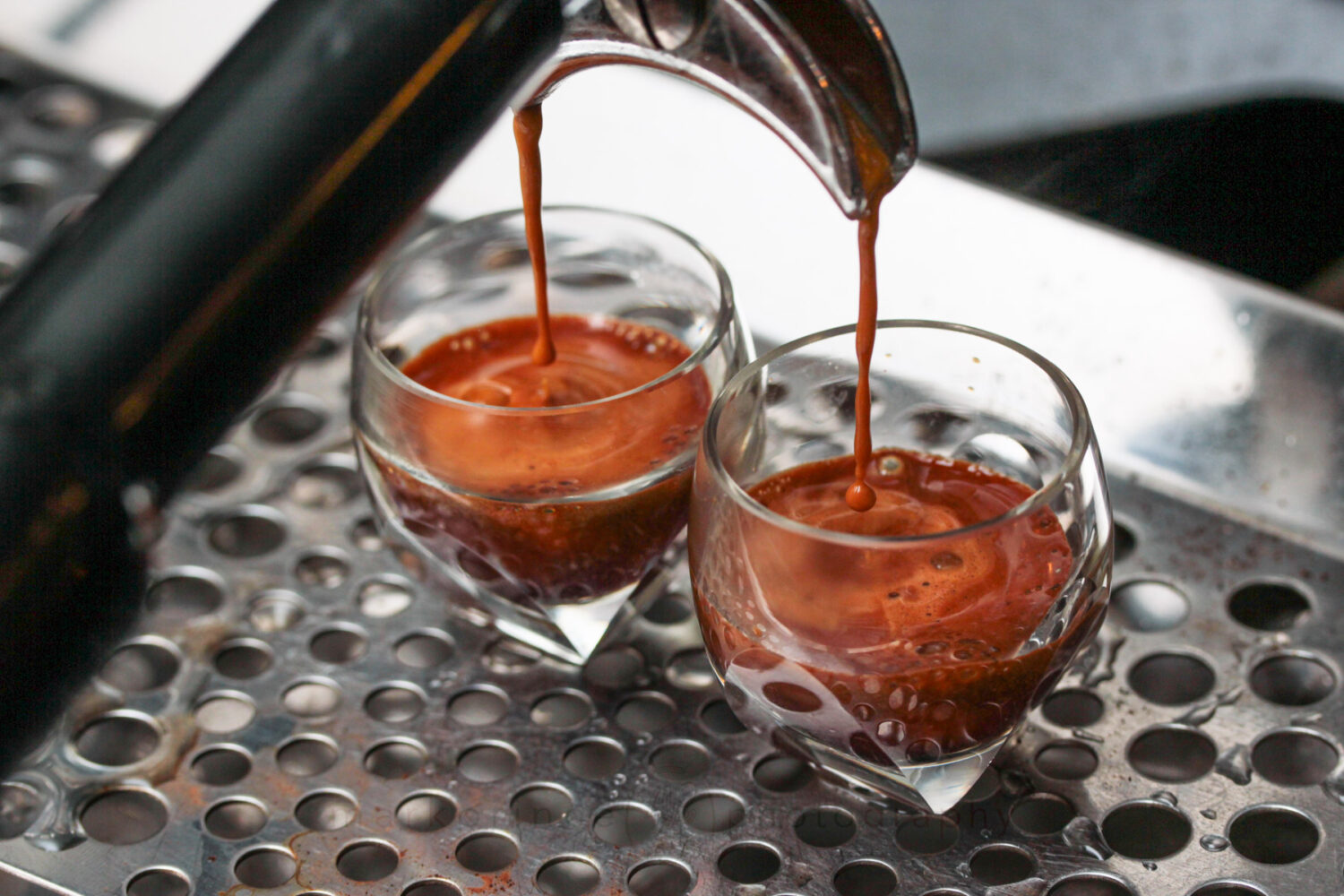
Espresso Rules
Caffè
Espresso (called 'caffè' in Italy) is a concentrated coffee shot consumed in under 60 seconds while standing at the bar. Sitting adds a €2-4 surcharge. Cappuccino is strictly a breakfast drink before 11am; ordering it after lunch marks you as a tourist. Romans drink caffè (espresso) after meals with a small glass of water.
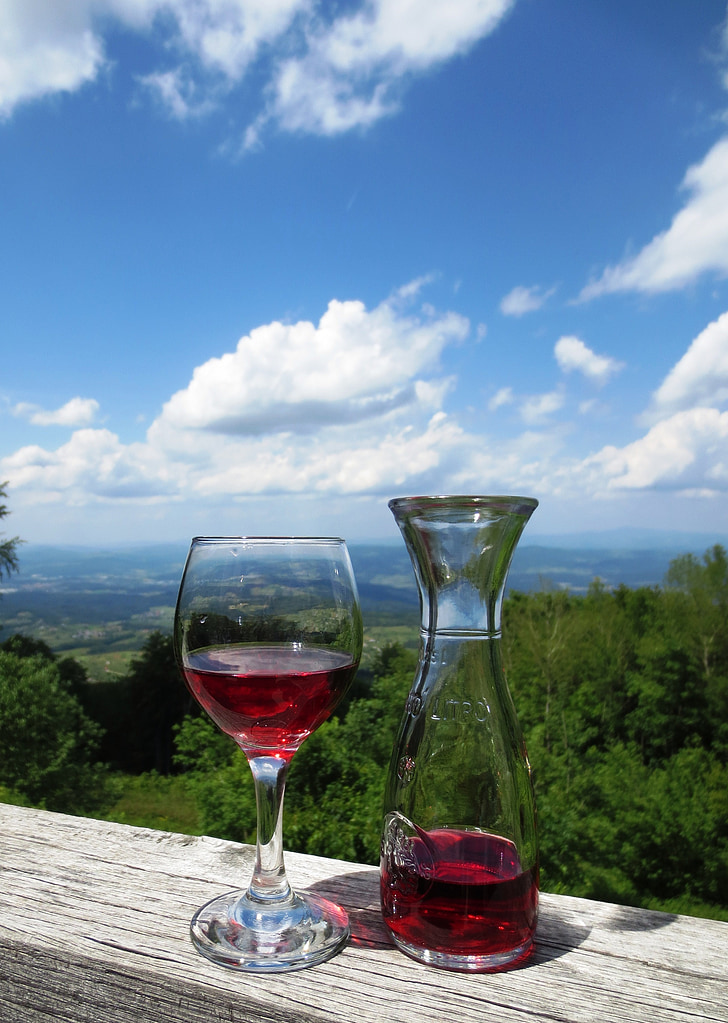
Roman Wine Culture
Vino Laziale
Roman wine culture centers on Frascati and Castelli Romani whites made from Malvasia and Trebbiano grapes. The tradition of ordering 'vino della casa' (house wine) by the carafe remains strong—house wine is local, cheap (€8-12 per liter), and perfectly fine for daily drinking. Romans view wine as a meal accompaniment, not an event.
The Perfect 24 Hours in Rome
Cappuccino & Cornetto in Trastevere
Start in Trastevere, Rome's most charming neighborhood. Find a local bar (café) and order cappuccino and cornetto at the counter—sitting costs double. Locals drink cappuccino only until 11am; after that it's espresso. The cobblestone streets are empty at this hour, golden light filters through ivy-covered buildings. This is the Rome of La Dolce Vita.
Vatican Museums & Sistine Chapel
Book first-entry tickets (8:30am) weeks ahead—it's the only way to see the Sistine Chapel without being crushed. Michelangelo's ceiling is breathtaking but security rushes you through. The Gallery of Maps and Raphael Rooms are equally stunning and less crowded. Exit into St. Peter's Basilica (free) to see Michelangelo's Pietà. The entire Vatican City is 0.44 square kilometers of overwhelming art.
Lunch: Cacio e Pepe in Centro Storico
Walk to the historic center for lunch at a traditional trattoria. Order cacio e pepe (pecorino cheese and black pepper pasta)—Rome's signature dish that's deceptively simple yet rarely perfected. Add Flavio al Velavevodetto or Felice a Testaccio to your list. Pair with a carafe of house white wine. Romans lunch for 2+ hours—embrace the pace. No cappuccino after meals; that's a tourist tell.
Colosseum & Roman Forum
Book a timed-entry combo ticket (Colosseum + Forum + Palatine Hill). Enter the Colosseum where 50,000 Romans once cheered gladiator battles. Then explore the Forum—the heartbeat of ancient Rome where emperors walked. Palatine Hill offers the best views over the ruins. Bring water; Rome's heat is brutal. The stones you're walking on are 2,000 years old and still standing.
Golden Hour at Trevi Fountain & Spanish Steps
Navigate through narrow streets to Trevi Fountain. Toss a coin over your left shoulder with your right hand—legend says you'll return to Rome. The fountain is stunning but mobbed; see it and move on. Walk to the Spanish Steps (15 min) for sunset people-watching. The steps are a social amphitheater where Romans hang out. Gelato from nearby Giolitti or Fassi is mandatory.
Aperitivo & Dinner in Monti
Head to Monti, Rome's hipster-bohemian neighborhood. Start with aperitivo (6-9pm)—buy one cocktail, get free buffet of snacks, pizza, pasta, and salads. Romans call it 'aperitivo' not happy hour. Then move to dinner: carbonara, amatriciana, or saltimbocca alla romana. End the night wandering the ancient streets, maybe stumbling upon a hidden piazza. Rome doesn't need nightclubs—the city itself is the entertainment.