Jewish Ghetto Cuisine
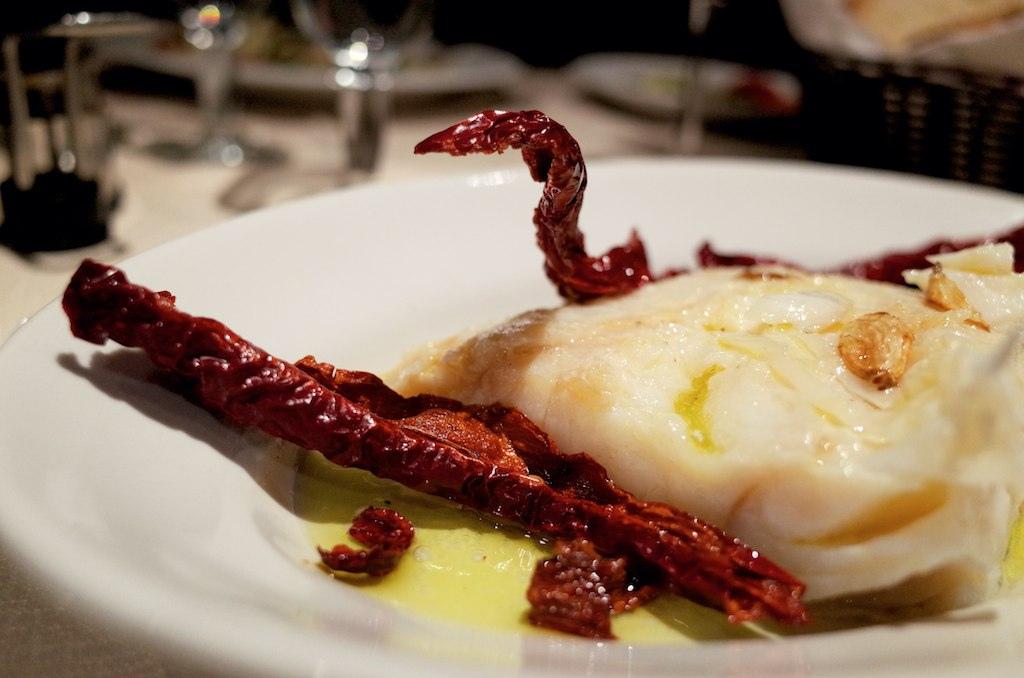
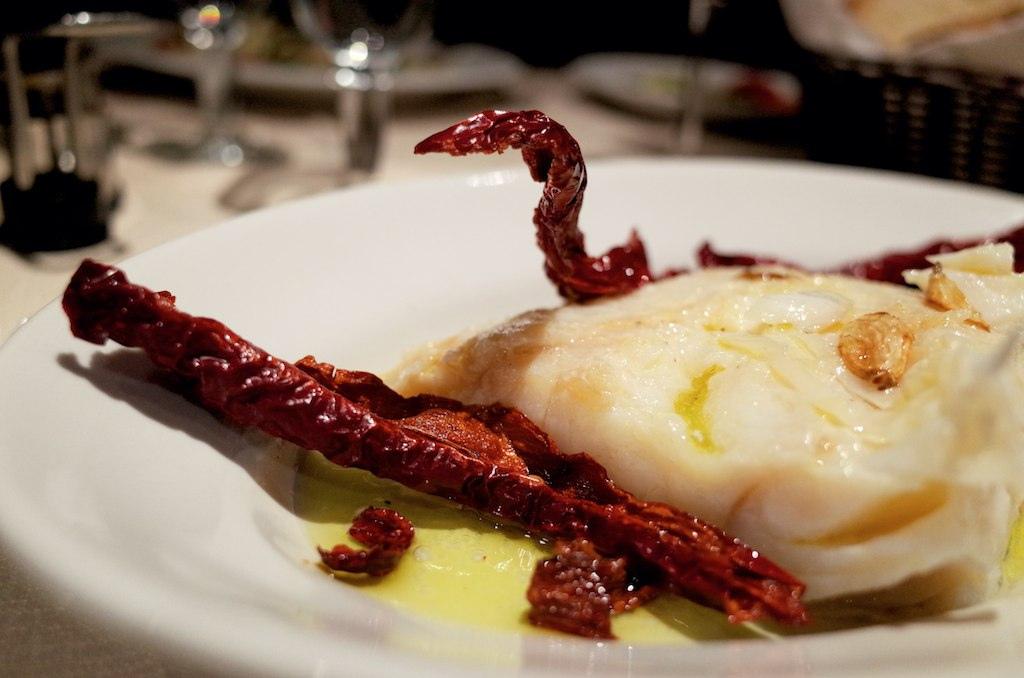
"Jewish Ghetto cuisine is a 500-year fusion of Jewish dietary laws with Roman ingredients, including carciofi alla giudia (fried artichokes), concia (fried zucchini with vinegar and mint), and baccalà (salt cod). Frying in olive oil became central since butter (dairy) couldn't be mixed with meat under kosher law. These dishes are found in the Jewish Ghetto neighborhood and many traditional Roman restaurants."
Logistics
Moderate
Vibe
Historic, fried
Duration
1-2 hours
Best For
History buffs
The Backstory
Rome's Jewish Ghetto was established in 1555. Despite persecution, a unique cuisine emerged. After the ghetto's demolition in 1888, these dishes entered mainstream Roman cuisine. Many recipes are still made by Jewish families after 400+ years.
Local Secret
"Eat in the Ghetto itself for the most authentic experience. Try concia di zucchine—it's unknown outside Rome. Avoid Sundays when kosher places are closed for Shabbat."
Gallery
You Might Also Like
Carbonara
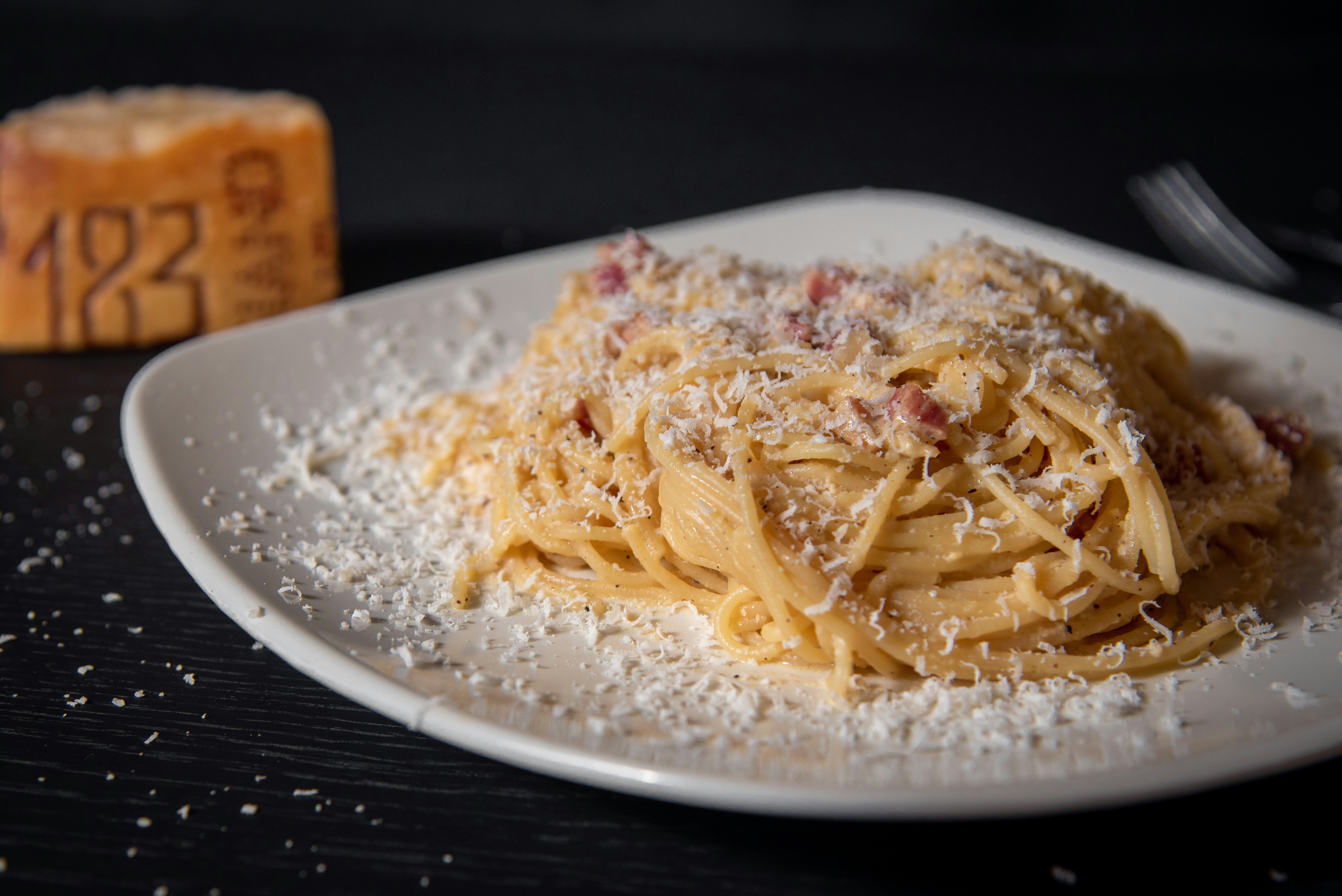
Carbonara is a Roman pasta dish made with egg yolks, Pecorino Romano cheese, guanciale (cured pork cheek), and black pepper—absolutely no cream. The heat of the pasta cooks the raw egg into a silky, creamy sauce that coats each strand. It's Rome's most iconic dish, fiercely protected by locals who consider adding cream a culinary crime.
The Trattoria Rule
Trattoria Romana
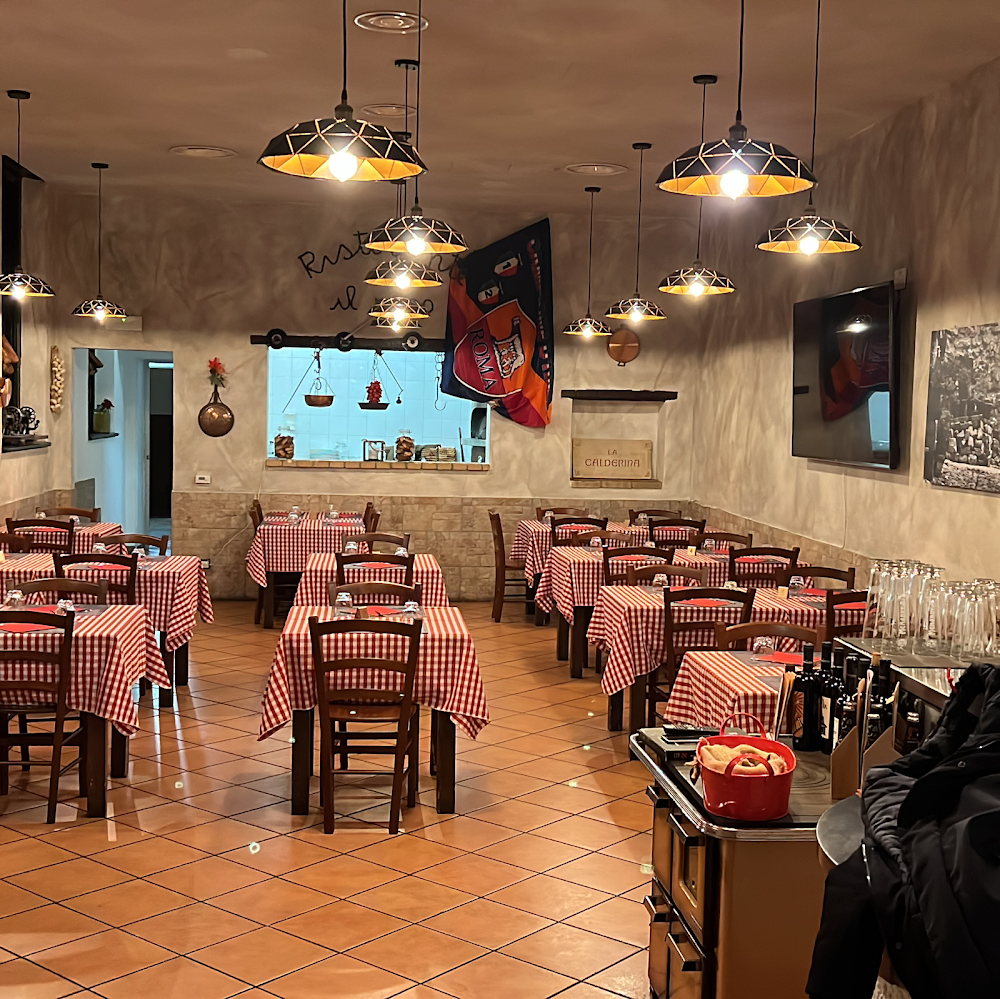
A trattoria is a family-run, casual Italian restaurant serving simple regional food at affordable prices, typically with paper tablecloths and handwritten menus. Real trattorias never advertise, never have English menus with photos, and never seat tourists preferentially. They're loud because Romans talk loudly, cramped because space is expensive, and serve food locals eat daily.
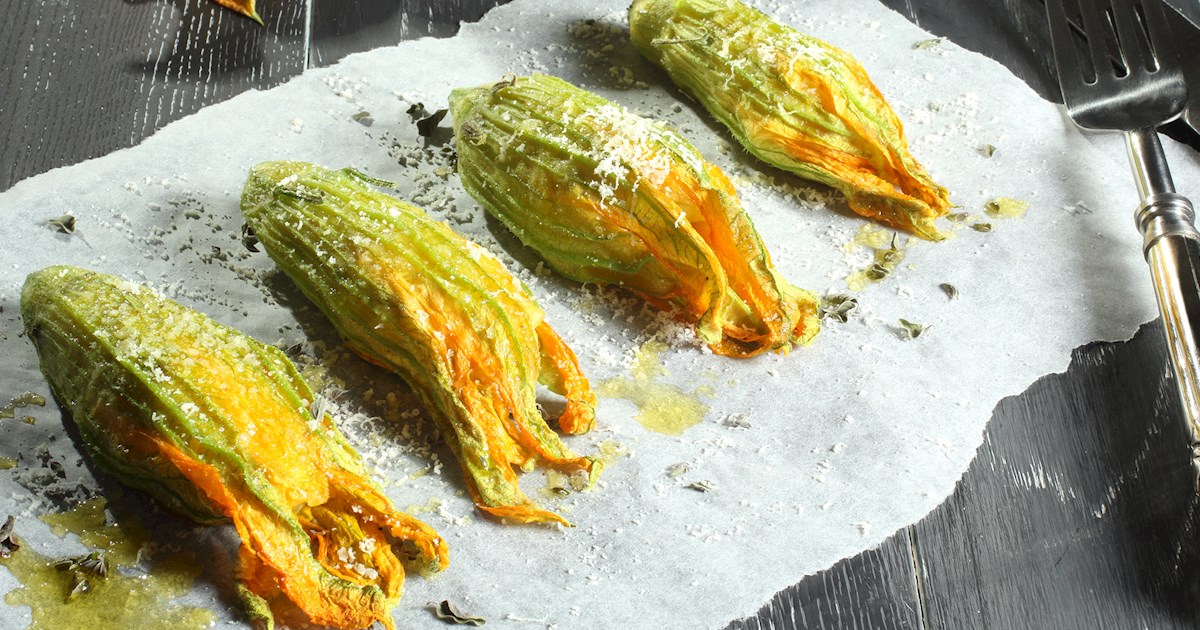
Fried Starters (Fritti)
I Fritti
Fritti are fried appetizers served before pasta or pizza, including supplì (fried rice balls with mozzarella), fiori di zucca (fried zucchini flowers), and potato croquettes. They're crispy, hot, eaten with hands, and central to Roman dining. It's a social ritual: you order one plate for the table and everyone picks.