Istanbul
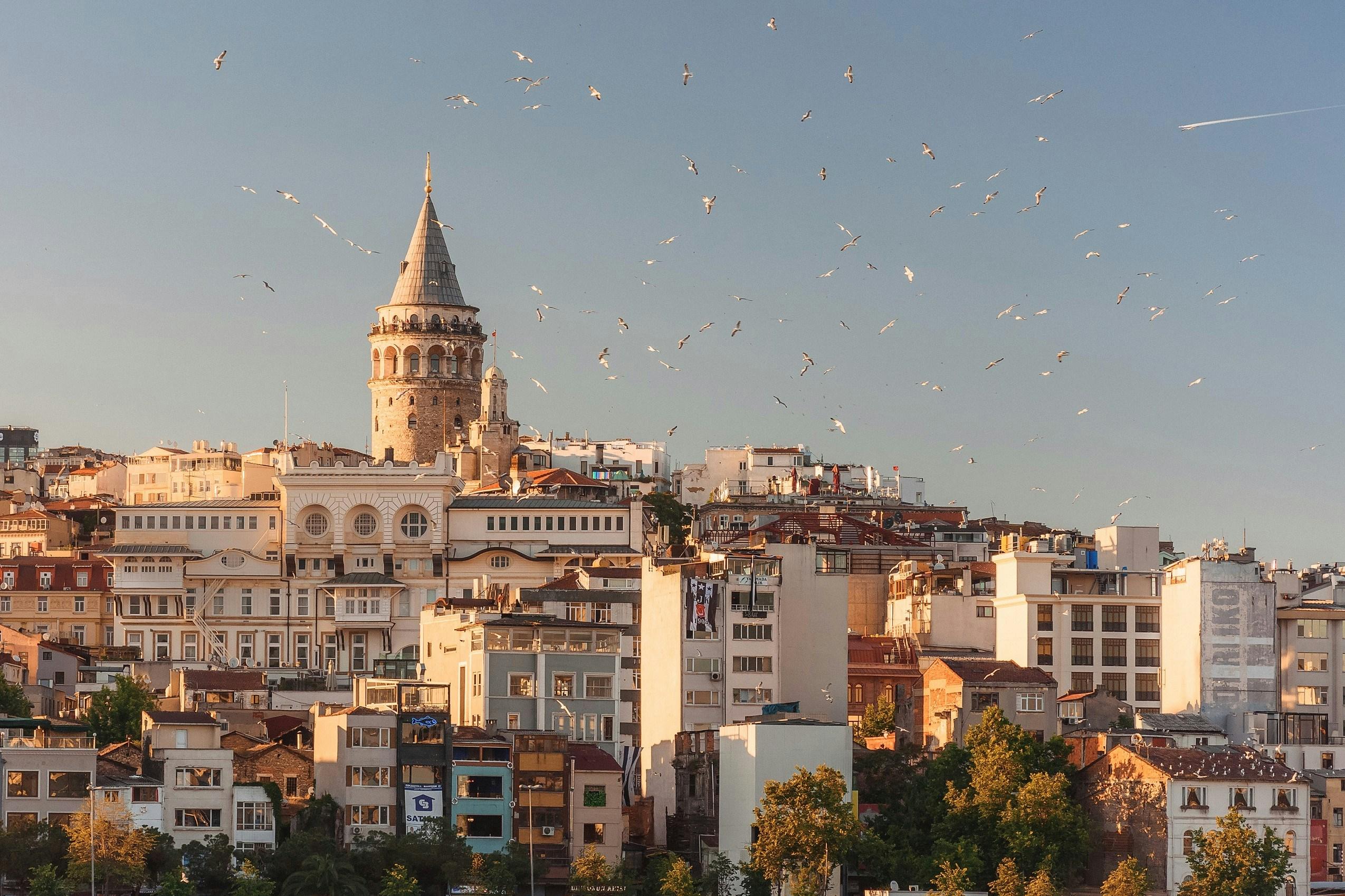
The Bipolar Metropolis: A fractured ecosystem where the curated 'Museum City' meets the chaotic, authentic 'Living City'.
View Photo GalleryEssential Info
Survival Kit
Best Time
Spring / Fall
Currency
TRY
Language
Local Language
Jan
3°C - 9°CHeavy coat, waterproof boots, scarf
Empty museums
Cold rain/snow
Feb
3°C - 9°CWarm layers, thermal wear
Lower prices
Damp cold
Mar
5°C - 12°CWaterproof jacket, layers
Tulips begin to bloom
Sudden rainstorms
Apr
8°C - 17°CLight jacket, comfortable shoes
Tulip Festival in parks
Variable weather
May
13°C - 22°CT-shirts, light sweater
Ideal walking weather
Prices rise
Jun
18°C - 27°CSummer clothes, sunglasses
Long days
Humidity rises
Jul
21°C - 30°CBreathable fabrics, linen
Swimming in Princes' Islands
High humidity
Aug
21°C - 30°CMinimal clothing, hat
Locals leave for holidays
Oppressive heat
Sep
17°C - 26°CSummer clothes + light layer
Art Biennial
Traffic returns
Oct
13°C - 21°CLight jacket, jeans
Best sunsets
Occasional rain
Nov
9°C - 16°CWarm coat, boots
Istanbul Marathon
Grey skies return
Dec
5°C - 11°CWinter coat, umbrella
New Year's excitement
Cold rain
Kadıköy
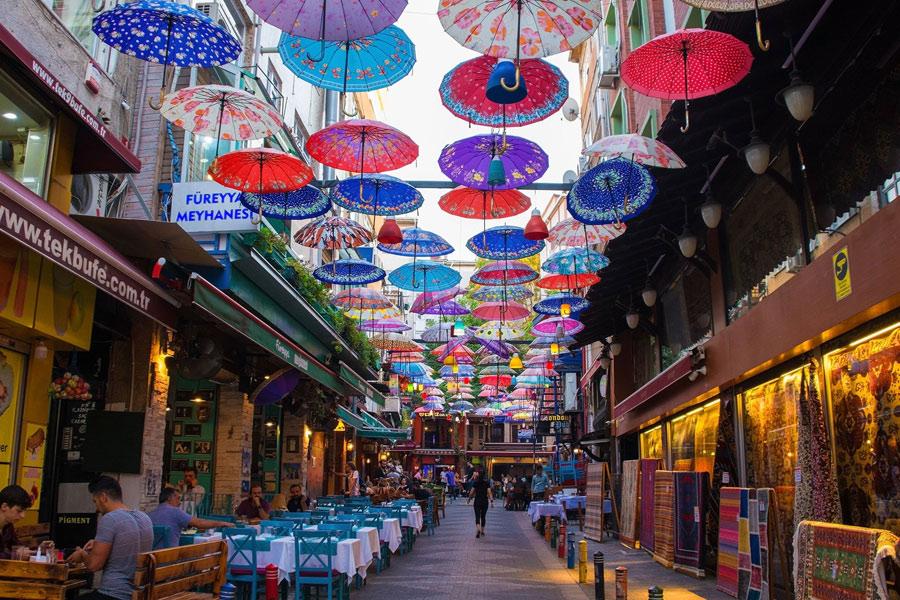
On the Asian side, this is the stronghold of secular, creative Istanbul. It functions almost as an independent city. The 'Moda' seaside is the communal living room where thousands gather to drink beer on the rocks.
Beşiktaş
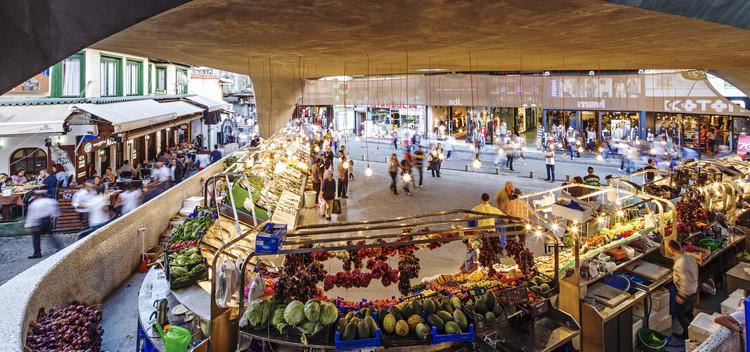
The energetic, chaotic heart of modern life. Home to a fierce football club and university students. The 'Çarşı' (market) is a labyrinth of bars and fish restaurants. Loud, communal, and alive.
Fatih / Sultanahmet
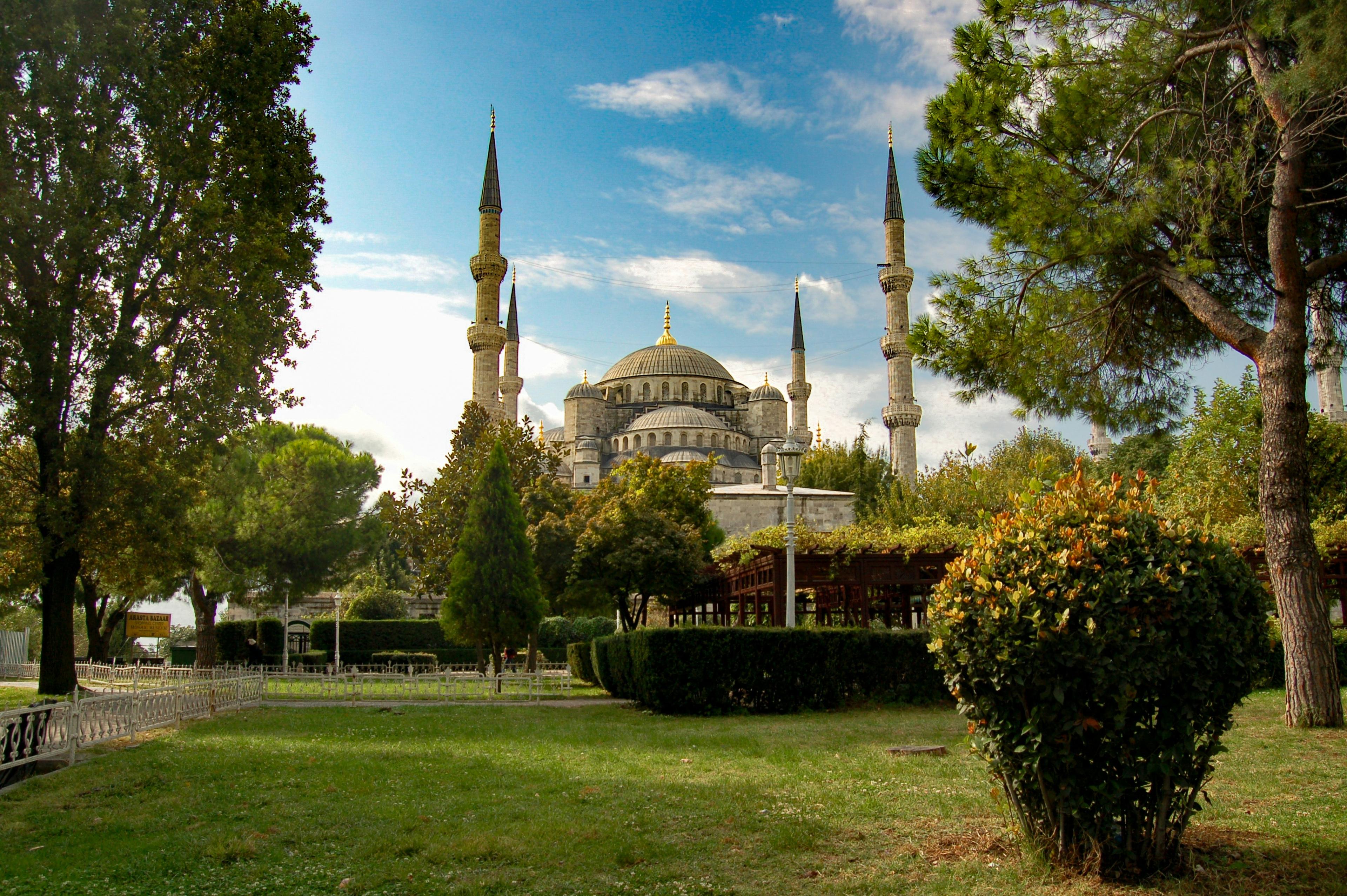
The historic peninsula containing the Hagia Sophia and Blue Mosque. While architecturally stunning, it has been 'museumified'. It lacks organic life and becomes a ghost town after dark. Visit for history, do not stay here.
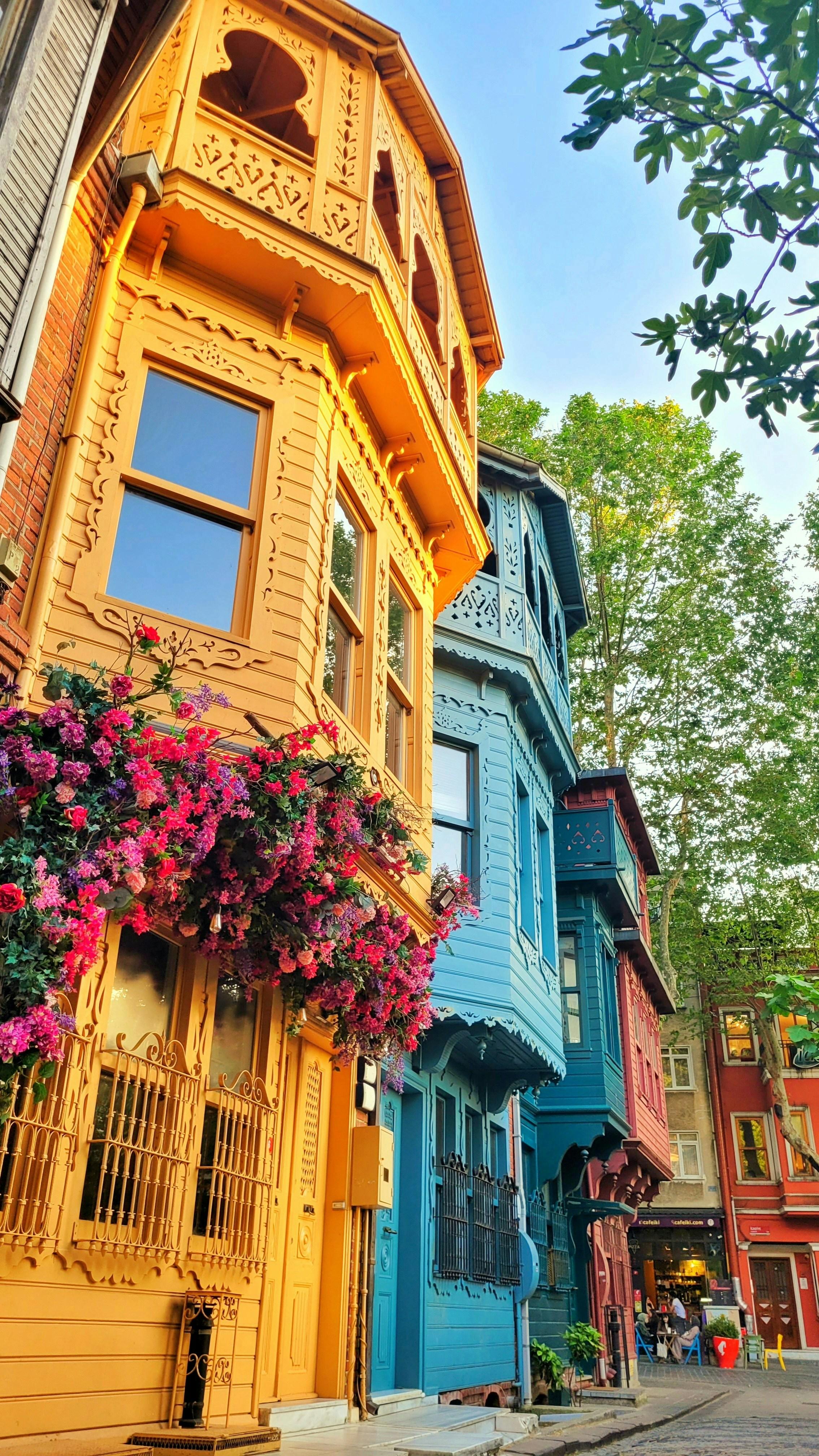
Kuzguncuk
A valley neighborhood on the Asian side that retains the atmosphere of a multicultural Ottoman village. Mosques, churches, and synagogues stand side-by-side. A 'Slow City' escape within the megacity.
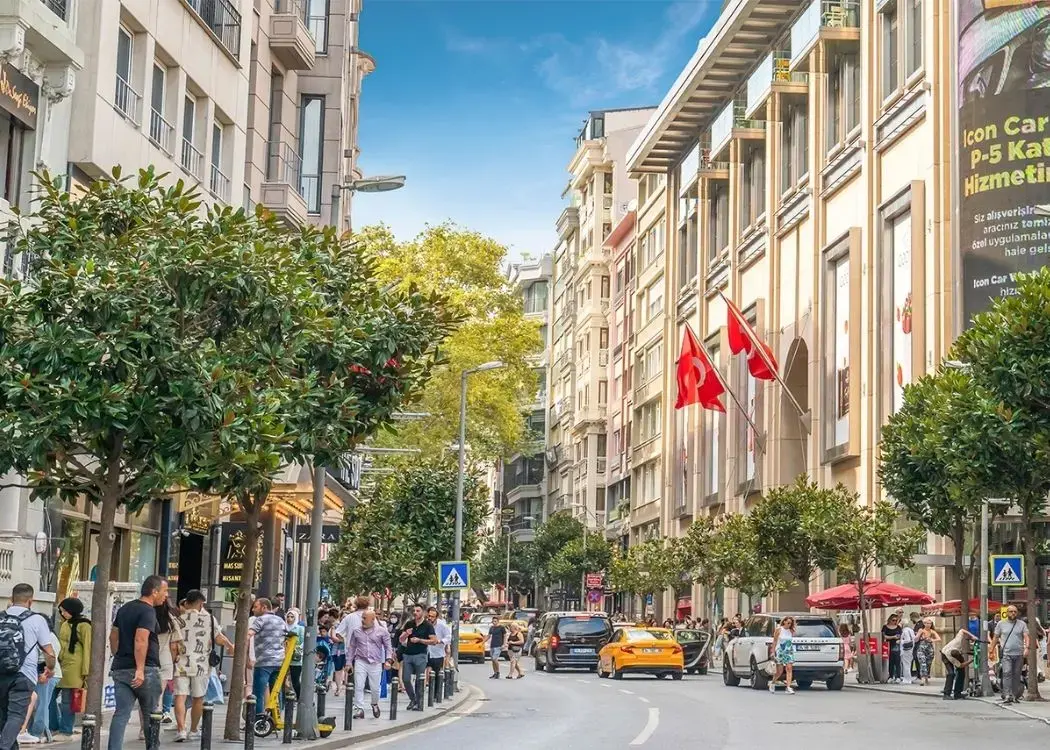
Nişantaşı
The domain of the secular bourgeoisie. Manicured streets, Art Nouveau architecture, and luxury brands. It offers a European-style shopping experience and high-end dining, contrasting with the chaotic bazaars.
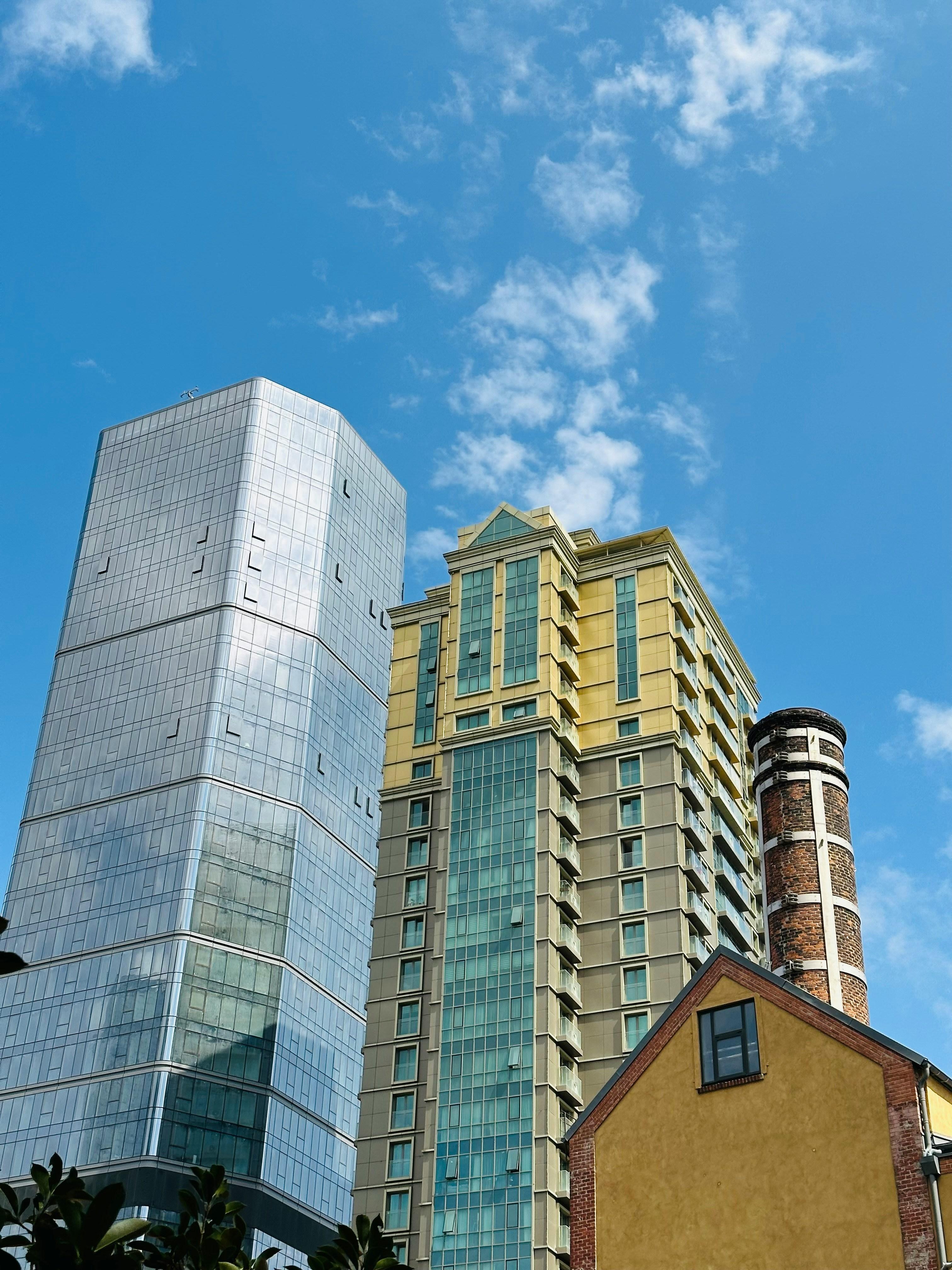
Bomonti
Centered around the historic Beer Factory (Bomontiada), now a cultural hub. On Sundays, the Feriköy Antique Market is the best place to hunt for vinyl and retro cameras.
Dos & Don'ts
- The 'Misafir' Concept: You are considered a 'Guest sent by God'. Locals will fight to pay the bill. The polite dance involves offering to pay, being refused, and eventually accepting with grace.
- The 'Tut' of Negation: A sharp upward click of the head with a 'tut' sound means 'No'. It is not rude; it is efficient.
- Hand on Heart: A universal gesture of sincerity. Use it when thanking someone or softening a refusal (like saying no to a carpet seller).
- Tea Ritual: Refusing tea can be seen as cold. If you must, place your hand on your heart. To signal you are finished, place your teaspoon across the rim of the glass.
- Communal Cats: Cats are citizens. They are allowed in cafes and mosques. Disturbing a sleeping cat is a major social faux pas.
- Mosque Modesty: Shoulders and knees must be covered. Women must cover hair. Shoes off. With Hagia Sophia's 2025 rules, tourists are restricted to upper galleries.
Key Phrases
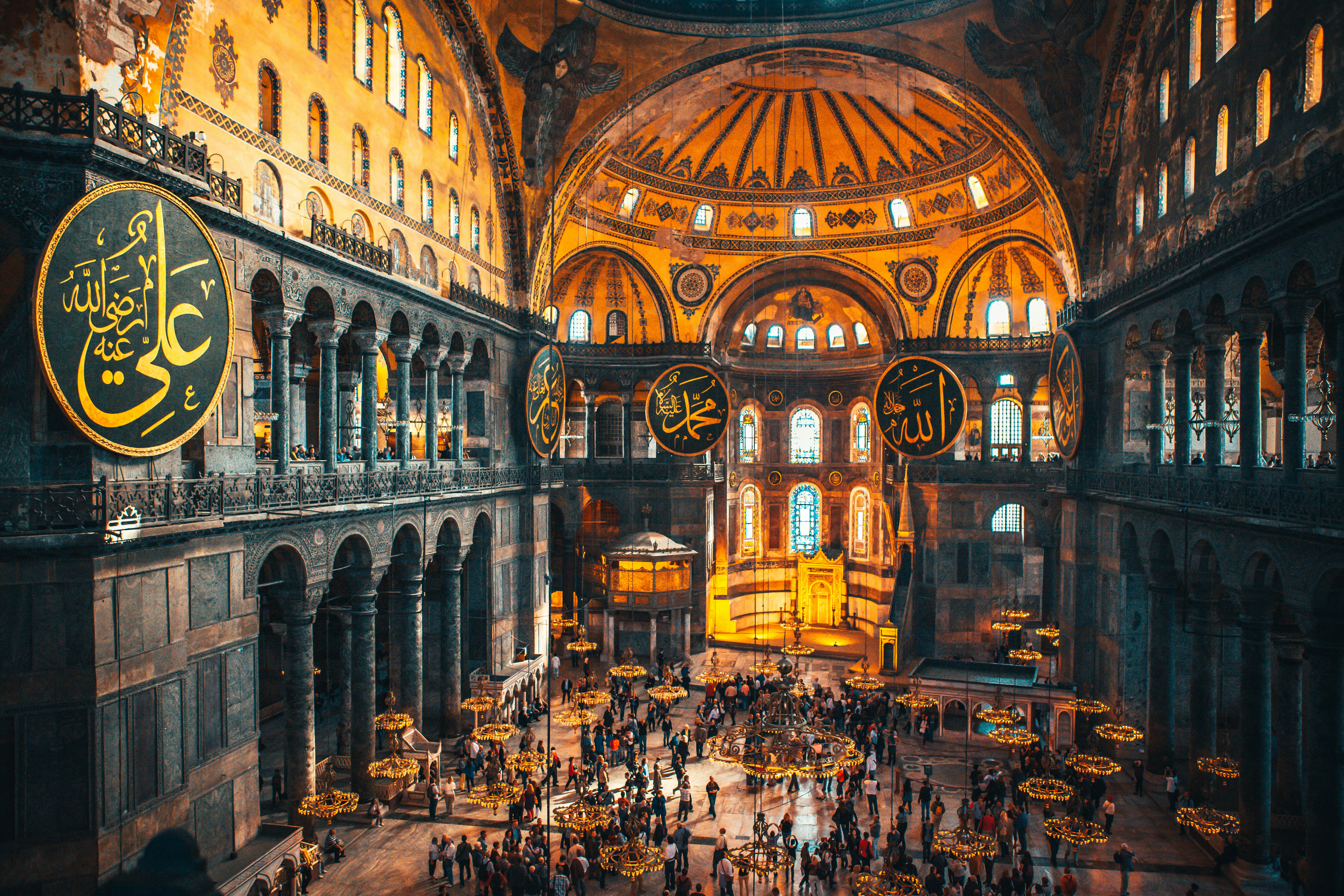
Hagia Sophia
Ayasofya
Hagia Sophia is a 6th-century architectural marvel that served as a Byzantine cathedral for nearly 1,000 years, then an Ottoman mosque for 500 years, and a museum from 1935-2020. It was reconverted to a mosque in 2020, fundamentally changing the visitor experience. The massive dome, stunning mosaics, and layered history make it one of the world's most significant buildings.
Topkapi Palace
Topkapı Sarayı
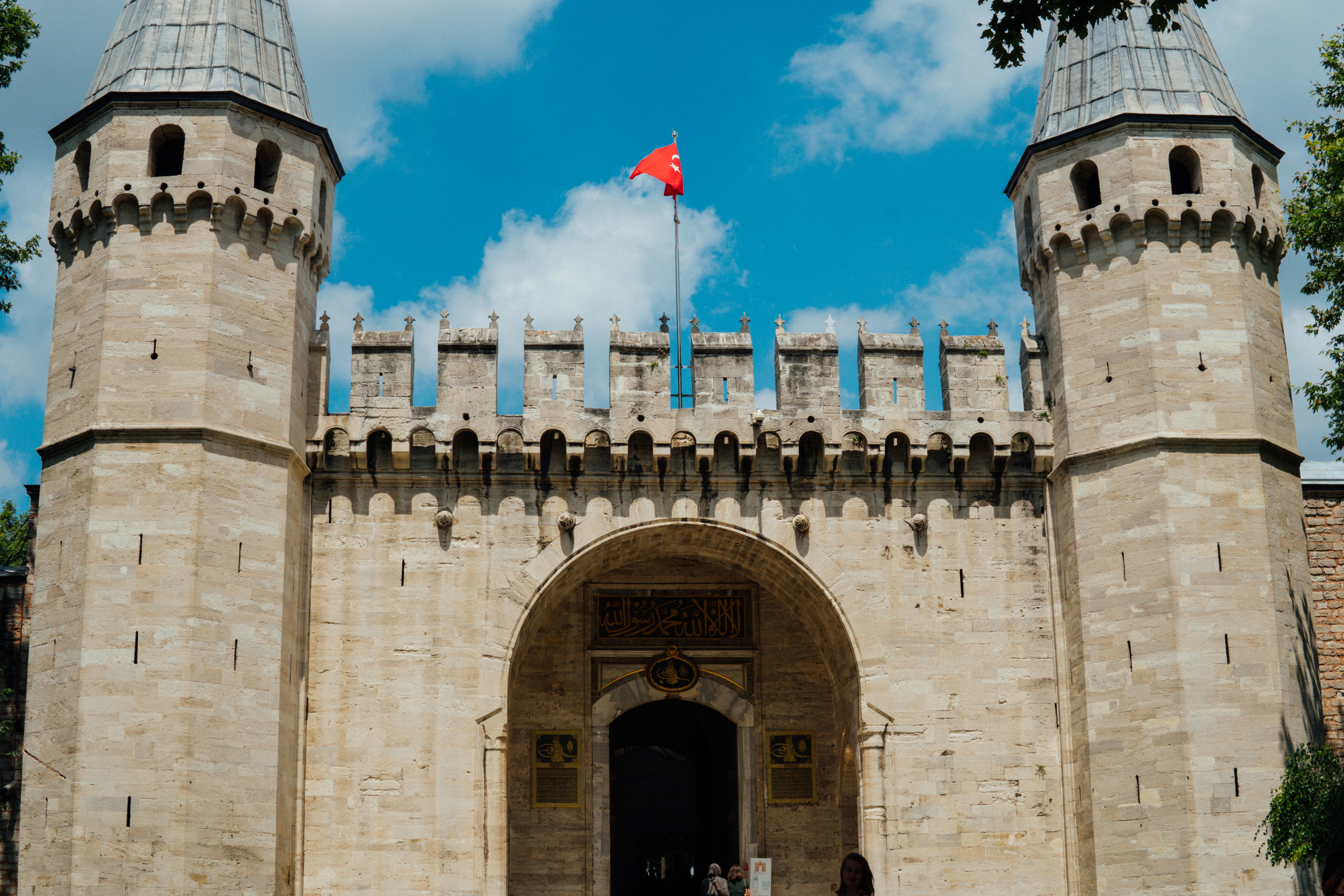
Topkapi Palace was the primary residence and administrative center of Ottoman sultans for nearly 400 years (1465-1856). This sprawling complex contains courtyards, pavilions, treasury rooms filled with jewels and artifacts, and the infamous Harem where the sultan's family and concubines lived. The views over the Bosphorus are stunning, and the scale reveals the power of the Ottoman Empire at its height.
Basilica Cistern
Yerebatan Sarnıcı
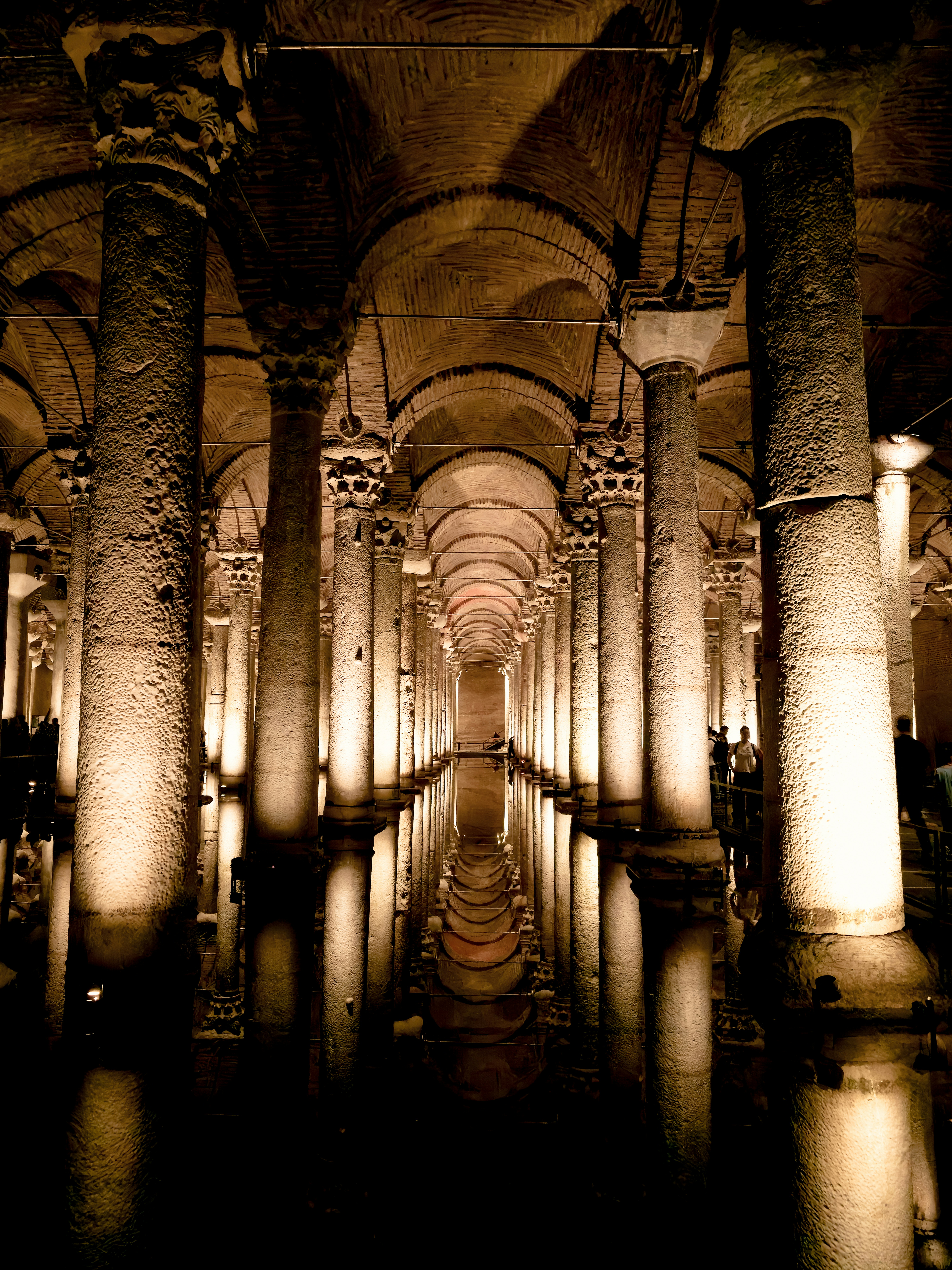
The Basilica Cistern is an underground Byzantine water reservoir featuring 336 marble columns rising from shallow water in a dimly lit, cathedral-like space. The most famous features are two Medusa head column bases—one sideways, one upside down. Built in 532 CE, it's an atmospheric engineering marvel that once supplied water to the Great Palace. The acoustics and lighting create an eerie, cinematic experience.
Commuter Ferry Ride
Vapur
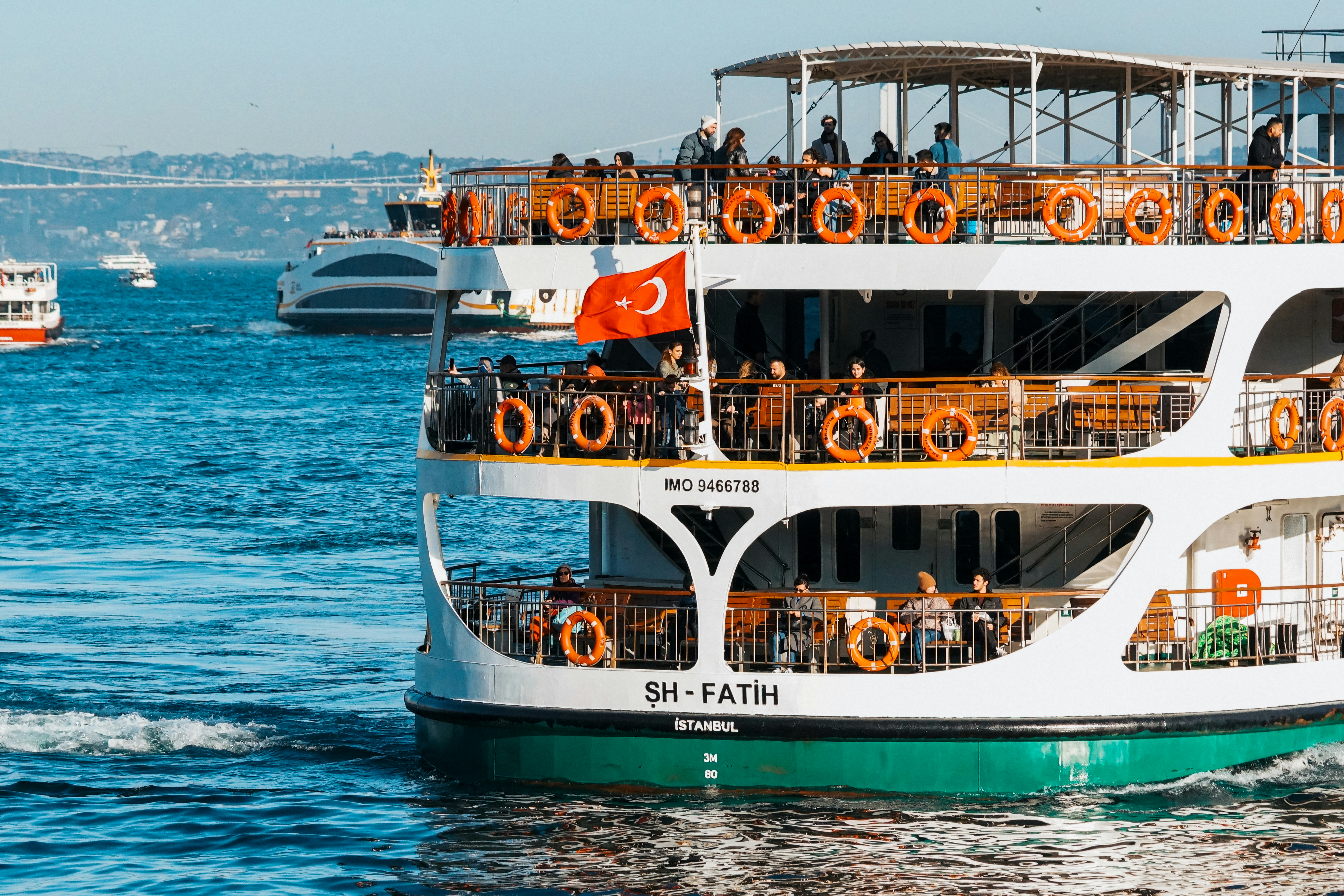
The Bosphorus ferry (vapur) is Istanbul's iconic public transport connecting the European and Asian sides across the strait. This isn't a tourist cruise—it's how locals commute, complete with tea vendors walking the aisles. The views of palaces, mosques, and waterside mansions are unmatched. For a full experience, take Şehir Hatları's 'Long Bosphorus Tour' which goes all the way to the Black Sea.
Feriköy Antique Market
Feriköy Antika Pazarı
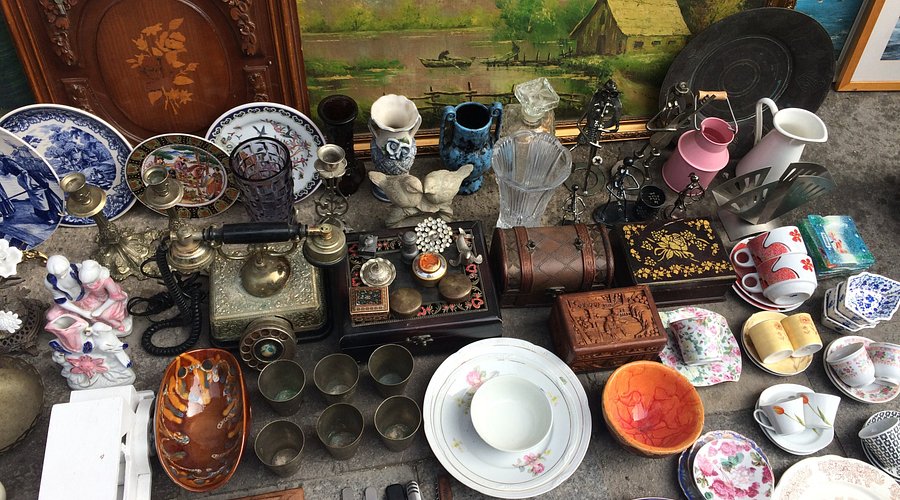
Feriköy Antique Market is a massive covered Sunday market in the Bomonti district specializing in antiques, vinyl records, vintage cameras, Ottoman-era objects, and retro collectibles. Unlike tourist-trap bazaars, this is where serious collectors and Istanbul hipsters hunt for treasures. The atmosphere is chaotic but genuine—vendors are knowledgeable and prices are negotiable. On Saturdays, the same space hosts an organic food market.
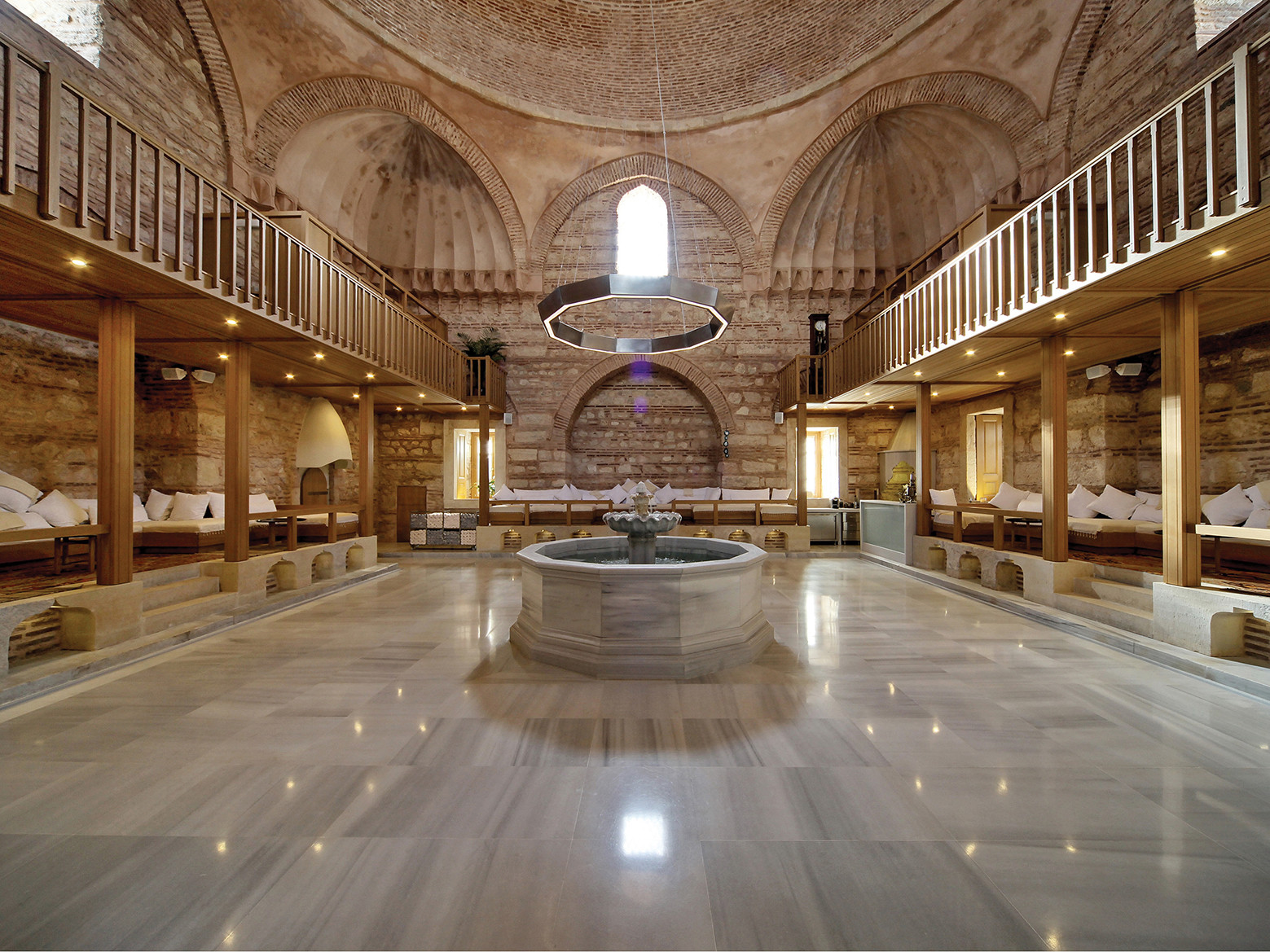
Kılıç Ali Paşa Hamam
Kılıç Ali Paşa Hamamı
Kılıç Ali Paşa Hamam is a meticulously restored 16th-century Ottoman bathhouse designed by the legendary architect Mimar Sinan. After decades of abandonment, it reopened in 2012 as a luxury hamam experience combining historical authenticity with modern hygiene standards. The ritual includes time in the hot room (sıcaklık), an exfoliating scrub (kese), and a foam massage. Unlike many tourist-trap hamams, this is architectural and experiential excellence.
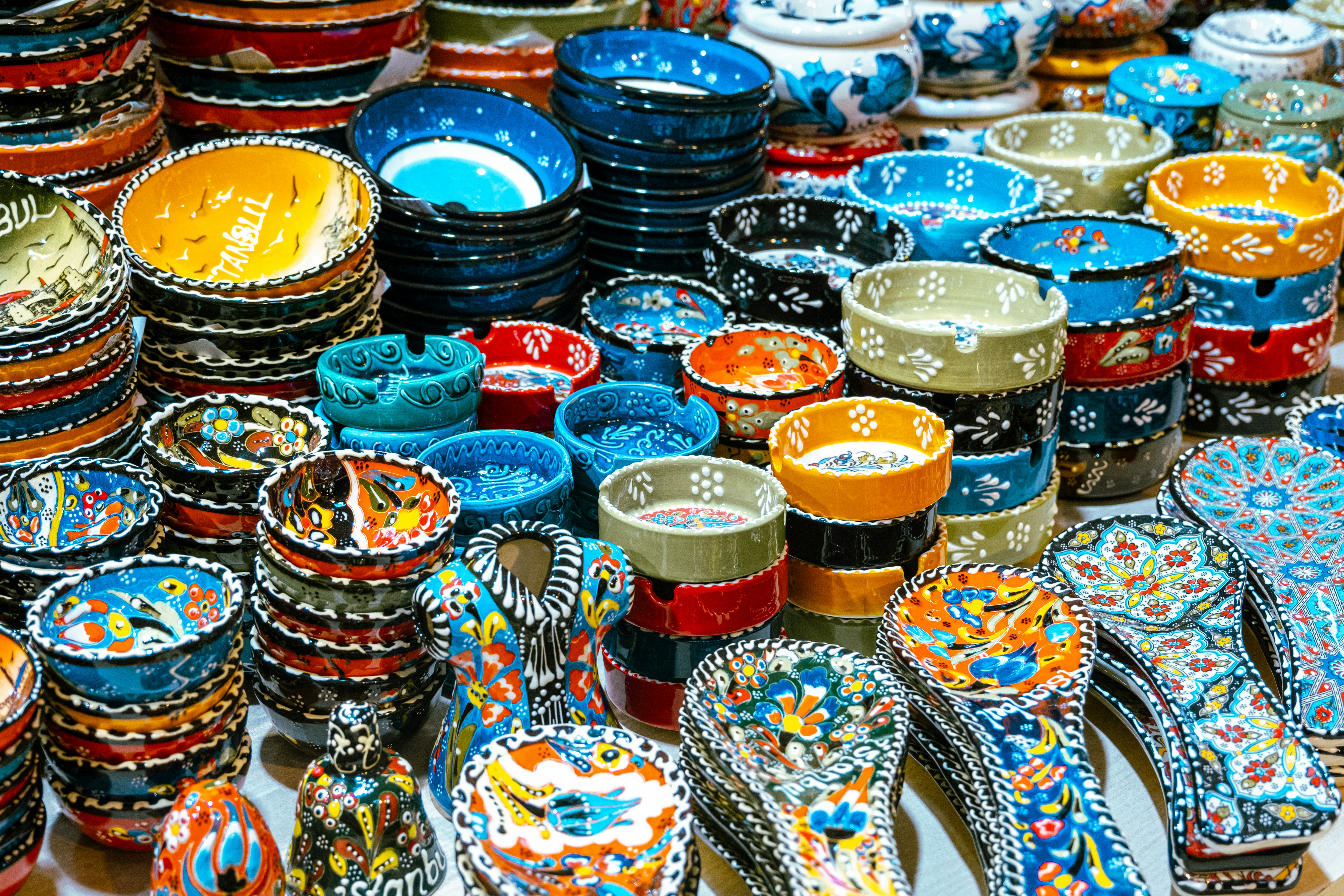
Grand Bazaar
Kapalı Çarşı
The Grand Bazaar is one of the world's oldest and largest covered markets, with 61 streets and over 4,000 shops within its labyrinthine structure. Built in 1461, it sells everything from carpets and ceramics to gold jewelry and leather goods. While heavily touristy, it remains a functioning market where locals shop. The architecture, scale, and energy make it essential despite the aggressive salesmanship.
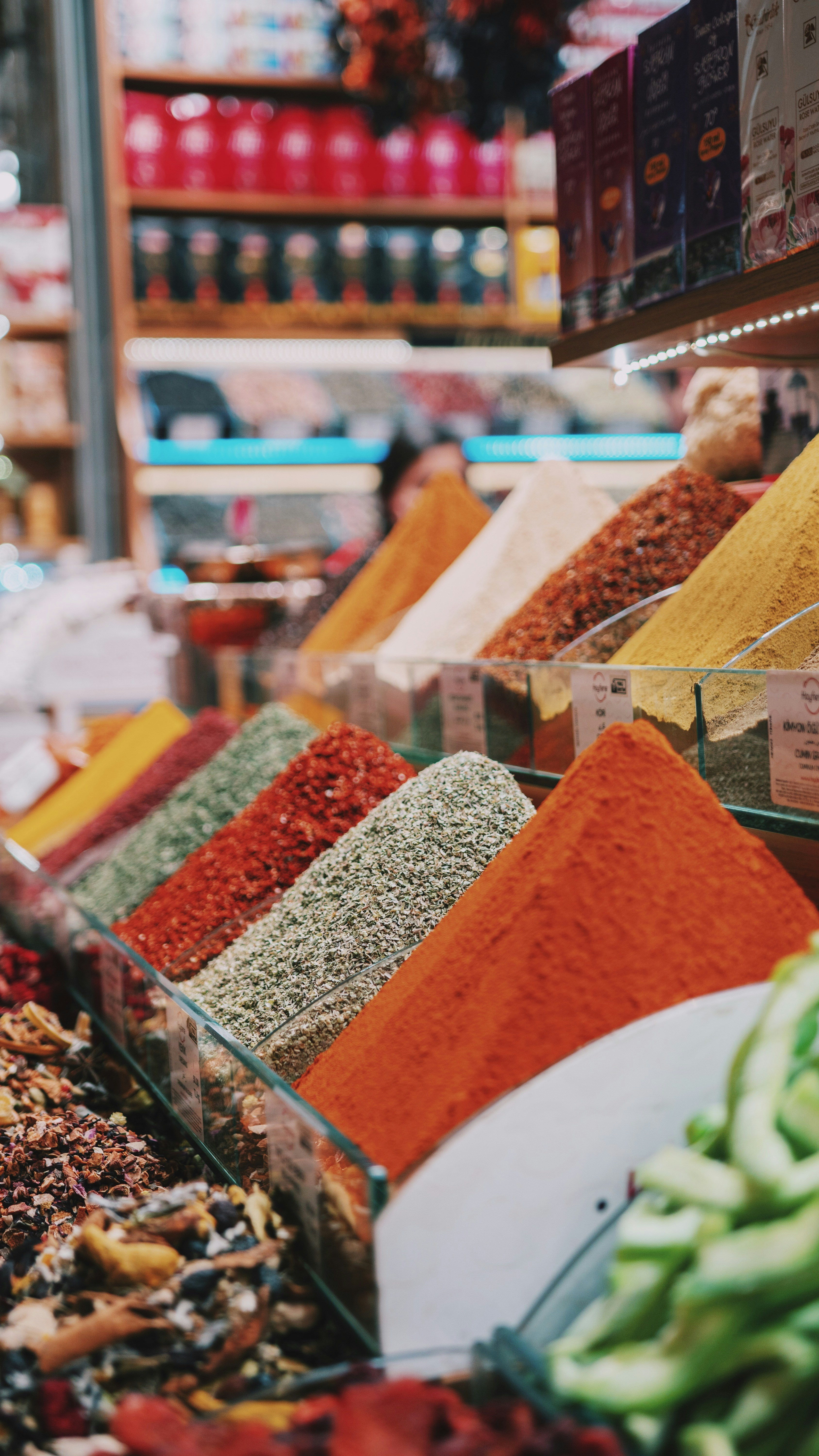
Spice Bazaar
Mısır Çarşısı
The Spice Bazaar (Egyptian Bazaar) is a L-shaped covered market built in 1664, smaller and more manageable than the Grand Bazaar. It specializes in spices, dried fruits, nuts, Turkish delight, teas, and traditional sweets. The sensory overload of colors and aromas is intense. While touristy, it's still where locals buy spices and specialty foods, making it more authentic than it appears.
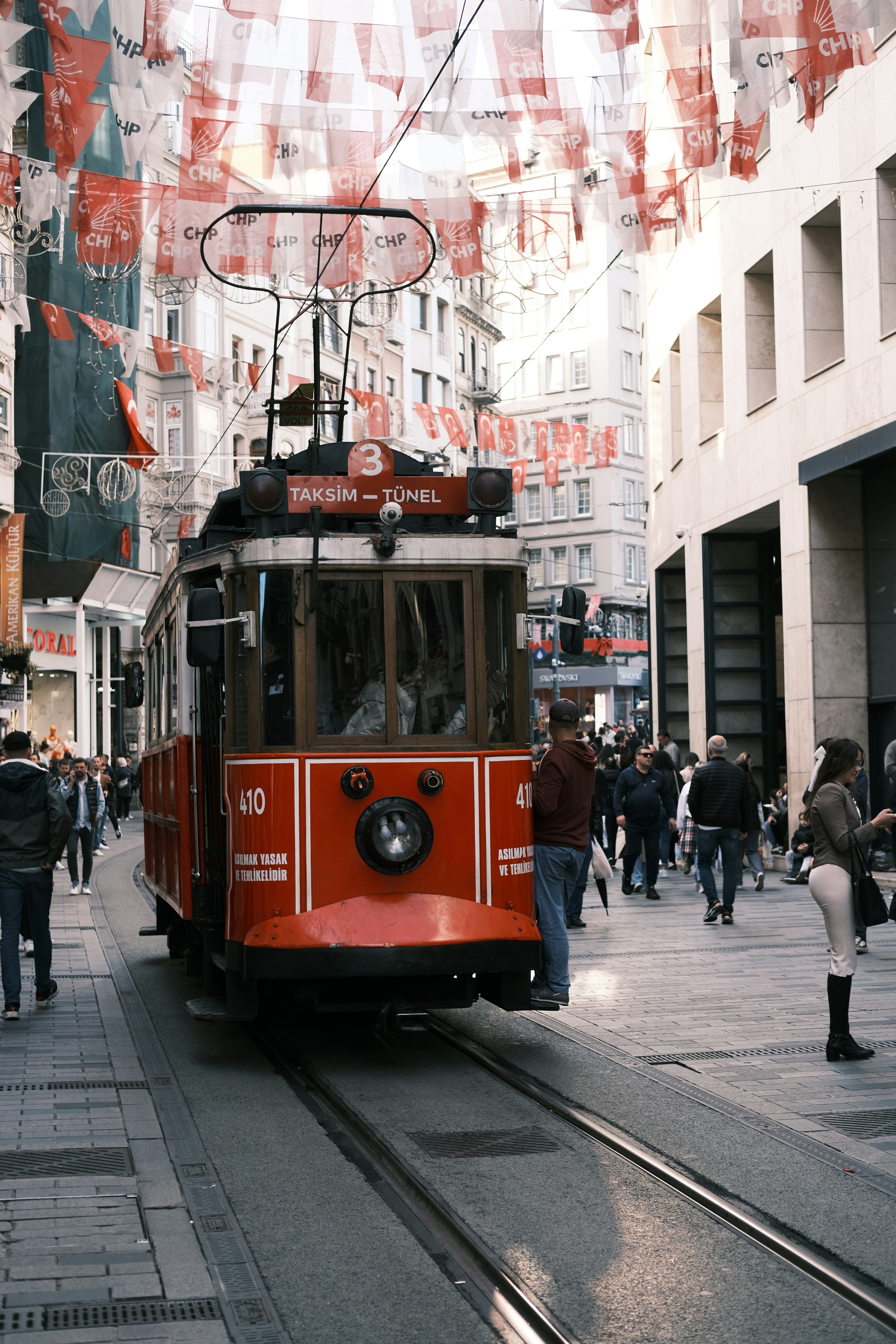
Istiklal Street
İstiklal Caddesi
Istiklal Street is a 1.4-kilometer pedestrian avenue running through Beyoğlu, serving as the commercial and cultural spine of modern Istanbul. Lined with 19th-century architecture, international brands, historic passages, churches, consulates, and entertainment venues, it sees millions of visitors weekly. A nostalgic red tram runs its length. It's touristy but essential for understanding contemporary Istanbul's energy.
Galata Tower
Galata Kulesi
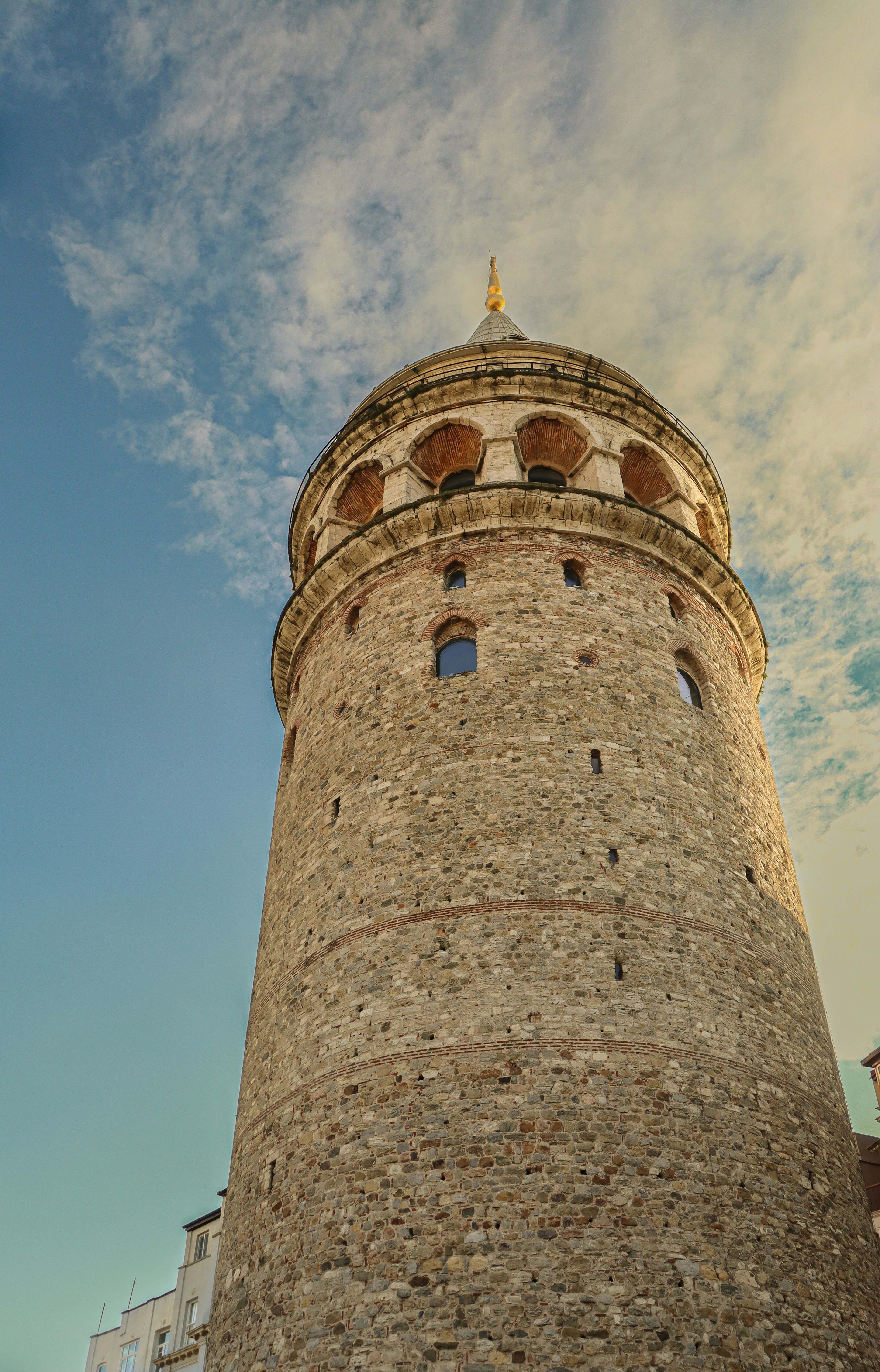
The Galata Tower is a 67-meter-tall medieval stone tower built in 1348, dominating the Beyoğlu skyline. Originally a Genoese watchtower, it now functions as a museum and observation deck offering 360-degree views of Istanbul—the Golden Horn, Bosphorus, and Old City spread below. It's touristy and expensive, but the panoramic views are genuinely spectacular, especially at sunset.
Princes' Islands
Adalar
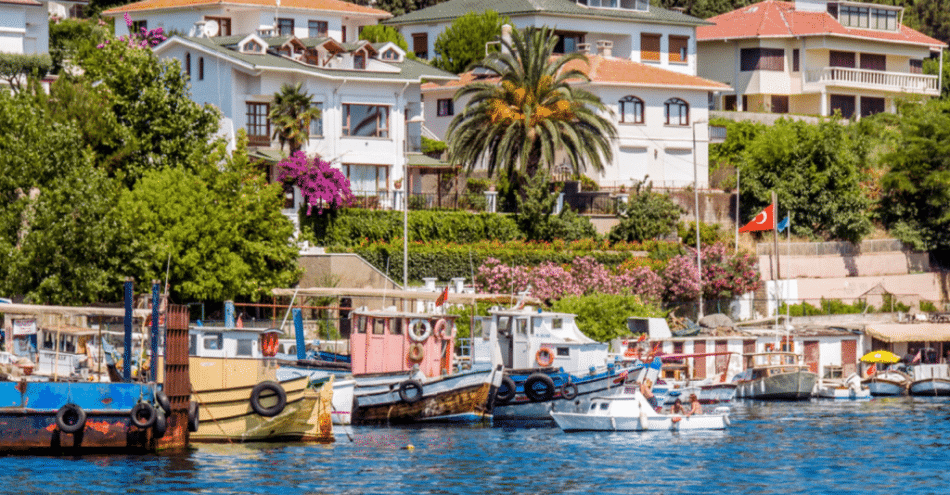
The Princes' Islands are an archipelago of nine islands in the Sea of Marmara, accessible by ferry from Istanbul. The four largest (Büyükada, Heybeliada, Burgazada, Kınalıada) are car-free, relying on bicycles, electric vehicles, and walking. They offer a tranquil escape with Victorian mansions, pine forests, swimming spots, and fish restaurants. Büyükada is the largest and most visited.
Balat
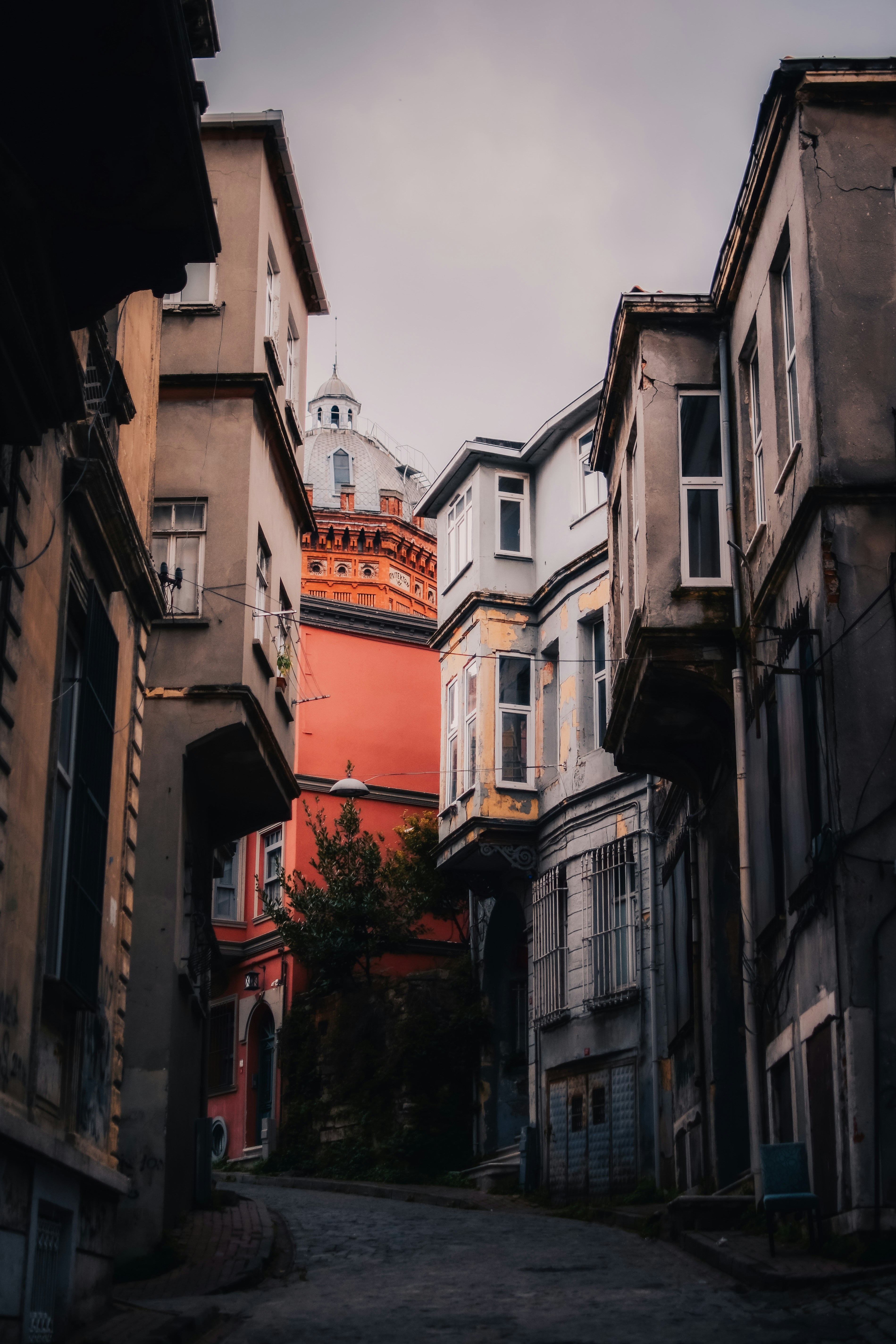
Balat is a historic neighborhood on the Golden Horn, once home to Istanbul's Jewish and Greek communities. Its colorful, crumbling Ottoman houses cascading down narrow streets became Instagram-famous in the 2010s. The area is rapidly gentrifying, with hip cafes and vintage shops replacing traditional workshops. It's photogenic and atmospheric, though increasingly self-aware of its tourist appeal.
🎒Travel Essentials for Istanbul
Curated gear recommended by locals to make your trip smoother.
Turkey Travel Adapter (Type F)
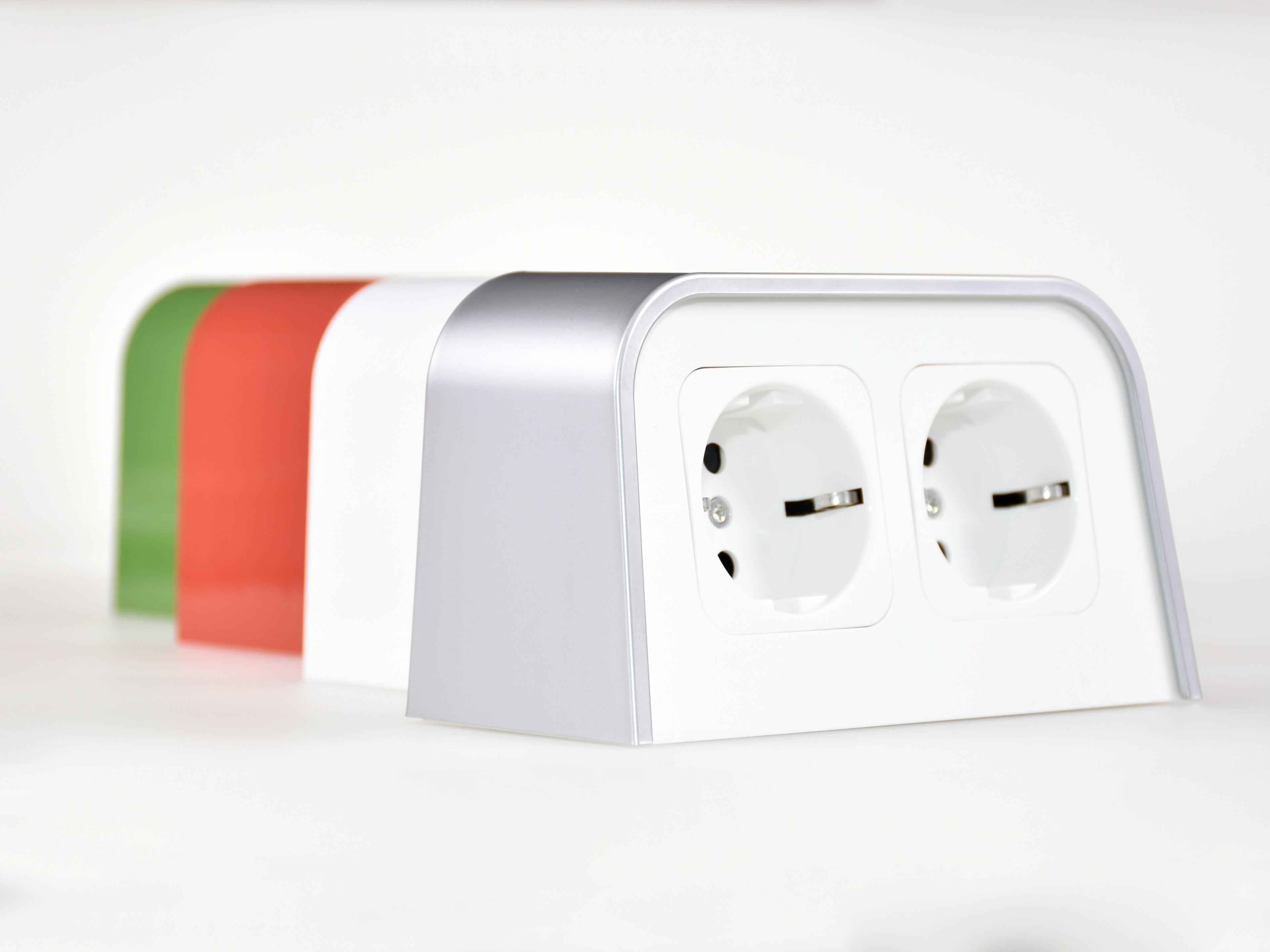
Why you need it:Turkey uses Type F (two round pins). Essential for charging.
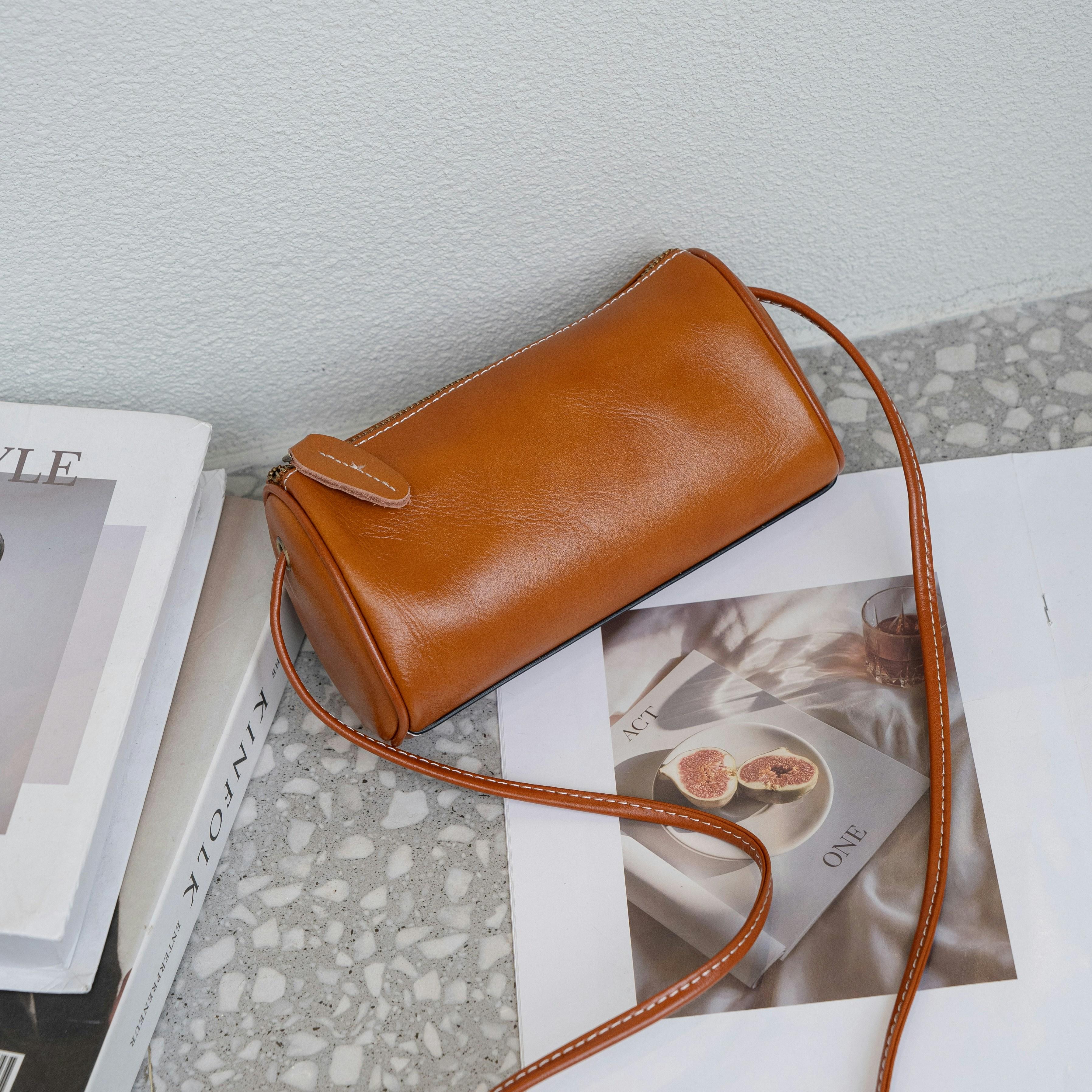
Anti-Theft Crossbody Bag
Why you need it:Crowded trams and bazaars are pickpocket hotspots. Keep valuables secure.
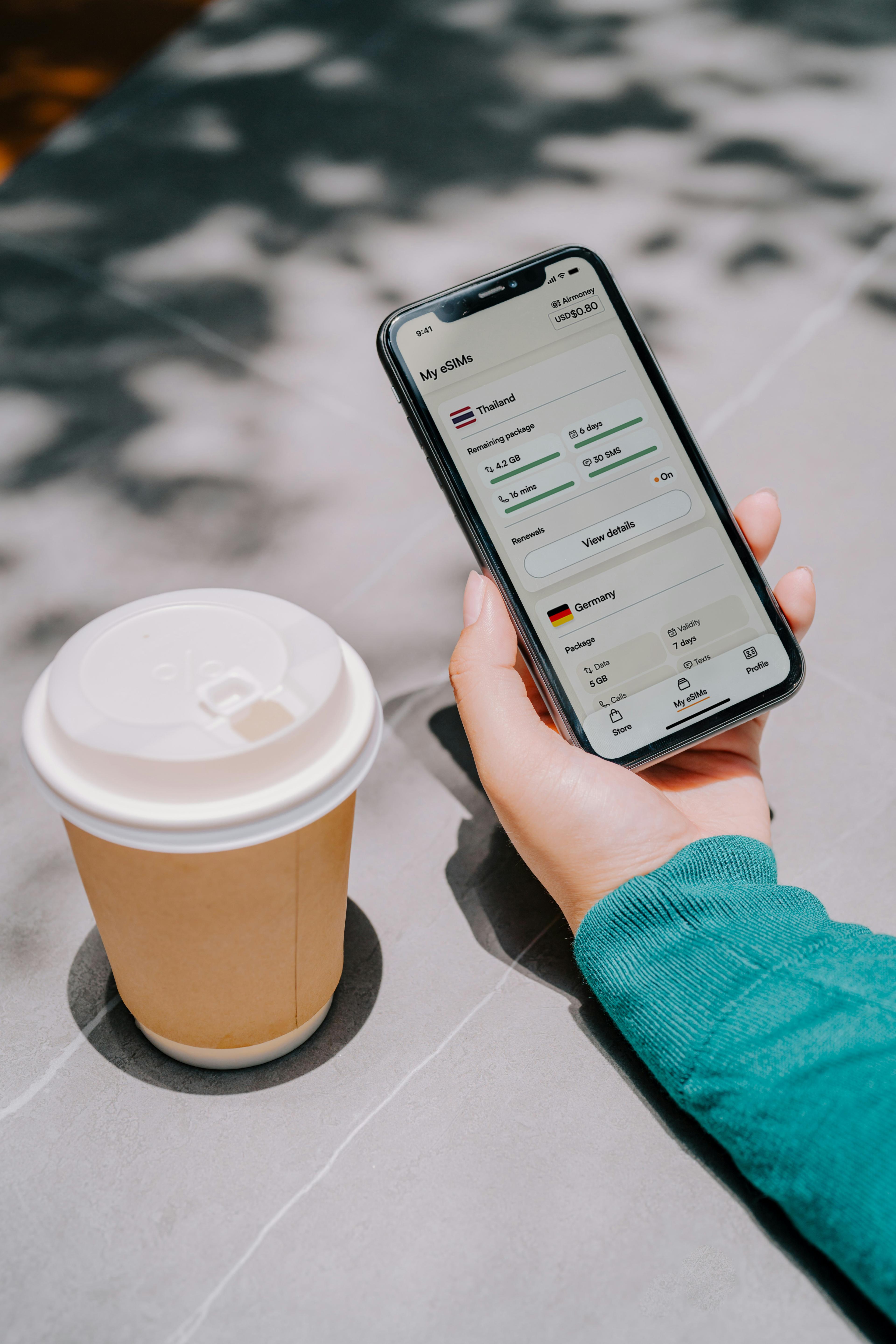
eSIM for Data
Why you need it:You need data for maps and translation. Buying a SIM locally can be a hassle with registration.
As an Amazon Associate, we earn from qualifying purchases.•Prices and availability subject to change.•Smart routing detects your region for the best shopping experience.
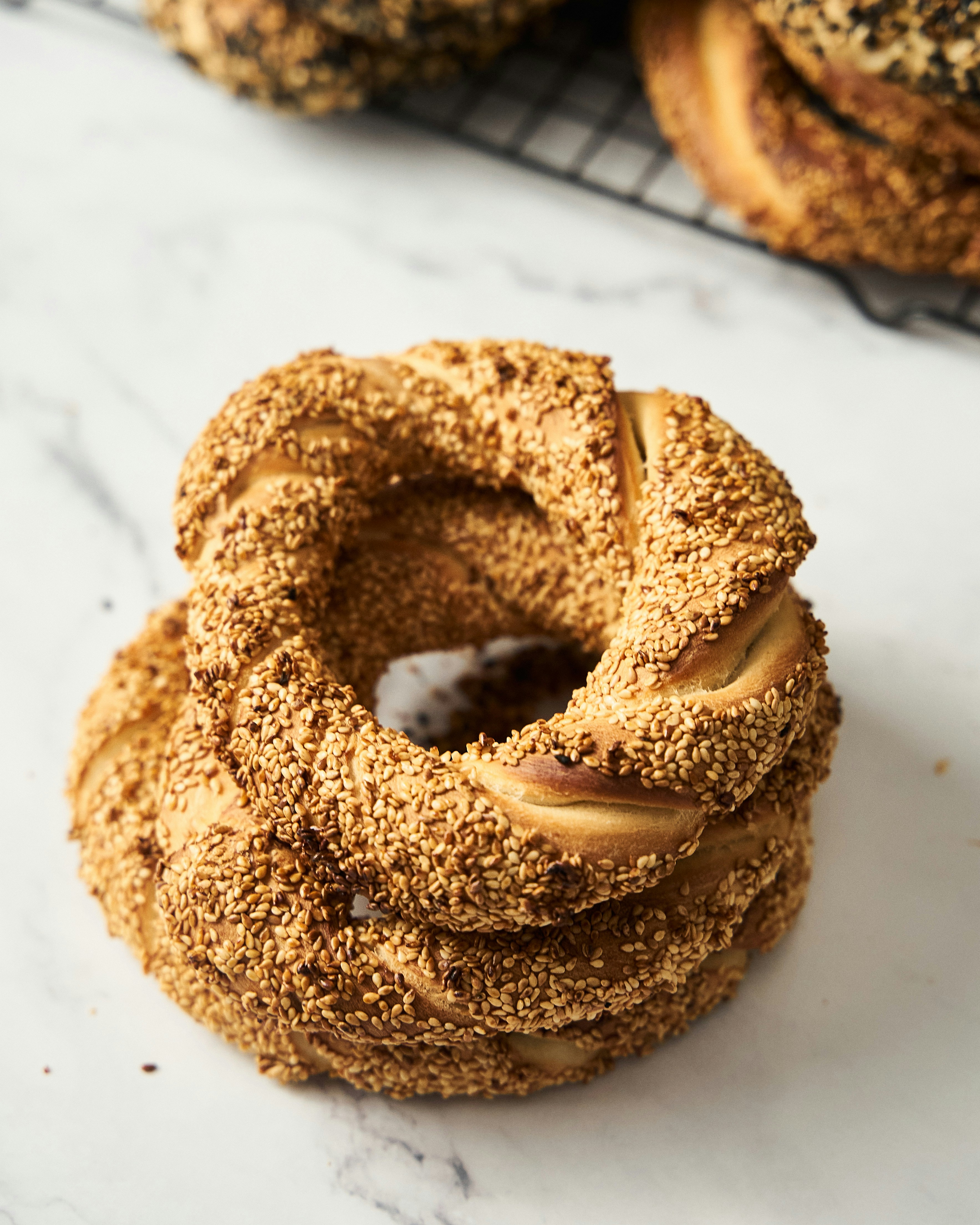
Simit
Simit is a circular sesame-encrusted bread ring, crispy on the outside and chewy inside, that serves as Istanbul's quintessential street food breakfast. Found on nearly every corner from dawn, it's traditionally eaten plain or with cheese. This ubiquitous snack is the fuel that powers the city's morning commute.
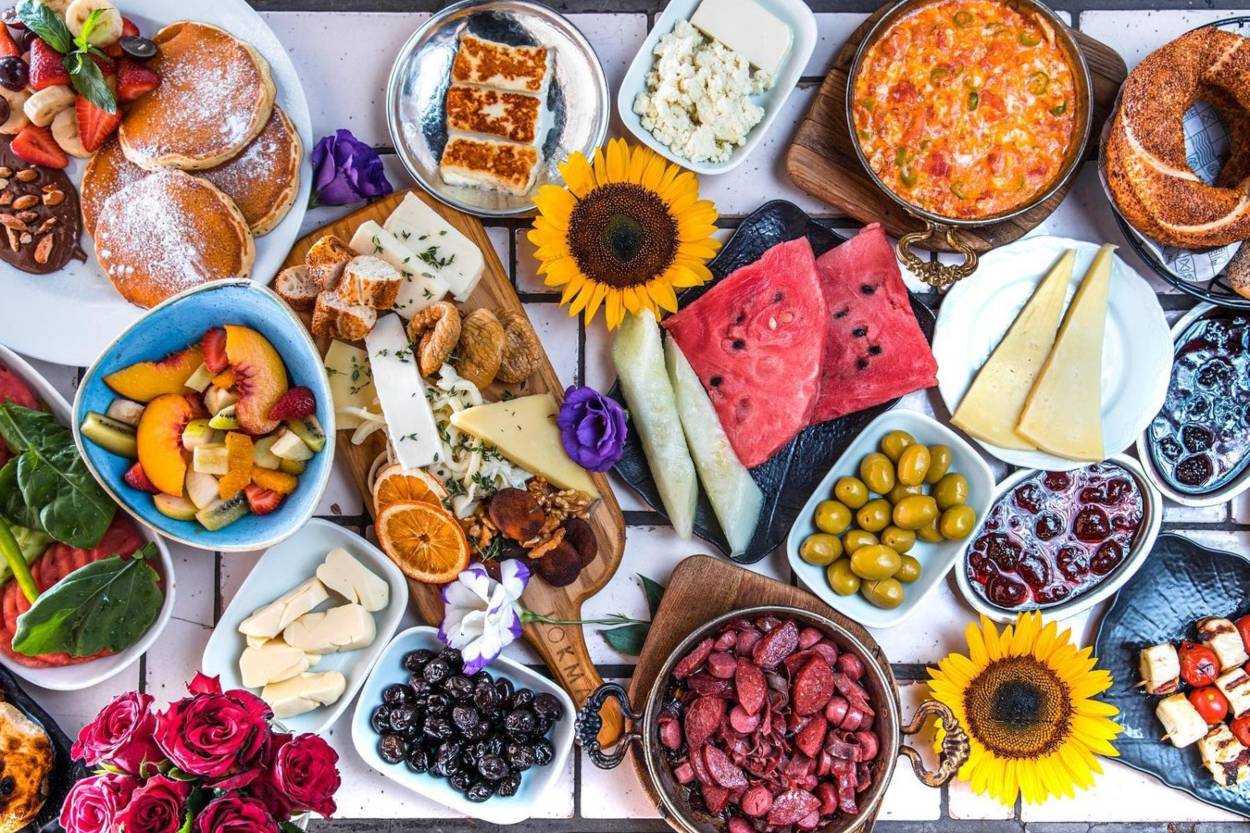
Serpme Breakfast
Serpme Kahvaltı
Serpme Kahvaltı is a sprawling Turkish breakfast spread featuring dozens of small plates including multiple cheeses, olives, jams, honey, eggs (often menemen—scrambled with tomatoes and peppers), fresh vegetables, and bread. The word 'serpme' means 'spread out,' reflecting the abundant, communal nature of this meal. It's designed to be leisurely, social, and substantial enough to fuel you until dinner.
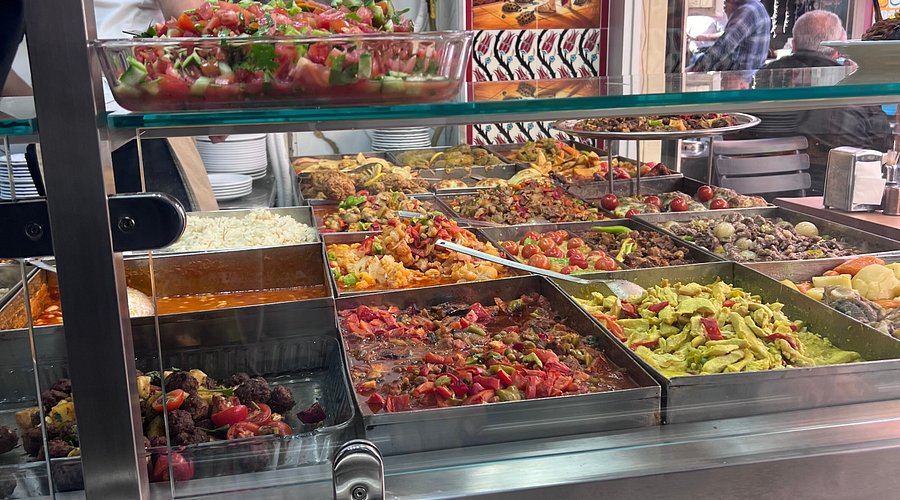
Tradesmen's Restaurant
Esnaf Lokantası
Esnaf Lokantası literally means 'tradesmen's restaurant'—no-frills, cafeteria-style eateries where you point at pre-cooked dishes displayed in steam trays. Expect home-cooked Turkish staples like stews, rice, beans (kuru fasulye), and vegetable dishes served quickly and cheaply. These are the backbone of Istanbul's working-class lunch culture, offering authentic flavors without pretension.
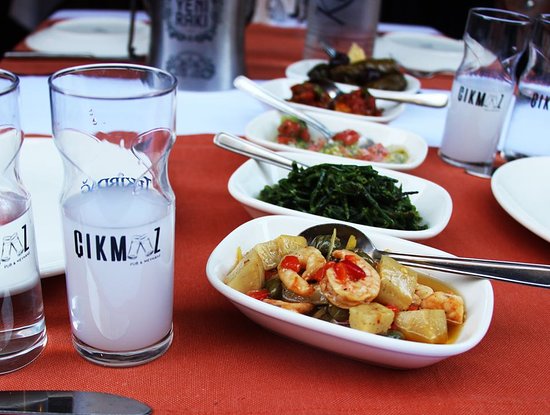
Meyhane Culture
Meyhane
A meyhane is a traditional Turkish tavern centered around rakı (anise-flavored spirit) and meze (small shared plates). Unlike dining for sustenance, meyhane culture is about slow, convivial evenings filled with conversation, music, and measured drinking. You'll order cold mezes first from a display tray, then hot dishes throughout the night. The experience is fundamentally social—going alone is culturally odd.
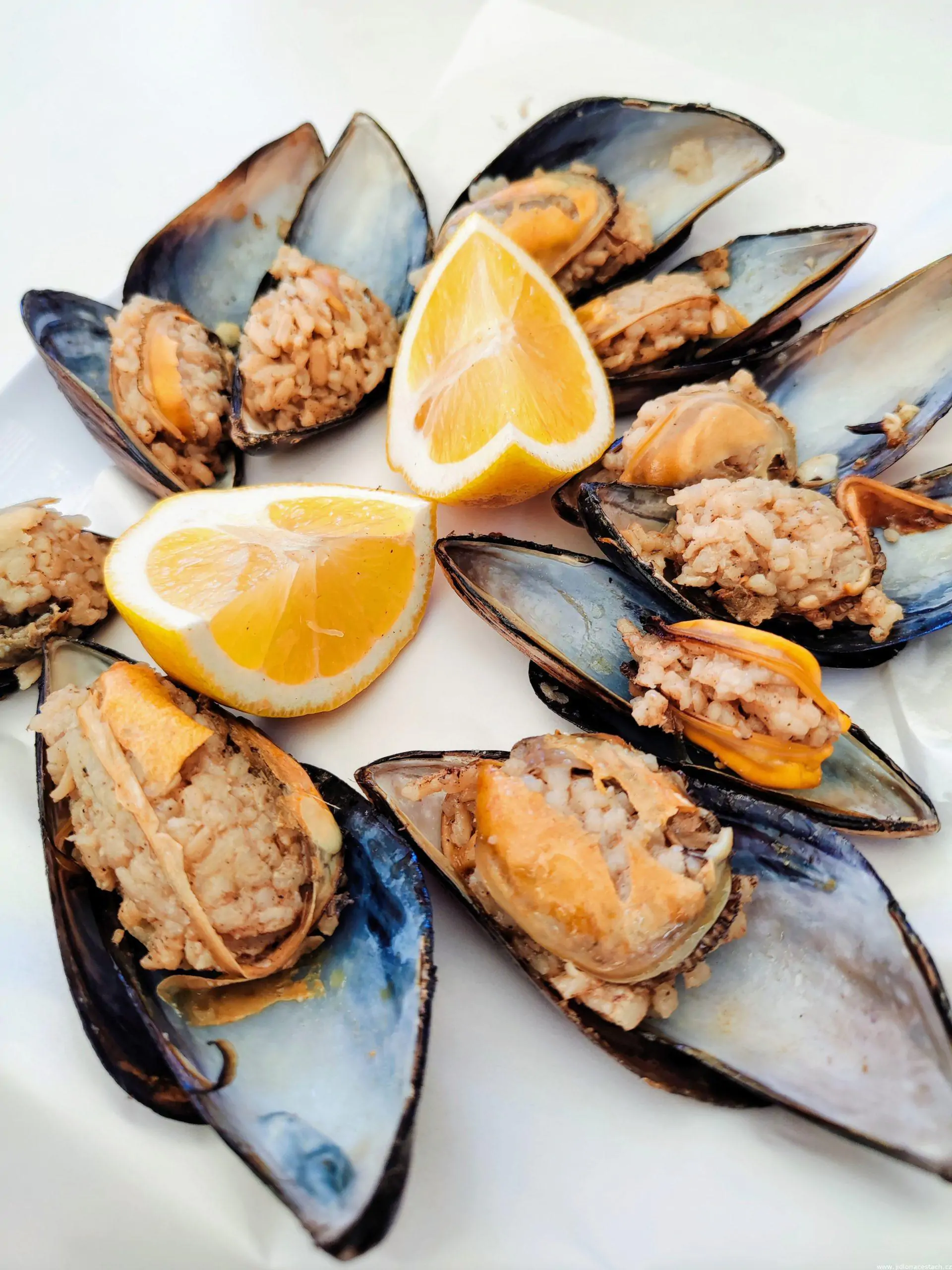
Stuffed Mussels
Midye Dolma
Midye dolma consists of black sea mussels stuffed with spiced rice, pine nuts, currants, and herbs, served cold with a squeeze of lemon. Sold by street vendors from large trays or carts, these are Istanbul's iconic street snack—you eat them standing up and pay by count. The combination of briny mussel and fragrant rice creates a unique flavor profile beloved by locals.
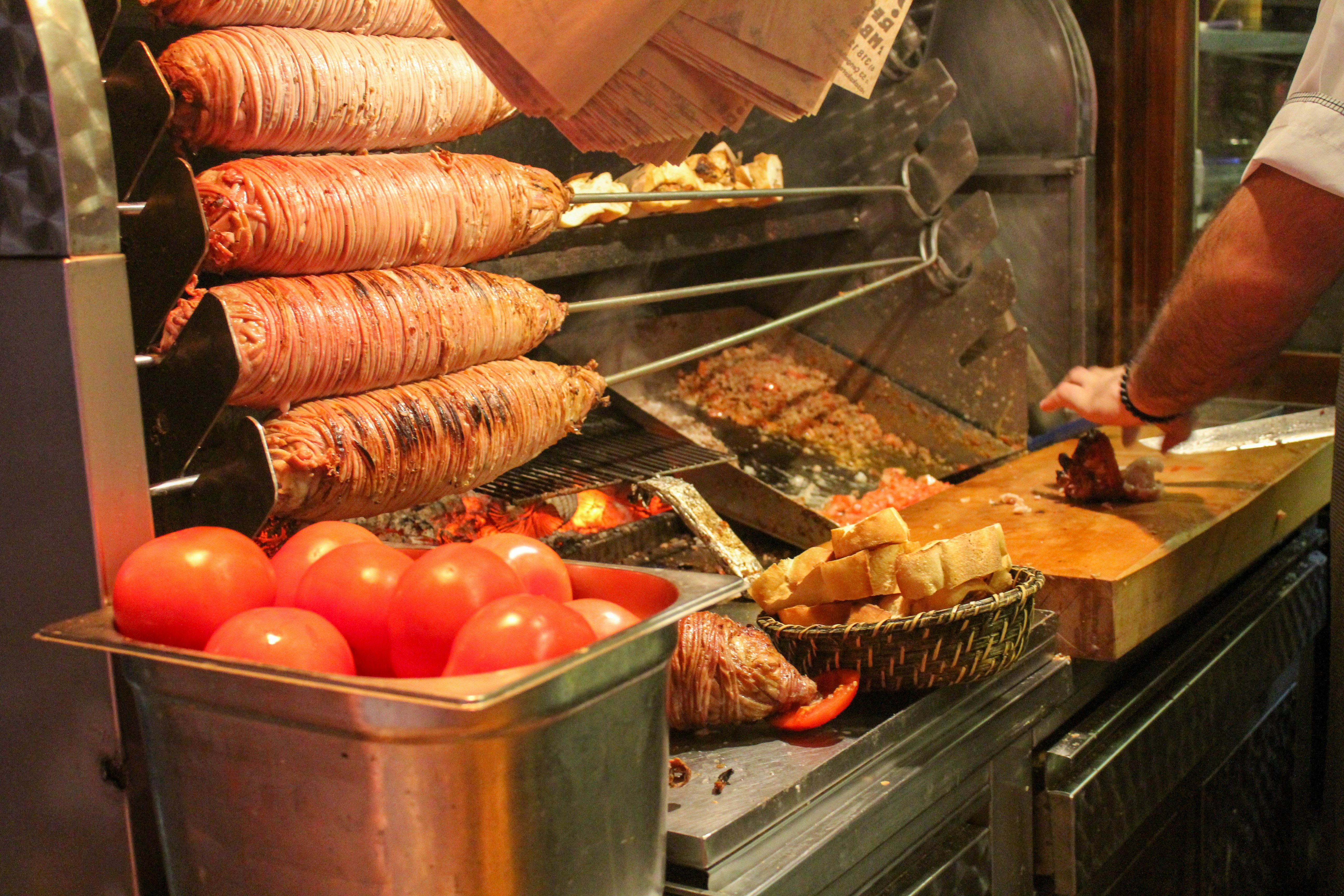
Kokoreç
Kokoreç is grilled lamb intestines that are chopped, heavily spiced with oregano and red pepper flakes, and served in crusty bread. The texture is chewy and the flavor is intensely savory—divisive but beloved by locals. This is Istanbul's ultimate late-night street food, typically consumed after drinking. Hygiene is critical; choose busy, established vendors.
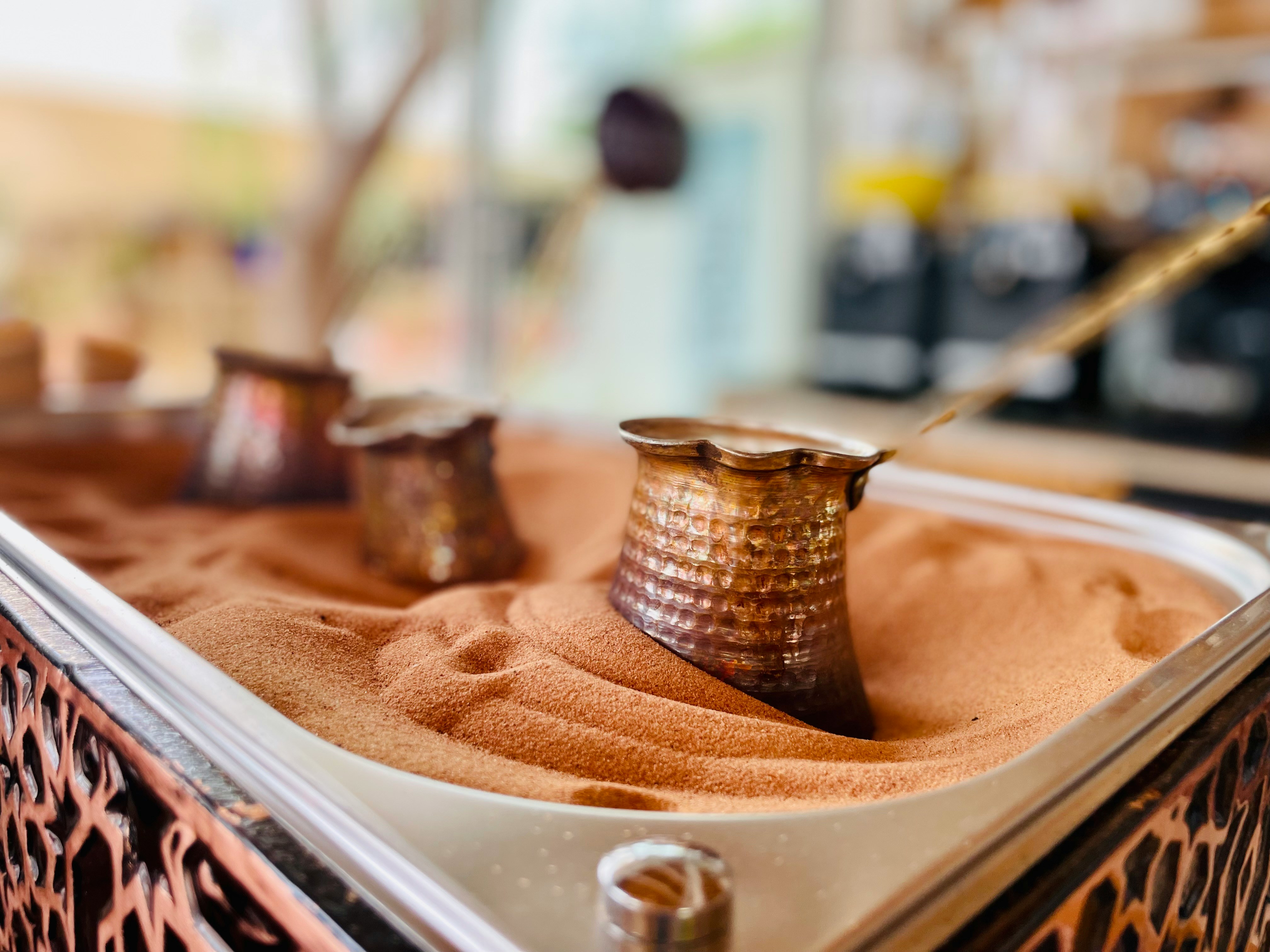
Turkish Coffee
Türk Kahvesi
Turkish coffee is finely ground coffee beans boiled with water (and optionally sugar) in a special pot called a cezve, then served unfiltered in a small cup. The result is thick, strong, and meant to be sipped slowly—it's a digestif and social ritual, not a caffeine delivery system. The grounds settle at the bottom and are used for fortune-telling (tasseography).
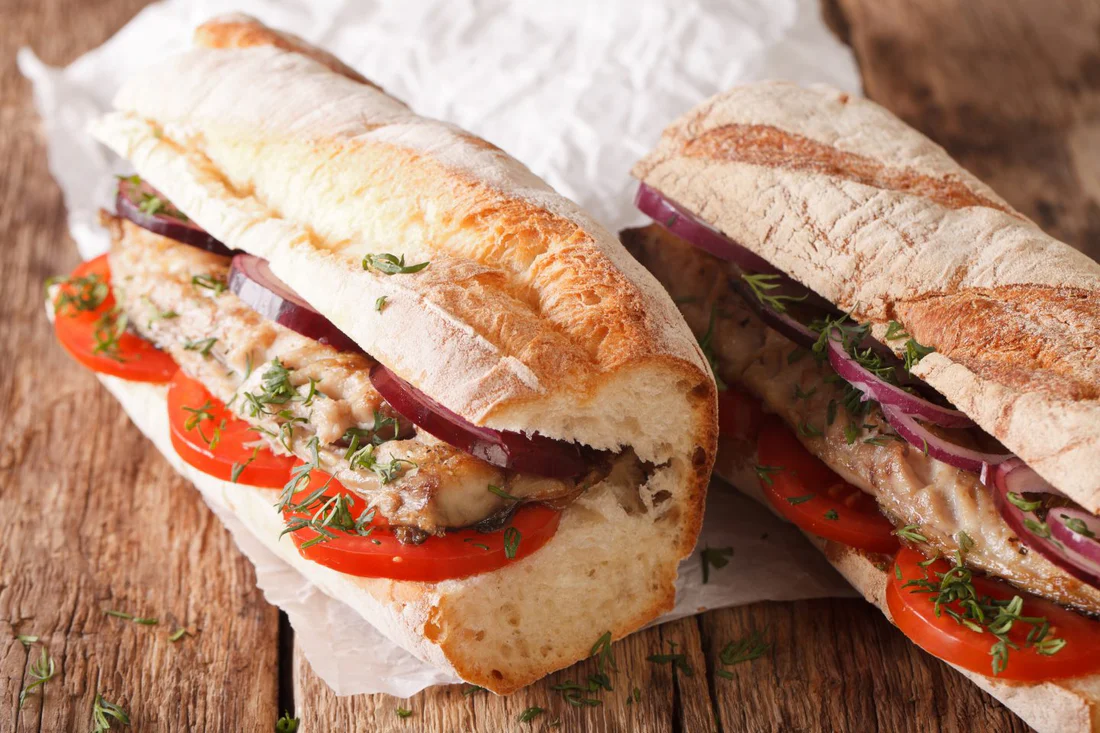
Fish Sandwich
Balık Ekmek
Balık ekmek is a grilled mackerel fillet served in half a loaf of crusty bread with lettuce, onions, and lemon—nothing more. This is Istanbul's most iconic street food, traditionally sold from rocking boats moored at Eminönü pier. The fish is grilled fresh on charcoal, the smoke mixing with sea air. It's messy, delicious, and fundamentally Istanbul.
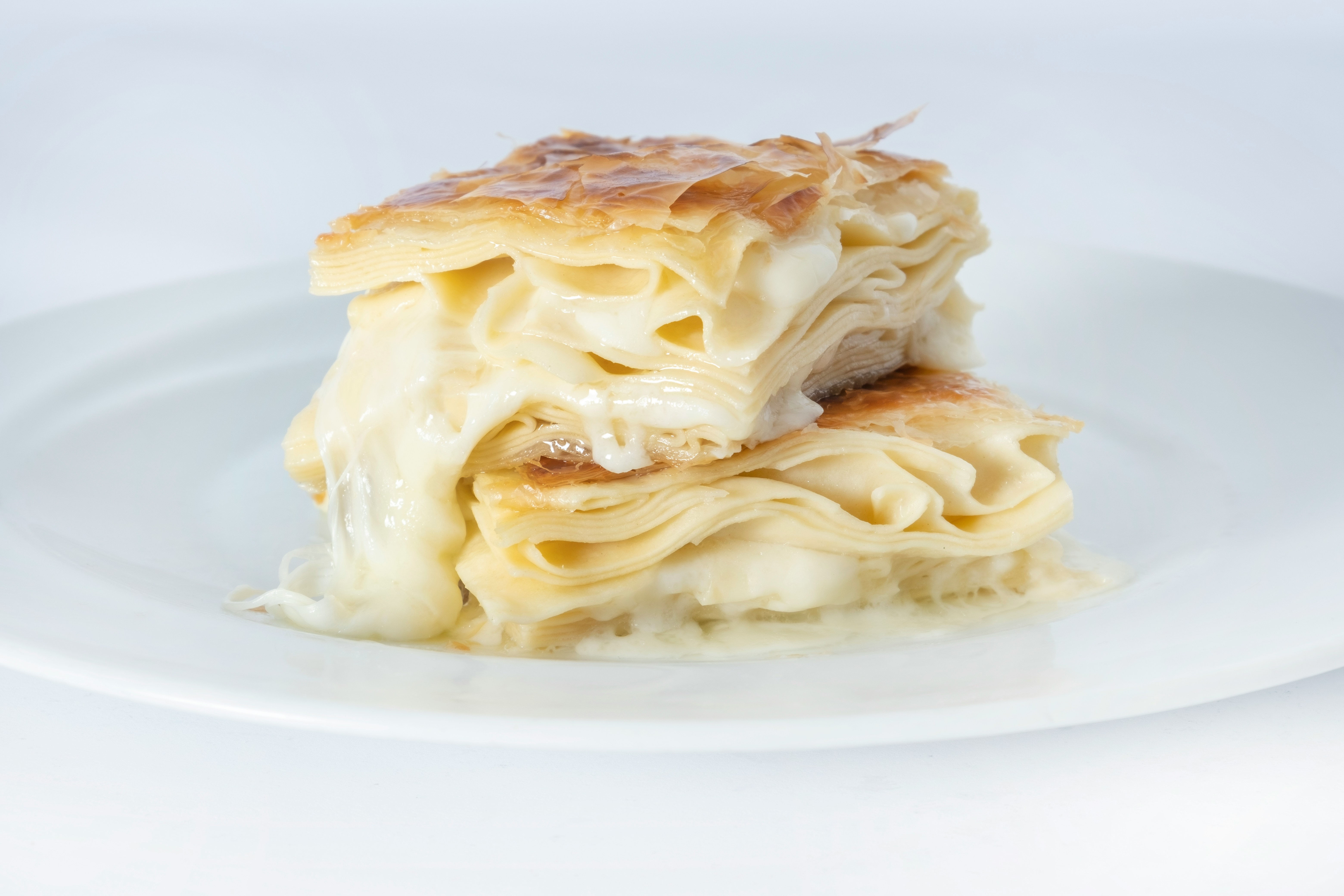
Börek
Börek is flaky layered pastry made with thin sheets of dough (yufka) filled with cheese (peynirli), spinach (ıspanaklı), minced meat (kıymalı), or potatoes. It can be rolled (sigara böreği), layered in a pan (su böreği), or coiled (kol böreği). Eaten for breakfast or as a snack, börek is found everywhere from street carts to upscale bakeries.
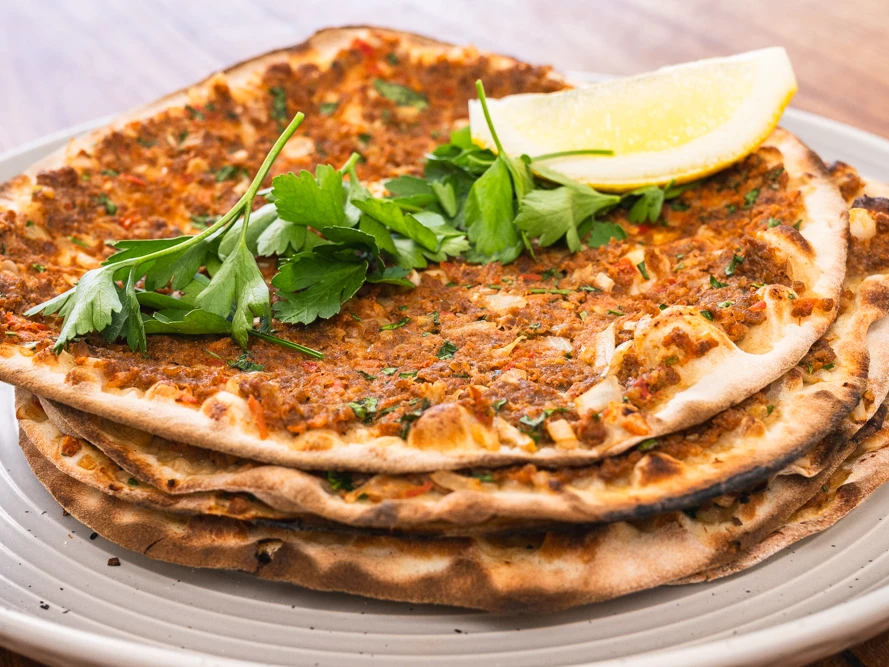
Lahmacun
Lahmacun is a thin, crispy flatbread topped with minced lamb or beef mixed with tomatoes, peppers, onions, and spices, then baked in a wood-fired oven. Often called 'Turkish pizza,' it's rolled up with fresh parsley, lemon, and sometimes pickles before eating. It's a fast, affordable meal found at specialized 'lahmacun salonu' restaurants.
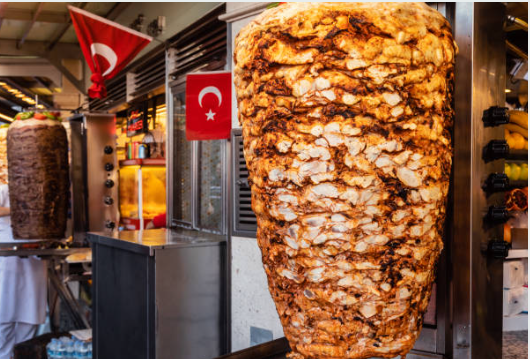
Döner Kebab
Döner Kebap
Döner kebab is seasoned meat (lamb, beef, or chicken) stacked on a vertical rotisserie, slow-roasted, then shaved off in thin slices. In Istanbul, it's served in bread (ekmek arası) or over rice (pilav üstü), with tomatoes, peppers, onions, and sometimes yogurt. This is not the late-night drunk food of Europe—authentic Istanbul döner is a craft with quality meat and proper technique.
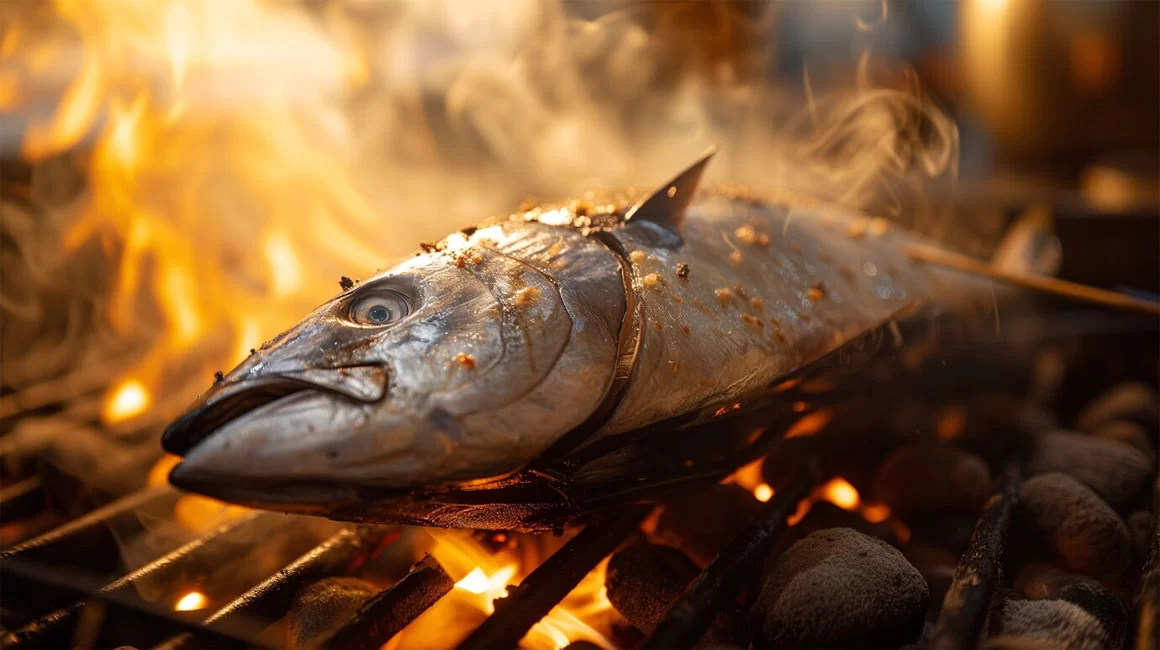
Fresh Fish Culture
Balık Mevsimi
Istanbul's fish culture is deeply seasonal, with autumn and winter being prime time when fish migrate through the Bosphorus from the Black Sea. Turks have a saying: 'Balık baştan kokar' (fish rots from the head)—freshness is everything. Fish restaurants line the Bosphorus, and locals know which species are in season. Common varieties include lüfer (bluefish), palamut (bonito), hamsi (anchovies), and levrek (sea bass).
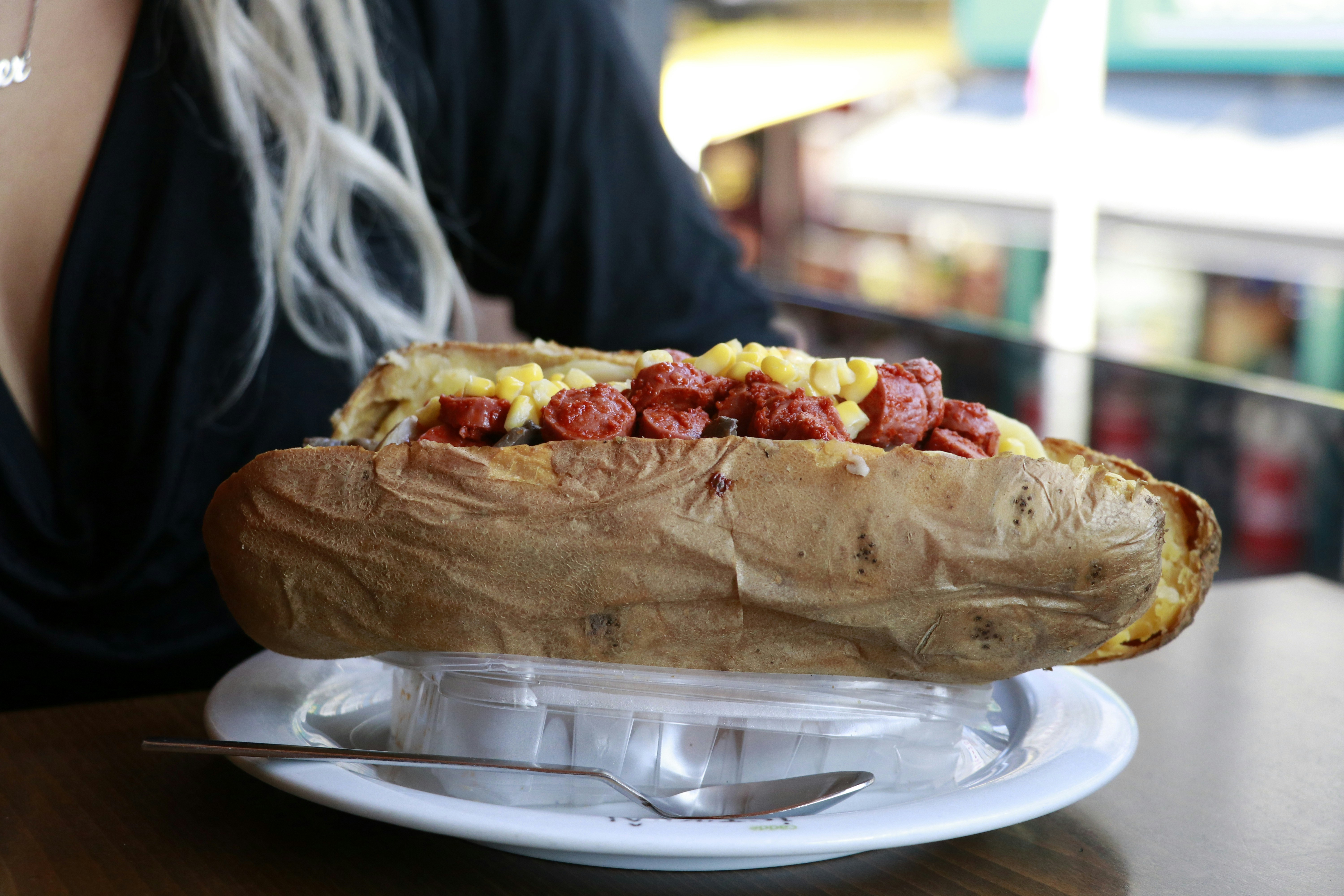
Kumpir (Loaded Baked Potato)
Kumpir
Kumpir is a massive baked potato split open, mashed with butter and cheese until creamy, then loaded with your choice from a dizzying array of toppings: corn, pickles, olives, sausages, Russian salad, carrots, peas, and more. It originated in the Ortaköy neighborhood and became a cult food. One kumpir is a full meal—cheap, filling, and customizable.
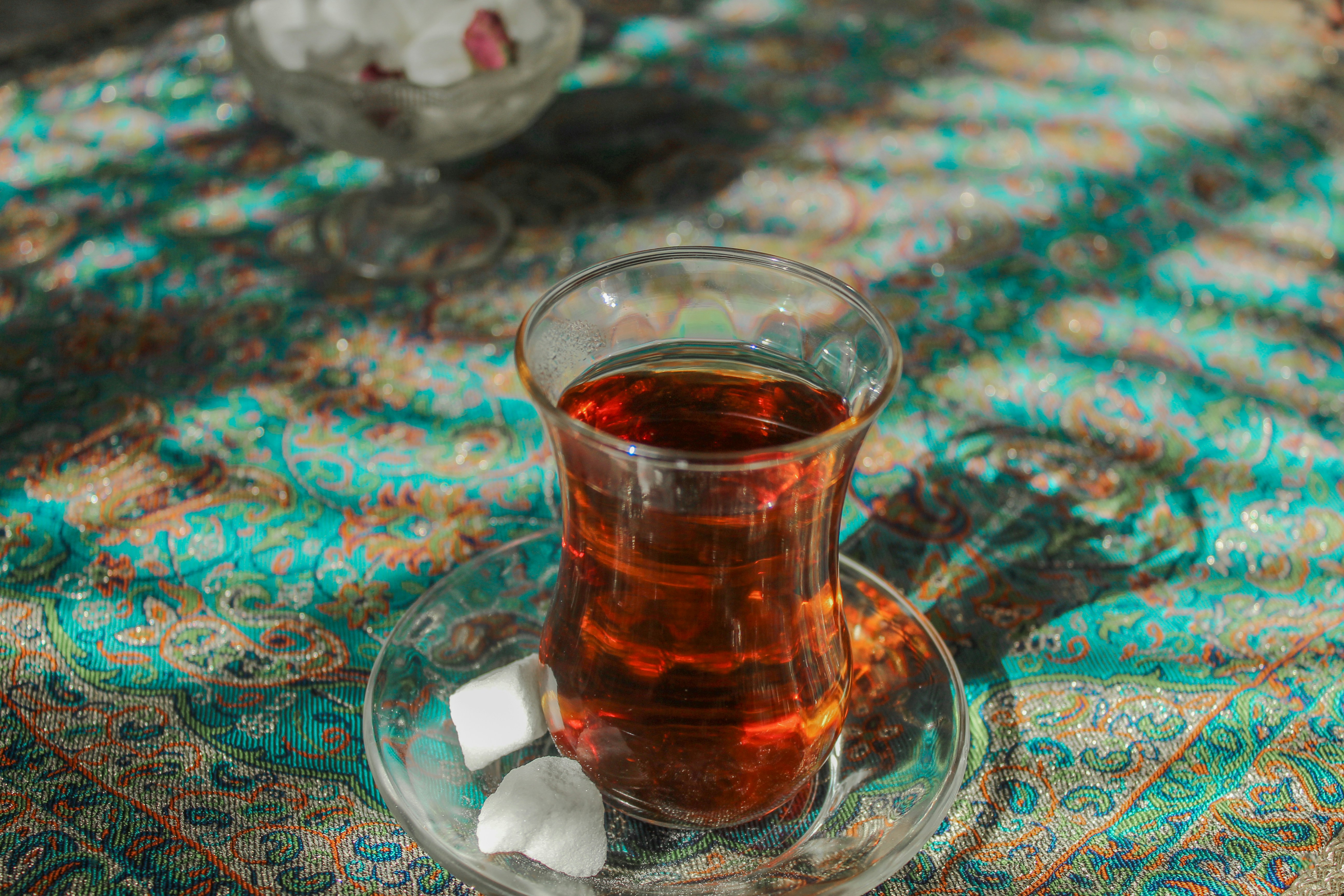
Turkish Tea
Çay
Çay is strong black tea brewed in a double-stacked teapot (çaydanlık) and served in small tulip-shaped glasses. It's the social glue of Turkey—offered constantly in shops, drunk on ferries, and consumed all day long. The tea is always hot, often accompanied by sugar cubes, and refusing it can seem cold. Turks drink an estimated 3-4 glasses per day on average.
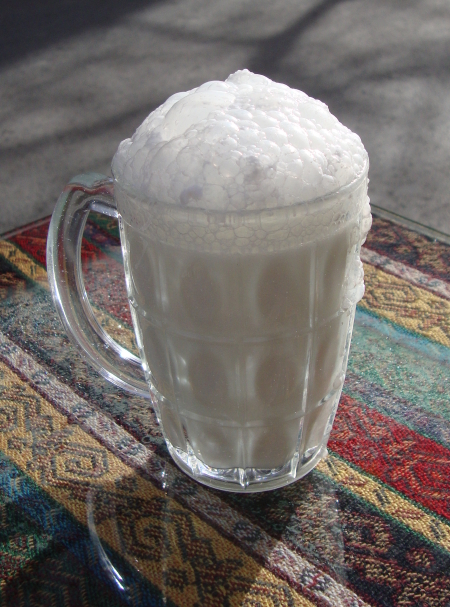
Ayran
Ayran is a savory yogurt drink made by mixing yogurt, water, and salt until frothy. It's served cold and is the traditional accompaniment to kebabs, döner, and heavy meat dishes—the salt and probiotics help with digestion. Ayran is found everywhere from street carts to restaurants. It's an acquired taste for some foreigners but beloved by Turks.
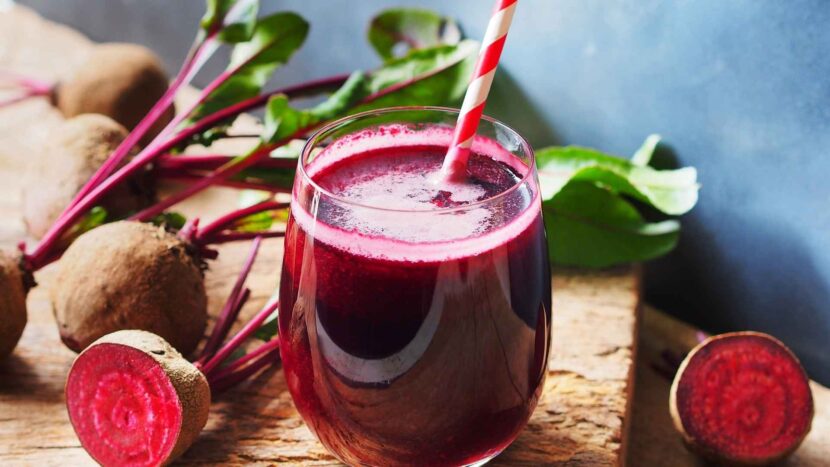
Şalgam
Şalgam Suyu
Şalgam is a deep purple, fermented turnip juice with a sharp, tangy, slightly spicy taste. It's made from purple carrots, turnips, bulgur, and salt, then fermented. This polarizing drink is beloved in southern Turkey (especially Adana) and is traditionally drunk with kebabs or rakı. In Istanbul, it's found at kebab restaurants and some street vendors.
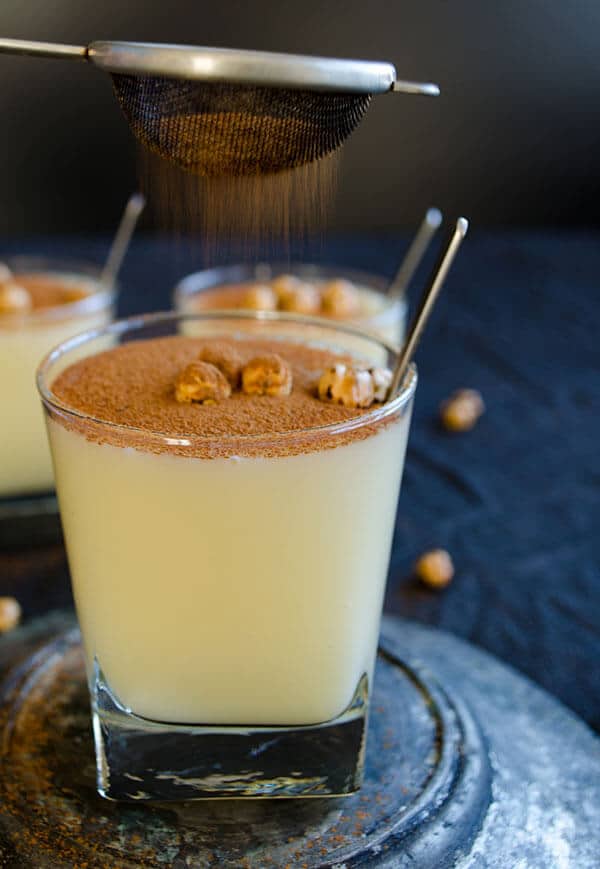
Boza
Boza is a thick, slightly fermented drink made from bulgur wheat or millet, with a sweet-sour taste and porridge-like consistency. It has a very low alcohol content (around 1%) from fermentation. Traditionally a winter drink, boza is served with roasted chickpeas (leblebi) on top and cinnamon. It's an acquired taste that many foreigners find strange.
The Perfect 24 Hours in Istanbul
Sunrise at Blue Mosque & Hagia Sophia
Start at Sultanahmet Square when the first call to prayer echoes across Istanbul. The Blue Mosque opens after morning prayers (around 8:30am); remove shoes and women cover heads. Then cross to Hagia Sophia—1,500 years old, once a church, then mosque, then museum, now mosque again. The early light through its massive dome is ethereal. Few tourists at this hour means you can actually feel the weight of Byzantine and Ottoman history.
Breakfast: Kahvaltı Feast in Karaköy
Take the tram to Karaköy for proper Turkish breakfast (kahvaltı). Order the mixed platter: olives, tomatoes, cucumbers, beyaz peynir (white cheese), kaymak (clotted cream) with honey, menemen (Turkish scrambled eggs), and simit (sesame bread). Wash it down with çay (tea) served in tulip glasses. This isn't a quick meal—Turks breakfast for hours. The spread costs 150-250 TL and feeds two people for the day.
Grand Bazaar & Spice Market
Navigate the Grand Bazaar's 4,000 shops across 61 covered streets—one of the world's oldest markets (1461). Bargain hard: start at 40% of asking price. Then walk to the Egyptian Spice Market for mountains of colorful spices, Turkish delight, and saffron. The sensory overload is intentional. Don't buy from the first seller who talks to you. Compare prices. Accept tea offers but know it obligates nothing.
Bosphorus Ferry Cruise
Take the public Bosphorus ferry from Eminönü to Anadolu Kavağı (northern terminus). This isn't a tourist cruise—it's locals' daily commute. For 25 TL, you'll sail between Europe and Asia for 90 minutes, passing Ottoman palaces, waterfront mansions (yalı), and the Rumeli Fortress. The wind, the çay from vendors, and the skyline create pure Istanbul magic. Return ferry leaves hourly.
Sunset from Galata Tower
Climb Galata Tower for 360° views of Istanbul at golden hour. Watch the sun set over the Golden Horn while minarets puncture the skyline. The tower was built by Genoese traders in 1348 and still stands tall. Book tickets online to skip the brutal queue. After sunset, explore Galata's narrow streets—tiny bars, cafés, and galleries tucked into medieval buildings.
Dinner: Meyhane on Nevizade Sokak
Head to Nevizade Sokak in Beyoğlu for meyhane (Turkish tavern) culture. Order rakı (anise liquor that turns milky white with water)—Turkey's national drink. Get meze plates: hummus, haydari, ezme, çiğ köfte, midye dolma (stuffed mussels), and grilled octopus. Then order kebabs or sea bass. Meyhane is about slow eating, drinking, and conversation with strangers at neighboring tables. This is how Istanbulites end their nights—loud, messy, and joyful.