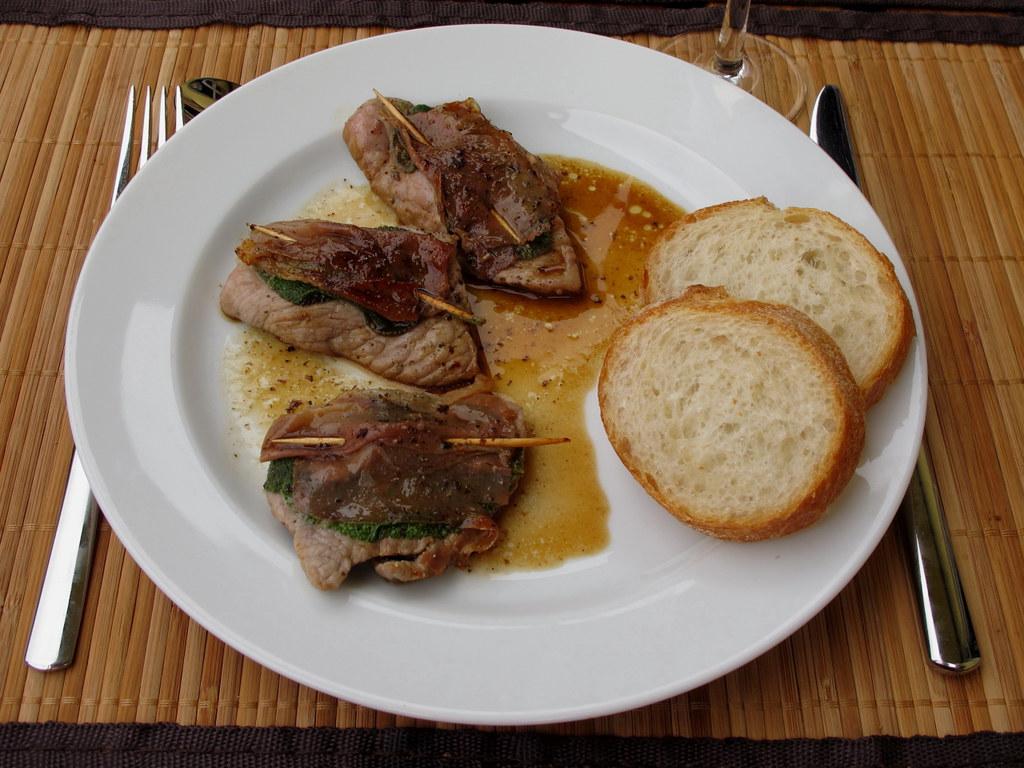
Saltimbocca
"Saltimbocca is a thin veal cutlet topped with prosciutto and a sage leaf, secured with a toothpick, then pan-fried in butter and white wine. The name means 'jumps in the mouth,' referring to its explosive flavor. Cooking time is under 5 minutes—overcooking makes the veal tough. It's a secondo (main course) served after pasta."
Logistics
Expensive
Vibe
Elegant, delicate
Duration
1-2 hours
Best For
Fine dining
The Backstory
Saltimbocca likely originated in Brescia but was adopted by Roman cuisine in the 1800s. It's traditionally paired with simple sides like spinach or roasted potatoes.
Local Secret
"Order it at lunch when veal is freshest. If the menu lists chicken saltimbocca, it's a budget version—traditional uses veal only. Eat it immediately; it doesn't reheat well."
Gallery
You Might Also Like
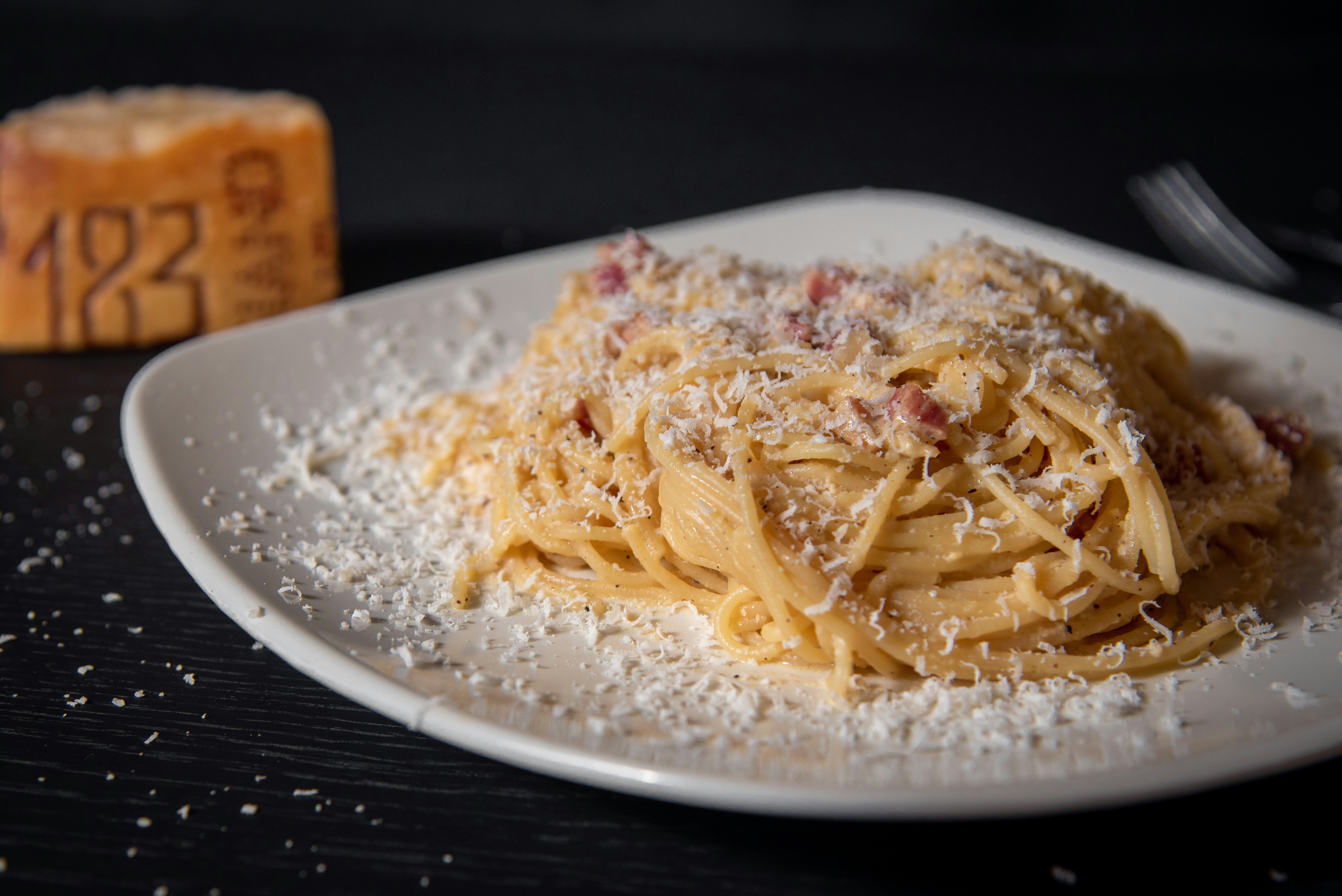
Carbonara
Carbonara is a Roman pasta dish made with egg yolks, Pecorino Romano cheese, guanciale (cured pork cheek), and black pepper—absolutely no cream. The heat of the pasta cooks the raw egg into a silky, creamy sauce that coats each strand. It's Rome's most iconic dish, fiercely protected by locals who consider adding cream a culinary crime.
The Trattoria Rule
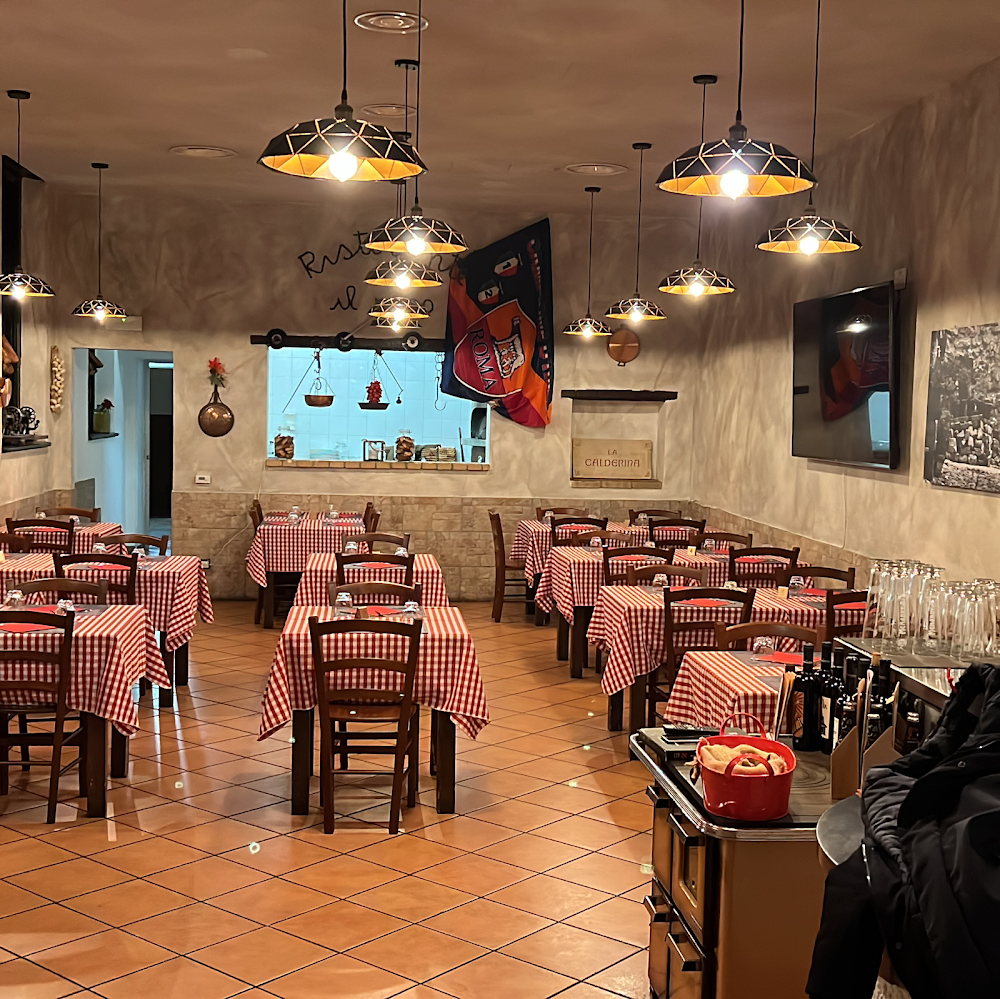
Trattoria Romana
A trattoria is a family-run, casual Italian restaurant serving simple regional food at affordable prices, typically with paper tablecloths and handwritten menus. Real trattorias never advertise, never have English menus with photos, and never seat tourists preferentially. They're loud because Romans talk loudly, cramped because space is expensive, and serve food locals eat daily.
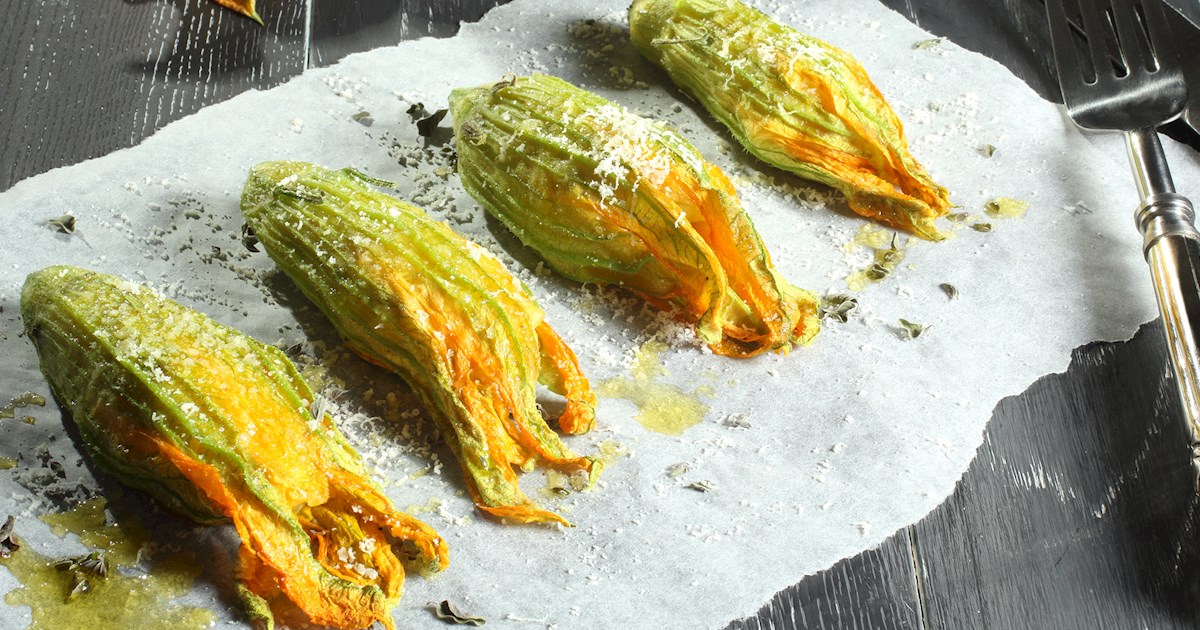
Fried Starters (Fritti)
I Fritti
Fritti are fried appetizers served before pasta or pizza, including supplì (fried rice balls with mozzarella), fiori di zucca (fried zucchini flowers), and potato croquettes. They're crispy, hot, eaten with hands, and central to Roman dining. It's a social ritual: you order one plate for the table and everyone picks.