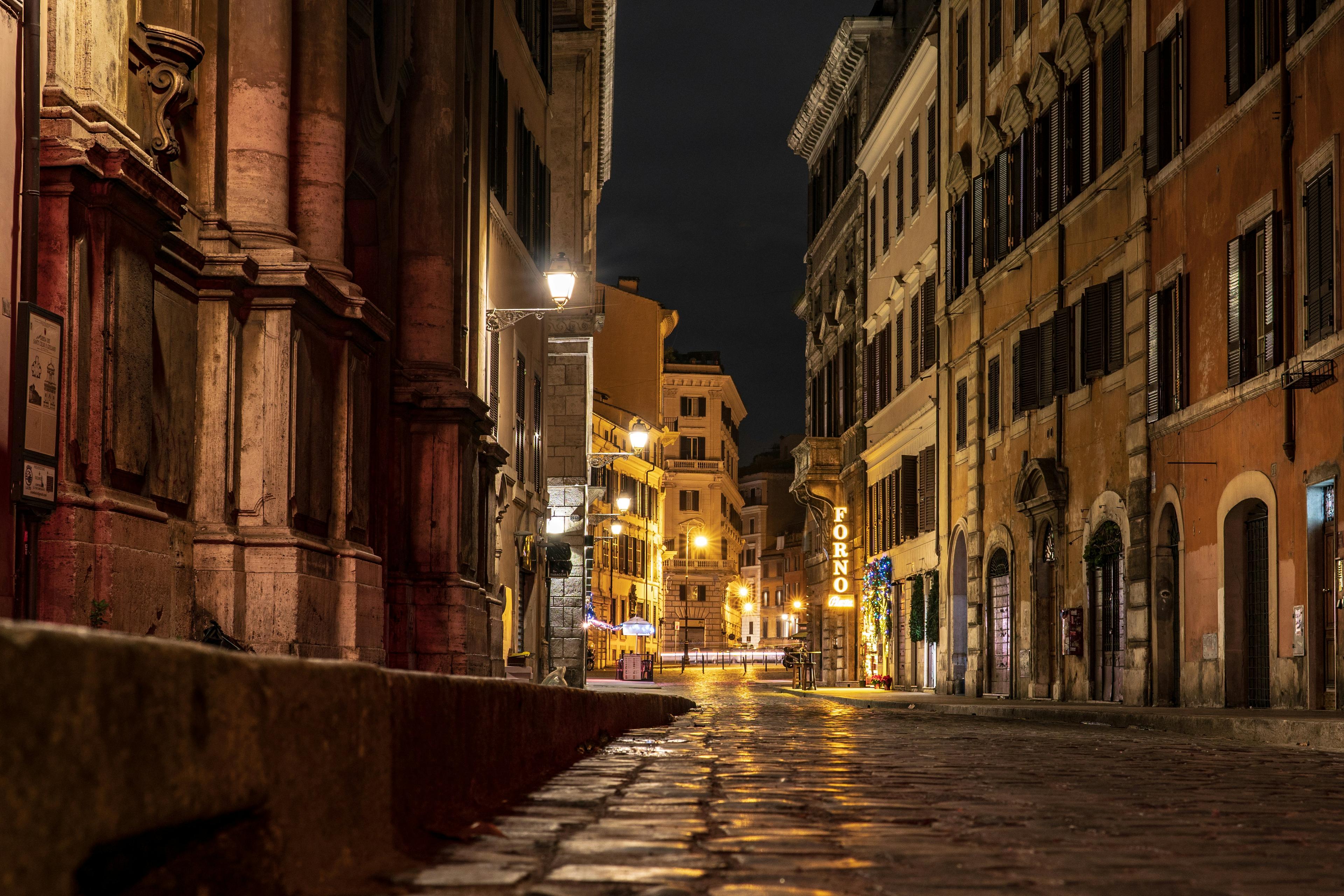
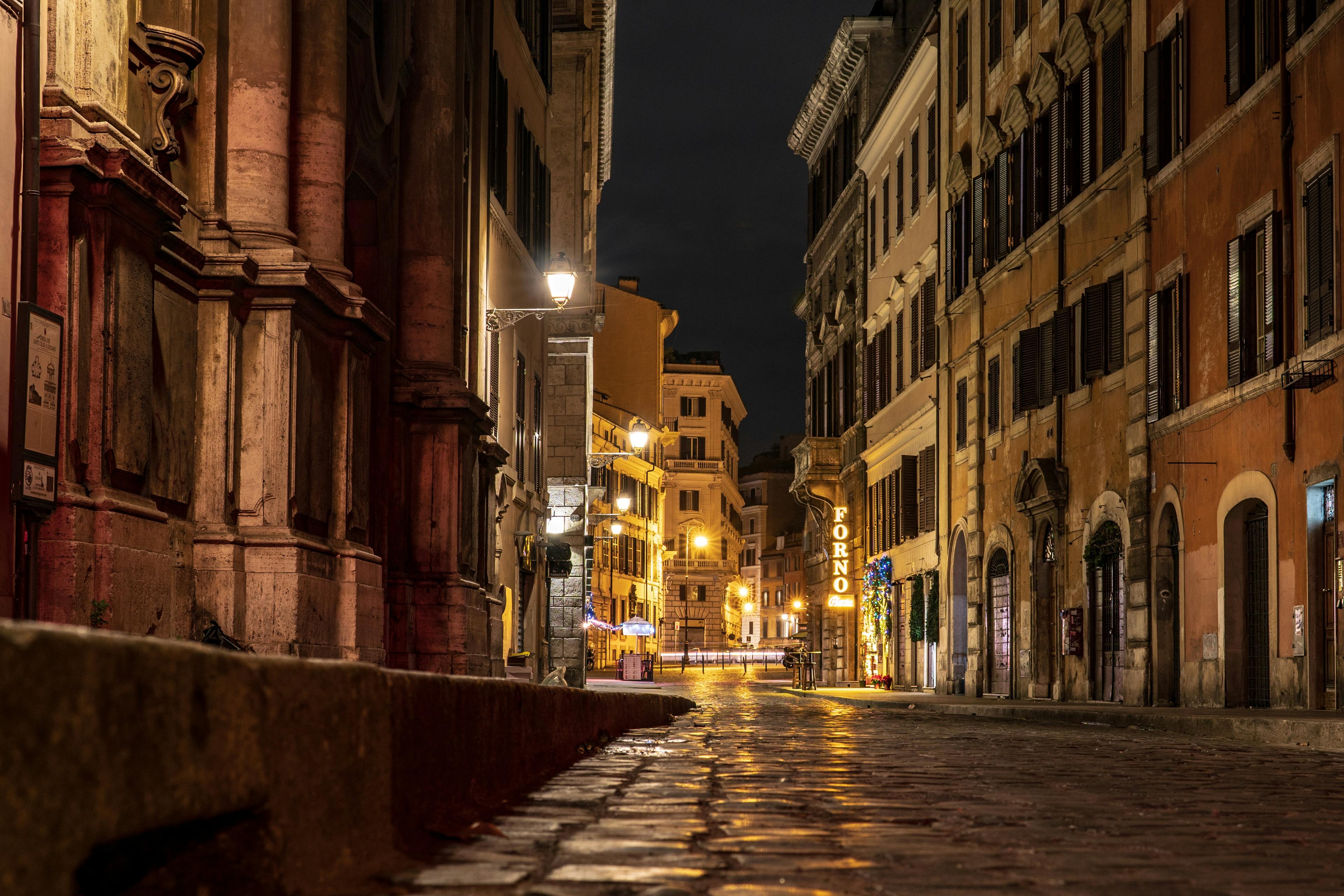
Rome by Night
"Rome transforms after dark with dramatically lit ancient ruins, cooler air, and piazzas filled with locals. Night walks have been a tradition since the Grand Tour era (1600s-1800s). The daytime crowds disappear and the city belongs to locals again."
Logistics
Affordable
Vibe
Magical, quiet
Duration
2-3 hours
Best For
Photographers
The Backstory
The city's monuments were first systematically lit in the 1930s. Modern LED lighting installed in the 2000s dramatically highlights the Colosseum, Trevi Fountain, and Forum. Romans have a tradition of 'passeggiata' (evening stroll) after dinner.
Local Secret
"Walk from Piazza Venezia to the Colosseum around 10pm-midnight for the best lighting and zero crowds. In summer, check the Lungo il Tevere festival for riverside bars."
Gallery
You Might Also Like
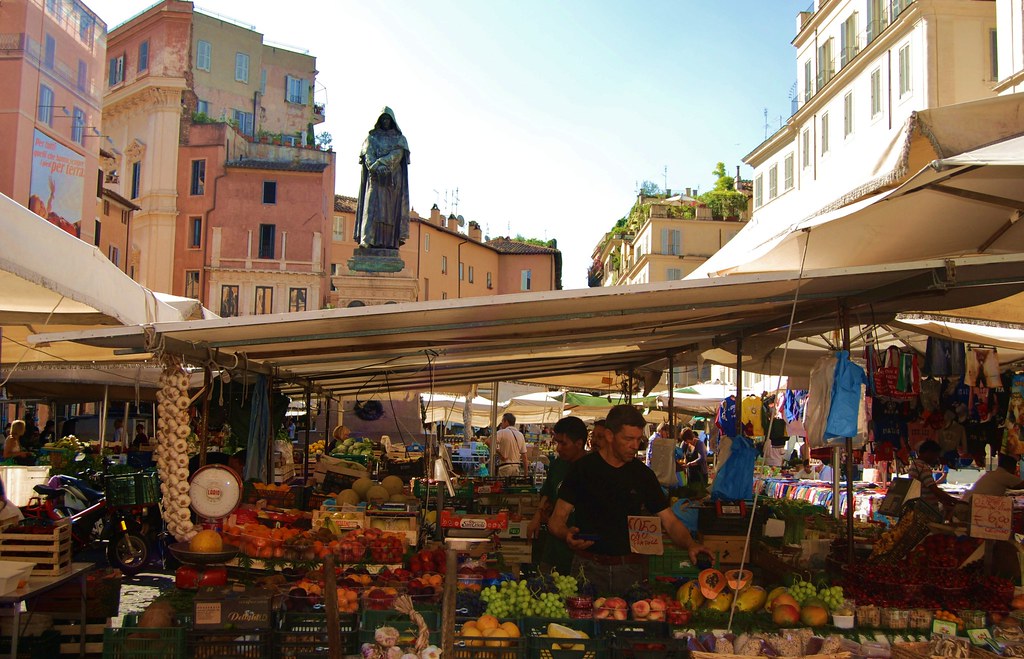
Morning Markets
Mercato Rionale
Mercato rionale are neighborhood markets where Romans buy fresh produce daily—loud, functional affairs that close by 2pm. Vendors shout prices, argue with regulars, and sell seasonal ingredients. Romans shop daily because refrigerators are small and the tradition is to buy what's seasonal and eat it that day.
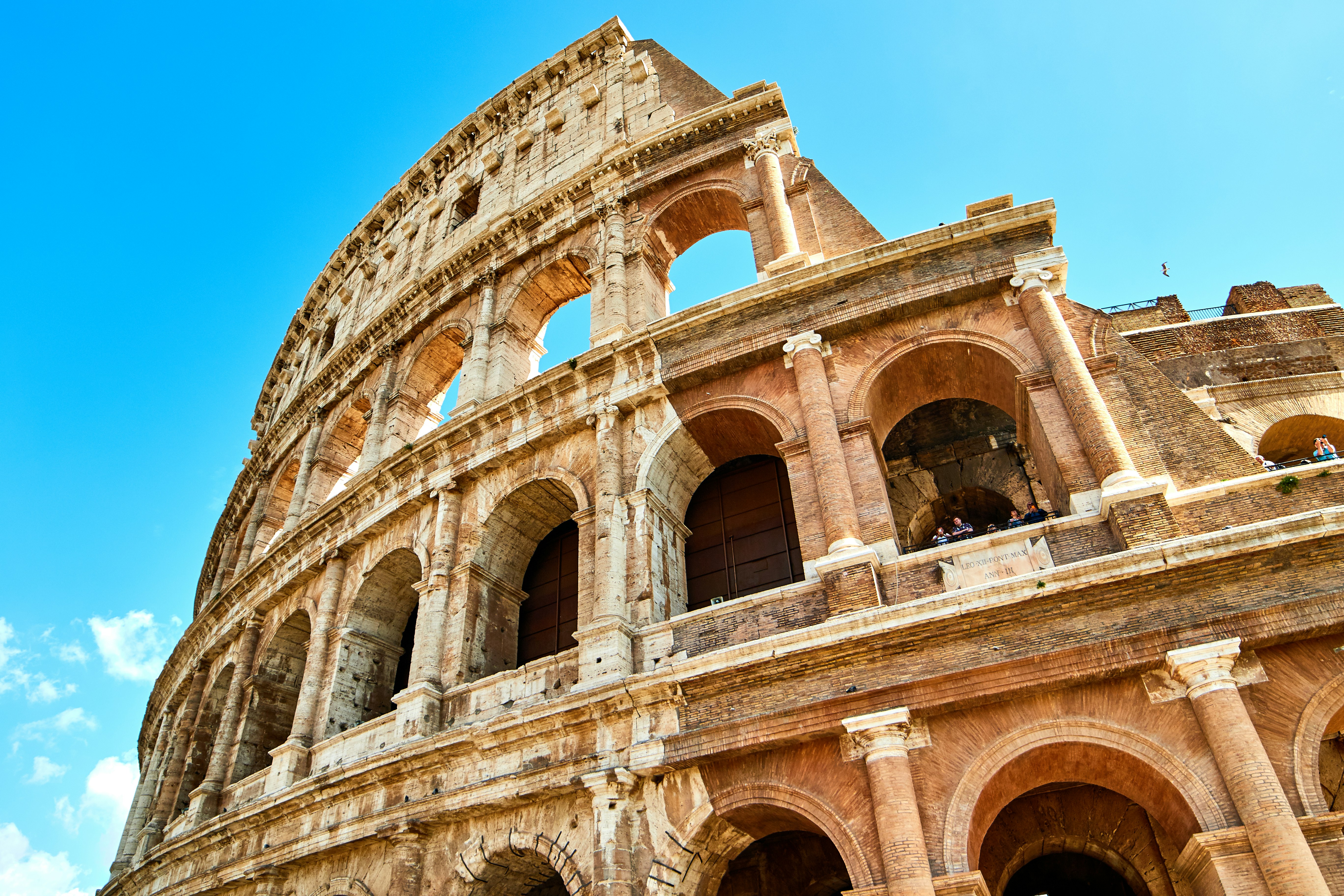
Colosseum
Colosseo
The Colosseum is the largest amphitheater ever built, constructed between 70-80 AD to hold 50,000-80,000 spectators for gladiatorial combat, animal hunts, and executions. The floor could be flooded for mock naval battles. It's Italy's most-visited monument and the defining symbol of ancient Rome's power.
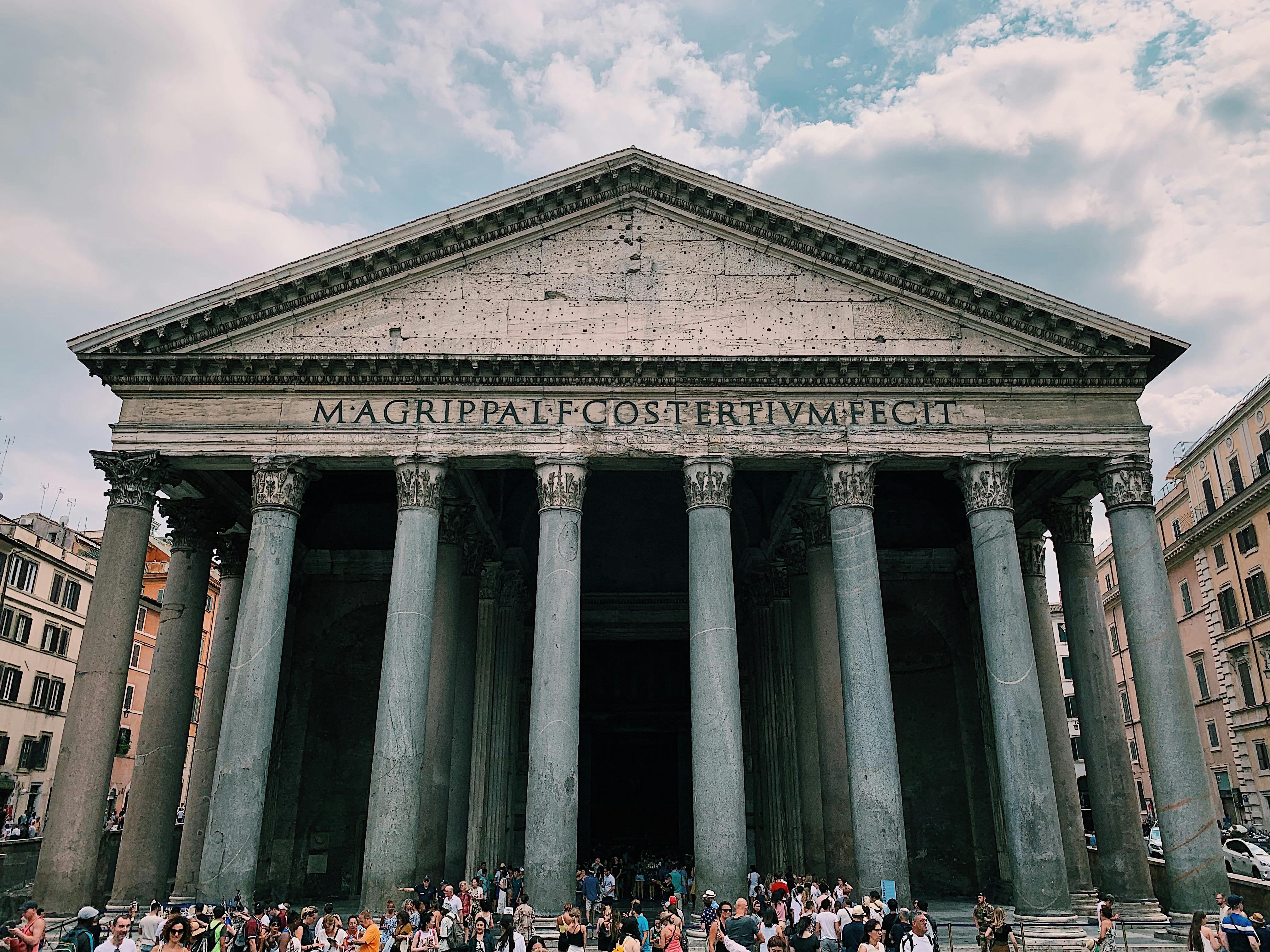
Pantheon
The Pantheon is the best-preserved building from ancient Rome, built in 126 AD by Emperor Hadrian. Its concrete dome remained the world's largest unreinforced dome for 1,300 years. The oculus (9-meter hole at the dome's peak) is the only light source and lets rain fall directly onto the marble floor with drainage holes.