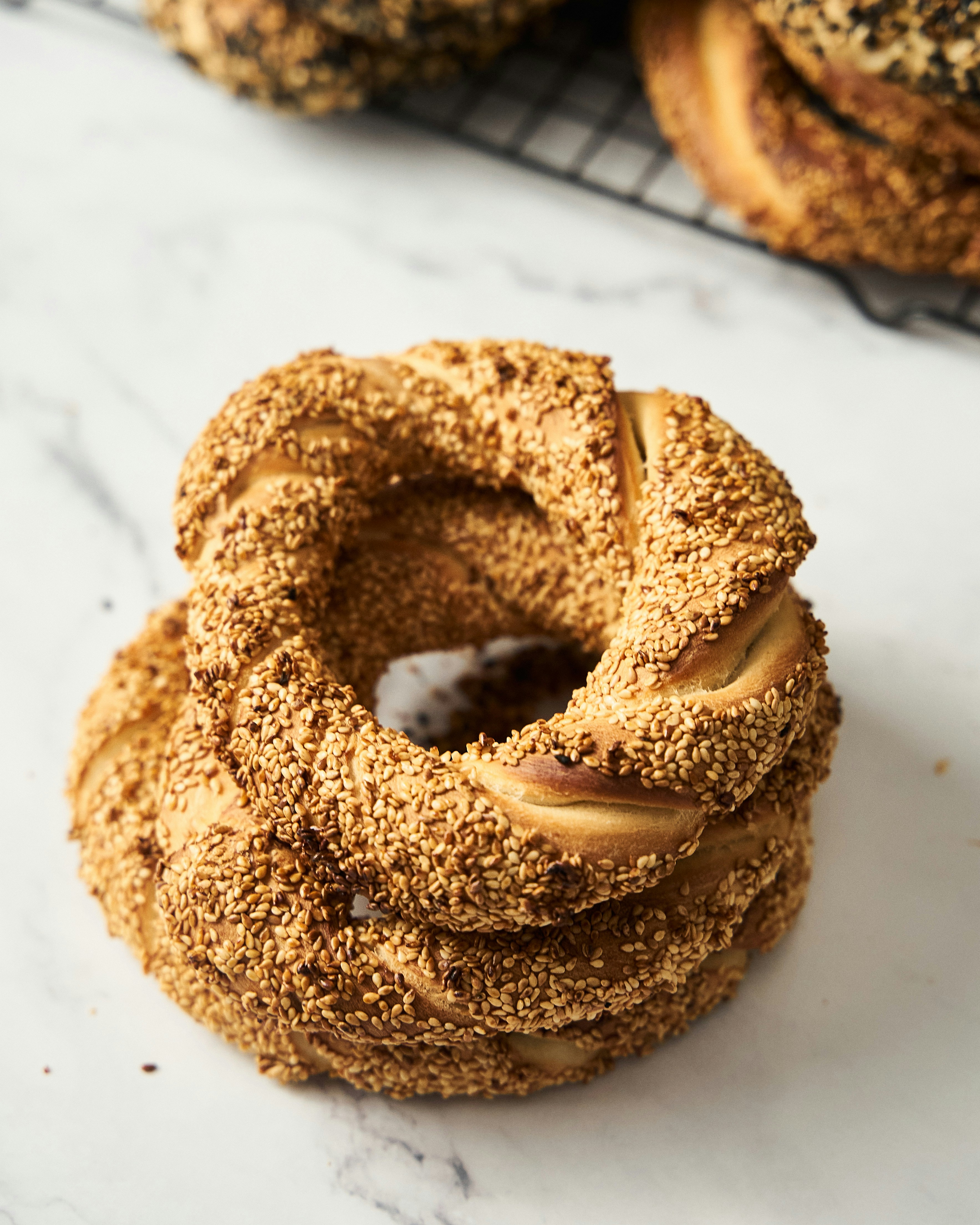
Simit
Simit is a circular sesame-encrusted bread ring, crispy on the outside and chewy inside, that serves as Istanbul's quintessential street food breakfast. Found on nearly every corner from dawn, it's traditionally eaten plain or with cheese. This ubiquitous snack is the fuel that powers the city's morning commute.
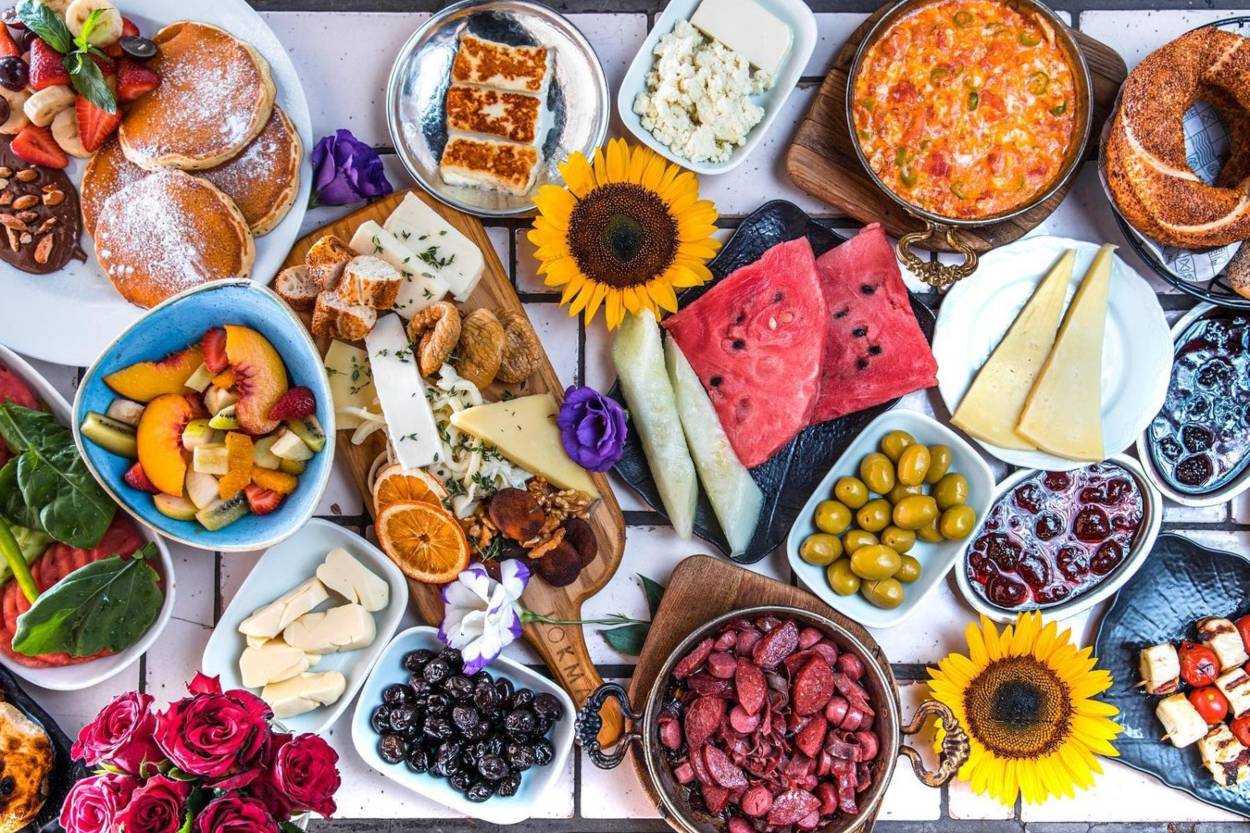
Serpme Breakfast
Serpme Kahvaltı
Serpme Kahvaltı is a sprawling Turkish breakfast spread featuring dozens of small plates including multiple cheeses, olives, jams, honey, eggs (often menemen—scrambled with tomatoes and peppers), fresh vegetables, and bread. The word 'serpme' means 'spread out,' reflecting the abundant, communal nature of this meal. It's designed to be leisurely, social, and substantial enough to fuel you until dinner.
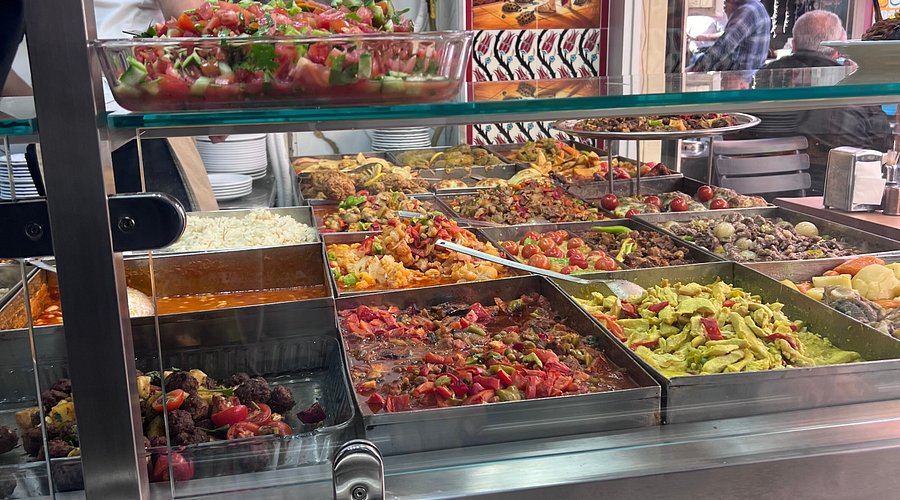
Tradesmen's Restaurant
Esnaf Lokantası
Esnaf Lokantası literally means 'tradesmen's restaurant'—no-frills, cafeteria-style eateries where you point at pre-cooked dishes displayed in steam trays. Expect home-cooked Turkish staples like stews, rice, beans (kuru fasulye), and vegetable dishes served quickly and cheaply. These are the backbone of Istanbul's working-class lunch culture, offering authentic flavors without pretension.
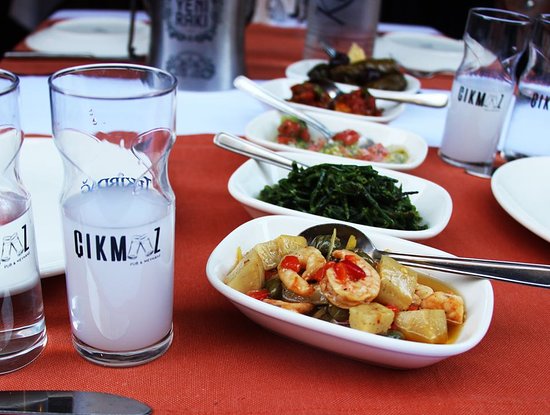
Meyhane Culture
Meyhane
A meyhane is a traditional Turkish tavern centered around rakı (anise-flavored spirit) and meze (small shared plates). Unlike dining for sustenance, meyhane culture is about slow, convivial evenings filled with conversation, music, and measured drinking. You'll order cold mezes first from a display tray, then hot dishes throughout the night. The experience is fundamentally social—going alone is culturally odd.
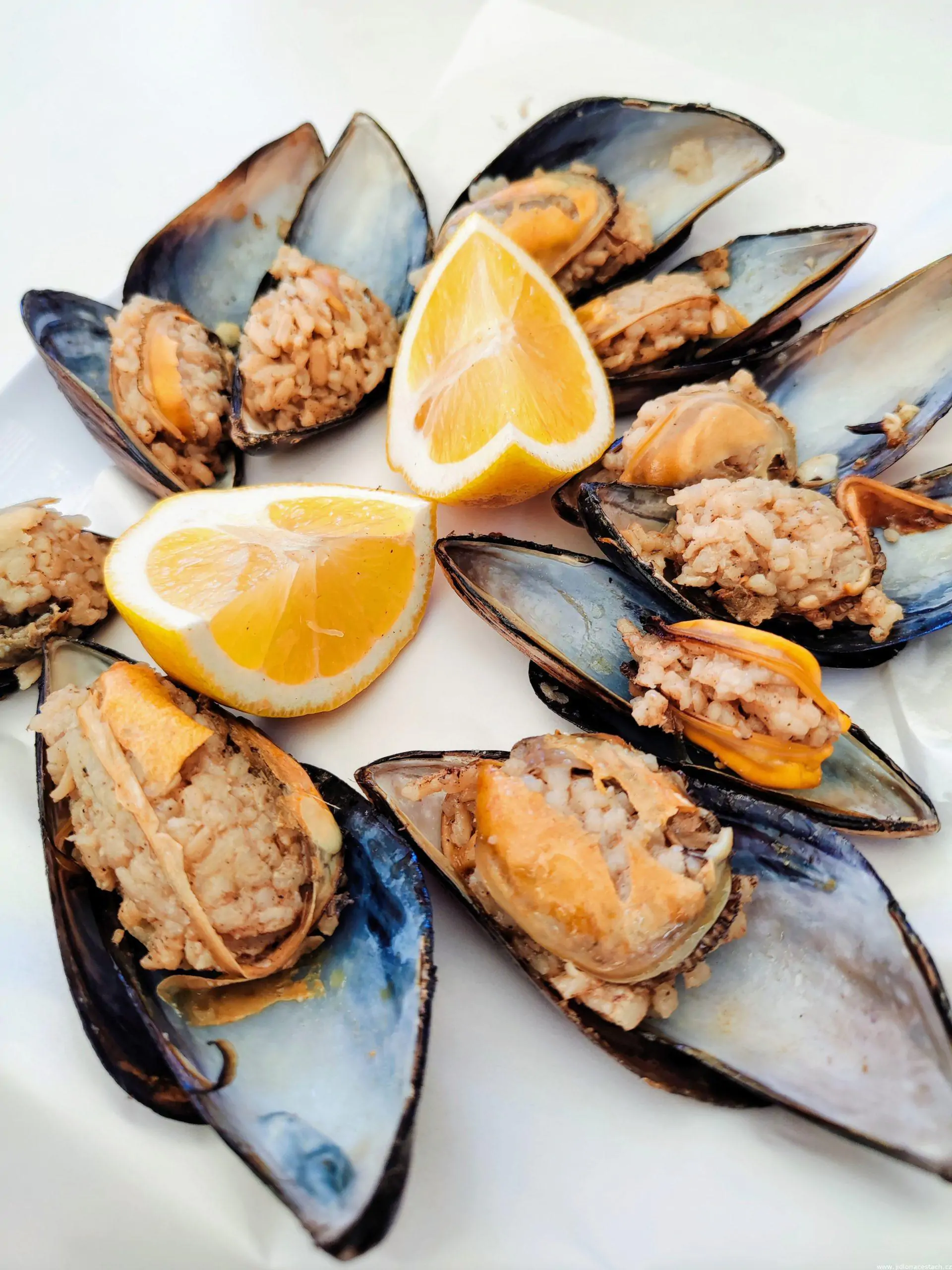
Stuffed Mussels
Midye Dolma
Midye dolma consists of black sea mussels stuffed with spiced rice, pine nuts, currants, and herbs, served cold with a squeeze of lemon. Sold by street vendors from large trays or carts, these are Istanbul's iconic street snack—you eat them standing up and pay by count. The combination of briny mussel and fragrant rice creates a unique flavor profile beloved by locals.
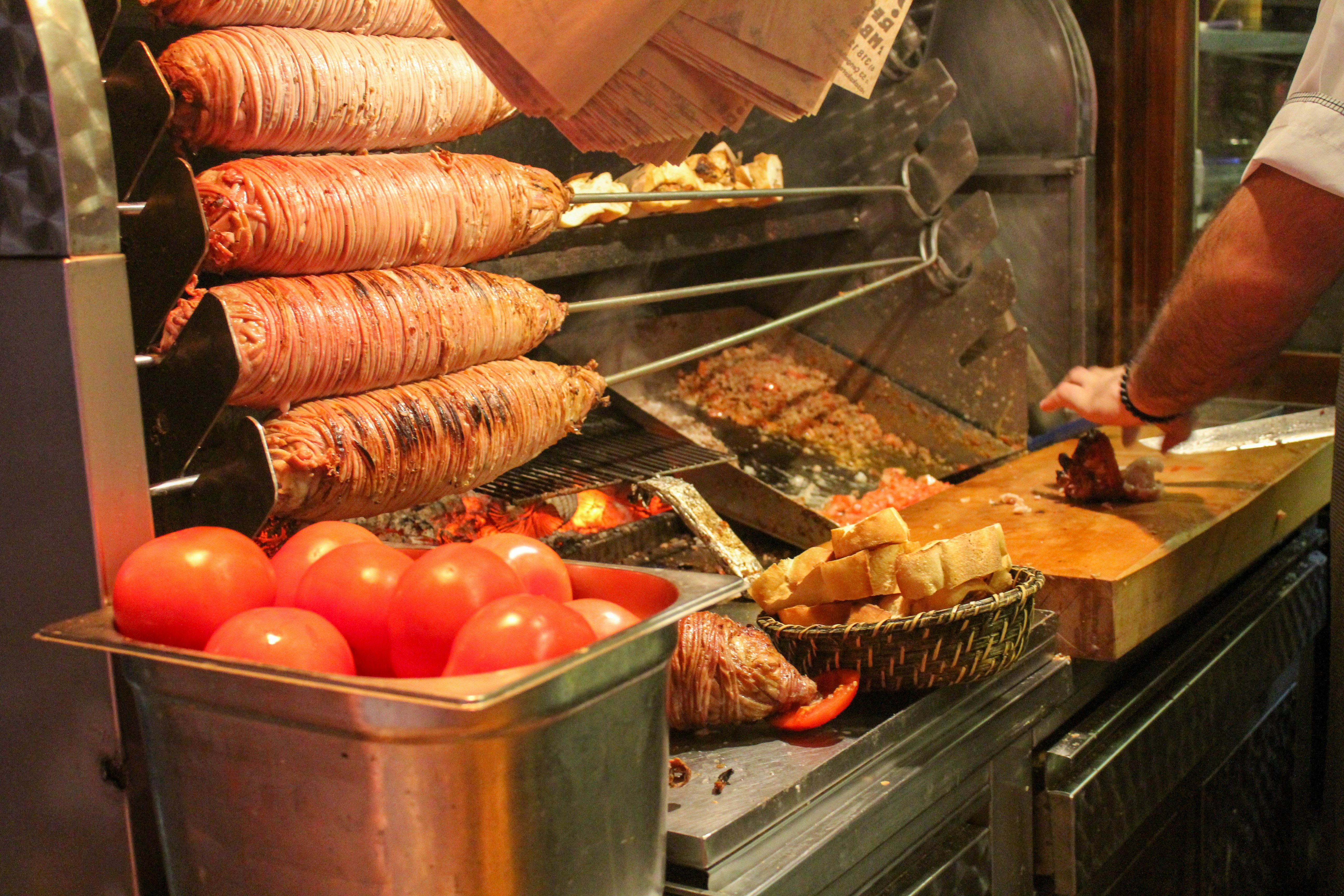
Kokoreç
Kokoreç is grilled lamb intestines that are chopped, heavily spiced with oregano and red pepper flakes, and served in crusty bread. The texture is chewy and the flavor is intensely savory—divisive but beloved by locals. This is Istanbul's ultimate late-night street food, typically consumed after drinking. Hygiene is critical; choose busy, established vendors.
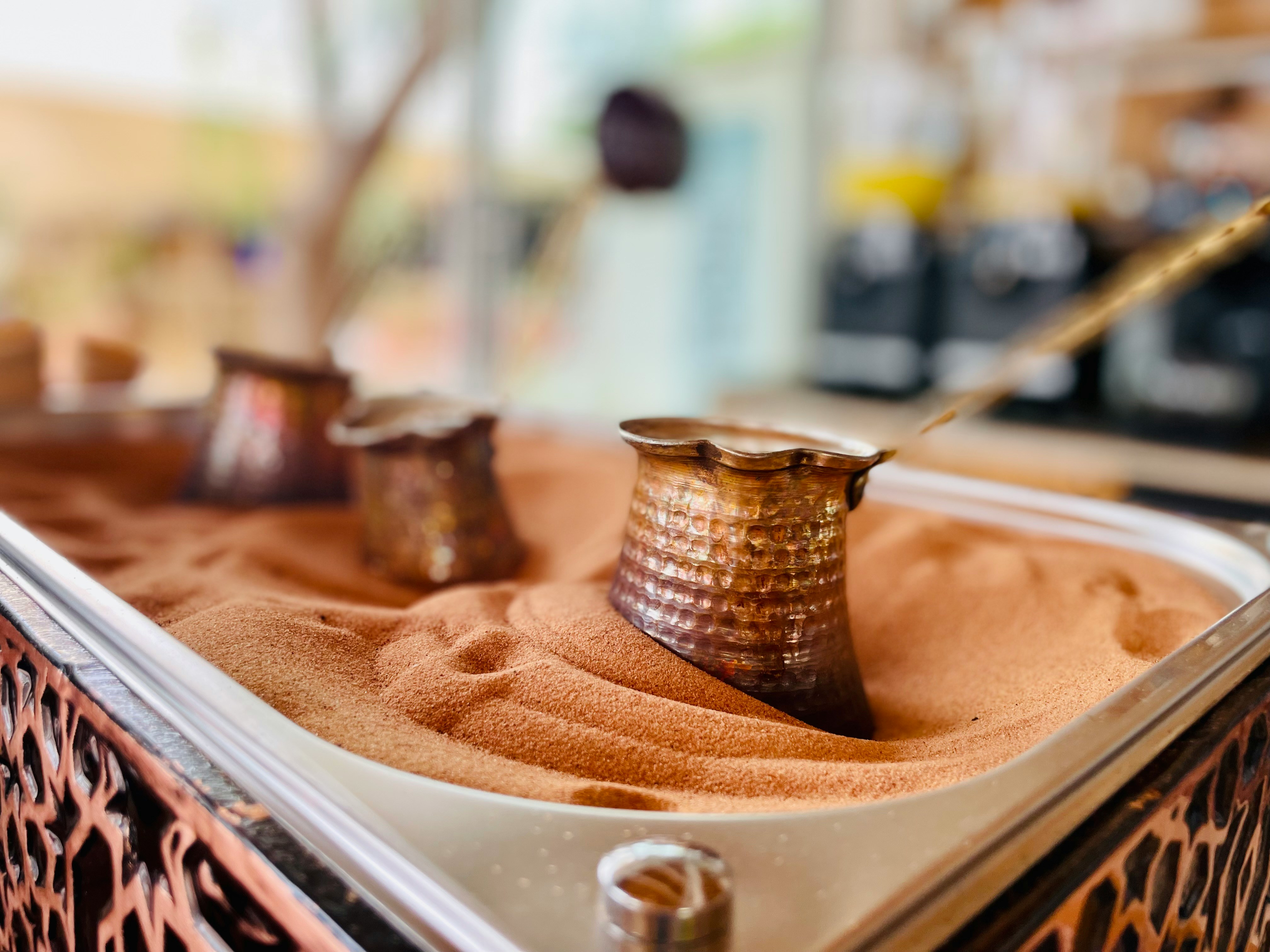
Turkish Coffee
Türk Kahvesi
Turkish coffee is finely ground coffee beans boiled with water (and optionally sugar) in a special pot called a cezve, then served unfiltered in a small cup. The result is thick, strong, and meant to be sipped slowly—it's a digestif and social ritual, not a caffeine delivery system. The grounds settle at the bottom and are used for fortune-telling (tasseography).
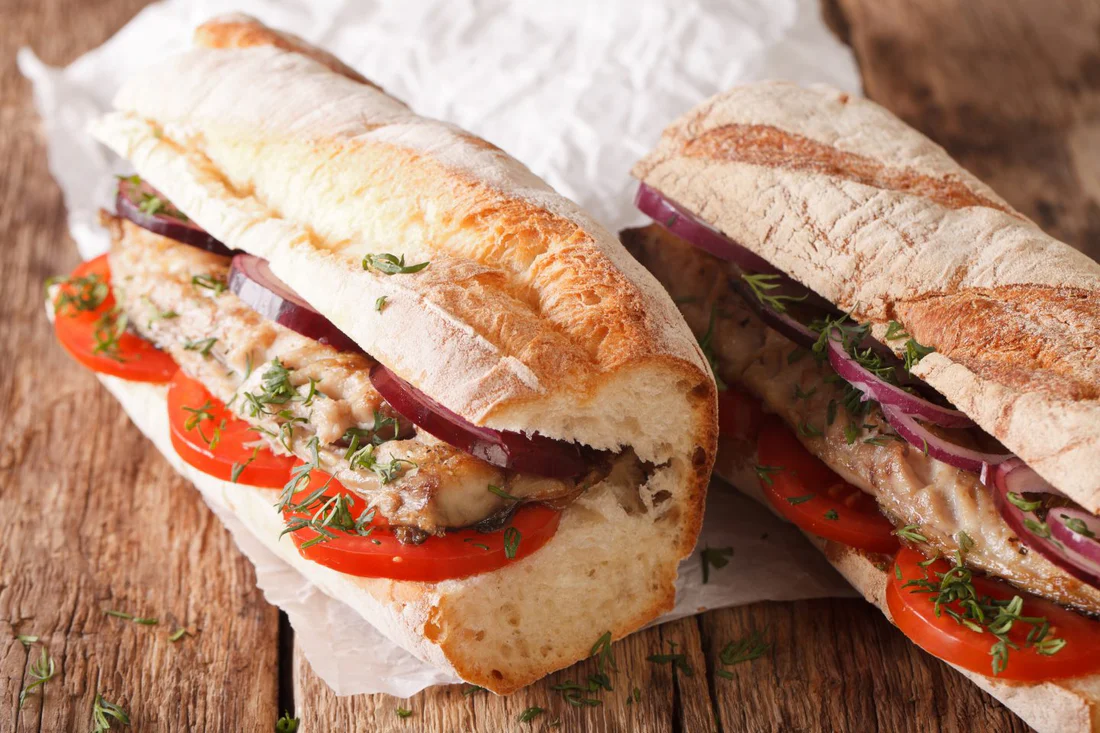
Fish Sandwich
Balık Ekmek
Balık ekmek is a grilled mackerel fillet served in half a loaf of crusty bread with lettuce, onions, and lemon—nothing more. This is Istanbul's most iconic street food, traditionally sold from rocking boats moored at Eminönü pier. The fish is grilled fresh on charcoal, the smoke mixing with sea air. It's messy, delicious, and fundamentally Istanbul.
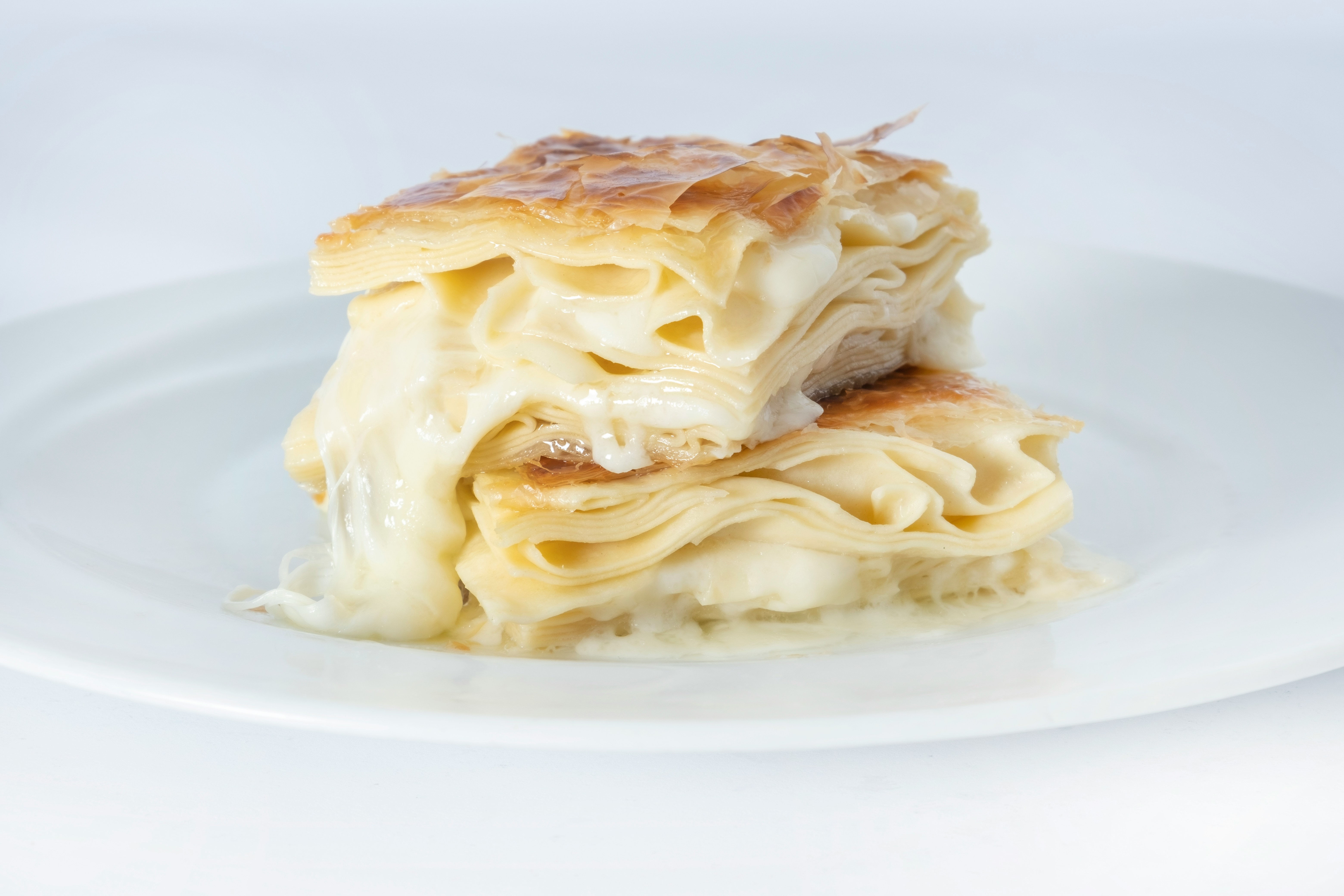
Börek
Börek is flaky layered pastry made with thin sheets of dough (yufka) filled with cheese (peynirli), spinach (ıspanaklı), minced meat (kıymalı), or potatoes. It can be rolled (sigara böreği), layered in a pan (su böreği), or coiled (kol böreği). Eaten for breakfast or as a snack, börek is found everywhere from street carts to upscale bakeries.
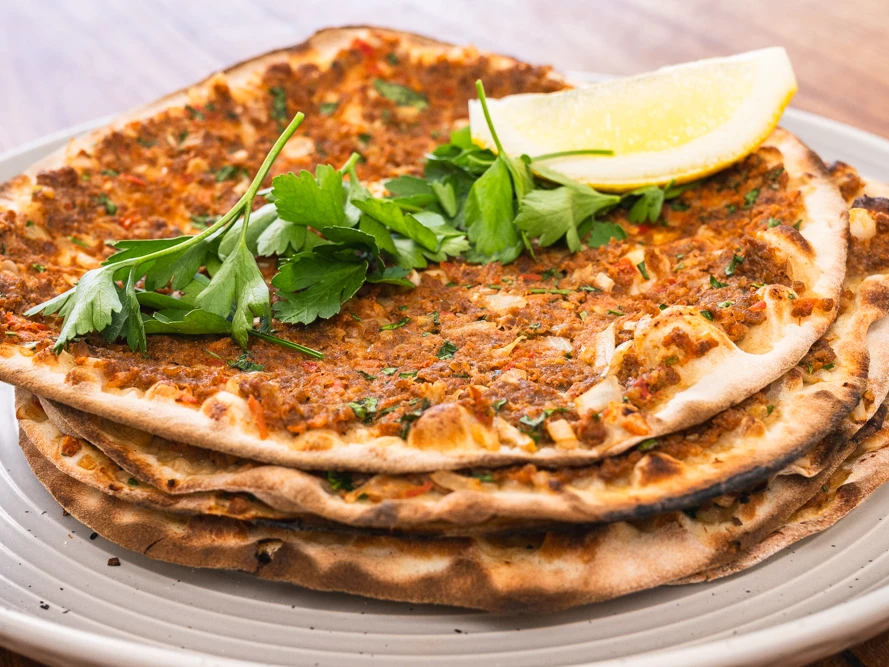
Lahmacun
Lahmacun is a thin, crispy flatbread topped with minced lamb or beef mixed with tomatoes, peppers, onions, and spices, then baked in a wood-fired oven. Often called 'Turkish pizza,' it's rolled up with fresh parsley, lemon, and sometimes pickles before eating. It's a fast, affordable meal found at specialized 'lahmacun salonu' restaurants.
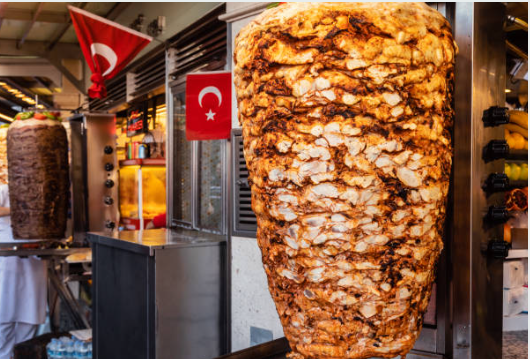
Döner Kebab
Döner Kebap
Döner kebab is seasoned meat (lamb, beef, or chicken) stacked on a vertical rotisserie, slow-roasted, then shaved off in thin slices. In Istanbul, it's served in bread (ekmek arası) or over rice (pilav üstü), with tomatoes, peppers, onions, and sometimes yogurt. This is not the late-night drunk food of Europe—authentic Istanbul döner is a craft with quality meat and proper technique.
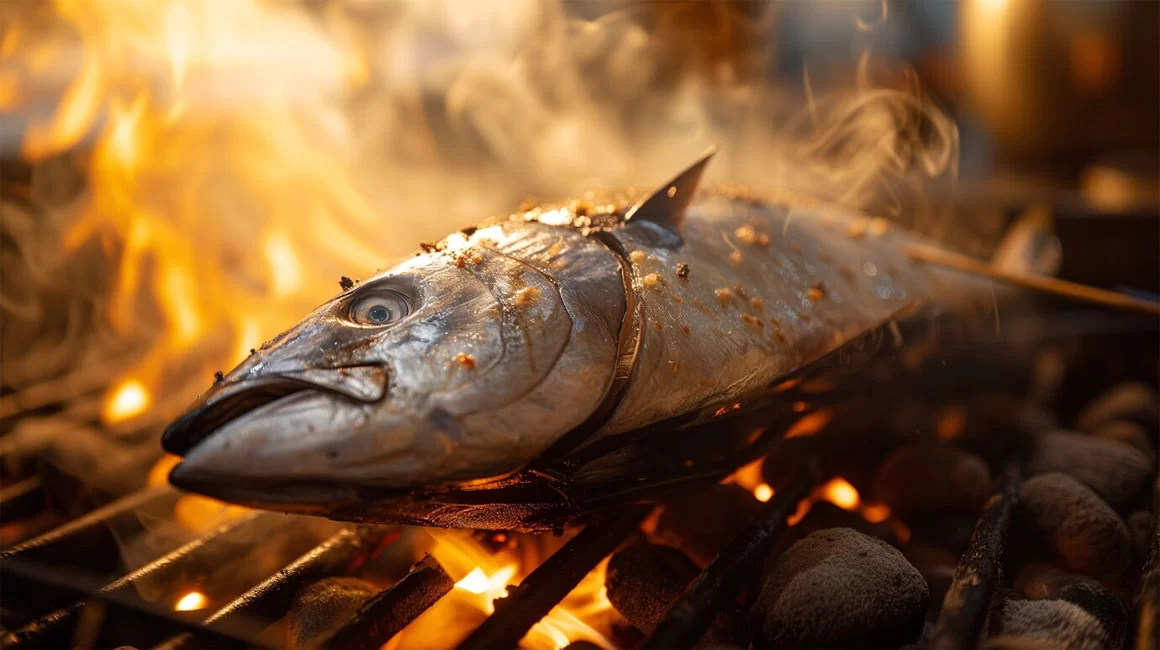
Fresh Fish Culture
Balık Mevsimi
Istanbul's fish culture is deeply seasonal, with autumn and winter being prime time when fish migrate through the Bosphorus from the Black Sea. Turks have a saying: 'Balık baştan kokar' (fish rots from the head)—freshness is everything. Fish restaurants line the Bosphorus, and locals know which species are in season. Common varieties include lüfer (bluefish), palamut (bonito), hamsi (anchovies), and levrek (sea bass).
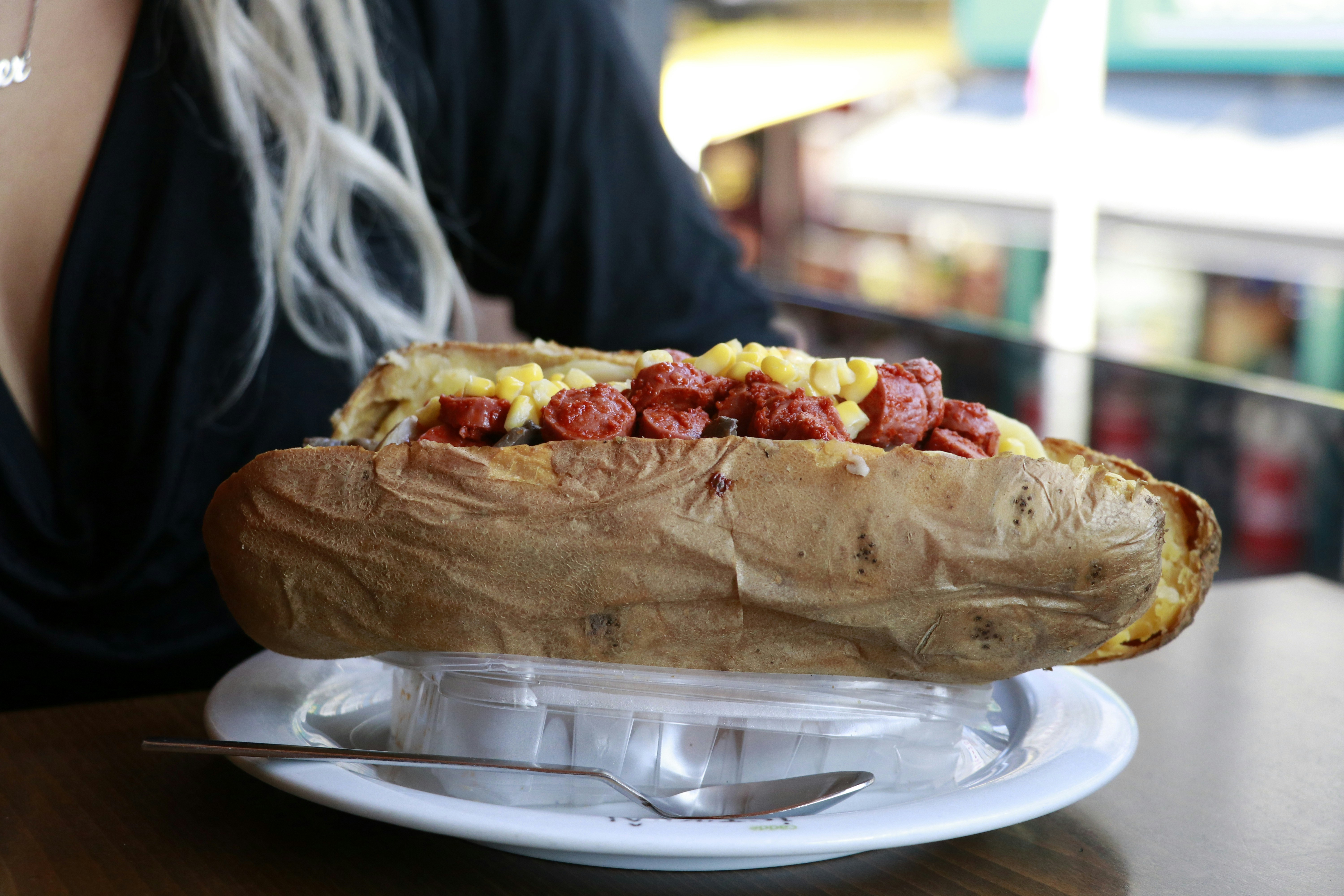
Kumpir (Loaded Baked Potato)
Kumpir
Kumpir is a massive baked potato split open, mashed with butter and cheese until creamy, then loaded with your choice from a dizzying array of toppings: corn, pickles, olives, sausages, Russian salad, carrots, peas, and more. It originated in the Ortaköy neighborhood and became a cult food. One kumpir is a full meal—cheap, filling, and customizable.
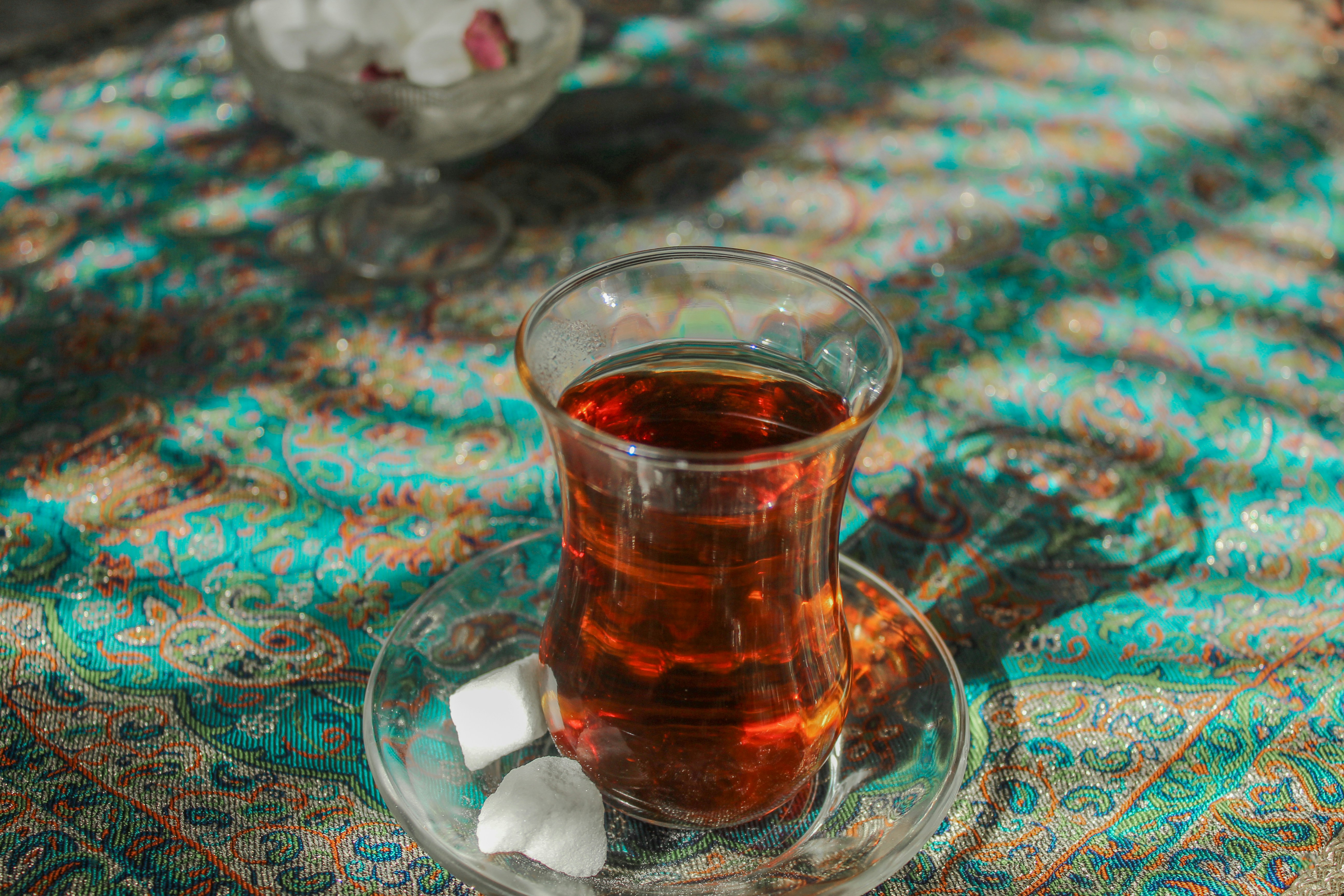
Turkish Tea
Çay
Çay is strong black tea brewed in a double-stacked teapot (çaydanlık) and served in small tulip-shaped glasses. It's the social glue of Turkey—offered constantly in shops, drunk on ferries, and consumed all day long. The tea is always hot, often accompanied by sugar cubes, and refusing it can seem cold. Turks drink an estimated 3-4 glasses per day on average.
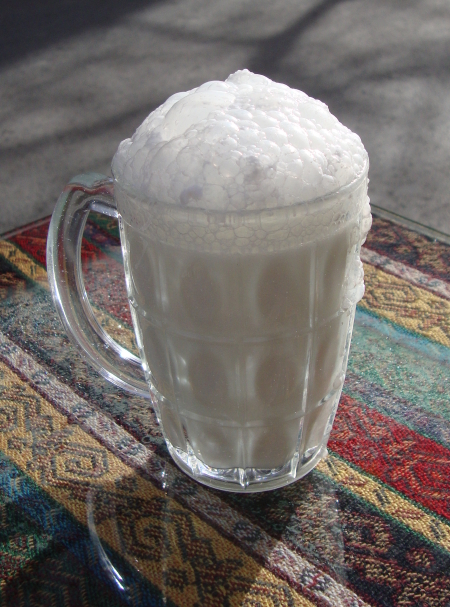
Ayran
Ayran is a savory yogurt drink made by mixing yogurt, water, and salt until frothy. It's served cold and is the traditional accompaniment to kebabs, döner, and heavy meat dishes—the salt and probiotics help with digestion. Ayran is found everywhere from street carts to restaurants. It's an acquired taste for some foreigners but beloved by Turks.
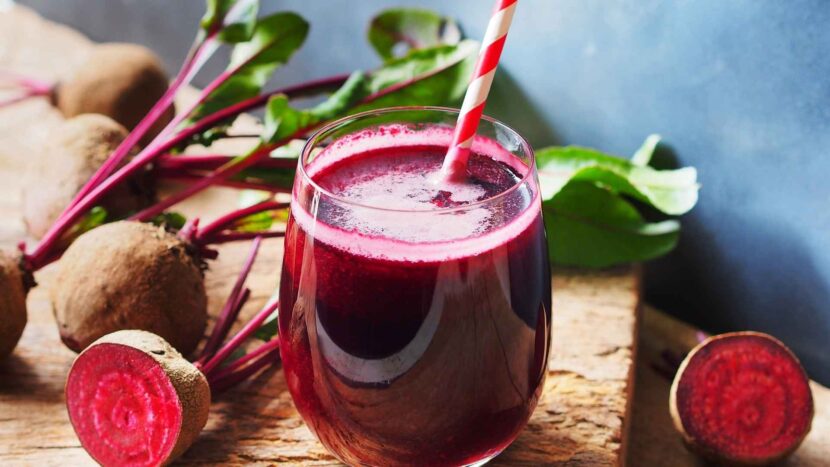
Şalgam
Şalgam Suyu
Şalgam is a deep purple, fermented turnip juice with a sharp, tangy, slightly spicy taste. It's made from purple carrots, turnips, bulgur, and salt, then fermented. This polarizing drink is beloved in southern Turkey (especially Adana) and is traditionally drunk with kebabs or rakı. In Istanbul, it's found at kebab restaurants and some street vendors.
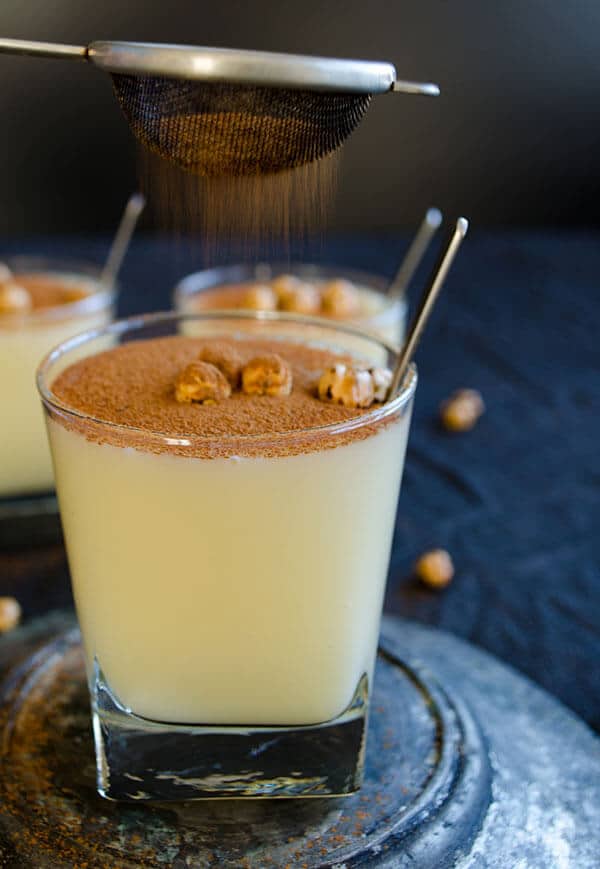
Boza
Boza is a thick, slightly fermented drink made from bulgur wheat or millet, with a sweet-sour taste and porridge-like consistency. It has a very low alcohol content (around 1%) from fermentation. Traditionally a winter drink, boza is served with roasted chickpeas (leblebi) on top and cinnamon. It's an acquired taste that many foreigners find strange.