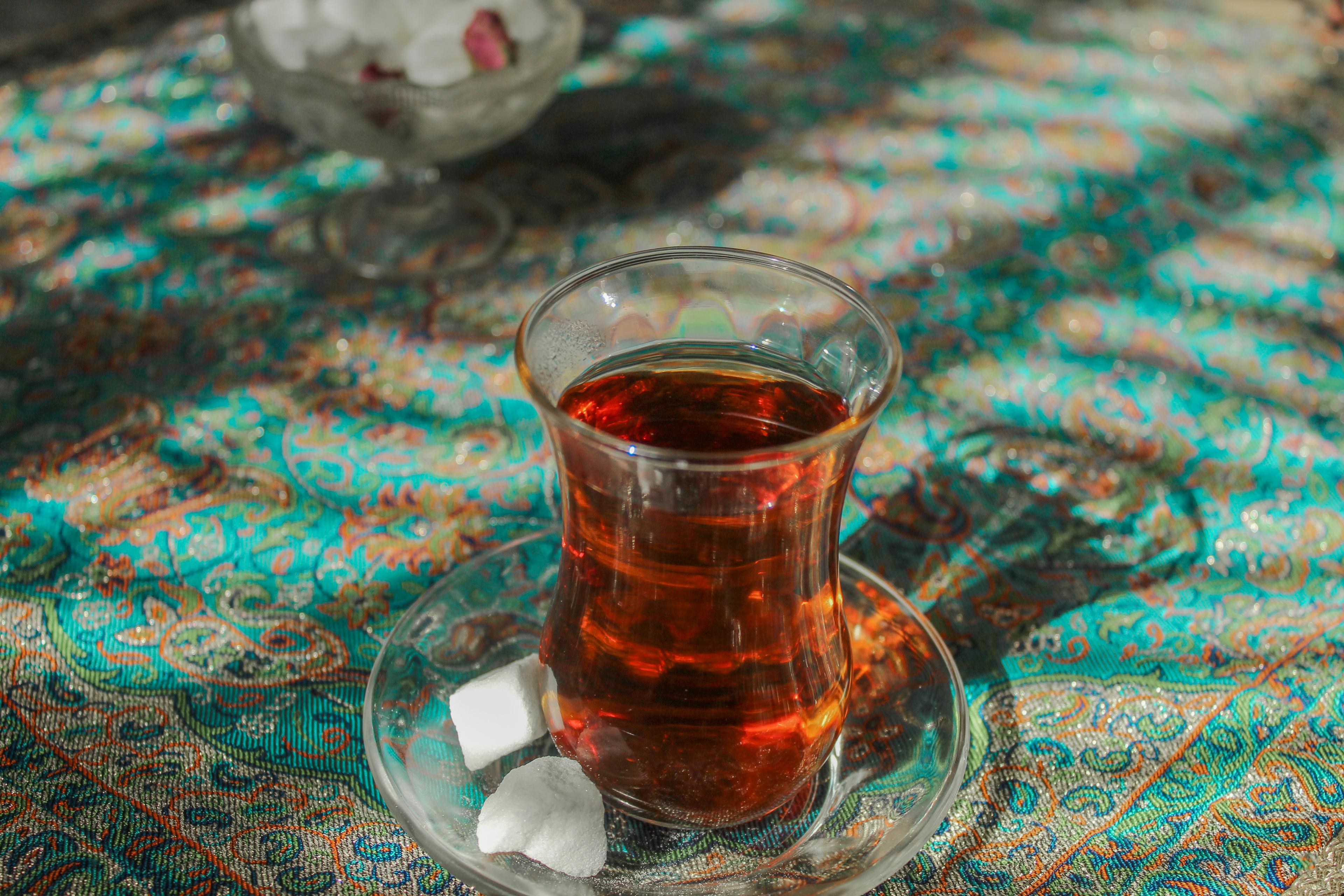
Turkish Tea
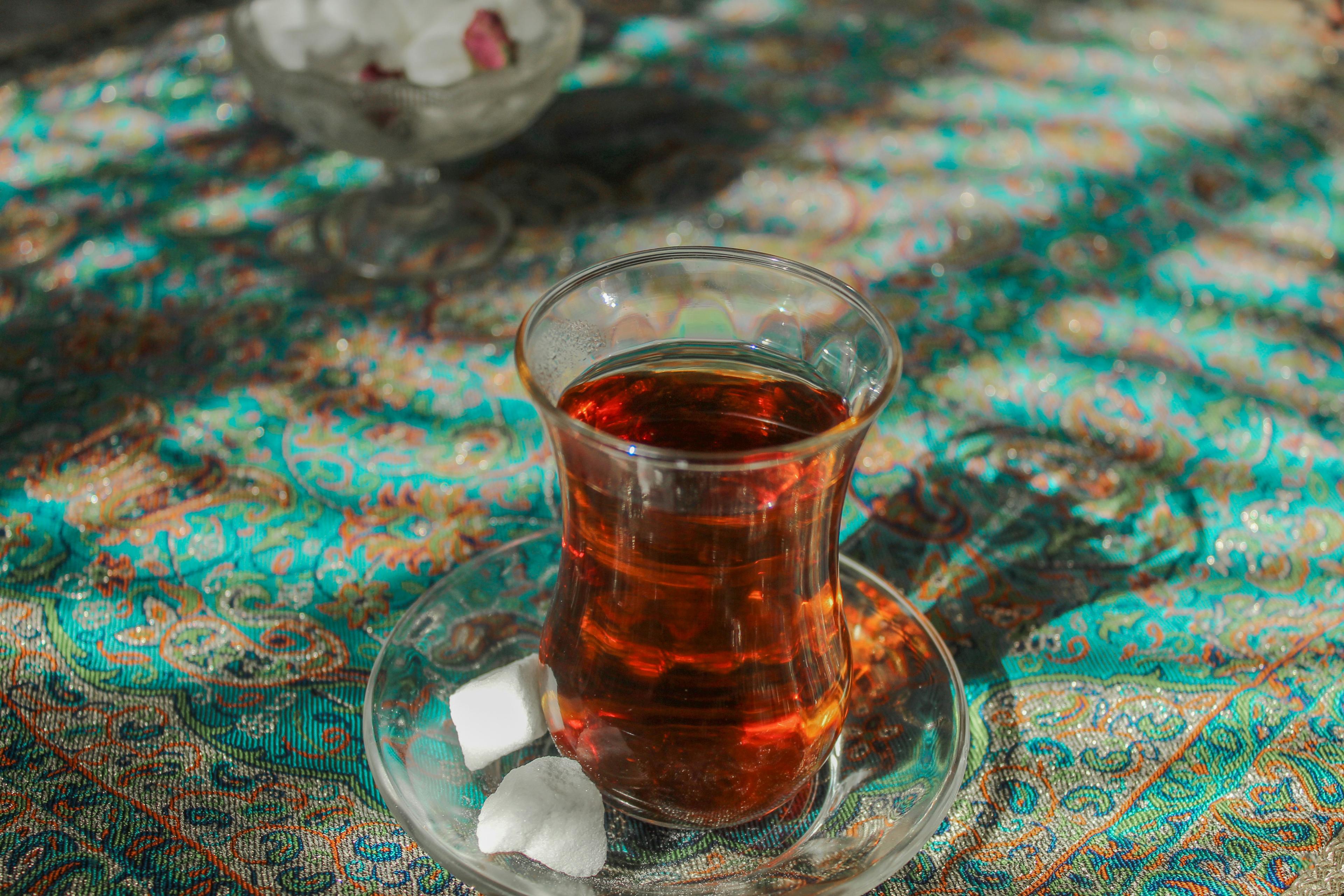
"Çay is strong black tea brewed in a double-stacked teapot (çaydanlık) and served in small tulip-shaped glasses. It's the social glue of Turkey—offered constantly in shops, drunk on ferries, and consumed all day long. The tea is always hot, often accompanied by sugar cubes, and refusing it can seem cold. Turks drink an estimated 3-4 glasses per day on average."
Logistics
Affordable
Vibe
Ubiquitous, Social, Comforting
Duration
10-20 minutes
Best For
Everyone
The Backstory
Tea only became popular in Turkey in the early 20th century. Coffee was the traditional drink, but after World War I coffee imports became expensive. Mustafa Kemal Atatürk promoted tea cultivation in the Black Sea region (Rize) in the 1920s as part of agricultural modernization. By the 1930s-40s, tea had replaced coffee as the everyday drink. The distinctive tulip glass was designed in the 1950s to show the tea's color and keep hands from burning. Tea houses (çay bahçesi) became central to male social life.
Local Secret
"To signal you're done drinking, place your spoon across the rim of the glass—otherwise, it will be refilled endlessly. If you want it less strong, ask for 'açık çay' (light tea). The best çay experience is on a Bosphorus ferry at sunrise or in a traditional tea garden overlooking the water."
Gallery
You Might Also Like
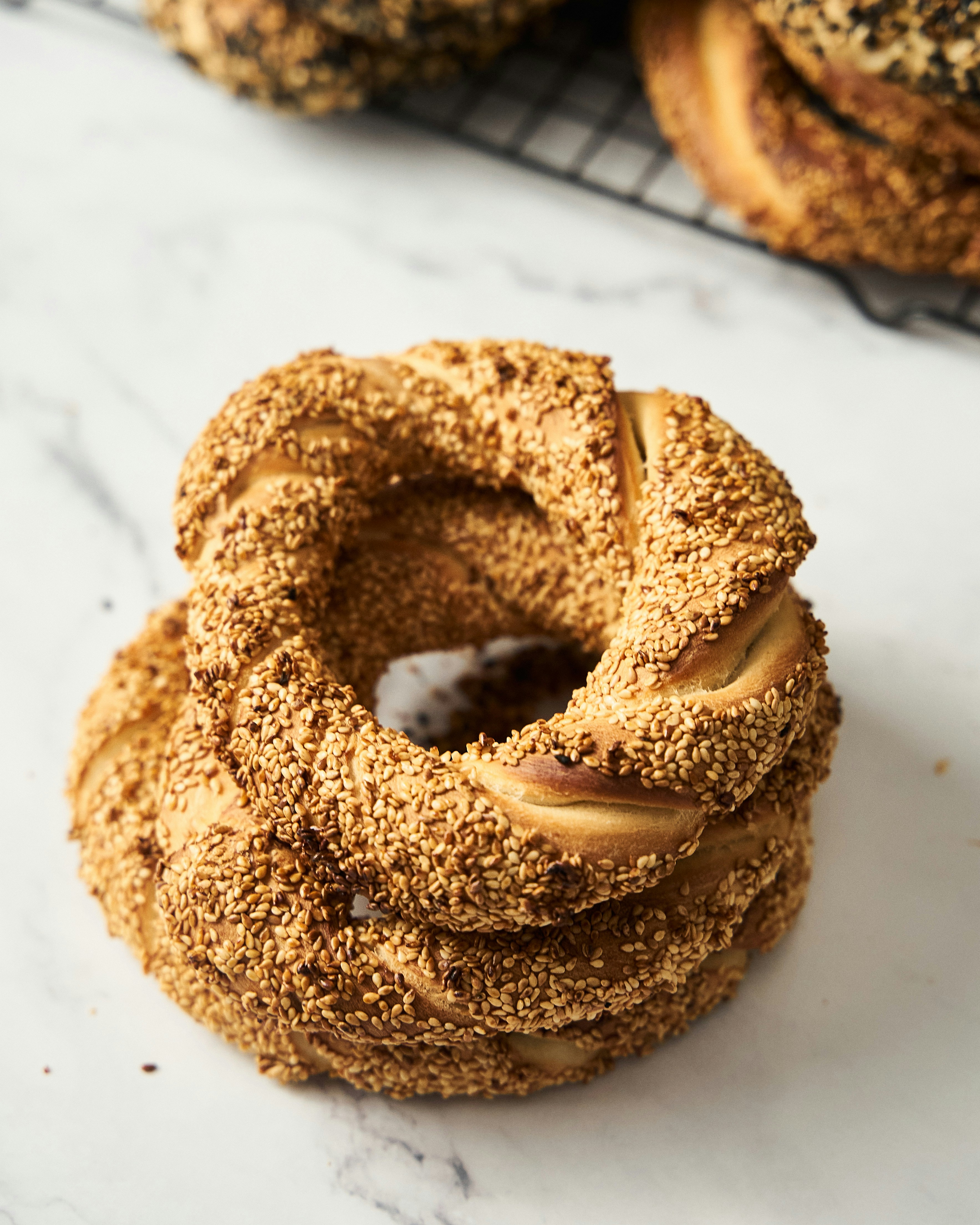
Simit
Simit is a circular sesame-encrusted bread ring, crispy on the outside and chewy inside, that serves as Istanbul's quintessential street food breakfast. Found on nearly every corner from dawn, it's traditionally eaten plain or with cheese. This ubiquitous snack is the fuel that powers the city's morning commute.
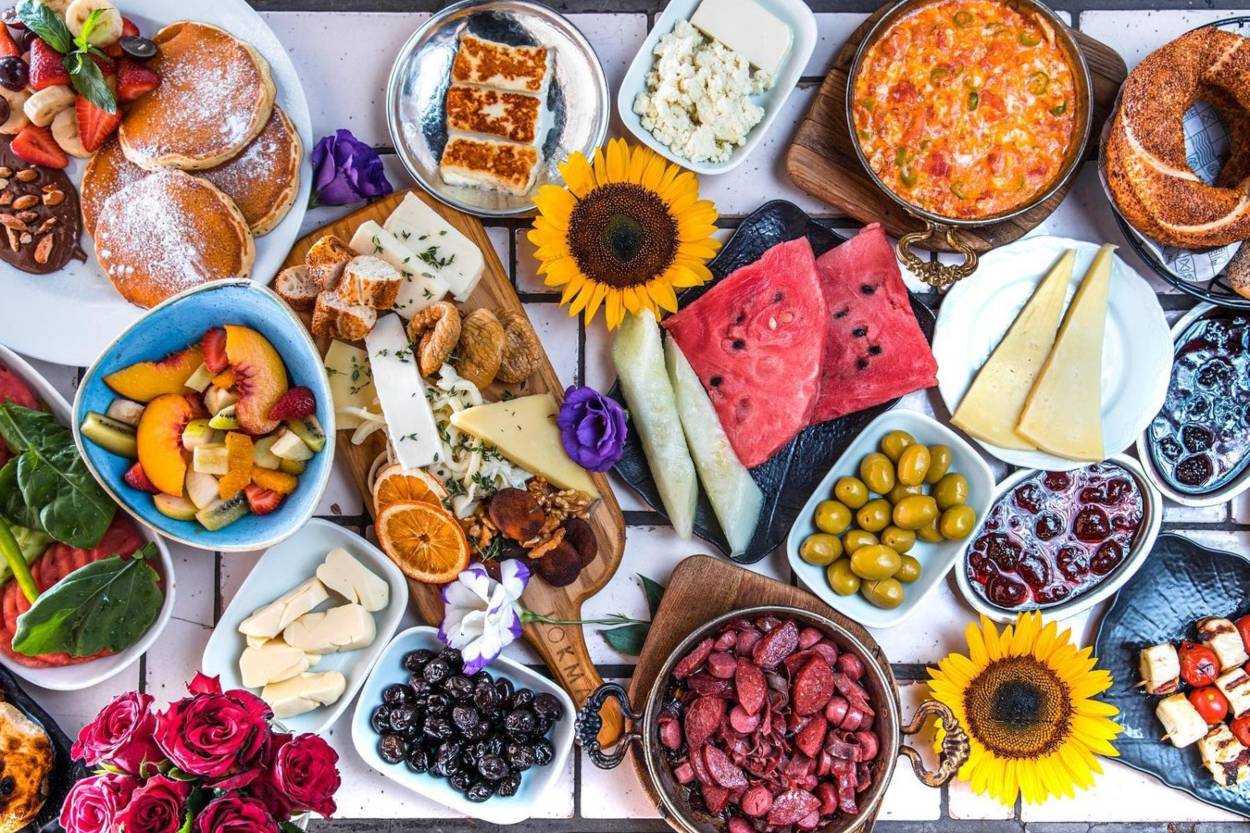
Serpme Breakfast
Serpme Kahvaltı
Serpme Kahvaltı is a sprawling Turkish breakfast spread featuring dozens of small plates including multiple cheeses, olives, jams, honey, eggs (often menemen—scrambled with tomatoes and peppers), fresh vegetables, and bread. The word 'serpme' means 'spread out,' reflecting the abundant, communal nature of this meal. It's designed to be leisurely, social, and substantial enough to fuel you until dinner.
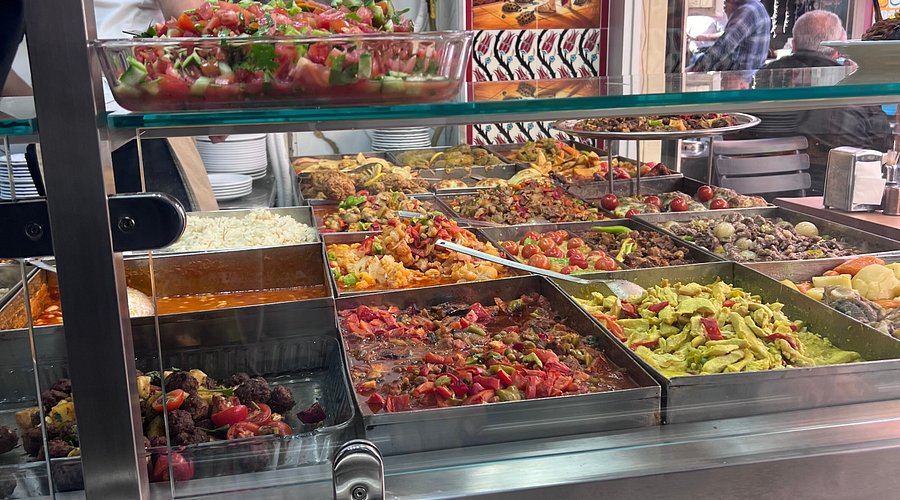
Tradesmen's Restaurant
Esnaf Lokantası
Esnaf Lokantası literally means 'tradesmen's restaurant'—no-frills, cafeteria-style eateries where you point at pre-cooked dishes displayed in steam trays. Expect home-cooked Turkish staples like stews, rice, beans (kuru fasulye), and vegetable dishes served quickly and cheaply. These are the backbone of Istanbul's working-class lunch culture, offering authentic flavors without pretension.