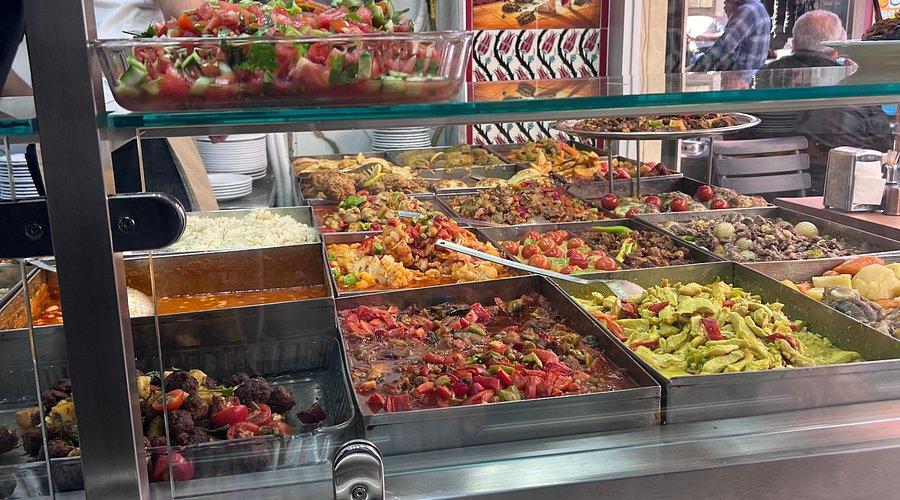
Tradesmen's Restaurant
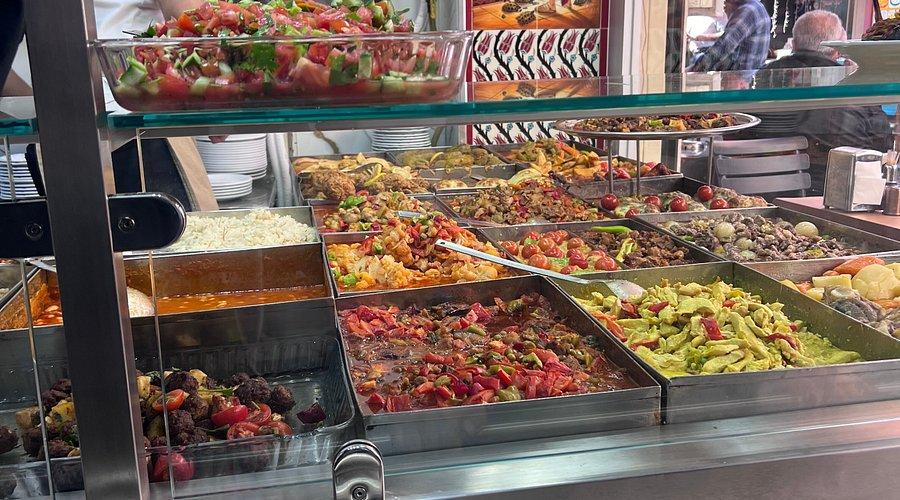
"Esnaf Lokantası literally means 'tradesmen's restaurant'—no-frills, cafeteria-style eateries where you point at pre-cooked dishes displayed in steam trays. Expect home-cooked Turkish staples like stews, rice, beans (kuru fasulye), and vegetable dishes served quickly and cheaply. These are the backbone of Istanbul's working-class lunch culture, offering authentic flavors without pretension."
Logistics
Affordable
Vibe
Unpretentious, Efficient, Homestyle
Duration
30-45 minutes
Best For
Budget travelers
The Backstory
Esnaf lokantası emerged in the early 20th century to feed Istanbul's growing working class during rapid industrialization. The model was simple: prepare large batches of traditional home dishes and sell them cheaply to laborers and tradesmen. During the 1970s economic boom, these restaurants became social hubs where craftsmen, taxi drivers, and office workers mixed. The cafeteria-style service evolved to maximize efficiency during the tight lunch hour.
Local Secret
"Arrive between 12-1 PM when food is freshest and selection is best. Point confidently at what you want—hesitation marks you as a tourist. Dishes are priced individually, so pace yourself."
Gallery
You Might Also Like
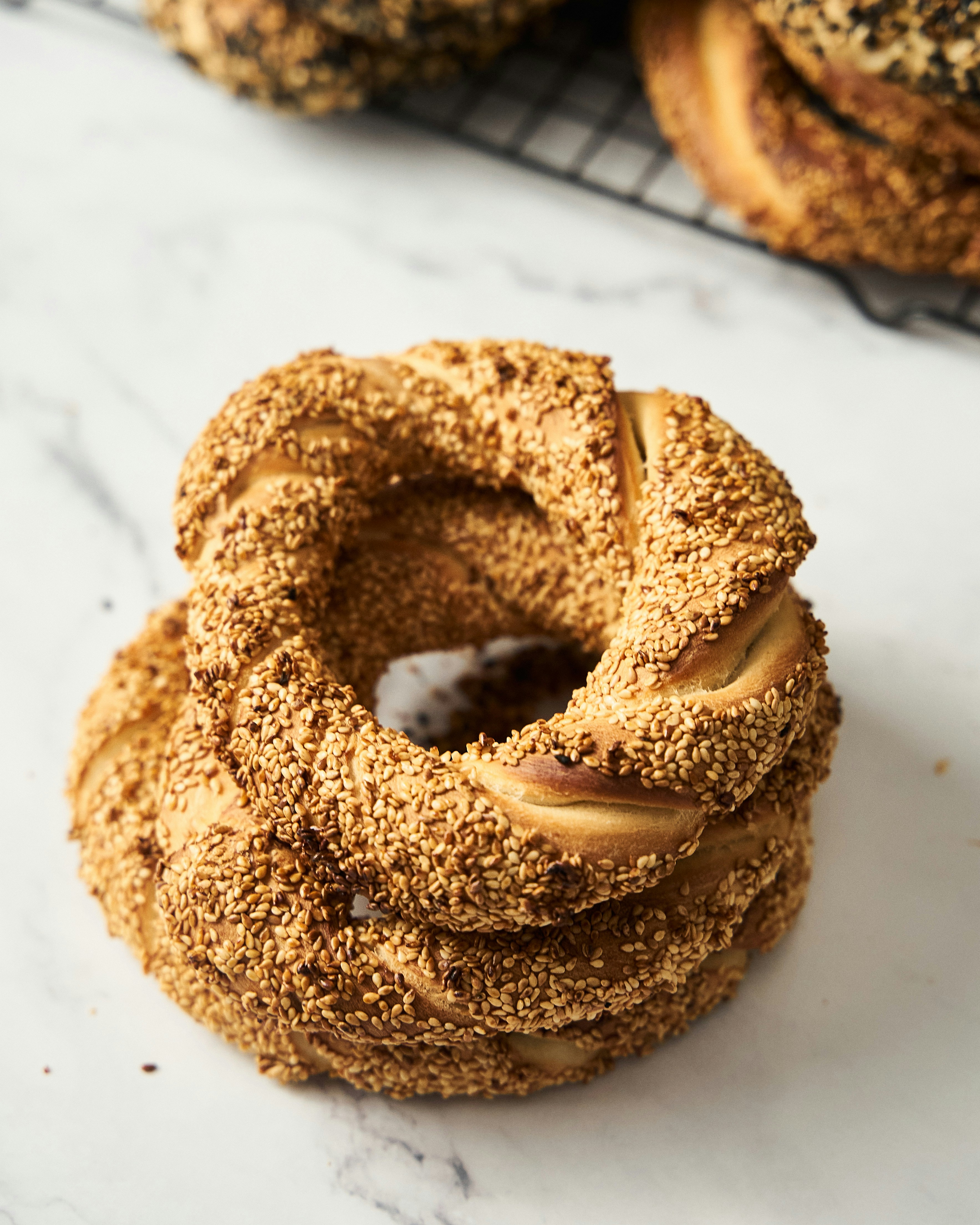
Simit
Simit is a circular sesame-encrusted bread ring, crispy on the outside and chewy inside, that serves as Istanbul's quintessential street food breakfast. Found on nearly every corner from dawn, it's traditionally eaten plain or with cheese. This ubiquitous snack is the fuel that powers the city's morning commute.
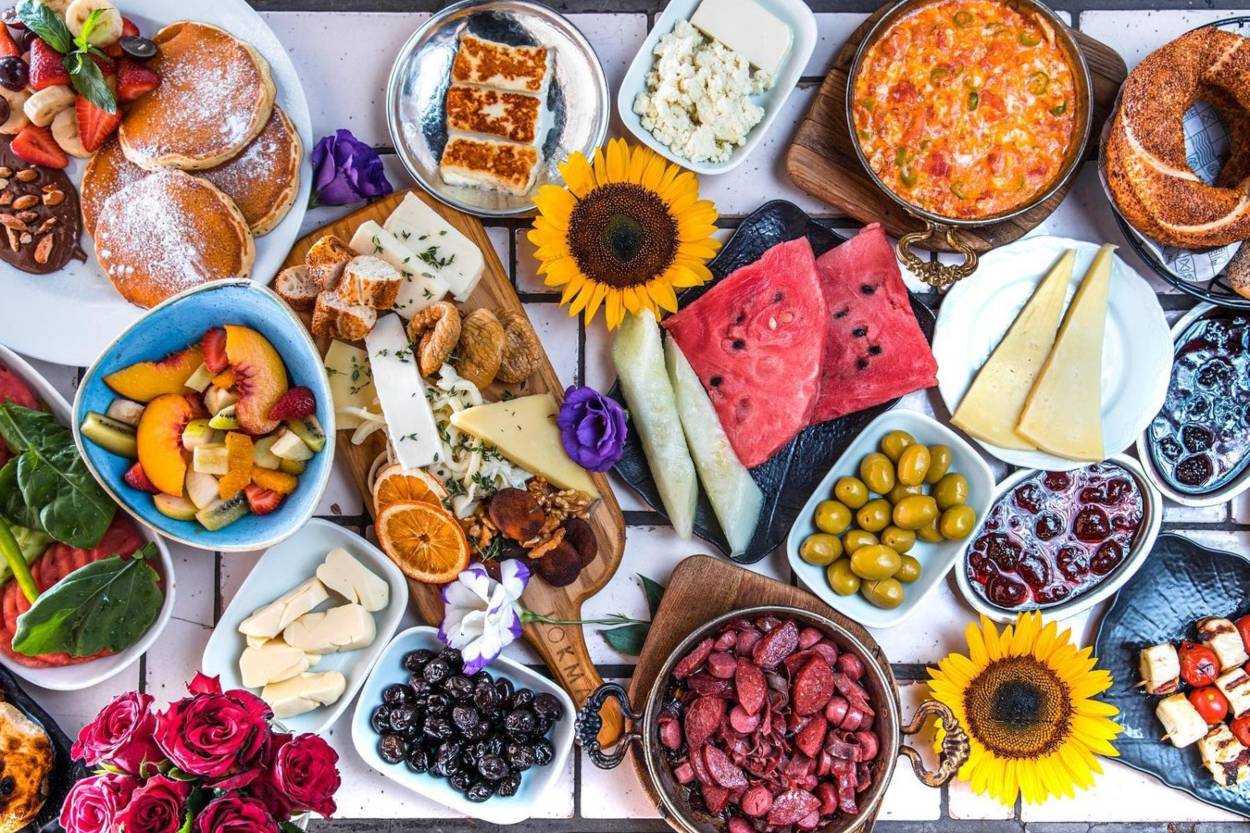
Serpme Breakfast
Serpme Kahvaltı
Serpme Kahvaltı is a sprawling Turkish breakfast spread featuring dozens of small plates including multiple cheeses, olives, jams, honey, eggs (often menemen—scrambled with tomatoes and peppers), fresh vegetables, and bread. The word 'serpme' means 'spread out,' reflecting the abundant, communal nature of this meal. It's designed to be leisurely, social, and substantial enough to fuel you until dinner.
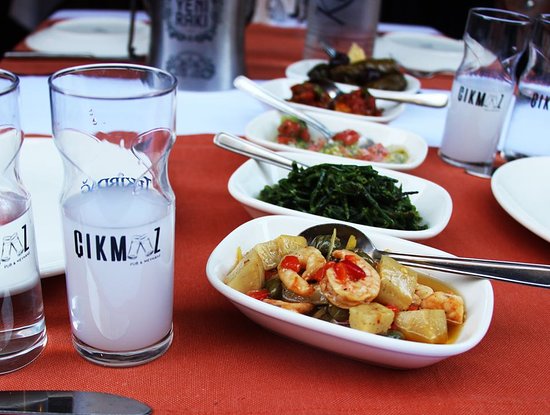
Meyhane Culture
Meyhane
A meyhane is a traditional Turkish tavern centered around rakı (anise-flavored spirit) and meze (small shared plates). Unlike dining for sustenance, meyhane culture is about slow, convivial evenings filled with conversation, music, and measured drinking. You'll order cold mezes first from a display tray, then hot dishes throughout the night. The experience is fundamentally social—going alone is culturally odd.