Turkish Coffee
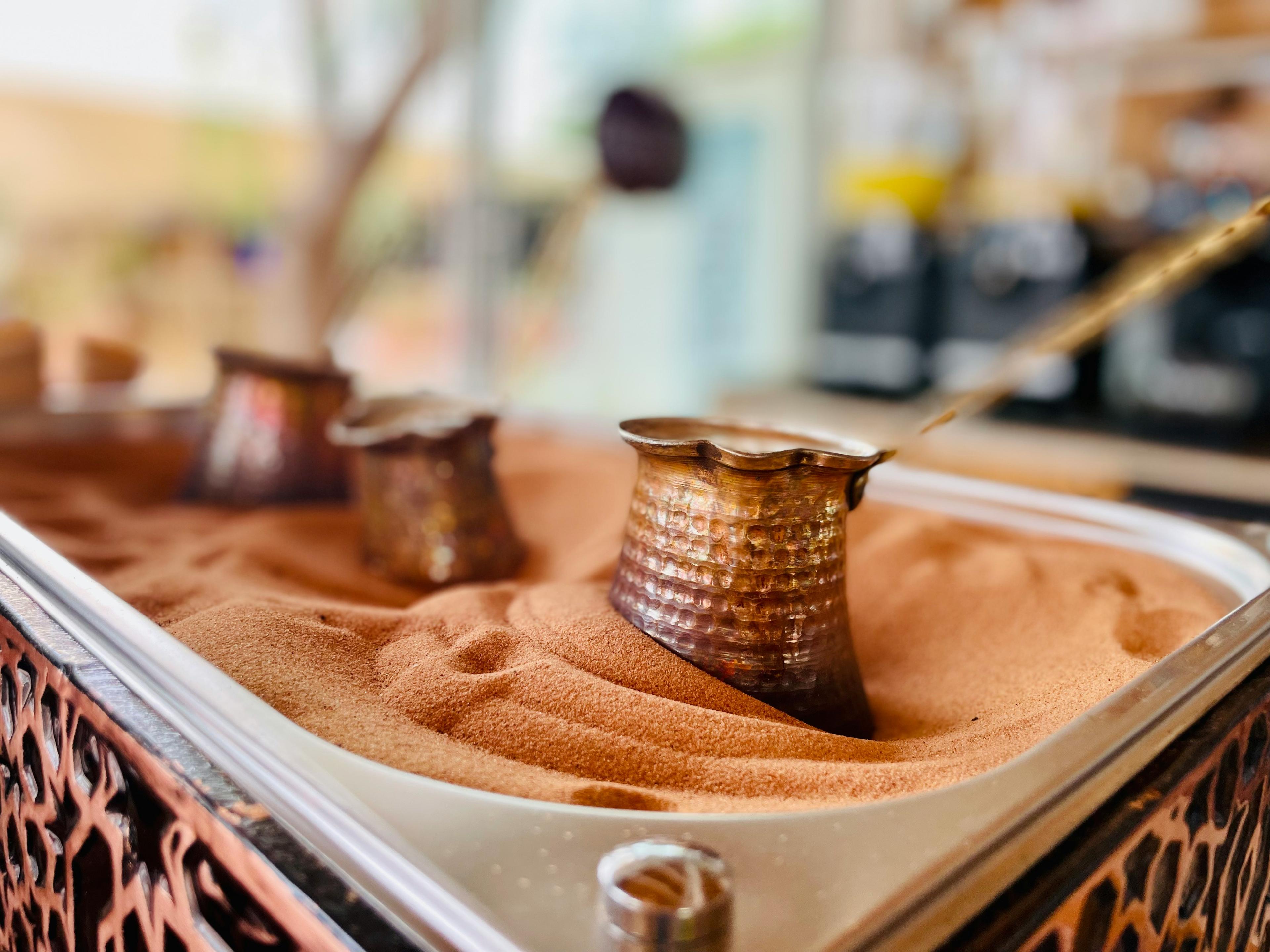
"Turkish coffee is finely ground coffee beans boiled with water (and optionally sugar) in a special pot called a cezve, then served unfiltered in a small cup. The result is thick, strong, and meant to be sipped slowly—it's a digestif and social ritual, not a caffeine delivery system. The grounds settle at the bottom and are used for fortune-telling (tasseography)."
Logistics
Affordable
Vibe
Contemplative, Traditional, Bitter
Duration
20-30 minutes
Best For
Cultural experience
The Backstory
Coffee arrived in Istanbul from Yemen in the 16th century during Suleiman the Magnificent's reign. The first coffeehouse, Kiva Han, opened in 1555 and became a hub for intellectuals, poets, and political debate—so influential that authorities periodically tried to ban them. Turkish coffee preparation was refined in Ottoman palace kitchens and spread throughout the empire. In 2013, UNESCO recognized Turkish coffee culture as Intangible Cultural Heritage, acknowledging its role in social bonding and fortune-telling traditions.
Local Secret
"Order by sweetness level: 'sade' (no sugar), 'orta' (medium sweet), or 'şekerli' (very sweet)—this must be decided before brewing. Never drink the thick sludge at the bottom—it's grounds, not part of the drink. Wait a few minutes after it's served to let grounds settle."
Gallery
You Might Also Like
Simit
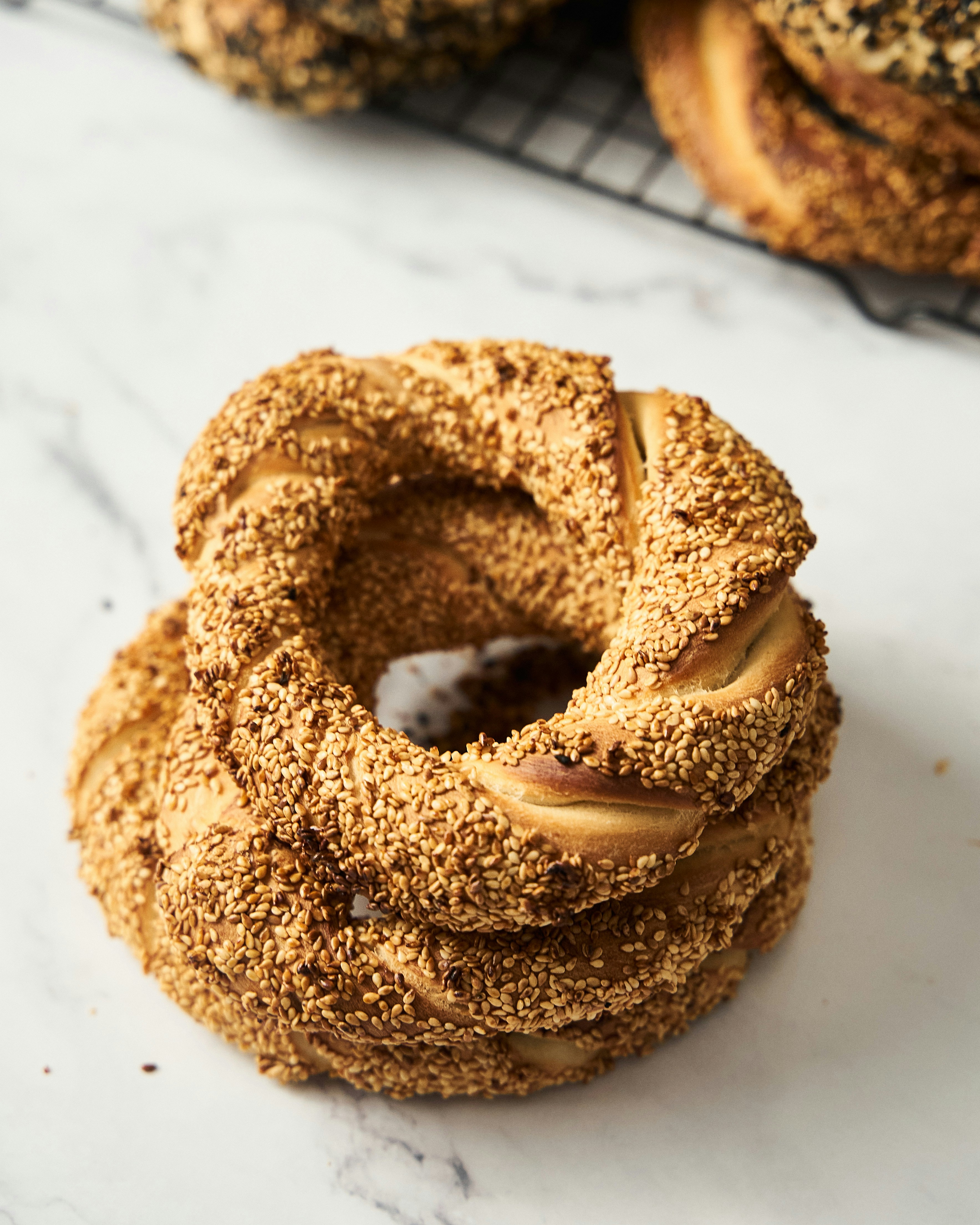
Simit is a circular sesame-encrusted bread ring, crispy on the outside and chewy inside, that serves as Istanbul's quintessential street food breakfast. Found on nearly every corner from dawn, it's traditionally eaten plain or with cheese. This ubiquitous snack is the fuel that powers the city's morning commute.
Serpme Breakfast
Serpme Kahvaltı
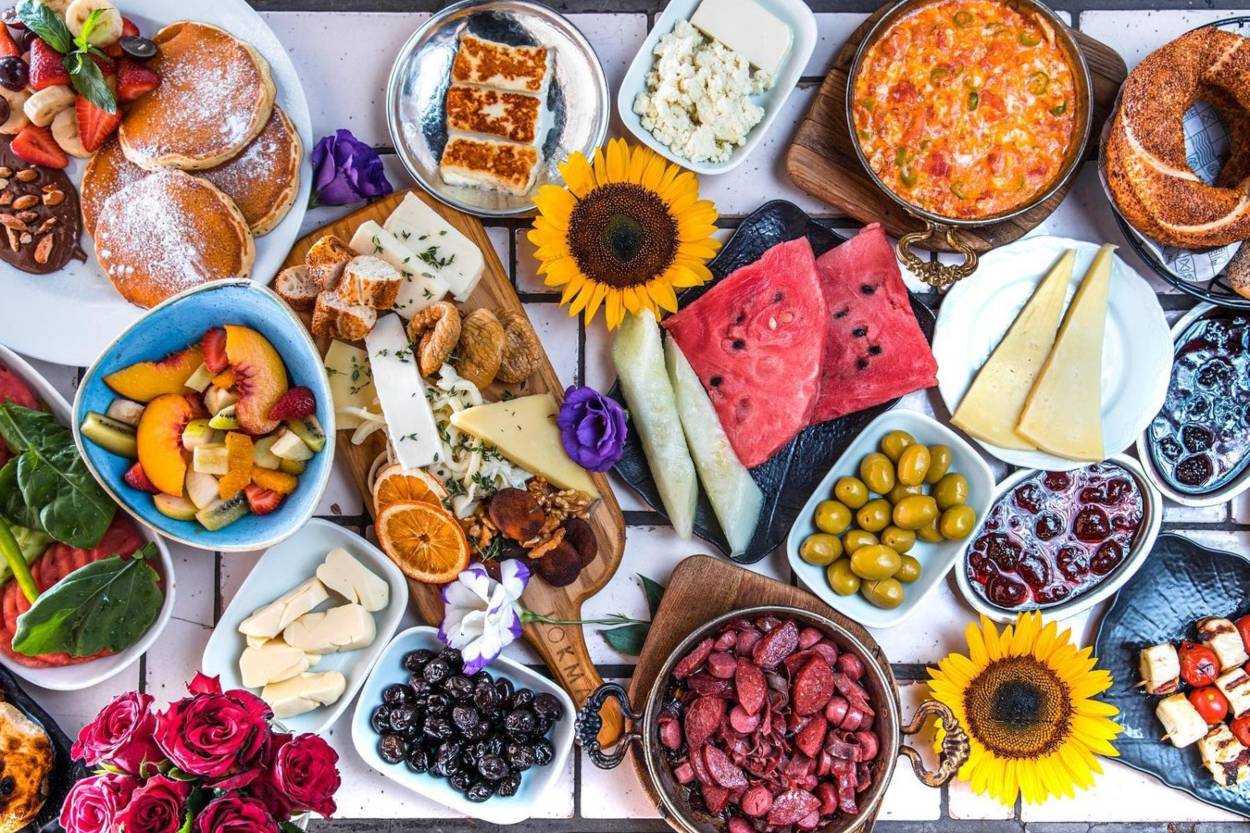
Serpme Kahvaltı is a sprawling Turkish breakfast spread featuring dozens of small plates including multiple cheeses, olives, jams, honey, eggs (often menemen—scrambled with tomatoes and peppers), fresh vegetables, and bread. The word 'serpme' means 'spread out,' reflecting the abundant, communal nature of this meal. It's designed to be leisurely, social, and substantial enough to fuel you until dinner.
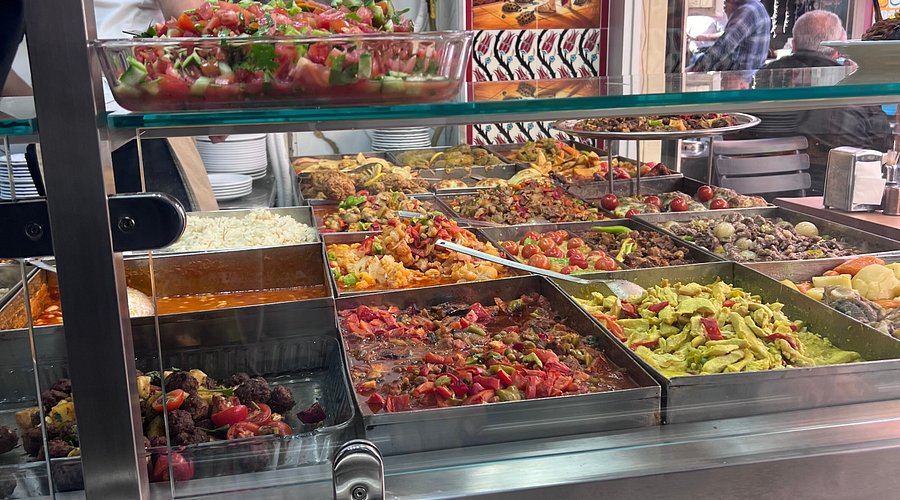
Tradesmen's Restaurant
Esnaf Lokantası
Esnaf Lokantası literally means 'tradesmen's restaurant'—no-frills, cafeteria-style eateries where you point at pre-cooked dishes displayed in steam trays. Expect home-cooked Turkish staples like stews, rice, beans (kuru fasulye), and vegetable dishes served quickly and cheaply. These are the backbone of Istanbul's working-class lunch culture, offering authentic flavors without pretension.