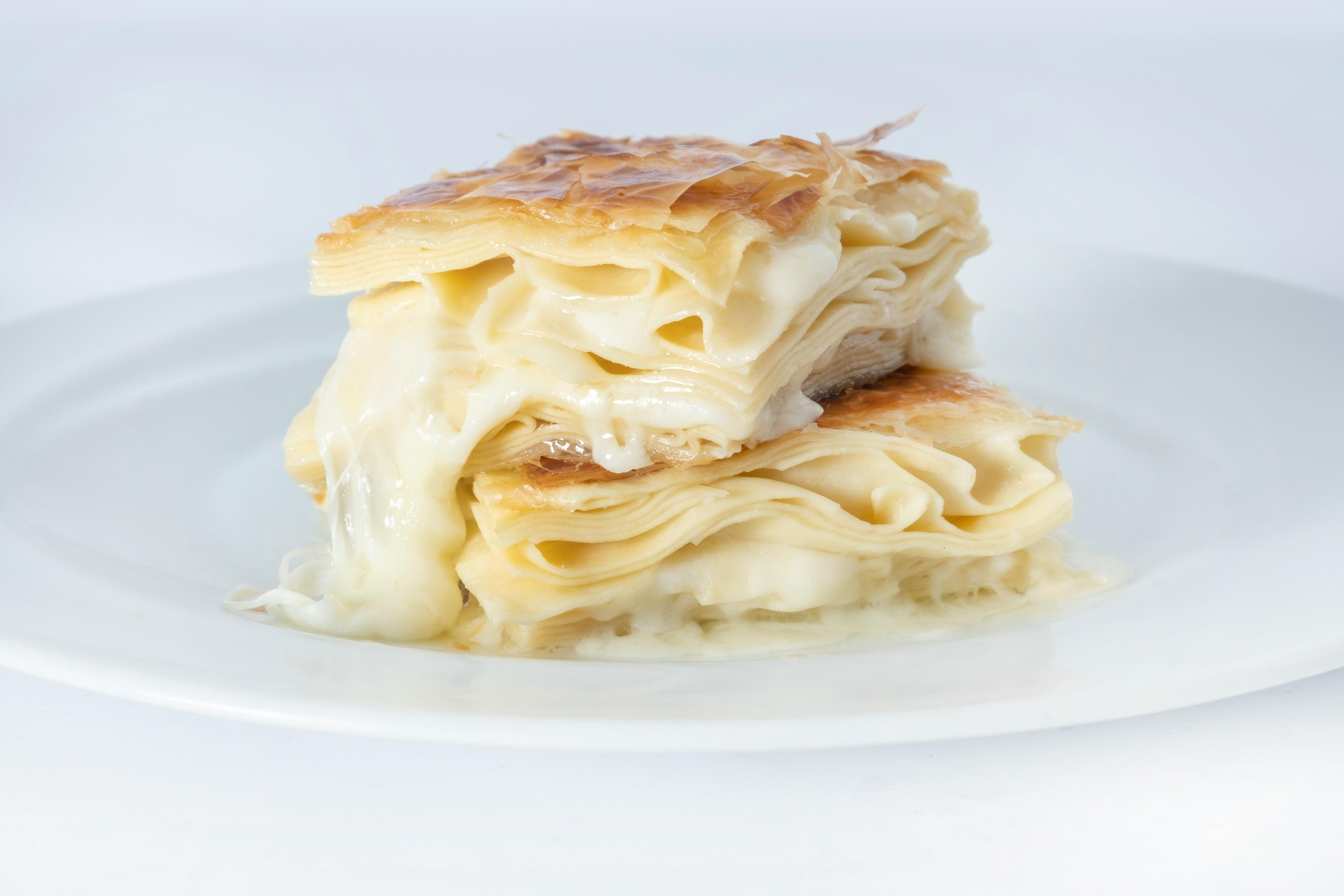
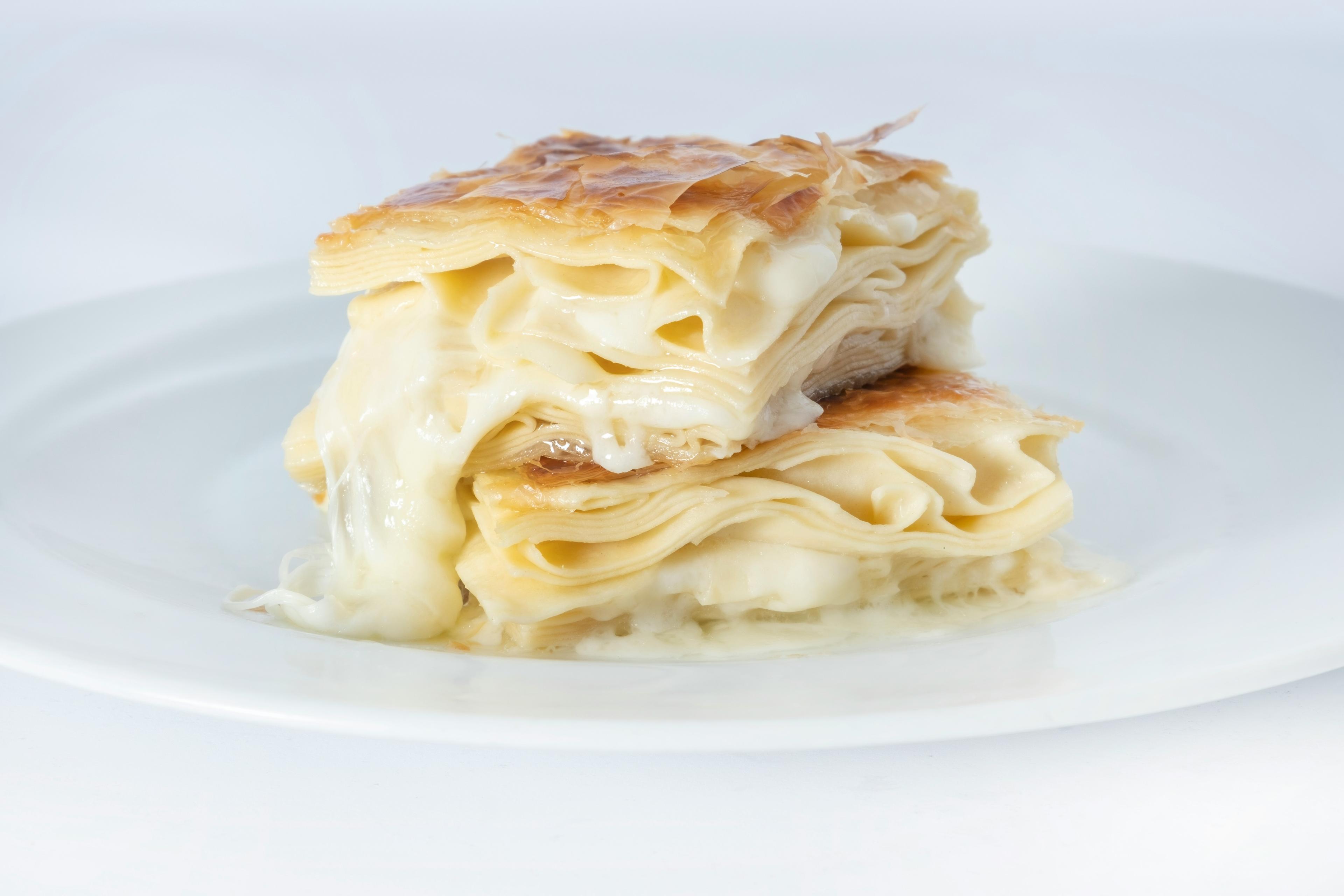
Börek
"Börek is flaky layered pastry made with thin sheets of dough (yufka) filled with cheese (peynirli), spinach (ıspanaklı), minced meat (kıymalı), or potatoes. It can be rolled (sigara böreği), layered in a pan (su böreği), or coiled (kol böreği). Eaten for breakfast or as a snack, börek is found everywhere from street carts to upscale bakeries."
Logistics
Affordable
Vibe
Comforting, Flaky, Versatile
Duration
15-20 minutes
Best For
Breakfast
The Backstory
Börek has Central Asian Turkic origins, arriving in Anatolia with nomadic tribes over 1,000 years ago. The Ottoman palace kitchens refined it into an art form with dozens of regional variations. Each Anatolian region developed its own style—Trabzon has layered Vakfıkebir böreği, while Sarıyer is famous for its cheese-filled börek. The thin yufka dough technique was traditionally a skill passed from mother to daughter, though most modern börek uses factory-made sheets.
Local Secret
"For authentic börek, avoid chain bakeries. Look for small 'börekçi' shops where grandmothers are visibly rolling dough in the window. Su böreği (the layered, cheese-filled version) should be slightly wet and soft—if it's dry, it's old. Eat it warm."
Gallery
You Might Also Like
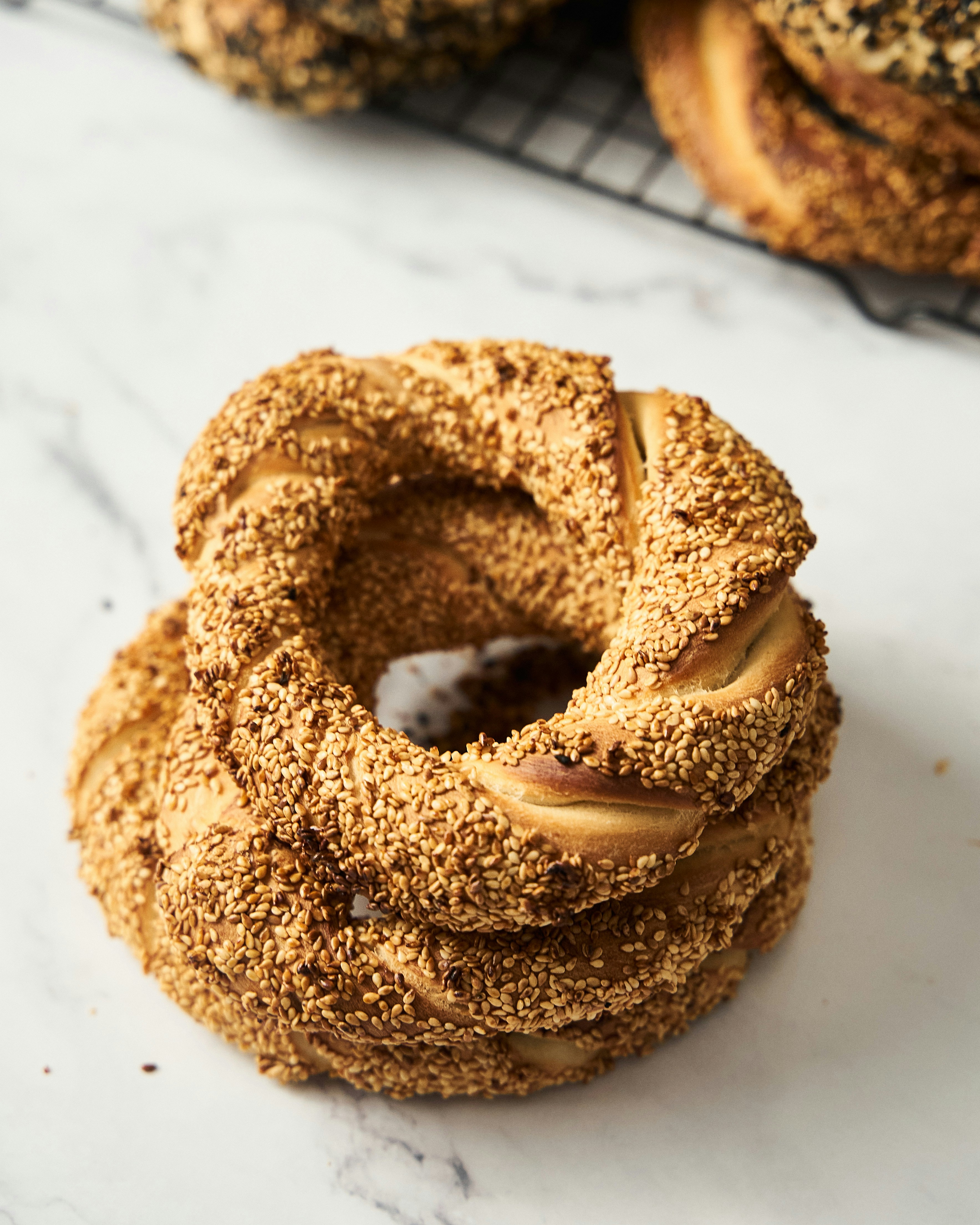
Simit
Simit is a circular sesame-encrusted bread ring, crispy on the outside and chewy inside, that serves as Istanbul's quintessential street food breakfast. Found on nearly every corner from dawn, it's traditionally eaten plain or with cheese. This ubiquitous snack is the fuel that powers the city's morning commute.
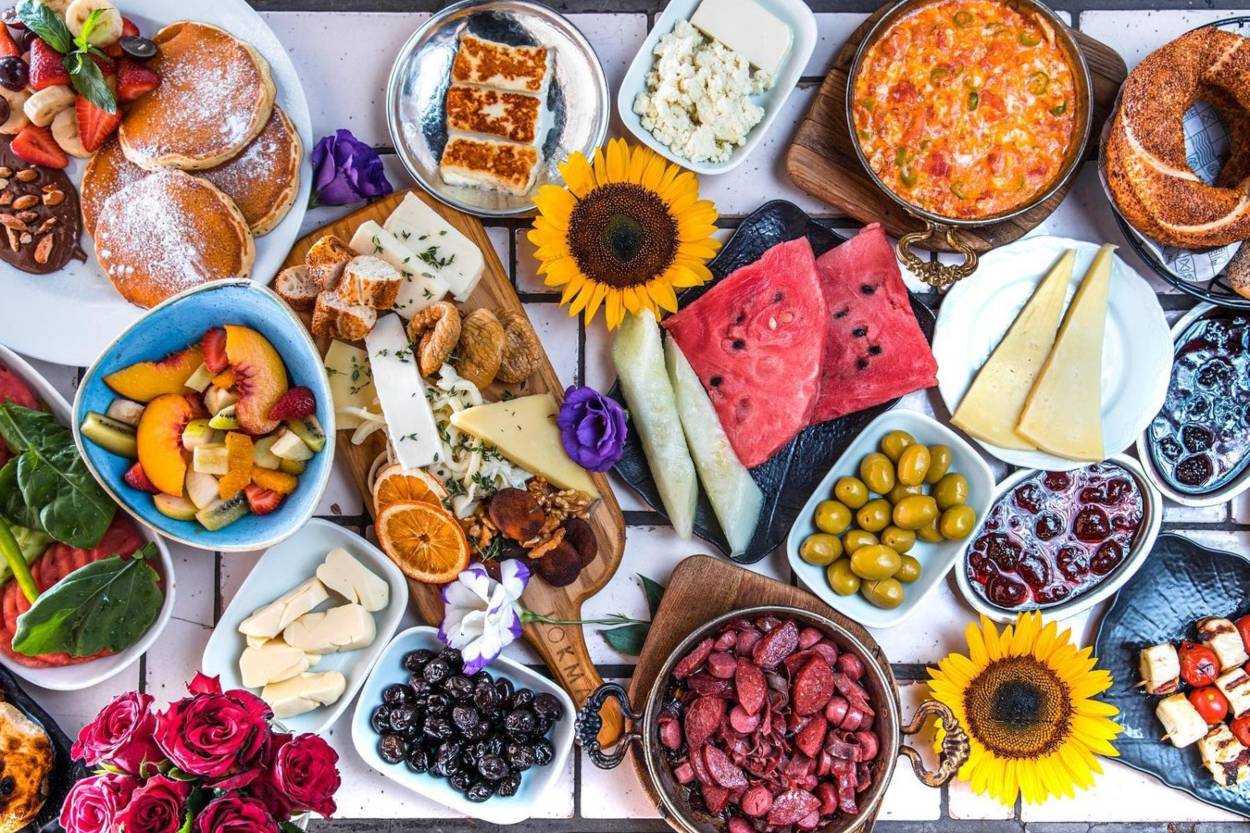
Serpme Breakfast
Serpme Kahvaltı
Serpme Kahvaltı is a sprawling Turkish breakfast spread featuring dozens of small plates including multiple cheeses, olives, jams, honey, eggs (often menemen—scrambled with tomatoes and peppers), fresh vegetables, and bread. The word 'serpme' means 'spread out,' reflecting the abundant, communal nature of this meal. It's designed to be leisurely, social, and substantial enough to fuel you until dinner.
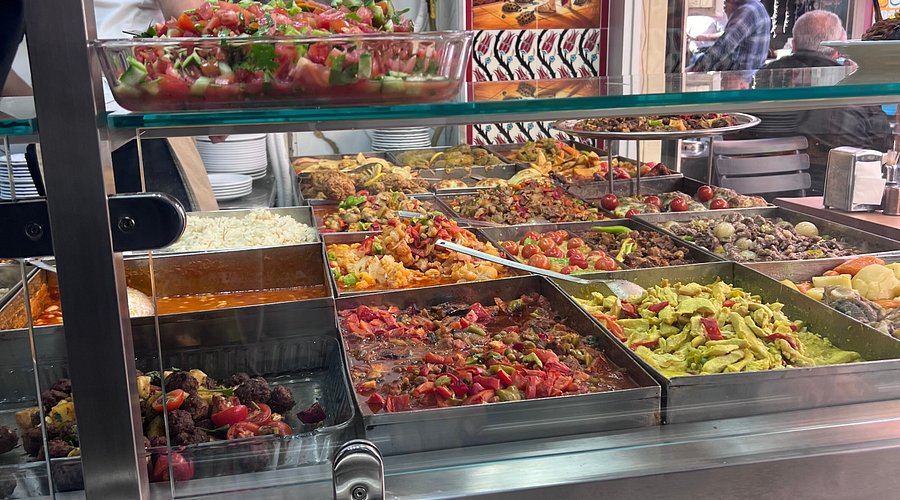
Tradesmen's Restaurant
Esnaf Lokantası
Esnaf Lokantası literally means 'tradesmen's restaurant'—no-frills, cafeteria-style eateries where you point at pre-cooked dishes displayed in steam trays. Expect home-cooked Turkish staples like stews, rice, beans (kuru fasulye), and vegetable dishes served quickly and cheaply. These are the backbone of Istanbul's working-class lunch culture, offering authentic flavors without pretension.