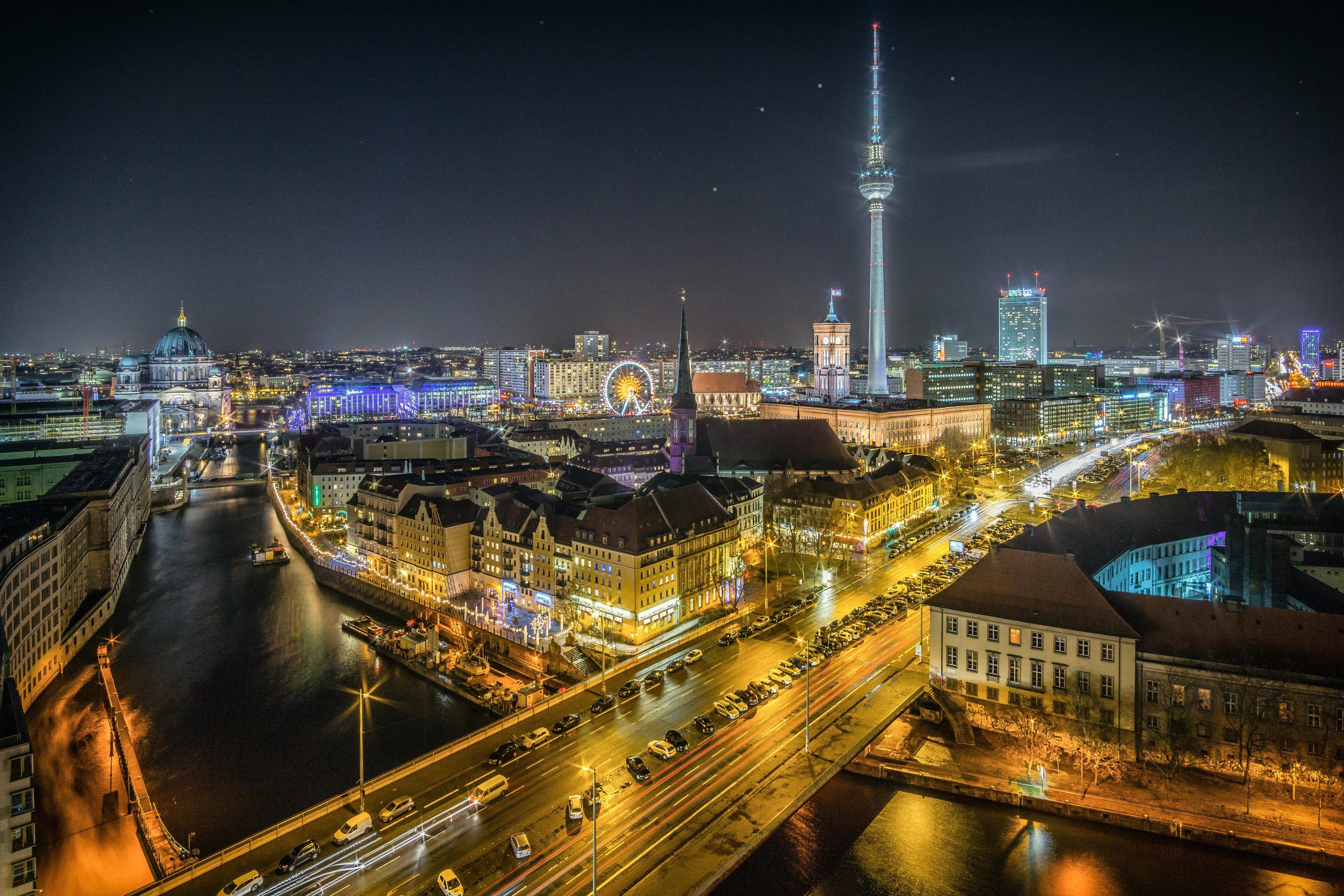
Berlin
The Capital of Cool: Where history meets counterculture and the night never ends.
View Photo GalleryEssential Info
Survival Kit
Best Time
Spring / Fall
Currency
EUR
Language
Local Language
Jan
-2°C - 3°CHeavy winter coat, boots, scarf
Fewer tourists
Short days
Feb
-1°C - 4°CWarm layers, waterproof jacket
Berlinale Film Festival
Cold snaps
Mar
2°C - 9°CLight jacket, umbrella
Days get longer
Unpredictable weather
Apr
4°C - 14°CLayers, rain jacket
Cherry blossoms
April showers
May
9°C - 19°CLight layers, sunglasses
Perfect weather
Crowds grow
Jun
12°C - 22°CSummer clothes, light jacket
Fête de la Musique
Tourist season
Jul
14°C - 25°CShorts, t-shirts, sunhat
Open-air clubs
Hot & crowded
Aug
14°C - 24°CLight summer clothes
Beach bars (Badeschiff)
Very touristy
Sep
10°C - 19°CSmart casual layers
Perfect weather
Shorter days
Oct
6°C - 13°CWarm jacket, boots
Autumn foliage
Shorter days
Nov
3°C - 7°CWarm coat, umbrella, thermals
Christmas markets start
Grey & damp
Dec
0°C - 4°CHeavy winter coat, gloves, hat
Christmas markets
Cold & dark
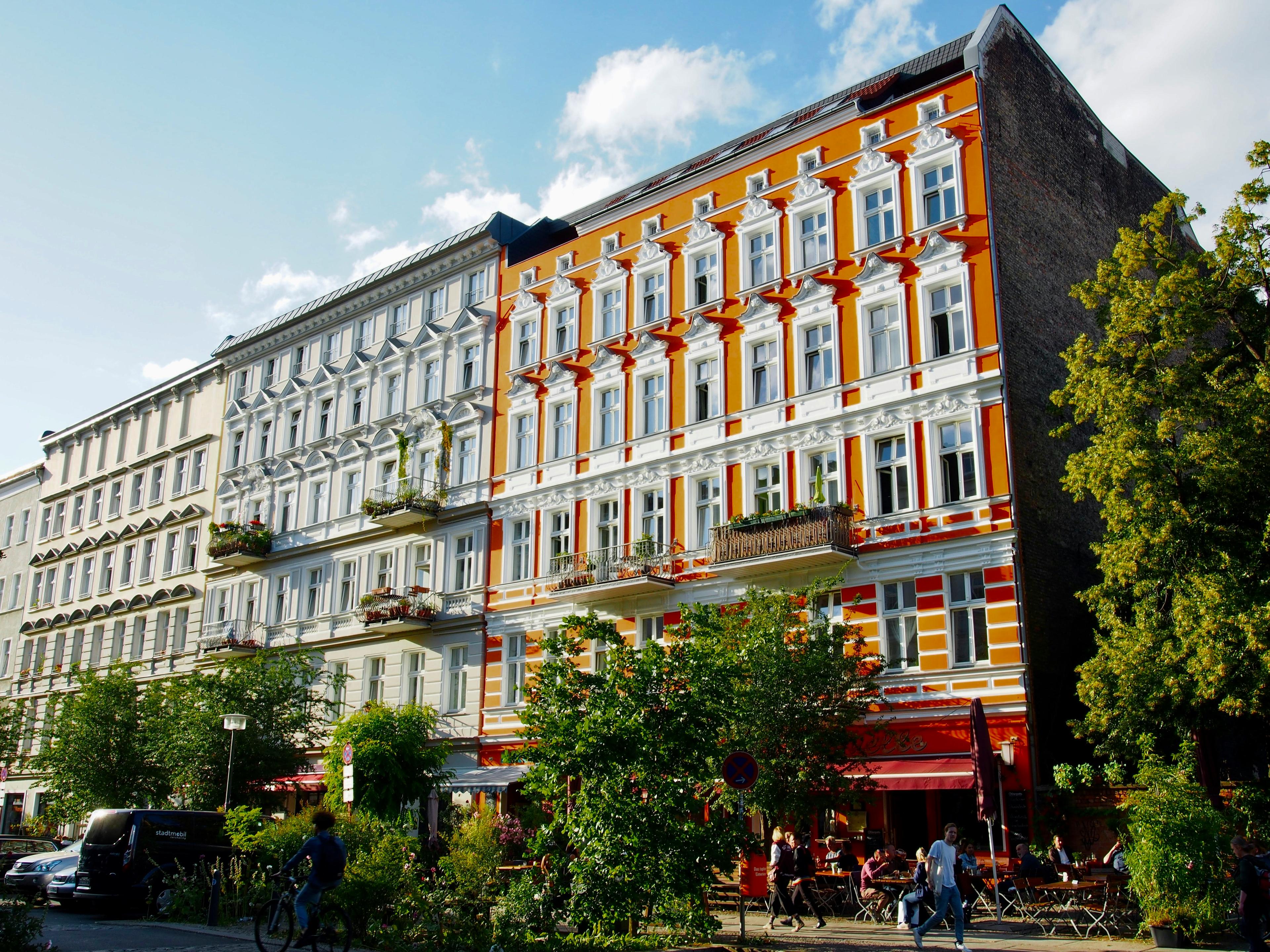
Kreuzberg
The historic heart of West Berlin's counterculture. Turkish markets, punk bars, street art, and the canal. Gritty, real, and always awake.
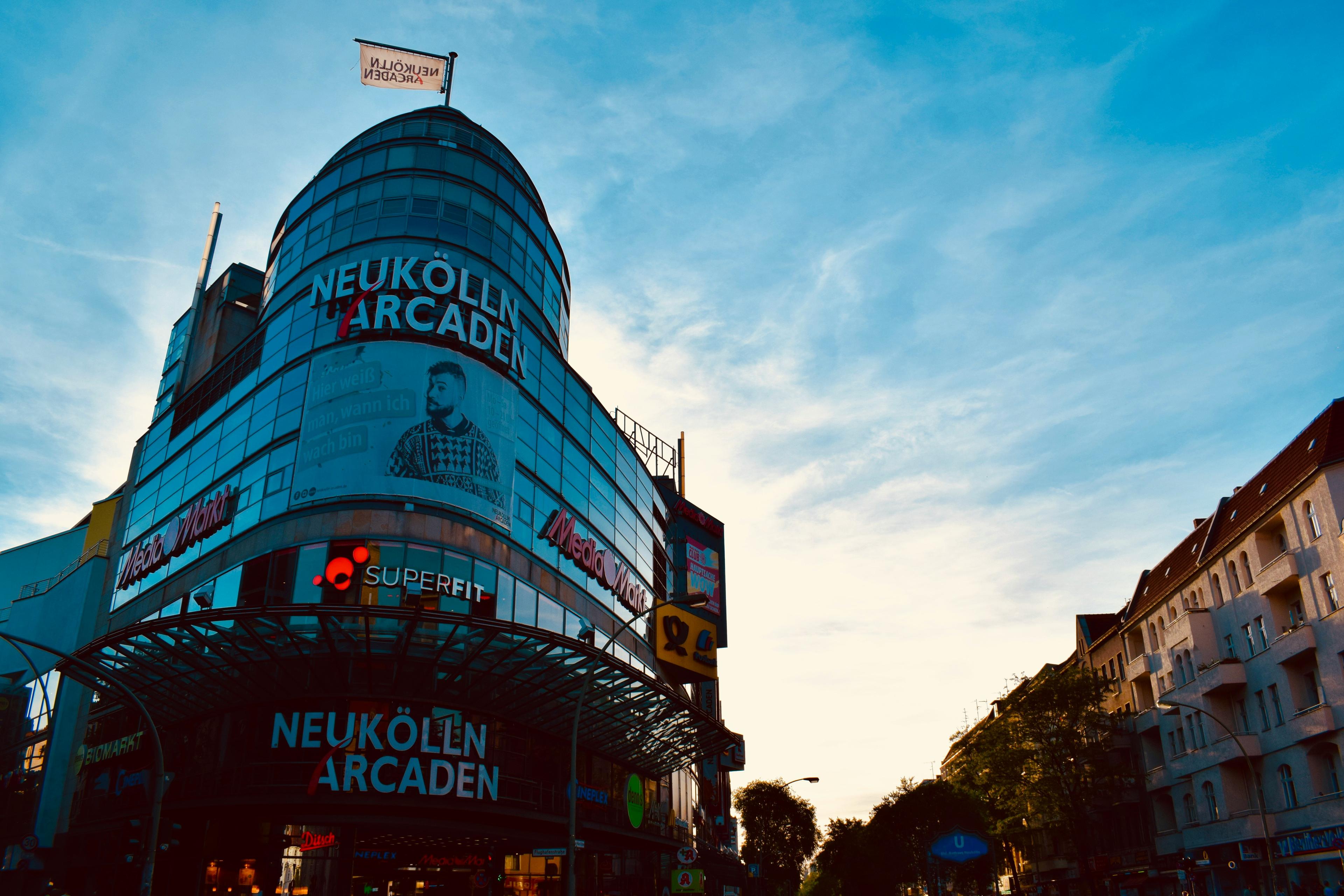
Neukölln
The current cool kid. Rough around the edges but packed with trendy vegan cafes, dive bars, and Middle Eastern food. Young, messy, and fun.
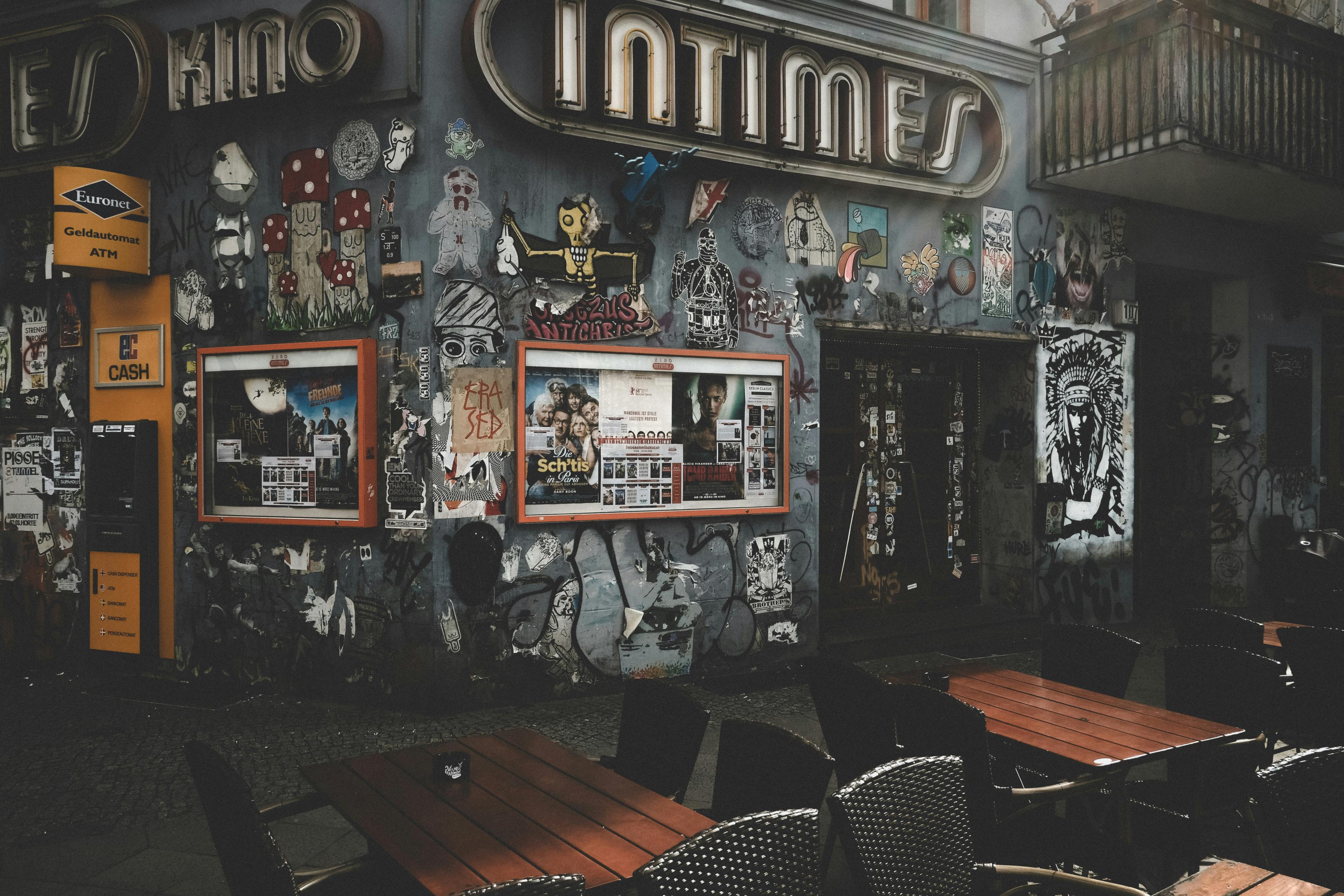
Friedrichshain
Home to the legendary Berghain and the RAW-Gelände. Industrial, graffiti-covered, and hedonistic. Where the weekend never ends.
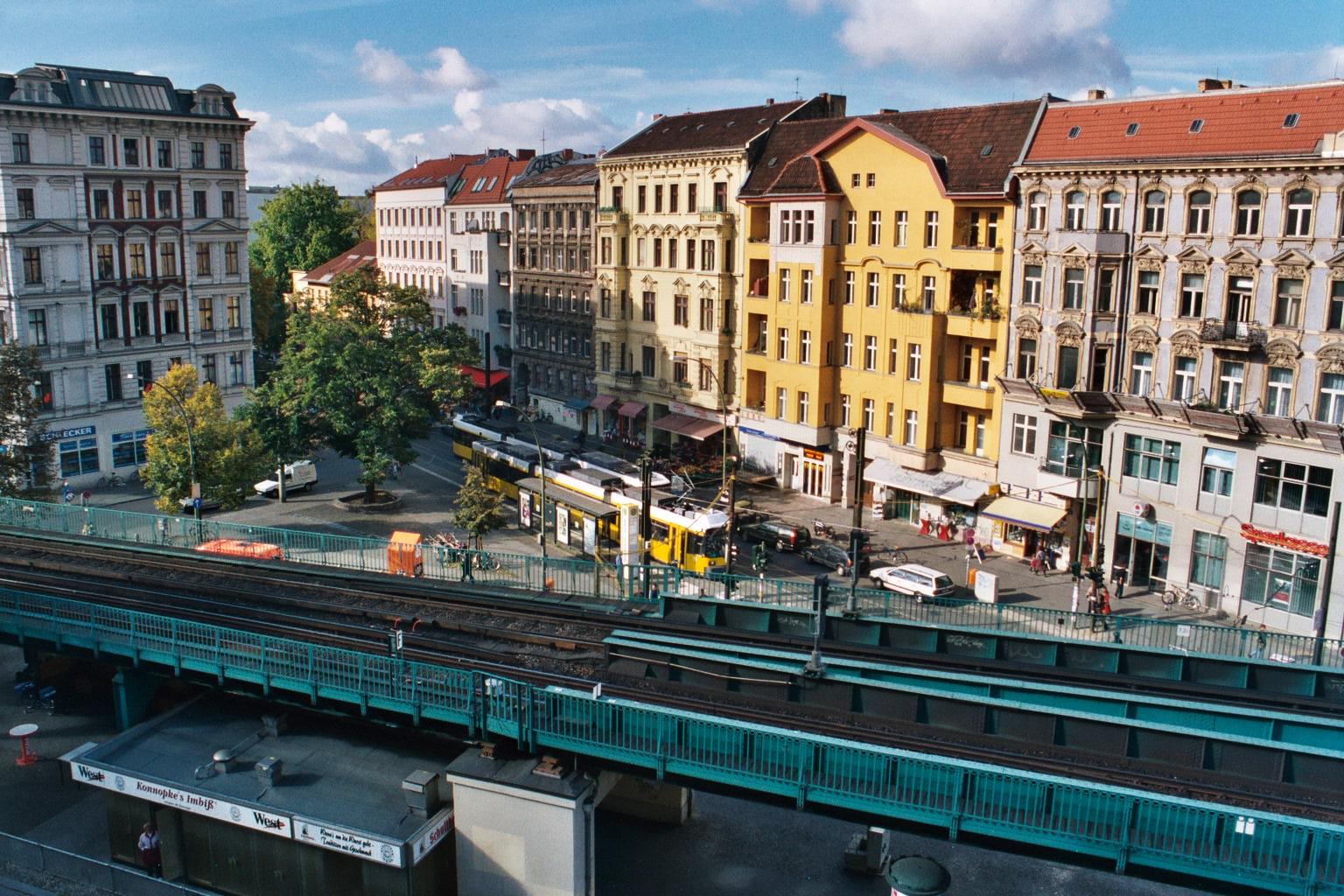
Prenzlauer Berg
A sharp contrast to the grit. Beautifully restored pre-war buildings, organic ice cream, and strollers. It is calm, wealthy, and family-oriented.
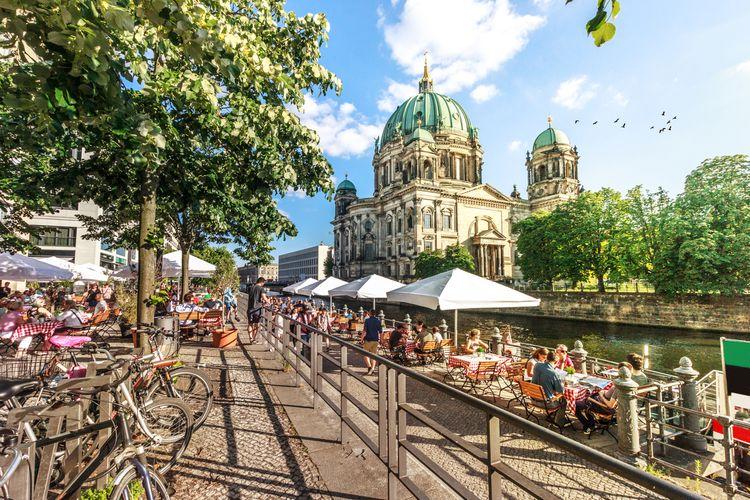
Mitte
Berlin's polished center. Museums, landmarks, and upscale shopping. Touristy, but essential for the 'Checklist' sights.
Dos & Don'ts
- Cash Anxiety is Real: 'Nur Bar' (Cash Only) is common even in trendy restaurants. Cards are randomly refused. ATMs run out of money on Saturday nights. Always carry €50 in cash.
- Silence is Respect: Berliners value privacy. No small talk in elevators, quiet on the train, and no fake smiles. A neutral face is not hostility, it is respect for your space.
- Rules are Sacred: You wait for the green light (Ampelmann), even at 3am on an empty street. Jaywalking is socially judged. Rules are the social contract that holds the chaos together.
- Sunday Reality: Sunday is for 'Ruhe' (rest). Shops, supermarkets, and pharmacies are closed. No drilling, no loud music, no glass recycling. The city shuts down.
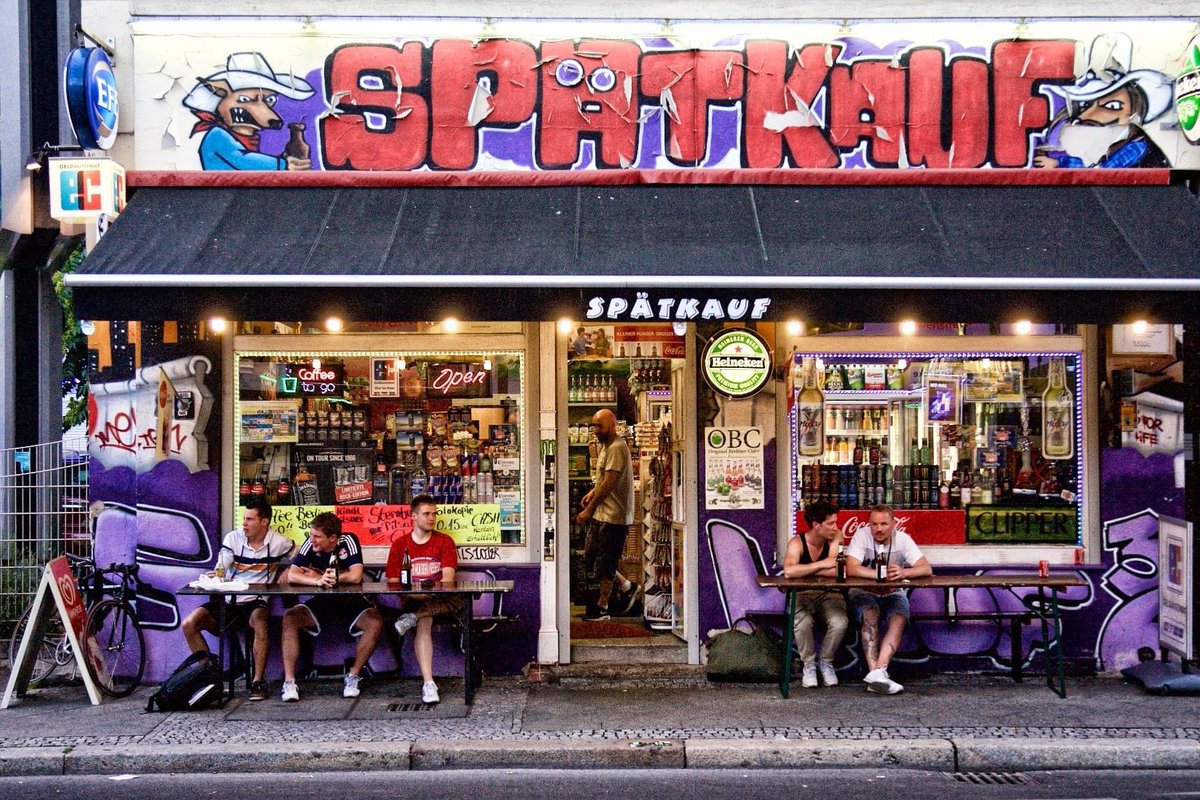
- The Späti Culture: The 'Späti' (late-night corner store) is the center of social life. Grab a beer (€1.50) and sit on the bench outside. It is the Berlin way.
- Club Protocol: No photos. Ever. Sticker your camera. Dress casually (black helps), know the DJ, and don't be drunk in line. The queue is serious business; cutting will get you banned.
- Ticket Validation: There are no turnstiles, but plainclothes inspectors are ruthless. You MUST stamp your ticket in the little machine before boarding. Fine is €60.
- Pfand System: Don't crush cans/bottles. They are worth €0.25. Leave them next to bins for collectors if you don't return them yourself.
Key Phrases
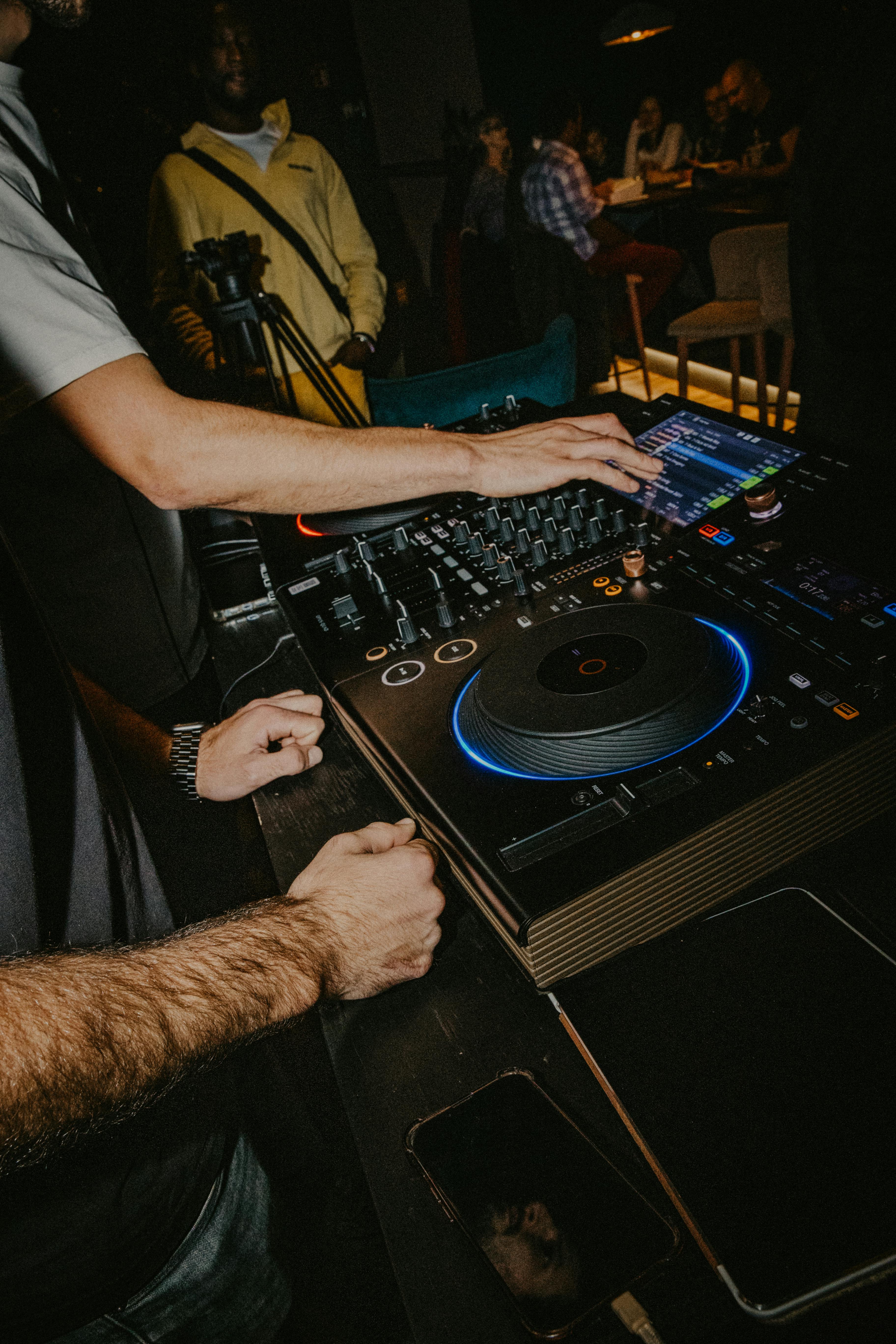
Club Culture
Techno
Berlin's club culture is legendary and unique: industrial warehouses converted into dark, cavernous spaces with world-class sound systems, strict 'no photo' policies, and door policies that reject based on vibes. Clubs like Berghain, Tresor, and Sisyphos operate Friday-Monday non-stop (48-72 hours). It's not about being seen—it's about disappearing into music, freedom, and hedonism. The experience is intense, inclusive, and life-changing for electronic music fans.
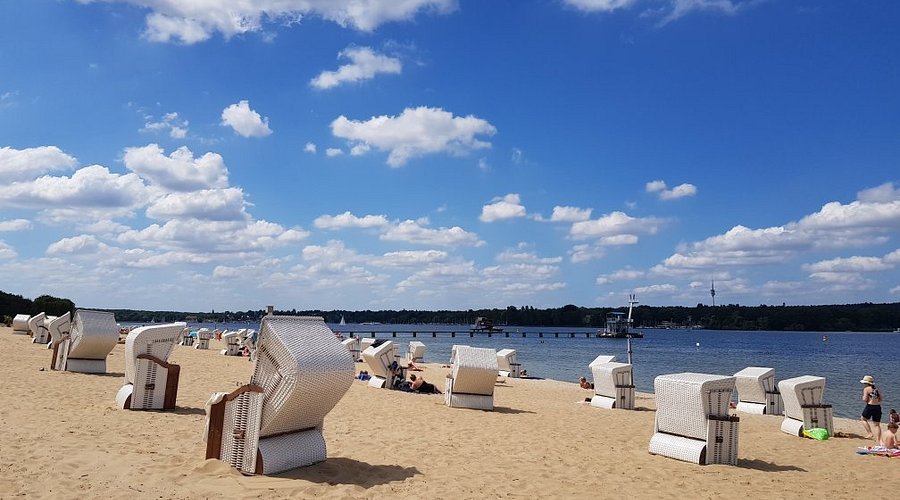
The Lakes (Badeseen)
Badesee
In summer, Berliners flee to the city's lakes (Badeseen)—Wannsee, Müggelsee, Schlachtensee, Plötzensee—for swimming, sunbathing, and grilling. These are natural lakes within city limits, surrounded by forests and beaches. FKK (Freikörperkultur—public nudity) is common, non-sexual, and culturally accepted at designated sections. It's pure nature, surprisingly clean water, and a stark contrast to urban Berlin. Locals bring beer, portable grills, and spend entire Sundays lakeside.
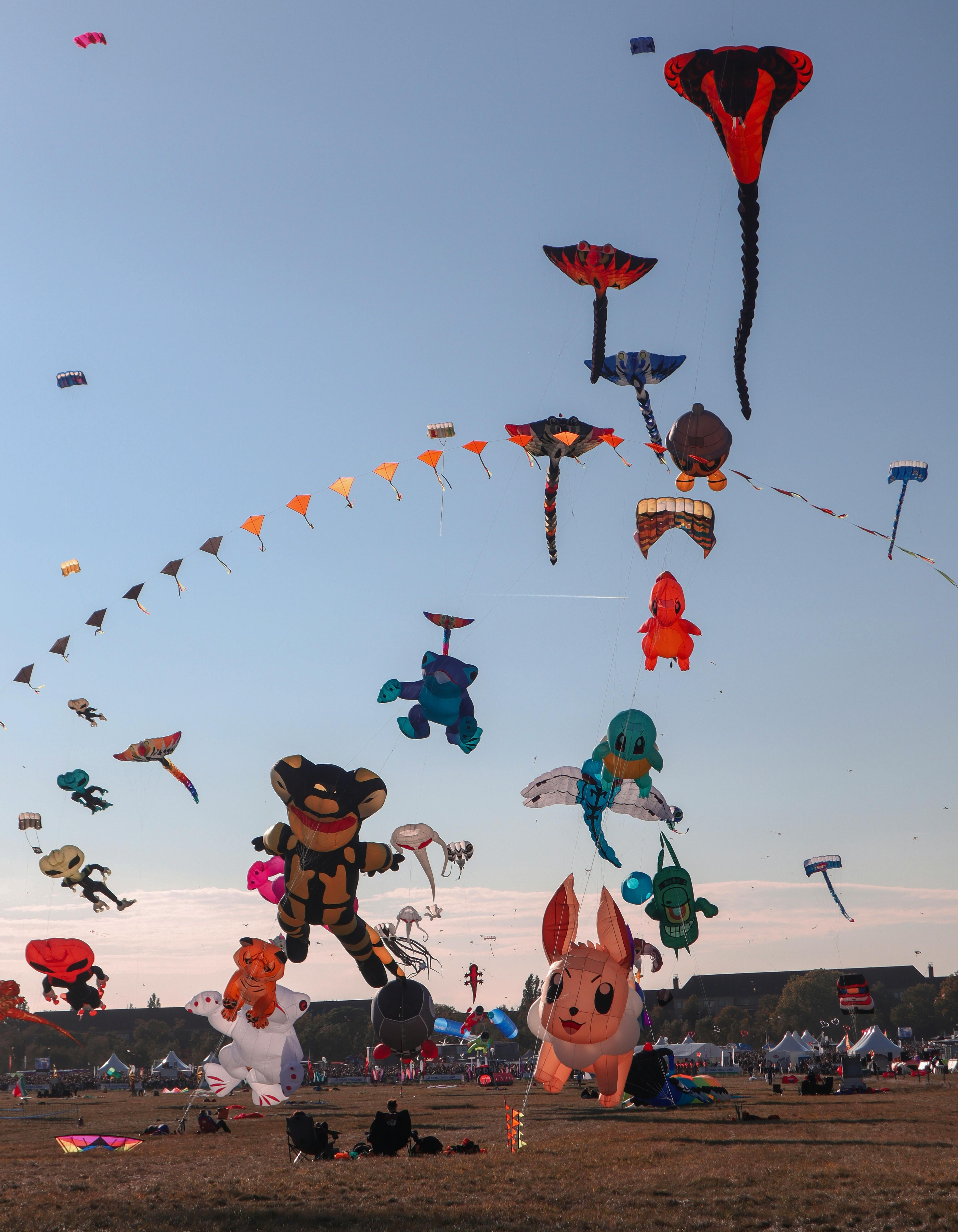
Tempelhofer Feld
Tempelhofer Feld is a decommissioned airport turned into a massive 900-acre public park—the ultimate symbol of Berlin's freedom and transformation. The former runways are now used for skating, cycling, kiteboarding, grilling, and urban gardening. It's wide-open, flat, and surreal—you can see the entire city skyline. Locals voted in 2014 to keep it undeveloped, rejecting luxury housing plans. It's pure Berlin: reclaiming history for public space.
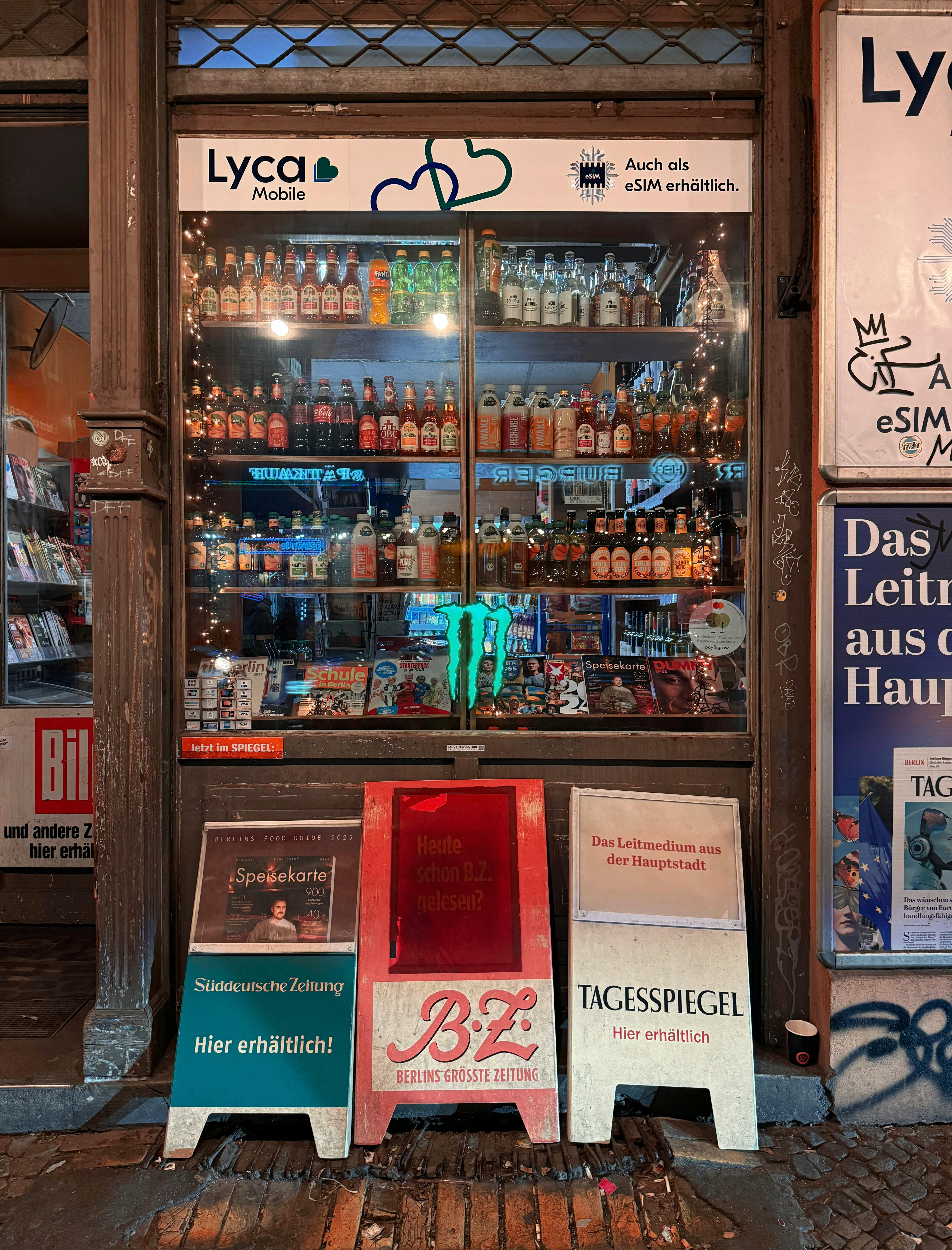
Späti Culture
Spätkauf
Späti culture is quintessential Berlin: skip the expensive bar, buy a €1.50 beer from a late-night corner store (Spätkauf/Späti), and sit on the bench outside watching the city go by. It's where neighbors gather, strangers become friends, and Berlin's social fabric lives. Spätis are open late (until 2am+), making them essential infrastructure for nightlife and community. It's democratic, cheap, and real.
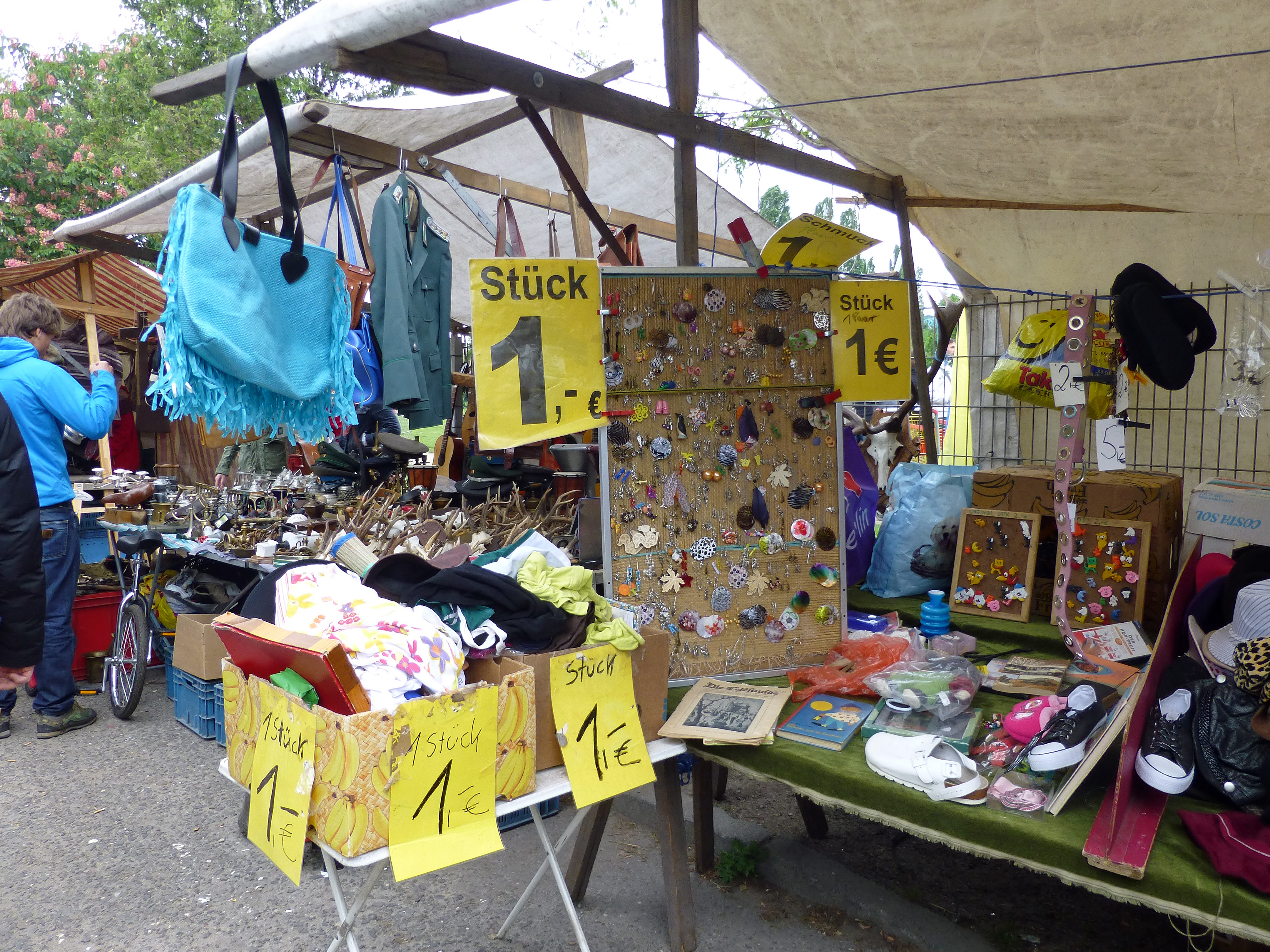
Mauerpark Sunday Market
Mauerpark Flohmarkt
Mauerpark on Sundays is a Berlin ritual: a massive flea market with vintage clothes, records, art, and junk, followed by the legendary 'Bearpit Karaoke' where thousands gather to cheer strangers belting out songs in an amphitheater. It's chaotic, loud, joyful, and uniquely Berlin. The park sits on the former Berlin Wall border strip ('Mauer' means wall). Come for the market, stay for the karaoke spectacle.
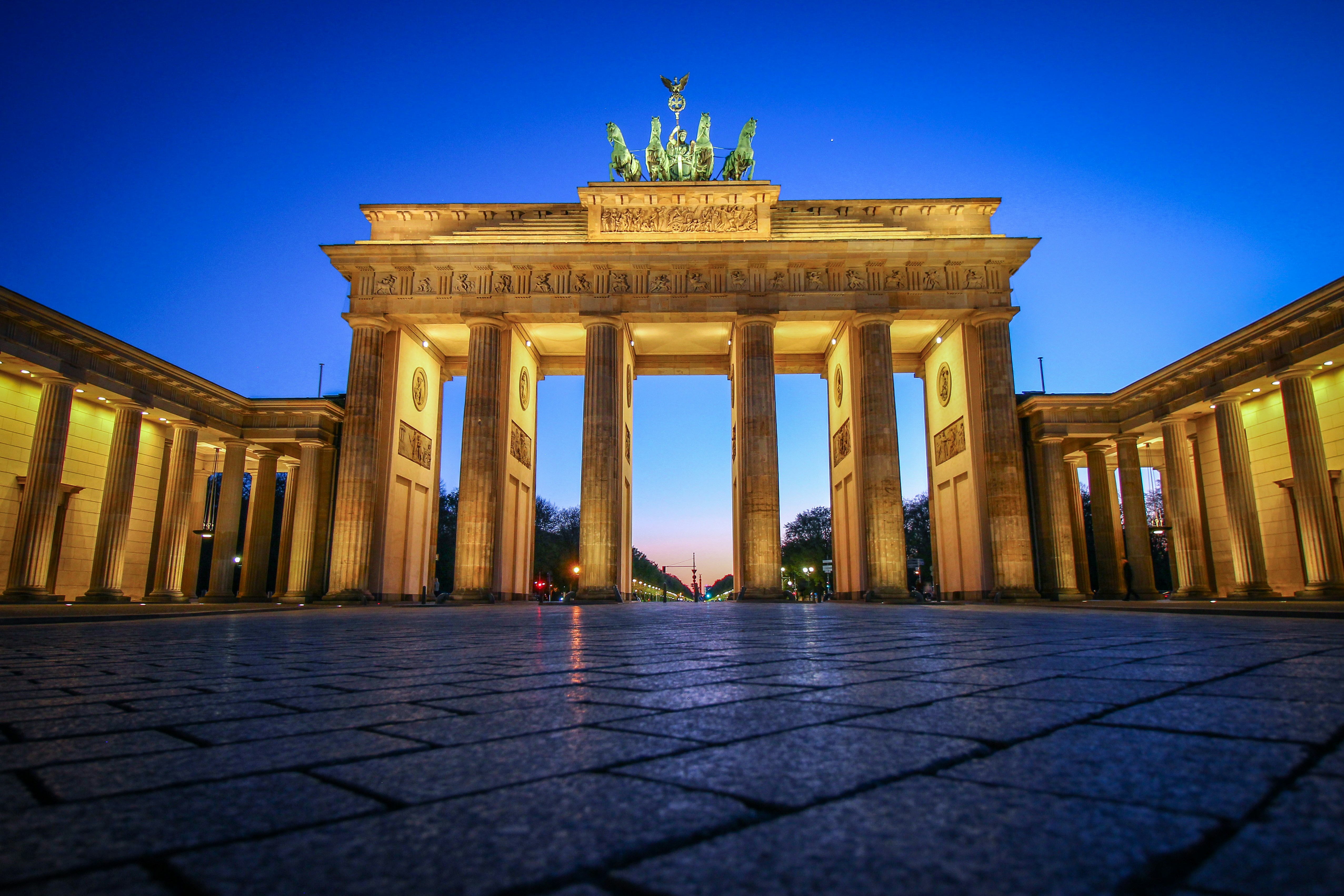
Brandenburg Gate
Brandenburger Tor
The Brandenburg Gate is Berlin's most iconic monument, a neoclassical 18th-century triumphal arch that became the symbol of German reunification. Built in 1791, it stood in the no-man's-land during the Berlin Wall era, inaccessible to both sides. When the Wall fell on November 9, 1989, over 100,000 people gathered here to celebrate. The gate's Quadriga (chariot sculpture) was stolen by Napoleon in 1806 and returned in 1814. It's beautiful at night when crowds thin.
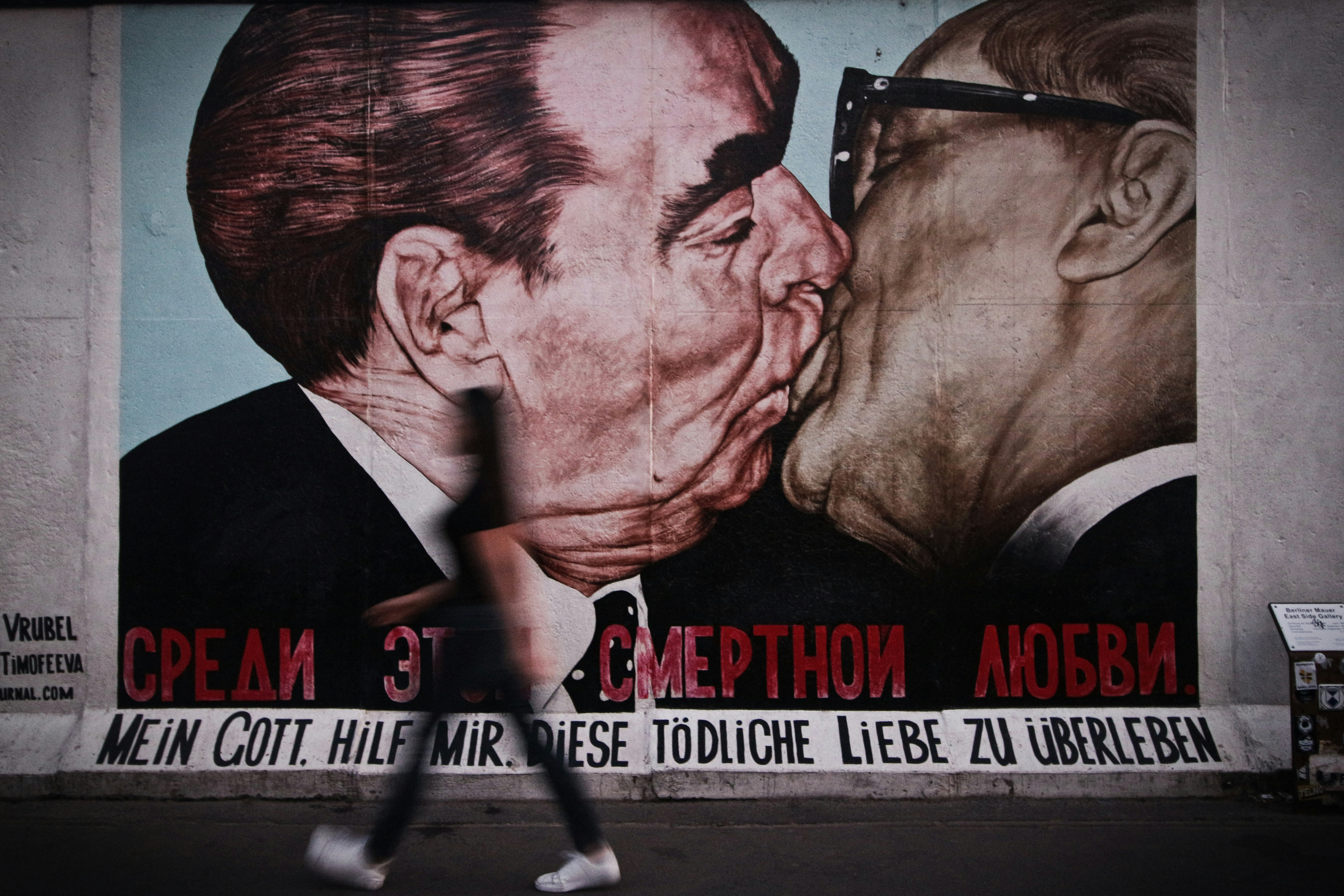
East Side Gallery
The East Side Gallery is the longest remaining stretch of the Berlin Wall (1.3 km), transformed into an open-air gallery with 105 murals painted by artists from around the world in 1990. The iconic 'Fraternal Kiss' (Brezhnev kissing Honecker) and 'Trabant breaking through the Wall' are here. It's powerful, free, and exposed to the elements—some murals are fading. The Wall stood 1961-1989, dividing the city for 28 years.
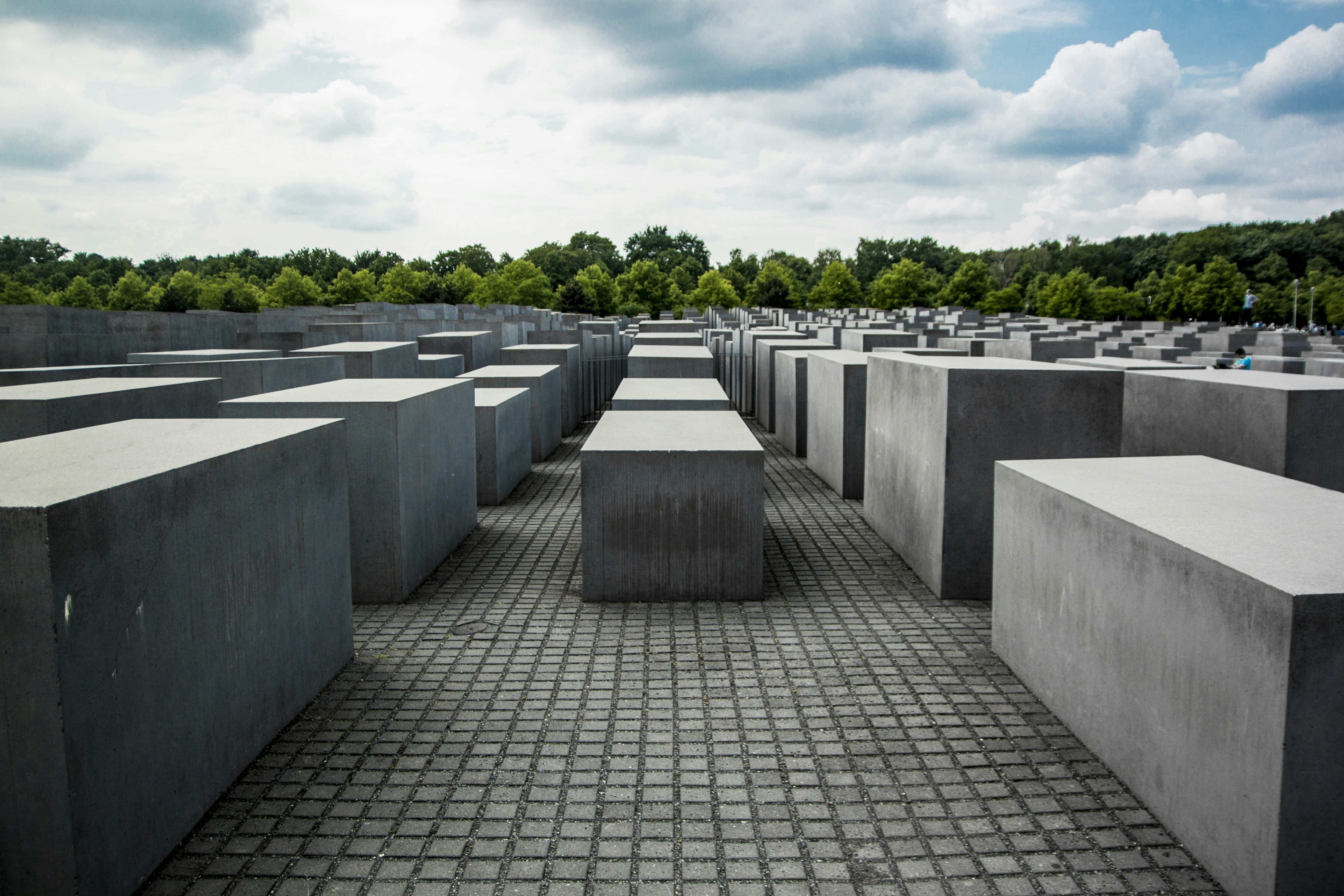
Holocaust Memorial
Denkmal für die ermordeten Juden
The Holocaust Memorial (Memorial to the Murdered Jews of Europe) is a haunting field of 2,711 concrete slabs (stelae) of varying heights arranged in a grid. Walking into the center is disorienting—the ground undulates, the slabs tower overhead, and you lose sight of others. It's intentionally overwhelming and claustrophobic. The underground information center documents Holocaust victims. The memorial opened in 2005 after decades of debate. Remain respectful—no climbing, no selfies on the blocks.
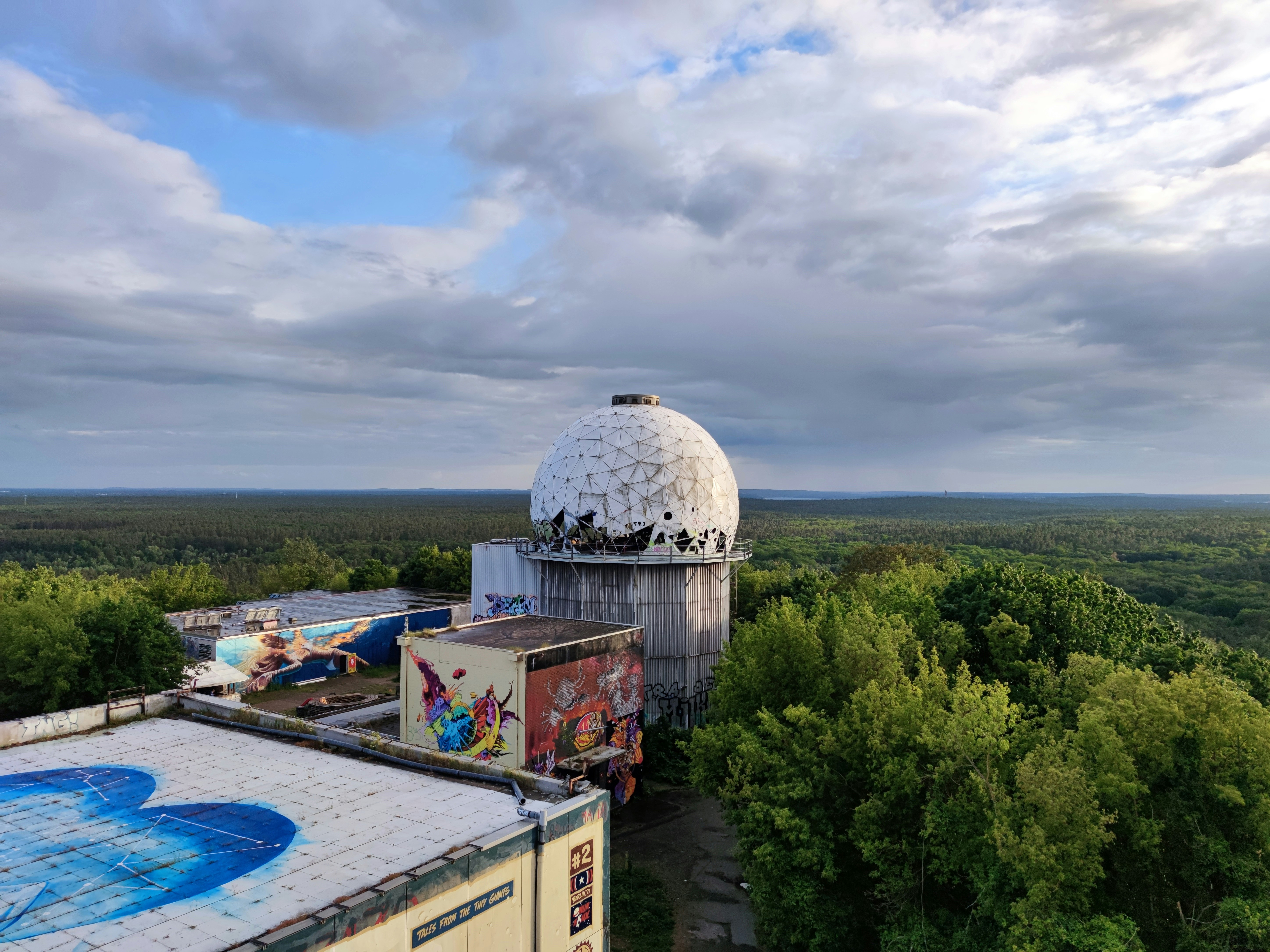
Teufelsberg (Spy Station)
Teufelsberg
Teufelsberg ('Devil's Mountain') is an abandoned Cold War NSA listening station atop a man-made hill built from 25 million cubic meters of WWII rubble. During the Cold War, the US and UK used massive radomes (golf ball-shaped structures) to intercept Soviet communications. Abandoned after reunification, it's now covered in graffiti and offers incredible 360° views of Berlin. You can explore the ruins on guided tours. It's surreal, eerie, and uniquely Berlin.
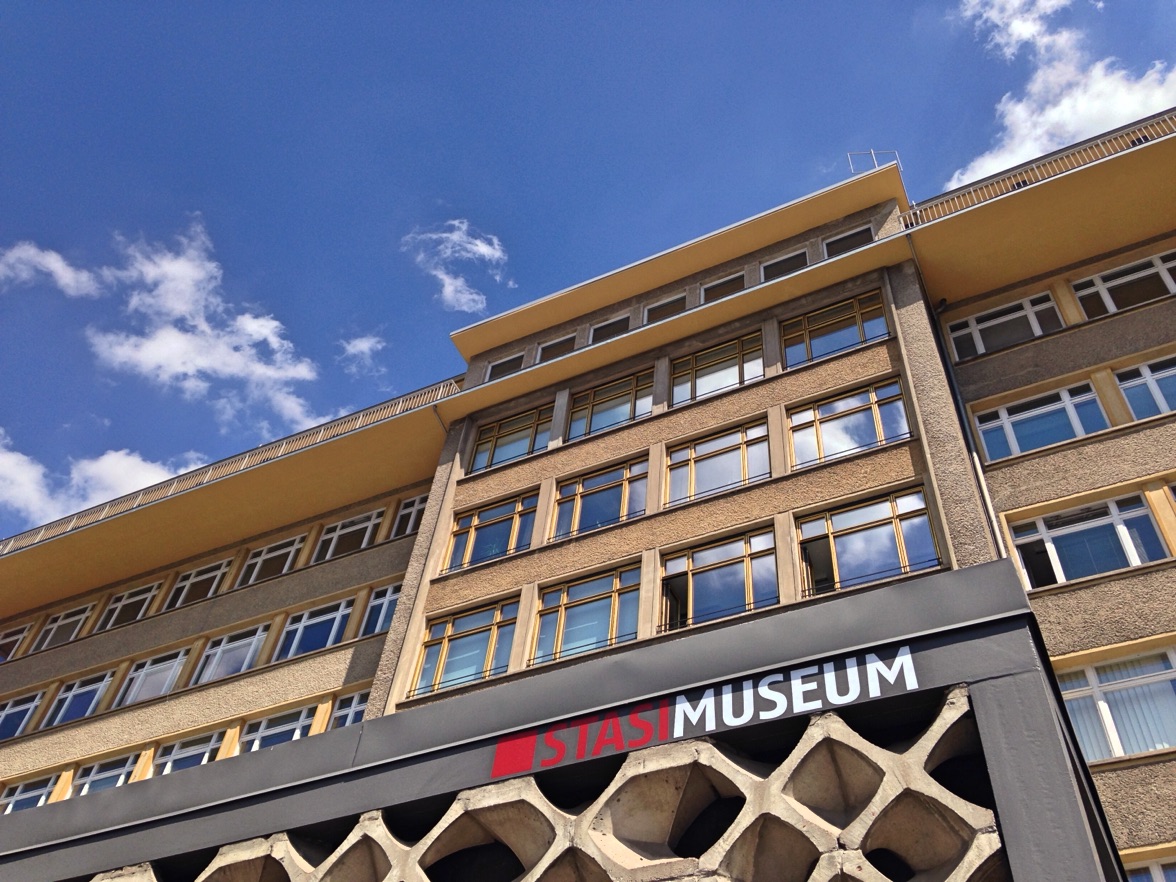
Stasi Museum
Stasimuseum
The Stasi Museum is located in the former headquarters of East Germany's secret police (Stasi), one of history's most effective surveillance states. The museum preserves the office of Erich Mielke (Stasi chief 1957-1989) and displays the terrifying surveillance technology used to monitor 6 million citizens: hidden cameras, mail-opening equipment, smell jars (to track people by scent). It's chilling, educational, and essential for understanding East German totalitarianism.
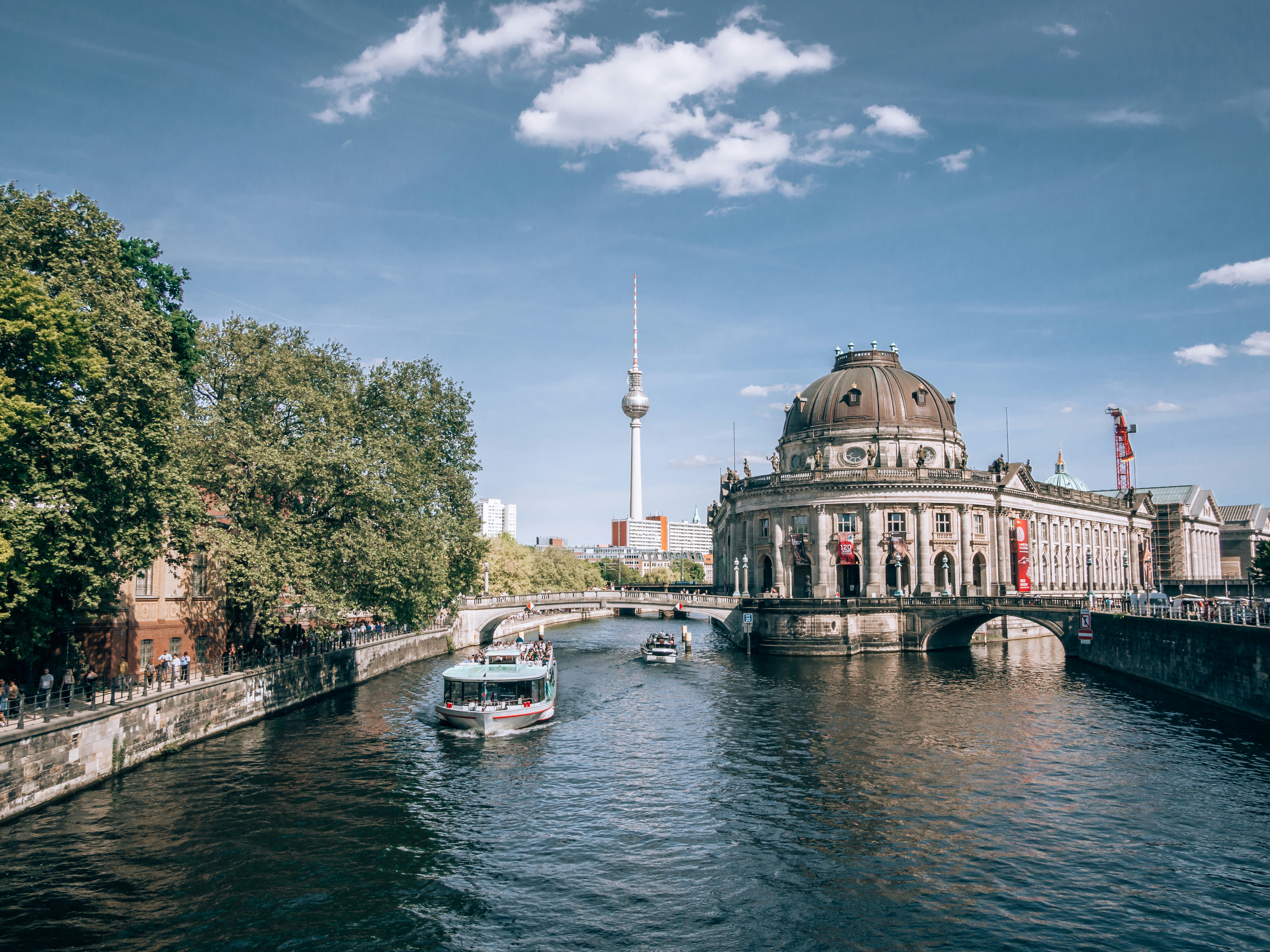
Museum Island
Museumsinsel
Museum Island is a UNESCO World Heritage site containing five world-renowned museums on a small island in the Spree River: Pergamon Museum (ancient Middle Eastern art—partially closed for renovation until 2027), Neues Museum (Egyptian Museum with Nefertiti bust), Altes Museum (Greek/Roman antiquities), Alte Nationalgalerie (19th-century European art), and Bode Museum (Byzantine art). It's overwhelming—each museum deserves 2-3 hours. Buy a day pass to visit multiple.
🎒Travel Essentials for Berlin
Curated gear recommended by locals to make your trip smoother.
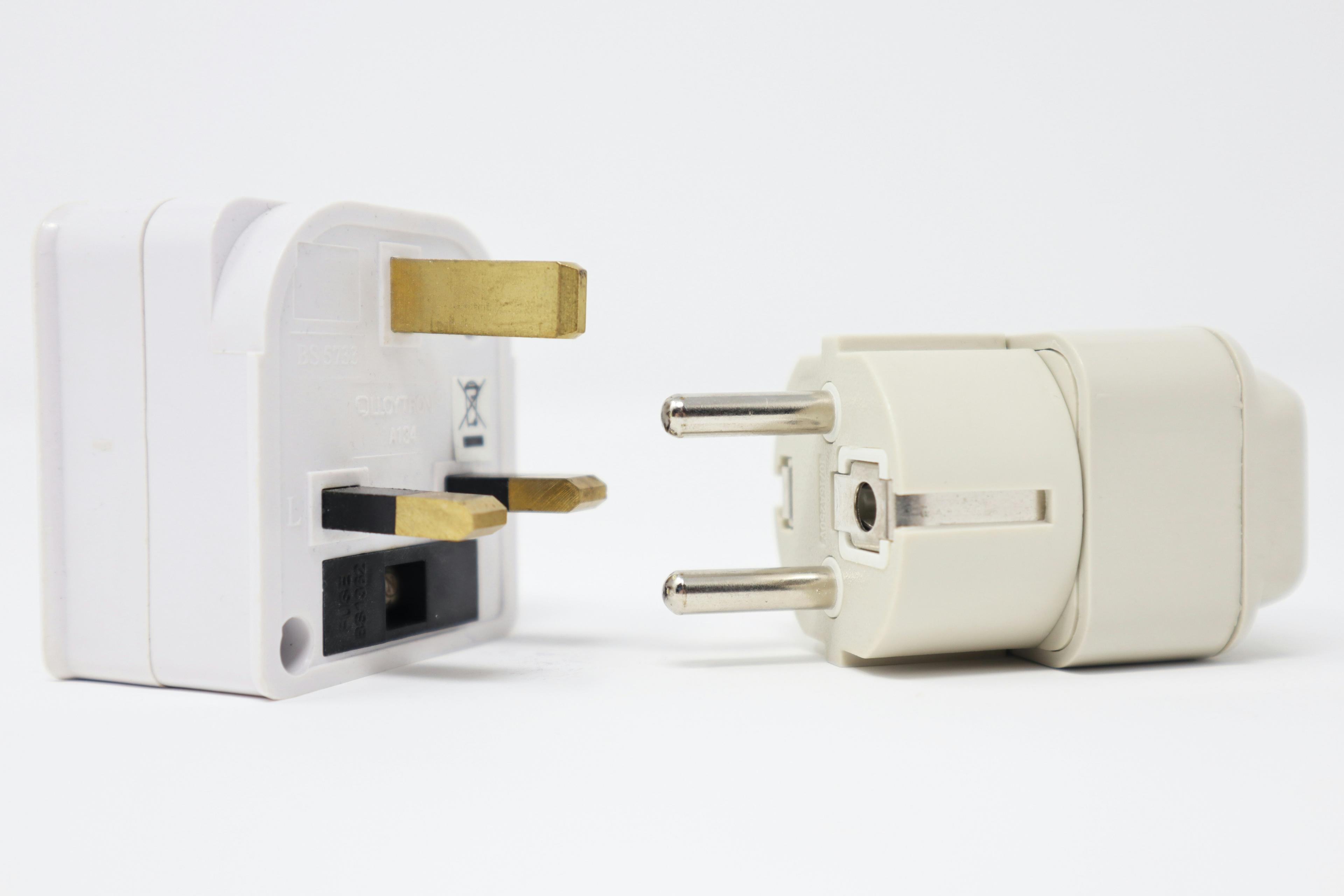
European Travel Adapter (Type F)
Why you need it:German plugs are Type F (two round pins). Essential for charging your devices.
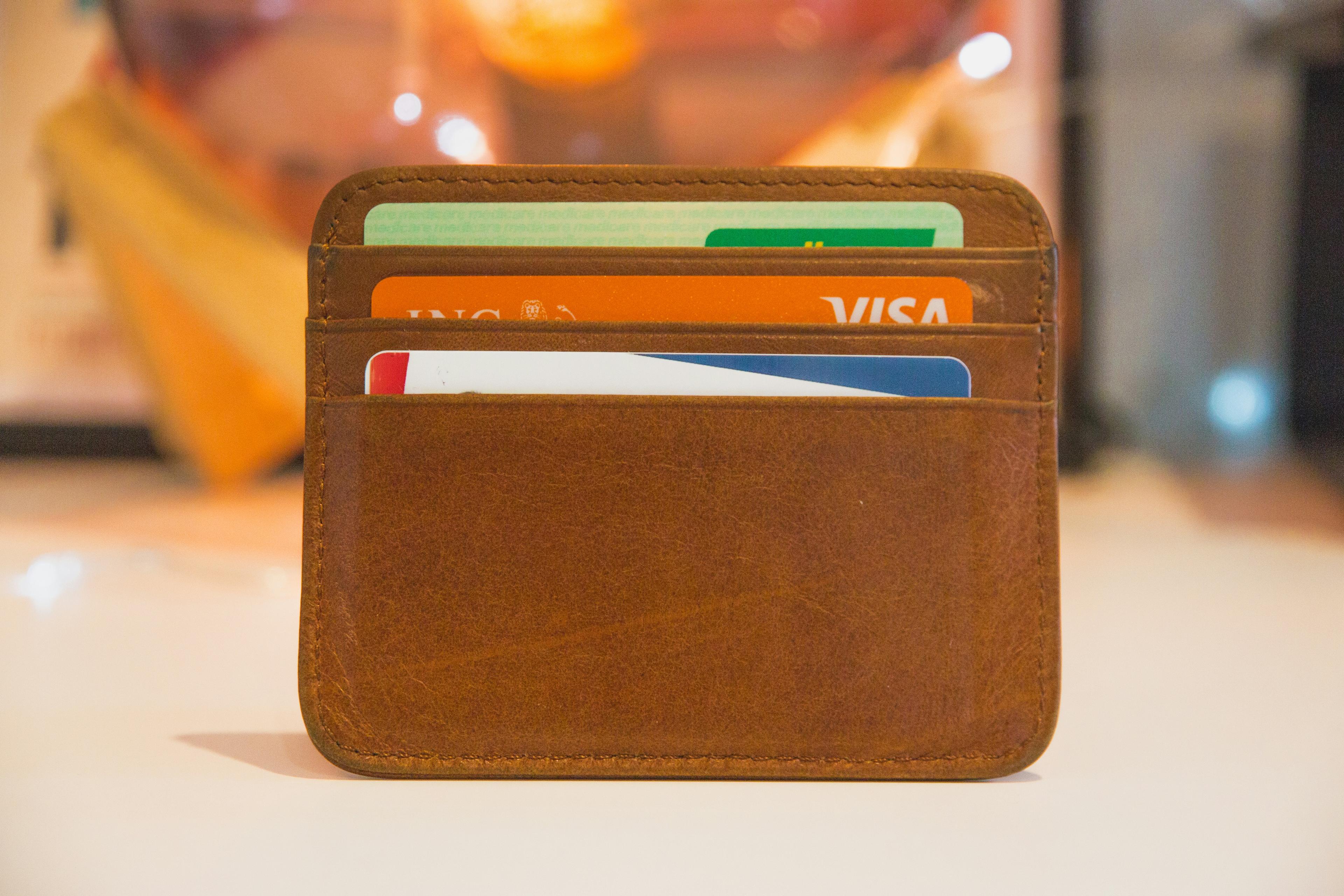
Cash Wallet
Why you need it:Berlin is a cash city. You will need a wallet that can hold coins and bills comfortably.
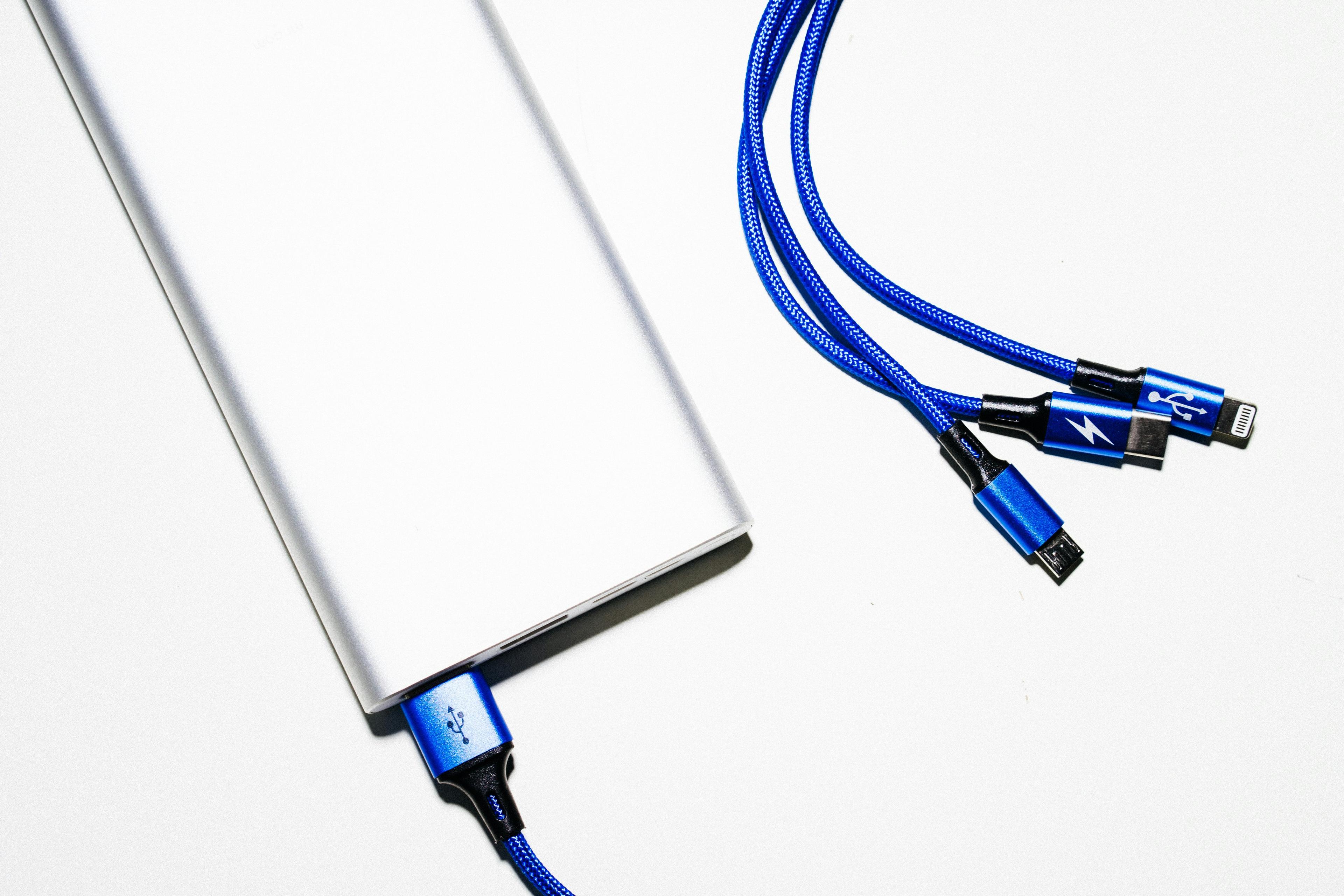
Portable Charger
Why you need it:Long nights out and navigating the U-Bahn drain batteries fast. Stay connected.
As an Amazon Associate, we earn from qualifying purchases.•Prices and availability subject to change.•Smart routing detects your region for the best shopping experience.
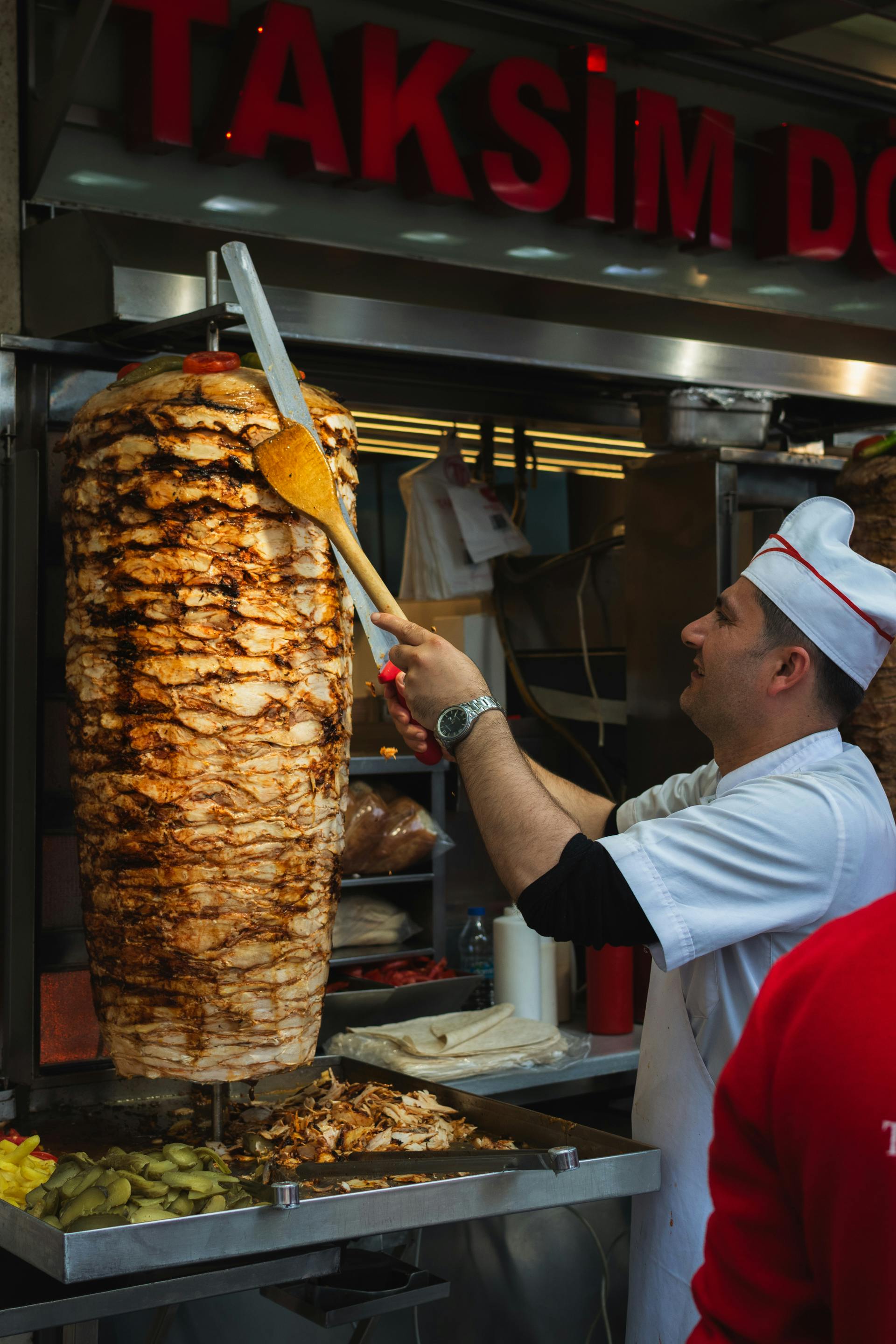
Döner Kebap
Döner
Döner Kebap is Berlin's #1 street food, invented here in the 1970s by Turkish immigrants. It's shaved rotisserie meat (lamb, chicken, or veal) stuffed into toasted flatbread with fresh salad, tomatoes, onions, cabbage, and garlic yogurt sauce. A 'Gemüse Kebap' (vegetable döner) adds grilled vegetables and feta cheese. It's fast, cheap (€4-6), and consumed at all hours—especially post-club at 4am.
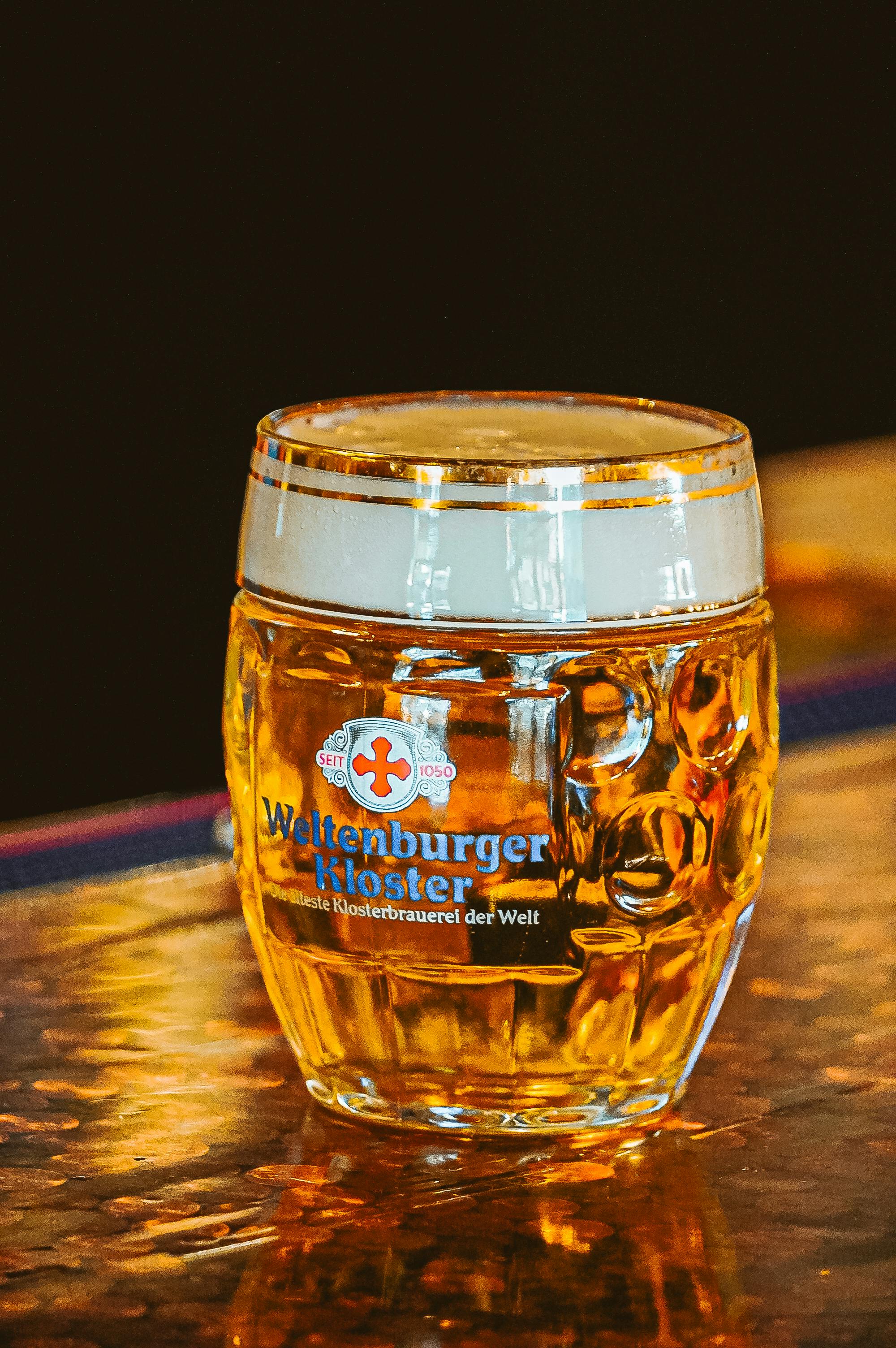
Berlin Beer Culture
Wegbier
Beer in Berlin is like coffee in Italy: cheap (€1-2 from Spätis), everywhere, and consumed casually at any time of day or night. It's not ceremonial or special—it's utilitarian. A 'Wegbier' (road beer) for the walk home or to the club is culturally normal and legal. Public drinking is accepted and common. The most popular local beers are Berliner Pilsner, Berliner Kindl, and Schultheiss.
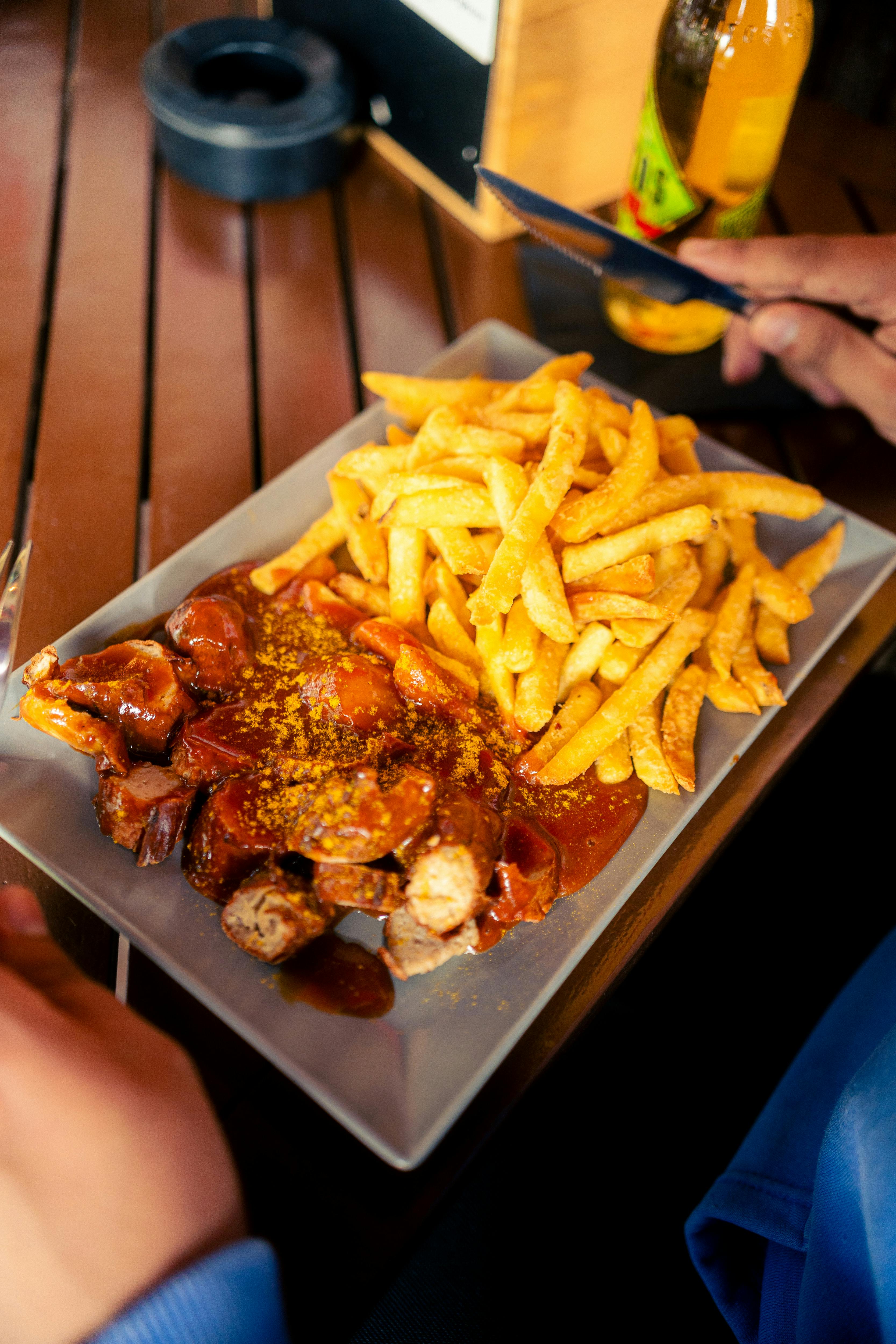
Currywurst
Currywurst is a Berlin icon: steamed then fried pork sausage cut into bite-sized slices, drowned in curry ketchup and sprinkled with curry powder. Served with fries or a bread roll. It's fast food, invented in post-war Berlin, and still a cult classic. The sauce is sweet, tangy, and mildly spiced. It's eaten at Imbiss stands (snack stalls) standing up at tall tables.
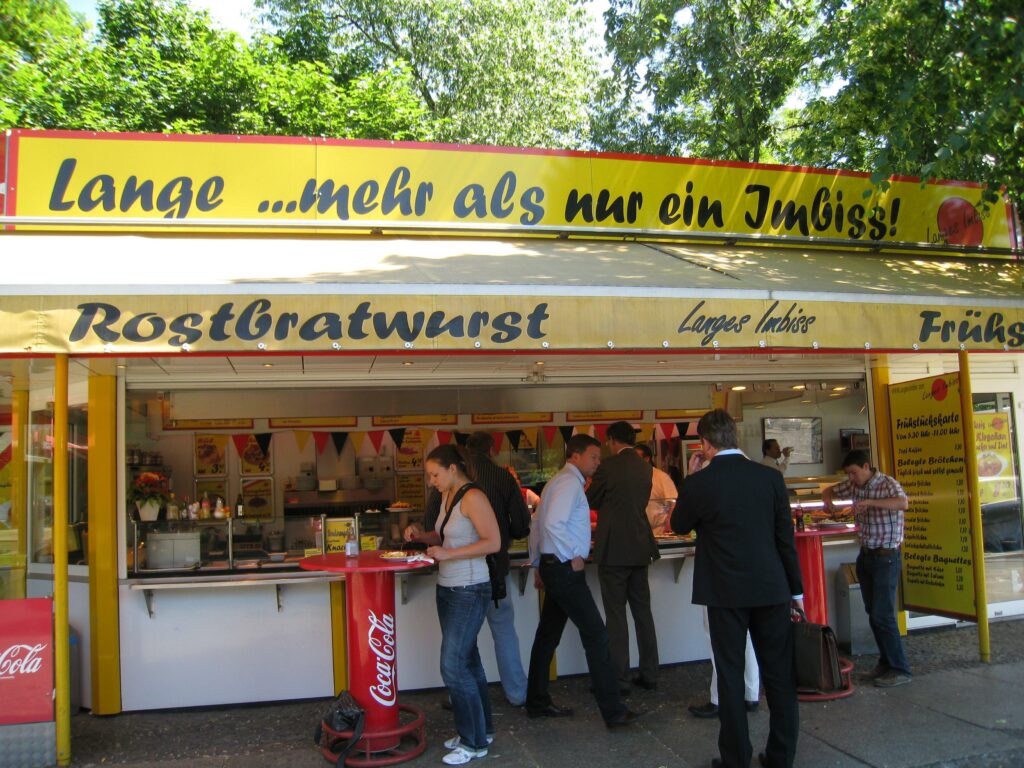
Imbiss Culture
Der Imbiss
The Imbiss is a German snack stand—not a restaurant—where you eat standing up at tall tables. It serves utilitarian, greasy, salty fast food: fries, sausages (bratwurst, currywurst), meatballs (Frikadellen), and schnitzel sandwiches. The goal is to keep you moving, not to sit and linger. It's fast, cheap (€3-6), and essential working-class infrastructure. You order at the window, eat quickly, and leave.
Späti Survival Food
Späti Essen
The Späti (Spätkauf) is a late-night corner store open until 2am or later, sustaining Berlin's nightlife economy with survival food: frozen pizzas, instant noodles, chips, chocolate bars, energy drinks, and cold beer. It's how you survive 4am when everything else is closed and you're too broke or lazy for a restaurant. Spätis are the social heart of neighborhoods—buy a beer and sit on the bench outside with locals.
Vegan Normalization
Vegan
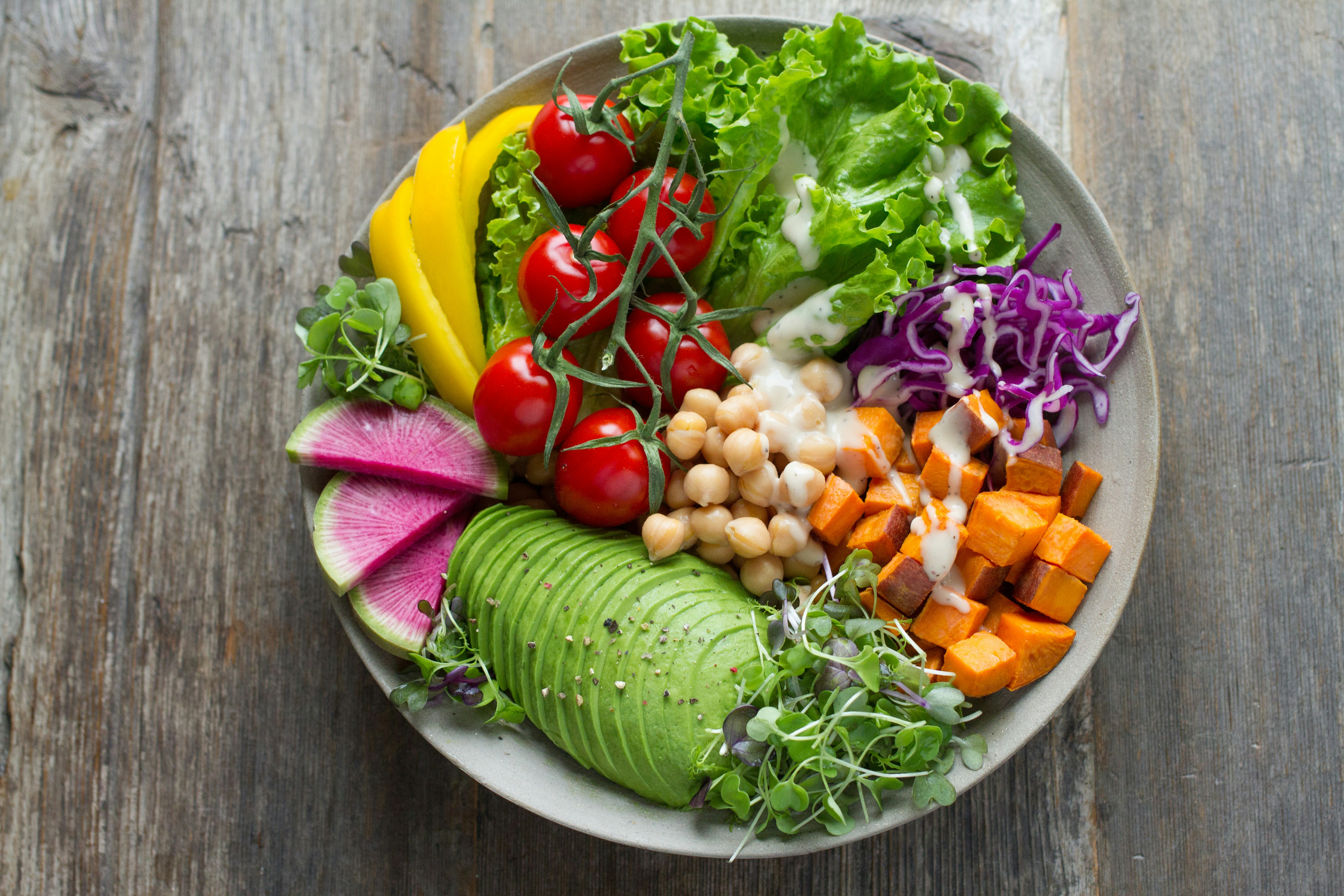
Berlin is the vegan capital of Europe—you don't need to hunt for vegan options, they're standard everywhere. From dirty punk bars to Michelin-starred restaurants, vegan dishes are clearly labeled, plentiful, and delicious. The city has dozens of fully vegan restaurants, vegan döner shops, vegan ice cream parlors, and vegan supermarkets. You never have to ask 'is there meat in this?'—it's always labeled.
Vietnamese Food
Vietnamesische Küche
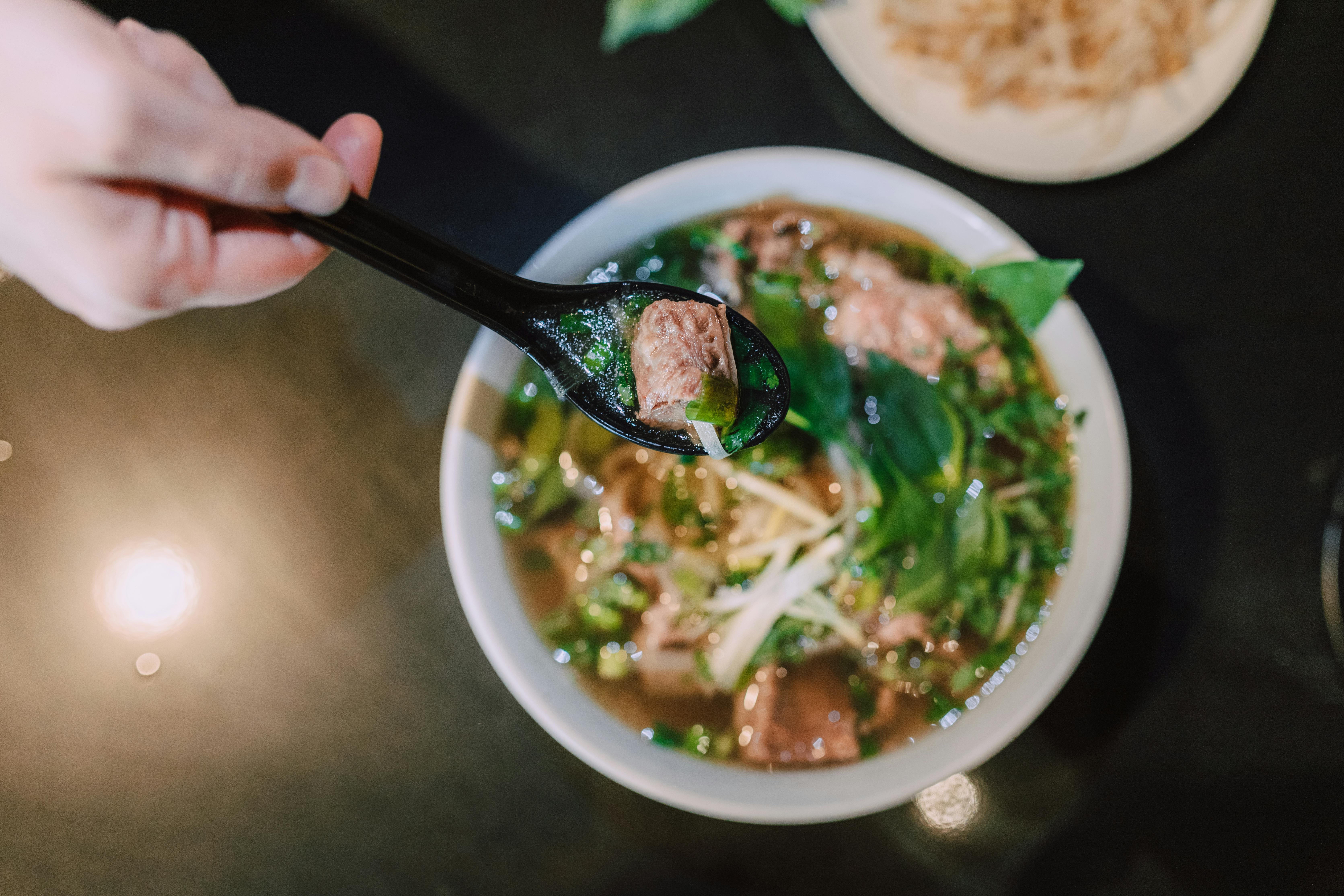
Berlin has a massive Vietnamese community (60,000+), making the Vietnamese food scene one of the best in Europe. Pho (noodle soup), Banh Mi (sandwiches), and Bun Cha (grilled pork with noodles) here rival what you'd find in Hanoi. The food is fresh, flavorful, and affordable (€7-12). Concentrated in Mitte, Prenzlauer Berg, and Lichtenberg, with both sit-down restaurants and quick takeaway spots.
Falafel Plate
Falafel Teller
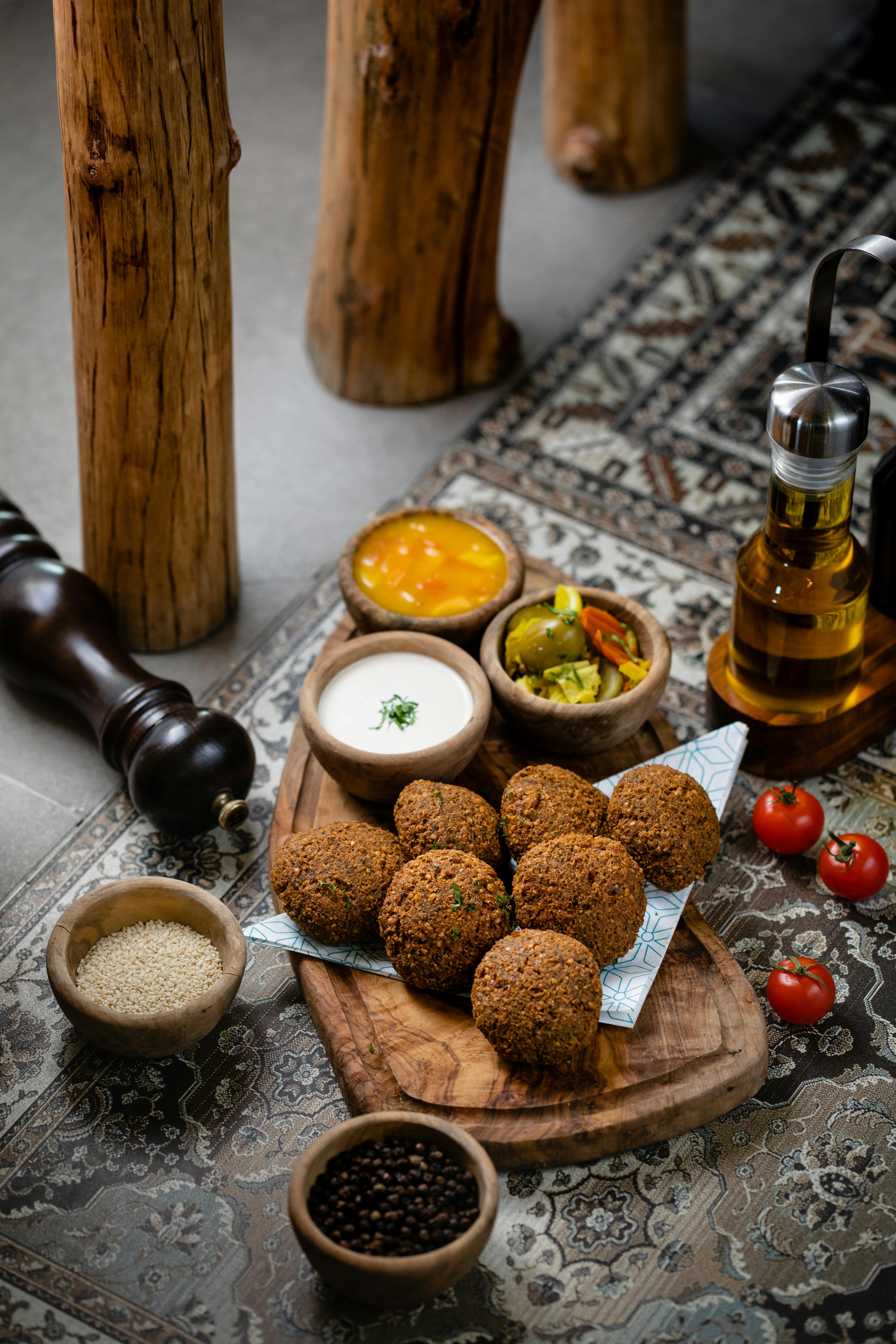
The Falafel Teller (falafel plate) is a staple of Berlin's Middle Eastern food scene: crispy fried chickpea falafel balls, creamy hummus, grilled halloumi cheese, roasted vegetables (eggplant, zucchini, peppers), tahini sauce, and fresh salad served over rice or with pita bread. It's huge, vegetarian, cheap (€7-10), filling, and delicious. Found everywhere in Kreuzberg and Neukölln.
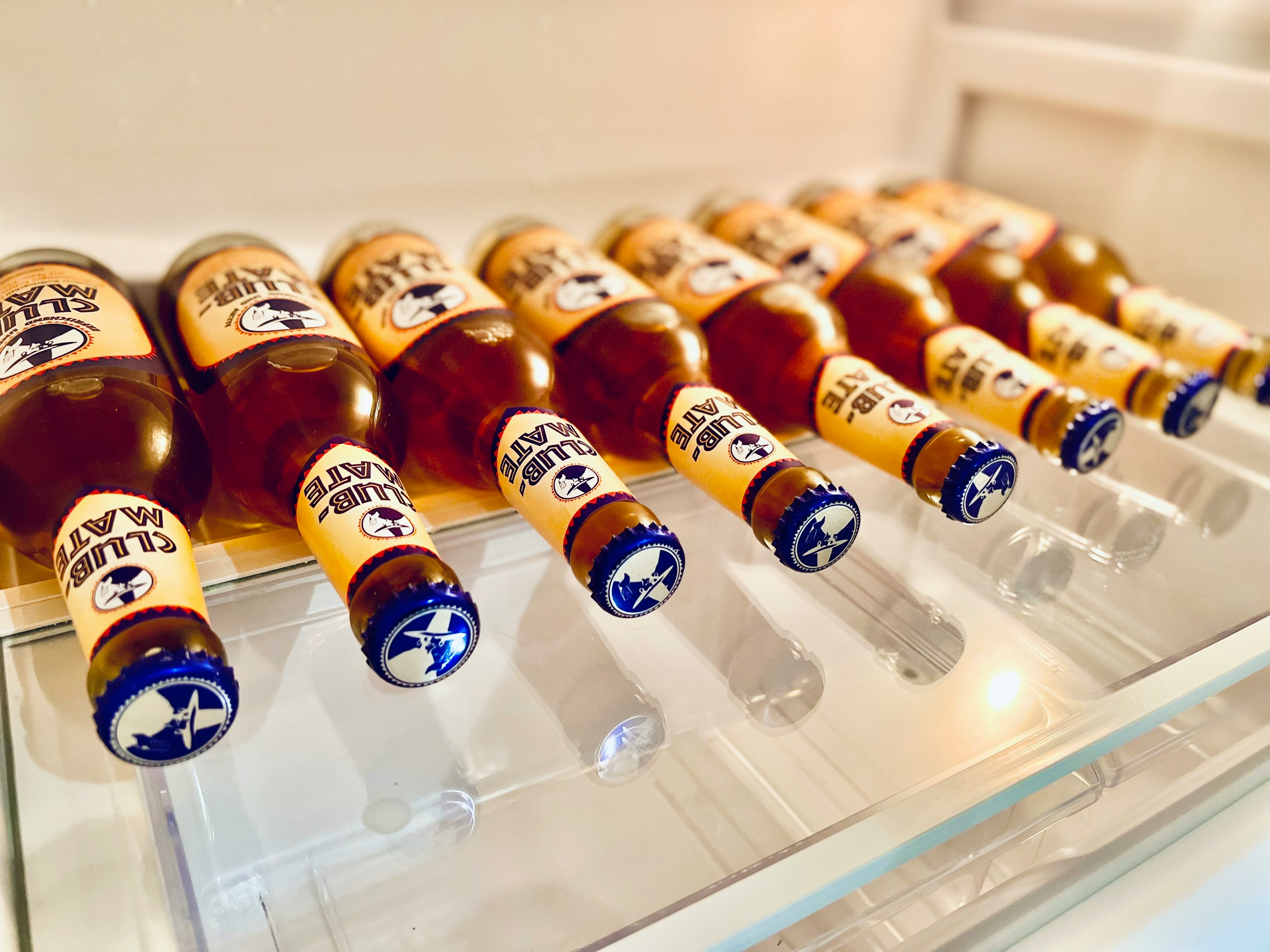
Club Mate
Club-Mate
Club Mate is Berlin's unofficial fuel: a carbonated, caffeinated iced tea made from yerba mate (South American herb). It's lightly sweet, tastes like 'cigarette ash' or 'dirty gym socks' on first sip (locals swear by it by the third bottle), and contains as much caffeine as Red Bull. It's everywhere—clubs, bars, Spätis, vending machines. It's the drink of hackers, artists, and clubbers who need to stay awake for 48-hour weekends.
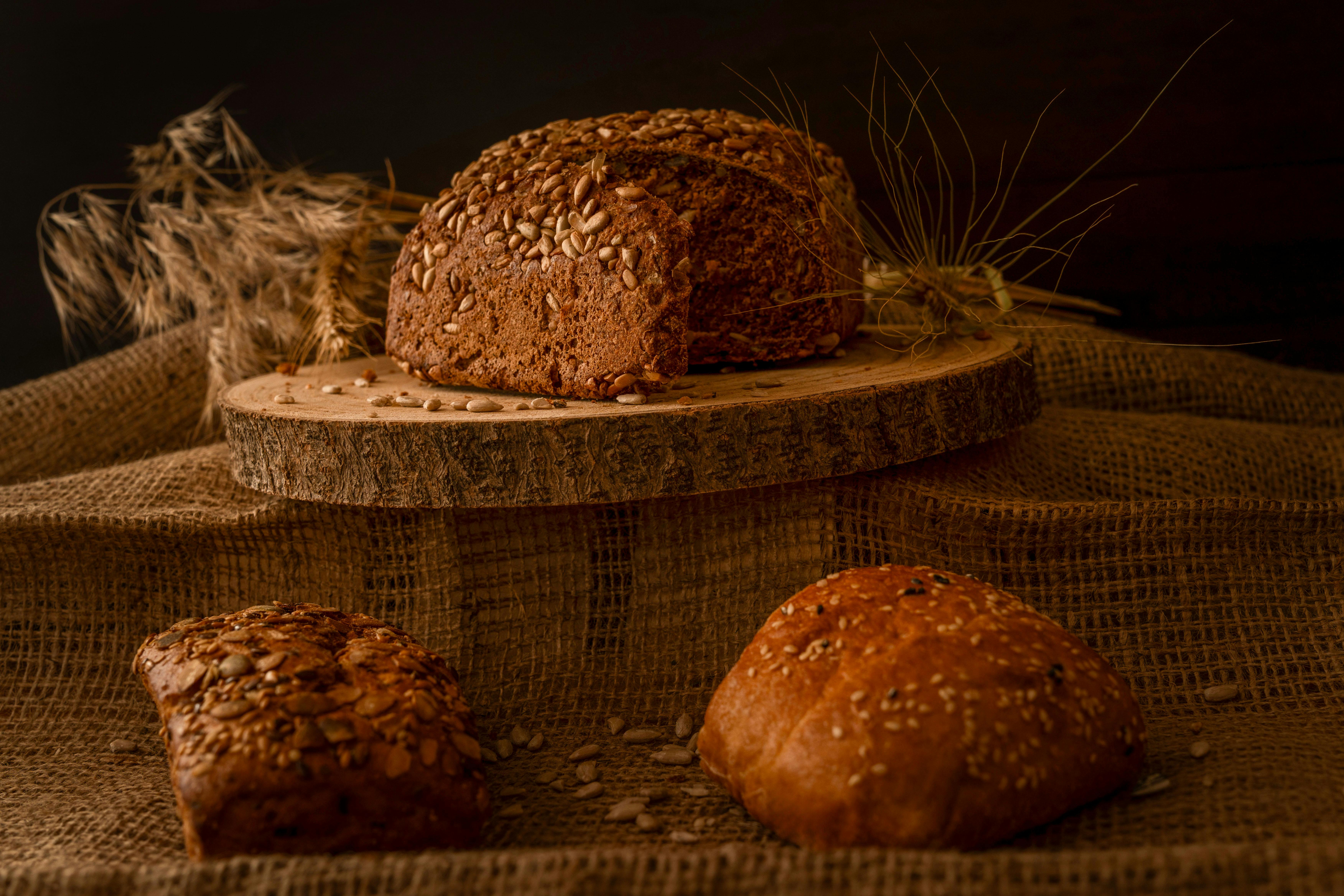
German Bakery
Bäckerei
German bakeries (Bäckerei) are world-class and everywhere in Berlin, offering dense, dark breads (rye, whole grain, sunflower seed), sandwiches (Belegtes Brötchen), pretzels (Laugenbrezel), and pastries. German breakfast is savory, not sweet—cold cuts, cheese, bread, not croissants. A fresh pretzel with butter or a sandwich for breakfast costs €2-4. Bakeries open early (6-7am) and are essential daily infrastructure.
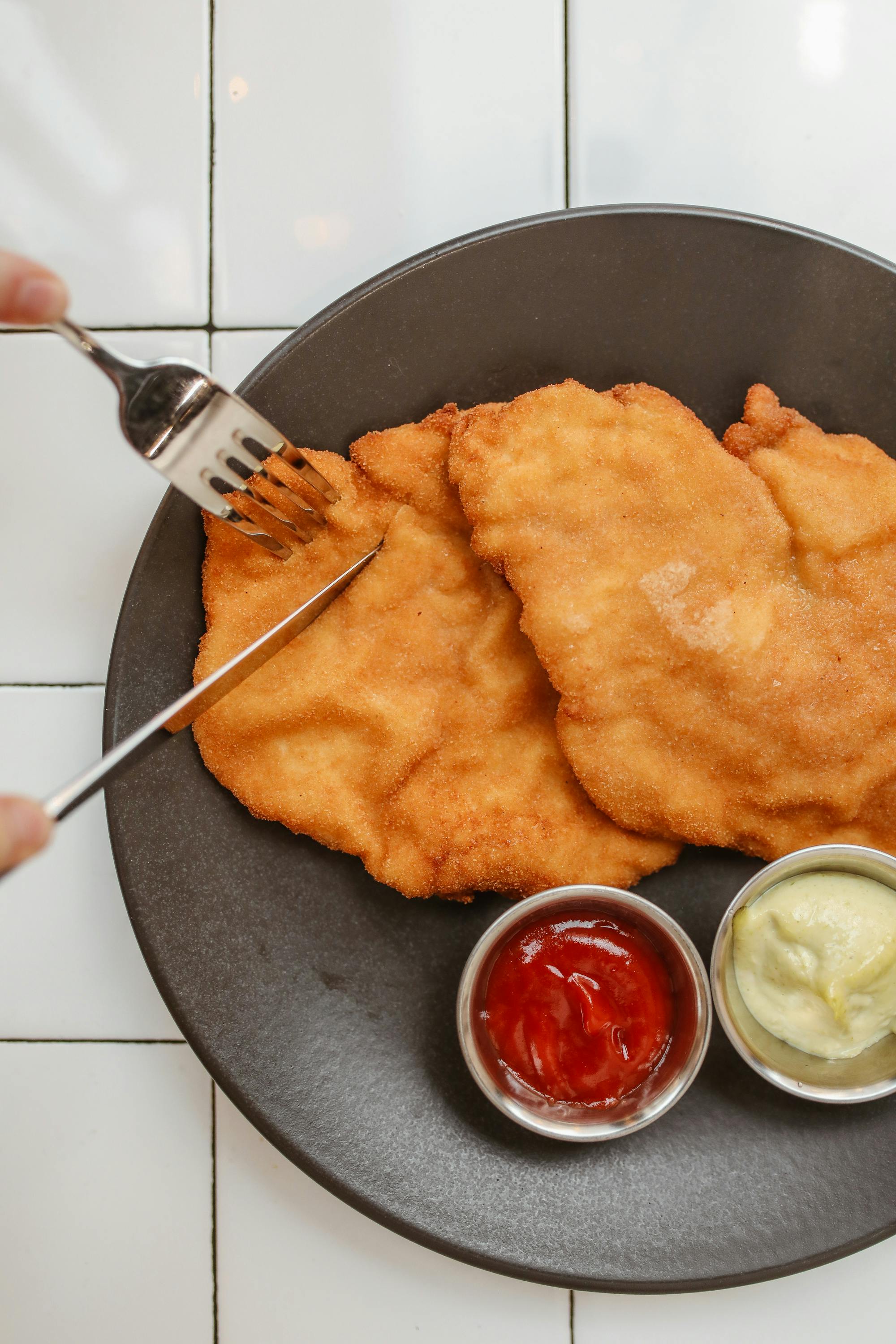
Schnitzel
Schnitzel is a breaded and fried cutlet (traditionally veal or pork), pounded thin, breaded in flour/egg/breadcrumbs, and fried until golden. Served with potato salad, fries, or lemon. It's a German staple eaten in traditional Wirtshaus (tavern) restaurants with a cold beer. The breading should be crispy and flaky, the meat tender. It's comfort food—simple, satisfying, and everywhere.
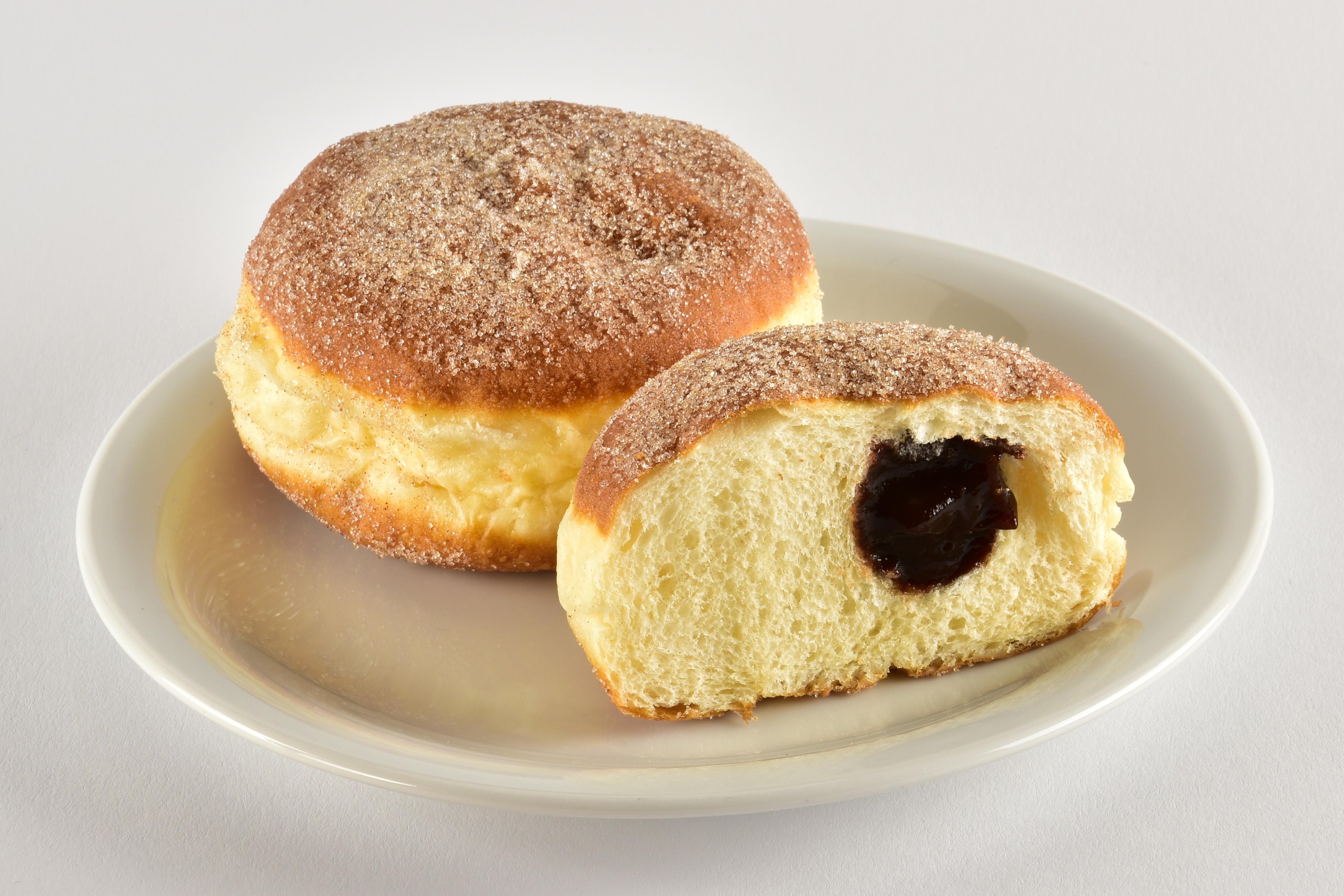
Berliner (Pfannkuchen)
Pfannkuchen / Berliner
The Berliner (called 'Pfannkuchen' in Berlin, confusingly) is a jelly-filled donut: deep-fried dough dusted with powdered sugar and filled with jam (usually raspberry or plum). It's soft, sweet, and iconic. Famous from JFK's 1963 speech ('Ich bin ein Berliner') which technically translates to 'I am a jelly donut' though this interpretation is debated. Sold at bakeries year-round but especially popular during Fasching (carnival season).
The Perfect 24 Hours in Berlin
Breakfast at Markthalle Neun
Start at this 19th-century market hall in Kreuzberg. Grab a Leberkäse sandwich or fresh pretzel from local vendors. The coffee is strong, the vibe is neighborhood-authentic, and you'll see Berliners in their natural habitat. Thursday mornings have a street food market with Turkish börek that'll ruin you for all other pastries.
Berlin Wall Memorial & East Side Gallery
Head to Bernauer Straße for the Berlin Wall Memorial—the most moving section with preserved death strip and watchtower. Then visit East Side Gallery, where 1.3km of wall became the world's longest open-air gallery. The Brezhnev-Honecker kiss mural is iconic, but the less-photographed murals tell deeper stories. Reality hits when you realize this barrier split families for 28 years.
Currywurst Lunch at Curry 36
You can't leave Berlin without currywurst. Curry 36 in Kreuzberg is the people's champion—locals queue at lunch. Order currywurst pommes with a Berliner Kindl beer. Eat standing at the counter like a true Berliner. It's greasy, cheap, and somehow exactly what you need. This is Germany's most beloved street food, invented in 1949 by a Berlin woman with ketchup and curry powder.
Museum Island: Pergamon or Neues Museum
Pick one museum and do it right. Pergamon has the massive Ishtar Gate and ancient architecture reconstructed room by room. Neues Museum holds Nefertiti's bust—3,400 years old and impossibly perfect. Book tickets online weeks ahead. The island itself is UNESCO-listed. Pro tip: Wednesday and Thursday have extended hours until 8pm.
Sunset at Tempelhofer Feld
The former Nazi airport, then Cold War airlift hub, now Berlin's massive public park. Rent a bike, rollerblades, or just walk the old runways where planes once landed. Berliners barbecue, kite-surf on wheels, and urban garden on the tarmac. As the sun sets over this repurposed space, you understand Berlin's genius for transformation. Bring beers—it's legal and encouraged.
Dinner & Nightlife in Kreuzberg
Start with dinner at a Turkish restaurant on Kottbusser Tor—Berlin has the best Turkish food outside Turkey. Then bar-hop through Kreuzberg's gritty cocktail scene. If you're up for it, Berlin's techno clubs (Berghain, Sisyphos, Watergate) open around midnight and go until Monday morning. Strict door policies: no phones on dance floor, all black clothing helps, act like you belong. Berlin doesn't sleep—it just rests between parties.