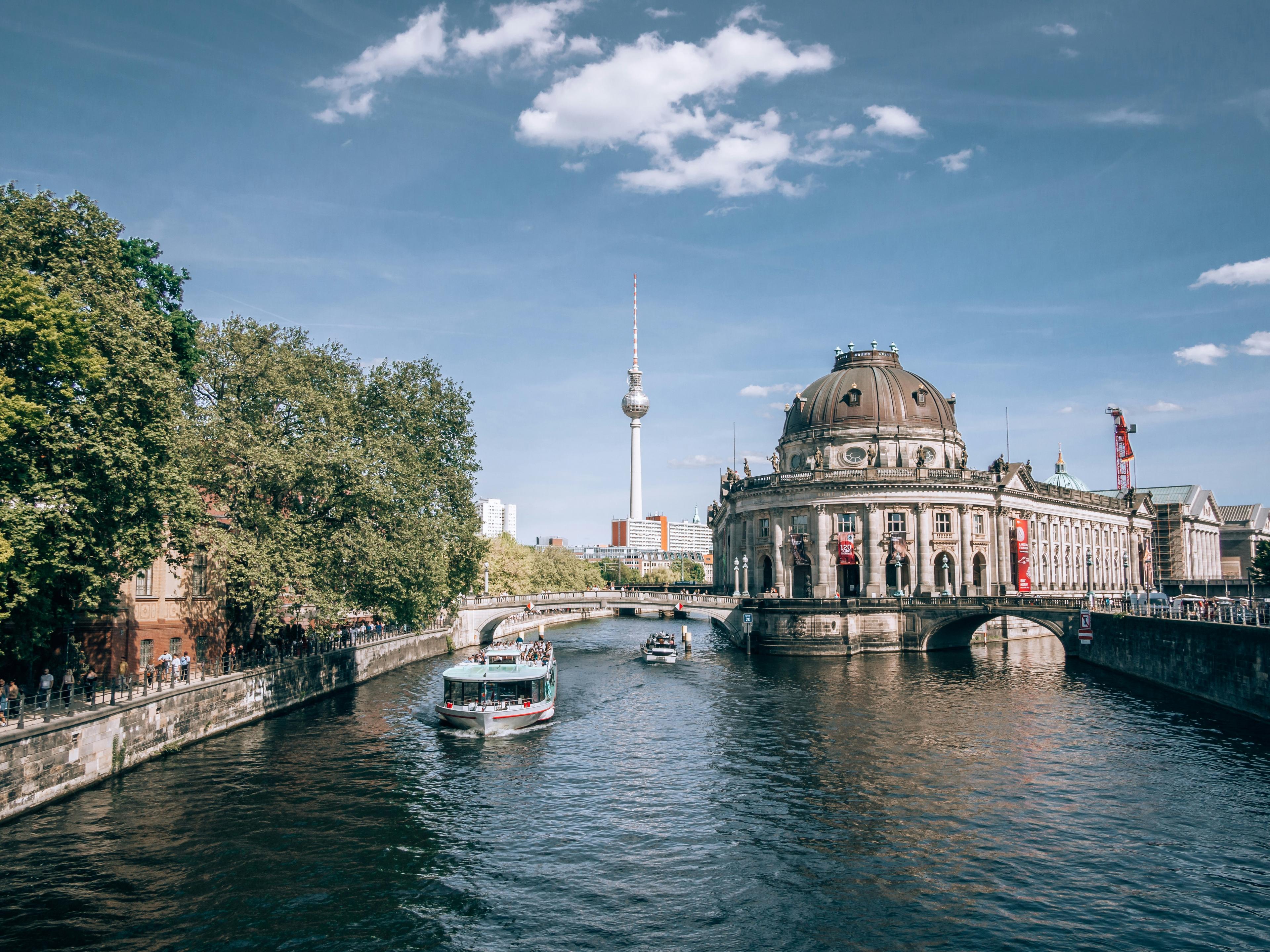
Museum Island
"Museum Island is a UNESCO World Heritage site containing five world-renowned museums on a small island in the Spree River: Pergamon Museum (ancient Middle Eastern art—partially closed for renovation until 2027), Neues Museum (Egyptian Museum with Nefertiti bust), Altes Museum (Greek/Roman antiquities), Alte Nationalgalerie (19th-century European art), and Bode Museum (Byzantine art). It's overwhelming—each museum deserves 2-3 hours. Buy a day pass to visit multiple."
Logistics
Moderate
Vibe
Grand, cultural
Duration
4-6 hours
Best For
Museum lovers
The Backstory
Built 1830s-1930s as Prussia's cultural showcase. The Pergamon Museum (1930) housed massive ancient structures like the Pergamon Altar and Ishtar Gate from Babylon. WWII damage was extensive; restoration took decades. The Nefertiti bust (1340 BC) is the Neues Museum's star, discovered in Egypt in 1912. The island is a monument to 19th-century museum culture.
Local Secret
"Buy the 'Museum Island Day Pass' (€19) to visit all five museums. The Pergamon's main hall is closed for renovation until 2027—check what's open before visiting. The Neues Museum (Nefertiti) is the most popular—go early (10am) to avoid crowds. Altes Museum and Bode Museum are underrated and less crowded. Plan a full day; trying to see everything in 3 hours is impossible."
Gallery
You Might Also Like
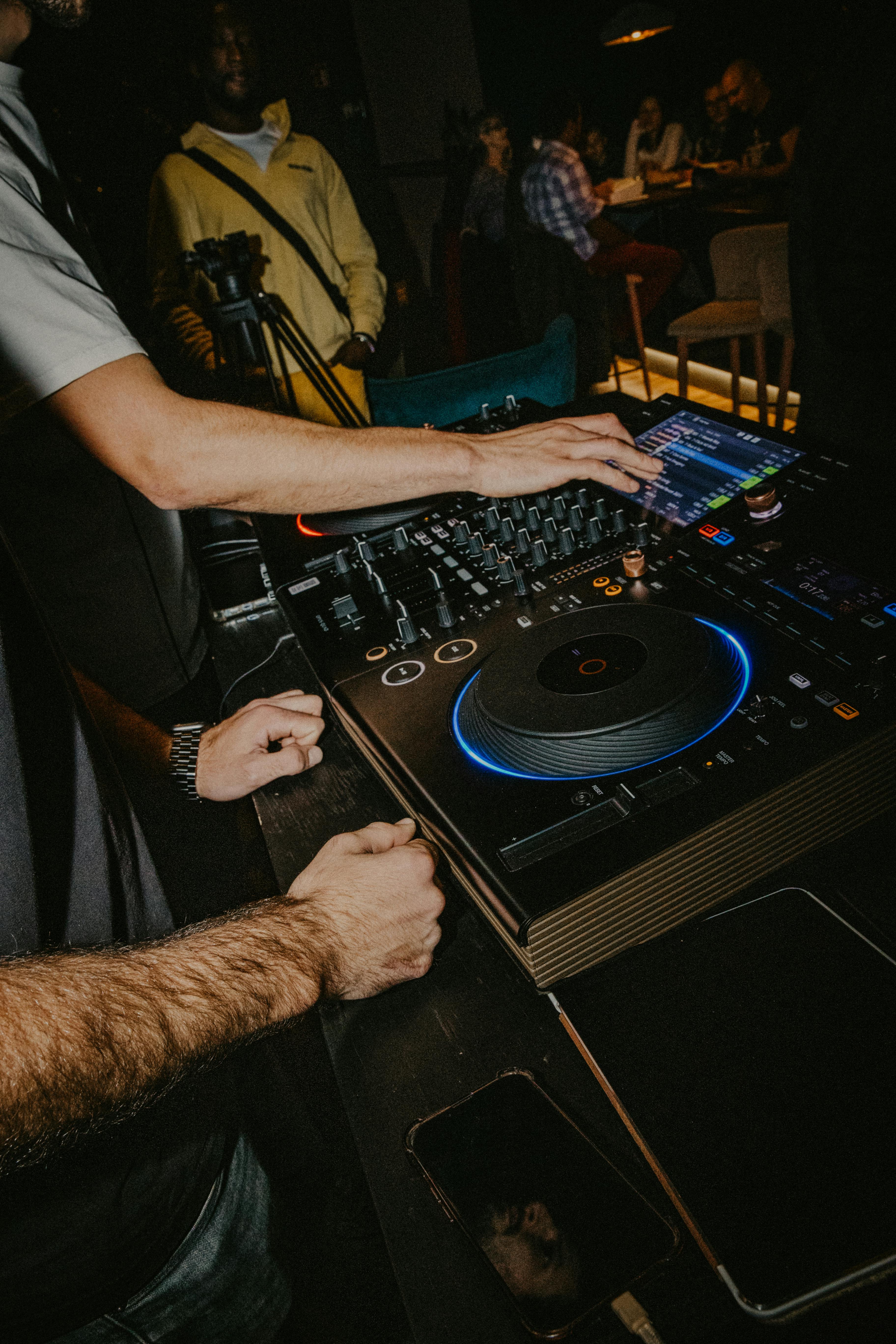
Club Culture
Techno
Berlin's club culture is legendary and unique: industrial warehouses converted into dark, cavernous spaces with world-class sound systems, strict 'no photo' policies, and door policies that reject based on vibes. Clubs like Berghain, Tresor, and Sisyphos operate Friday-Monday non-stop (48-72 hours). It's not about being seen—it's about disappearing into music, freedom, and hedonism. The experience is intense, inclusive, and life-changing for electronic music fans.
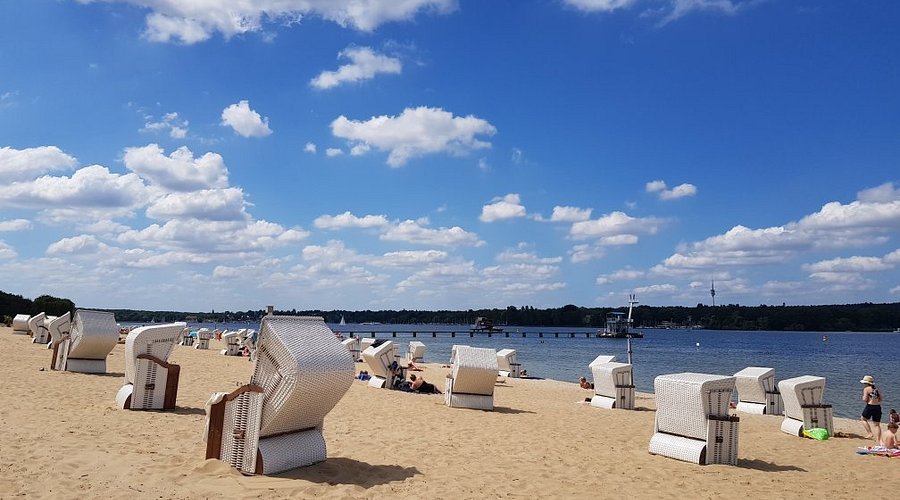
The Lakes (Badeseen)
Badesee
In summer, Berliners flee to the city's lakes (Badeseen)—Wannsee, Müggelsee, Schlachtensee, Plötzensee—for swimming, sunbathing, and grilling. These are natural lakes within city limits, surrounded by forests and beaches. FKK (Freikörperkultur—public nudity) is common, non-sexual, and culturally accepted at designated sections. It's pure nature, surprisingly clean water, and a stark contrast to urban Berlin. Locals bring beer, portable grills, and spend entire Sundays lakeside.
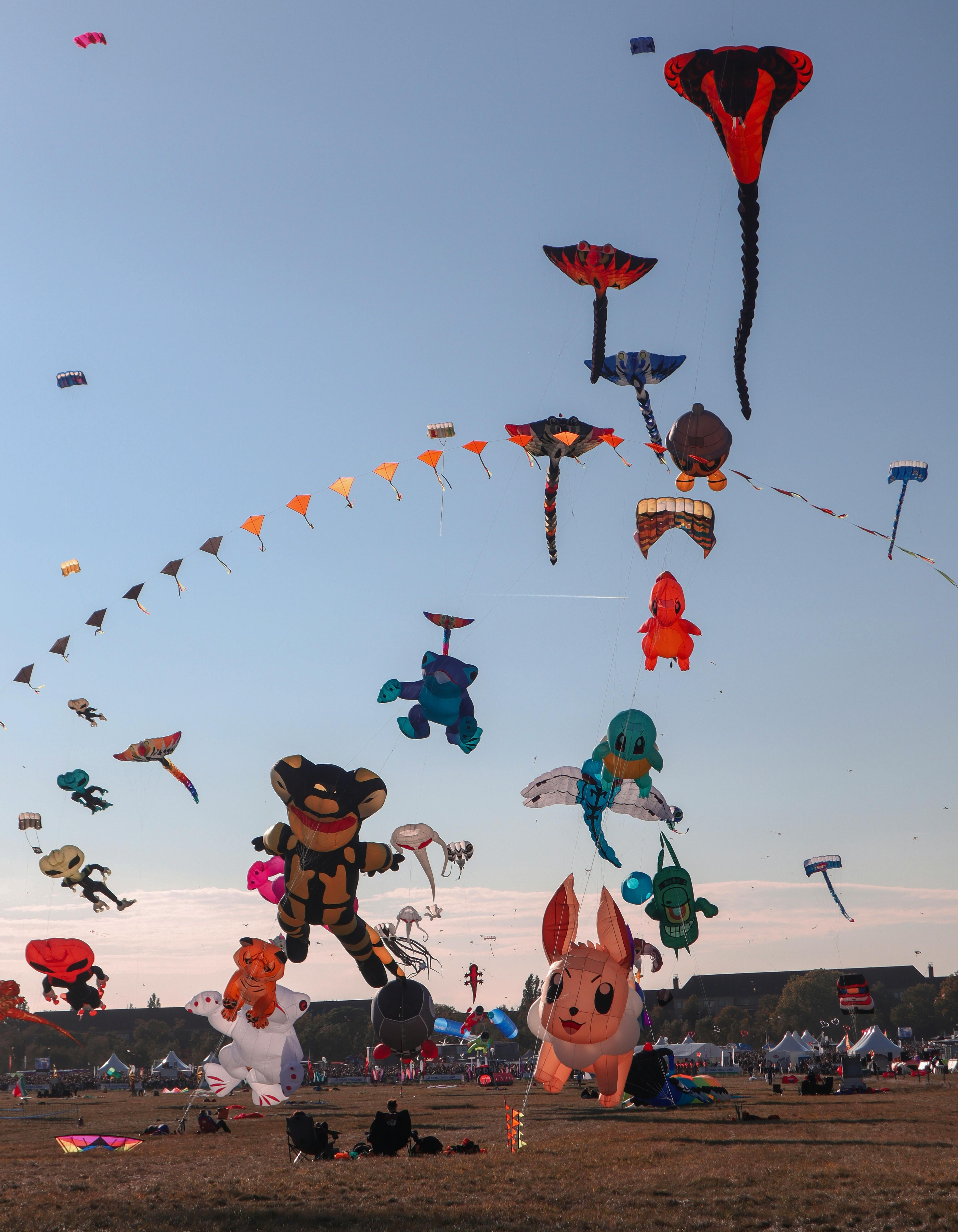
Tempelhofer Feld
Tempelhofer Feld is a decommissioned airport turned into a massive 900-acre public park—the ultimate symbol of Berlin's freedom and transformation. The former runways are now used for skating, cycling, kiteboarding, grilling, and urban gardening. It's wide-open, flat, and surreal—you can see the entire city skyline. Locals voted in 2014 to keep it undeveloped, rejecting luxury housing plans. It's pure Berlin: reclaiming history for public space.