Club Culture
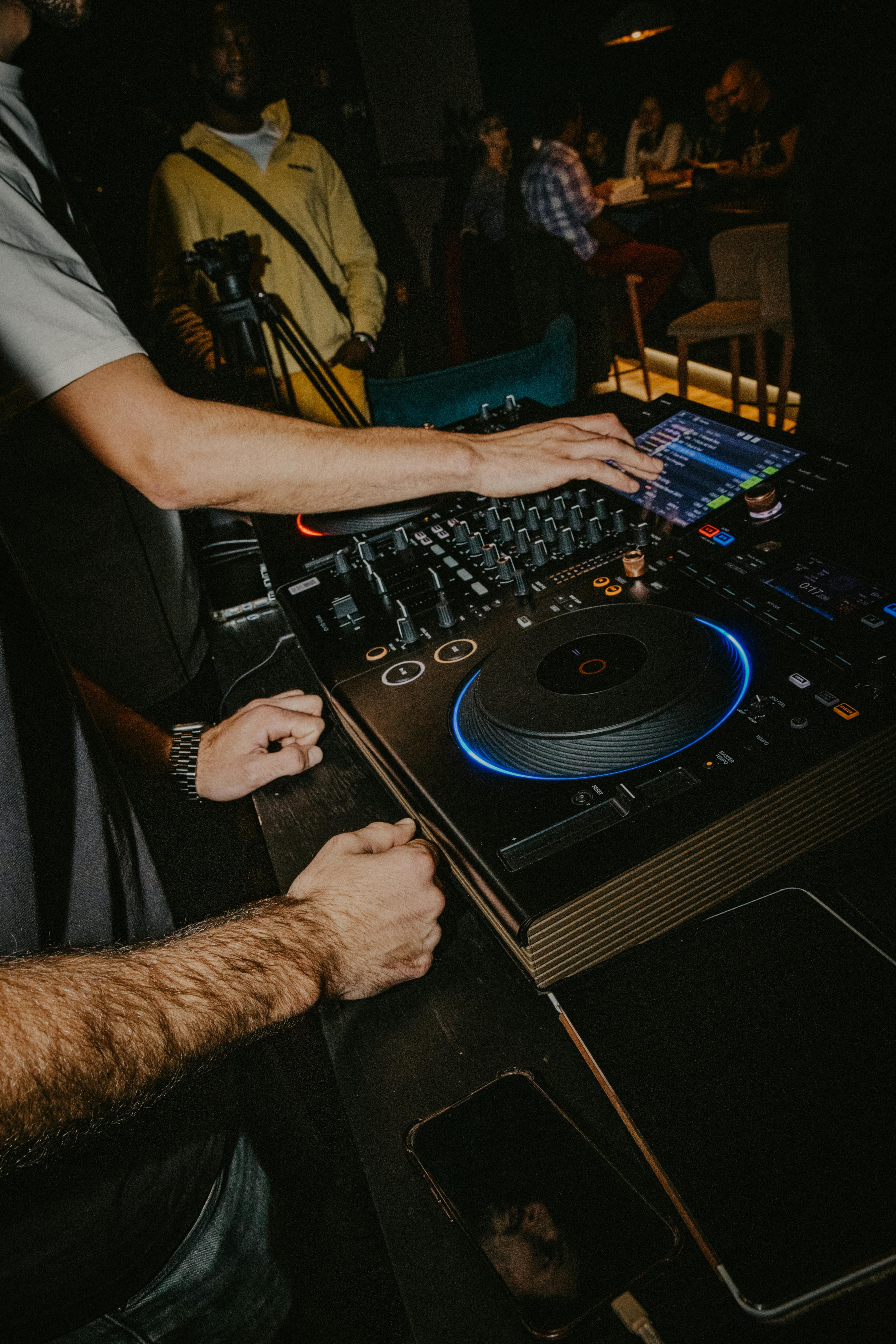
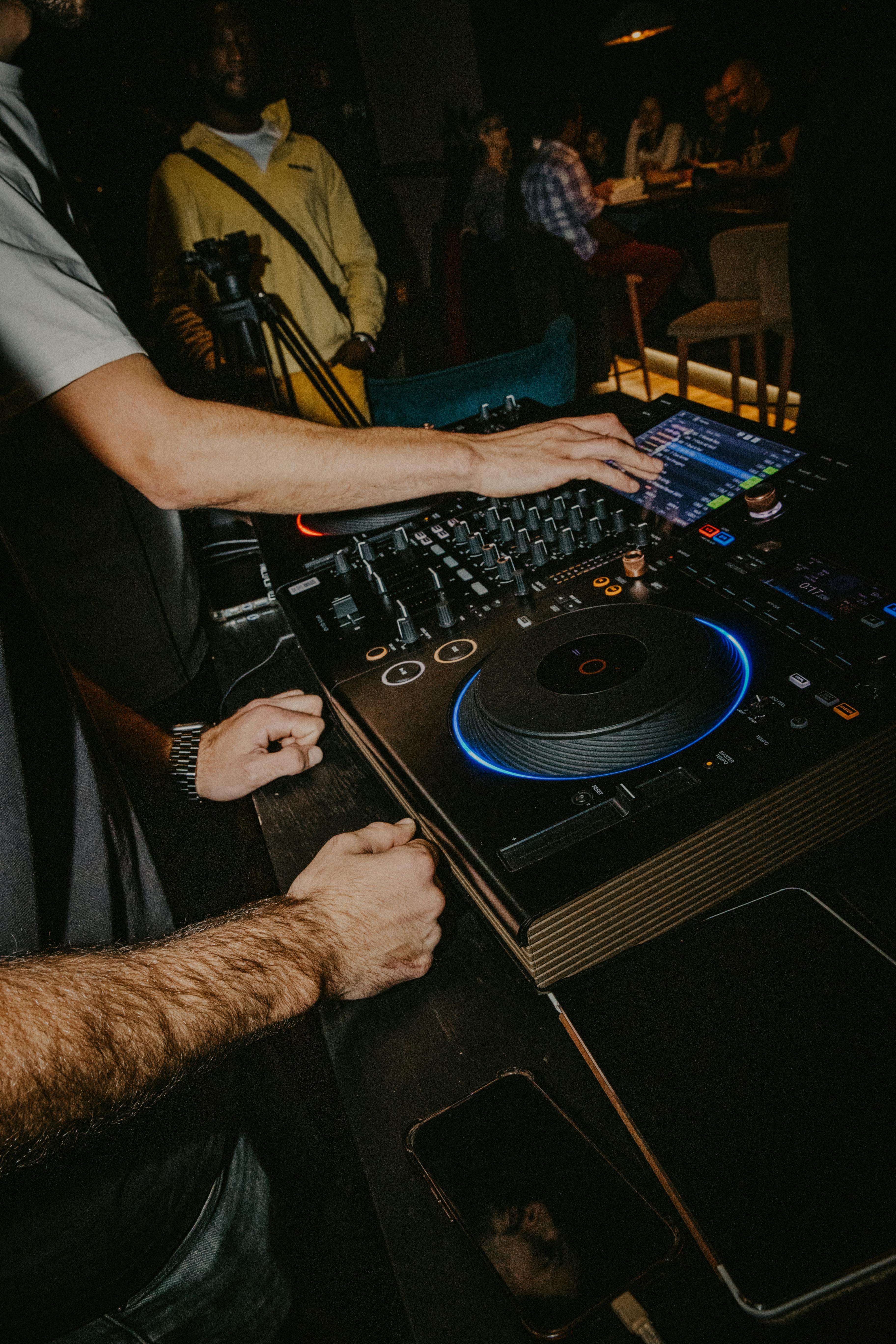
"Berlin's club culture is legendary and unique: industrial warehouses converted into dark, cavernous spaces with world-class sound systems, strict 'no photo' policies, and door policies that reject based on vibes. Clubs like Berghain, Tresor, and Sisyphos operate Friday-Monday non-stop (48-72 hours). It's not about being seen—it's about disappearing into music, freedom, and hedonism. The experience is intense, inclusive, and life-changing for electronic music fans."
Logistics
Moderate
Vibe
Hedonistic, intense
Duration
6-24 hours
Best For
Clubbers
The Backstory
Berlin's techno scene exploded after the Wall fell in 1989. Empty buildings, abandoned factories, and legal grey areas created a lawless party culture. Clubs like Tresor opened in bank vaults. By the 2000s, Berlin became the global techno capital. Berghain (2004) became the world's most famous club. The scene is protected—clubs are granted cultural heritage status.
Local Secret
"Dress in black, minimize accessories, and don't be visibly drunk in line—bouncers reject based on 'vibes.' Sticker your phone camera to respect the no-photo rule. Expect to wait 2+ hours; rejections are common and impersonal. Once inside, it's marathon dancing—wear comfortable shoes. Most clubs are cash-only. Go on Sunday afternoon for 'after-hours' when the vibe mellows."
Gallery
You Might Also Like
The Lakes (Badeseen)
Badesee
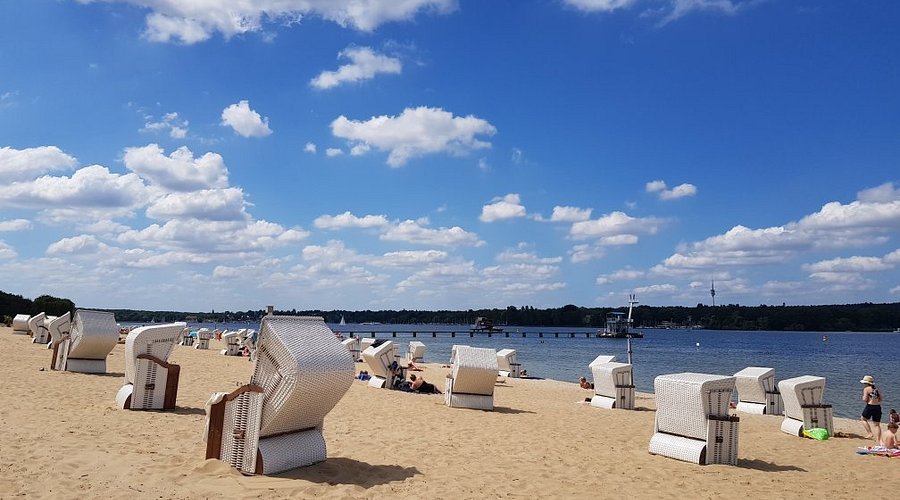
In summer, Berliners flee to the city's lakes (Badeseen)—Wannsee, Müggelsee, Schlachtensee, Plötzensee—for swimming, sunbathing, and grilling. These are natural lakes within city limits, surrounded by forests and beaches. FKK (Freikörperkultur—public nudity) is common, non-sexual, and culturally accepted at designated sections. It's pure nature, surprisingly clean water, and a stark contrast to urban Berlin. Locals bring beer, portable grills, and spend entire Sundays lakeside.
Tempelhofer Feld
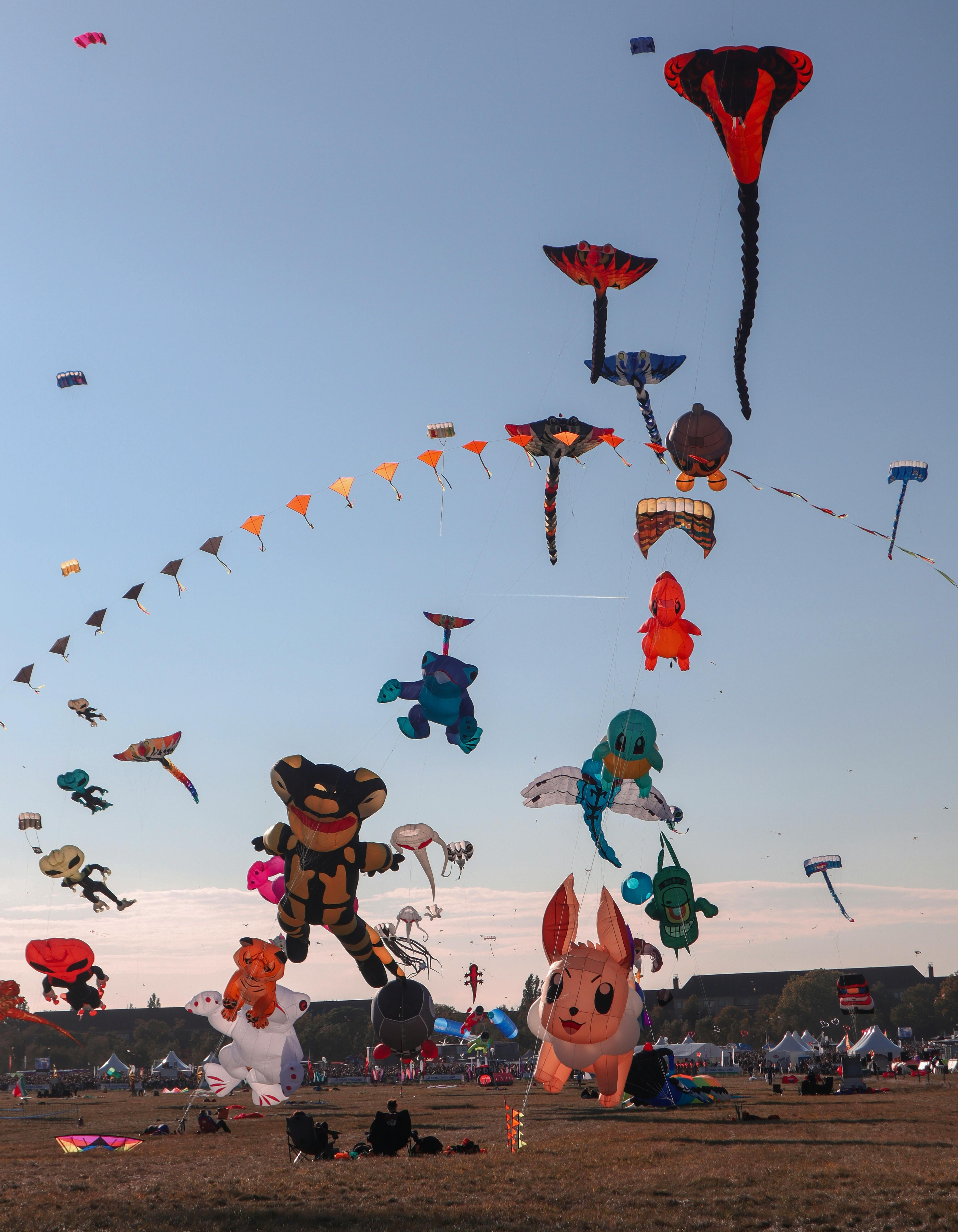
Tempelhofer Feld is a decommissioned airport turned into a massive 900-acre public park—the ultimate symbol of Berlin's freedom and transformation. The former runways are now used for skating, cycling, kiteboarding, grilling, and urban gardening. It's wide-open, flat, and surreal—you can see the entire city skyline. Locals voted in 2014 to keep it undeveloped, rejecting luxury housing plans. It's pure Berlin: reclaiming history for public space.
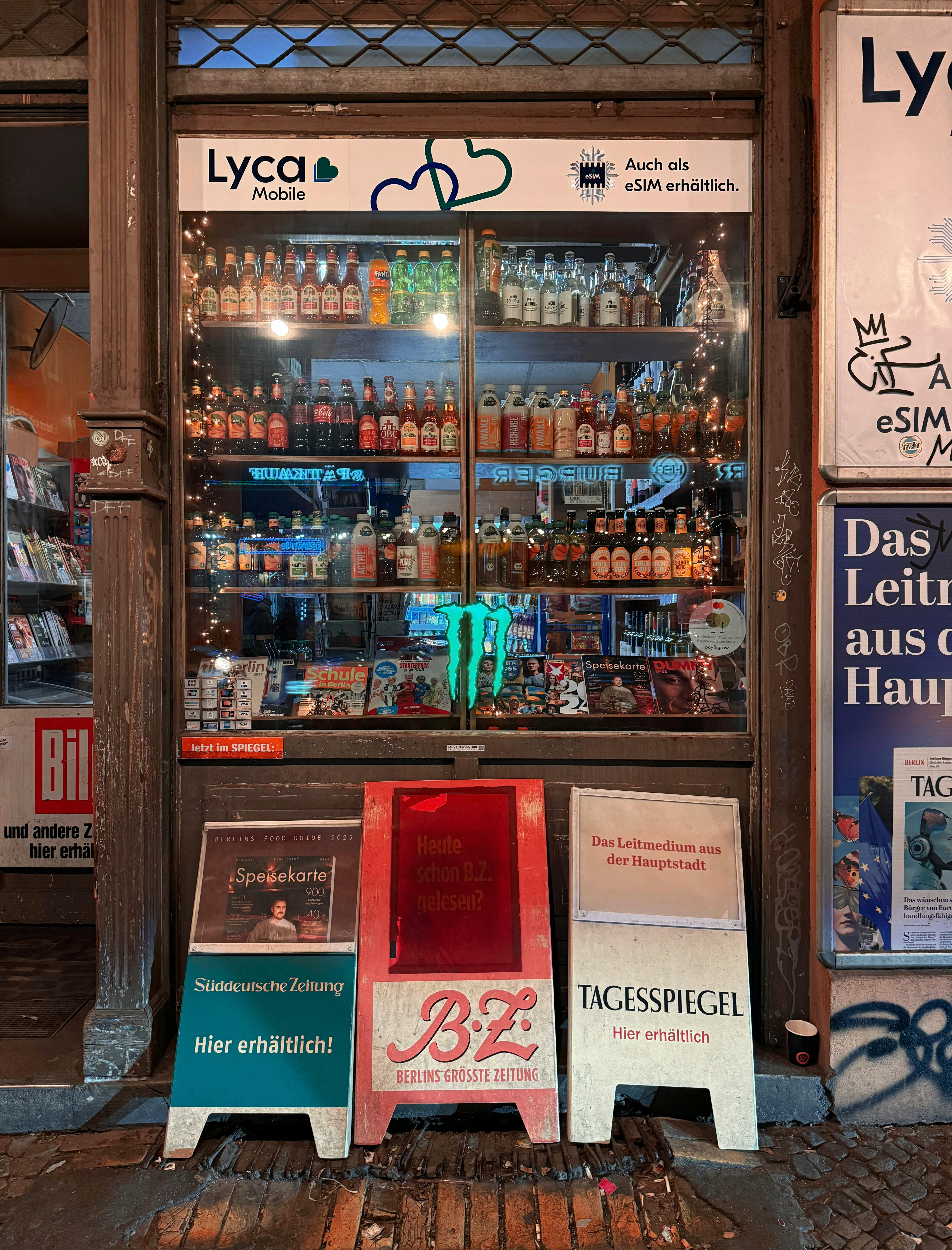
Späti Culture
Spätkauf
Späti culture is quintessential Berlin: skip the expensive bar, buy a €1.50 beer from a late-night corner store (Spätkauf/Späti), and sit on the bench outside watching the city go by. It's where neighbors gather, strangers become friends, and Berlin's social fabric lives. Spätis are open late (until 2am+), making them essential infrastructure for nightlife and community. It's democratic, cheap, and real.