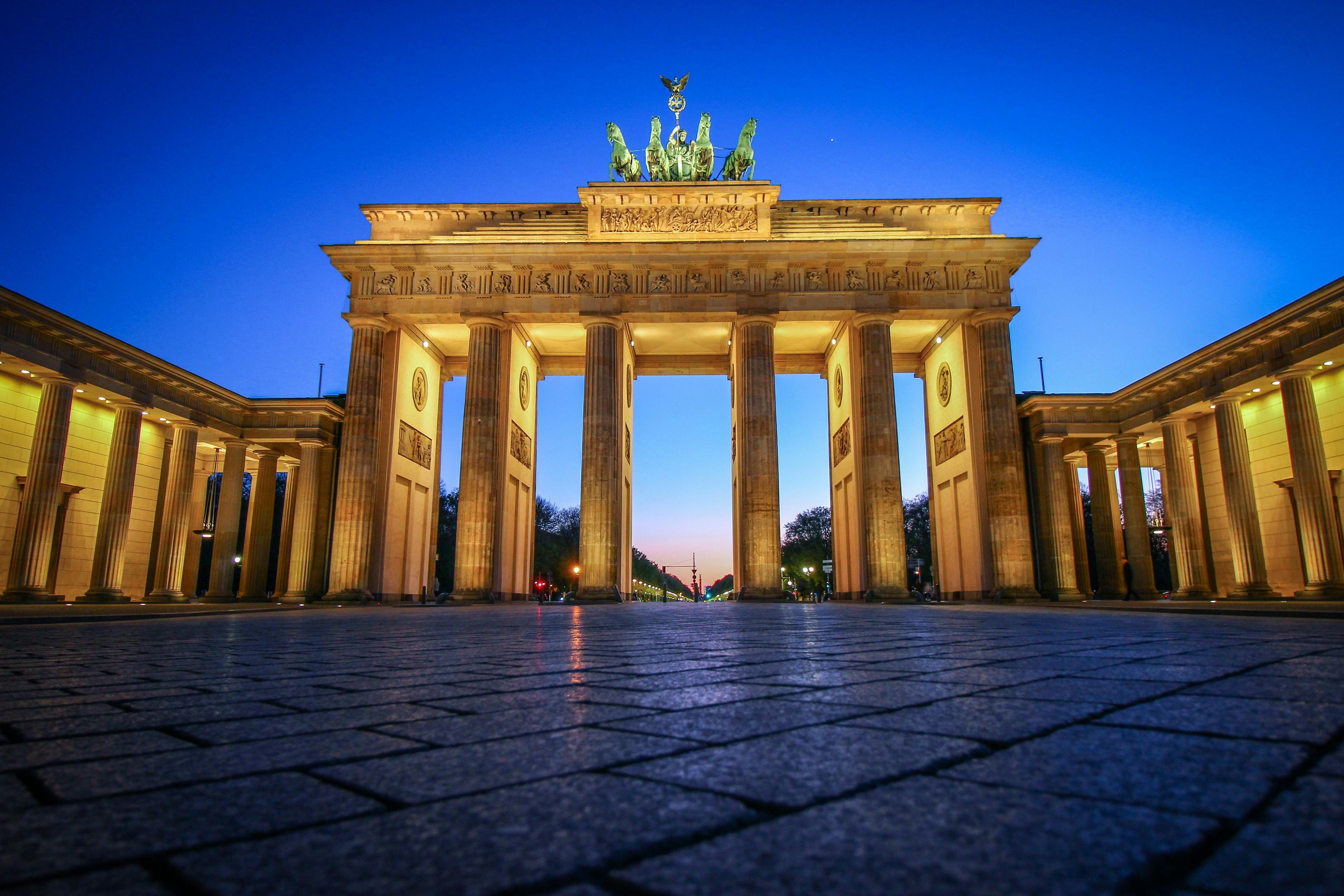
Brandenburg Gate
"The Brandenburg Gate is Berlin's most iconic monument, a neoclassical 18th-century triumphal arch that became the symbol of German reunification. Built in 1791, it stood in the no-man's-land during the Berlin Wall era, inaccessible to both sides. When the Wall fell on November 9, 1989, over 100,000 people gathered here to celebrate. The gate's Quadriga (chariot sculpture) was stolen by Napoleon in 1806 and returned in 1814. It's beautiful at night when crowds thin."
Logistics
Affordable
Vibe
Iconic, historic
Duration
30 minutes
Best For
History buffs
The Backstory
Commissioned by Prussian King Frederick William II in 1788-1791 as a 'peace gate.' Napoleon stole the Quadriga in 1806; Prussia reclaimed it in 1814. During the Cold War, the gate sat in the death strip—untouchable. Reagan's 'Tear down this wall' speech was nearby in 1987. The gate reopened officially in 1989 after the Wall fell.
Local Secret
"Visit at night (after 10pm) when tourist crowds disappear and the gate is beautifully lit. During the day, it's mobbed with selfie sticks. Walk through the gate to feel the history—it's a public passage, not a barricade. Pariser Platz (the square) has historical markers explaining the Wall era. Avoid costumed performers demanding money."
Gallery
You Might Also Like
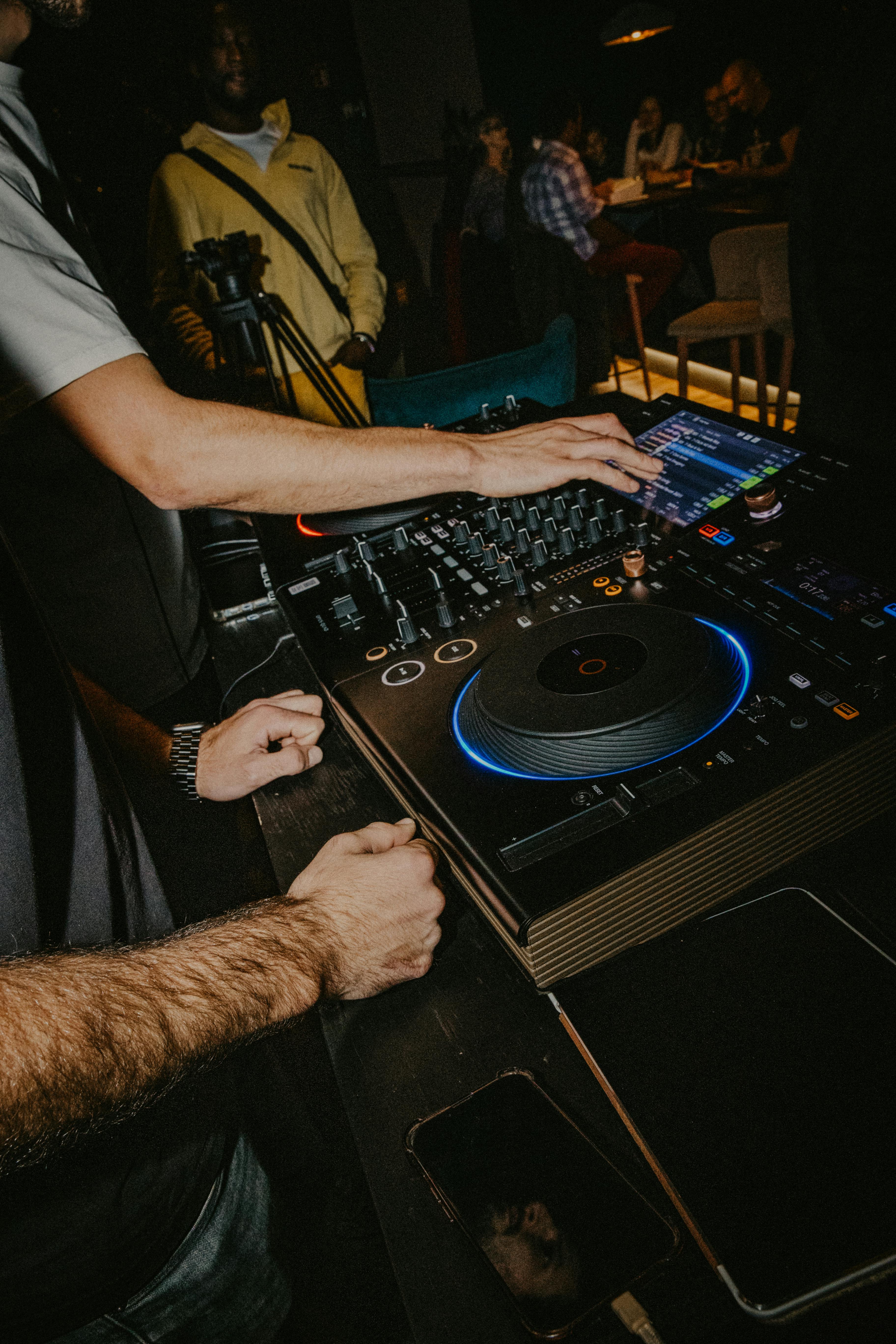
Club Culture
Techno
Berlin's club culture is legendary and unique: industrial warehouses converted into dark, cavernous spaces with world-class sound systems, strict 'no photo' policies, and door policies that reject based on vibes. Clubs like Berghain, Tresor, and Sisyphos operate Friday-Monday non-stop (48-72 hours). It's not about being seen—it's about disappearing into music, freedom, and hedonism. The experience is intense, inclusive, and life-changing for electronic music fans.
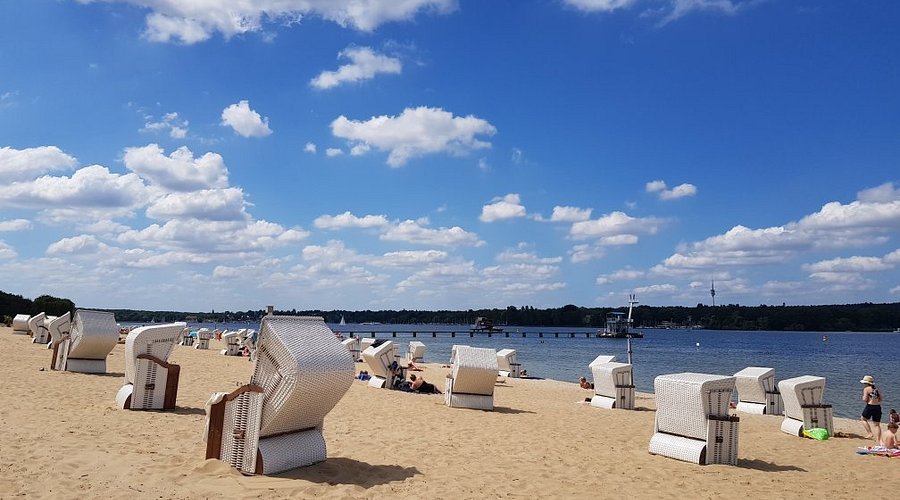
The Lakes (Badeseen)
Badesee
In summer, Berliners flee to the city's lakes (Badeseen)—Wannsee, Müggelsee, Schlachtensee, Plötzensee—for swimming, sunbathing, and grilling. These are natural lakes within city limits, surrounded by forests and beaches. FKK (Freikörperkultur—public nudity) is common, non-sexual, and culturally accepted at designated sections. It's pure nature, surprisingly clean water, and a stark contrast to urban Berlin. Locals bring beer, portable grills, and spend entire Sundays lakeside.
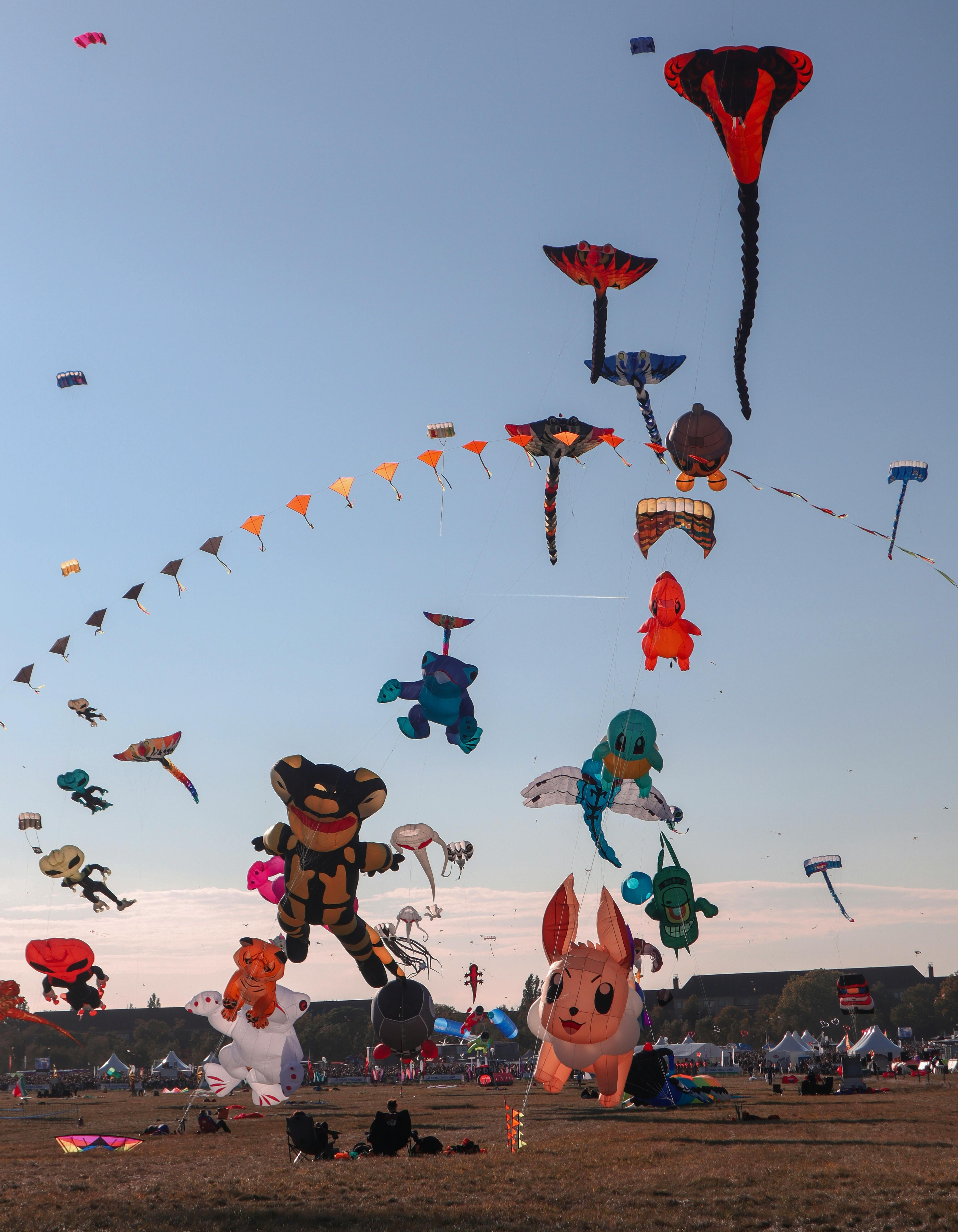
Tempelhofer Feld
Tempelhofer Feld is a decommissioned airport turned into a massive 900-acre public park—the ultimate symbol of Berlin's freedom and transformation. The former runways are now used for skating, cycling, kiteboarding, grilling, and urban gardening. It's wide-open, flat, and surreal—you can see the entire city skyline. Locals voted in 2014 to keep it undeveloped, rejecting luxury housing plans. It's pure Berlin: reclaiming history for public space.