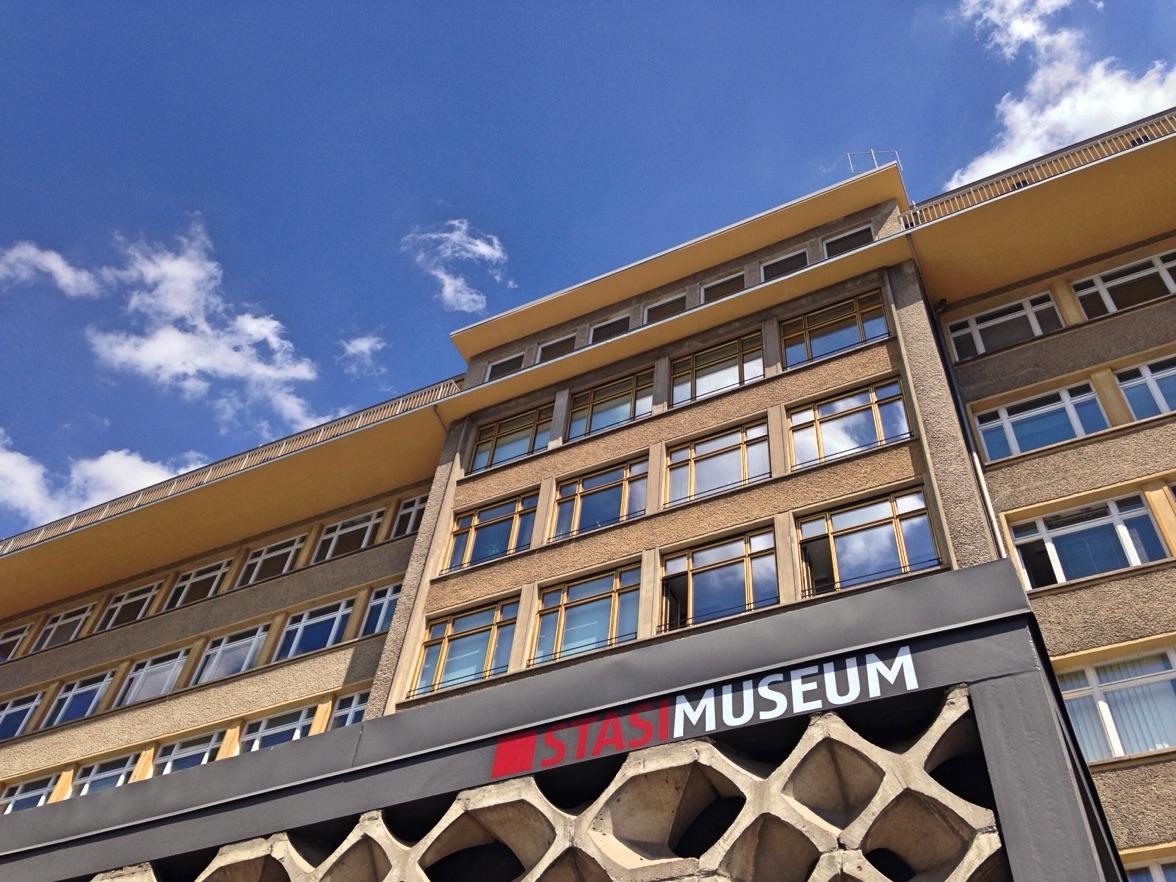
Stasi Museum
"The Stasi Museum is located in the former headquarters of East Germany's secret police (Stasi), one of history's most effective surveillance states. The museum preserves the office of Erich Mielke (Stasi chief 1957-1989) and displays the terrifying surveillance technology used to monitor 6 million citizens: hidden cameras, mail-opening equipment, smell jars (to track people by scent). It's chilling, educational, and essential for understanding East German totalitarianism."
Logistics
Affordable
Vibe
Chilling, educational
Duration
2 hours
Best For
History buffs
The Backstory
The Stasi (Ministerium für Staatssicherheit) operated 1950-1990 as East Germany's secret police, employing 91,000 full-time agents and 173,000 informants. They spied on one-third of the population. After the Wall fell in 1989, citizens stormed Stasi offices to prevent document destruction. The headquarters became a museum in 1990.
Local Secret
"Take the free audio guide—it's essential for context. Mielke's preserved office is eerie—wood paneling, telephones, and a safe. The surveillance technology is disturbing but fascinating. Allow 1.5-2 hours. The museum is in Lichtenberg (East Berlin)—not touristy, so it's quiet. Combine with a visit to the Stasi Records Archive (Stasi-Unterlagen-Archiv) nearby where victims can request their files."
Gallery
You Might Also Like
Club Culture
Techno
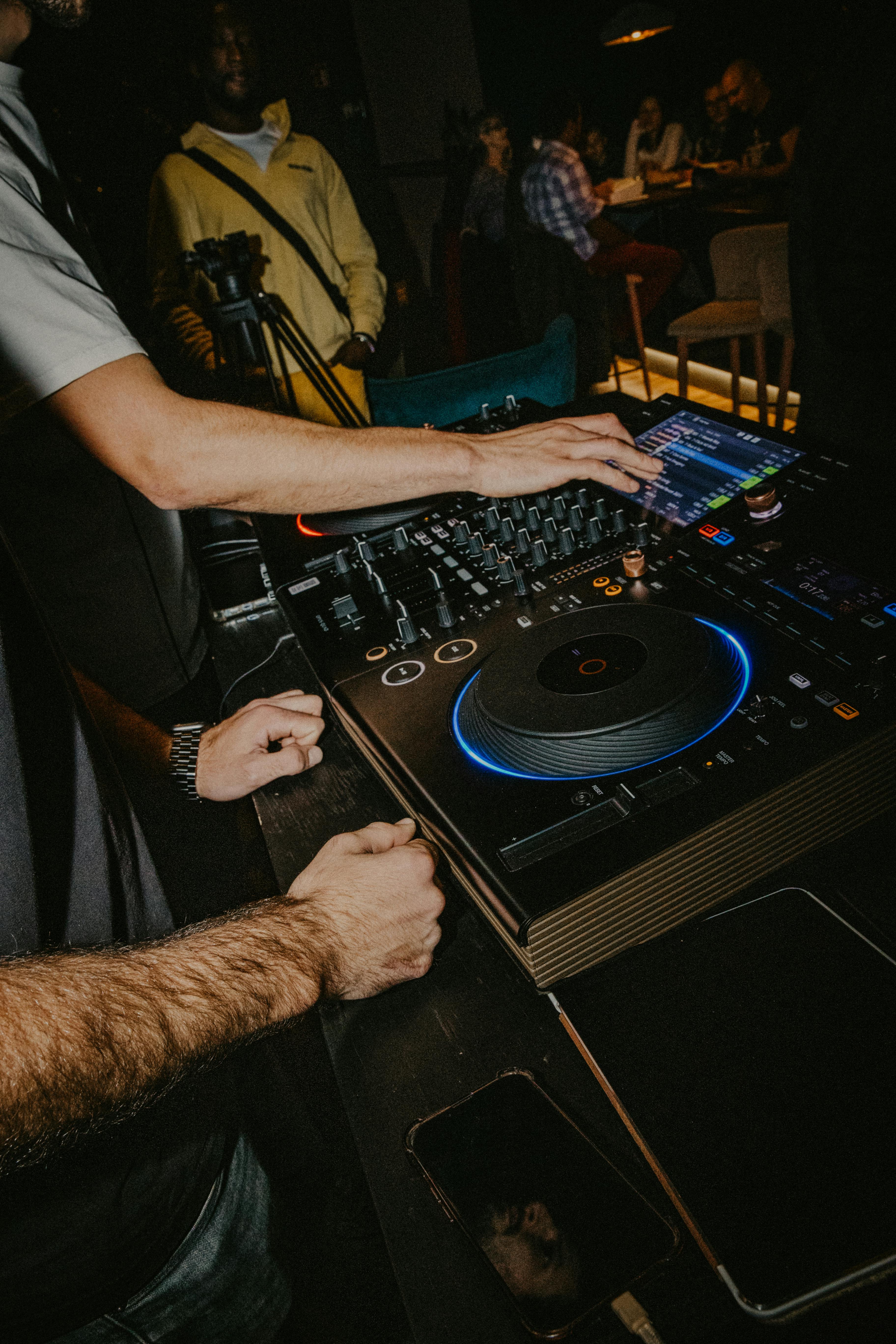
Berlin's club culture is legendary and unique: industrial warehouses converted into dark, cavernous spaces with world-class sound systems, strict 'no photo' policies, and door policies that reject based on vibes. Clubs like Berghain, Tresor, and Sisyphos operate Friday-Monday non-stop (48-72 hours). It's not about being seen—it's about disappearing into music, freedom, and hedonism. The experience is intense, inclusive, and life-changing for electronic music fans.
The Lakes (Badeseen)
Badesee
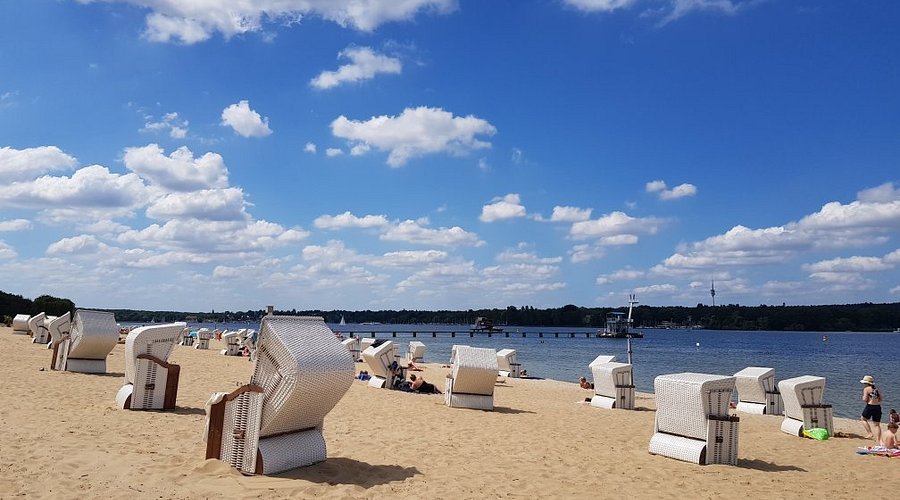
In summer, Berliners flee to the city's lakes (Badeseen)—Wannsee, Müggelsee, Schlachtensee, Plötzensee—for swimming, sunbathing, and grilling. These are natural lakes within city limits, surrounded by forests and beaches. FKK (Freikörperkultur—public nudity) is common, non-sexual, and culturally accepted at designated sections. It's pure nature, surprisingly clean water, and a stark contrast to urban Berlin. Locals bring beer, portable grills, and spend entire Sundays lakeside.
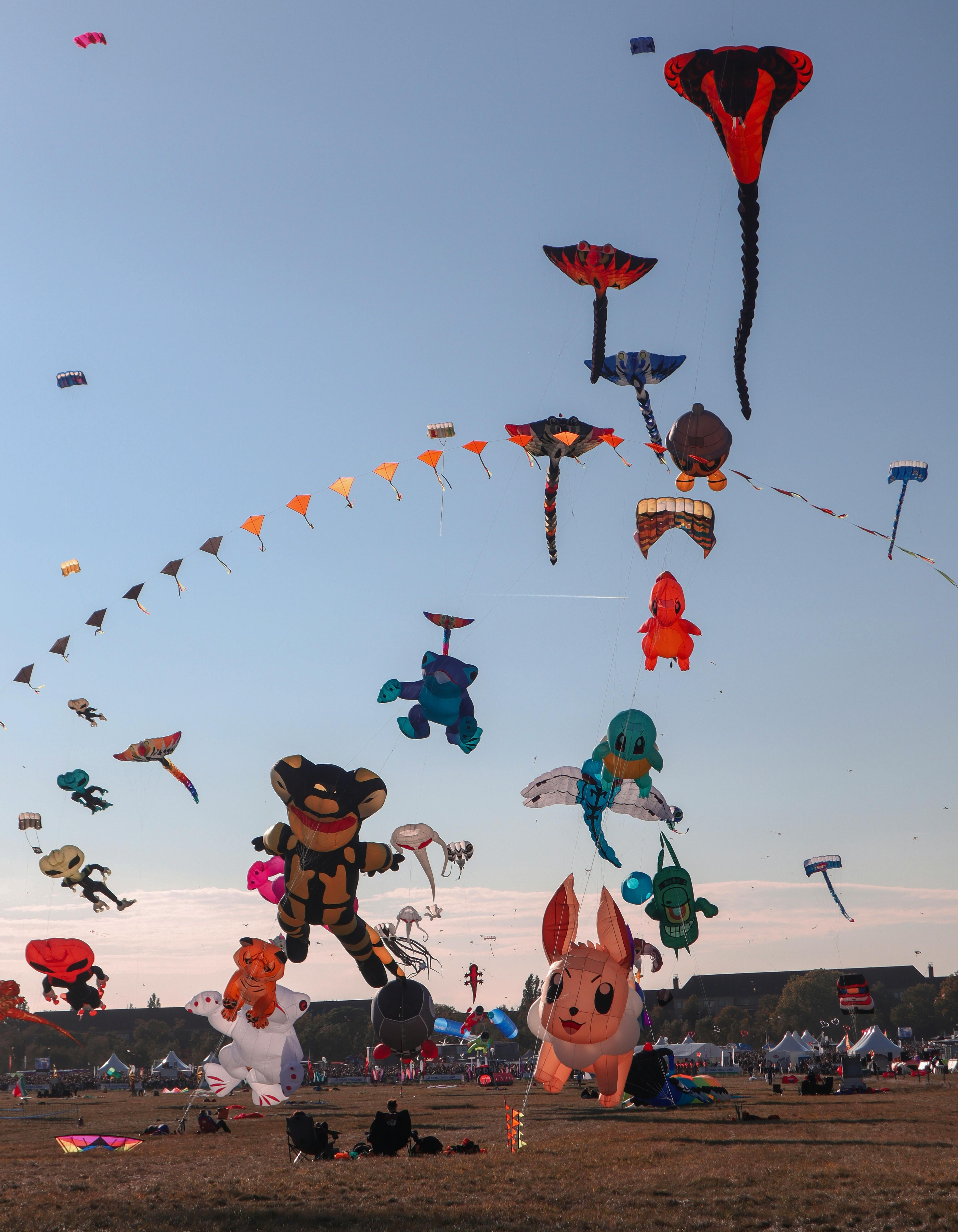
Tempelhofer Feld
Tempelhofer Feld is a decommissioned airport turned into a massive 900-acre public park—the ultimate symbol of Berlin's freedom and transformation. The former runways are now used for skating, cycling, kiteboarding, grilling, and urban gardening. It's wide-open, flat, and surreal—you can see the entire city skyline. Locals voted in 2014 to keep it undeveloped, rejecting luxury housing plans. It's pure Berlin: reclaiming history for public space.