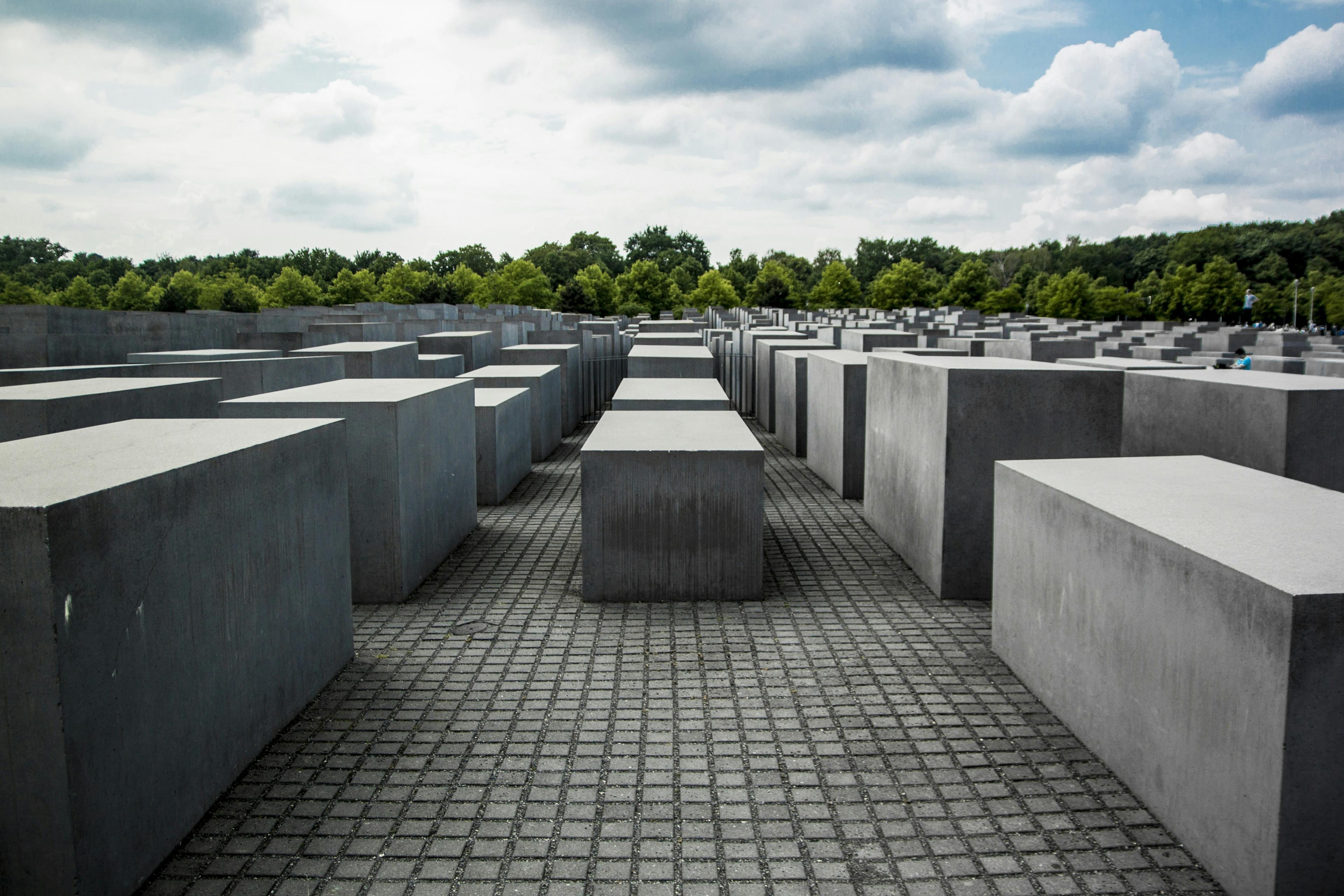
Holocaust Memorial
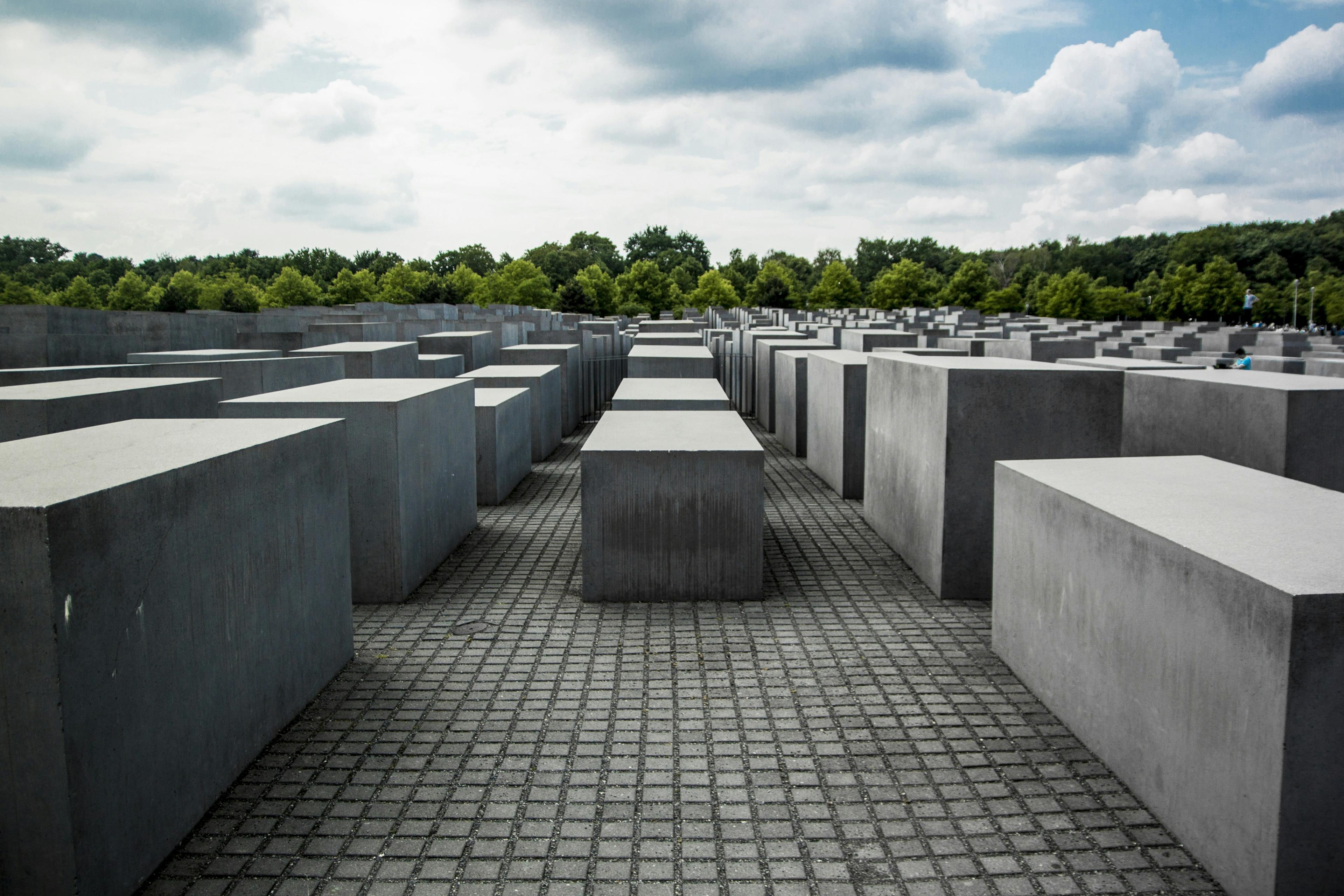
"The Holocaust Memorial (Memorial to the Murdered Jews of Europe) is a haunting field of 2,711 concrete slabs (stelae) of varying heights arranged in a grid. Walking into the center is disorienting—the ground undulates, the slabs tower overhead, and you lose sight of others. It's intentionally overwhelming and claustrophobic. The underground information center documents Holocaust victims. The memorial opened in 2005 after decades of debate. Remain respectful—no climbing, no selfies on the blocks."
Logistics
Affordable
Vibe
Somber, powerful
Duration
1 hour
Best For
History buffs
The Backstory
Designed by architect Peter Eisenman and opened in 2005 after 17 years of debate over how to memorialize the Holocaust. The abstract design was intentional—no explicit symbolism, just disorientation and reflection. It sits near Hitler's former bunker site. 6 million Jews were murdered in the Holocaust; the memorial honors them without naming individuals (except in the underground center).
Local Secret
"Enter from the edges and walk toward the center where the slabs become taller and more claustrophobic—this is the intended experience. Spend time in the underground information center (free) which documents victims' stories. Visit early morning or late evening for solitude. Do NOT pose for selfies on the slabs—it's deeply disrespectful. The memorial is always open (24/7)."
Gallery
You Might Also Like
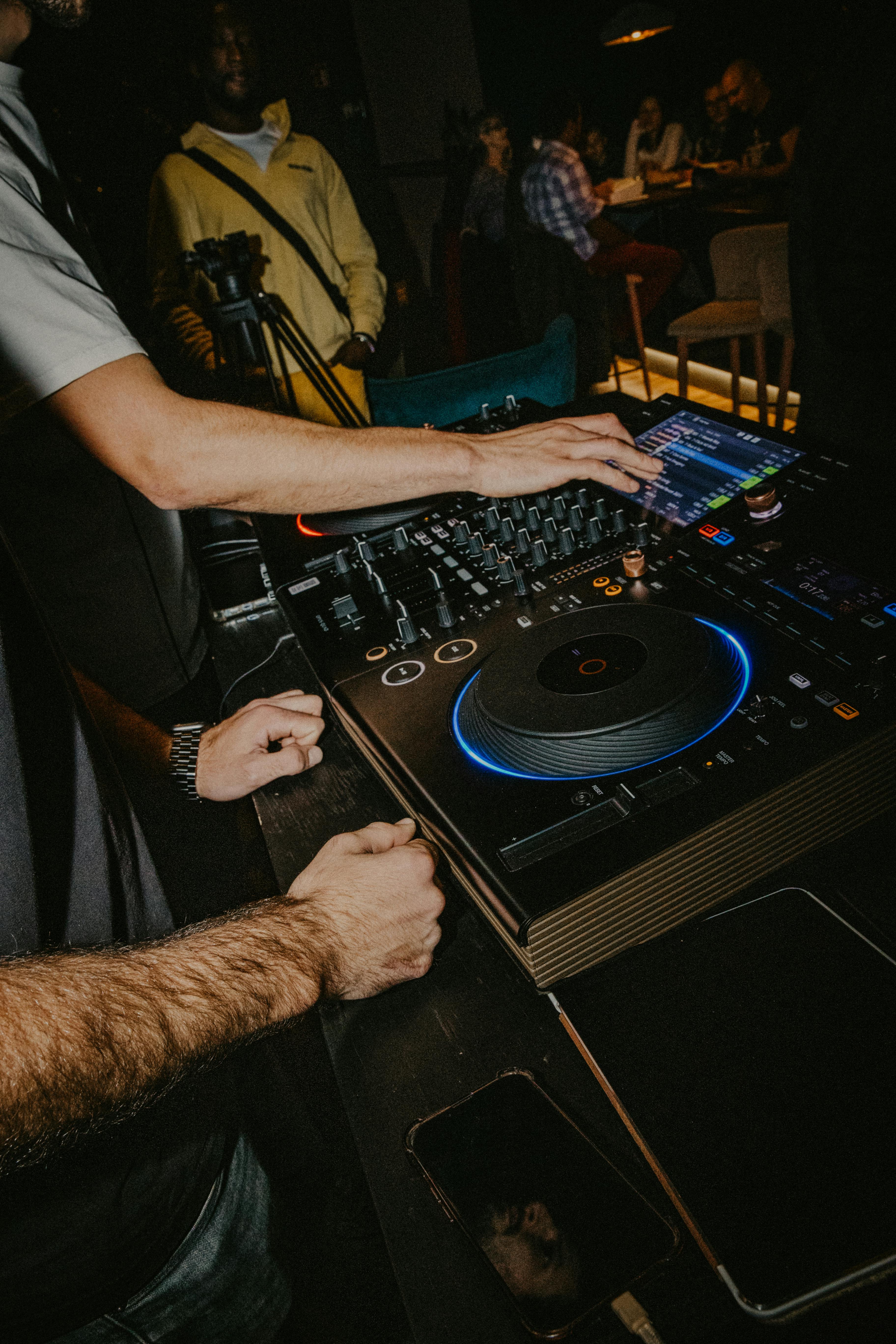
Club Culture
Techno
Berlin's club culture is legendary and unique: industrial warehouses converted into dark, cavernous spaces with world-class sound systems, strict 'no photo' policies, and door policies that reject based on vibes. Clubs like Berghain, Tresor, and Sisyphos operate Friday-Monday non-stop (48-72 hours). It's not about being seen—it's about disappearing into music, freedom, and hedonism. The experience is intense, inclusive, and life-changing for electronic music fans.
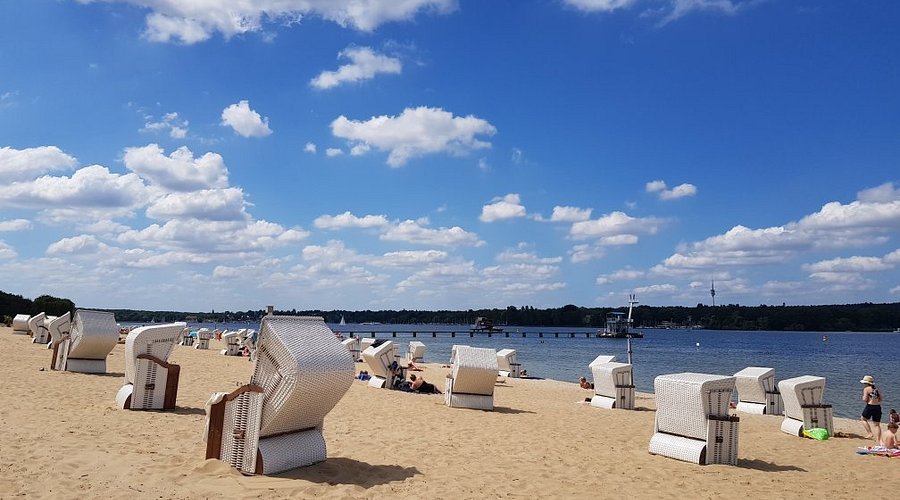
The Lakes (Badeseen)
Badesee
In summer, Berliners flee to the city's lakes (Badeseen)—Wannsee, Müggelsee, Schlachtensee, Plötzensee—for swimming, sunbathing, and grilling. These are natural lakes within city limits, surrounded by forests and beaches. FKK (Freikörperkultur—public nudity) is common, non-sexual, and culturally accepted at designated sections. It's pure nature, surprisingly clean water, and a stark contrast to urban Berlin. Locals bring beer, portable grills, and spend entire Sundays lakeside.
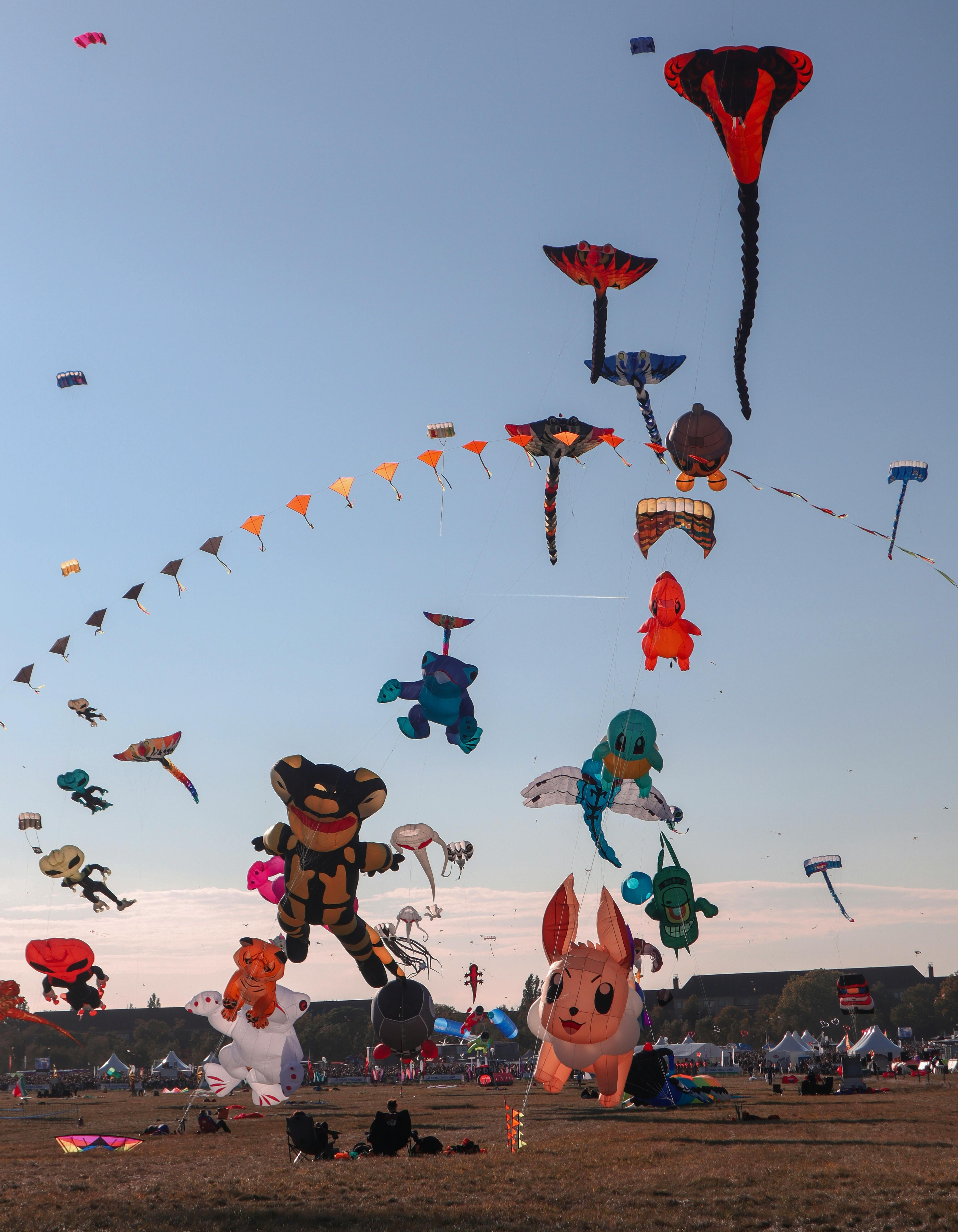
Tempelhofer Feld
Tempelhofer Feld is a decommissioned airport turned into a massive 900-acre public park—the ultimate symbol of Berlin's freedom and transformation. The former runways are now used for skating, cycling, kiteboarding, grilling, and urban gardening. It's wide-open, flat, and surreal—you can see the entire city skyline. Locals voted in 2014 to keep it undeveloped, rejecting luxury housing plans. It's pure Berlin: reclaiming history for public space.