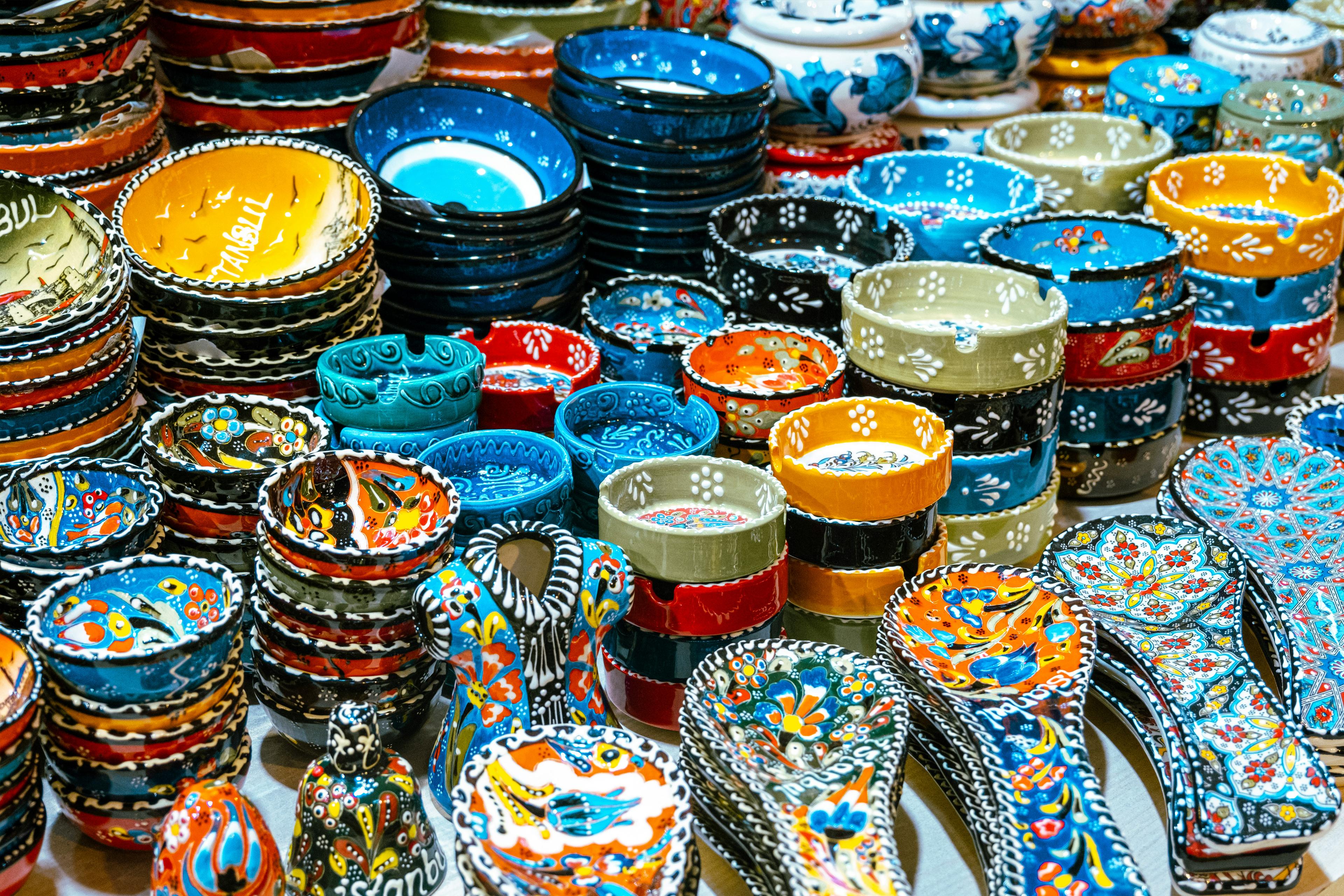
Grand Bazaar
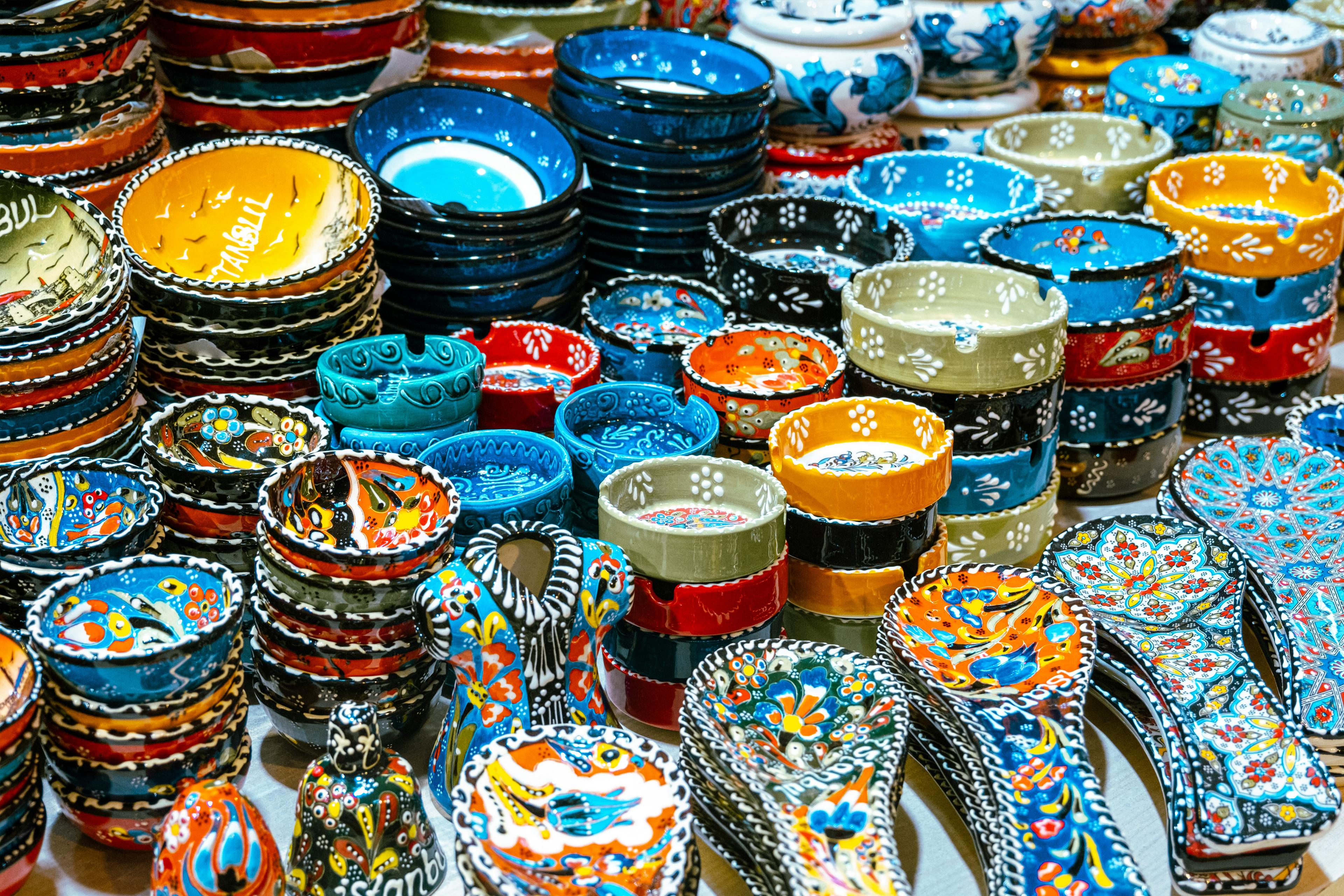
"The Grand Bazaar is one of the world's oldest and largest covered markets, with 61 streets and over 4,000 shops within its labyrinthine structure. Built in 1461, it sells everything from carpets and ceramics to gold jewelry and leather goods. While heavily touristy, it remains a functioning market where locals shop. The architecture, scale, and energy make it essential despite the aggressive salesmanship."
Logistics
Moderate
Vibe
Chaotic, Historic, Overwhelming
Duration
2-3 hours
Best For
Shopping
The Backstory
Sultan Mehmed II ordered construction of the first covered bedesten (warehouse) in 1461, shortly after conquering Constantinople. The market grew organically over centuries as shops and hans (caravanserais) were added around it. By the 17th century, it had become the trading heart of the Ottoman Empire, where silk road merchants sold goods from Persia, Central Asia, and beyond. The bazaar survived multiple fires and earthquakes, each time being rebuilt. During its peak, over 100,000 people worked or visited daily.
Local Secret
"Enter through the Nuruosmaniye Gate (southeast entrance) to start in the more authentic section. Visit early morning (9-10 AM) before tour groups arrive. Prices are marked but always negotiable—start at 50% of asking price. The best finds are in the back streets and hans (covered courtyards) off the main arteries. Avoid gold shops near main gates—they target tourists."
Gallery
You Might Also Like
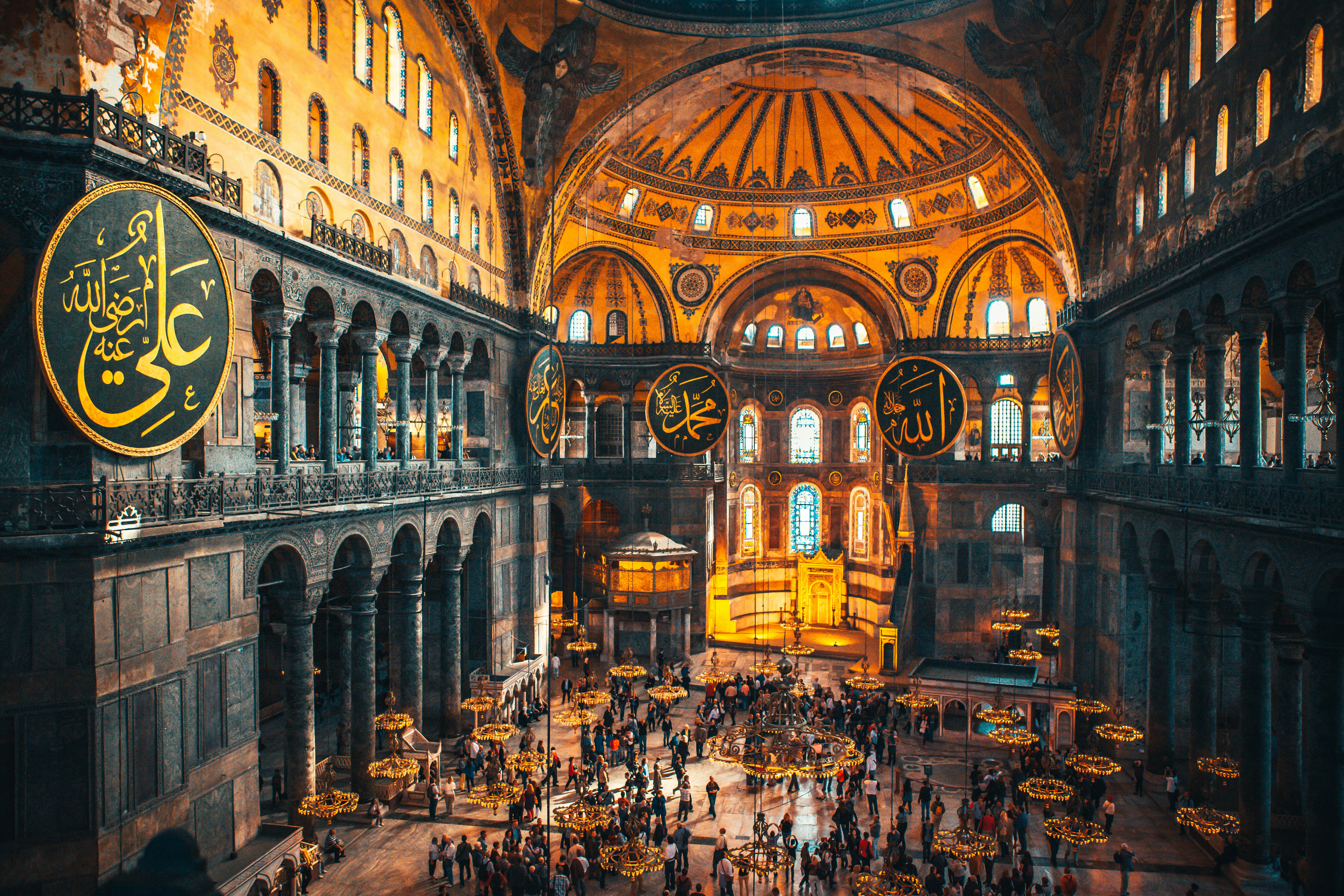
Hagia Sophia
Ayasofya
Hagia Sophia is a 6th-century architectural marvel that served as a Byzantine cathedral for nearly 1,000 years, then an Ottoman mosque for 500 years, and a museum from 1935-2020. It was reconverted to a mosque in 2020, fundamentally changing the visitor experience. The massive dome, stunning mosaics, and layered history make it one of the world's most significant buildings.
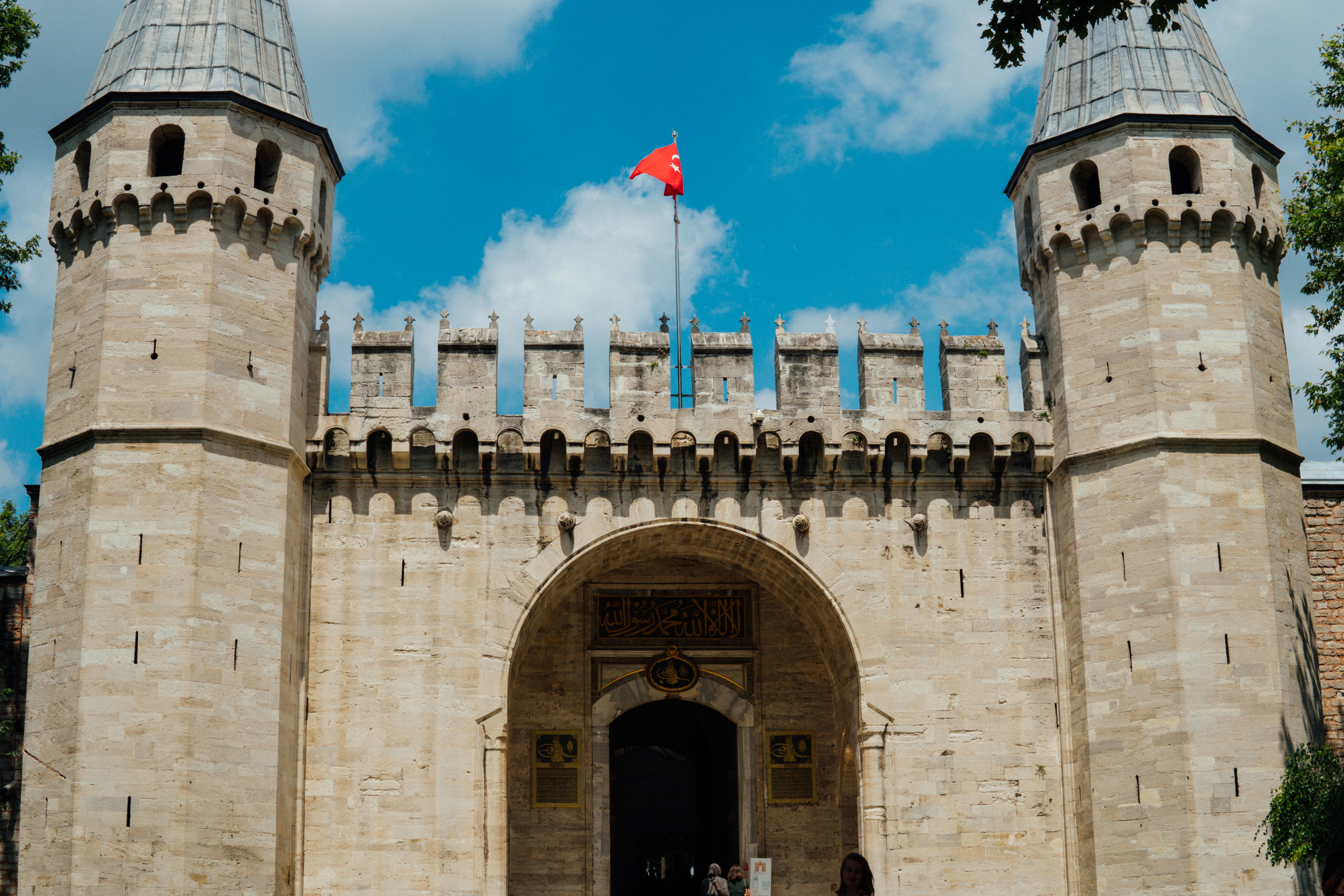
Topkapi Palace
Topkapı Sarayı
Topkapi Palace was the primary residence and administrative center of Ottoman sultans for nearly 400 years (1465-1856). This sprawling complex contains courtyards, pavilions, treasury rooms filled with jewels and artifacts, and the infamous Harem where the sultan's family and concubines lived. The views over the Bosphorus are stunning, and the scale reveals the power of the Ottoman Empire at its height.
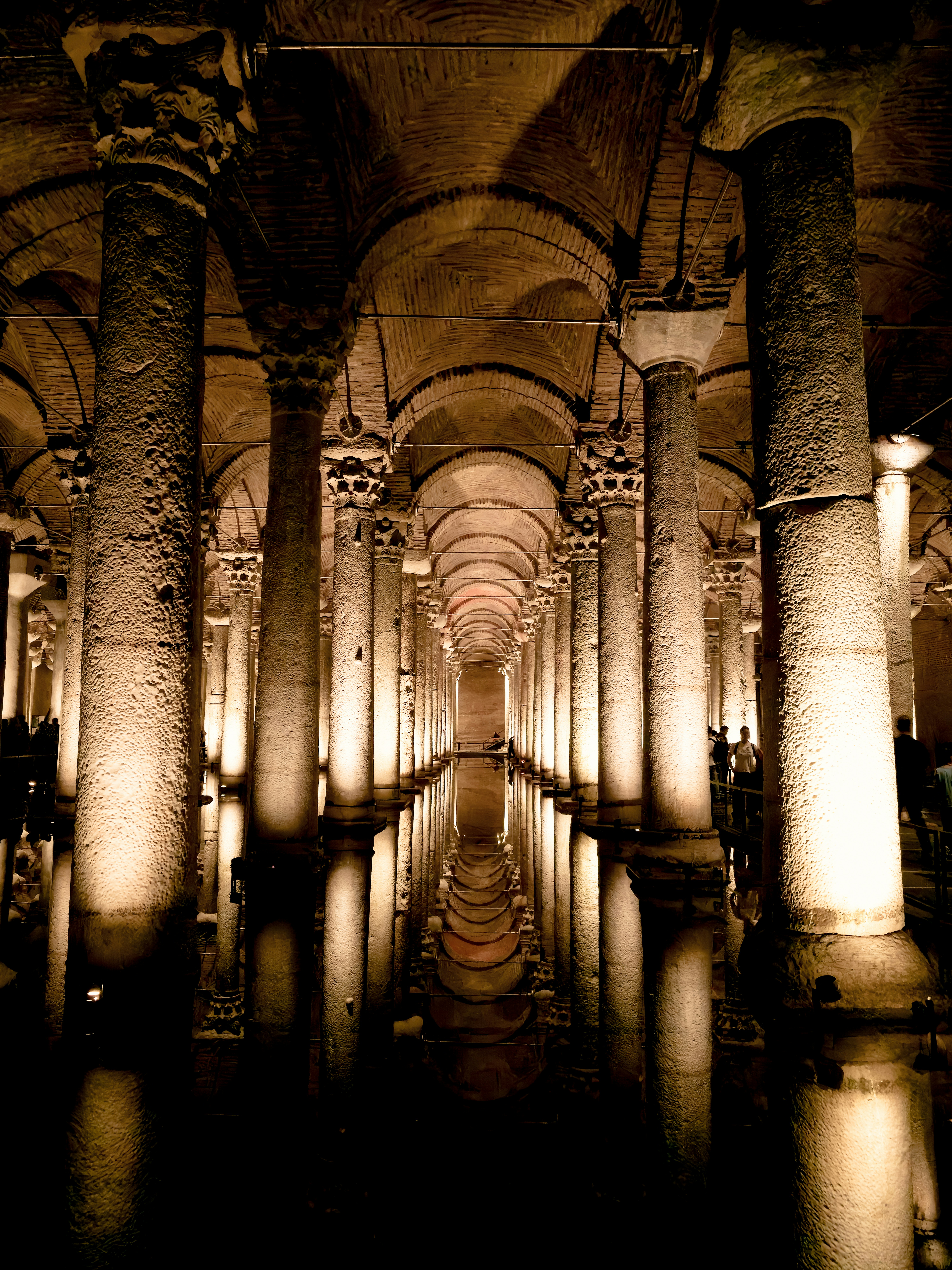
Basilica Cistern
Yerebatan Sarnıcı
The Basilica Cistern is an underground Byzantine water reservoir featuring 336 marble columns rising from shallow water in a dimly lit, cathedral-like space. The most famous features are two Medusa head column bases—one sideways, one upside down. Built in 532 CE, it's an atmospheric engineering marvel that once supplied water to the Great Palace. The acoustics and lighting create an eerie, cinematic experience.