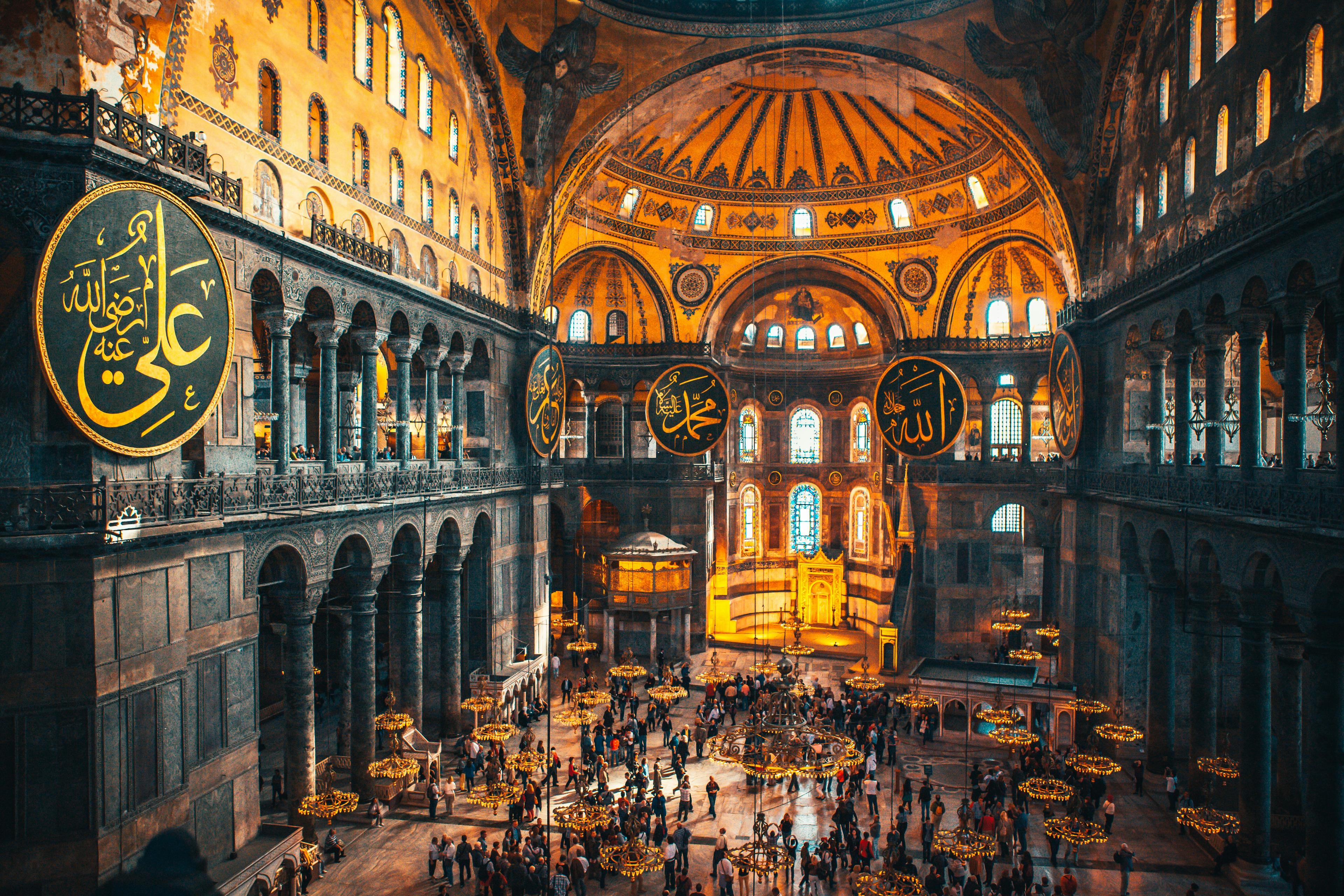
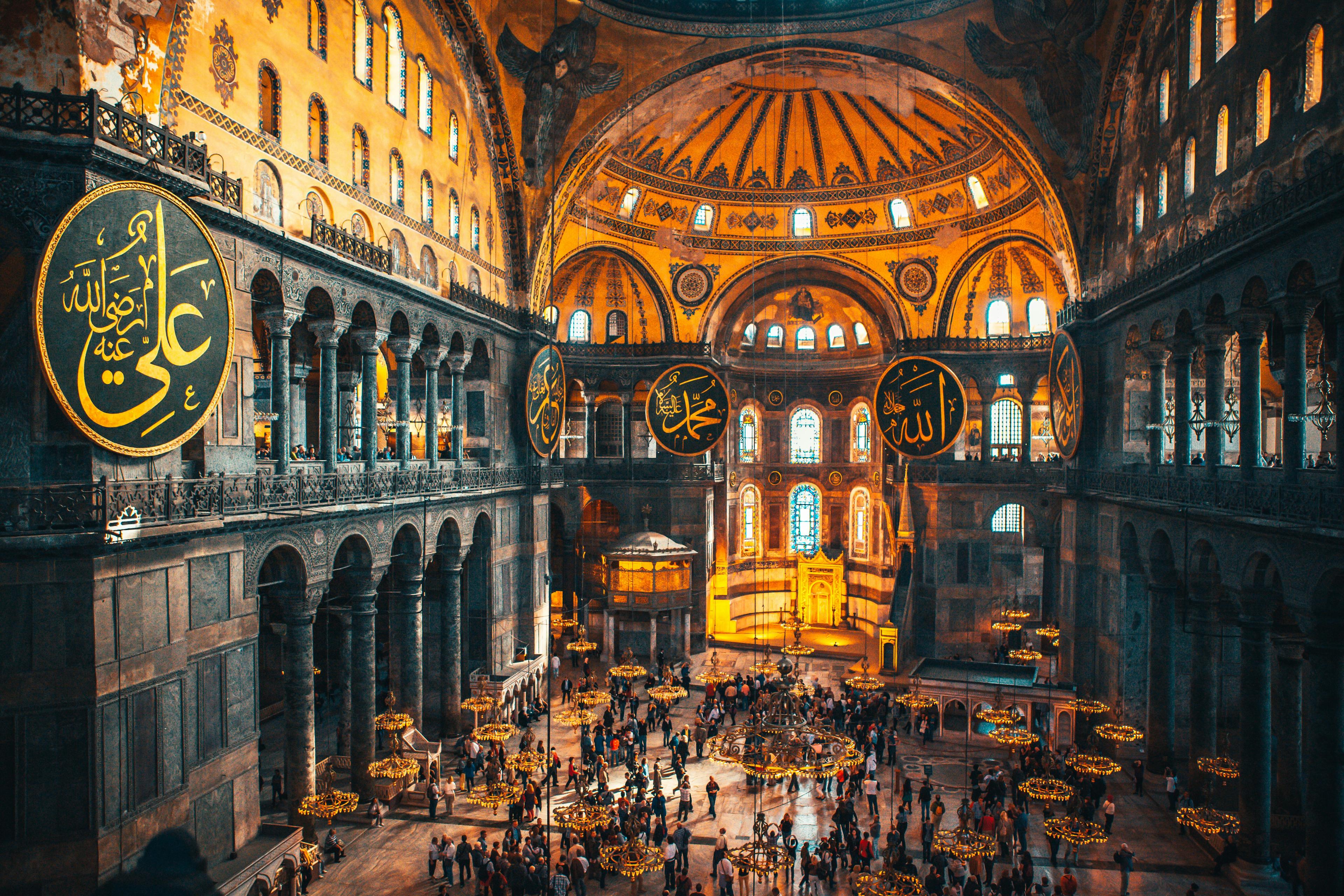
Hagia Sophia
"Hagia Sophia is a 6th-century architectural marvel that served as a Byzantine cathedral for nearly 1,000 years, then an Ottoman mosque for 500 years, and a museum from 1935-2020. It was reconverted to a mosque in 2020, fundamentally changing the visitor experience. The massive dome, stunning mosaics, and layered history make it one of the world's most significant buildings."
Logistics
Expensive
Vibe
Monumental, Sacred, Controversial
Duration
1.5-2 hours
Best For
History buffs
The Backstory
Emperor Justinian I built the current Hagia Sophia in 537 CE after two previous churches on the site burned down. Its dome was an engineering marvel—so ambitious that it partially collapsed in 558 and had to be rebuilt. When Ottoman Sultan Mehmed II conquered Constantinople in 1453, he immediately converted it to a mosque, adding minarets and covering Christian mosaics with plaster. Mustafa Kemal Atatürk secularized it as a museum in 1935 as part of his modernization reforms. In 2020, President Erdoğan reconverted it to a mosque, sparking international controversy.
Local Secret
"As of 2025, tourists enter via a separate gallery entrance (€25 fee) and cannot access the main prayer floor during prayer times. Arrive before 9 AM to avoid massive queues, especially in summer. The upper galleries offer the best views of mosaics."
Gallery
You Might Also Like
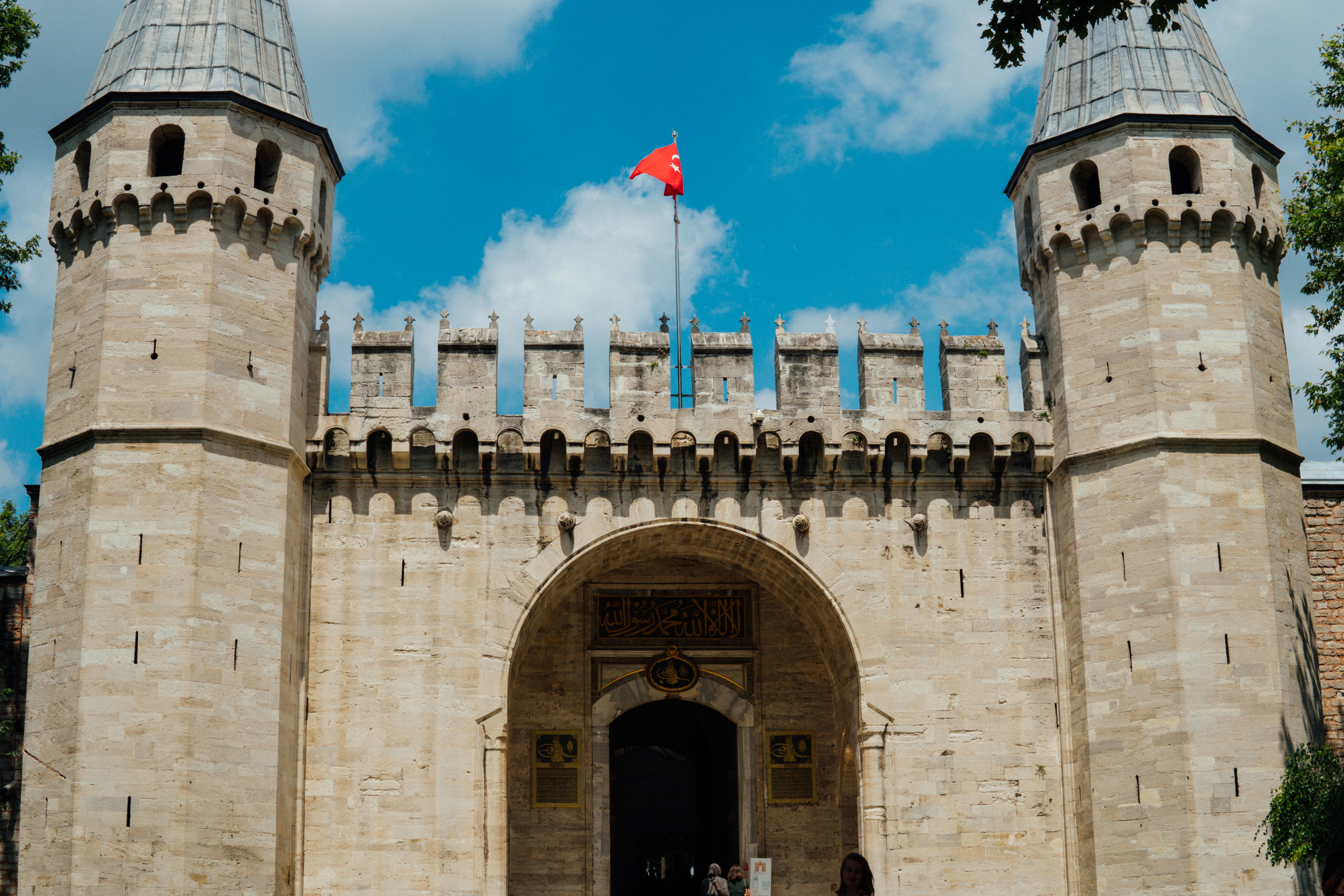
Topkapi Palace
Topkapı Sarayı
Topkapi Palace was the primary residence and administrative center of Ottoman sultans for nearly 400 years (1465-1856). This sprawling complex contains courtyards, pavilions, treasury rooms filled with jewels and artifacts, and the infamous Harem where the sultan's family and concubines lived. The views over the Bosphorus are stunning, and the scale reveals the power of the Ottoman Empire at its height.
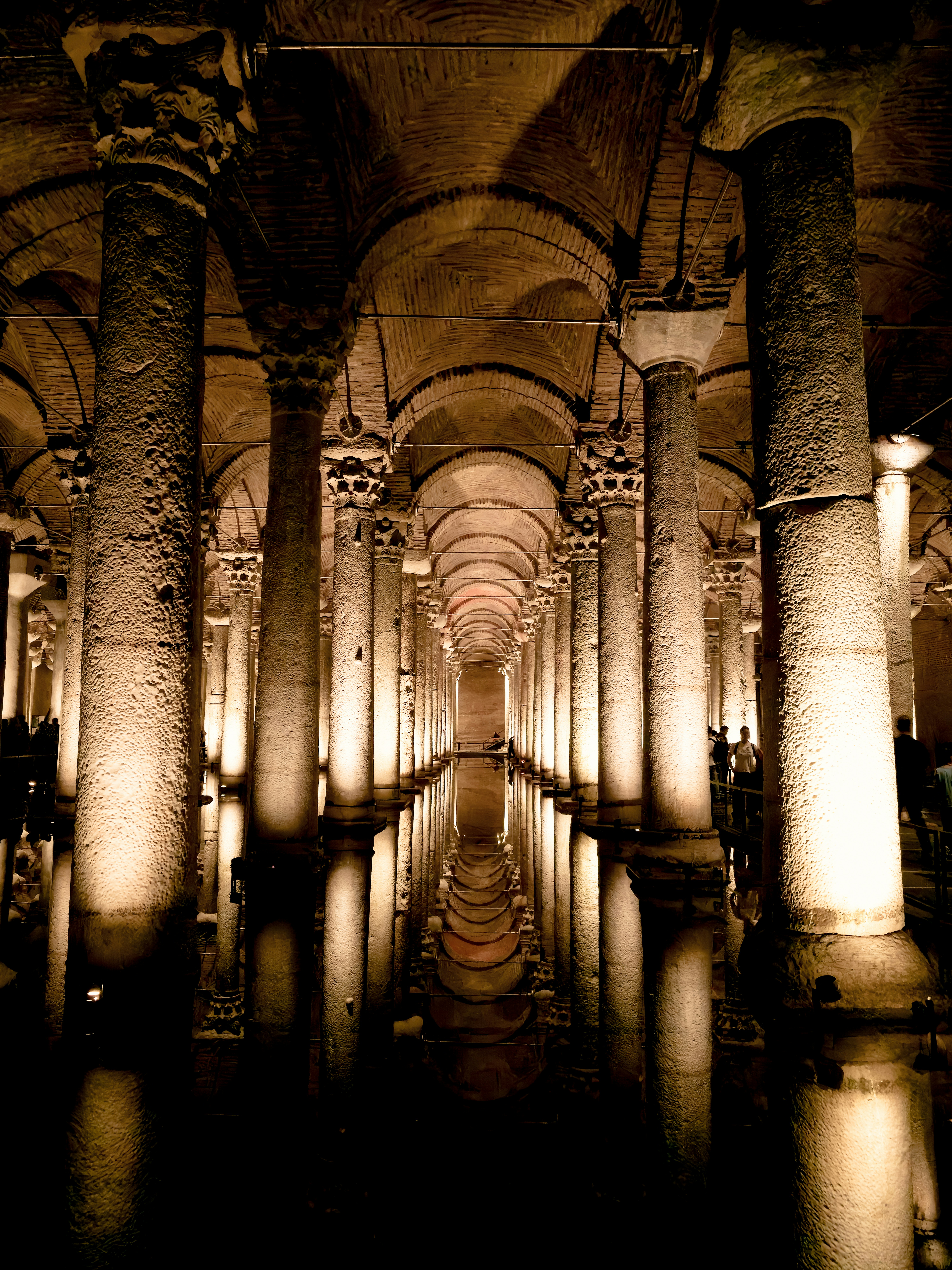
Basilica Cistern
Yerebatan Sarnıcı
The Basilica Cistern is an underground Byzantine water reservoir featuring 336 marble columns rising from shallow water in a dimly lit, cathedral-like space. The most famous features are two Medusa head column bases—one sideways, one upside down. Built in 532 CE, it's an atmospheric engineering marvel that once supplied water to the Great Palace. The acoustics and lighting create an eerie, cinematic experience.
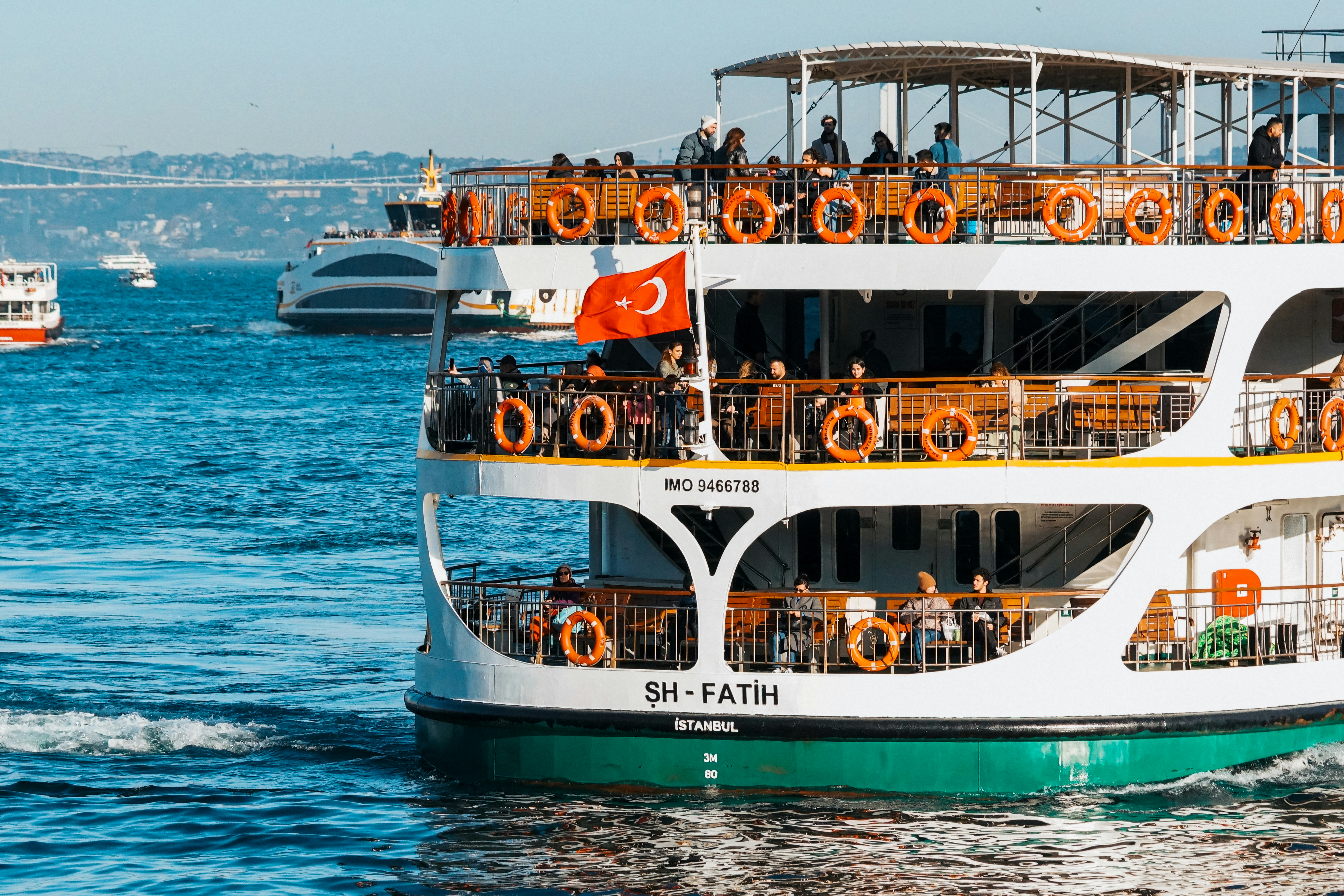
Commuter Ferry Ride
Vapur
The Bosphorus ferry (vapur) is Istanbul's iconic public transport connecting the European and Asian sides across the strait. This isn't a tourist cruise—it's how locals commute, complete with tea vendors walking the aisles. The views of palaces, mosques, and waterside mansions are unmatched. For a full experience, take Şehir Hatları's 'Long Bosphorus Tour' which goes all the way to the Black Sea.