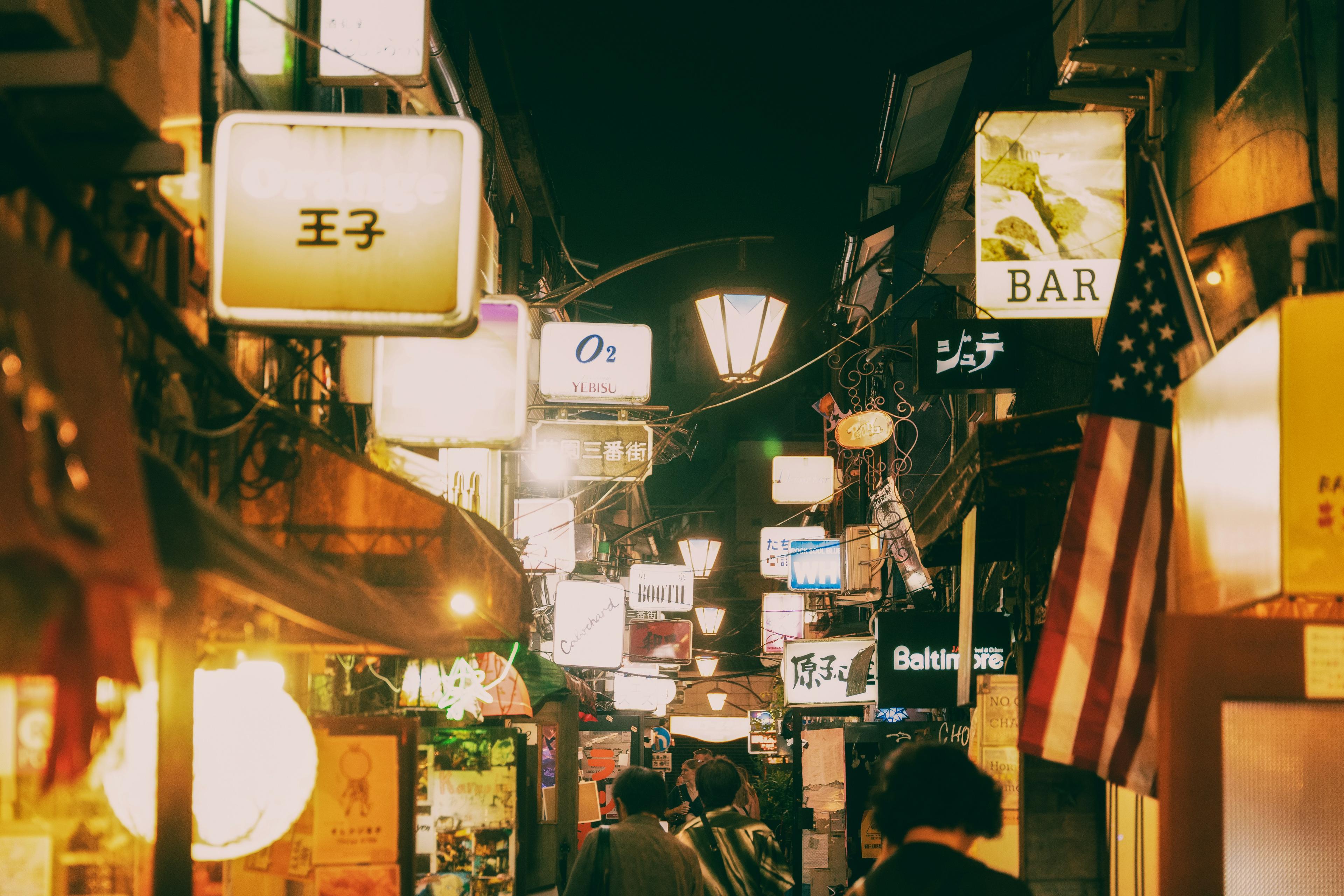
Golden Gai
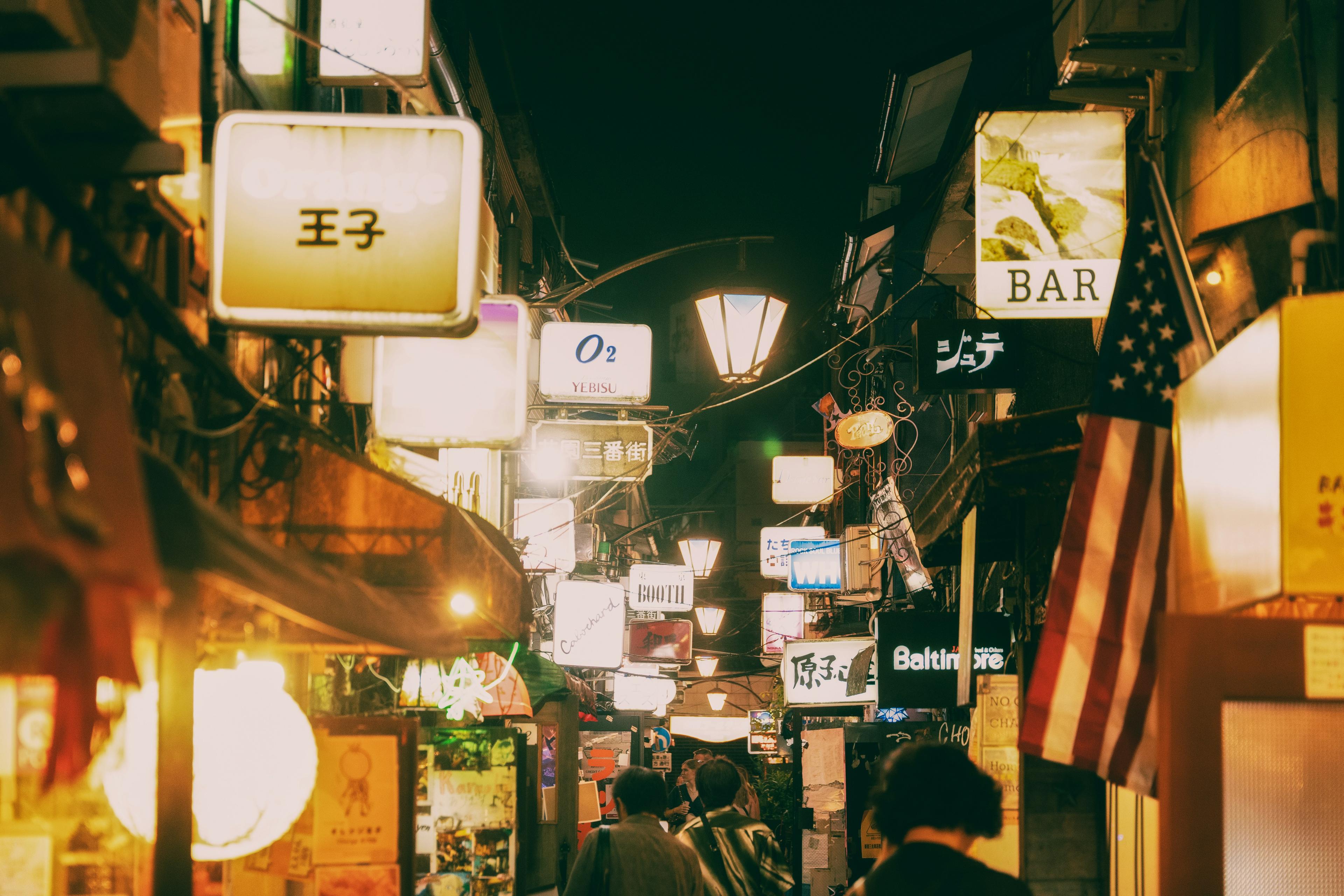
"Golden Gai is a cluster of over 200 tiny bars (seating 4-8 people) packed into six narrow alleys in Shinjuku. Each bar has its own theme, regulars, and personality—some welcome tourists, others don't. Most charge a cover fee (¥500-1,000) plus drink costs. It's a relic of post-war Tokyo, miraculously surviving redevelopment. The atmosphere is intimate, smoky, and nostalgic. Not all bars accept walk-ins—look for signs saying 'English OK' or 'Tourists welcome.'"
Logistics
Moderate
Vibe
Intimate, nostalgic
Duration
1-2 hours
Best For
Unique experience
The Backstory
Golden Gai emerged in the 1950s-60s as illegal drinking stalls in post-war Shinjuku. By the 1970s-80s, it became a bohemian haven for writers, artists, and filmmakers. Fires in the 1990s destroyed parts of it, but the community rebuilt. Gentrification threatened it in the 2000s, but preservation efforts saved the alleys. It's now a protected cultural asset but also a tourist attraction.
Local Secret
"Visit after 9pm when bars open (most open 8pm-2am). Walk the alleys first to find bars that welcome tourists—look for 'English OK' signs or friendly-looking bartenders. Cover charges (¥500-1,000) are standard—it's not a scam, it's how tiny bars survive. Order a drink (¥700-1,000) and chat. Expect cramped seating—bars fit 4-8 people. Don't go for cheap drinks; go for the experience. Albatross Bar is tourist-friendly."
Gallery
You Might Also Like
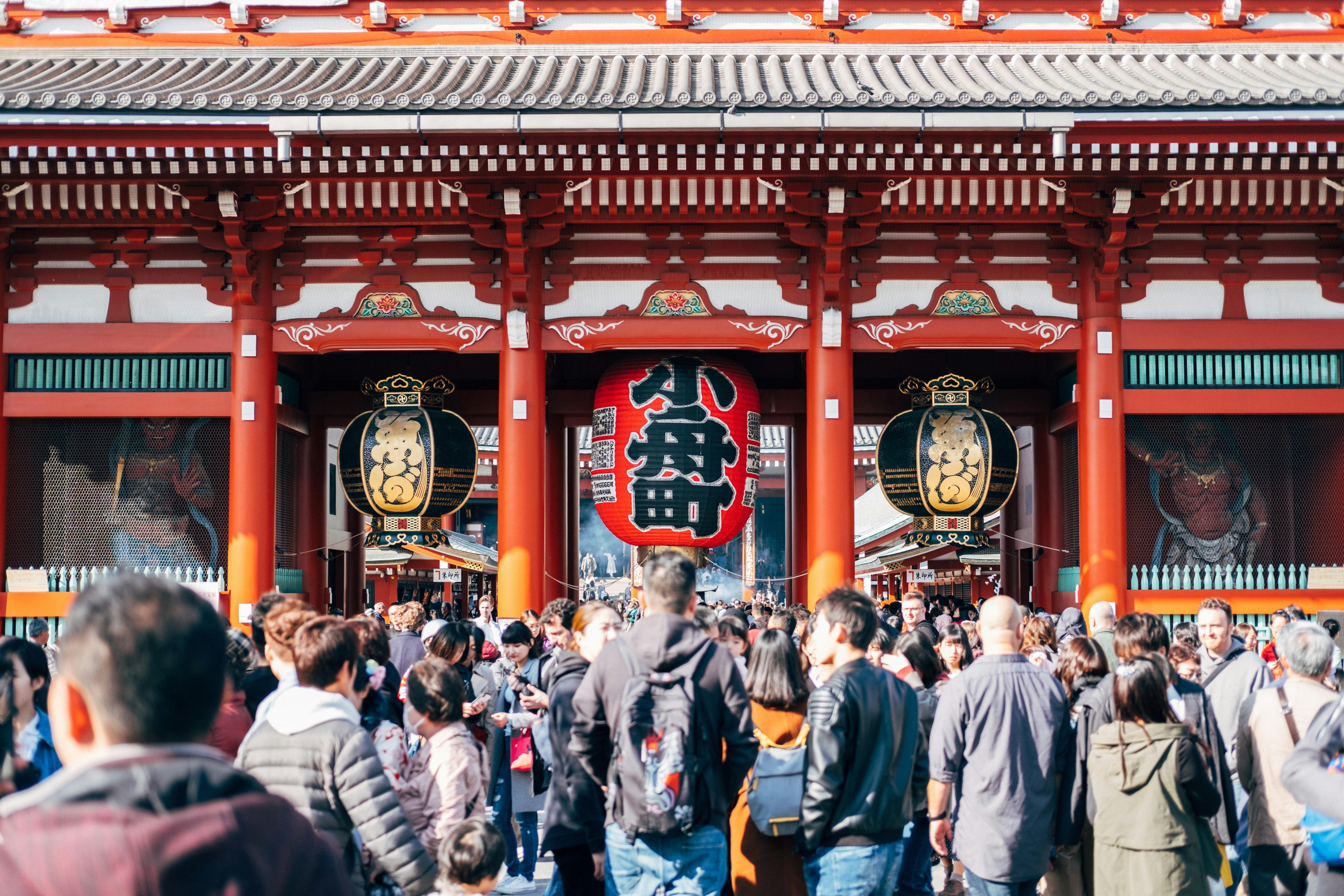
Senso-ji Temple
浅草寺
Senso-ji is Tokyo's oldest and most famous Buddhist temple (founded 645 AD), located in Asakusa. The entrance features the iconic Kaminarimon ('Thunder Gate') with a massive red lantern. Walk through Nakamise shopping street (200m of souvenir stalls) to reach the main hall. The temple is free, always open, and stunningly beautiful when lit at night. It's the most touristy temple but also the most photogenic and historically significant.
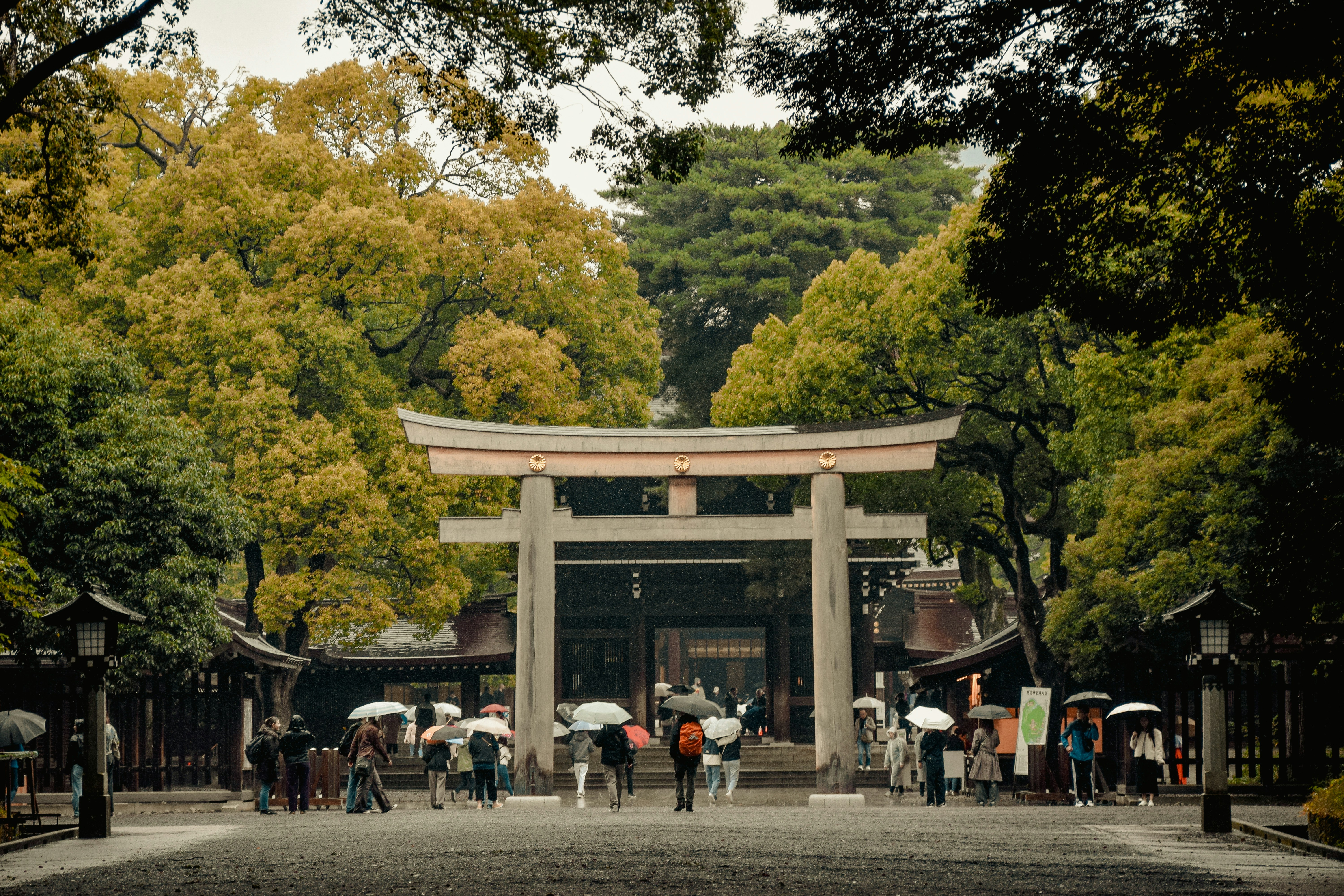
Meiji Shrine
明治神宮
Meiji Shrine (Meiji Jingu) is a serene Shinto shrine dedicated to Emperor Meiji and Empress Shoken, set in a 175-acre forested park in the heart of Tokyo. The walk through the towering torii gates and forest creates a peaceful transition from the chaos of Harajuku next door. The shrine itself is built from Japanese cypress and copper. It's free, always open, and a spiritual escape. If lucky, you might witness a traditional Shinto wedding.
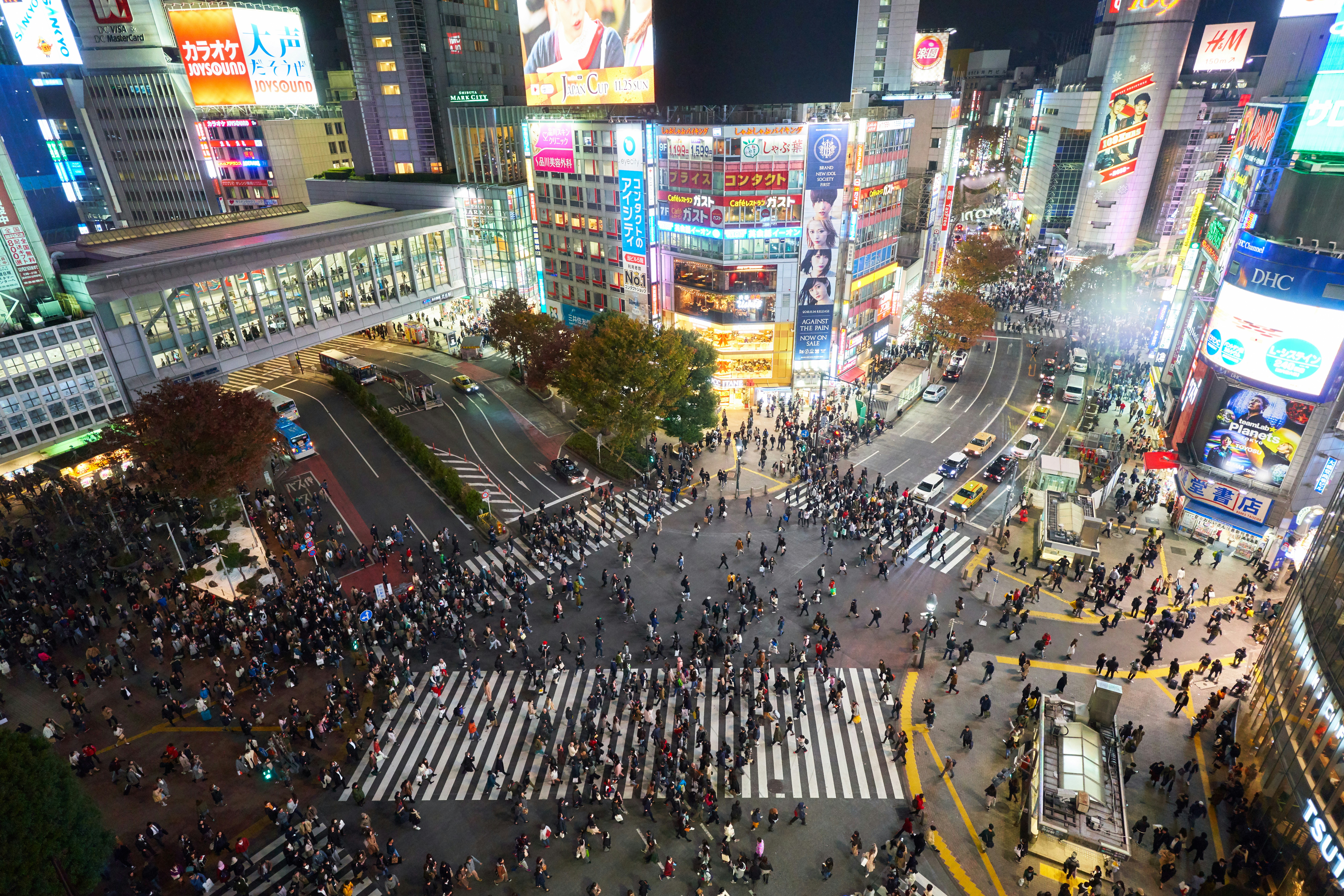
Shibuya Crossing
渋谷スクランブル交差点
Shibuya Crossing is the world's busiest pedestrian intersection—up to 3,000 people cross simultaneously every light cycle (every 2 minutes). It's a spectacle of organized chaos: neon billboards, video screens, and a sea of people converging from five directions. The experience is surreal—you're part of the flow. Best viewed from above (Mag's Park rooftop or Starbucks) or experienced at street level. Peak times (6-8pm weekdays) are most dramatic.