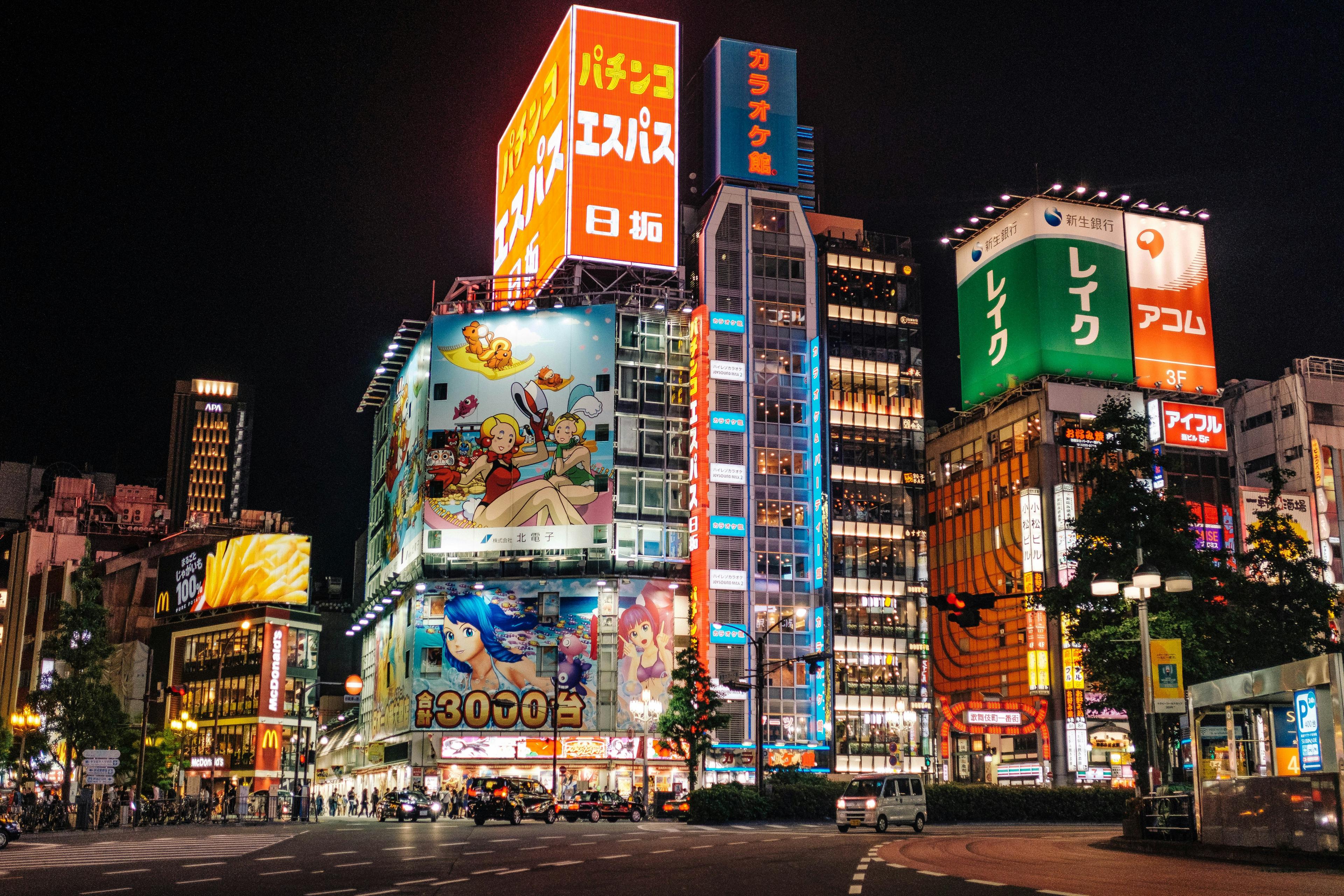
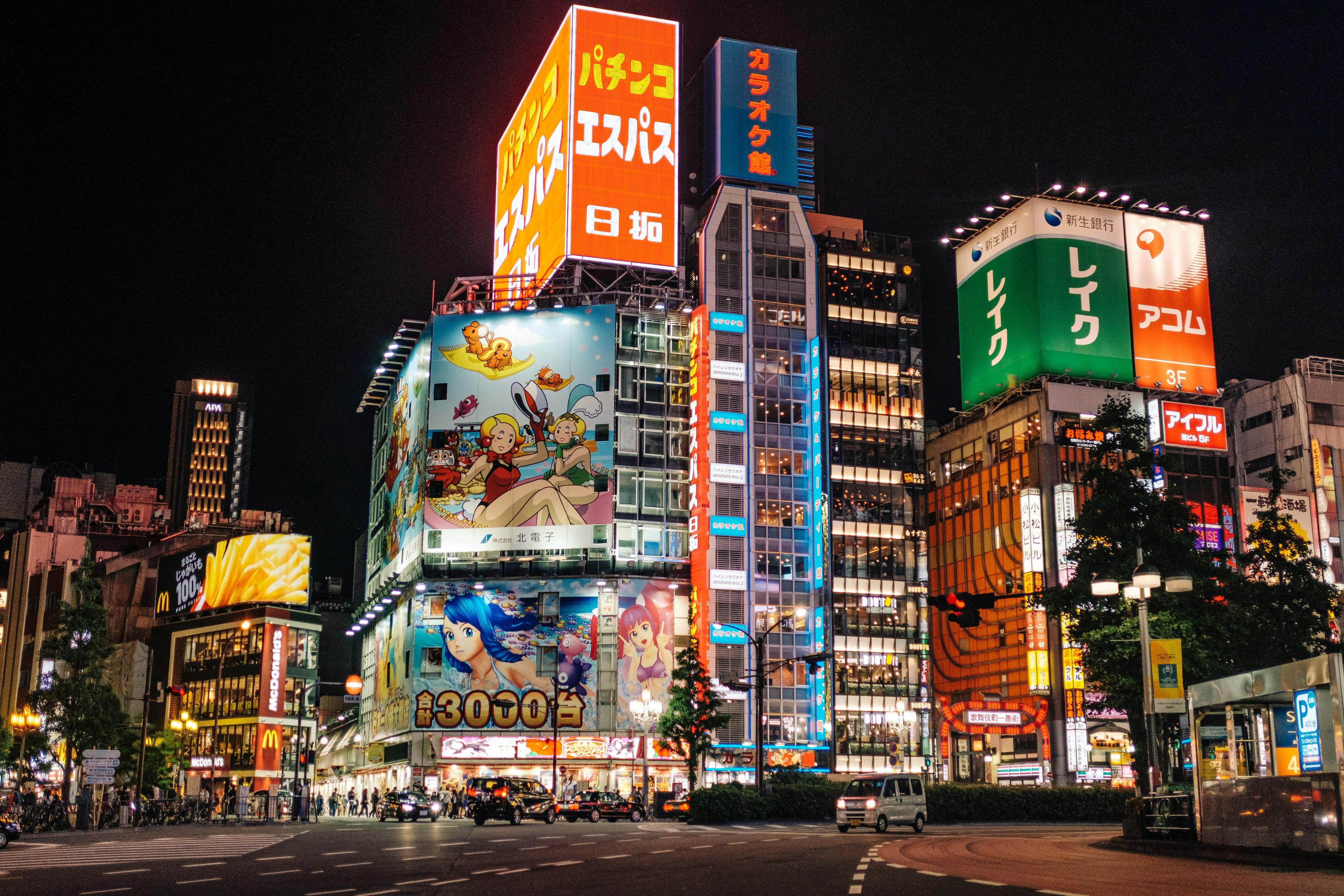
Shinjuku at Night
"Shinjuku at night is Tokyo's neon soul: towering video screens, packed izakayas, red-light districts (Kabukicho), and smoky alleyways like Omoide Yokocho ('Piss Alley')—a narrow alley of yakitori stalls where salarymen drink after work. The area is safe but chaotic, loud, and overwhelming. East Shinjuku (Kabukicho) is the entertainment district; Omoide Yokocho offers authentic grilled skewers under low ceilings. It's cyberpunk reality."
Logistics
Moderate
Vibe
Neon, chaotic
Duration
2-3 hours
Best For
Nightlife
The Backstory
Shinjuku became Tokyo's entertainment hub after WWII when black markets and bars opened near the station (Japan's busiest). Kabukicho—named after a planned kabuki theater that never opened—became the red-light district by the 1960s. Omoide Yokocho ('Memory Lane') was post-war shantytown drinking alleys, now preserved as nostalgic yakitori stalls. The neon aesthetic peaked in the 1980s-90s bubble economy.
Local Secret
"Wander East Shinjuku from the East Exit—just walk and absorb the neon chaos. Omoide Yokocho (near West Exit) is best after 7pm—order yakitori and beer at tiny stalls (¥1,000-2,000 per person). Avoid touts in Kabukicho offering 'massages' or 'bars'—they're scams. Golden Gai (nearby) has 200+ tiny bars but charges cover fees (¥500-1,000). Go between 8pm-11pm for peak energy."
Gallery
You Might Also Like
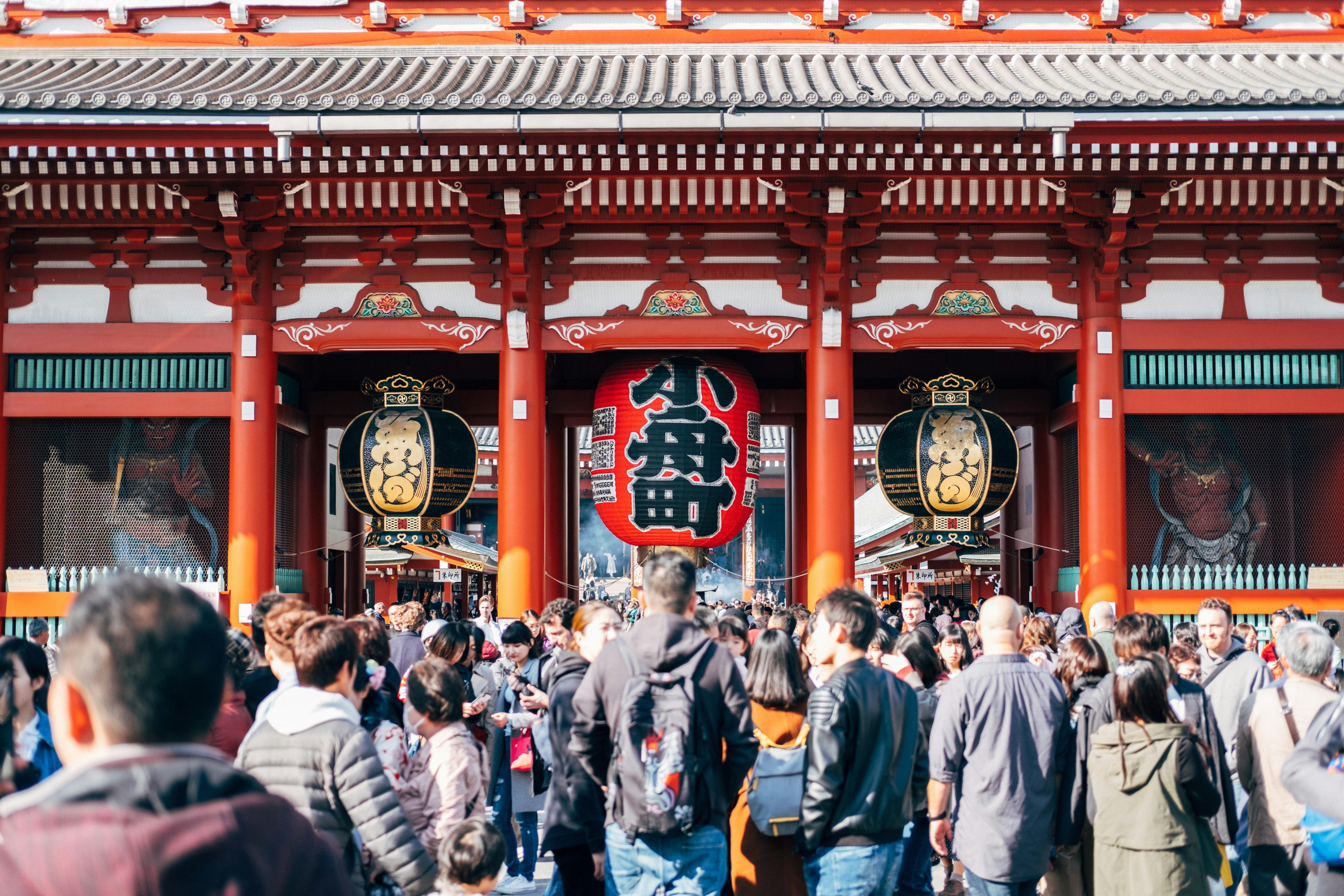
Senso-ji Temple
浅草寺
Senso-ji is Tokyo's oldest and most famous Buddhist temple (founded 645 AD), located in Asakusa. The entrance features the iconic Kaminarimon ('Thunder Gate') with a massive red lantern. Walk through Nakamise shopping street (200m of souvenir stalls) to reach the main hall. The temple is free, always open, and stunningly beautiful when lit at night. It's the most touristy temple but also the most photogenic and historically significant.
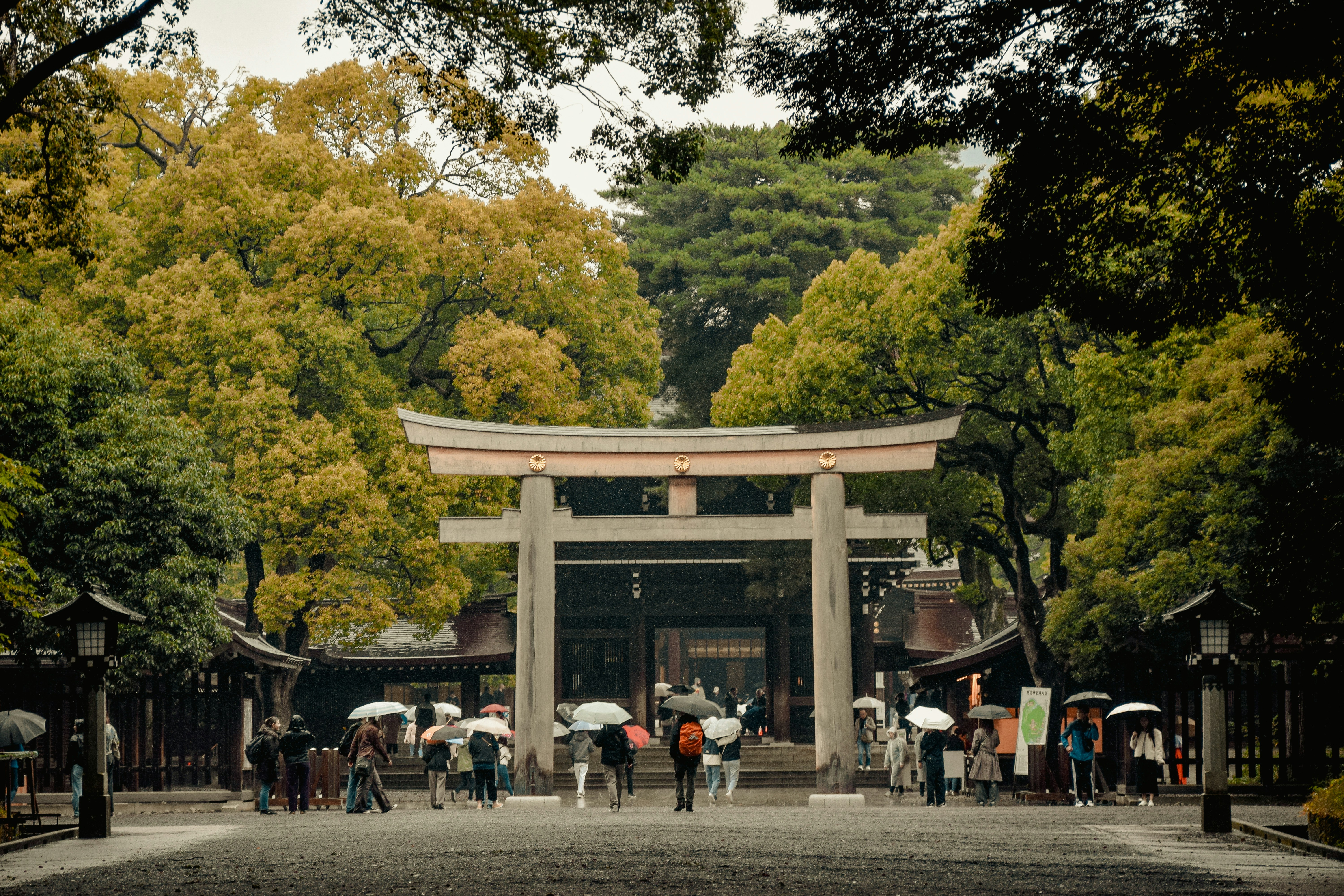
Meiji Shrine
明治神宮
Meiji Shrine (Meiji Jingu) is a serene Shinto shrine dedicated to Emperor Meiji and Empress Shoken, set in a 175-acre forested park in the heart of Tokyo. The walk through the towering torii gates and forest creates a peaceful transition from the chaos of Harajuku next door. The shrine itself is built from Japanese cypress and copper. It's free, always open, and a spiritual escape. If lucky, you might witness a traditional Shinto wedding.
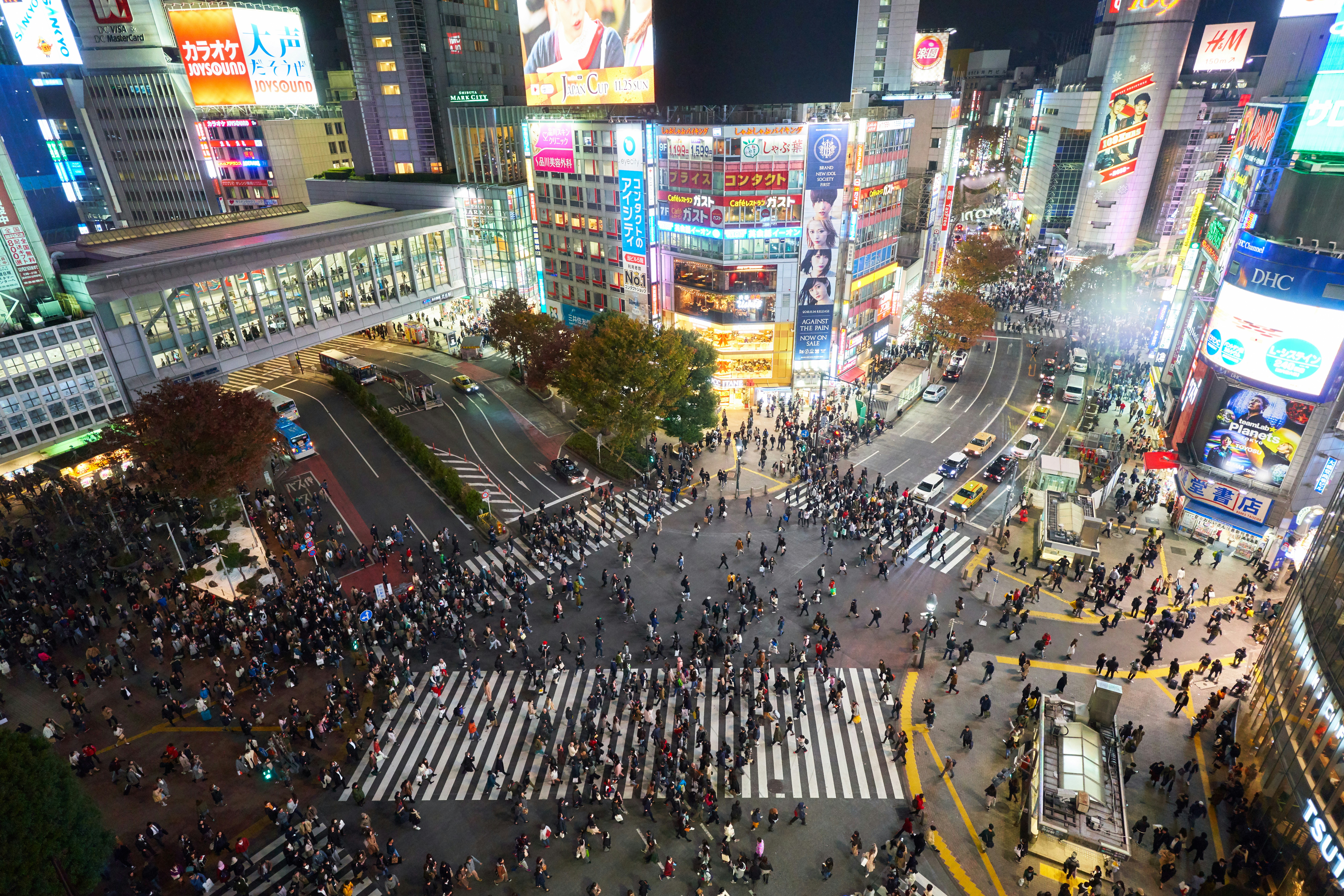
Shibuya Crossing
渋谷スクランブル交差点
Shibuya Crossing is the world's busiest pedestrian intersection—up to 3,000 people cross simultaneously every light cycle (every 2 minutes). It's a spectacle of organized chaos: neon billboards, video screens, and a sea of people converging from five directions. The experience is surreal—you're part of the flow. Best viewed from above (Mag's Park rooftop or Starbucks) or experienced at street level. Peak times (6-8pm weekdays) are most dramatic.