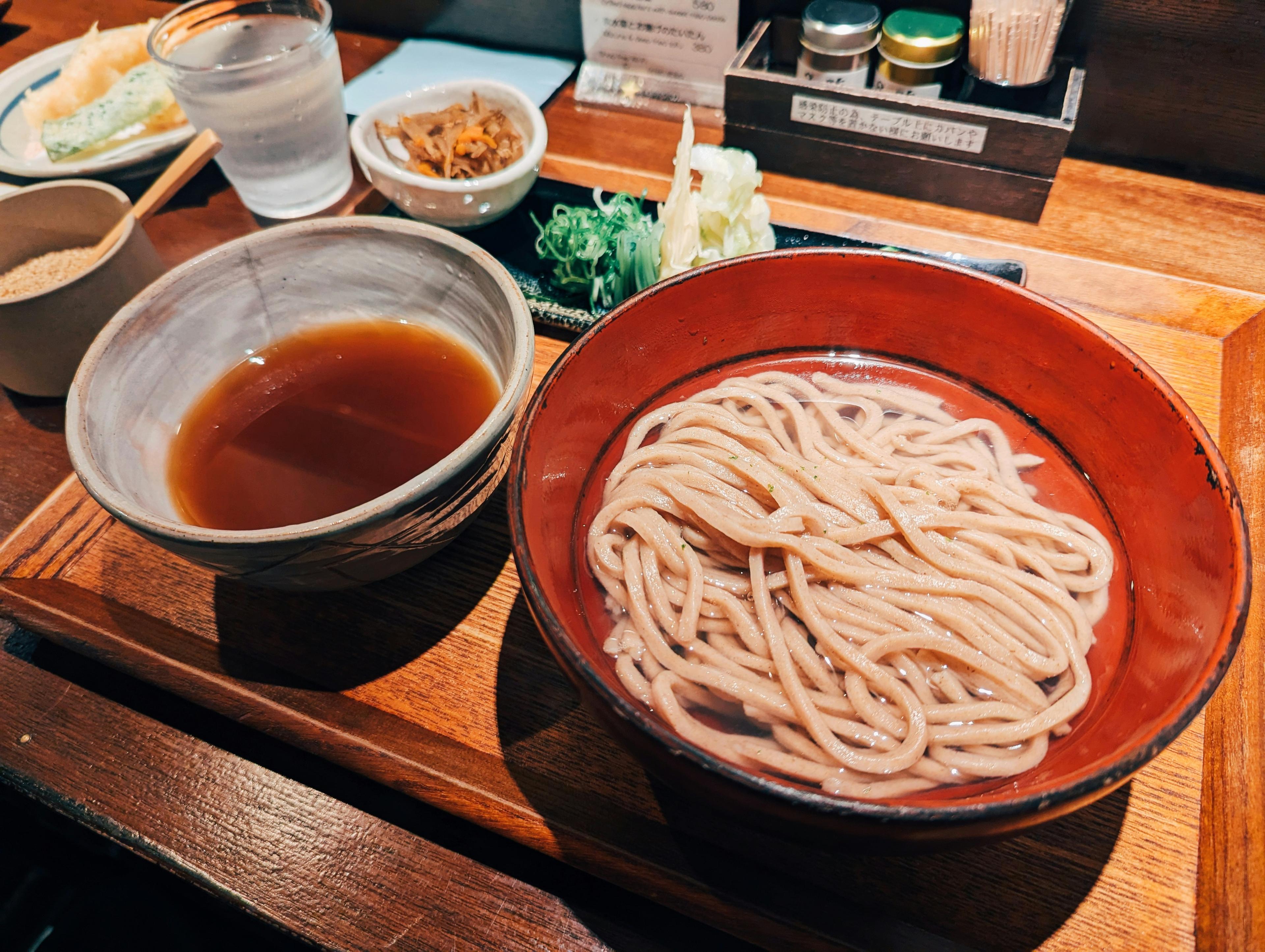
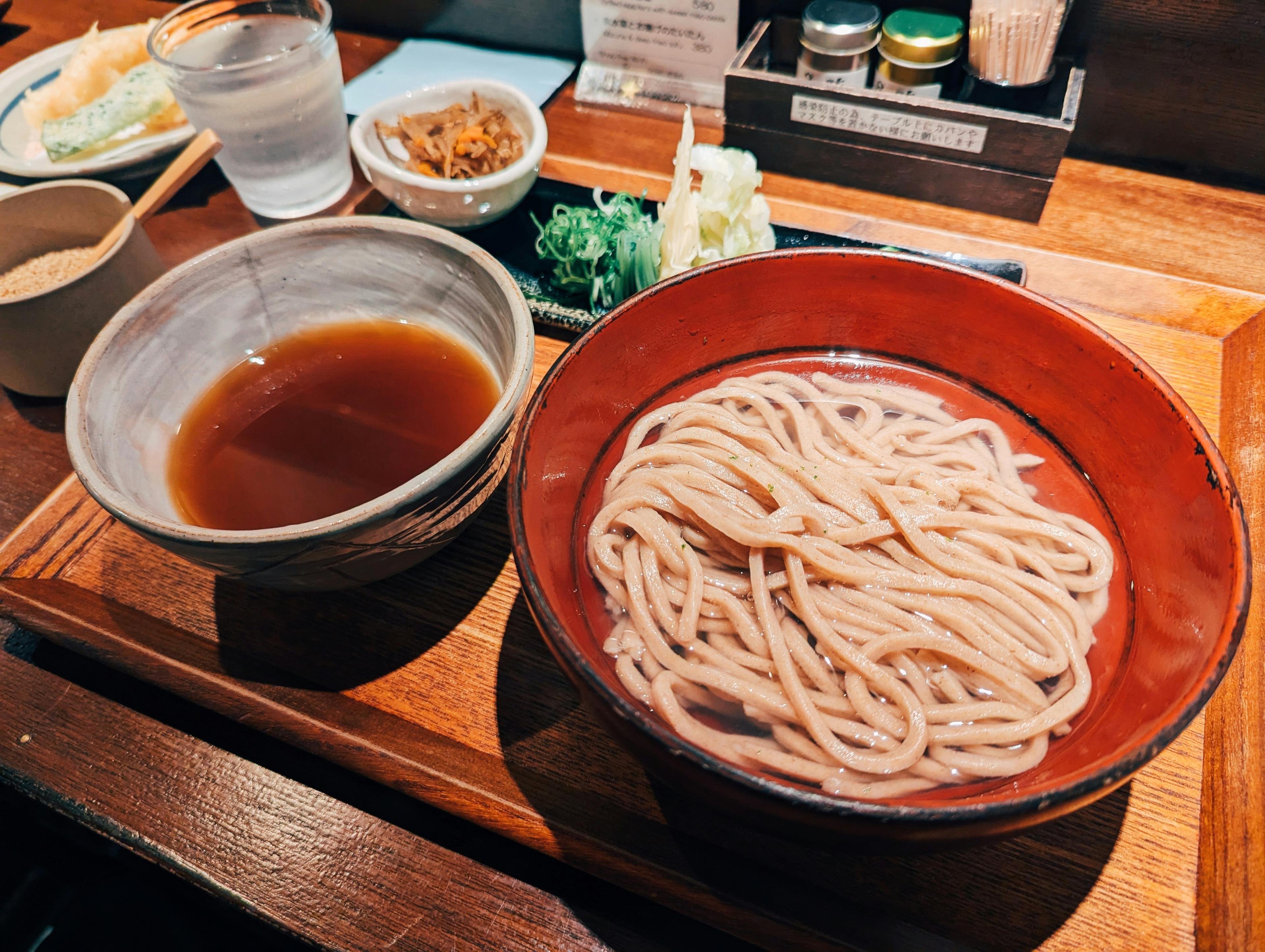
Udon & Soba
"Udon is thick, chewy wheat noodles; soba is thin, nutty buckwheat noodles. Both are served hot in broth or cold with dipping sauce. Found at stand-up counters in train stations (tachi-gui) where you slurp quickly and leave, or sit-down restaurants for handmade versions. It's fast, cheap (¥300-800), and light. Popular versions: kake udon (plain hot broth), tempura soba (with shrimp tempura), and zaru soba (cold noodles)."
Logistics
Affordable
Vibe
Fast, simple
Duration
10-15 minutes
Best For
Quick meals
The Backstory
Soba dates to the Edo period (1600s) when it was Tokyo's working-class staple. Udon is older, from the 1300s. Stand-up soba shops at train stations emerged in the 1960s for rushed commuters. Handmade soba became an art form, with master artisans making noodles fresh daily. The slurping sound is traditional—it cools noodles and aerates the broth.
Local Secret
"At stand-up counters (tachi-gui soba), order at the machine, eat in under 5 minutes standing up, and leave—it's rush culture. For sit-down soba, try cold 'zaru soba' with dipping sauce (tsuyu)—dip 1/3 of the noodles, not the whole bite. Finish by drinking the hot soba water (sobayu) mixed with leftover dipping sauce. Top chains: Fuji Soba (24/7), Hanamaru Udon."
Gallery
You Might Also Like
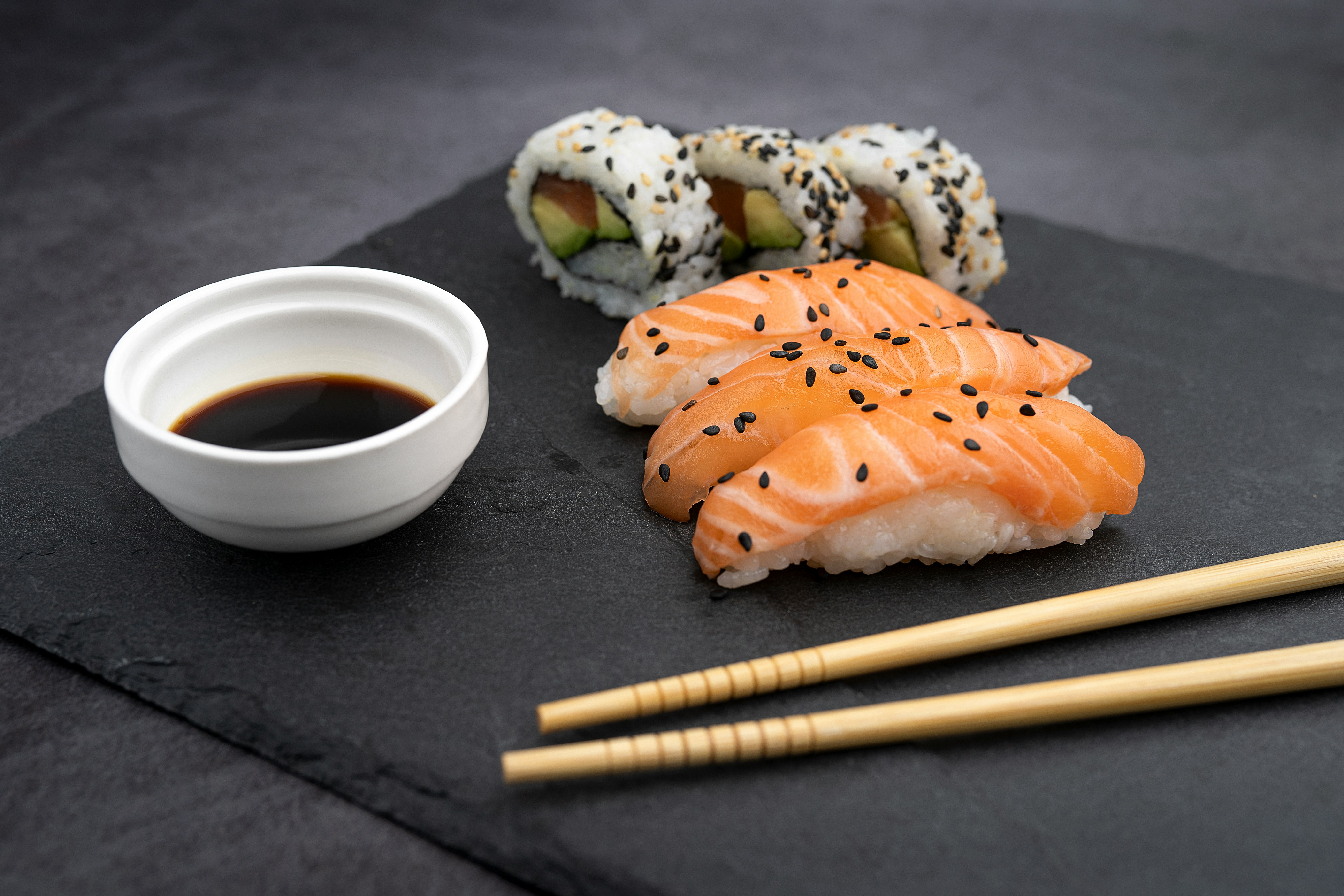
Sushi
寿司
Sushi is fresh raw fish or seafood served over vinegared rice, sometimes with wasabi between the fish and rice. Tokyo is the global capital of sushi, from ultra-expensive omakase (chef's choice tasting menus at counters like Sukiyabashi Jiro) to affordable kaiten-zushi (conveyor belt sushi). Each piece is meant to be eaten in one bite. Don't mix wasabi into soy sauce—it's already in the sushi.
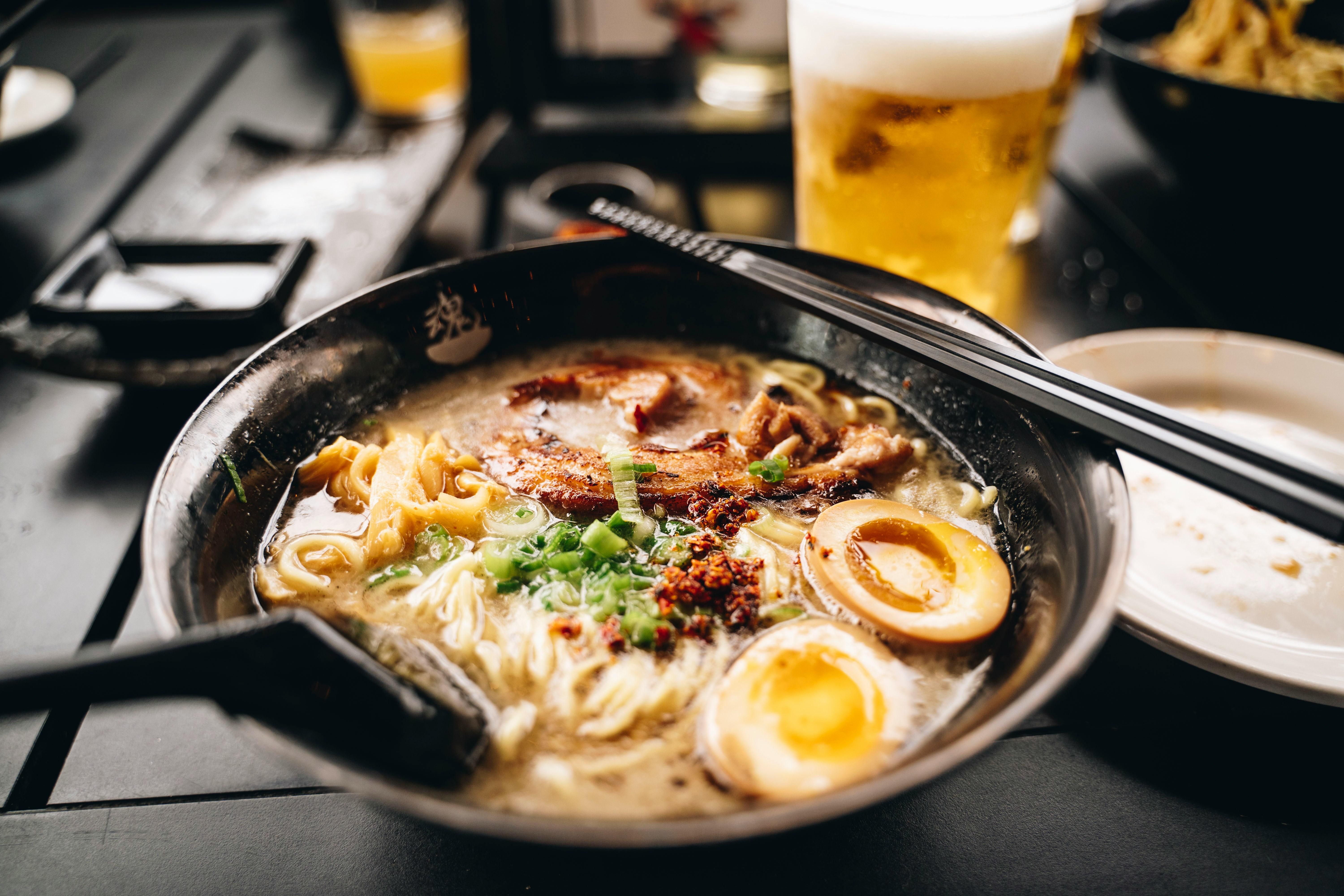
Ramen
ラーメン
Ramen is Tokyo's soul food: wheat noodles in rich broth (shoyu soy sauce, miso, tonkotsu pork bone, or shio salt) with toppings like chashu pork, soft-boiled egg, nori, and green onions. It's fast, cheap (¥800-1,200), and consumed solo at counters. Slurping is encouraged—it cools the noodles and enhances flavor by aerating the broth. Most shops require ordering via ticket vending machines before sitting.
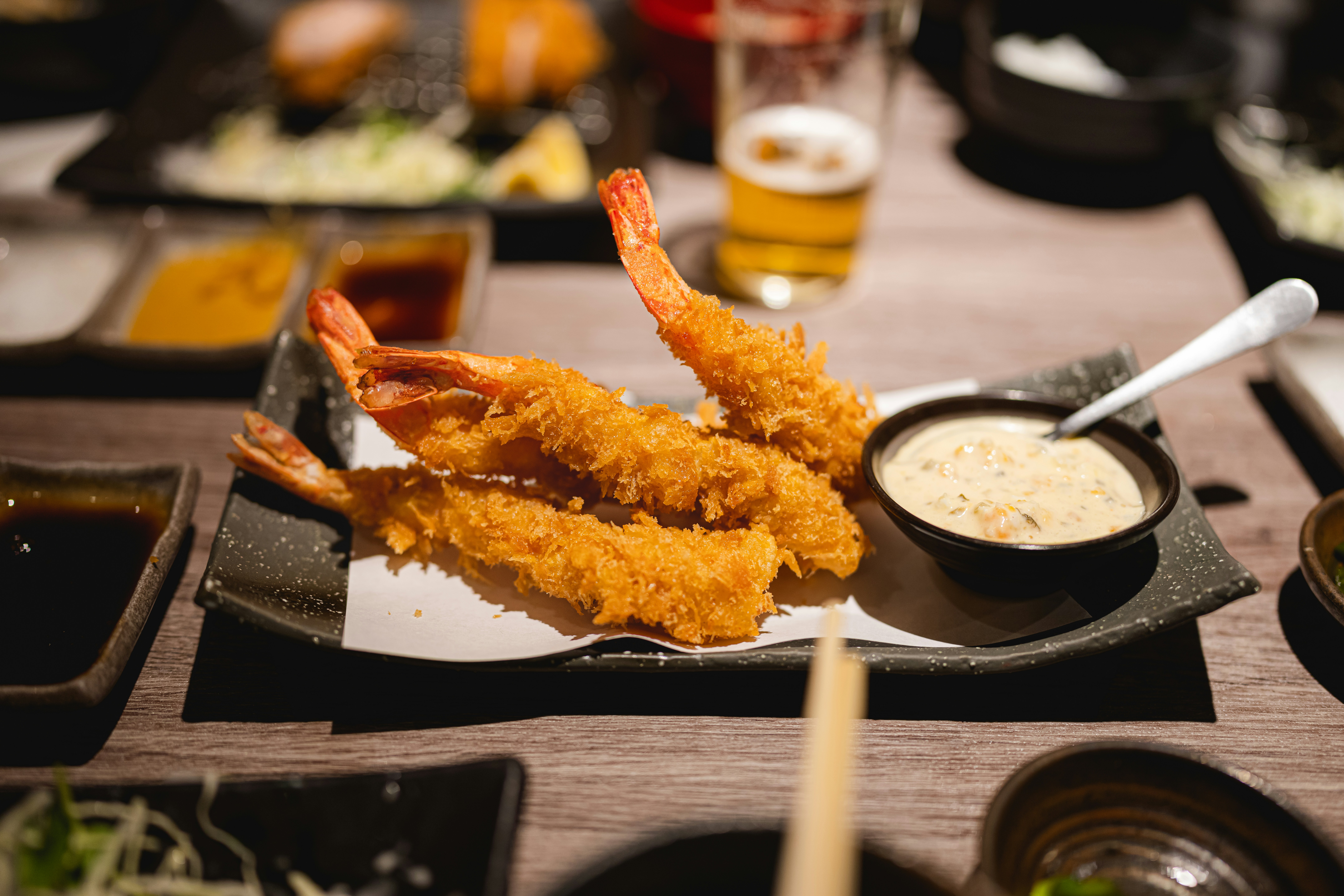
Tempura
天ぷら
Tempura is seafood or vegetables battered in a light, airy coating and deep-fried at precise temperatures (160-180°C) until crispy but not greasy. Common items: ebi (shrimp), anago (sea eel), shiitake mushrooms, shiso leaves, and sweet potato. Served over rice (tendon) or with dipping sauce (tentsuyu). High-end tempura restaurants serve each piece individually as it's fried. The batter should shatter on first bite.