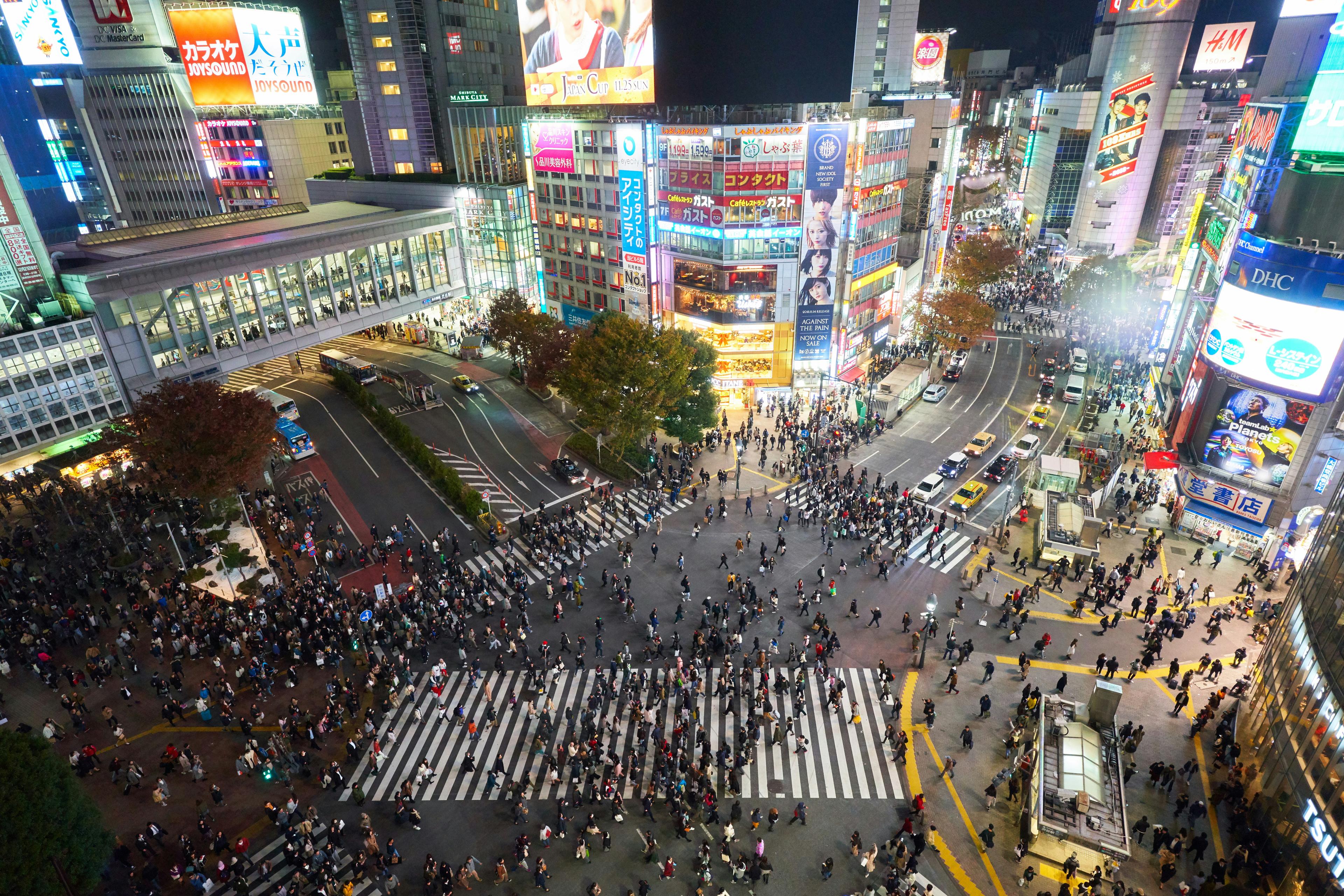
Shibuya Crossing
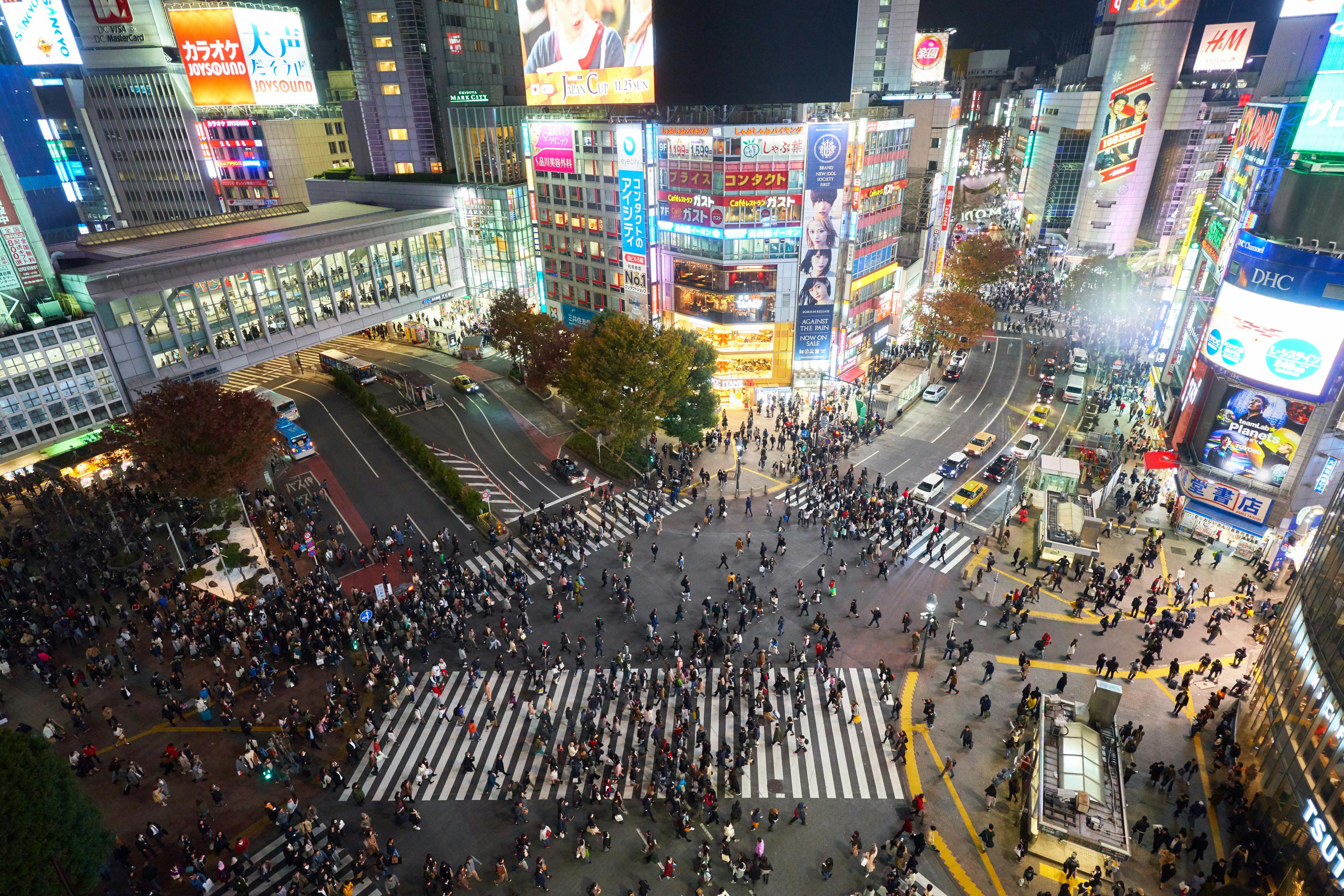
"Shibuya Crossing is the world's busiest pedestrian intersection—up to 3,000 people cross simultaneously every light cycle (every 2 minutes). It's a spectacle of organized chaos: neon billboards, video screens, and a sea of people converging from five directions. The experience is surreal—you're part of the flow. Best viewed from above (Mag's Park rooftop or Starbucks) or experienced at street level. Peak times (6-8pm weekdays) are most dramatic."
Logistics
Affordable
Vibe
Chaotic, iconic
Duration
30 minutes
Best For
Photography
The Backstory
Shibuya Crossing achieved its current form in 1973 when the scramble format (all directions go at once) was introduced. It became a global icon in the 2000s through films (Lost in Translation, Fast & Furious: Tokyo Drift) and viral videos. The Hachiko statue (loyal dog) at the exit is Tokyo's most famous meeting point. Shibuya itself was a sleepy suburb until the 1960s.
Local Secret
"Experience it from street level first—stand in the middle and absorb the chaos. For overhead views, go to Mag's Park rooftop (free, 11th floor of Magnet building) or the Starbucks in Tsutaya (packed). Best times: weekday evening rush (6-8pm) or Friday night (10pm-midnight) for neon energy. The crossing is underwhelming during daytime on weekdays—you need crowds for the full effect."
Gallery
You Might Also Like
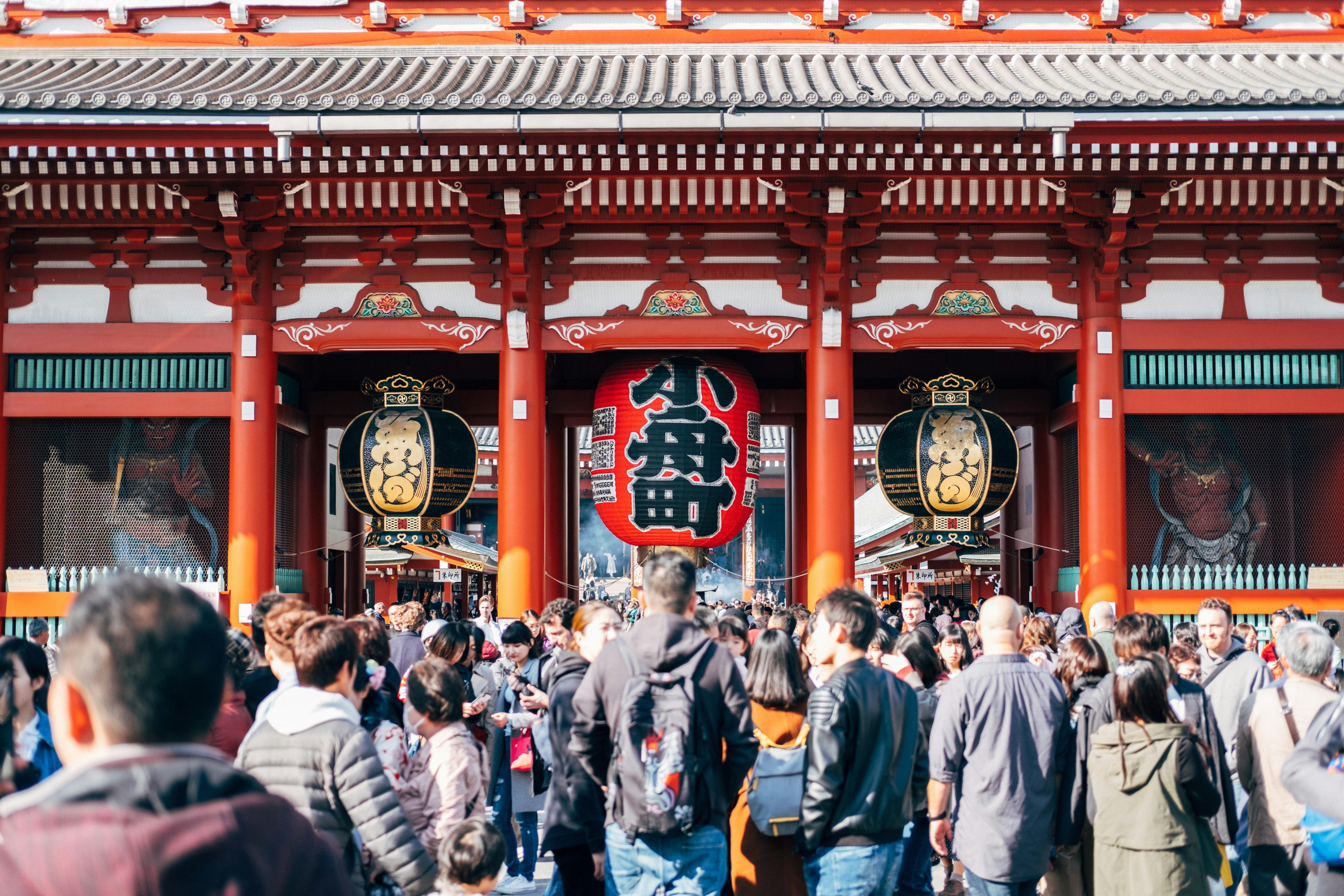
Senso-ji Temple
浅草寺
Senso-ji is Tokyo's oldest and most famous Buddhist temple (founded 645 AD), located in Asakusa. The entrance features the iconic Kaminarimon ('Thunder Gate') with a massive red lantern. Walk through Nakamise shopping street (200m of souvenir stalls) to reach the main hall. The temple is free, always open, and stunningly beautiful when lit at night. It's the most touristy temple but also the most photogenic and historically significant.
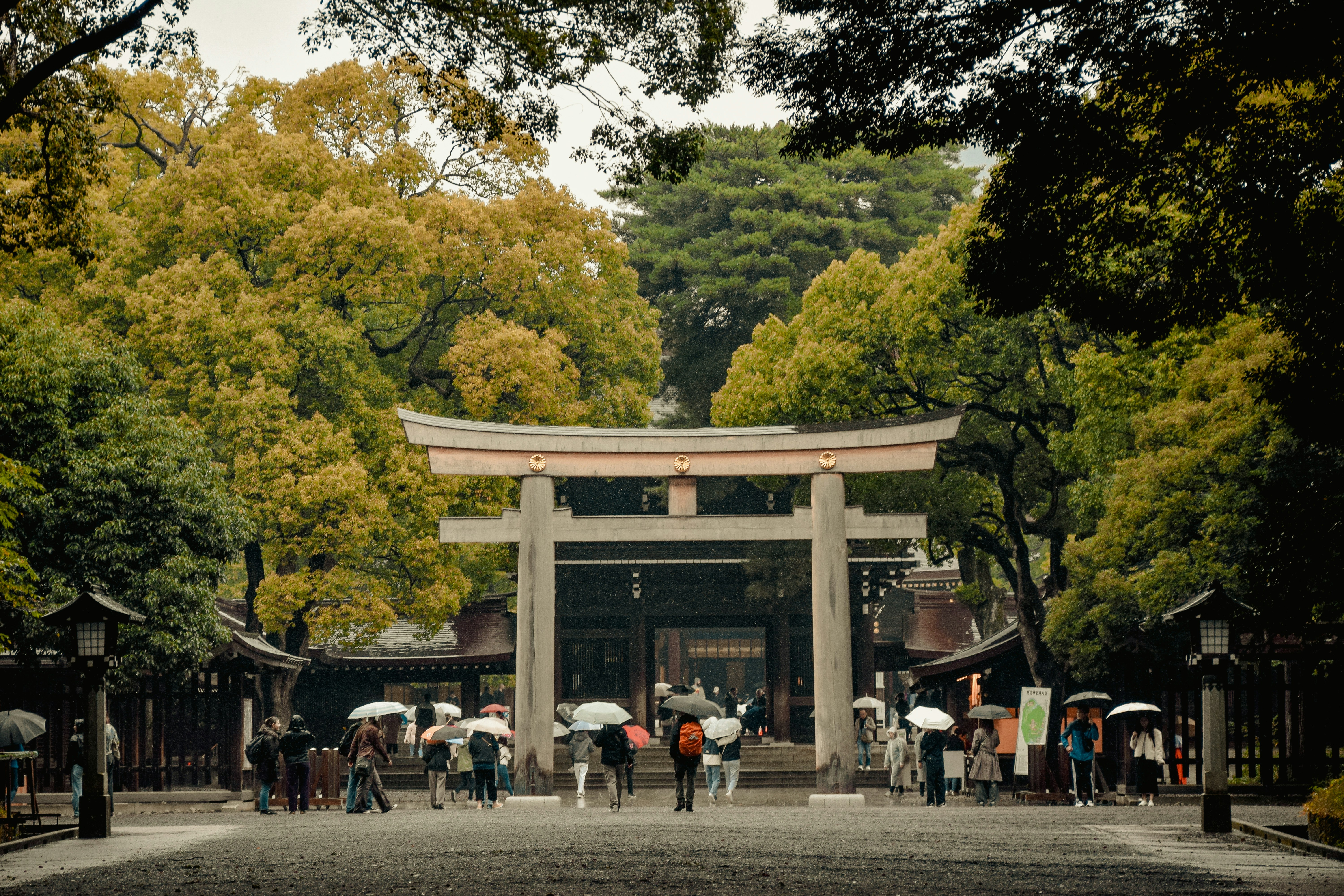
Meiji Shrine
明治神宮
Meiji Shrine (Meiji Jingu) is a serene Shinto shrine dedicated to Emperor Meiji and Empress Shoken, set in a 175-acre forested park in the heart of Tokyo. The walk through the towering torii gates and forest creates a peaceful transition from the chaos of Harajuku next door. The shrine itself is built from Japanese cypress and copper. It's free, always open, and a spiritual escape. If lucky, you might witness a traditional Shinto wedding.
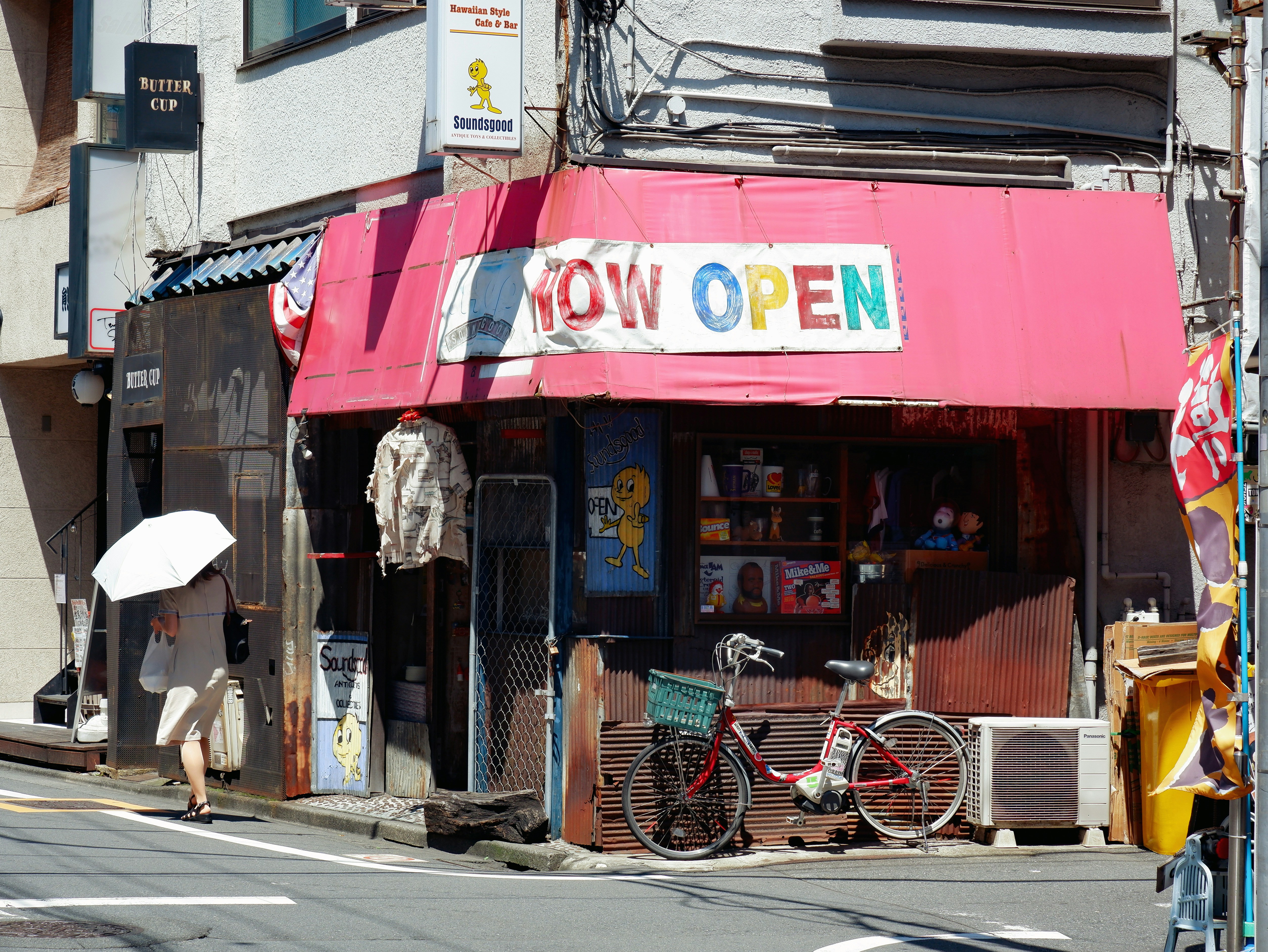
Shimokitazawa
下北沢
Shimokitazawa ('Shimokita') is Tokyo's hipster neighborhood: narrow pedestrian streets packed with vintage clothing shops, vinyl record stores, indie cafes, tiny theaters, and second-hand bookstores. There are no skyscrapers, chain stores, or tourist landmarks—just wandering, discovering, and vibes. The new 'Bonus Track' greenway (2020) connects Shimokita to Setagaya-Daita with boutique shops. It's where young Tokyoites spend weekends thrifting and cafe-hopping.