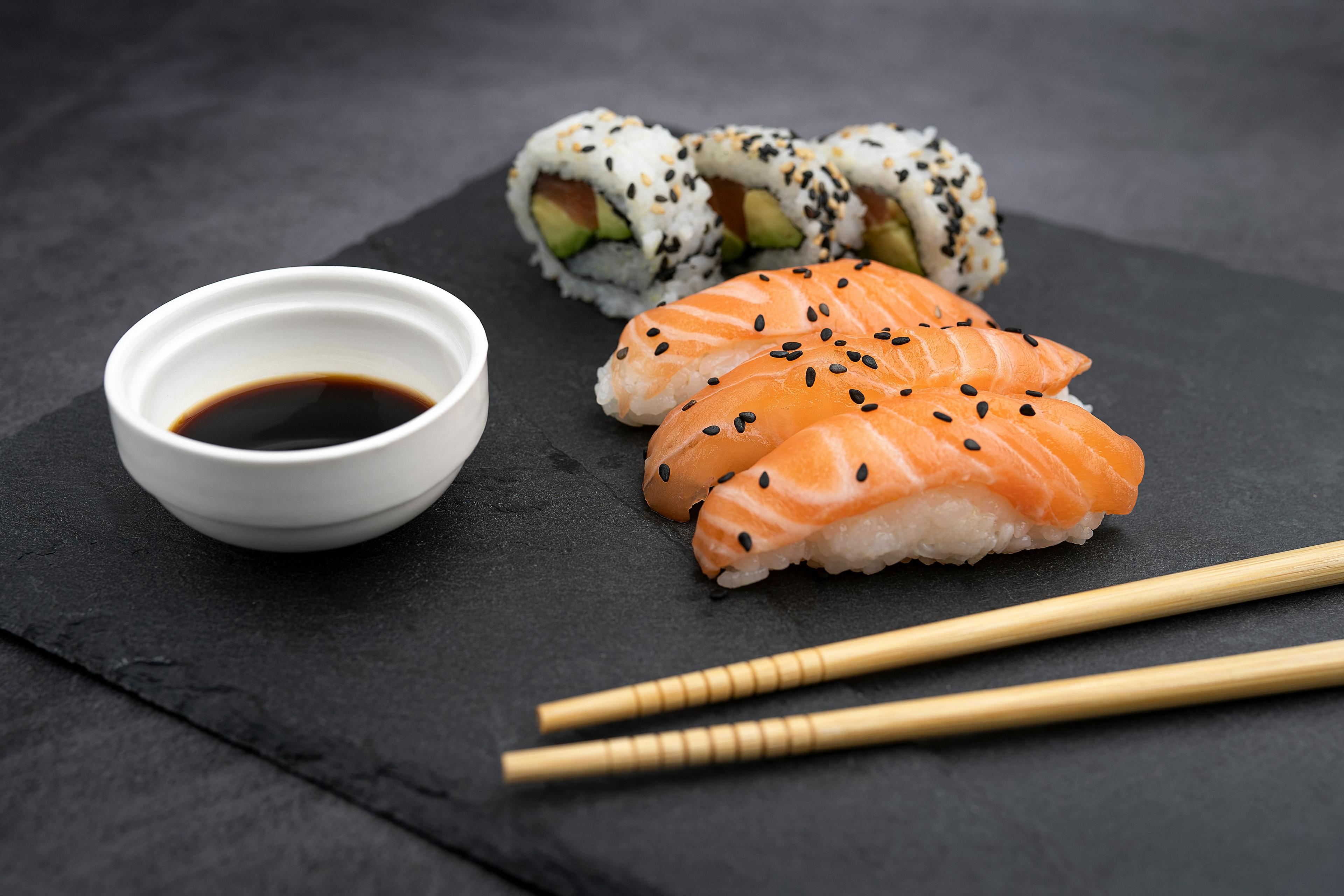
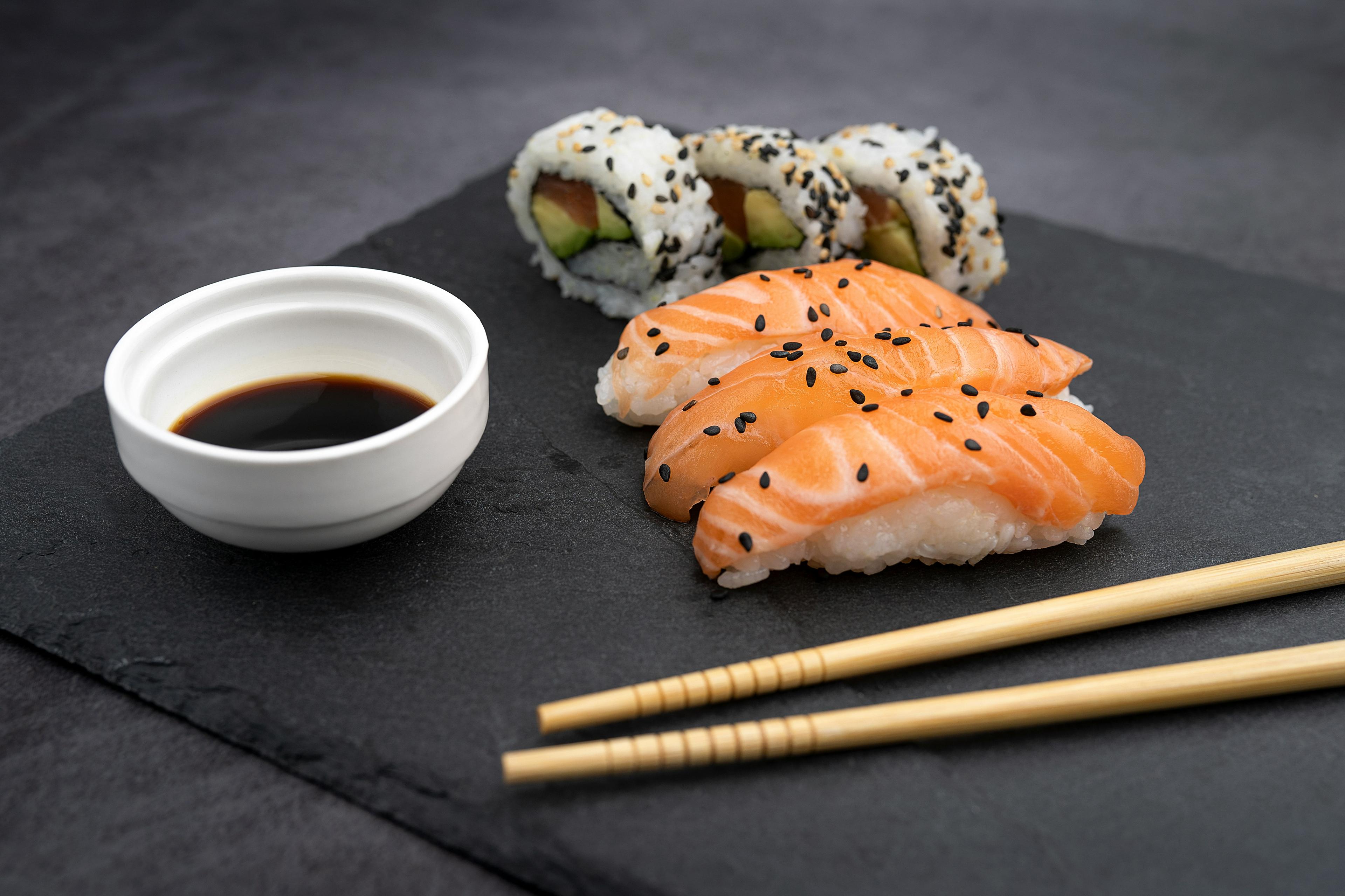
Sushi
"Sushi is fresh raw fish or seafood served over vinegared rice, sometimes with wasabi between the fish and rice. Tokyo is the global capital of sushi, from ultra-expensive omakase (chef's choice tasting menus at counters like Sukiyabashi Jiro) to affordable kaiten-zushi (conveyor belt sushi). Each piece is meant to be eaten in one bite. Don't mix wasabi into soy sauce—it's already in the sushi."
Logistics
Moderate
Vibe
Refined, delicate
Duration
30 minutes-1 hour
Best For
Foodies
The Backstory
Sushi originated in Tokyo (Edo) in the 1820s as fast food—fish preserved with vinegar and rice, eaten by hand at street stalls. After WWII, refrigeration allowed for fresh raw fish. The modern sushi bar emerged in the 1950s-60s. Tsukiji Market (now Toyosu) became the world's largest fish market, cementing Tokyo's sushi supremacy.
Local Secret
"At conveyor belt sushi (¥100-300/plate), grab plates directly from the belt or order via tablet. At high-end omakase (¥20,000+), eat each piece immediately after the chef places it, fish-side down on your tongue. Use fingers or chopsticks. Dip fish side (not rice side) lightly in soy sauce. Ginger is a palate cleanser between pieces, not a topping."
Gallery
You Might Also Like
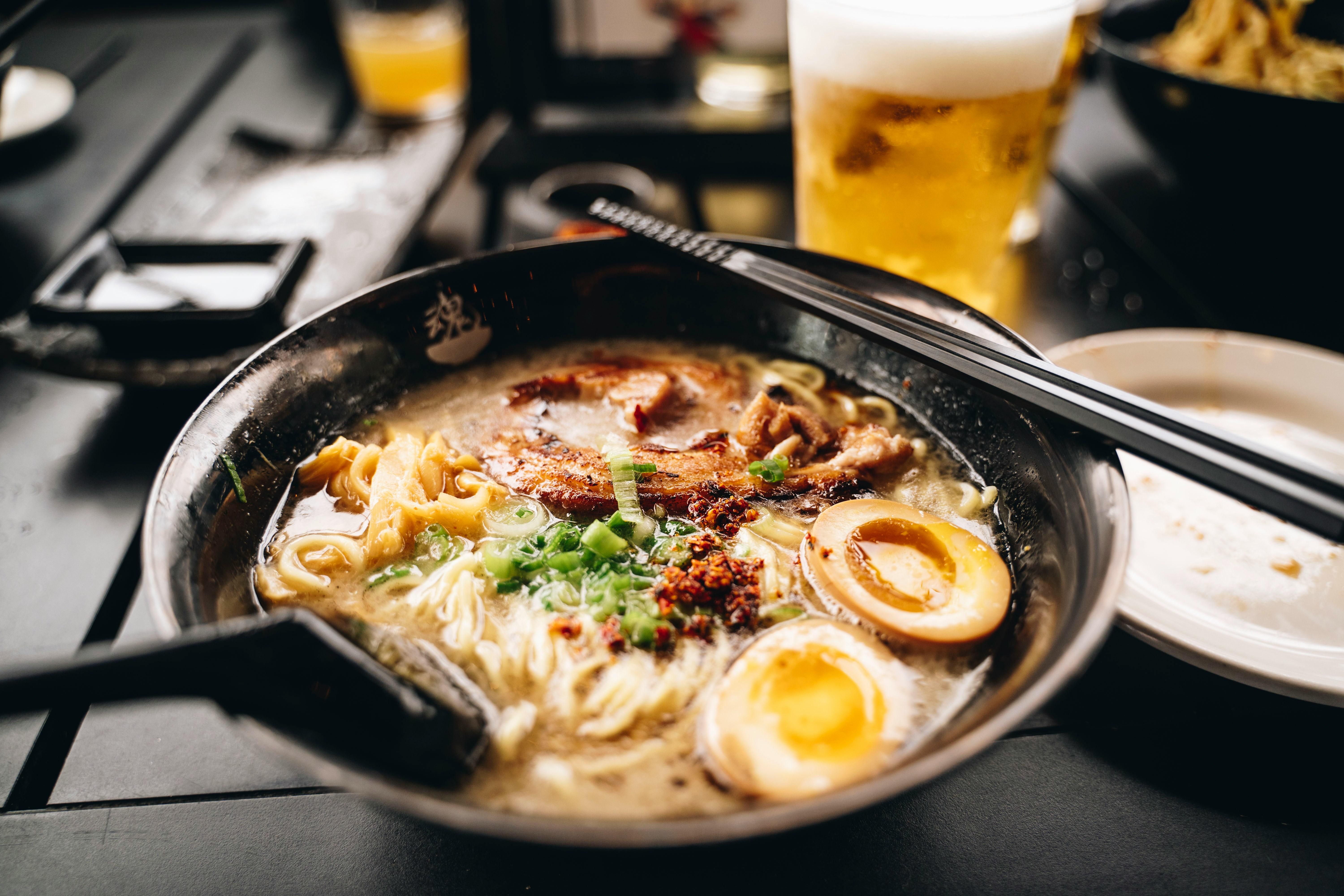
Ramen
ラーメン
Ramen is Tokyo's soul food: wheat noodles in rich broth (shoyu soy sauce, miso, tonkotsu pork bone, or shio salt) with toppings like chashu pork, soft-boiled egg, nori, and green onions. It's fast, cheap (¥800-1,200), and consumed solo at counters. Slurping is encouraged—it cools the noodles and enhances flavor by aerating the broth. Most shops require ordering via ticket vending machines before sitting.
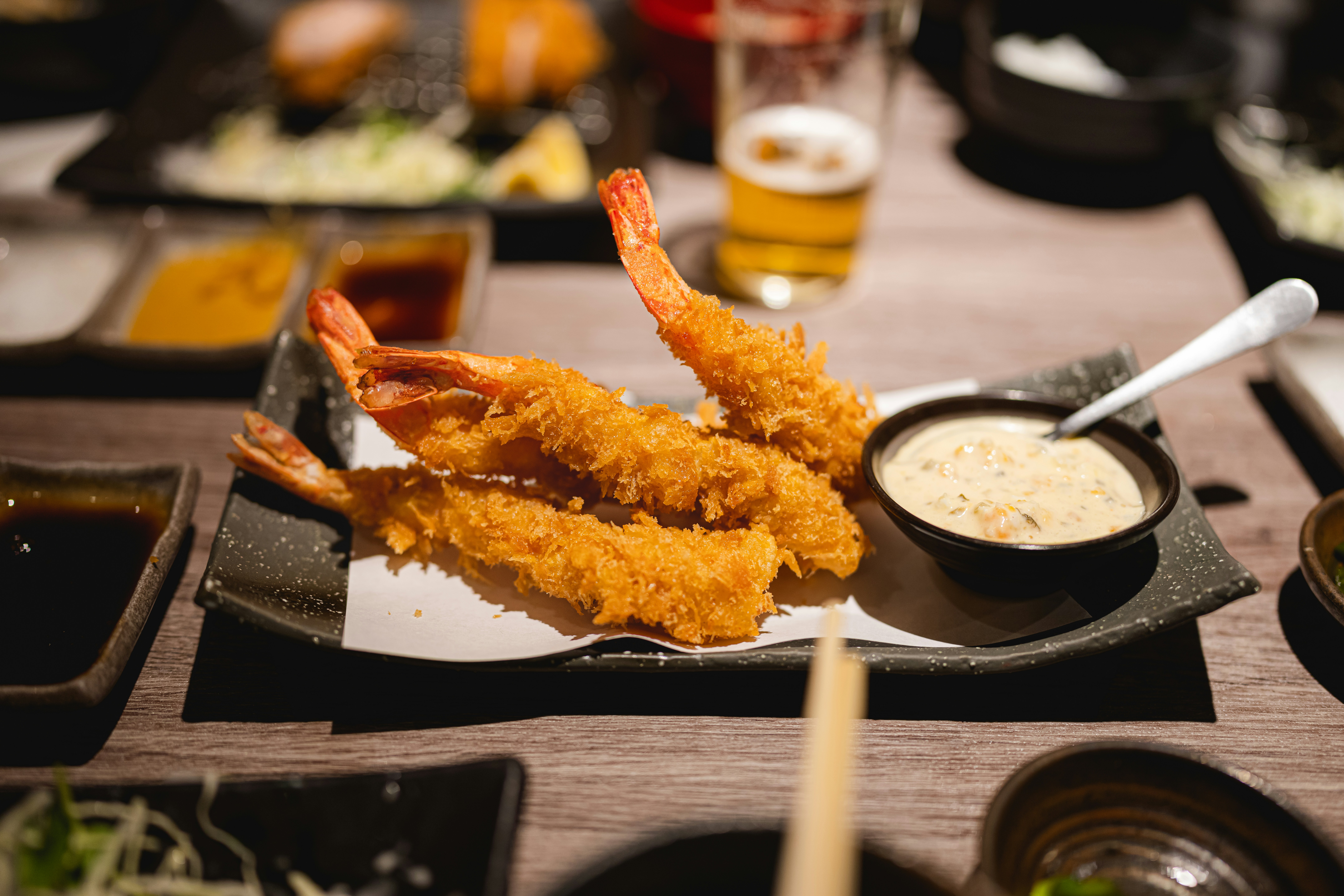
Tempura
天ぷら
Tempura is seafood or vegetables battered in a light, airy coating and deep-fried at precise temperatures (160-180°C) until crispy but not greasy. Common items: ebi (shrimp), anago (sea eel), shiitake mushrooms, shiso leaves, and sweet potato. Served over rice (tendon) or with dipping sauce (tentsuyu). High-end tempura restaurants serve each piece individually as it's fried. The batter should shatter on first bite.
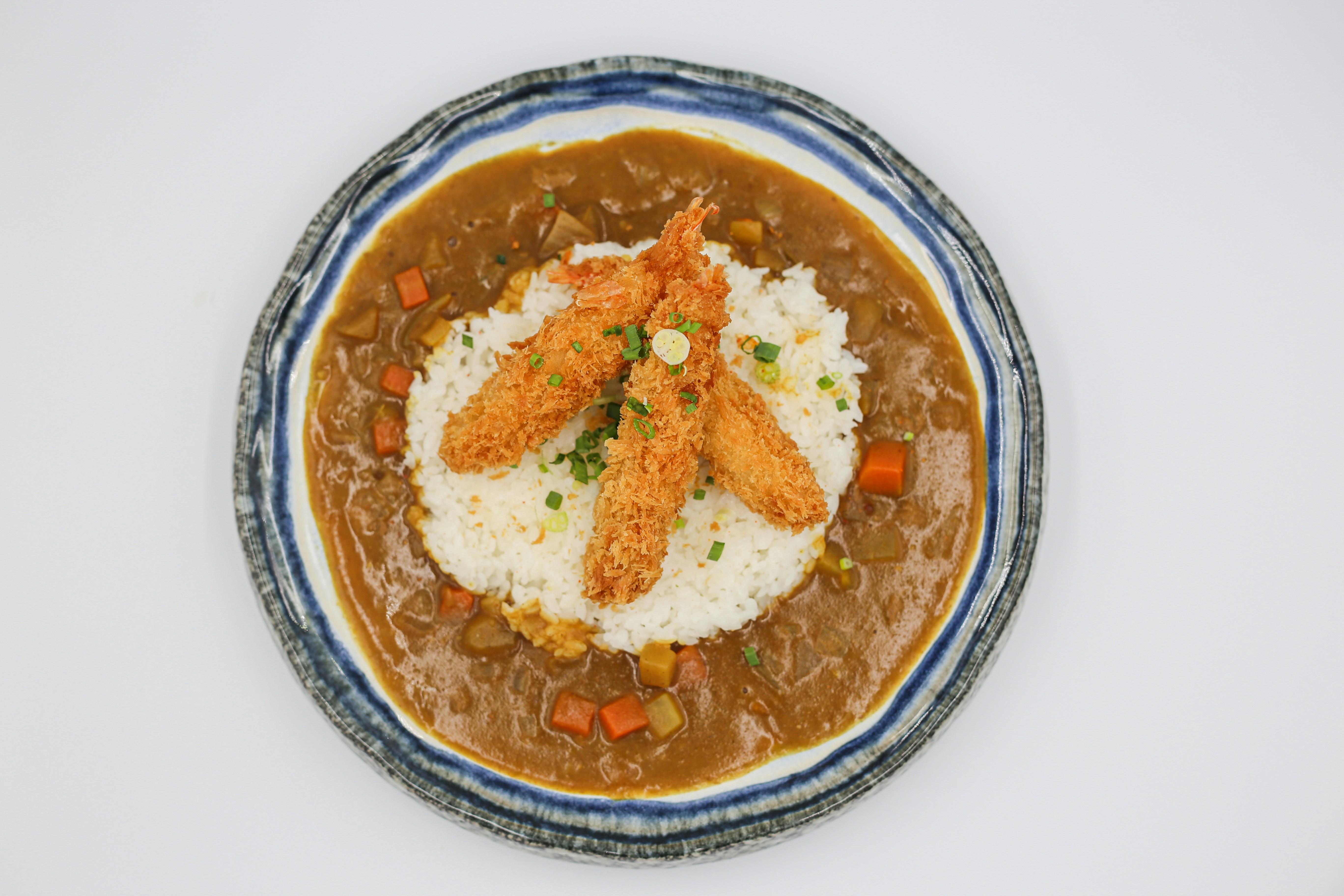
Japanese Curry
カレーライス
Japanese curry (kare raisu) is thick, mild, slightly sweet, and completely different from Indian or Thai curry. It's made with a roux base containing curry powder, flour, and oil, resulting in a gravy-like consistency. Served over rice with toppings like pork cutlet (katsu curry), chicken, or vegetables. CoCo Ichibanya is the ubiquitous chain where you customize spice levels (1-10) and toppings. It's comfort food, not exotic.