Sushi
寿司
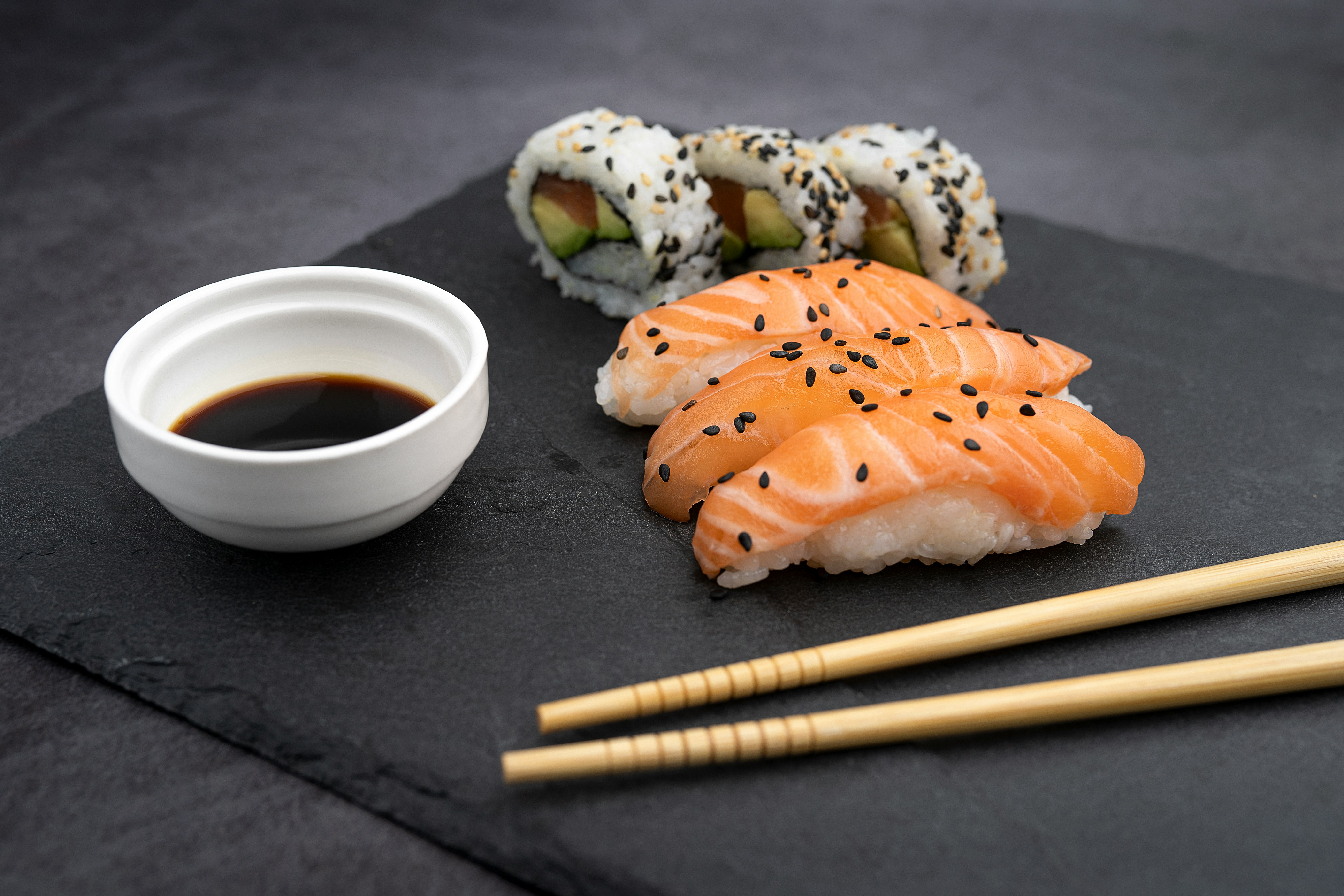
Sushi is fresh raw fish or seafood served over vinegared rice, sometimes with wasabi between the fish and rice. Tokyo is the global capital of sushi, from ultra-expensive omakase (chef's choice tasting menus at counters like Sukiyabashi Jiro) to affordable kaiten-zushi (conveyor belt sushi). Each piece is meant to be eaten in one bite. Don't mix wasabi into soy sauce—it's already in the sushi.
Ramen
ラーメン
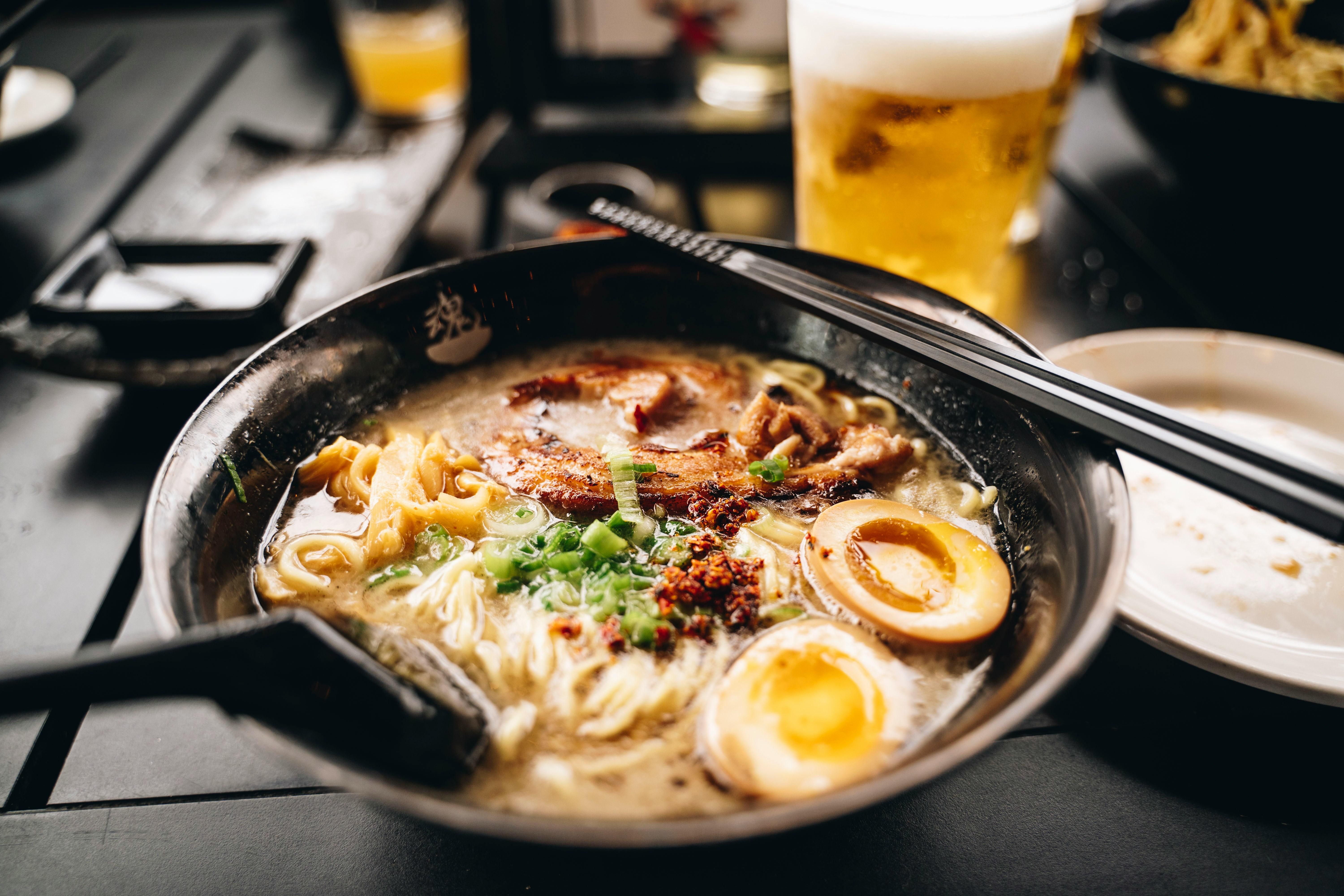
Ramen is Tokyo's soul food: wheat noodles in rich broth (shoyu soy sauce, miso, tonkotsu pork bone, or shio salt) with toppings like chashu pork, soft-boiled egg, nori, and green onions. It's fast, cheap (¥800-1,200), and consumed solo at counters. Slurping is encouraged—it cools the noodles and enhances flavor by aerating the broth. Most shops require ordering via ticket vending machines before sitting.
Tempura
天ぷら
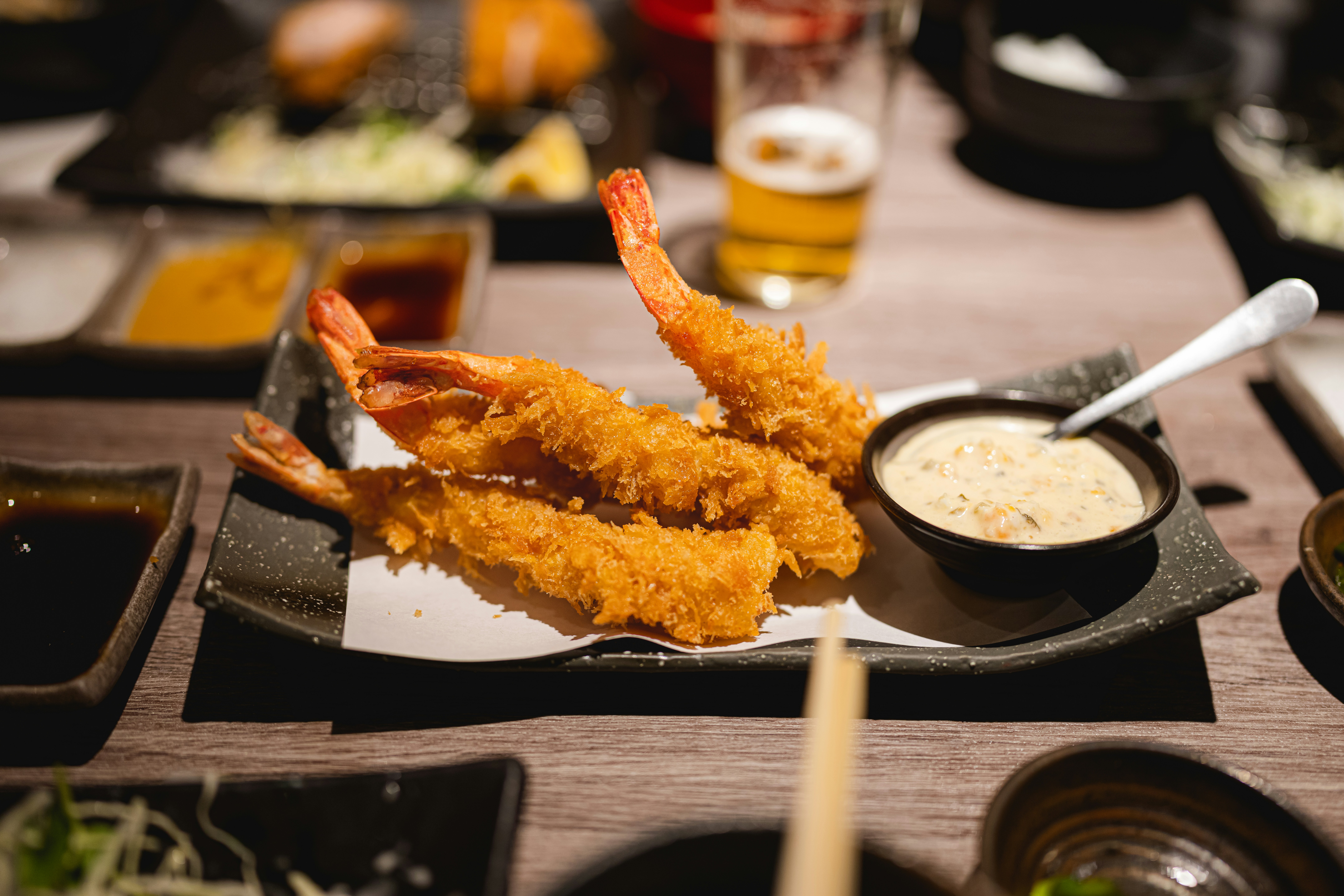
Tempura is seafood or vegetables battered in a light, airy coating and deep-fried at precise temperatures (160-180°C) until crispy but not greasy. Common items: ebi (shrimp), anago (sea eel), shiitake mushrooms, shiso leaves, and sweet potato. Served over rice (tendon) or with dipping sauce (tentsuyu). High-end tempura restaurants serve each piece individually as it's fried. The batter should shatter on first bite.
Japanese Curry
カレーライス
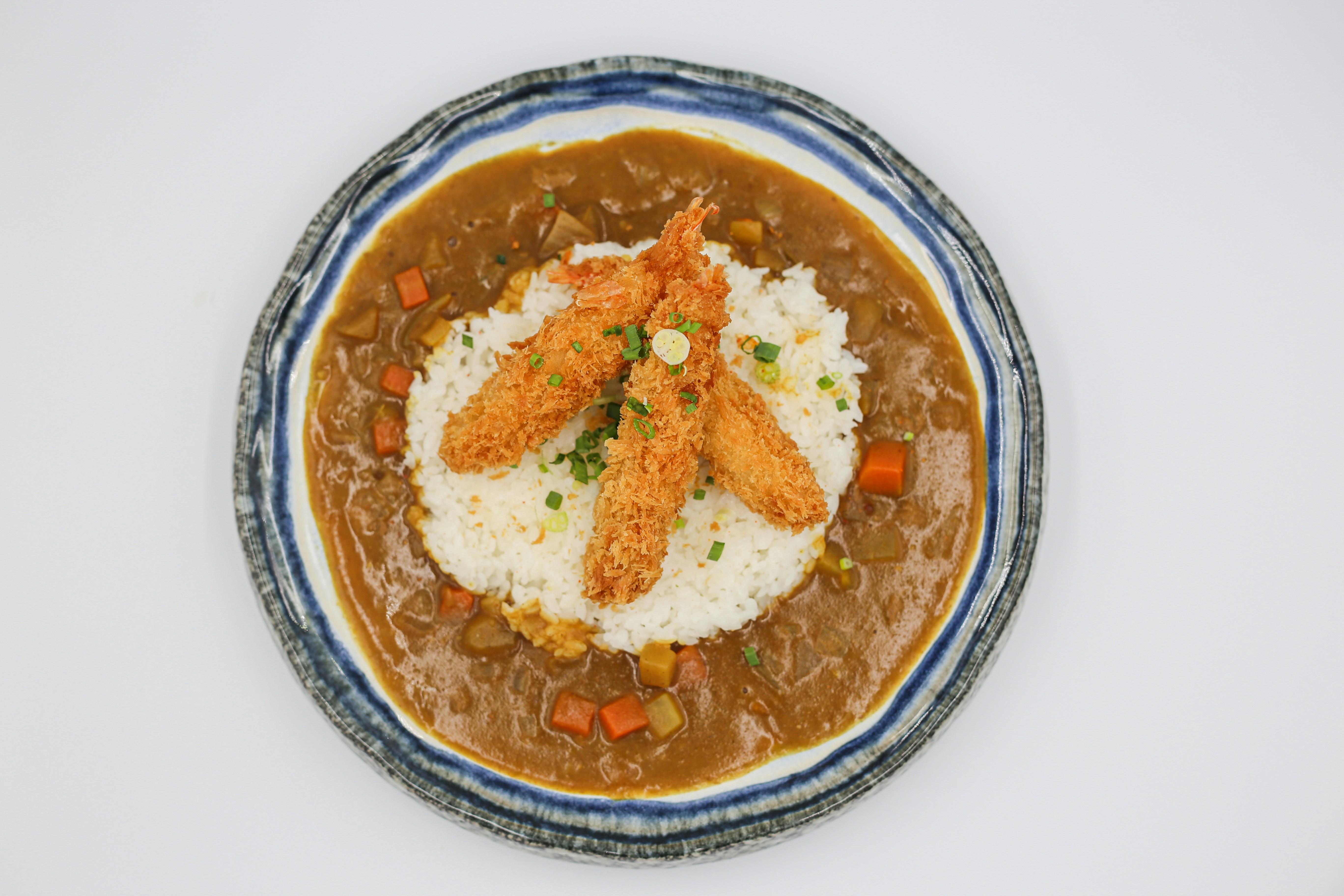
Japanese curry (kare raisu) is thick, mild, slightly sweet, and completely different from Indian or Thai curry. It's made with a roux base containing curry powder, flour, and oil, resulting in a gravy-like consistency. Served over rice with toppings like pork cutlet (katsu curry), chicken, or vegetables. CoCo Ichibanya is the ubiquitous chain where you customize spice levels (1-10) and toppings. It's comfort food, not exotic.
Tonkatsu
とんかつ
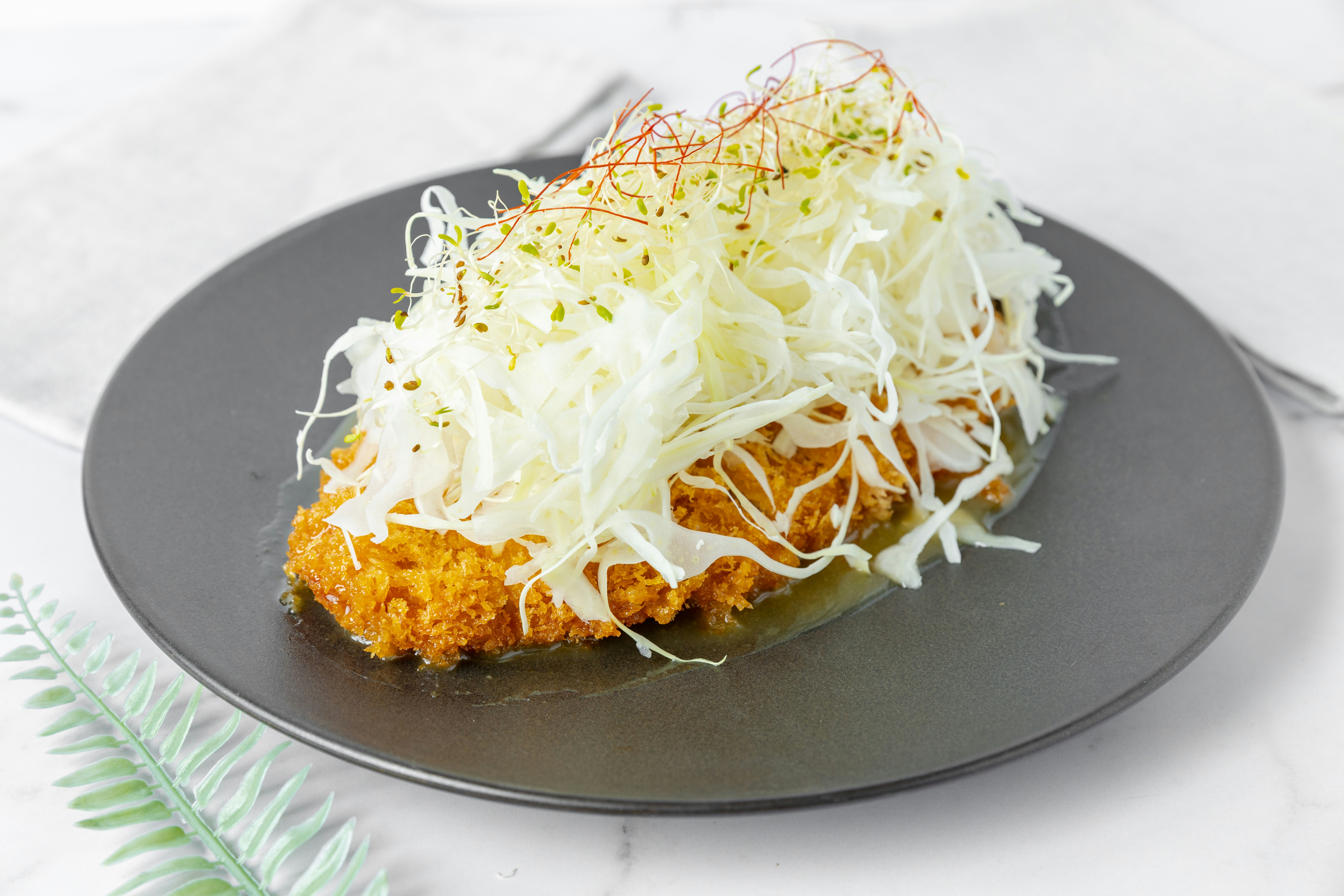
Tonkatsu is a breaded, deep-fried pork cutlet (usually loin or fillet) pounded thin, coated in panko breadcrumbs, and fried at precise temperatures for a crispy exterior and juicy interior. Served with shredded cabbage (eaten with sesame dressing), miso soup, rice, and tonkatsu sauce (thick, sweet-savory). The breading should shatter; the pork should be tender and pale pink inside. It's surgical precision applied to fried pork.
Yakitori
焼き鳥
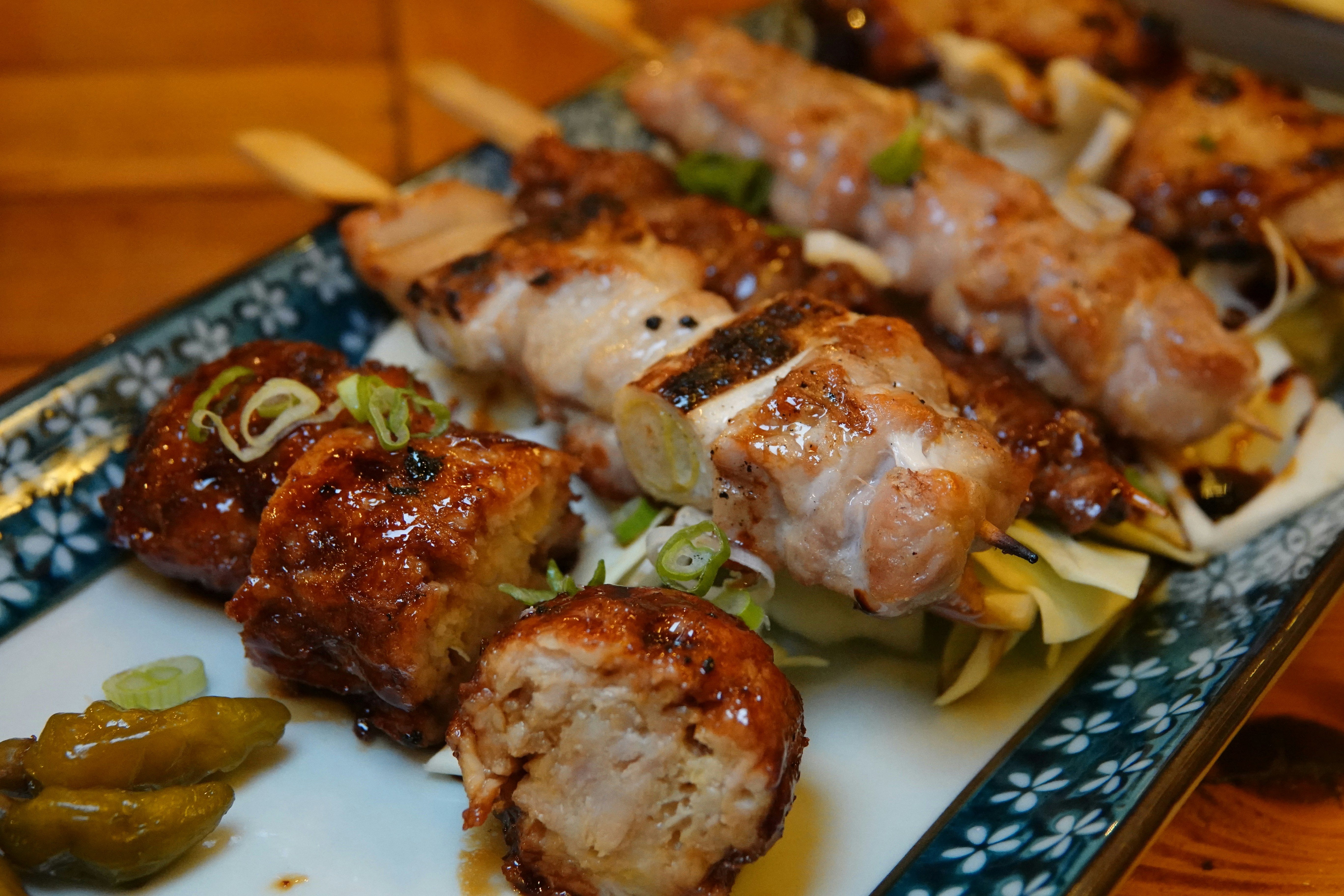
Yakitori is grilled chicken skewers cooked over binchotan charcoal, giving a smoky flavor. Not just breast meat—try thigh (momo), skin (kawa), liver (reba), heart (hatsu), gizzard (sunagimo), and meatballs (tsukune). Ordered 'tare' (sweet soy glaze) or 'shio' (salt). It's the quintessential after-work food, eaten standing at casual joints or sitting in smoke-filled alleys, paired with beer or highballs.
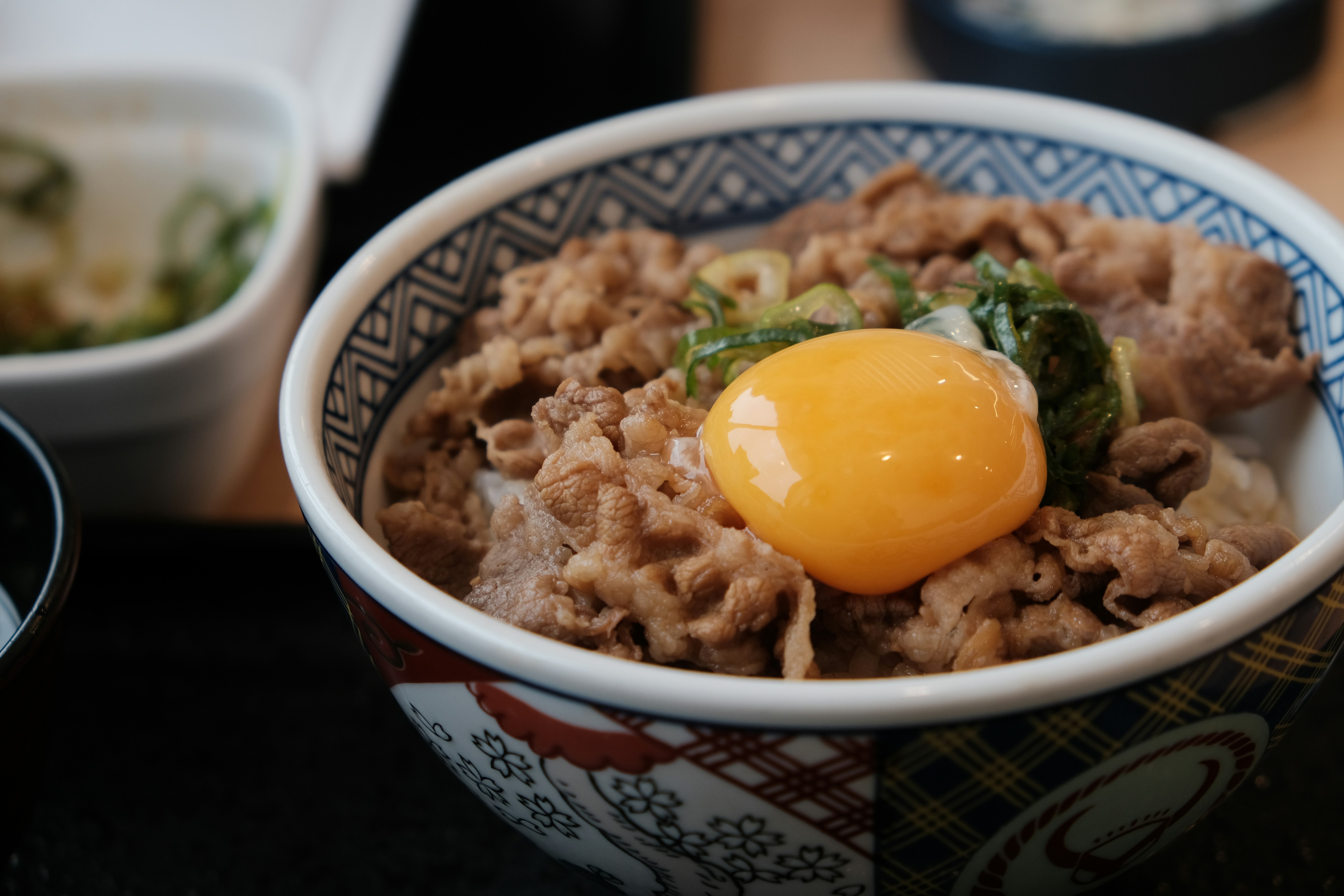
Gyudon (Beef Bowl)
牛丼
Gyudon is thinly sliced beef and onions simmered in a sweet-savory soy-based broth, served over a bowl of steamed white rice. It's fast, cheap (¥400-600), filling, and available 24/7 at chains like Yoshinoya, Sukiya, and Matsuya. You order at a vending machine, sit at a counter, and eat quickly. It's the Japanese equivalent of fast food—utilitarian, consistent, and everywhere.
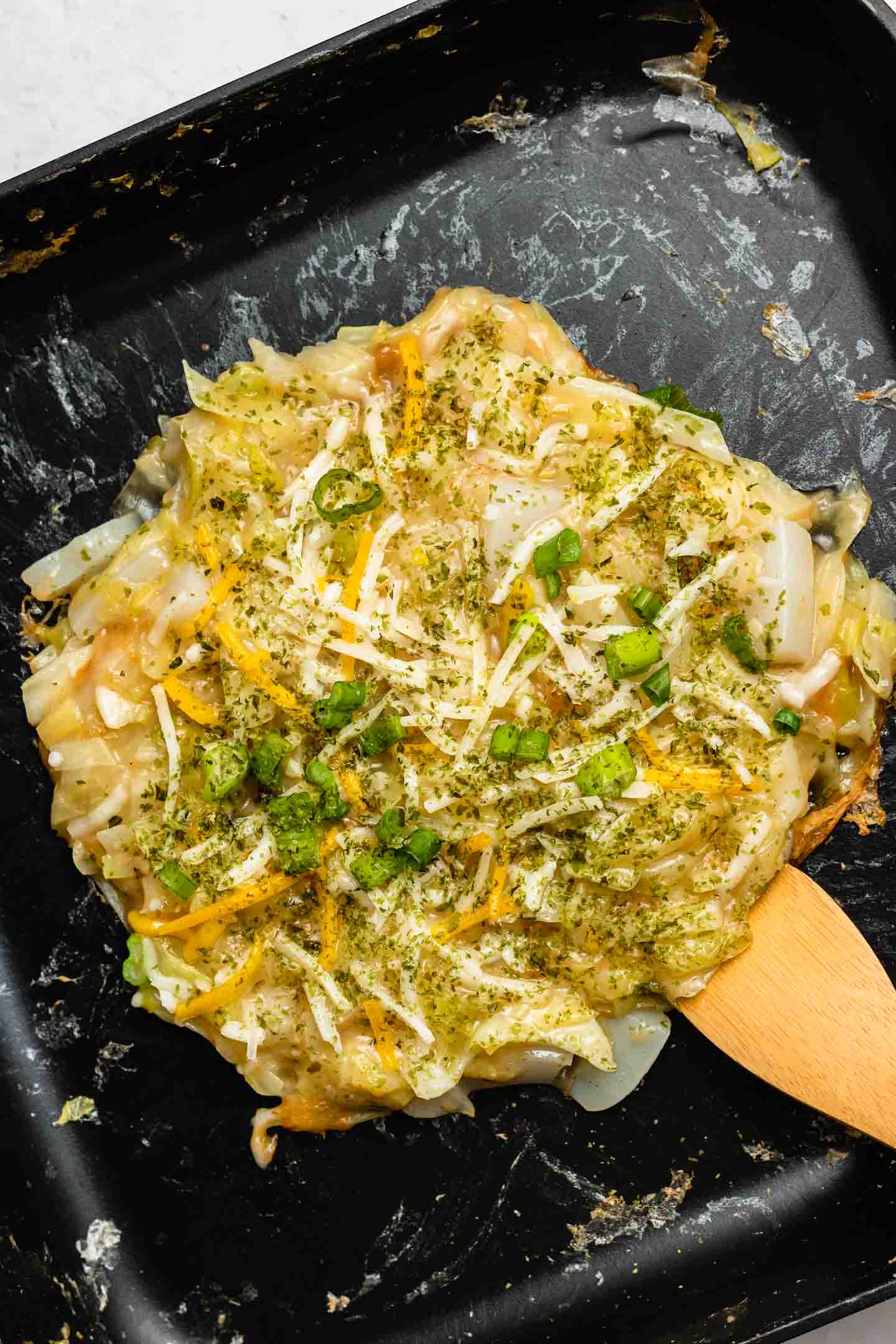
Monjayaki
もんじゃ焼き
Monjayaki is Tokyo's runnier, more chaotic cousin of Osaka's okonomiyaki—a savory pancake made with cabbage, seafood or meat, and a watery batter cooked on a flat teppan grill at your table. The batter stays liquid and crispy at the edges. You scrape it off the grill with tiny metal spatulas and eat directly from the hot surface. It's messy, interactive, and found primarily in Tokyo's Tsukishima neighborhood ('Monja Street').
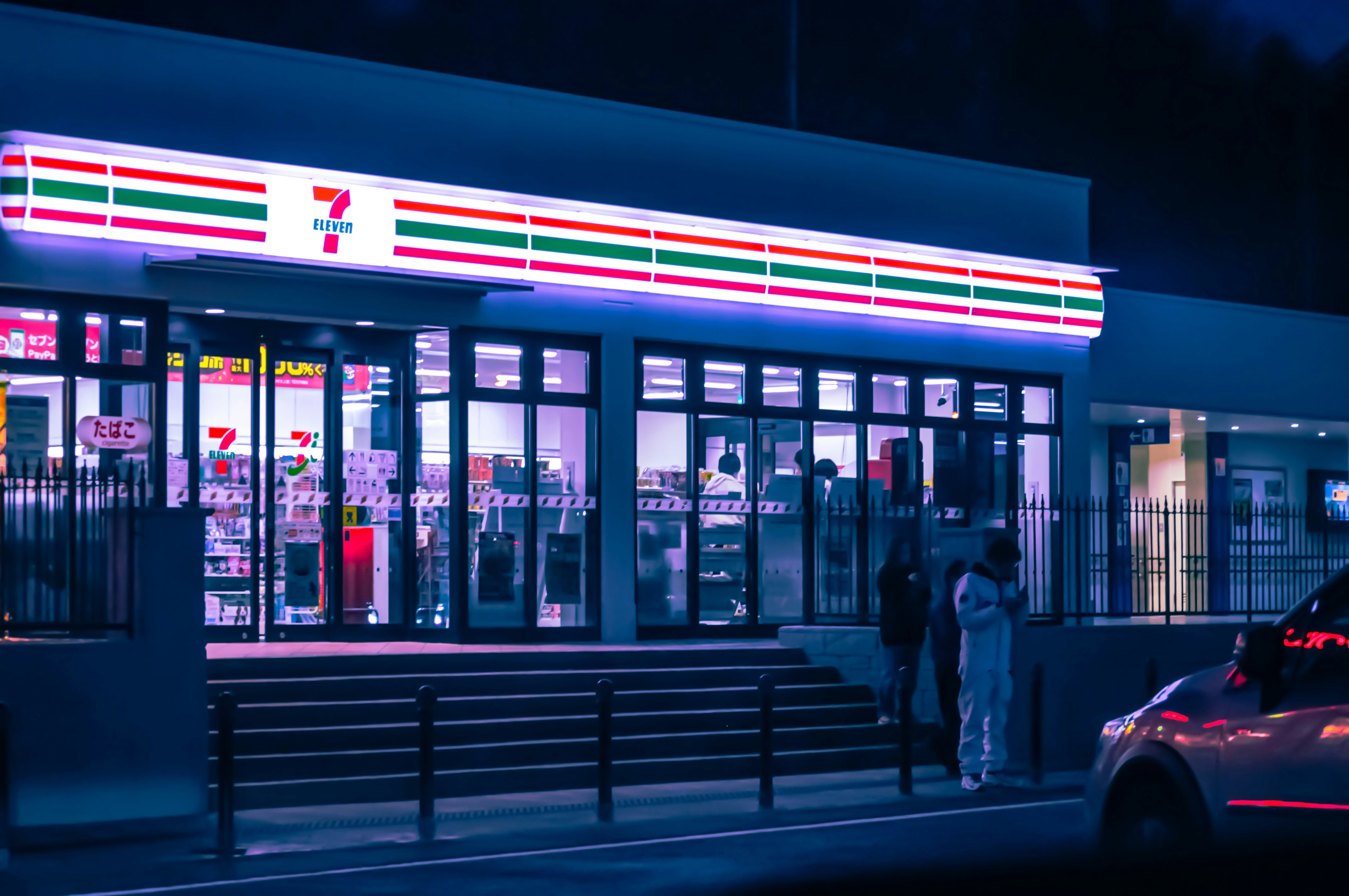
Konbini (Convenience Store)
コンビニ
Konbini (convenience stores)—7-Eleven, Lawson, FamilyMart—are Japan's culinary secret weapon, offering shockingly high-quality food 24/7. Famous items: egg salad sandwiches (fluffy white bread, creamy filling), onigiri (rice balls with salmon, tuna mayo, or pickled plum), fried chicken (Famichiki at FamilyMart), oden (hot pot items in broth), and fresh coffee. It's cheap (¥100-500), reliable, and open all night.
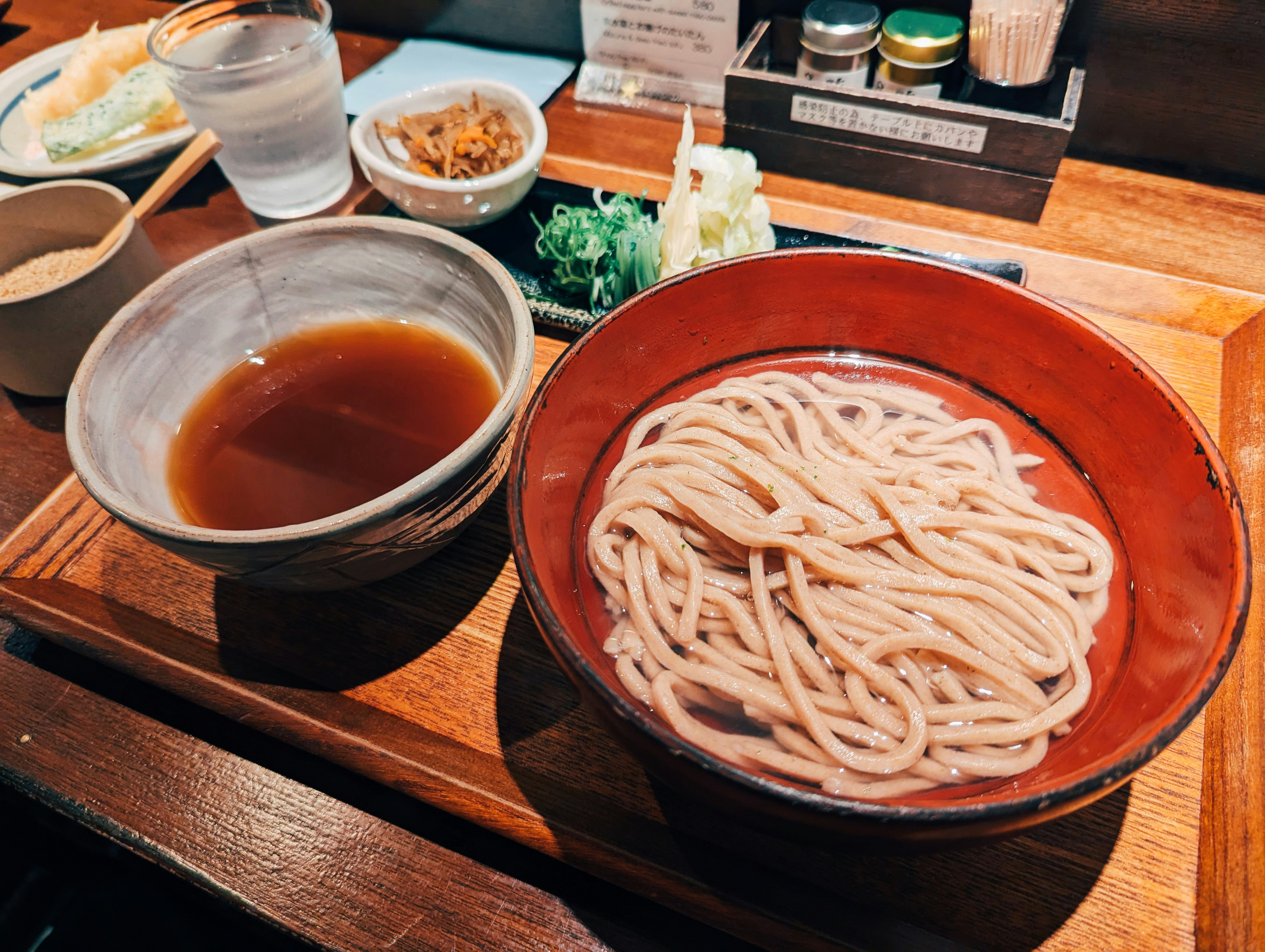
Udon & Soba
うどん / そば
Udon is thick, chewy wheat noodles; soba is thin, nutty buckwheat noodles. Both are served hot in broth or cold with dipping sauce. Found at stand-up counters in train stations (tachi-gui) where you slurp quickly and leave, or sit-down restaurants for handmade versions. It's fast, cheap (¥300-800), and light. Popular versions: kake udon (plain hot broth), tempura soba (with shrimp tempura), and zaru soba (cold noodles).
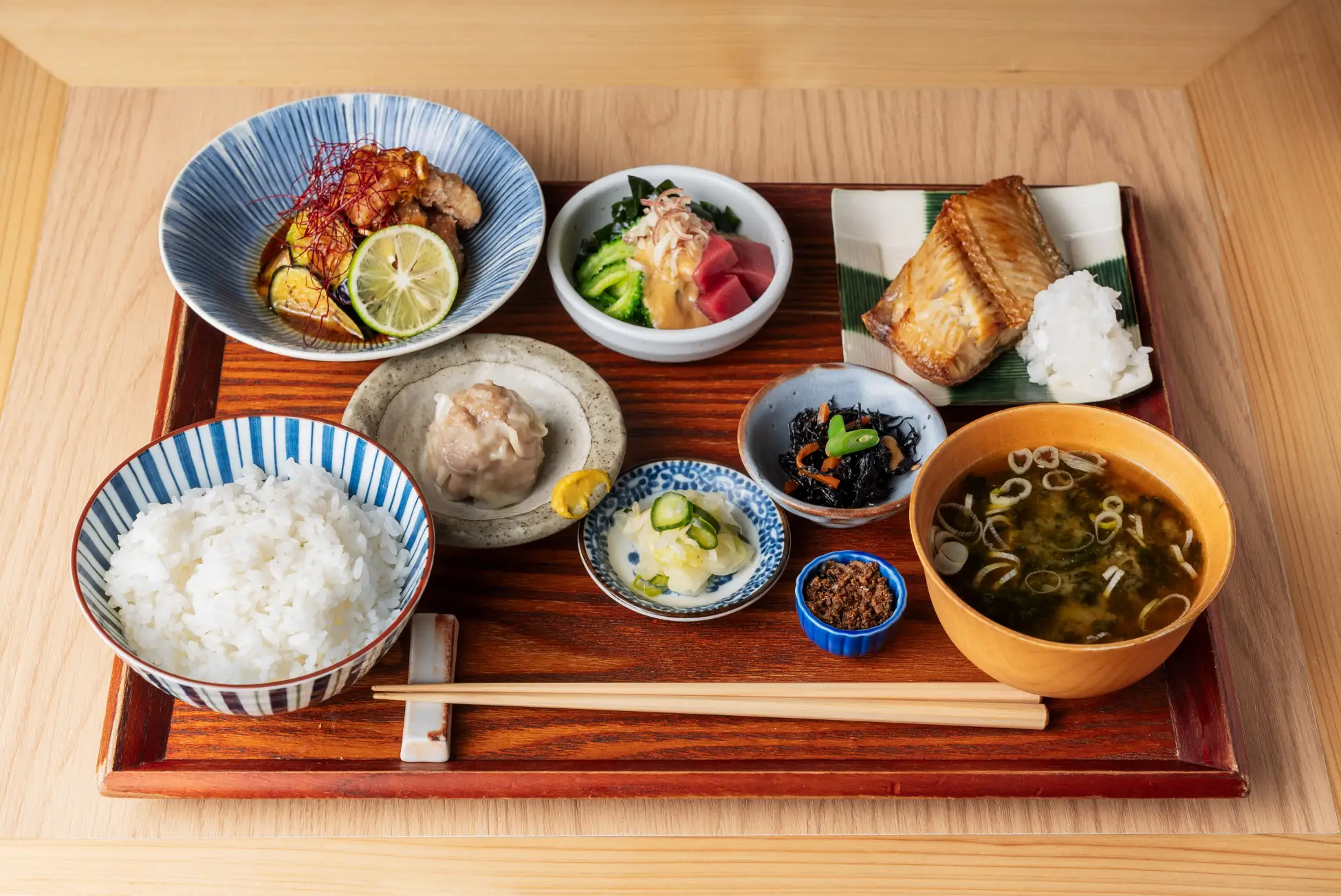
Teishoku (Set Meal)
定食
Teishoku is a balanced set meal: a main dish (grilled fish, ginger pork, fried chicken karaage, or mackerel), steamed rice, miso soup, pickled vegetables (tsukemono), and sometimes a small salad. It's the real lunch of Tokyo—fast, healthy, affordable (¥800-1,200), and served at chains like Ootoya, Yayoiken, or local shokudo (cafeterias). You get a complete, nutritious meal in 15 minutes.
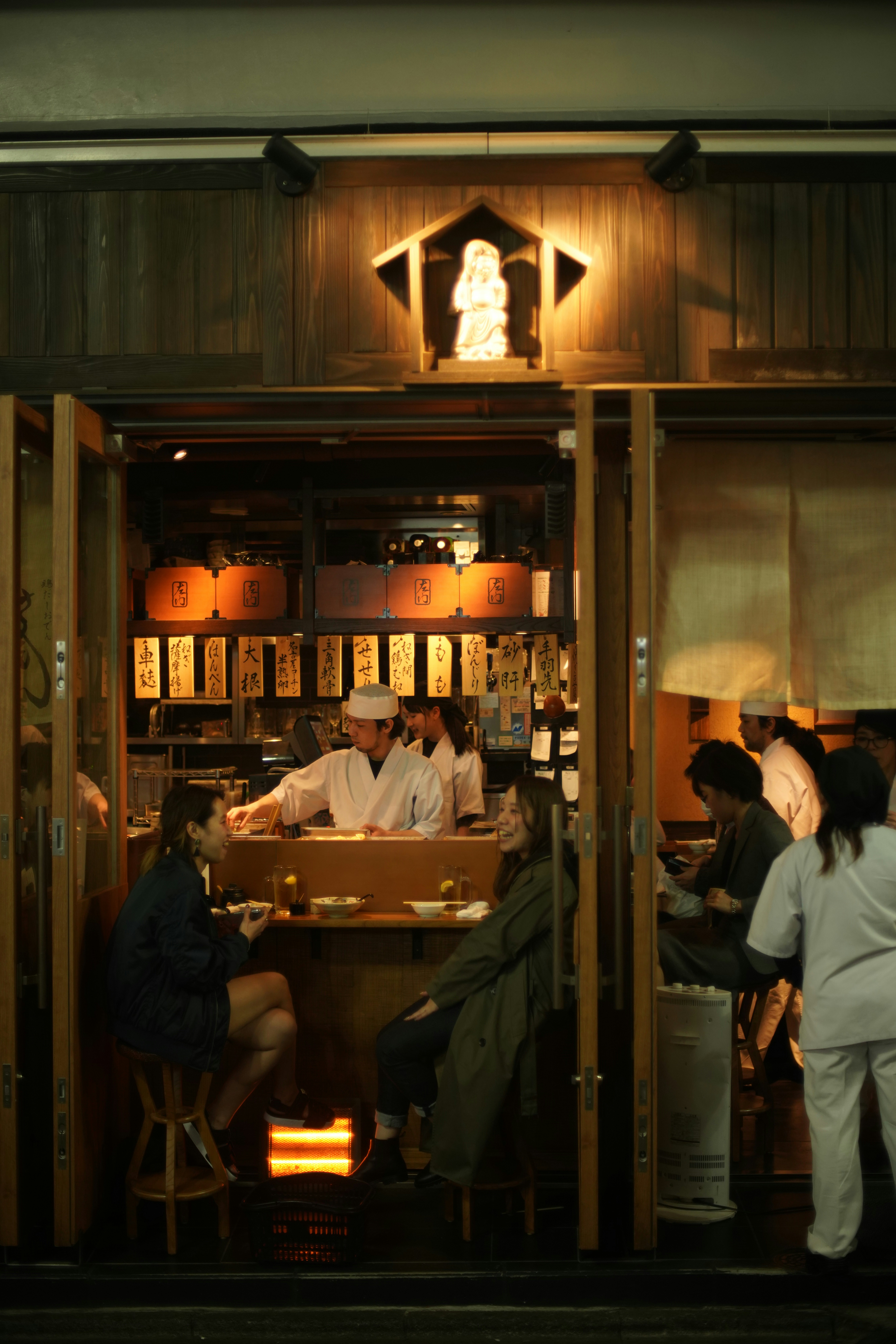
Izakaya & Otoshi
居酒屋
Izakaya is a Japanese pub where coworkers gather after work to drink and eat small plates (edamame, karaage, grilled fish, yakitori). The 'otoshi' is a mandatory table charge (¥300-500) that includes a small appetizer—it's not a scam, it's the cover charge like bread at Italian restaurants. Shout 'Sumimasen!' to call the waiter. Order beer (nama biiru), highballs, or sake, and share dishes. It's Tokyo's social release valve.
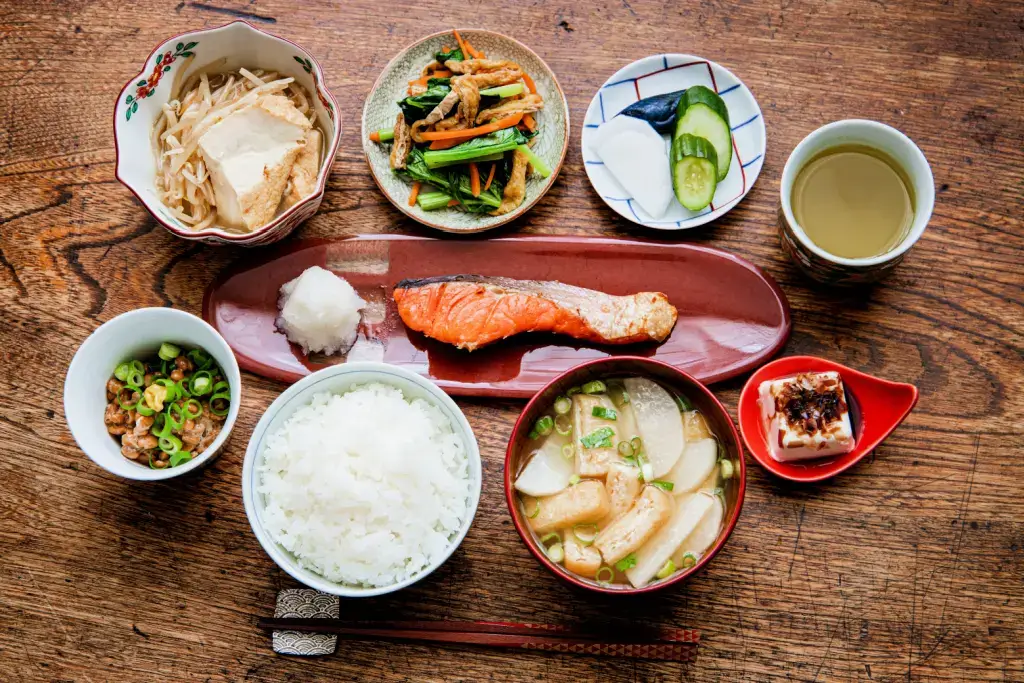
Tokyo Breakfast
朝ご飯
Tokyo breakfast is not eggs and toast—it's either a traditional Japanese set (grilled fish, rice, miso soup, pickles, natto) served at hotel buffets or teishoku restaurants, or a konbini pastry/sandwich grabbed on the go. Western-style cafes opening before 10am are rare; coffee shops (Doutor, Starbucks) serve pastries. The concept of 'brunch' doesn't exist. Breakfast culture is utilitarian, not leisurely.
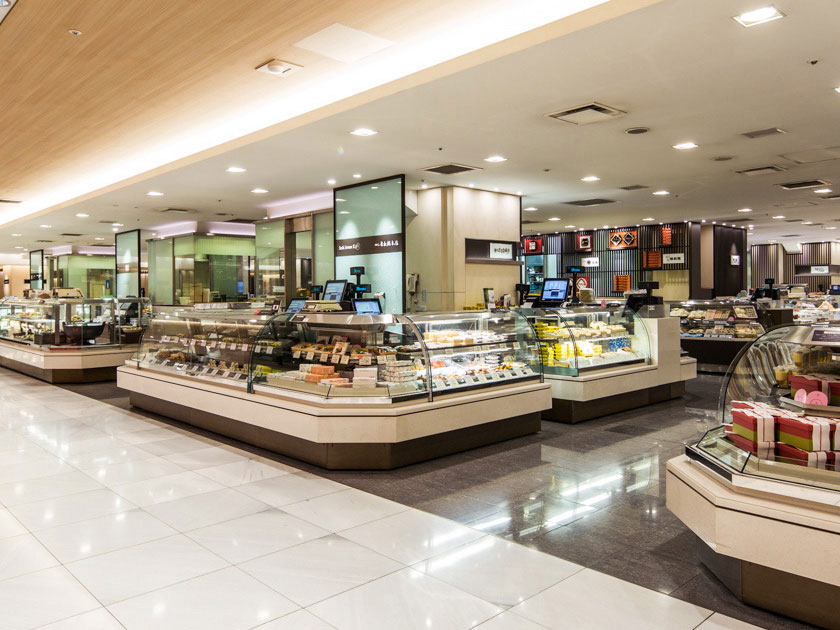
Depachika (Food Halls)
デパ地下
Depachika is the basement food hall of Japanese department stores (Isetan, Mitsukoshi, Takashimaya)—a wonderland of high-end bento boxes, sweets, fresh produce, imported goods, and gourmet gifts. Everything is immaculately presented and expensive. Go at 7:30-8pm for the 'discount rush' (waribiki) when prepared foods are marked down 20-50% before closing. Perfect for hotel room picnics or gifts.
Tachinomi (Standing Bar)
立ち飲み
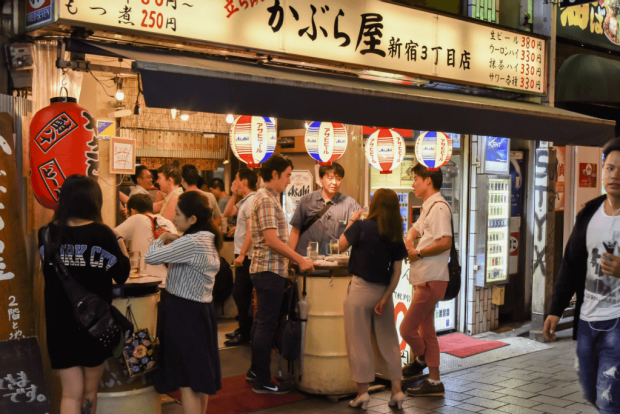
Tachinomi is a standing bar (no seats) where salarymen drink cheap beer, sake, or highballs and eat simple snacks (grilled fish, edamame, yakitori, oden) after work. It's often cash-on-delivery (pay as you order), making it scam-proof and authentic. Tachinomi are concentrated near major train stations (Shimbashi, Ueno, Yurakucho) and under train tracks. It's loud, smoky, male-dominated, and quintessentially Tokyo working-class culture.