Club Culture
Techno
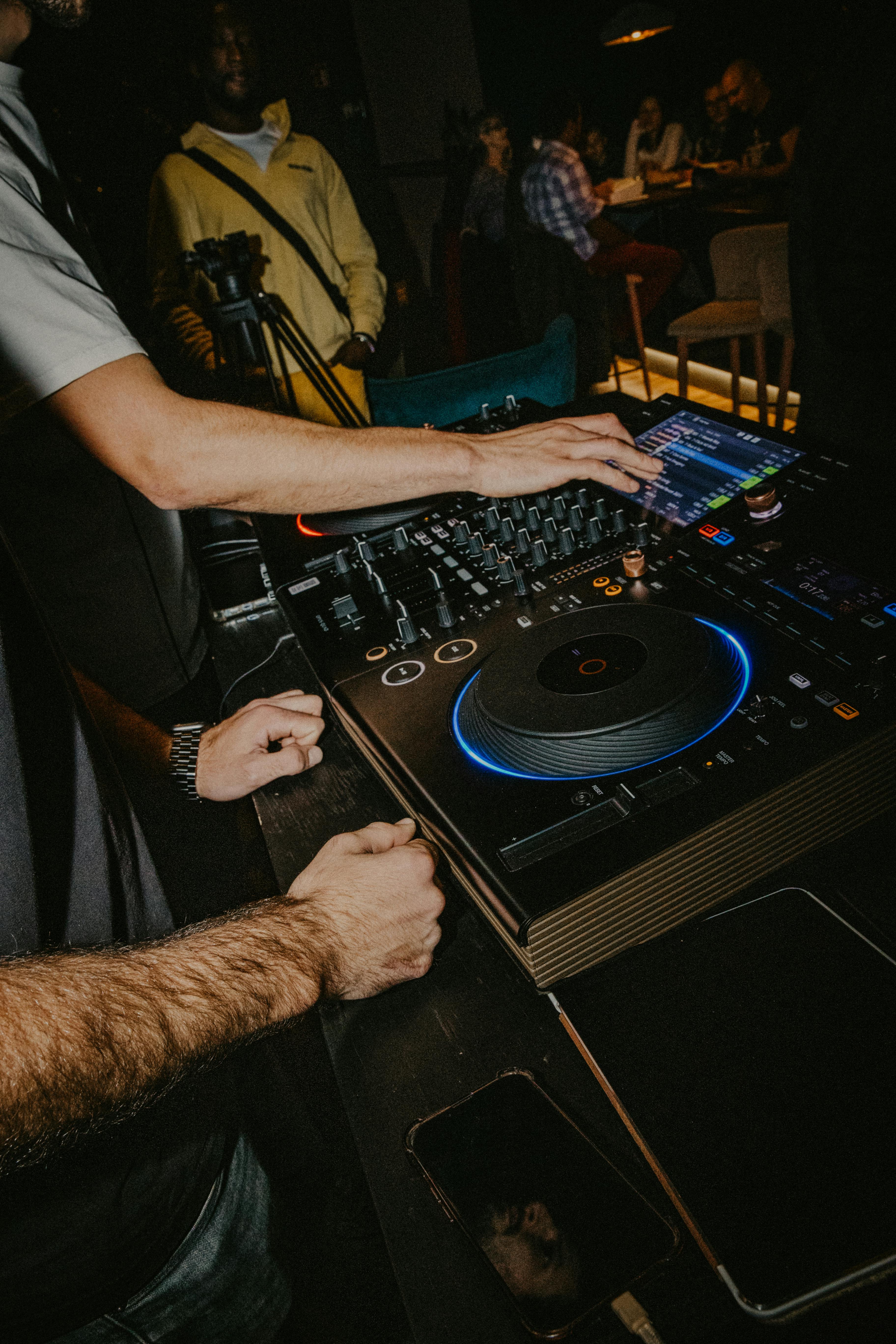
Berlin's club culture is legendary and unique: industrial warehouses converted into dark, cavernous spaces with world-class sound systems, strict 'no photo' policies, and door policies that reject based on vibes. Clubs like Berghain, Tresor, and Sisyphos operate Friday-Monday non-stop (48-72 hours). It's not about being seen—it's about disappearing into music, freedom, and hedonism. The experience is intense, inclusive, and life-changing for electronic music fans.
The Lakes (Badeseen)
Badesee
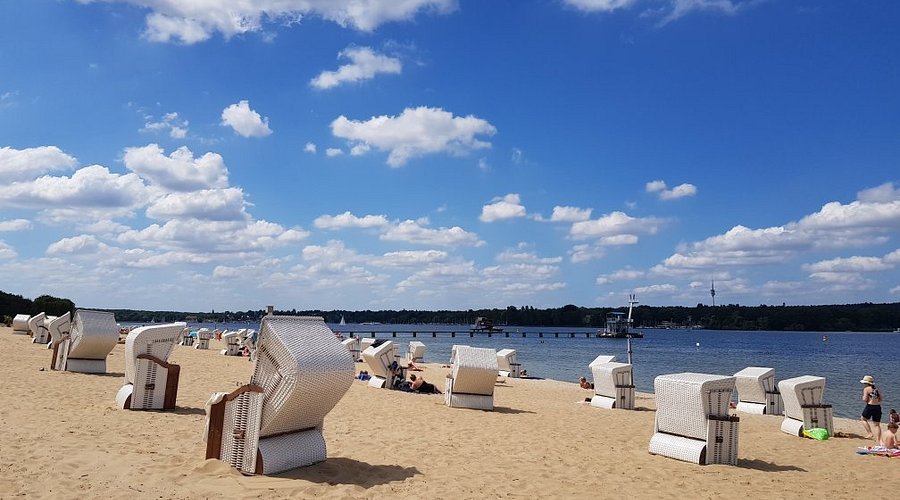
In summer, Berliners flee to the city's lakes (Badeseen)—Wannsee, Müggelsee, Schlachtensee, Plötzensee—for swimming, sunbathing, and grilling. These are natural lakes within city limits, surrounded by forests and beaches. FKK (Freikörperkultur—public nudity) is common, non-sexual, and culturally accepted at designated sections. It's pure nature, surprisingly clean water, and a stark contrast to urban Berlin. Locals bring beer, portable grills, and spend entire Sundays lakeside.
Tempelhofer Feld
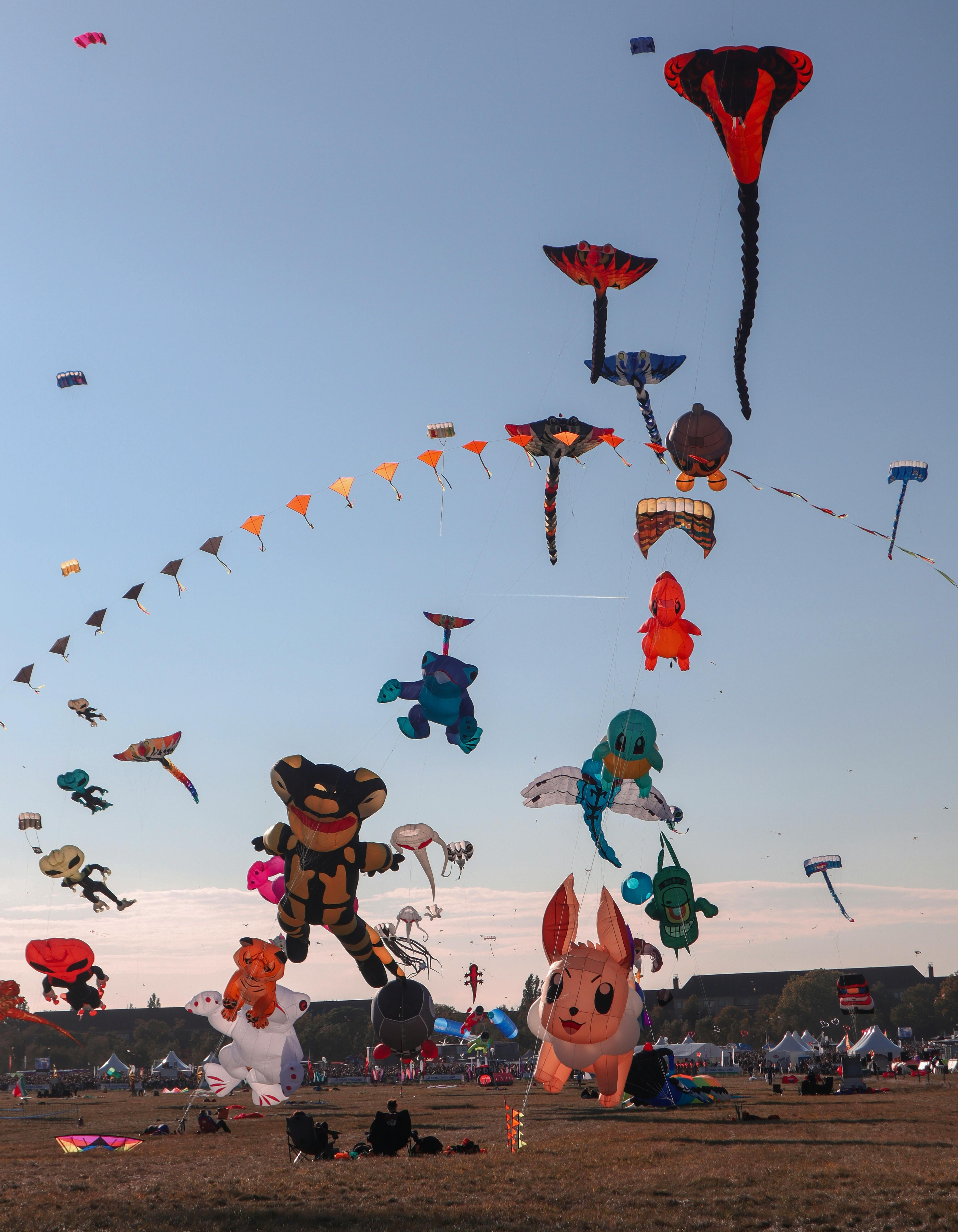
Tempelhofer Feld is a decommissioned airport turned into a massive 900-acre public park—the ultimate symbol of Berlin's freedom and transformation. The former runways are now used for skating, cycling, kiteboarding, grilling, and urban gardening. It's wide-open, flat, and surreal—you can see the entire city skyline. Locals voted in 2014 to keep it undeveloped, rejecting luxury housing plans. It's pure Berlin: reclaiming history for public space.
Späti Culture
Spätkauf
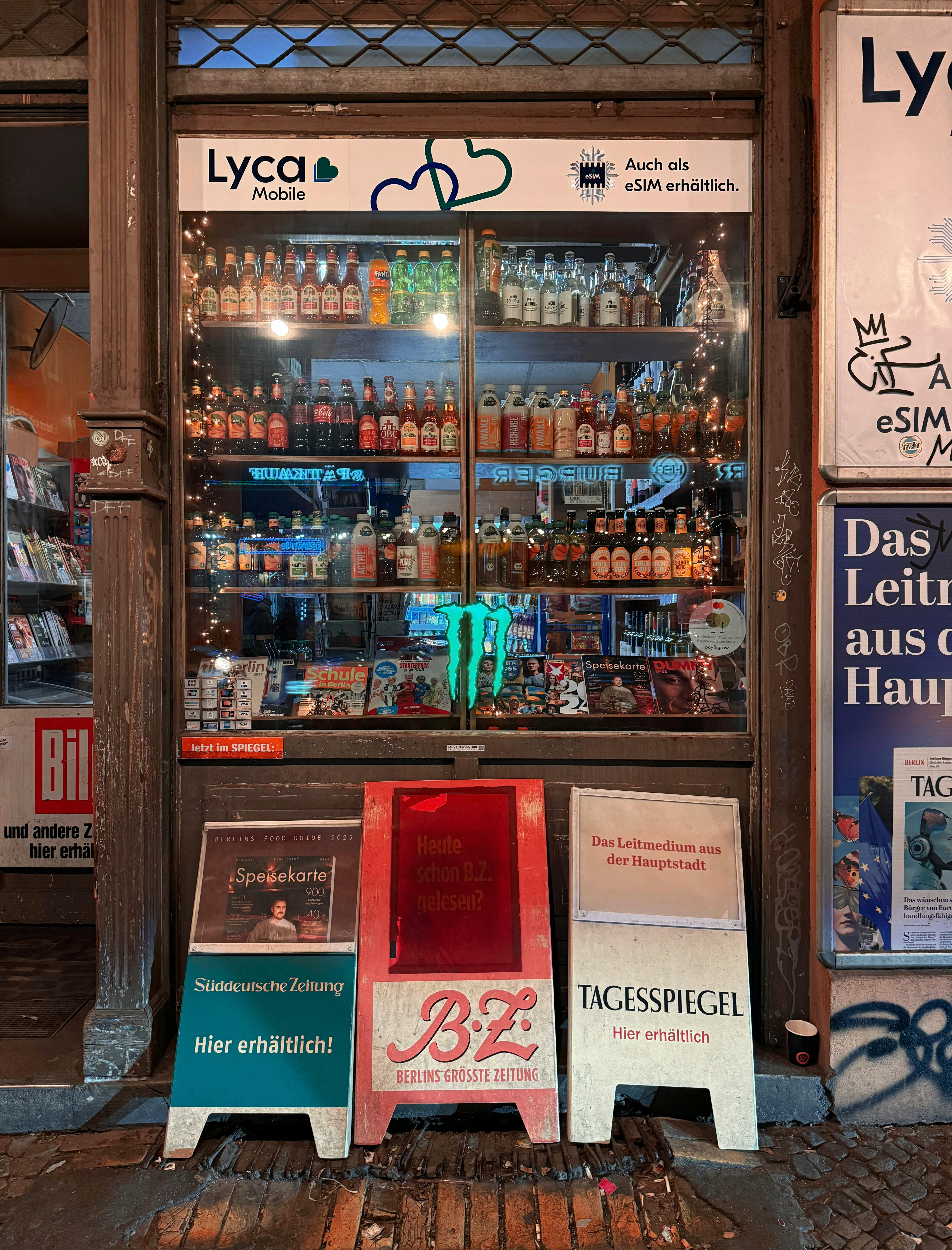
Späti culture is quintessential Berlin: skip the expensive bar, buy a €1.50 beer from a late-night corner store (Spätkauf/Späti), and sit on the bench outside watching the city go by. It's where neighbors gather, strangers become friends, and Berlin's social fabric lives. Spätis are open late (until 2am+), making them essential infrastructure for nightlife and community. It's democratic, cheap, and real.
Mauerpark Sunday Market
Mauerpark Flohmarkt
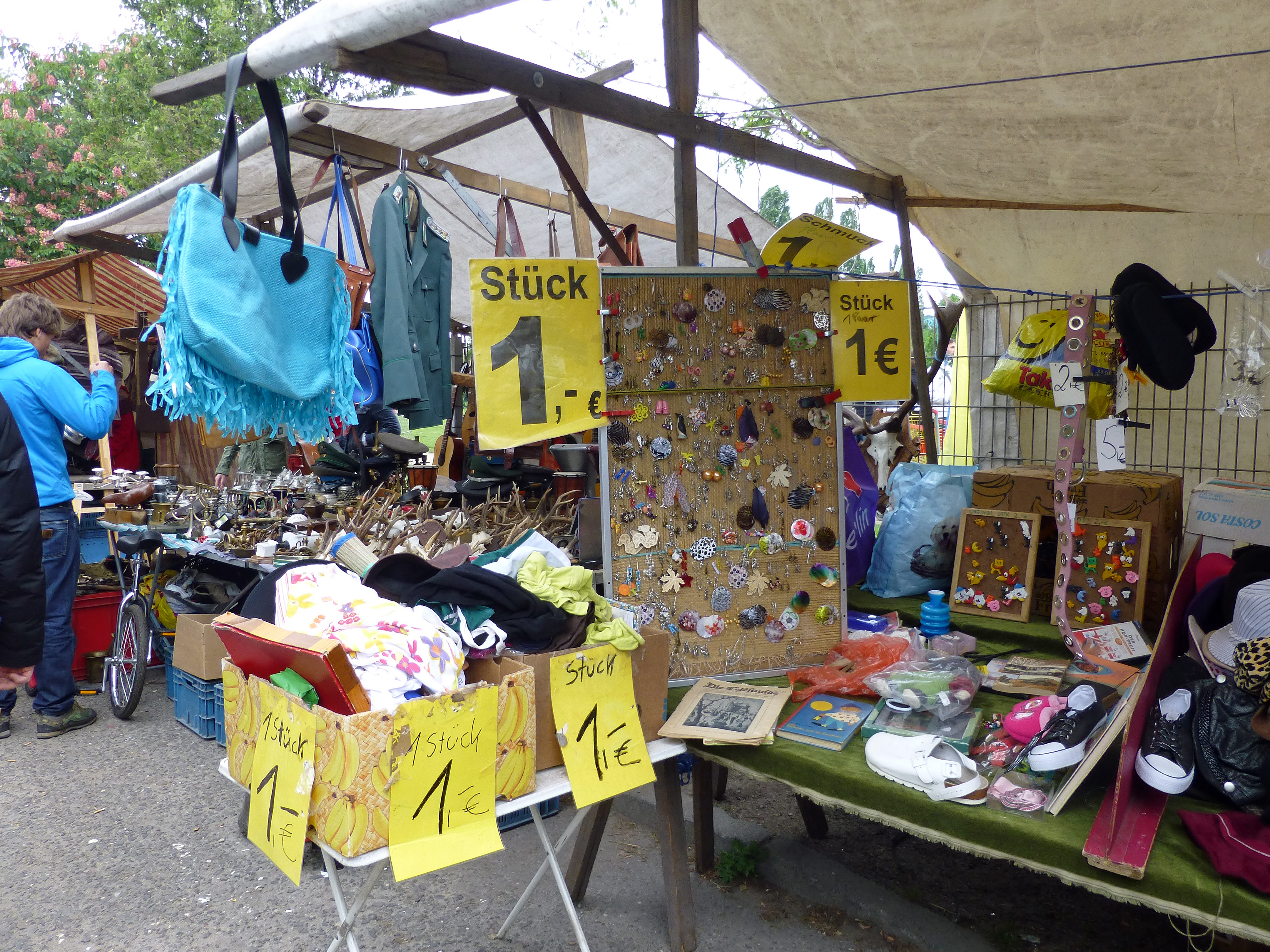
Mauerpark on Sundays is a Berlin ritual: a massive flea market with vintage clothes, records, art, and junk, followed by the legendary 'Bearpit Karaoke' where thousands gather to cheer strangers belting out songs in an amphitheater. It's chaotic, loud, joyful, and uniquely Berlin. The park sits on the former Berlin Wall border strip ('Mauer' means wall). Come for the market, stay for the karaoke spectacle.
Brandenburg Gate
Brandenburger Tor
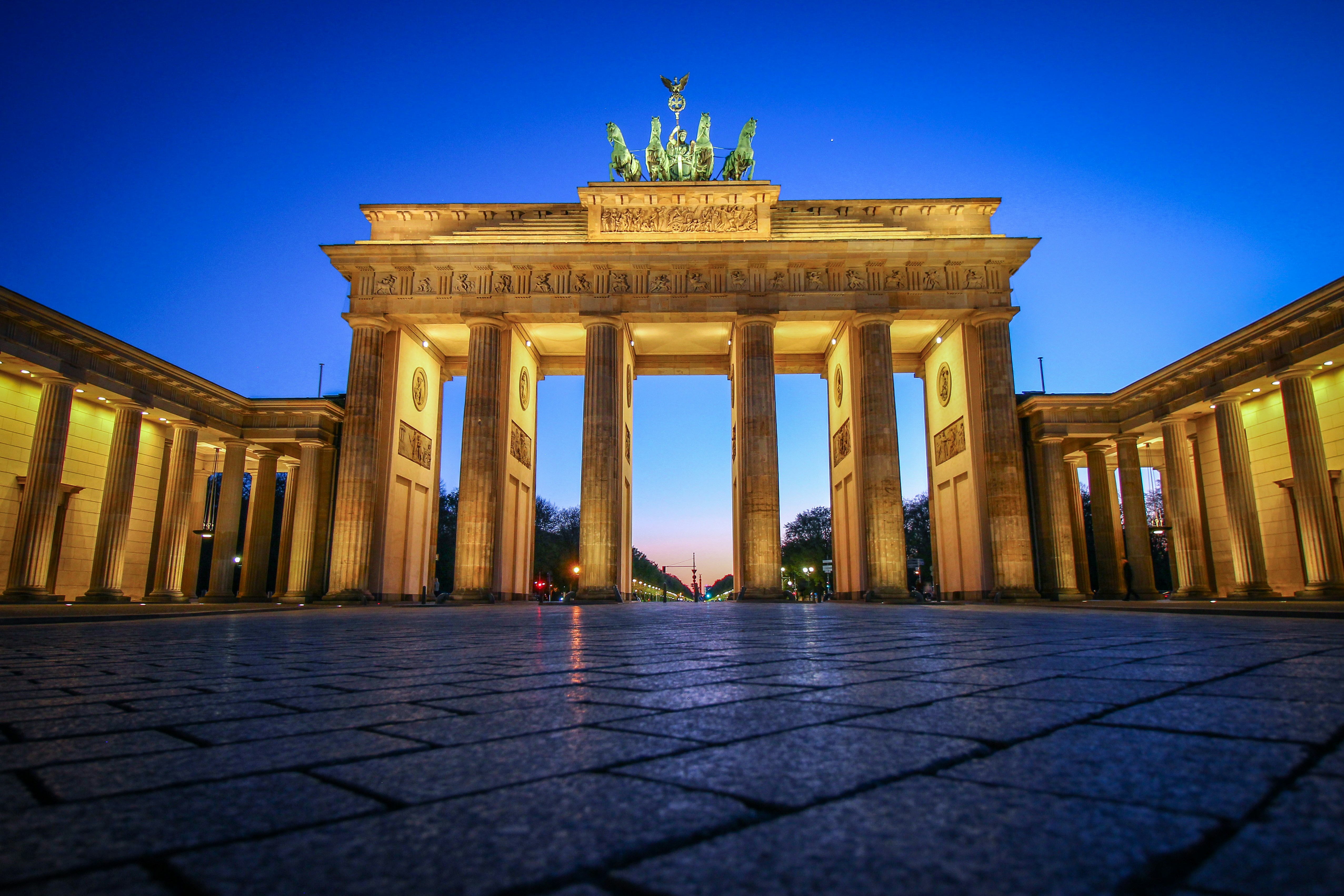
The Brandenburg Gate is Berlin's most iconic monument, a neoclassical 18th-century triumphal arch that became the symbol of German reunification. Built in 1791, it stood in the no-man's-land during the Berlin Wall era, inaccessible to both sides. When the Wall fell on November 9, 1989, over 100,000 people gathered here to celebrate. The gate's Quadriga (chariot sculpture) was stolen by Napoleon in 1806 and returned in 1814. It's beautiful at night when crowds thin.
East Side Gallery
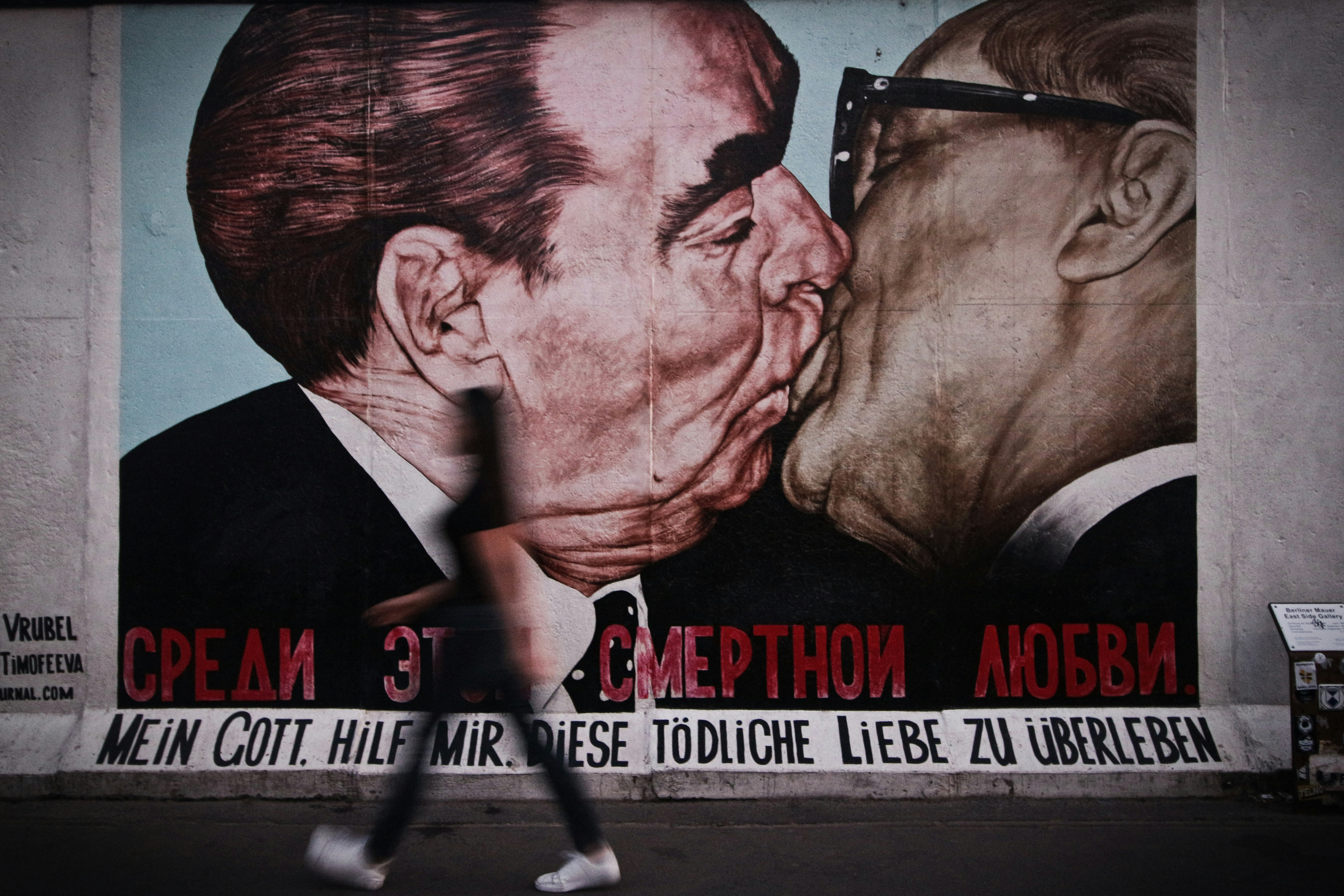
The East Side Gallery is the longest remaining stretch of the Berlin Wall (1.3 km), transformed into an open-air gallery with 105 murals painted by artists from around the world in 1990. The iconic 'Fraternal Kiss' (Brezhnev kissing Honecker) and 'Trabant breaking through the Wall' are here. It's powerful, free, and exposed to the elements—some murals are fading. The Wall stood 1961-1989, dividing the city for 28 years.
Holocaust Memorial
Denkmal für die ermordeten Juden
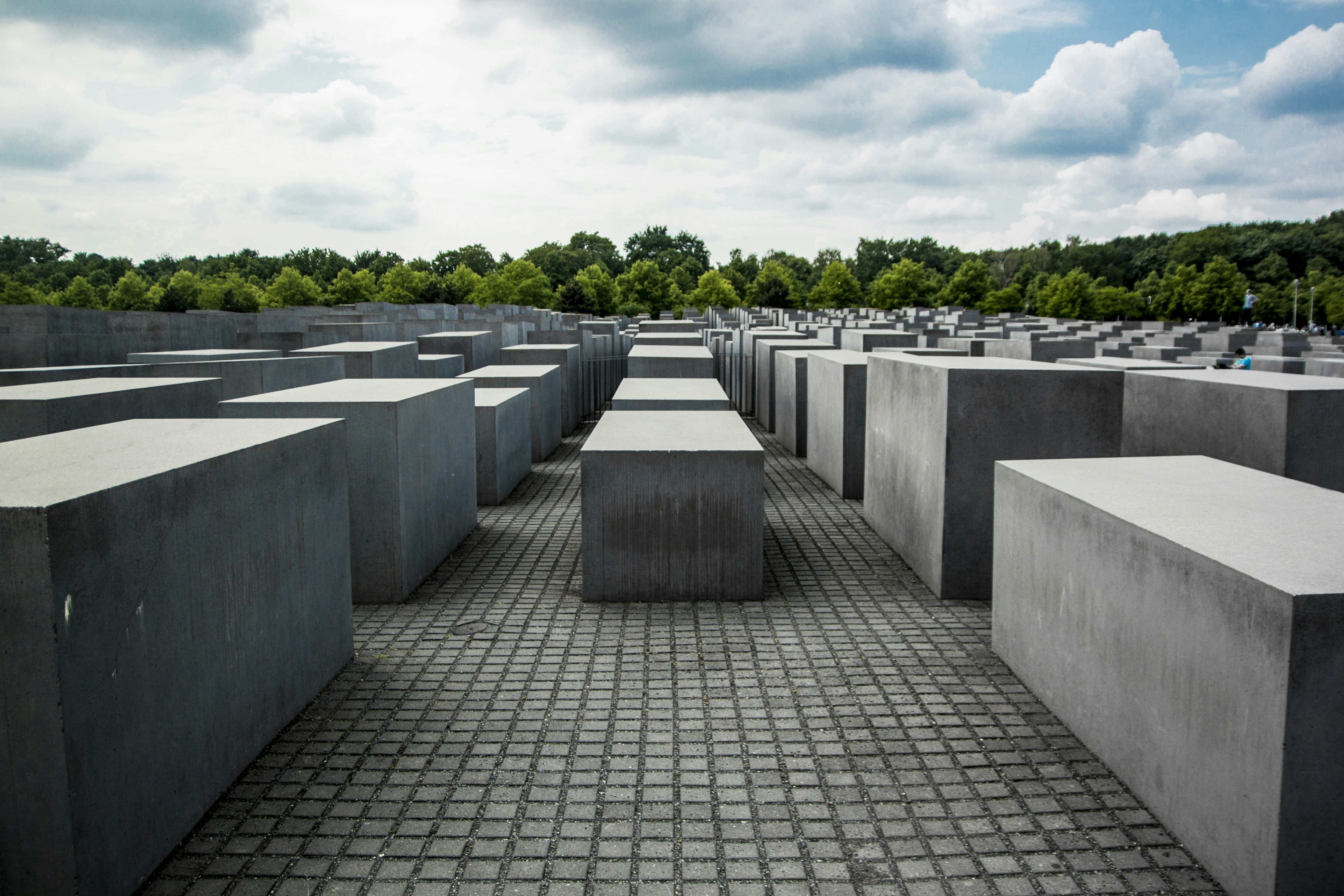
The Holocaust Memorial (Memorial to the Murdered Jews of Europe) is a haunting field of 2,711 concrete slabs (stelae) of varying heights arranged in a grid. Walking into the center is disorienting—the ground undulates, the slabs tower overhead, and you lose sight of others. It's intentionally overwhelming and claustrophobic. The underground information center documents Holocaust victims. The memorial opened in 2005 after decades of debate. Remain respectful—no climbing, no selfies on the blocks.
Teufelsberg (Spy Station)
Teufelsberg
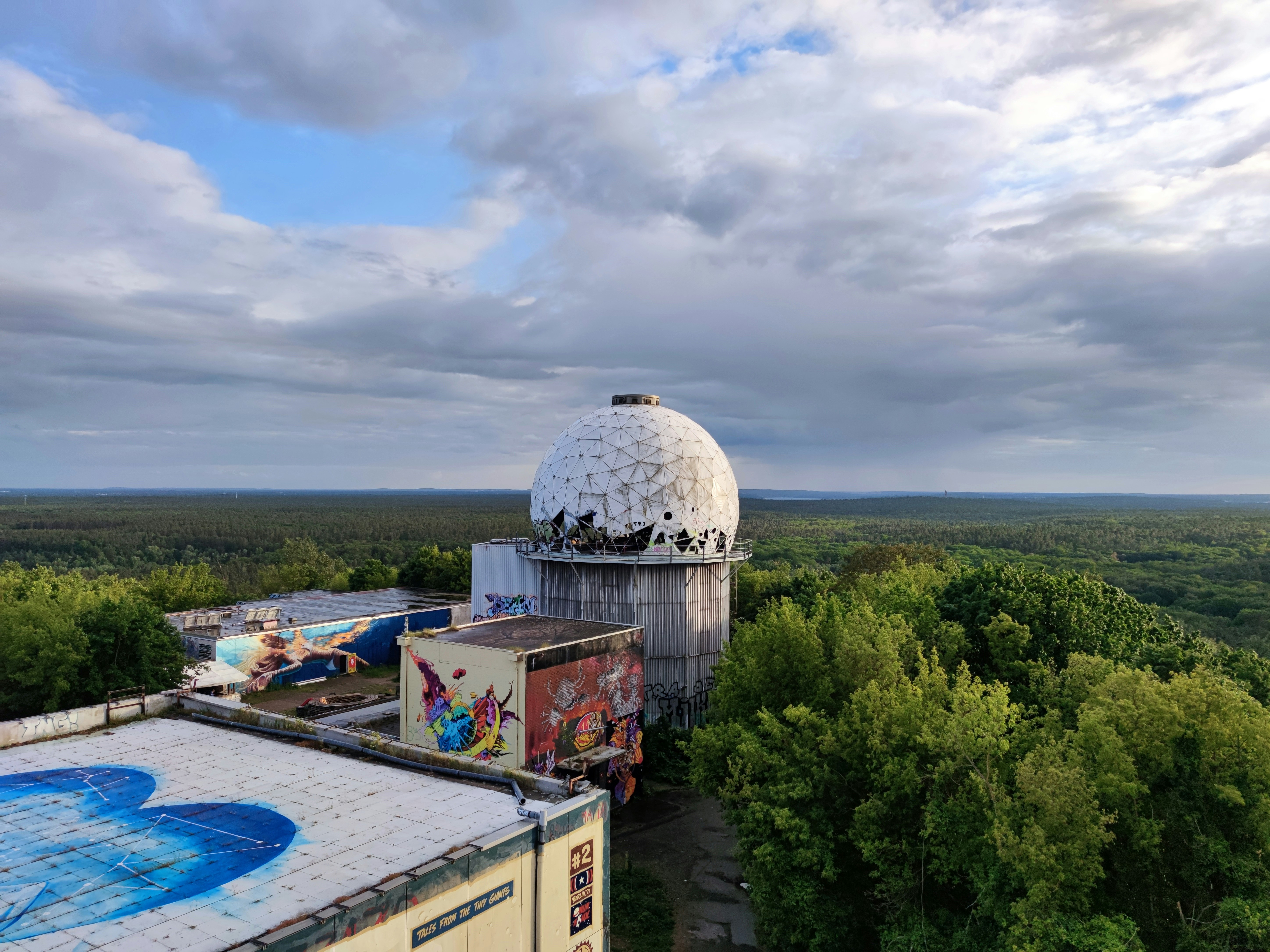
Teufelsberg ('Devil's Mountain') is an abandoned Cold War NSA listening station atop a man-made hill built from 25 million cubic meters of WWII rubble. During the Cold War, the US and UK used massive radomes (golf ball-shaped structures) to intercept Soviet communications. Abandoned after reunification, it's now covered in graffiti and offers incredible 360° views of Berlin. You can explore the ruins on guided tours. It's surreal, eerie, and uniquely Berlin.
Stasi Museum
Stasimuseum
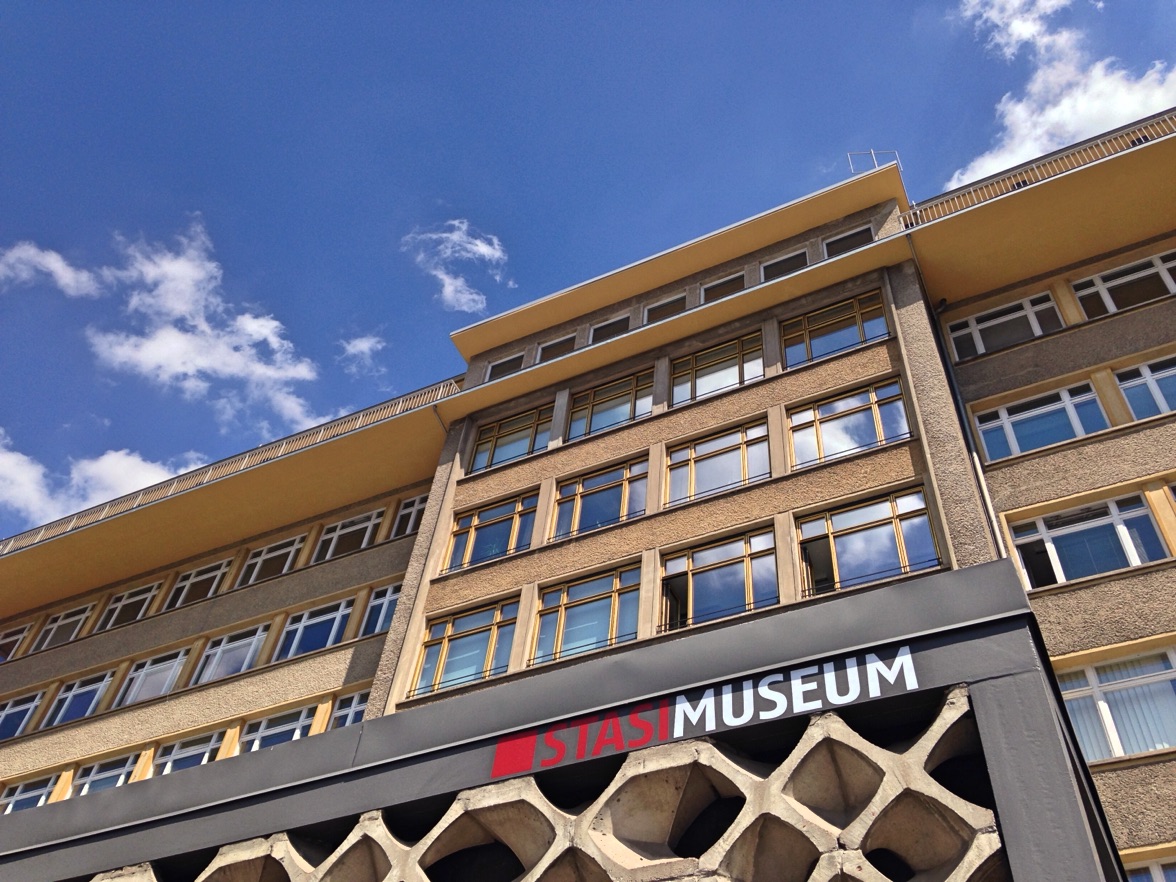
The Stasi Museum is located in the former headquarters of East Germany's secret police (Stasi), one of history's most effective surveillance states. The museum preserves the office of Erich Mielke (Stasi chief 1957-1989) and displays the terrifying surveillance technology used to monitor 6 million citizens: hidden cameras, mail-opening equipment, smell jars (to track people by scent). It's chilling, educational, and essential for understanding East German totalitarianism.
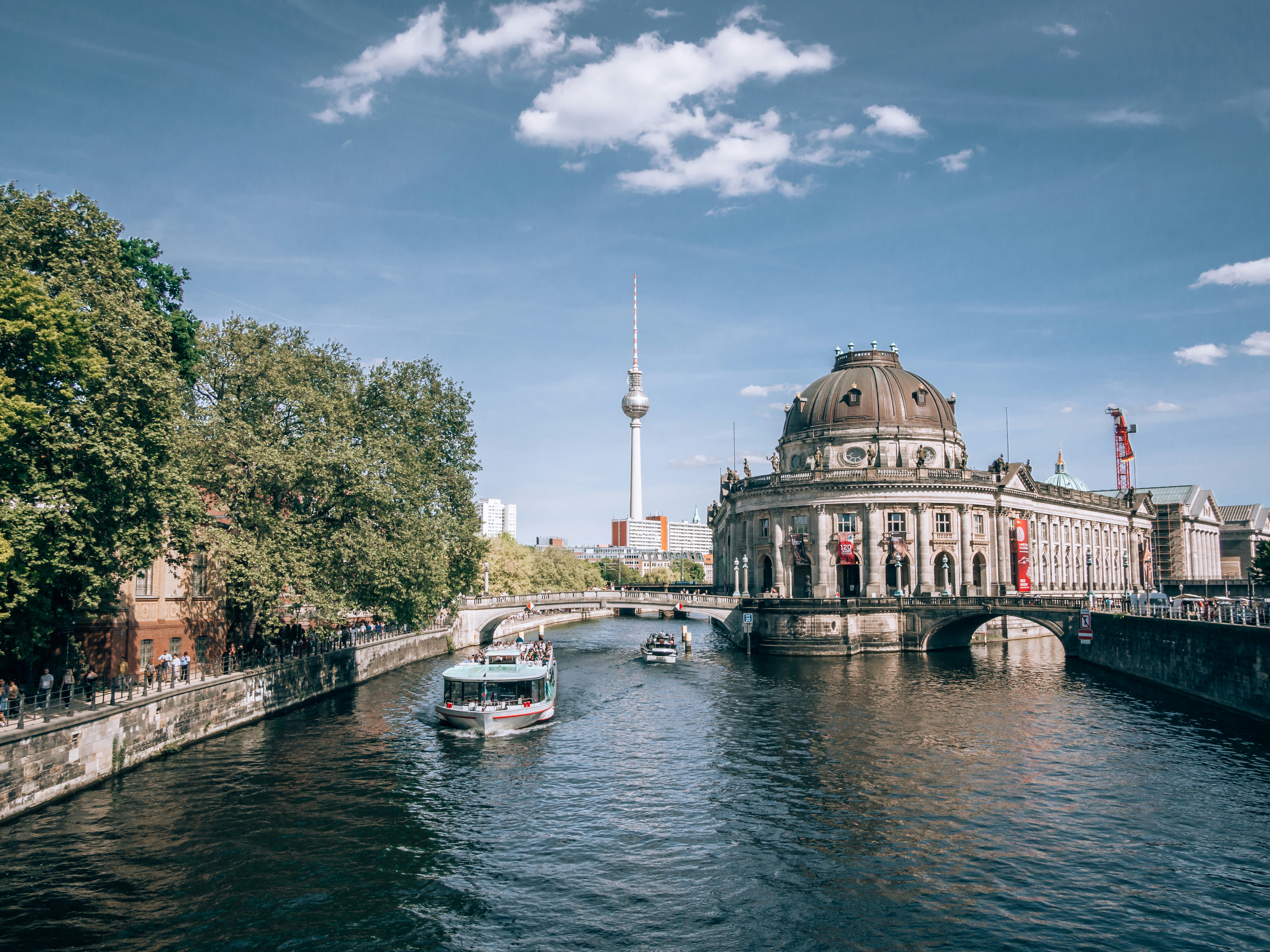
Museum Island
Museumsinsel
Museum Island is a UNESCO World Heritage site containing five world-renowned museums on a small island in the Spree River: Pergamon Museum (ancient Middle Eastern art—partially closed for renovation until 2027), Neues Museum (Egyptian Museum with Nefertiti bust), Altes Museum (Greek/Roman antiquities), Alte Nationalgalerie (19th-century European art), and Bode Museum (Byzantine art). It's overwhelming—each museum deserves 2-3 hours. Buy a day pass to visit multiple.