Senso-ji Temple
浅草寺
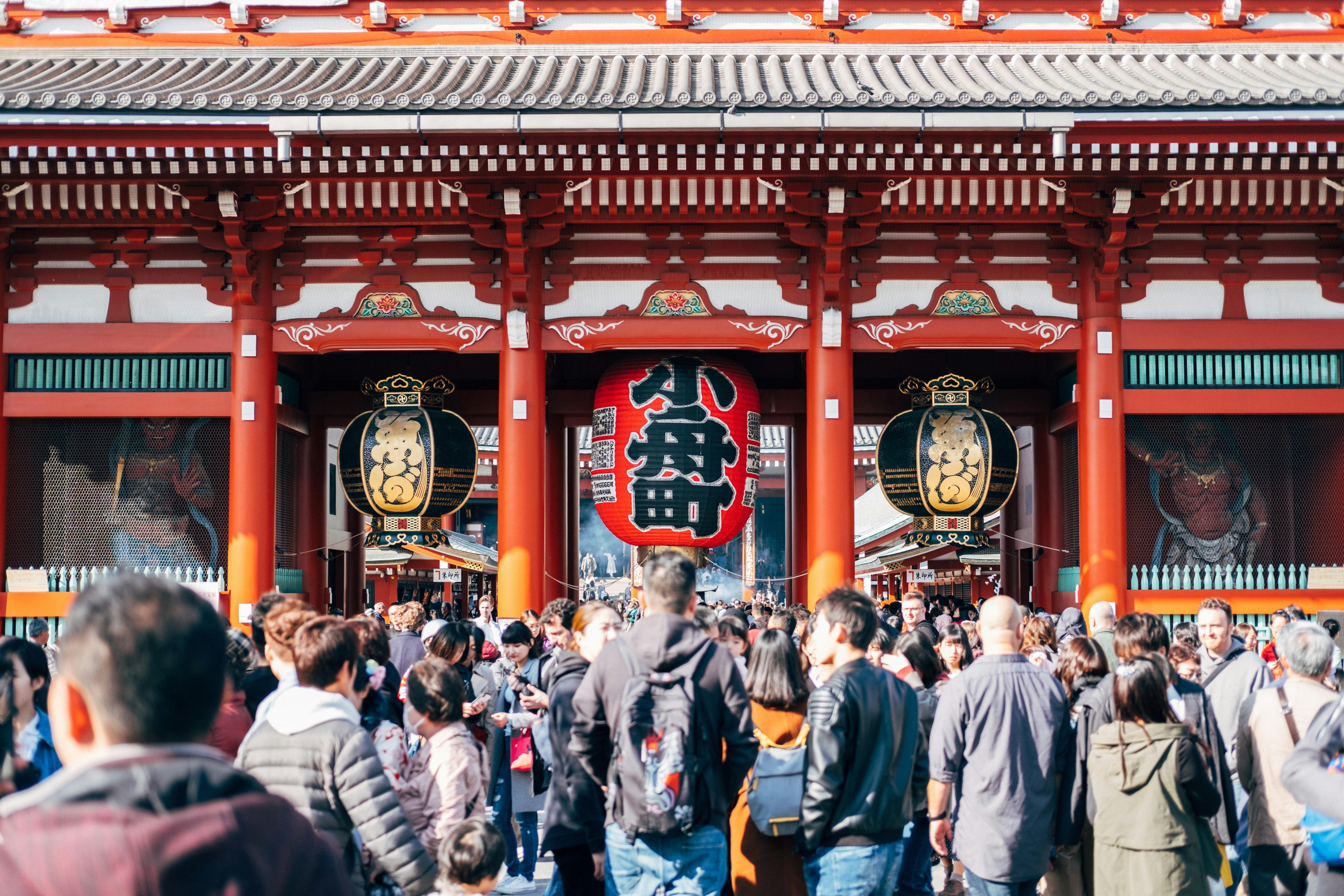
Senso-ji is Tokyo's oldest and most famous Buddhist temple (founded 645 AD), located in Asakusa. The entrance features the iconic Kaminarimon ('Thunder Gate') with a massive red lantern. Walk through Nakamise shopping street (200m of souvenir stalls) to reach the main hall. The temple is free, always open, and stunningly beautiful when lit at night. It's the most touristy temple but also the most photogenic and historically significant.
Meiji Shrine
明治神宮
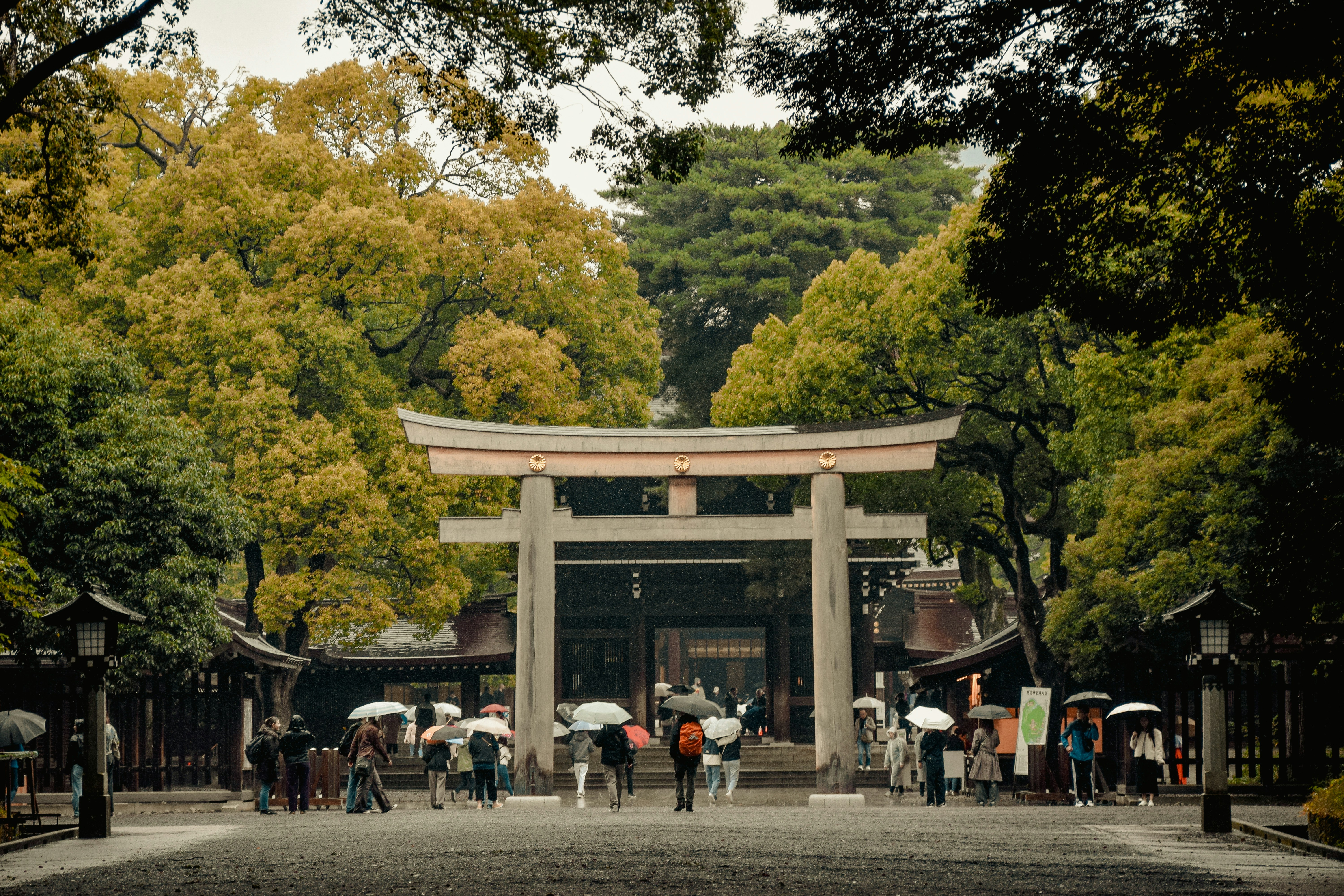
Meiji Shrine (Meiji Jingu) is a serene Shinto shrine dedicated to Emperor Meiji and Empress Shoken, set in a 175-acre forested park in the heart of Tokyo. The walk through the towering torii gates and forest creates a peaceful transition from the chaos of Harajuku next door. The shrine itself is built from Japanese cypress and copper. It's free, always open, and a spiritual escape. If lucky, you might witness a traditional Shinto wedding.
Shibuya Crossing
渋谷スクランブル交差点
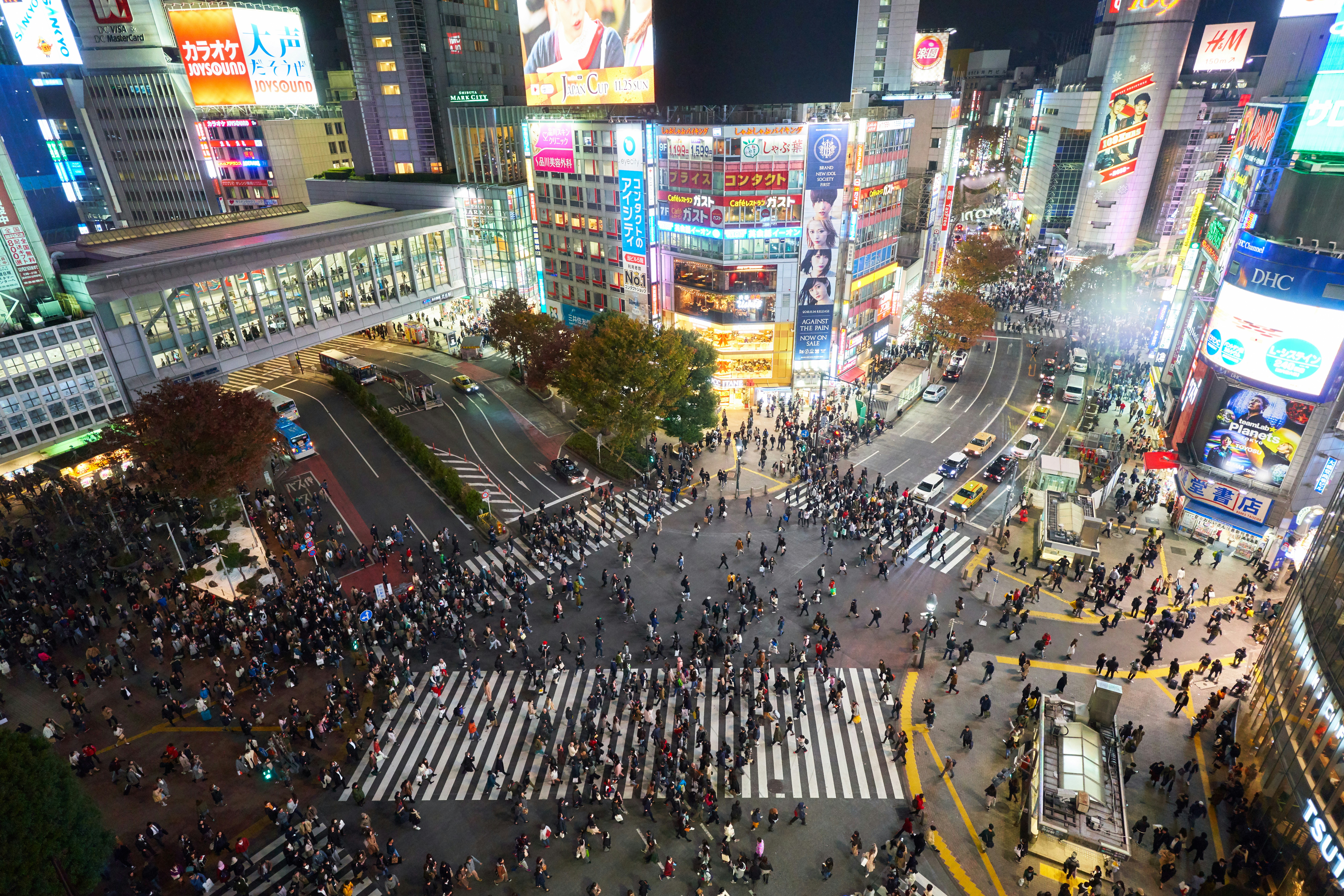
Shibuya Crossing is the world's busiest pedestrian intersection—up to 3,000 people cross simultaneously every light cycle (every 2 minutes). It's a spectacle of organized chaos: neon billboards, video screens, and a sea of people converging from five directions. The experience is surreal—you're part of the flow. Best viewed from above (Mag's Park rooftop or Starbucks) or experienced at street level. Peak times (6-8pm weekdays) are most dramatic.
Shimokitazawa
下北沢
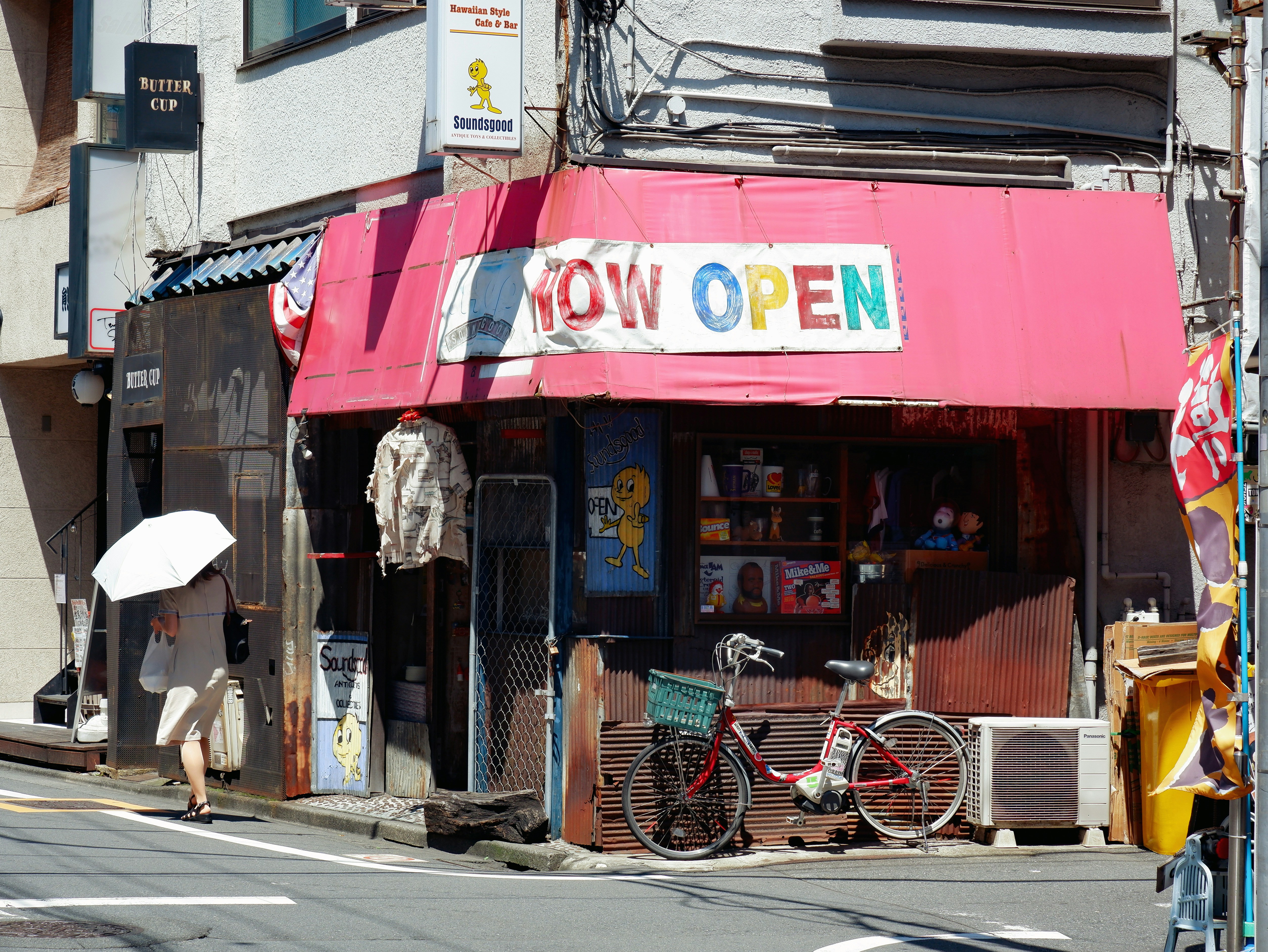
Shimokitazawa ('Shimokita') is Tokyo's hipster neighborhood: narrow pedestrian streets packed with vintage clothing shops, vinyl record stores, indie cafes, tiny theaters, and second-hand bookstores. There are no skyscrapers, chain stores, or tourist landmarks—just wandering, discovering, and vibes. The new 'Bonus Track' greenway (2020) connects Shimokita to Setagaya-Daita with boutique shops. It's where young Tokyoites spend weekends thrifting and cafe-hopping.
Tokyo Metro Gov Building
東京都庁
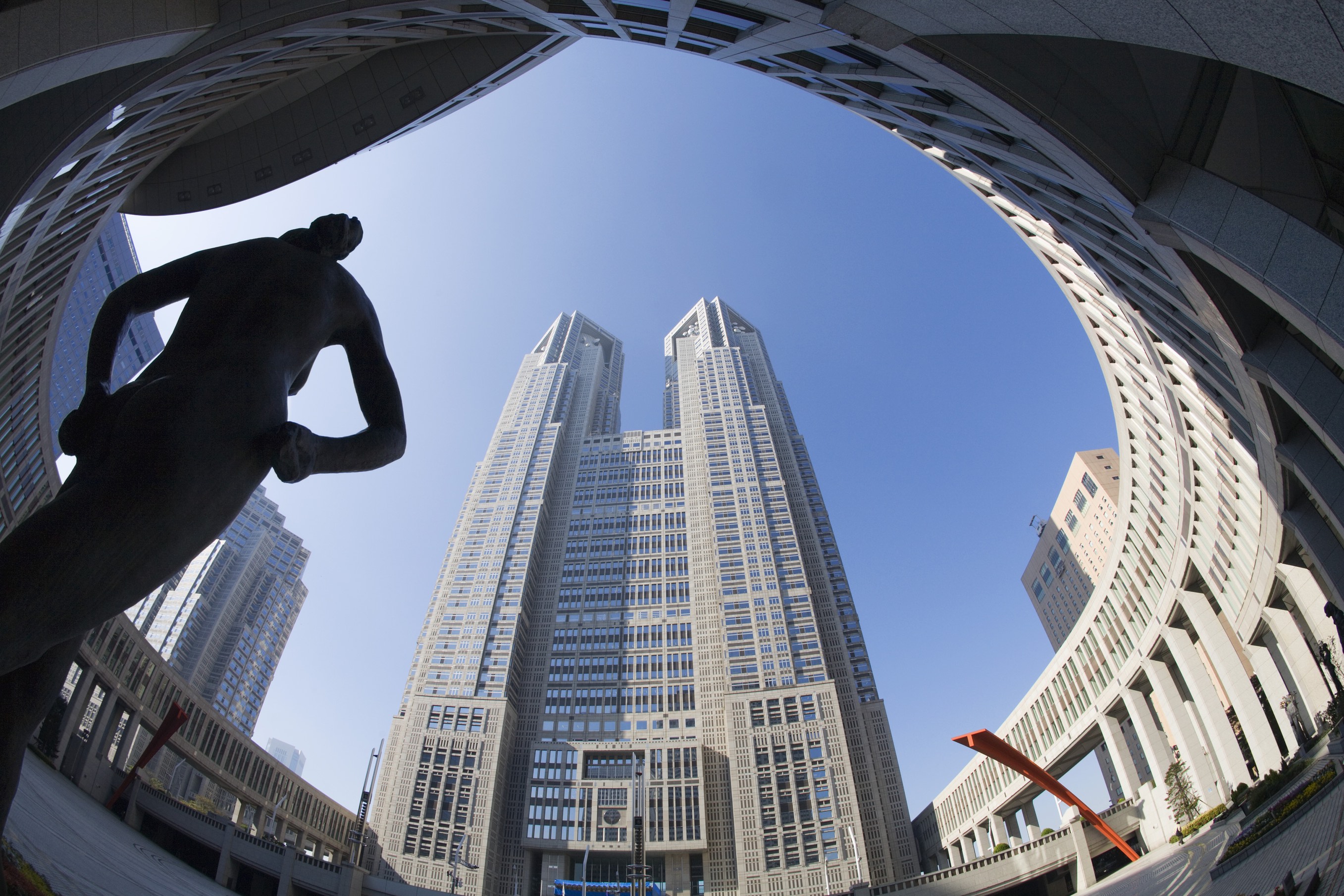
Tokyo Metropolitan Government Building (Tocho) offers the best FREE panoramic view in Tokyo from its 45th-floor observation decks (202 meters high). On clear days, you can see Mt. Fuji. The view rivals paid observation decks like Shibuya Sky (¥2,500) or Tokyo Skytree (¥3,000). Located in West Shinjuku among skyscrapers, the building itself is impressive brutalist architecture. Two towers—usually at least one is open. Less crowded than tourist observation decks.
Shinjuku Gyoen
新宿御苑
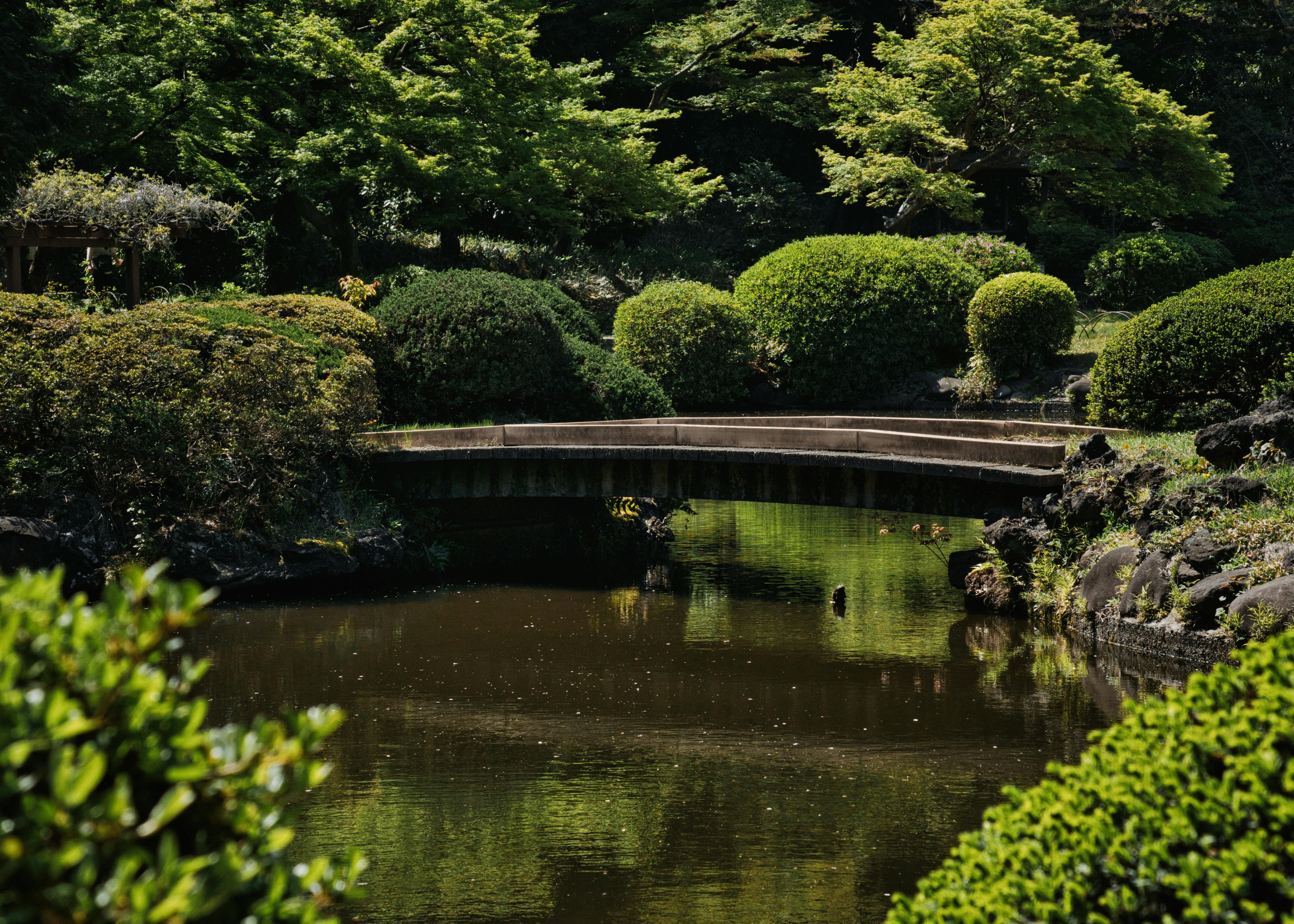
Shinjuku Gyoen is a massive 144-acre traditional Japanese garden in the heart of Tokyo, combining three garden styles: French formal, English landscape, and Japanese traditional. It's famous for cherry blossoms (1,000+ trees, March-April) and autumn foliage (November). The park offers a peaceful reset from the urban chaos of Shinjuku. Entry costs ¥500, but it's spacious, well-maintained, and never feels crowded. No food/alcohol allowed—bring nothing but yourself.
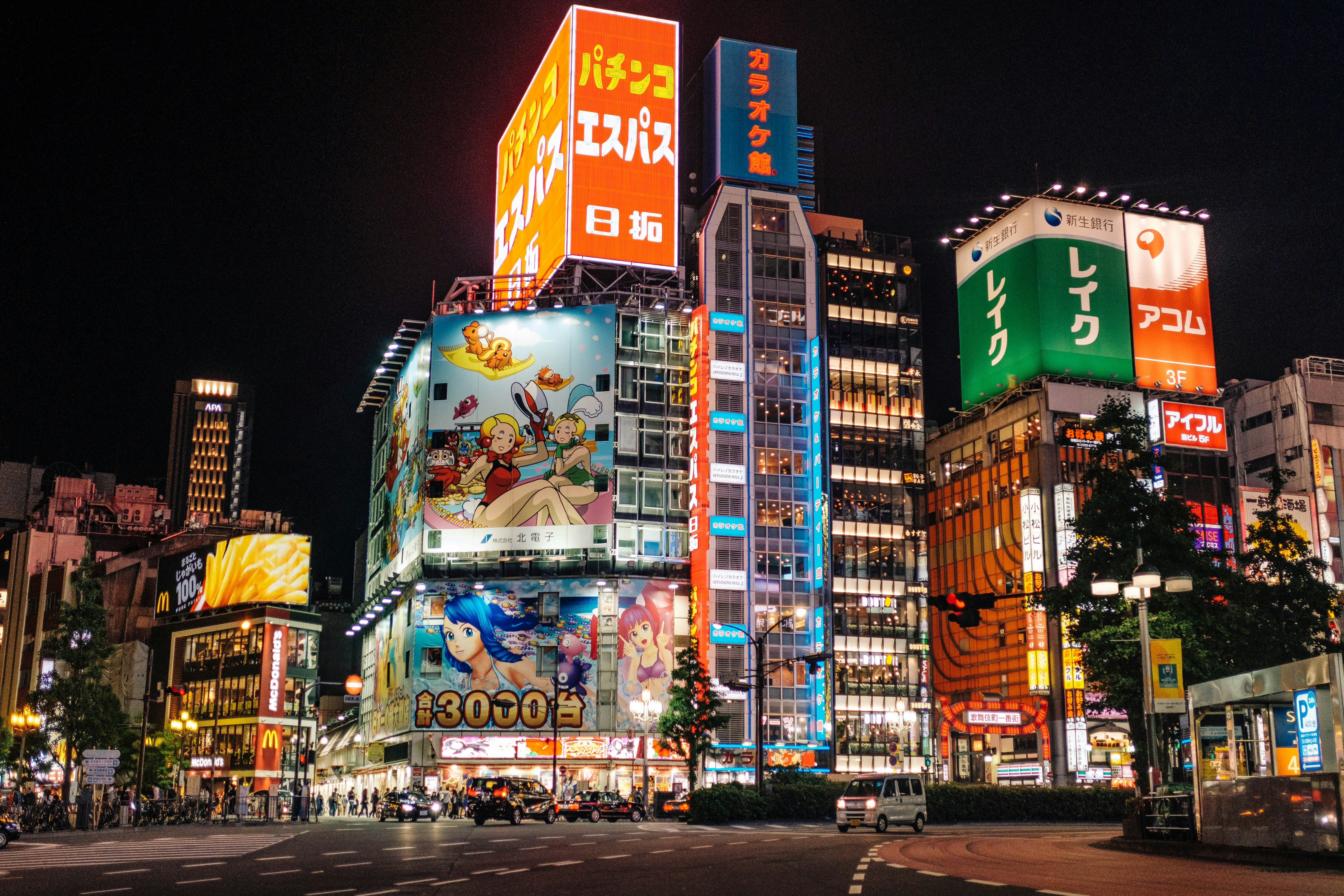
Shinjuku at Night
新宿
Shinjuku at night is Tokyo's neon soul: towering video screens, packed izakayas, red-light districts (Kabukicho), and smoky alleyways like Omoide Yokocho ('Piss Alley')—a narrow alley of yakitori stalls where salarymen drink after work. The area is safe but chaotic, loud, and overwhelming. East Shinjuku (Kabukicho) is the entertainment district; Omoide Yokocho offers authentic grilled skewers under low ceilings. It's cyberpunk reality.
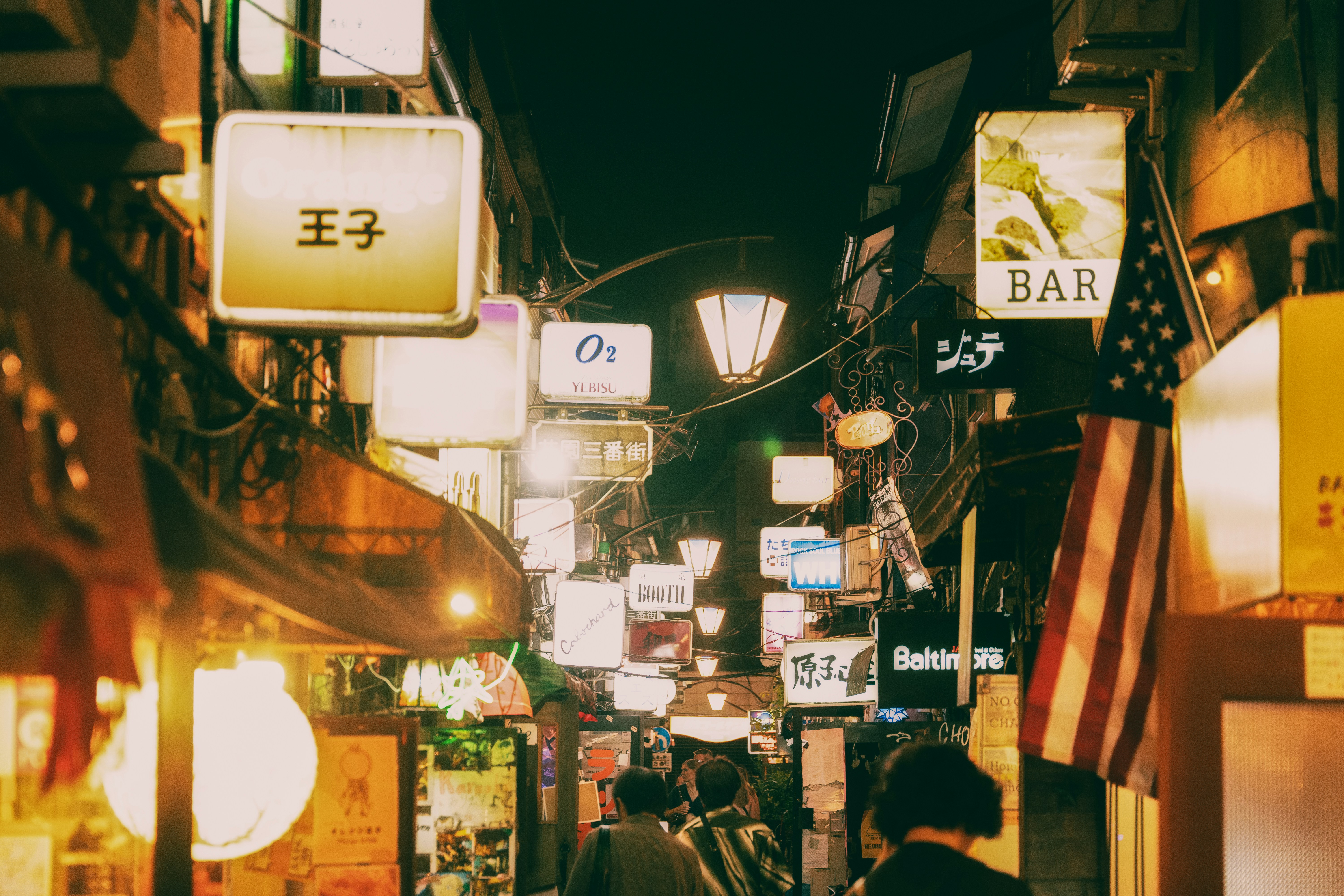
Golden Gai
ゴールデン街
Golden Gai is a cluster of over 200 tiny bars (seating 4-8 people) packed into six narrow alleys in Shinjuku. Each bar has its own theme, regulars, and personality—some welcome tourists, others don't. Most charge a cover fee (¥500-1,000) plus drink costs. It's a relic of post-war Tokyo, miraculously surviving redevelopment. The atmosphere is intimate, smoky, and nostalgic. Not all bars accept walk-ins—look for signs saying 'English OK' or 'Tourists welcome.'
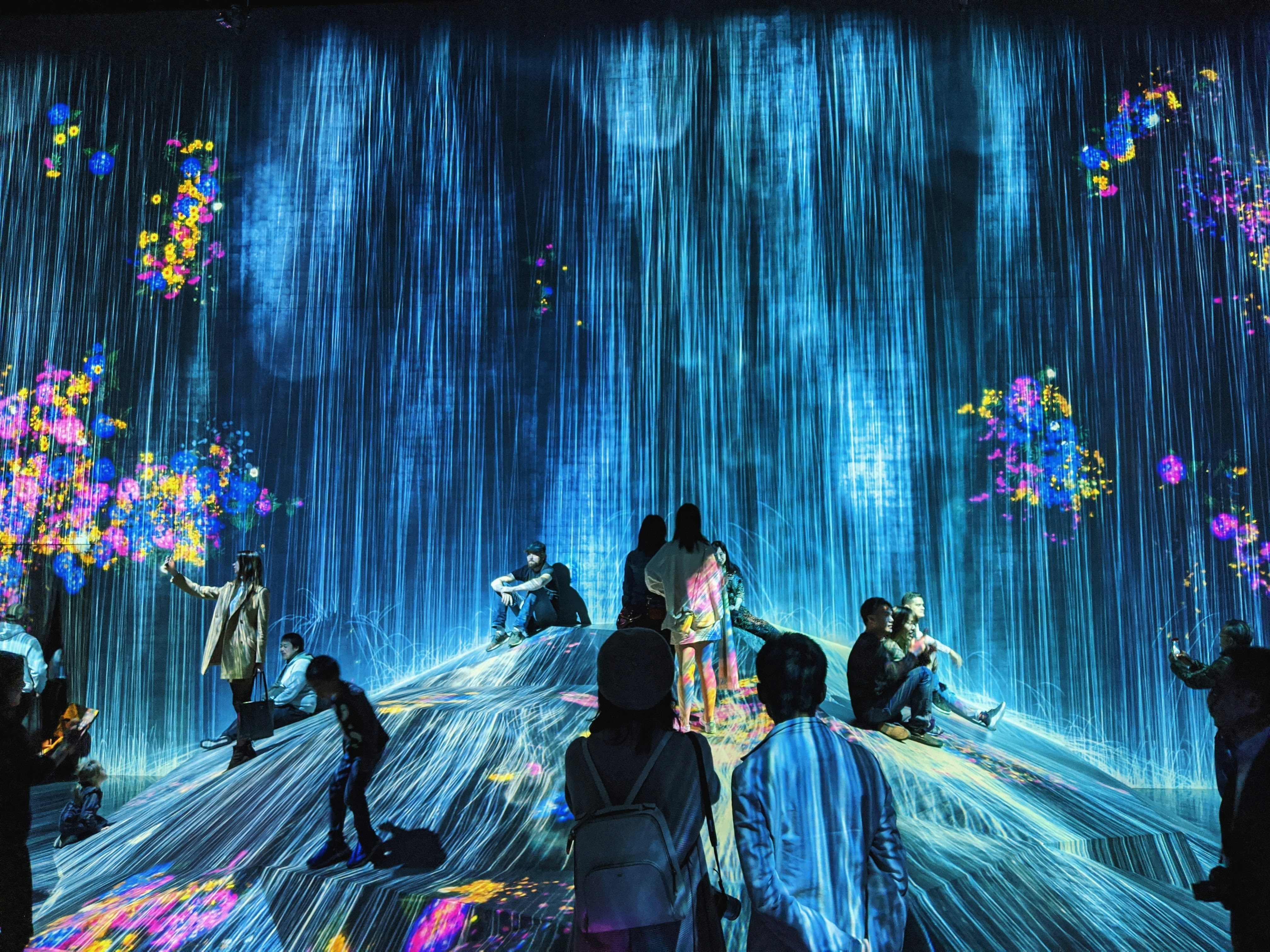
teamLab Planets
チームラボ
teamLab Planets is an immersive digital art museum where you walk barefoot through water, wade through mirrored rooms filled with floating flowers, and experience interactive light installations that respond to your movement. It's surreal, Instagrammable, and overwhelmingly popular—tickets sell out weeks in advance. The experience is multi-sensory: touch, walk, wade. Each room is a different world. It's art meets technology meets playground. Budget 90 minutes.
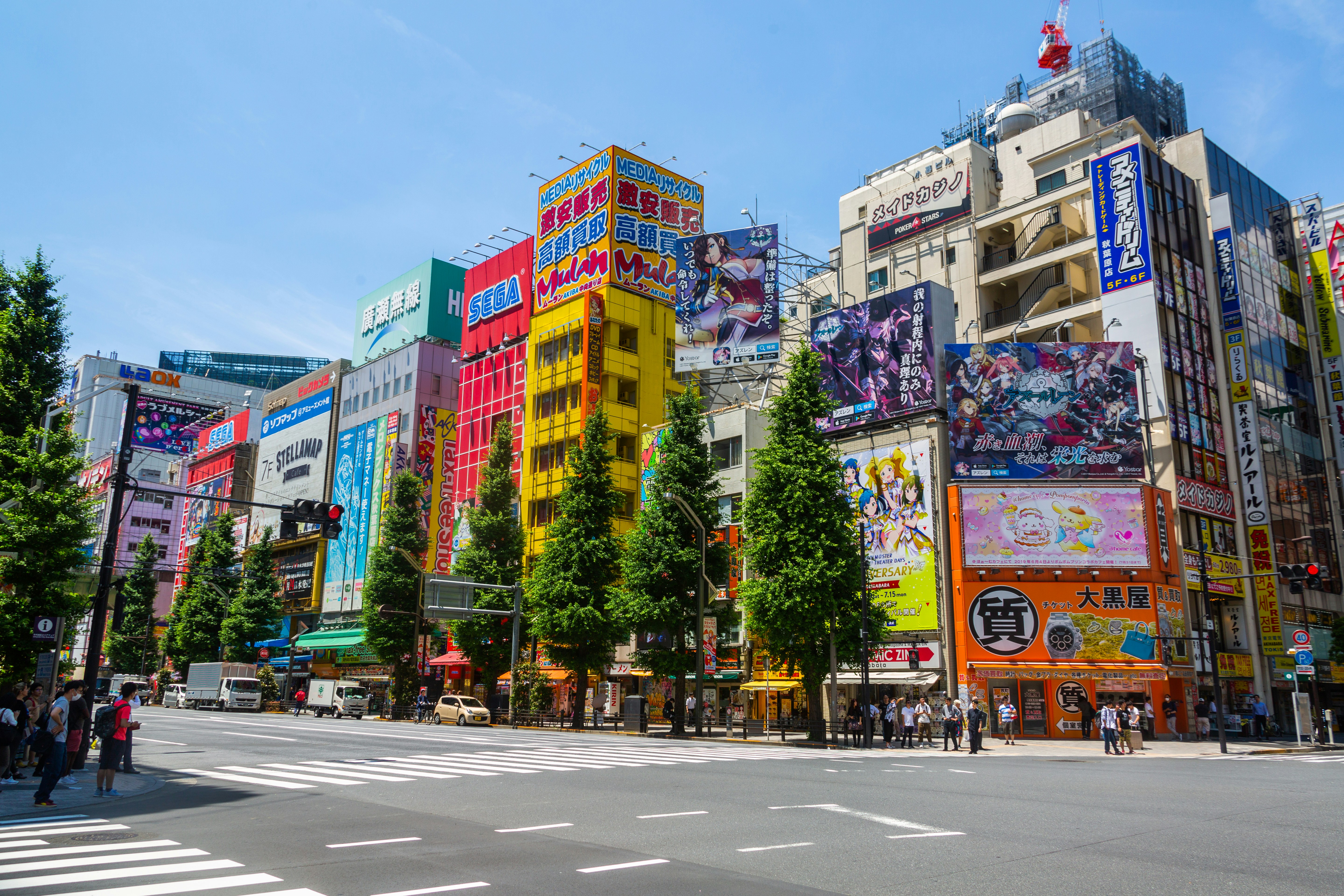
Akihabara Electric Town
秋葉原
Akihabara ('Akiba') is the center of anime, manga, and otaku (geek) culture: multi-story electronics stores, anime shops, maid cafes, arcades, and adult goods stores. It's sensory overload—neon signs, cosplayers, and blaring J-pop. You can buy anything from retro video games to the latest tech gadgets. Maid cafes are surreal—waitresses in maid costumes serve food with performances. It's weird, wonderful, and uniquely Tokyo. Not for everyone.
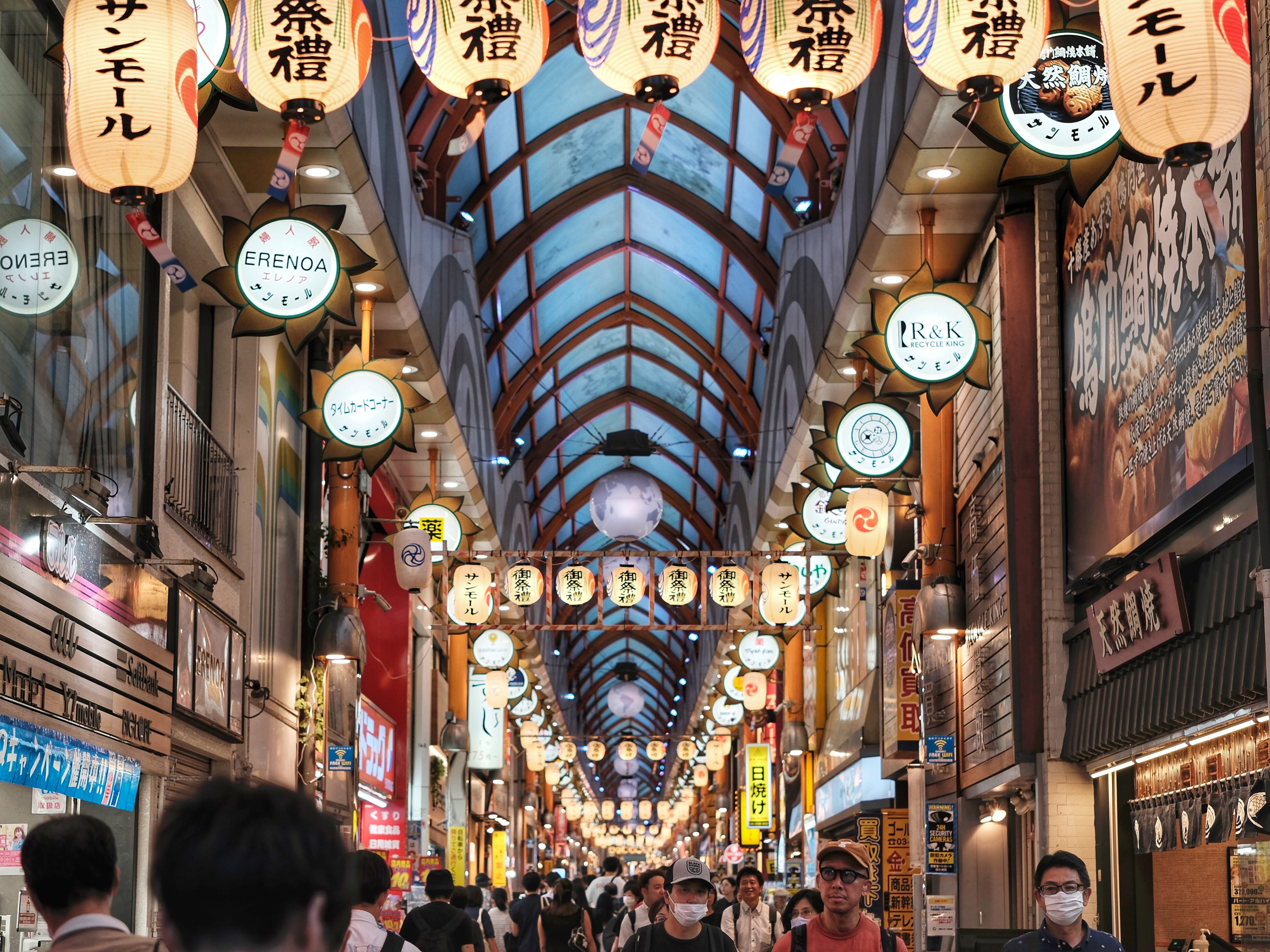
Shotengai (Shopping Street)
商店街
Shotengai are traditional covered shopping arcades found in every Tokyo neighborhood—long pedestrian streets lined with independent shops: butchers, fishmongers, tea shops, rice crackers, pharmacies, cheap croquette stands, and family-run restaurants. No chains, no tourists, just locals buying groceries and daily necessities. Famous examples: Nakano Broadway, Togoshi Ginza, Koenji. This is where real everyday Tokyo life happens, away from the tourist districts.