Morning Markets
Mercato Rionale
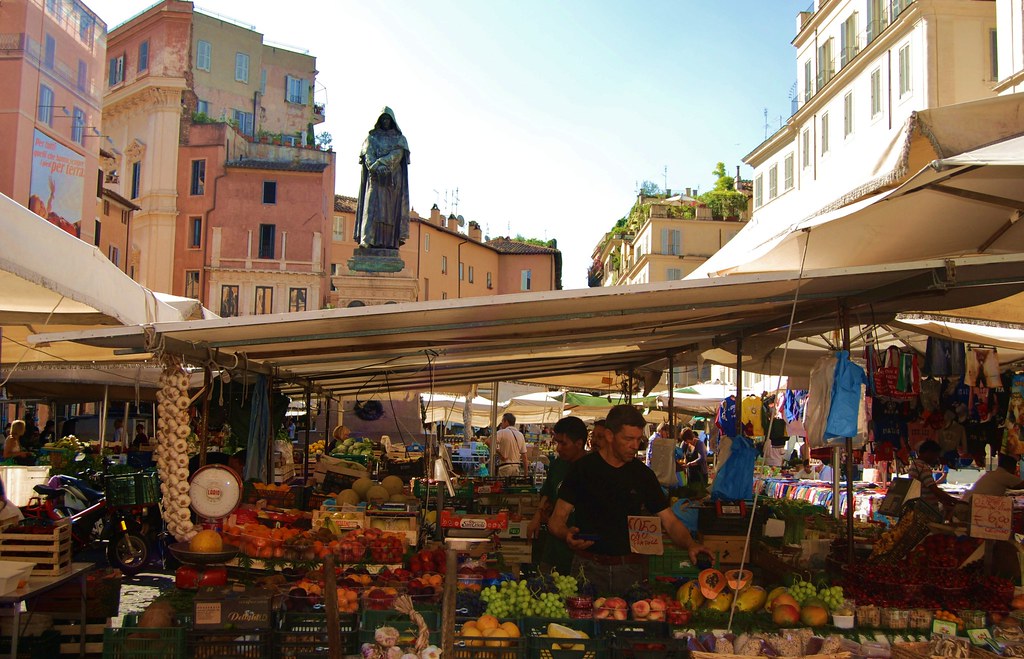
Mercato rionale are neighborhood markets where Romans buy fresh produce daily—loud, functional affairs that close by 2pm. Vendors shout prices, argue with regulars, and sell seasonal ingredients. Romans shop daily because refrigerators are small and the tradition is to buy what's seasonal and eat it that day.
Rome by Night
Roma di Notte
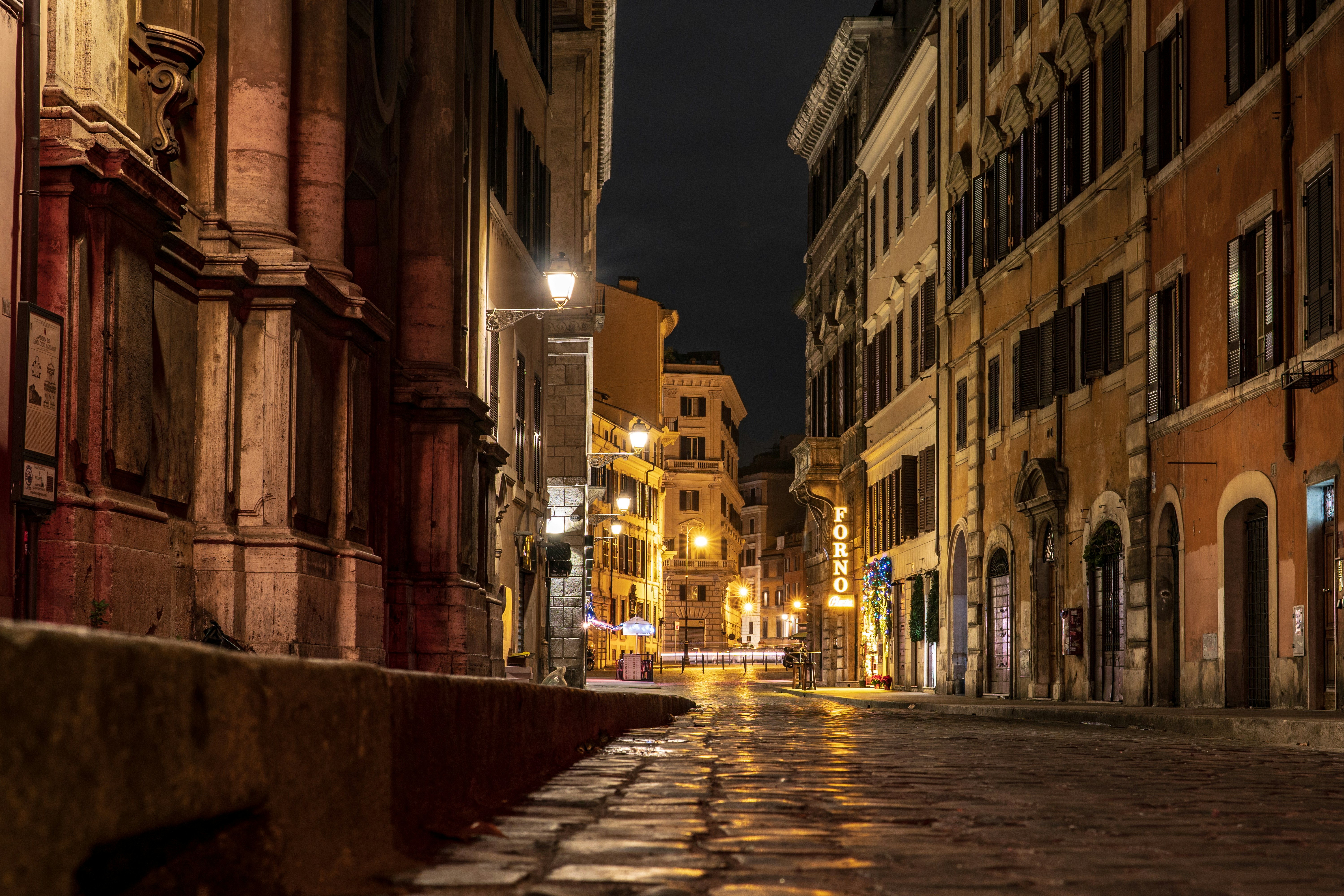
Rome transforms after dark with dramatically lit ancient ruins, cooler air, and piazzas filled with locals. Night walks have been a tradition since the Grand Tour era (1600s-1800s). The daytime crowds disappear and the city belongs to locals again.
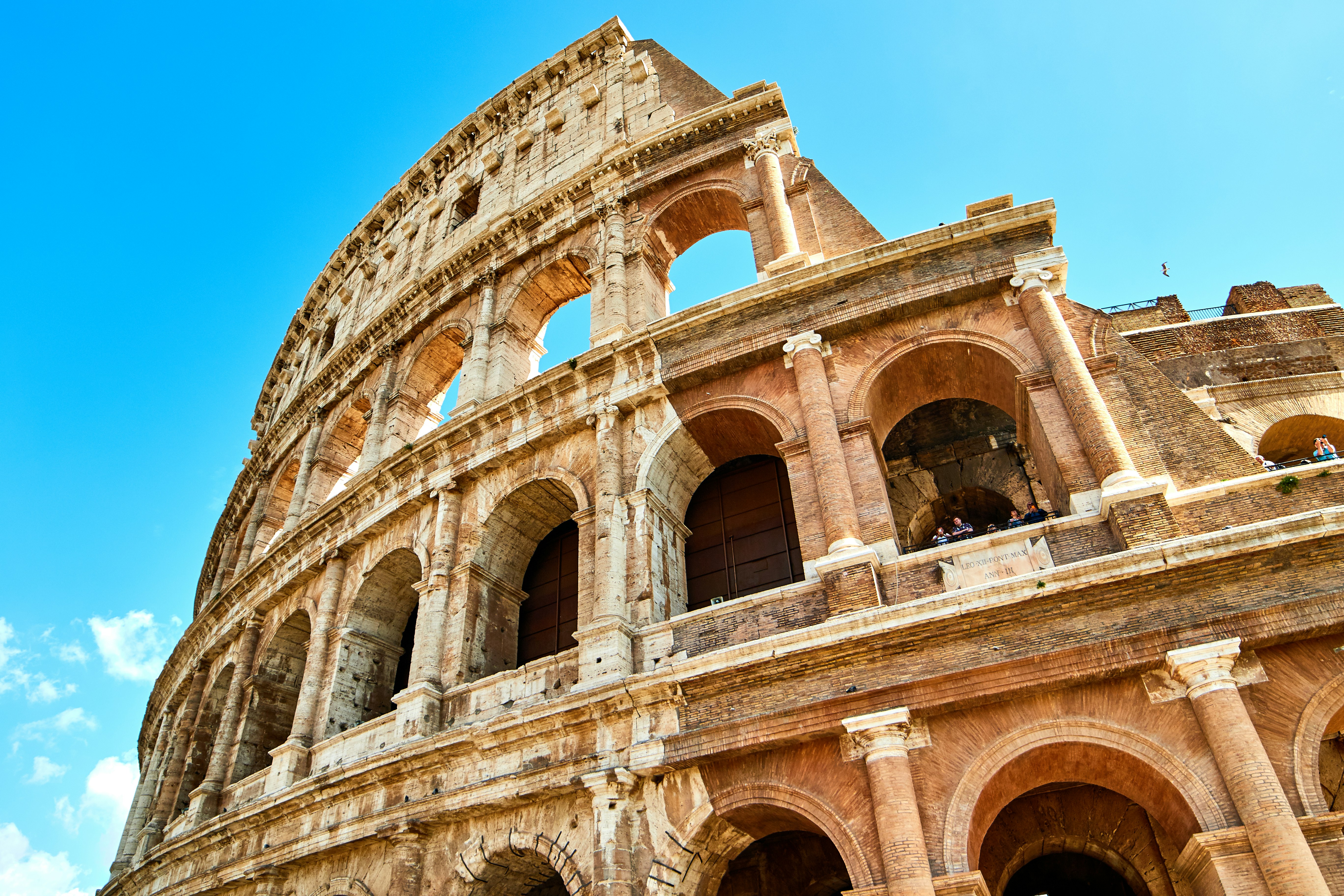
Colosseum
Colosseo
The Colosseum is the largest amphitheater ever built, constructed between 70-80 AD to hold 50,000-80,000 spectators for gladiatorial combat, animal hunts, and executions. The floor could be flooded for mock naval battles. It's Italy's most-visited monument and the defining symbol of ancient Rome's power.
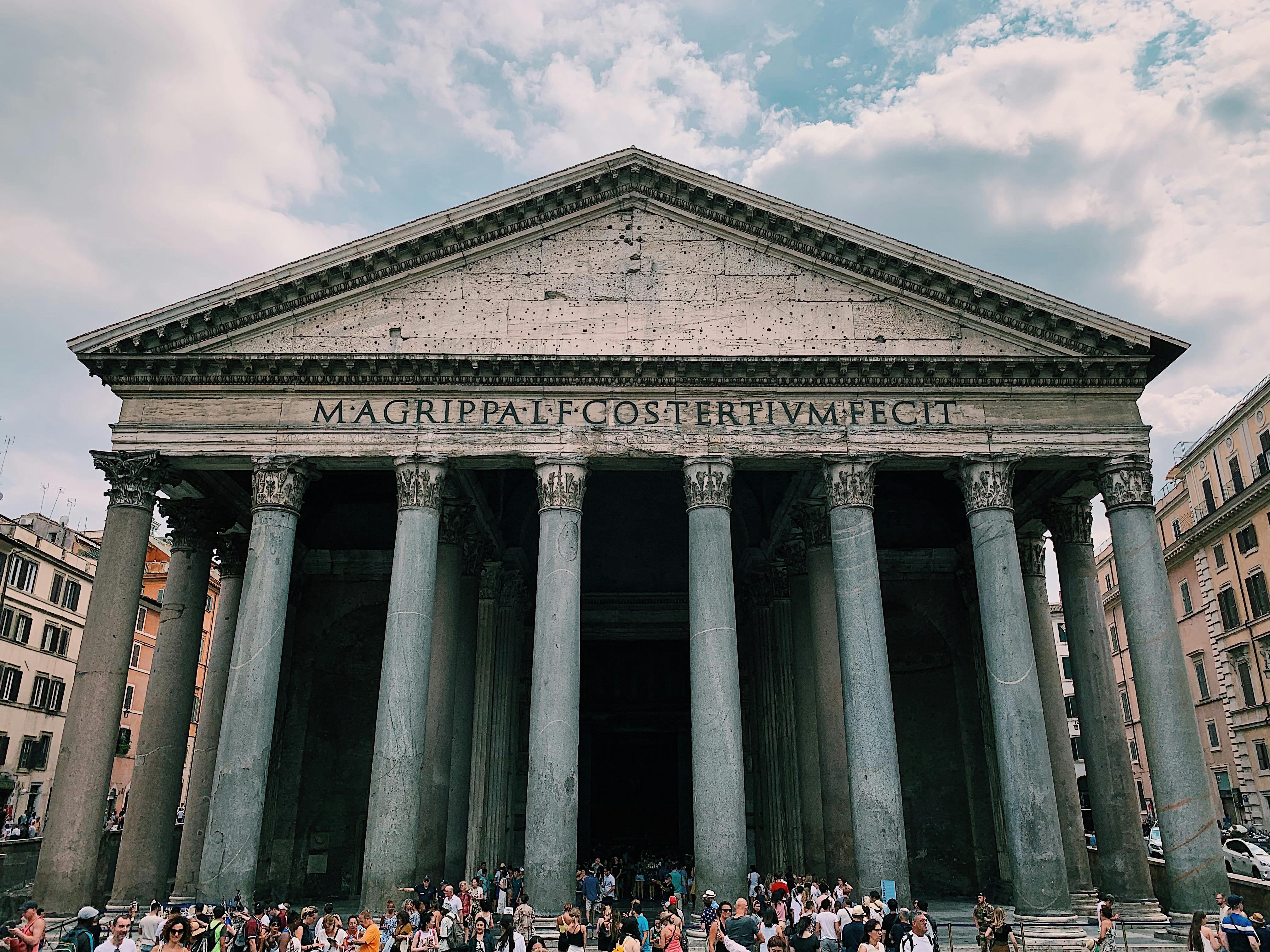
Pantheon
The Pantheon is the best-preserved building from ancient Rome, built in 126 AD by Emperor Hadrian. Its concrete dome remained the world's largest unreinforced dome for 1,300 years. The oculus (9-meter hole at the dome's peak) is the only light source and lets rain fall directly onto the marble floor with drainage holes.
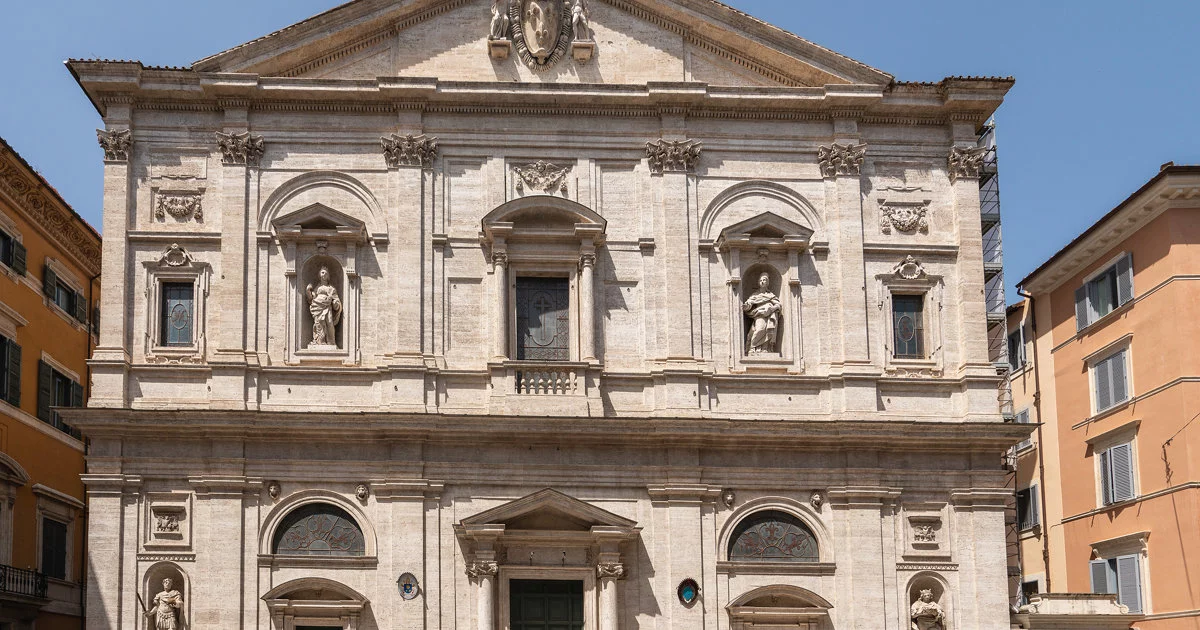
San Luigi dei Francesi
San Luigi
San Luigi dei Francesi is a church containing three massive Caravaggio paintings in the Contarelli Chapel: The Calling, The Inspiration, and The Martyrdom of St. Matthew (1599-1602). These paintings revolutionized art with their dramatic use of light and shadow. Entry is free, making it one of Rome's best art bargains.
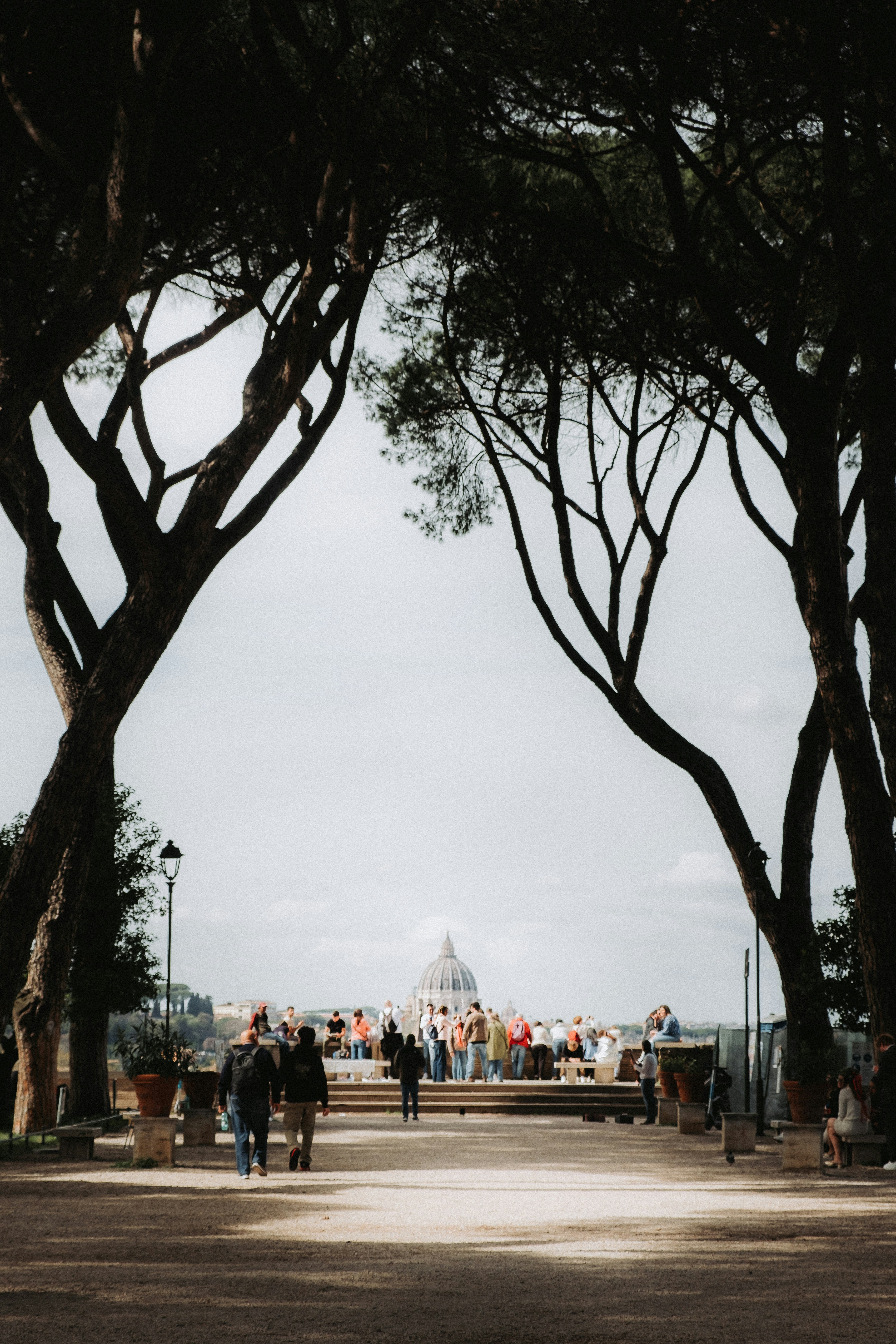
The Orange Garden
Giardino degli Aranci
The Orange Garden is a small hilltop park on the Aventine Hill with the best sunset view in Rome: St. Peter's dome perfectly framed by pine trees across the Tiber. The garden was created in 1932 when the city planted bitter orange trees (not edible). It's a local secret for sunset, though increasingly popular.
Gianicolo Hill
Gianicolo
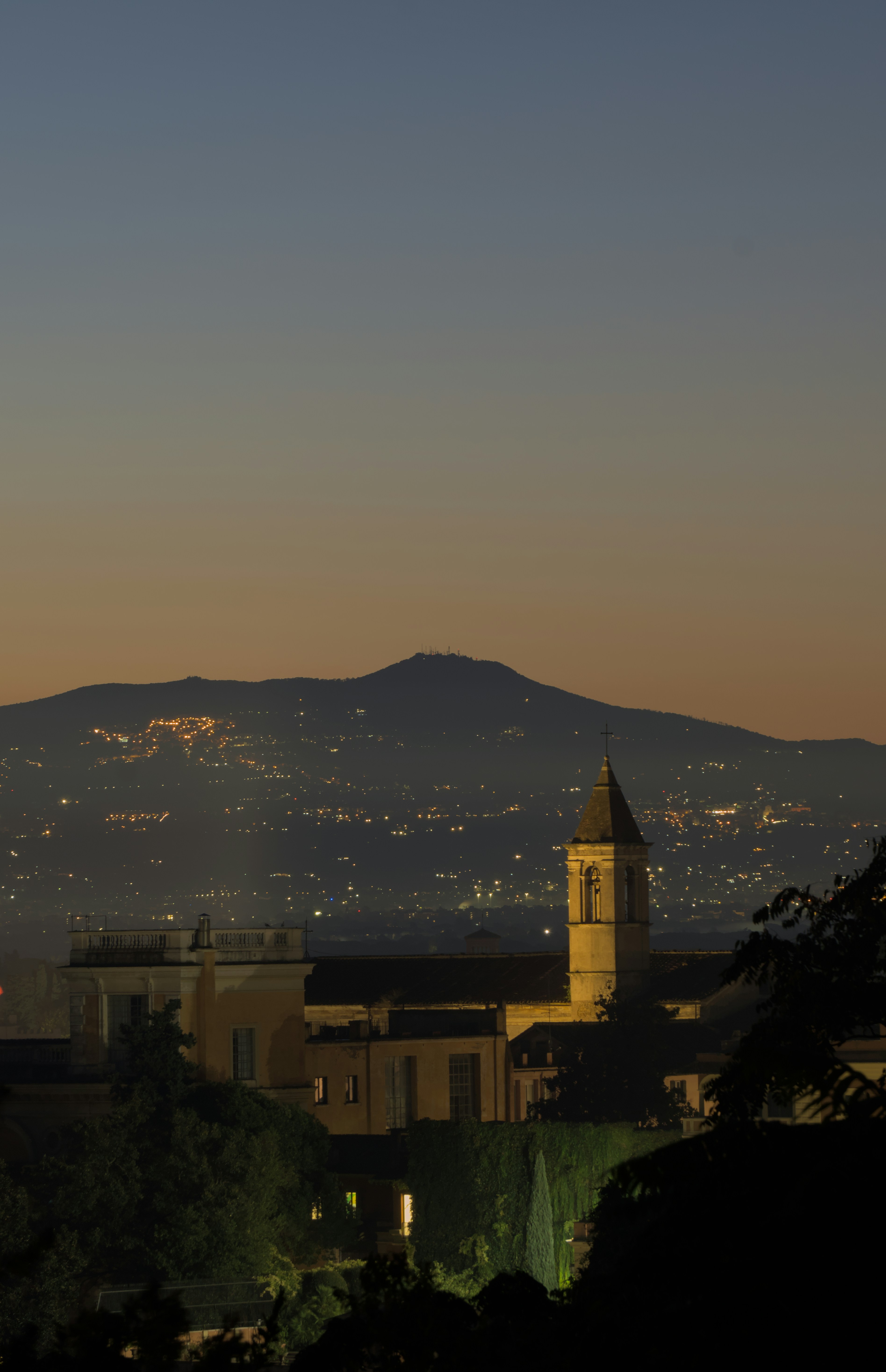
Gianicolo is the highest viewpoint in Rome with 360° panoramic views of the entire city. A cannon has been fired every day at noon from the terrace since 1847 to synchronize the city's clocks. The terrace offers the best overview: all seven hills, the Vatican, and the Apennine Mountains.
St. Peter's Basilica
Basilica di San Pietro
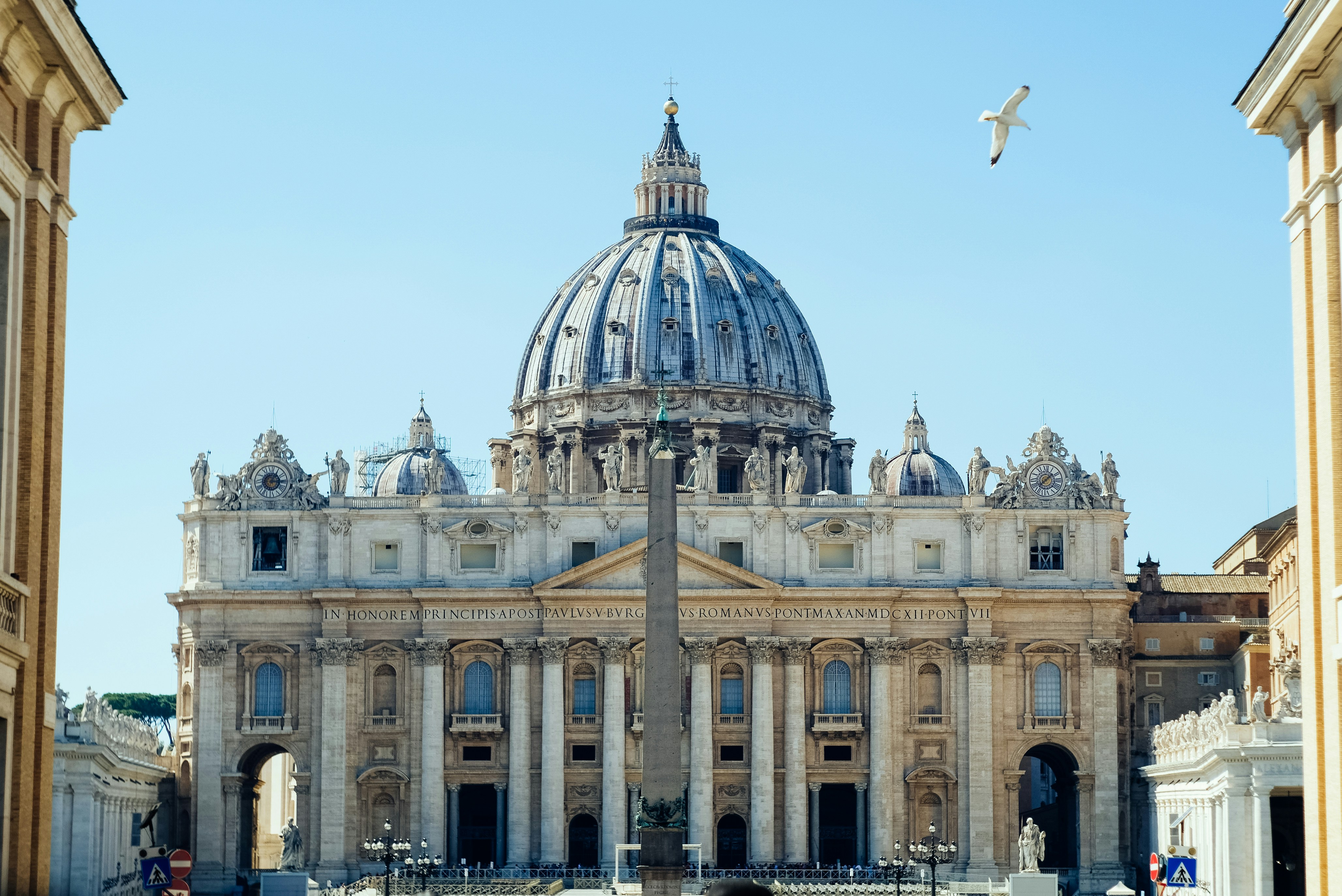
St. Peter's Basilica is the largest church in the world and the center of Catholicism, built over St. Peter's tomb. The current Renaissance structure was built 1506-1626 under multiple popes. Michelangelo designed the iconic dome at age 71. It contains masterpieces by Michelangelo, Bernini, and Raphael. Entry is free but lines can be 2+ hours.
Vatican Museums
Musei Vaticani
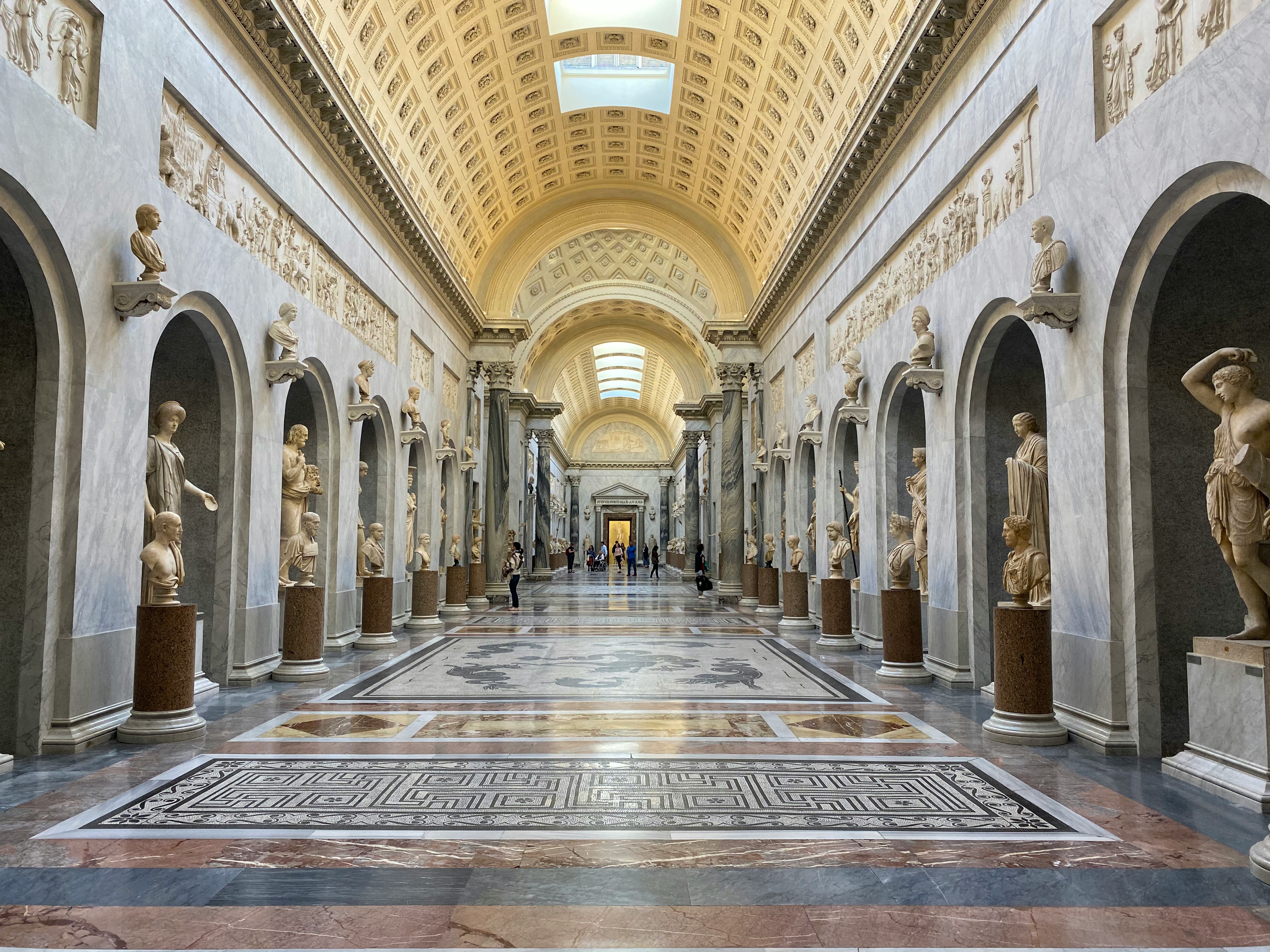
The Vatican Museums contain 7km of corridors with one of the world's greatest art collections, ending in the Sistine Chapel with Michelangelo's ceiling (painted 1508-1512). The museums hold Egyptian artifacts, Greek statues, Renaissance paintings, and tapestries accumulated over 500 years. Over 6 million people visit annually, making it crushingly crowded.