Oysters & Seafood
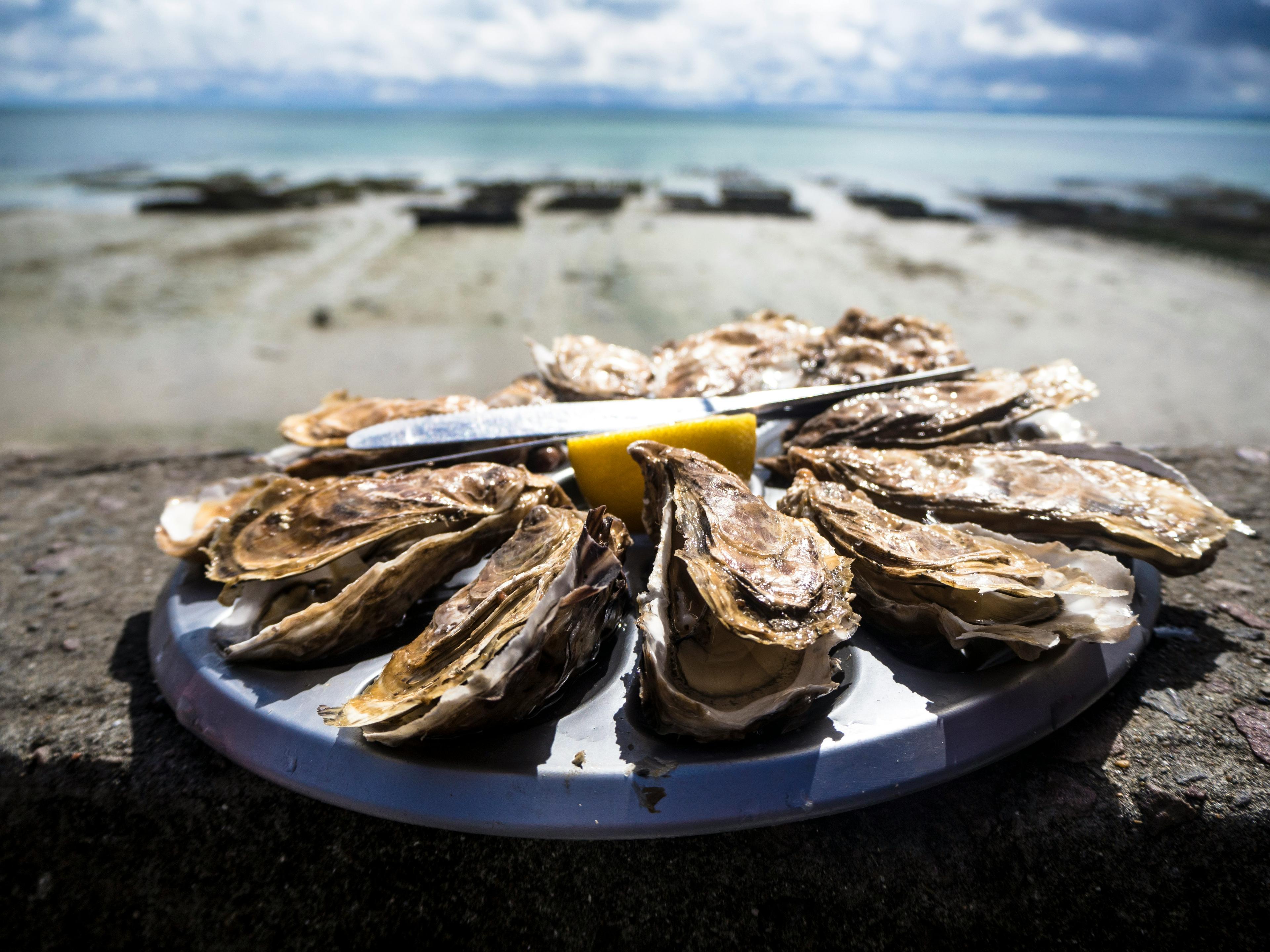
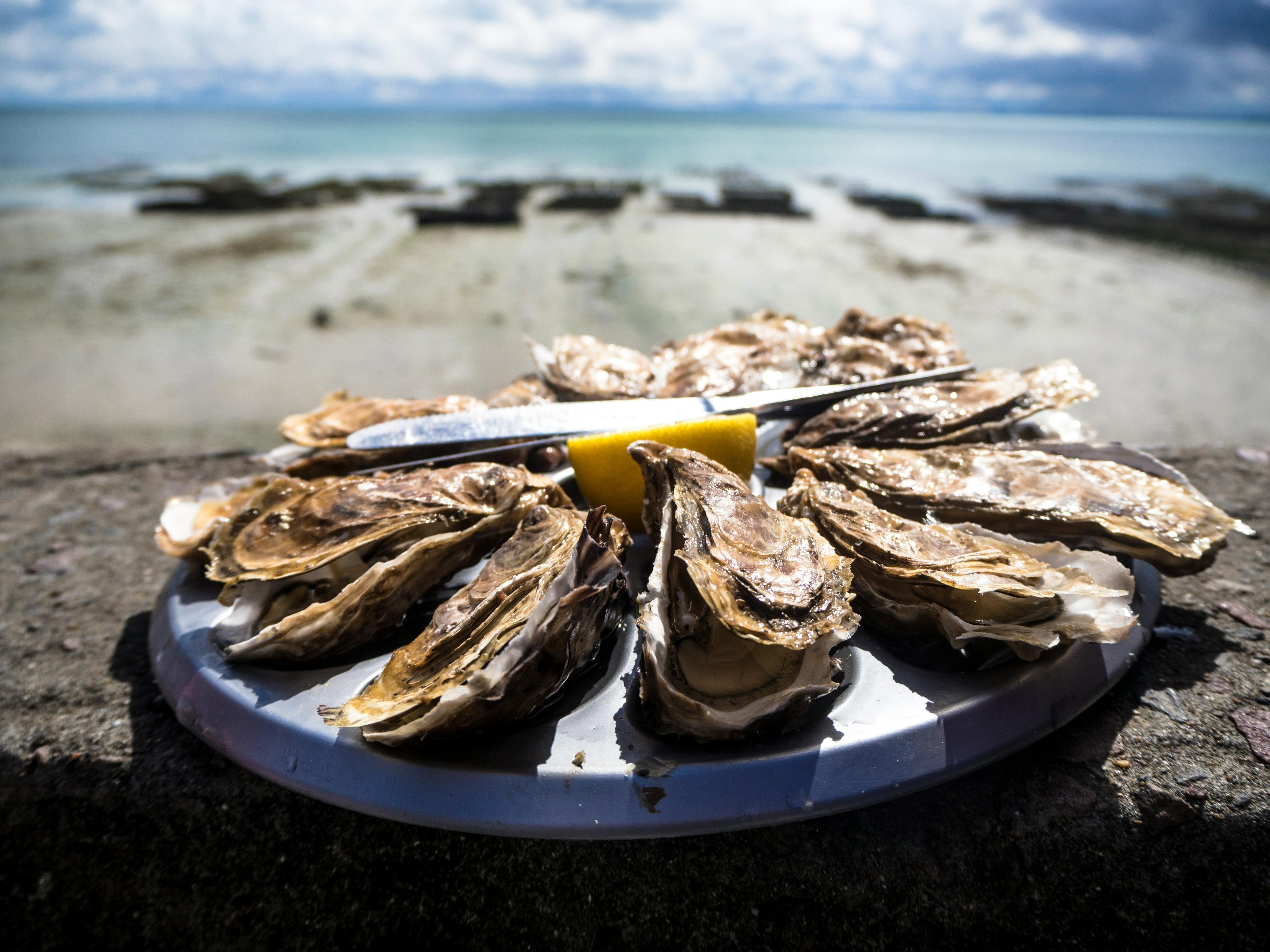
"French oysters (huîtres) are served raw on ice with lemon, shallot vinegar, or mignonette sauce. Eaten straight from the shell, slurped down in one go. Sizes range from 0 (largest) to 5 (smallest)—beginners should start with 3 or 4. Oysters are the star of 'plateau de fruits de mer' (seafood platters) which include clams, whelks, prawns, crab, and langoustines on ice. Best season is months with 'R' (September-April)."
Logistics
Moderate
Vibe
Fresh, briny
Duration
30 minutes
Best For
Seafood lovers
The Backstory
Oysters have been eaten in France since Roman times. Parisian brasseries adopted oyster bars in the 1800s when railway refrigeration allowed Atlantic oysters to reach Paris fresh. The tradition of eating oysters with white wine and bread-and-butter became bourgeois culture. Now oyster bars are everywhere, from Michelin restaurants to market stalls.
Local Secret
"Order 6 or 12 oysters depending on appetite. Fine de Claire (delicate, mild) and Spéciale de Claires (meatier, richer) are most common varieties. Slurp them straight from the shell—no chewing needed, just swallow. Use lemon or shallot vinegar sparingly. Pair with white wine (Muscadet, Chablis, or Champagne). Oyster season is September-April; summer oysters are milky and less prized. Prices: €2-4 per oyster at brasseries, €1.50-2.50 at markets."
Gallery
You Might Also Like
The Butter Croissant
Croissant au Beurre
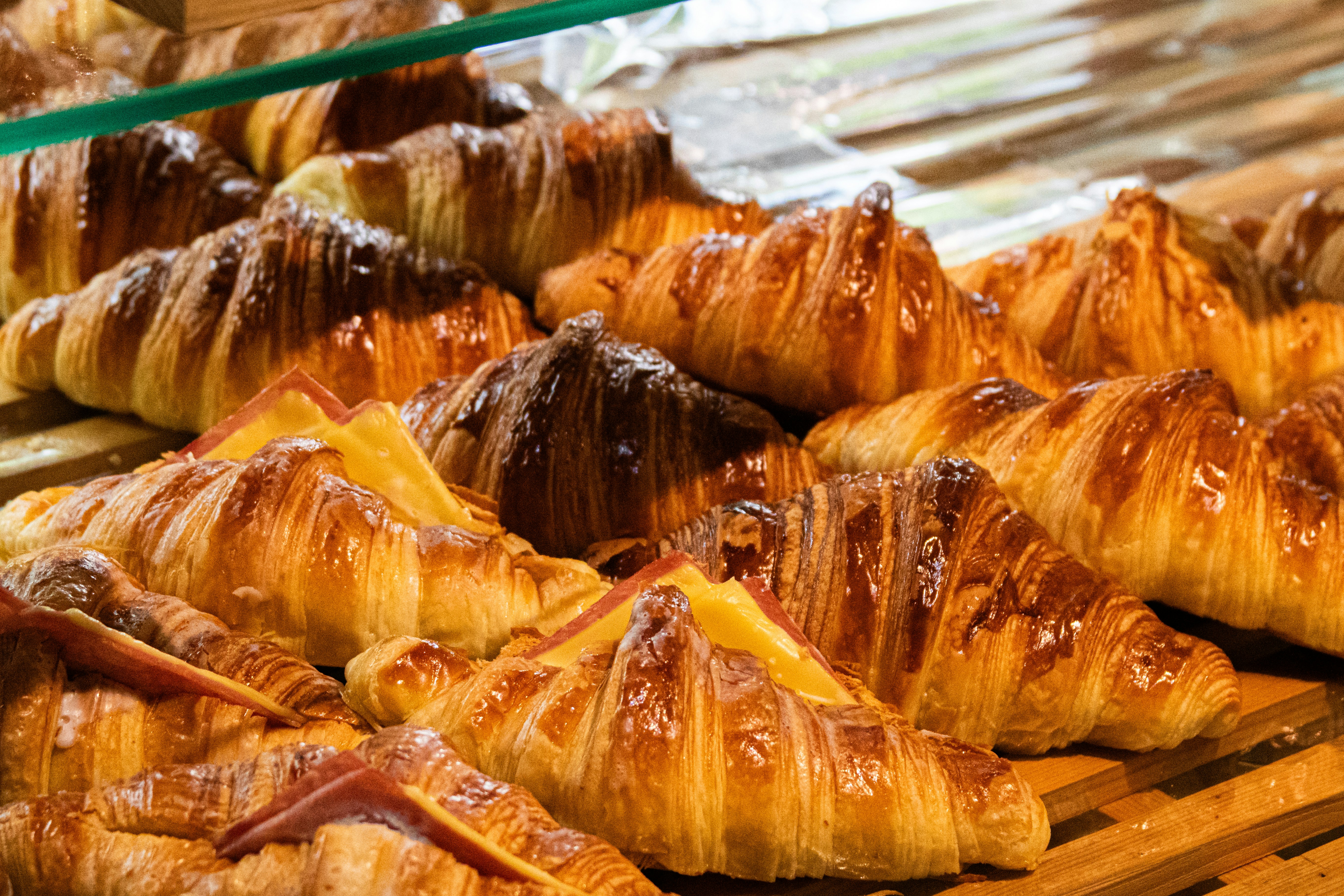
The croissant au beurre is the quintessential French breakfast staple: a crescent-shaped laminated pastry made with pure butter (not margarine), creating its characteristic golden, flaky layers. A true croissant shatters when you bite it, releasing buttery steam. Straight croissants are 'ordinaire' (margarine), curved croissants are 'au beurre' (butter)—always choose curved. Best eaten warm from the bakery within hours of baking.
The Baguette
La Baguette Tradition
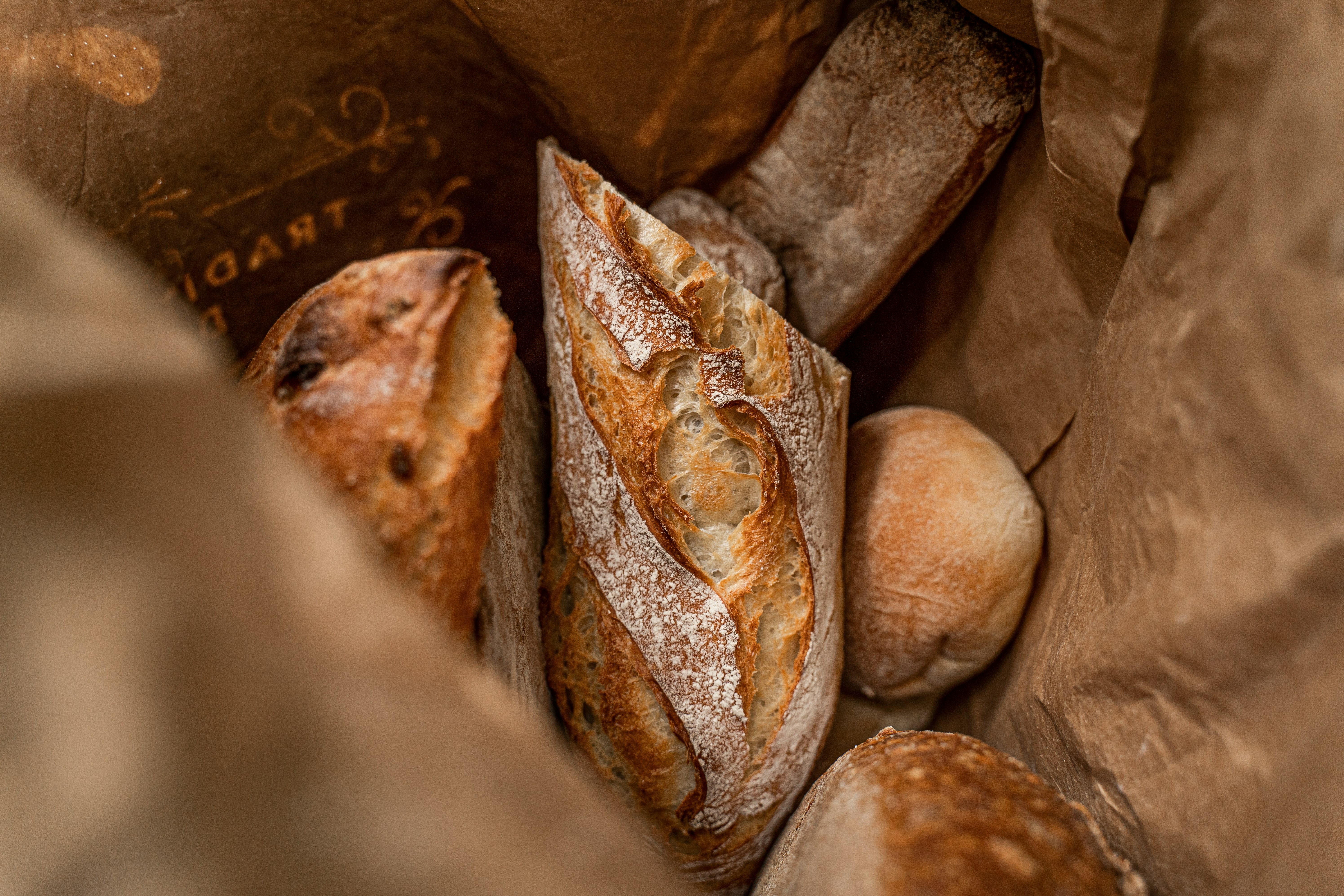
The baguette tradition is a long, thin loaf with a golden, crackly crust and a soft, airy interior with irregular holes. 'Tradition' means it's made by law with only four ingredients (flour, water, salt, yeast) and no additives—superior to regular baguettes. Locals buy them twice daily (morning and evening) because they go stale within hours. The perfect baguette sounds hollow when tapped, cracks when squeezed, and has a wheaty aroma.
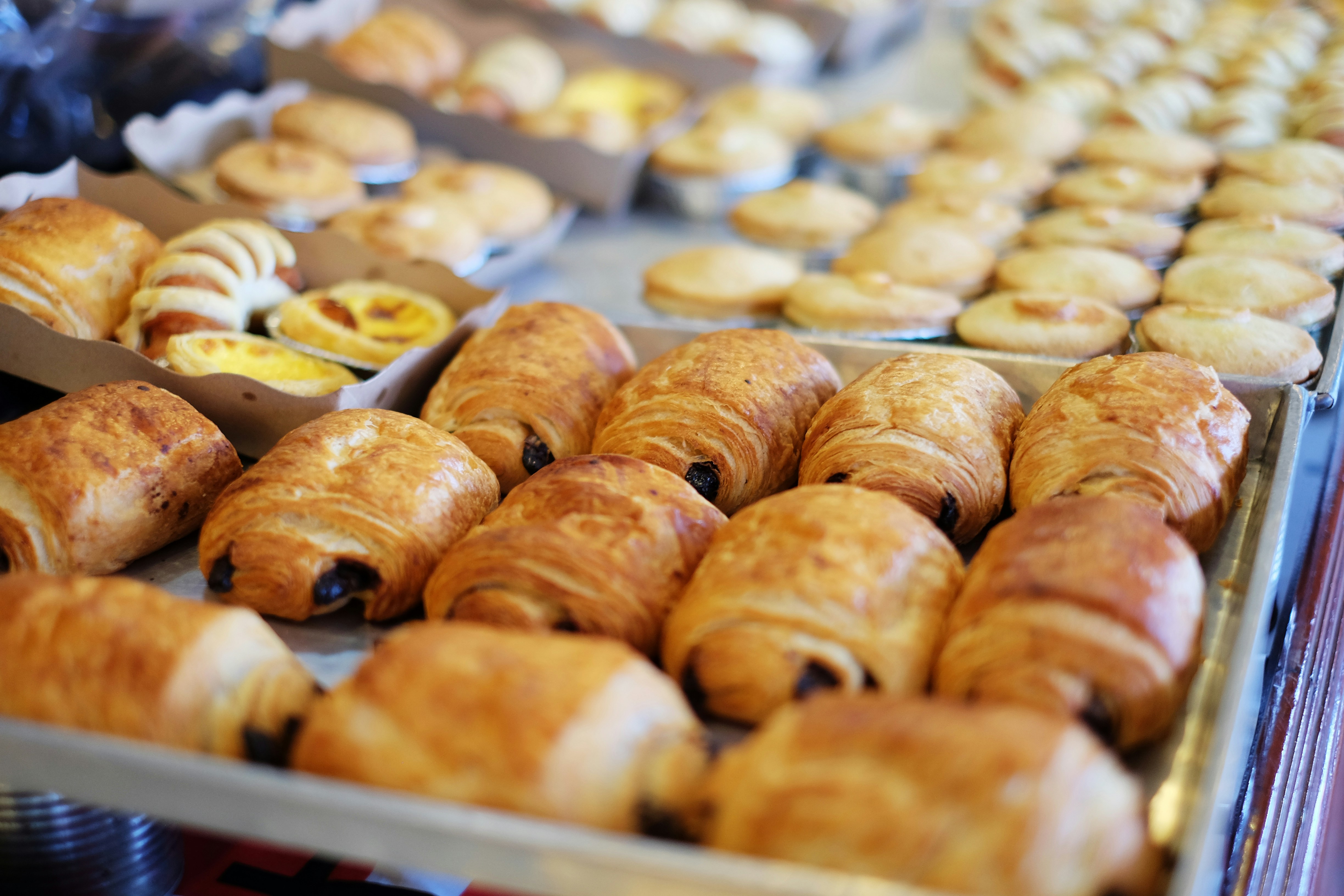
Pain au Chocolat
Pain au Chocolat / Chocolatine
Pain au chocolat is a rectangular croissant dough pastry with two sticks of dark chocolate baked inside. The dough is the same laminated butter dough as croissants, but shaped differently. When pulled apart, the chocolate should be melted and gooey, the dough flaky and buttery. It's France's second most popular breakfast pastry after croissants. In southwest France, it's controversially called 'chocolatine'—a divide that sparks genuine debates.