Must-See Attractions
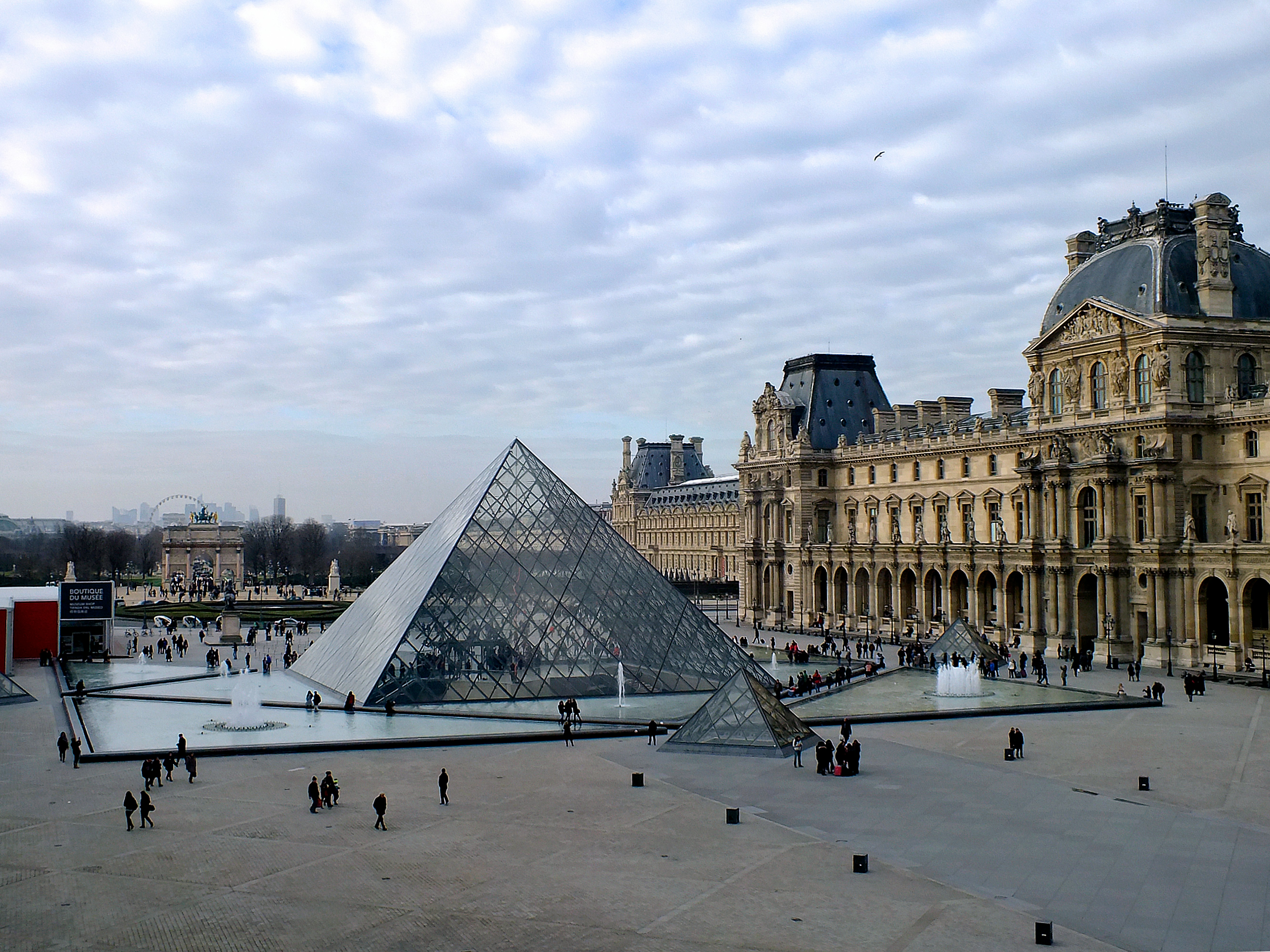
Musée du Louvre
The Louvre is the world's largest art museum and a historic monument in Paris. Originally a medieval fortress built in the 12th century, it became a royal palace before opening as a museum in 1793. Houses 38,000+ artworks spanning 9,000 years, including the Mona Lisa, Venus de Milo, and Winged Victory. The glass pyramid entrance (1989) is iconic. It's vast—you cannot see everything in one visit.
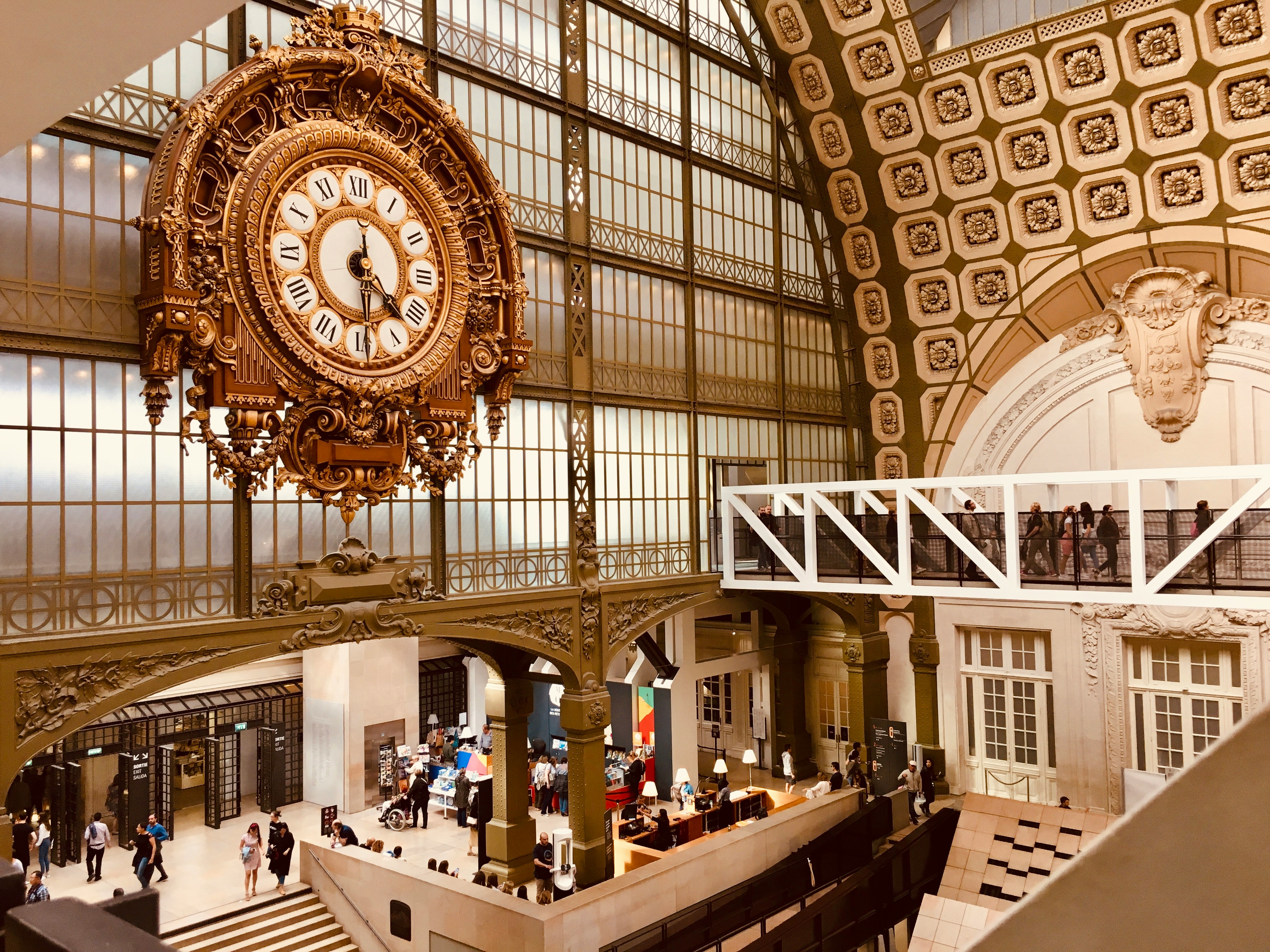
Musée d'Orsay
Musée d'Orsay is housed in a stunning Beaux-Arts former railway station (Gare d'Orsay, built 1900). It's the world's premier collection of Impressionist and Post-Impressionist art: Monet, Renoir, Degas, Van Gogh, Cézanne, Gauguin. The top floor galleries feature Water Lilies, Starry Night Over the Rhone, and Ballet Dancers. The building itself—with its massive ornate clock and glass roof—is an artwork. Smaller and more manageable than the Louvre.
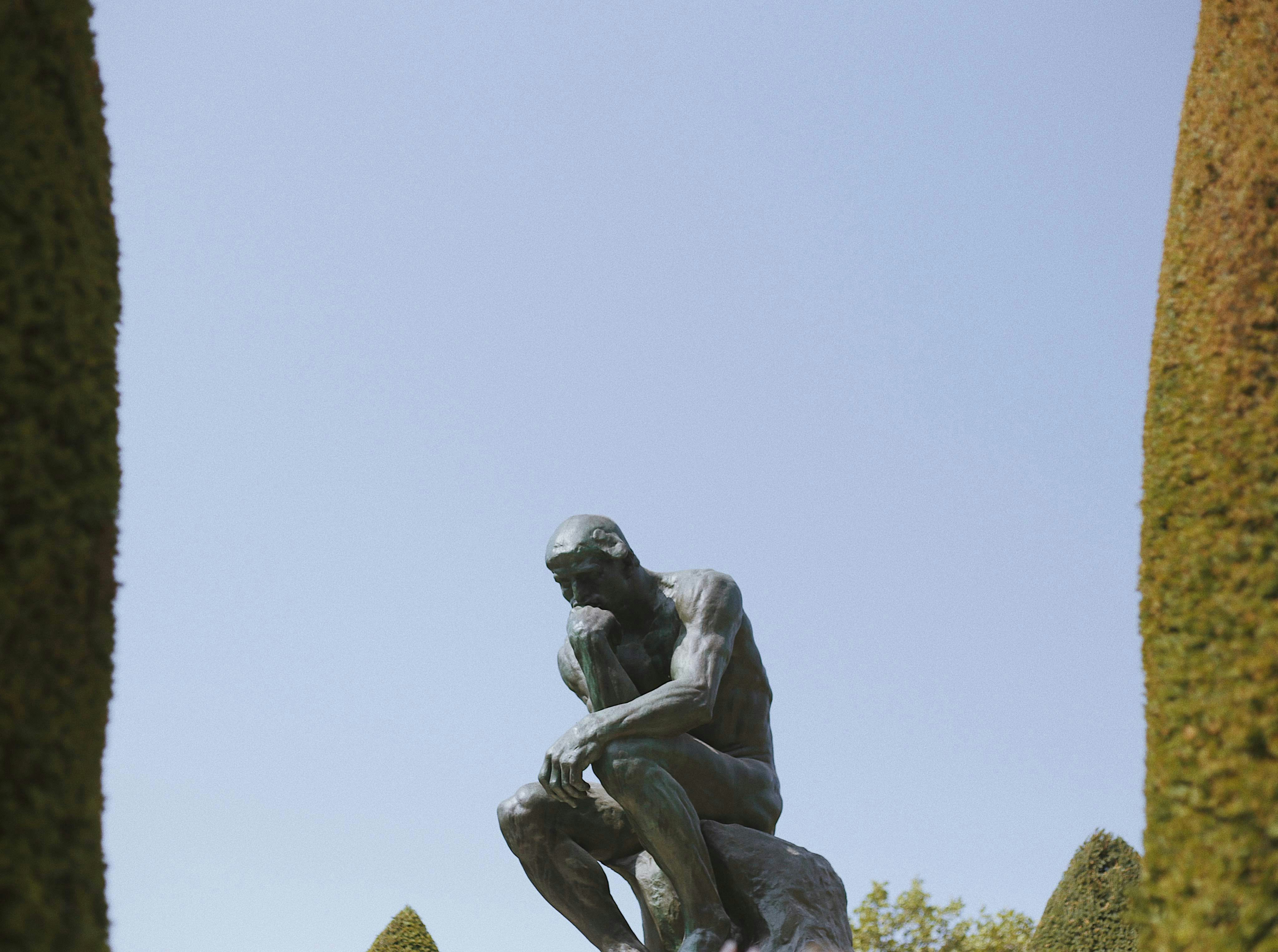
Musée Rodin
Musée Rodin is a serene sculpture museum in an 18th-century mansion (Hôtel Biron) with beautiful gardens. It houses the largest collection of Auguste Rodin's work, including The Thinker, The Kiss, The Gates of Hell, and Balzac. The sculpture garden is the highlight—bronze statues scattered among rose bushes and tree-lined paths. It's peaceful, intimate, and often overlooked by tourists rushing to bigger museums. Perfect for a calm afternoon.
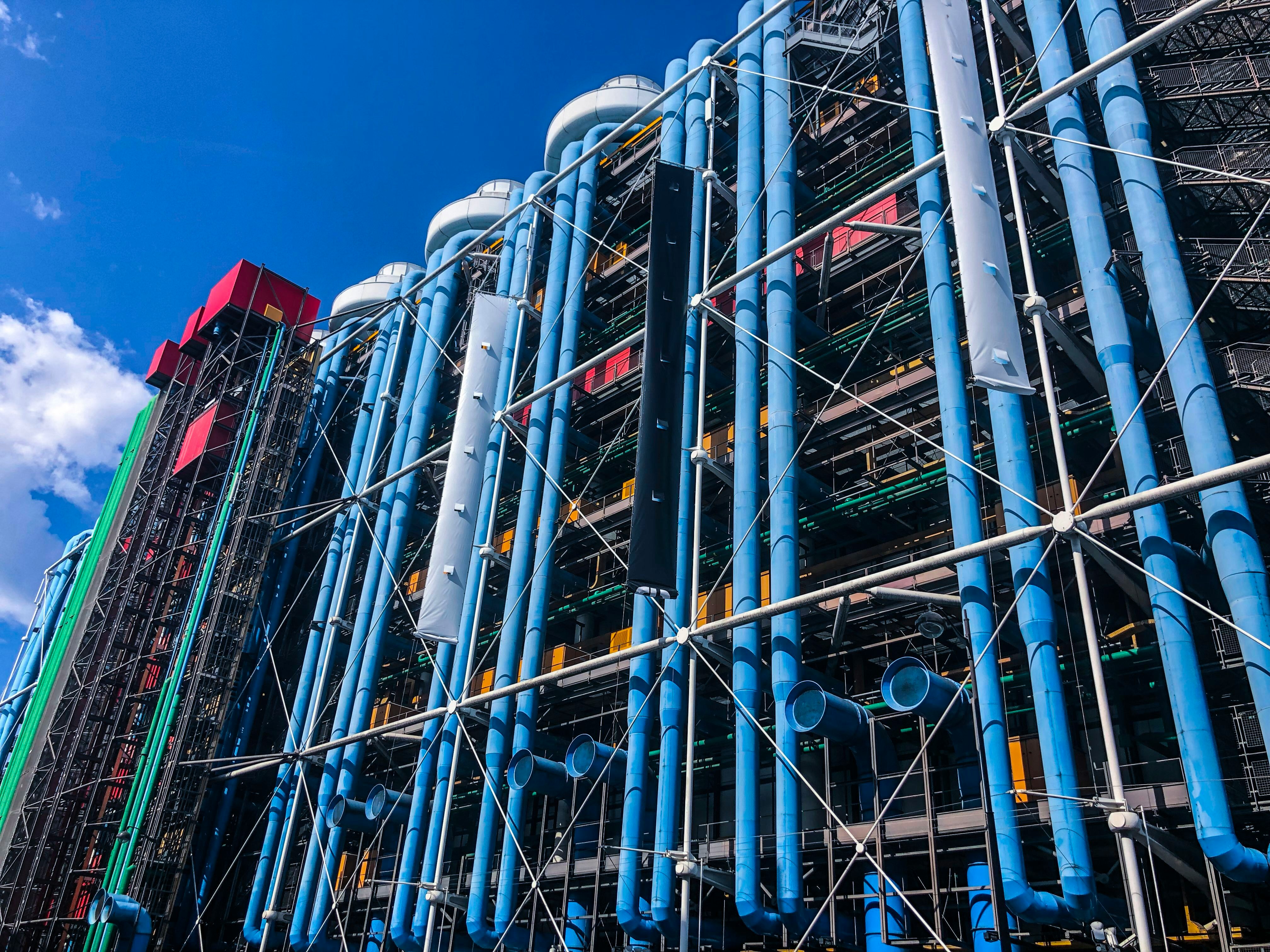
Centre Pompidou
Centre Pompidou is a radical inside-out building with exposed pipes, ducts, and escalators color-coded on the exterior (blue=air, green=water, yellow=electrical, red=circulation). Houses Europe's largest modern art collection: Picasso, Matisse, Kandinsky, Duchamp, Warhol. The rooftop terrace offers panoramic Paris views. The surrounding plaza hosts street performers and is a social hub. Controversial when built (1977), now beloved.
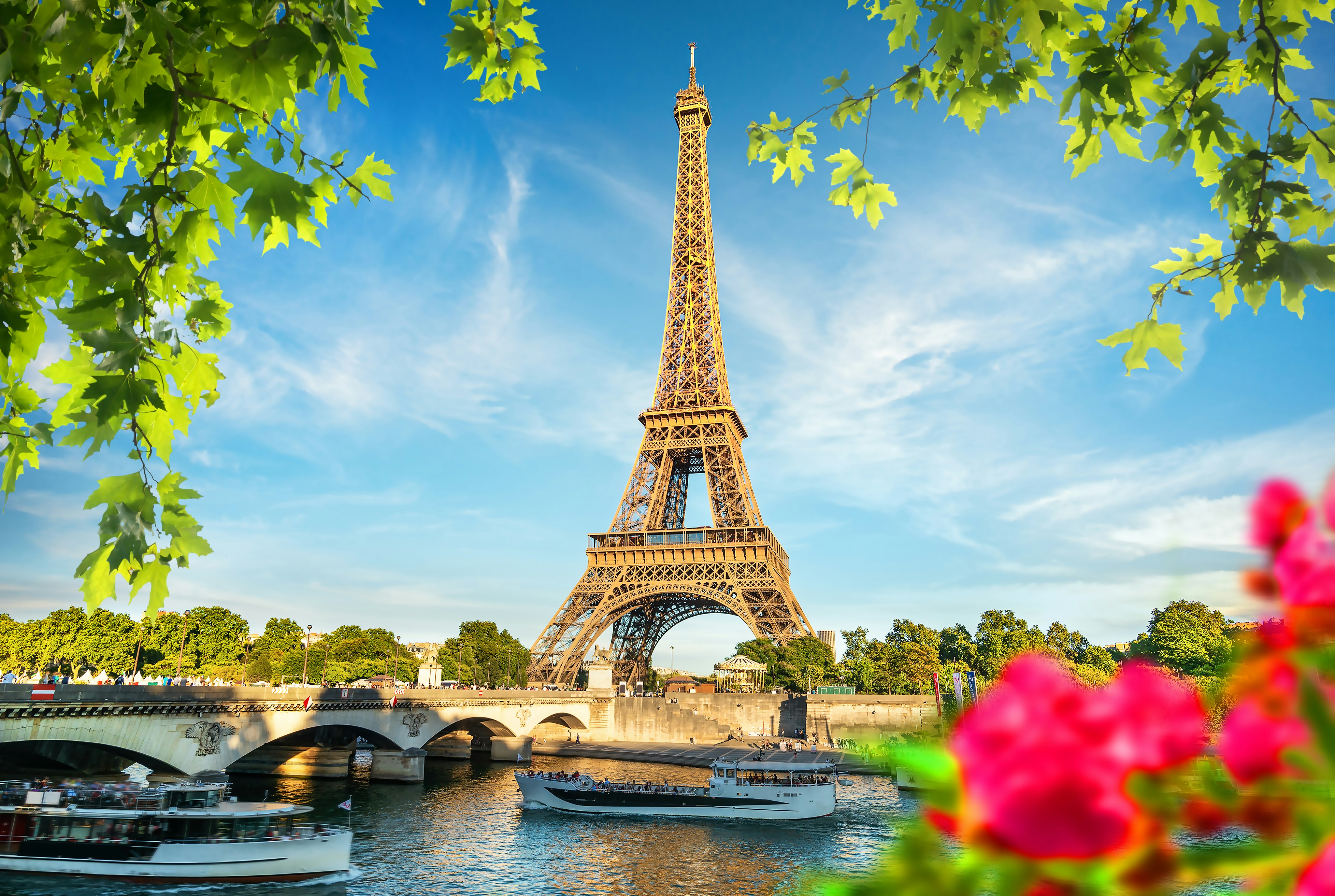
Eiffel Tower
Tour Eiffel
The global symbol of France, this 330-meter iron lattice tower offers the most famous skyline views in the world.
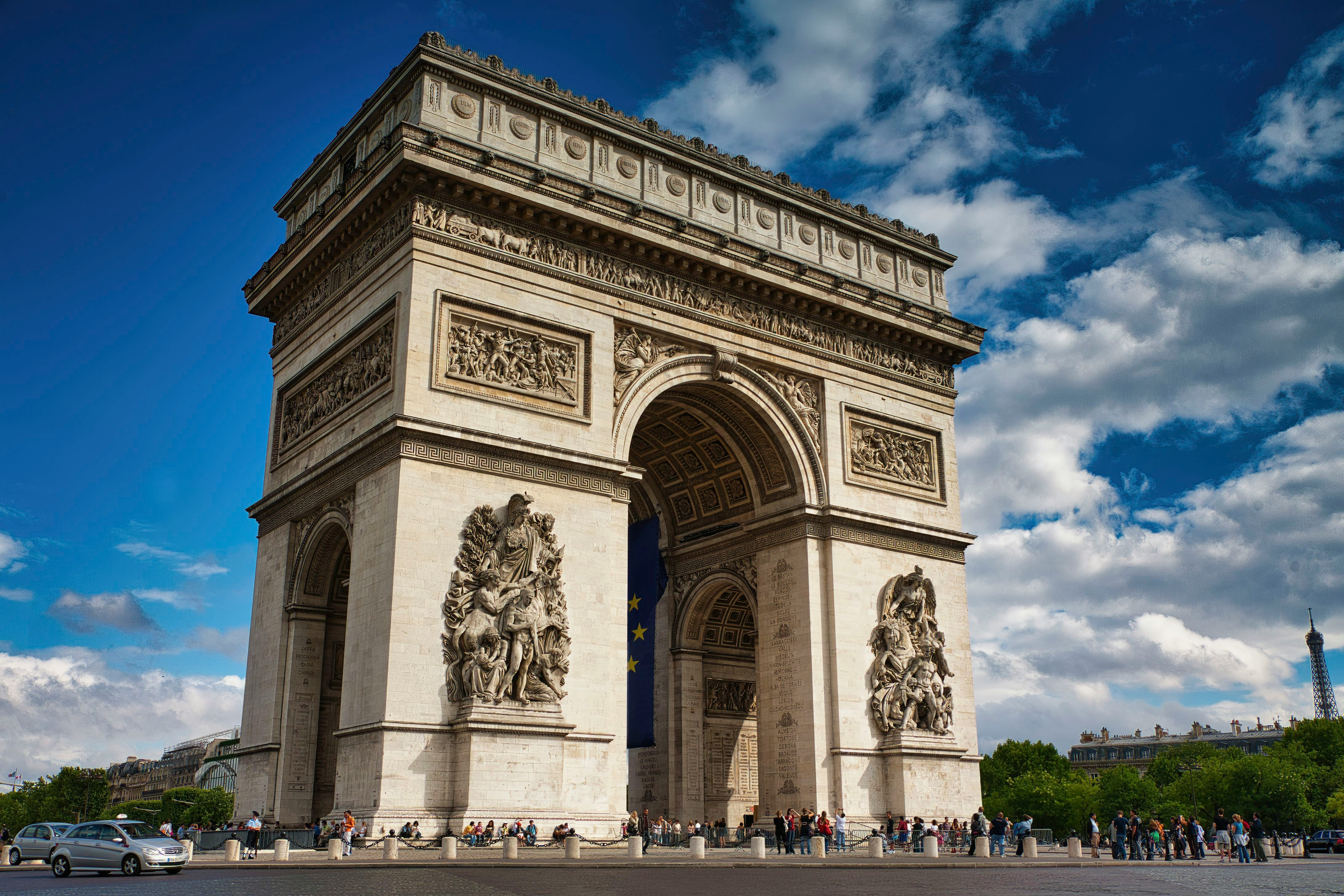
Arc de Triomphe
A massive Neoclassical triumphal arch honoring those who fought for France, standing at the center of the world's most chaotic traffic circle.
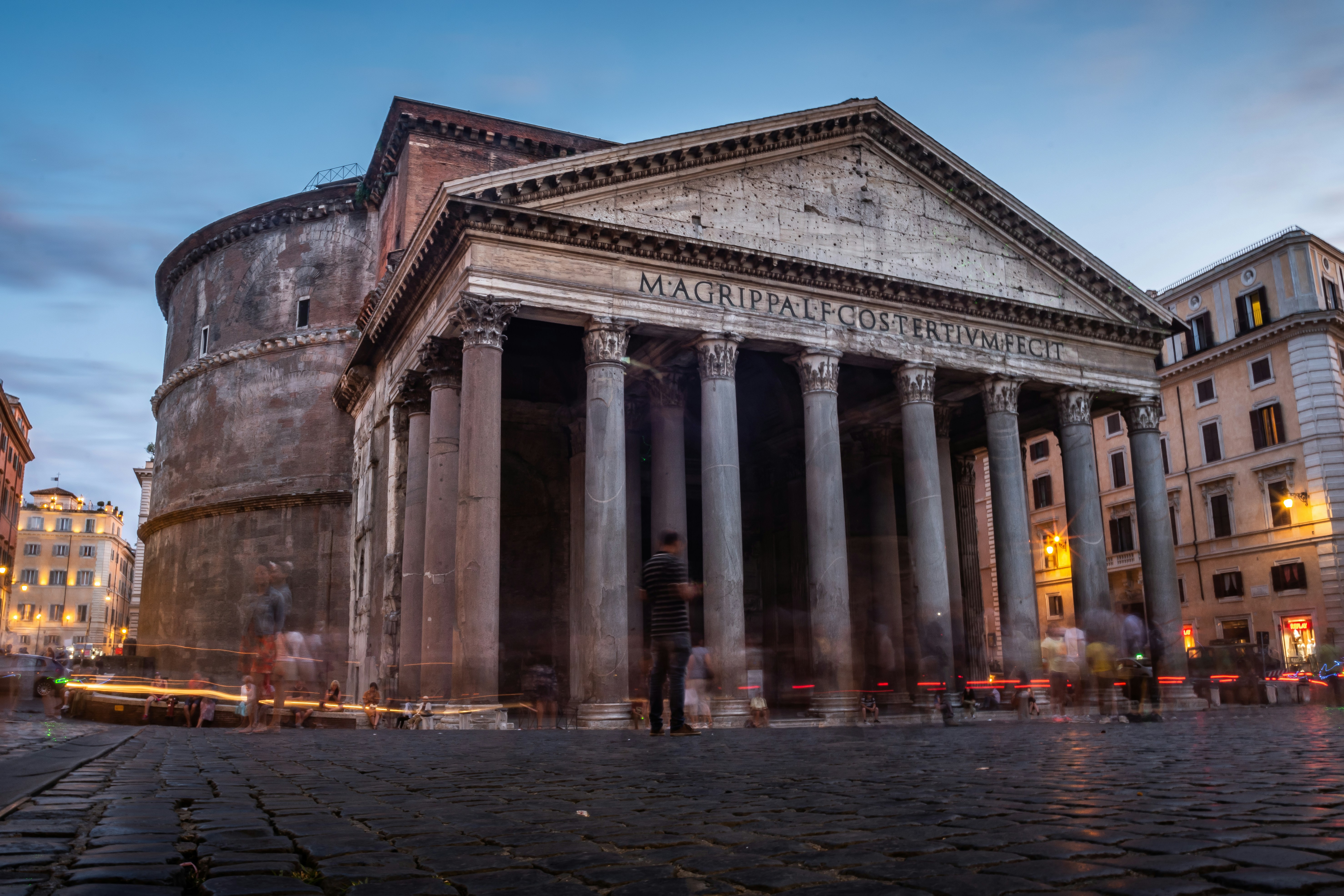
Panthéon
A secular mausoleum in the Latin Quarter housing the remains of France's greatest citizens, featuring a massive dome and Foucault’s pendulum.
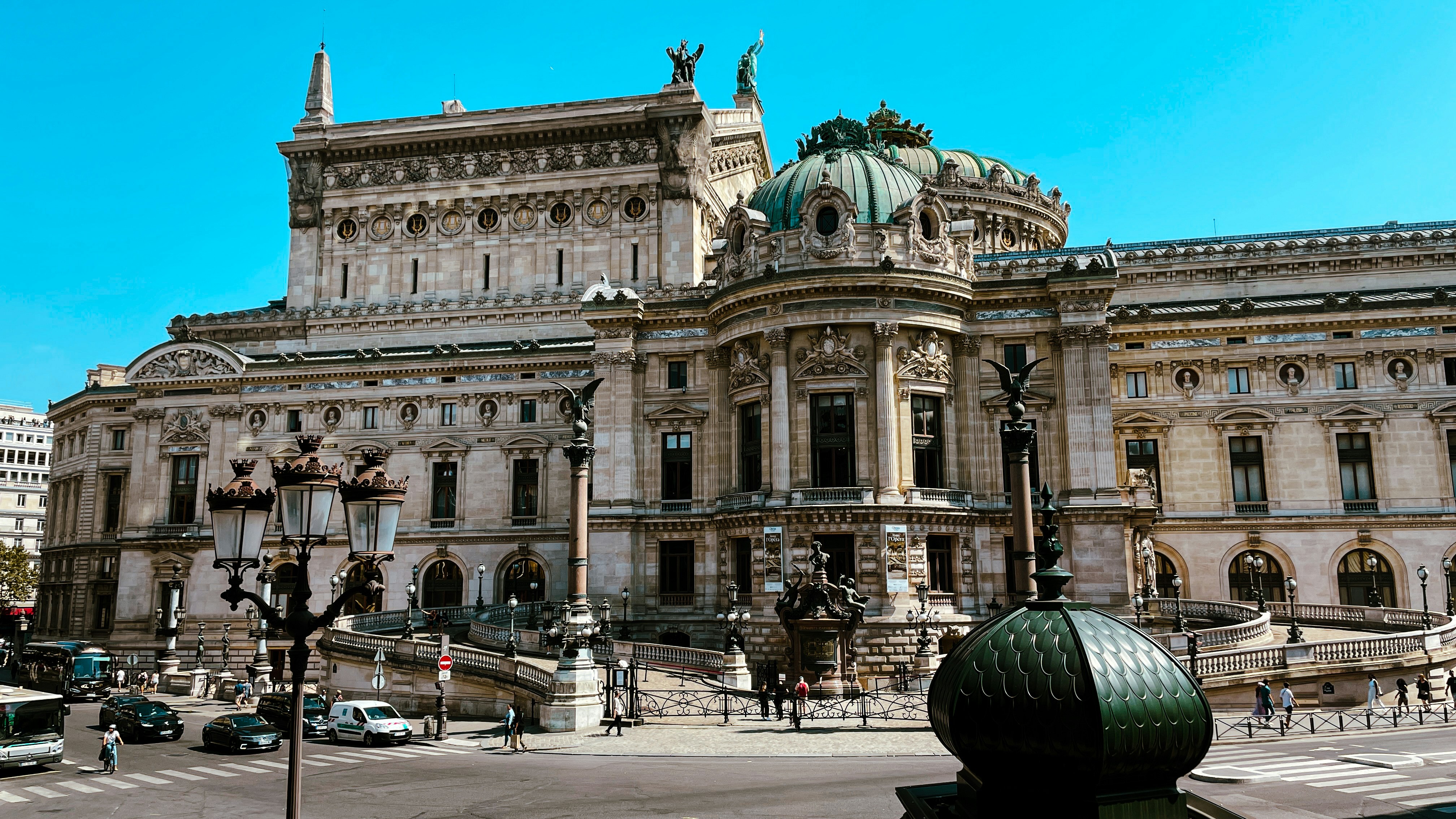
Opéra Garnier
Palais Garnier
An architectural masterpiece of the Second Empire, this opulent opera house is famous for its grand staircase and Chagall-painted ceiling.
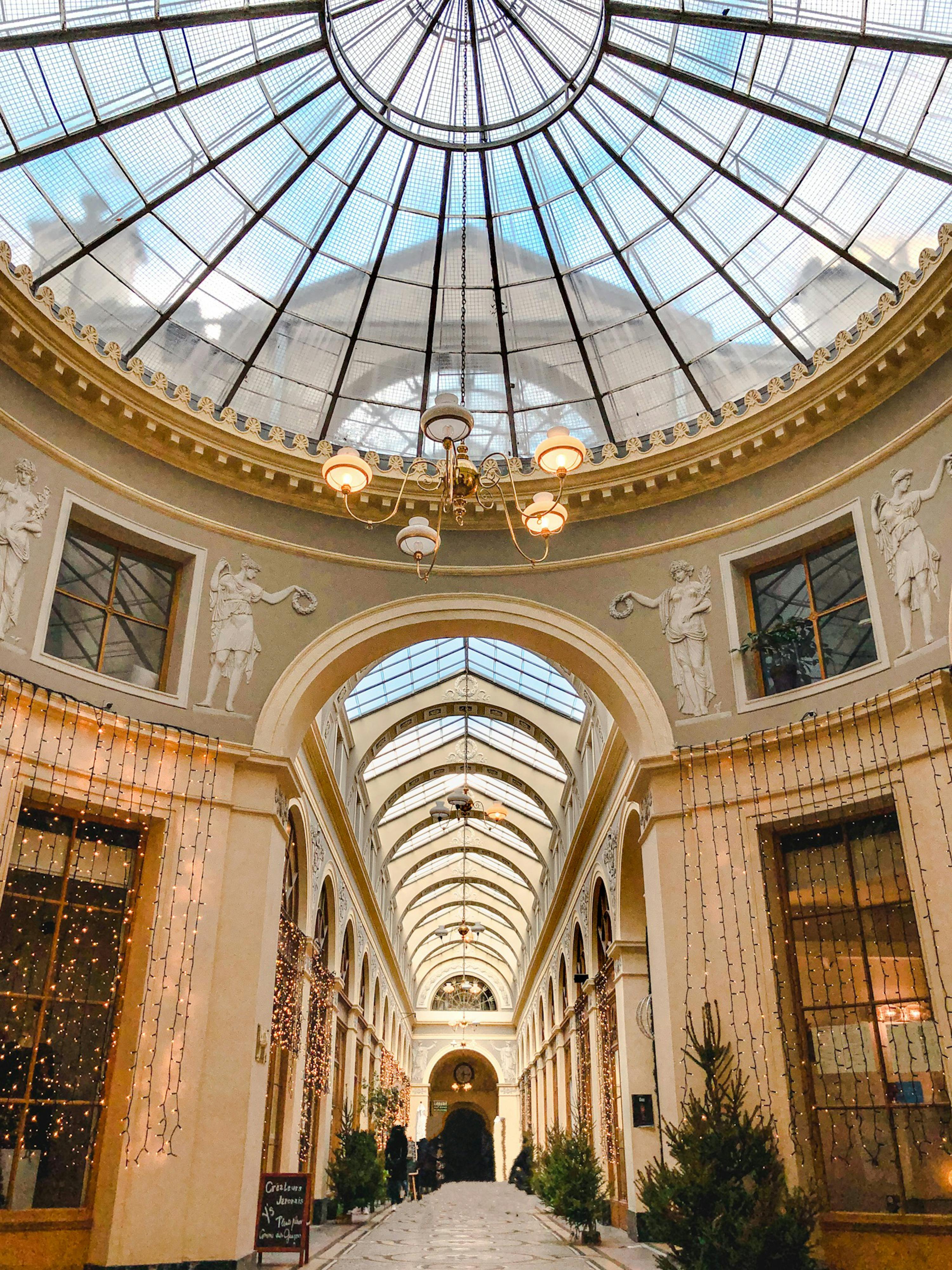
Galerie Vivienne
The most elegant of Paris's surviving 19th-century shopping arcades, featuring intricate mosaic floors and a stunning glass roof.
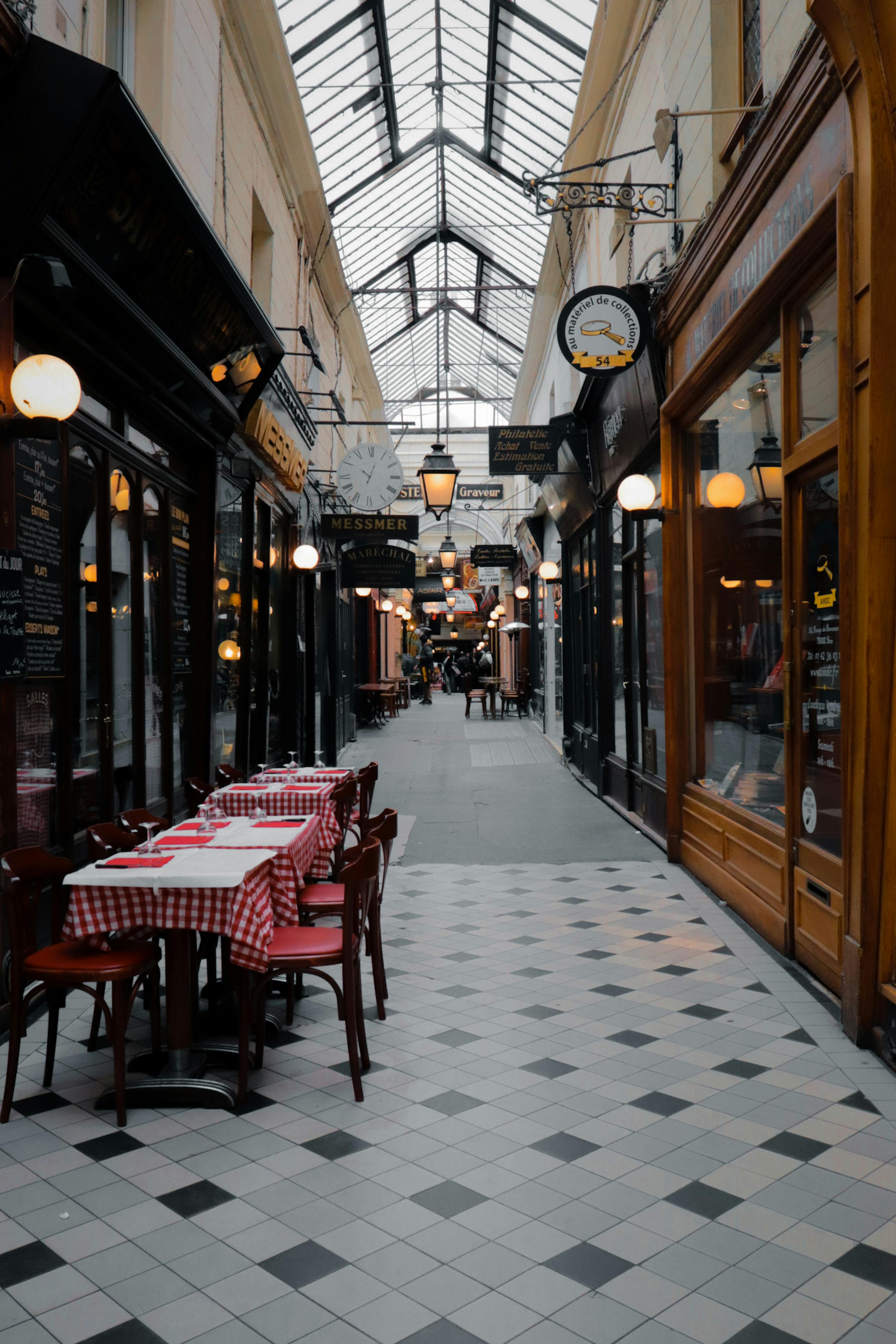
Passage des Panoramas
The oldest covered passage in Paris, now a bustling hub for foodies, stamp collectors, and vintage postcard hunters.
Must-Eat Spots
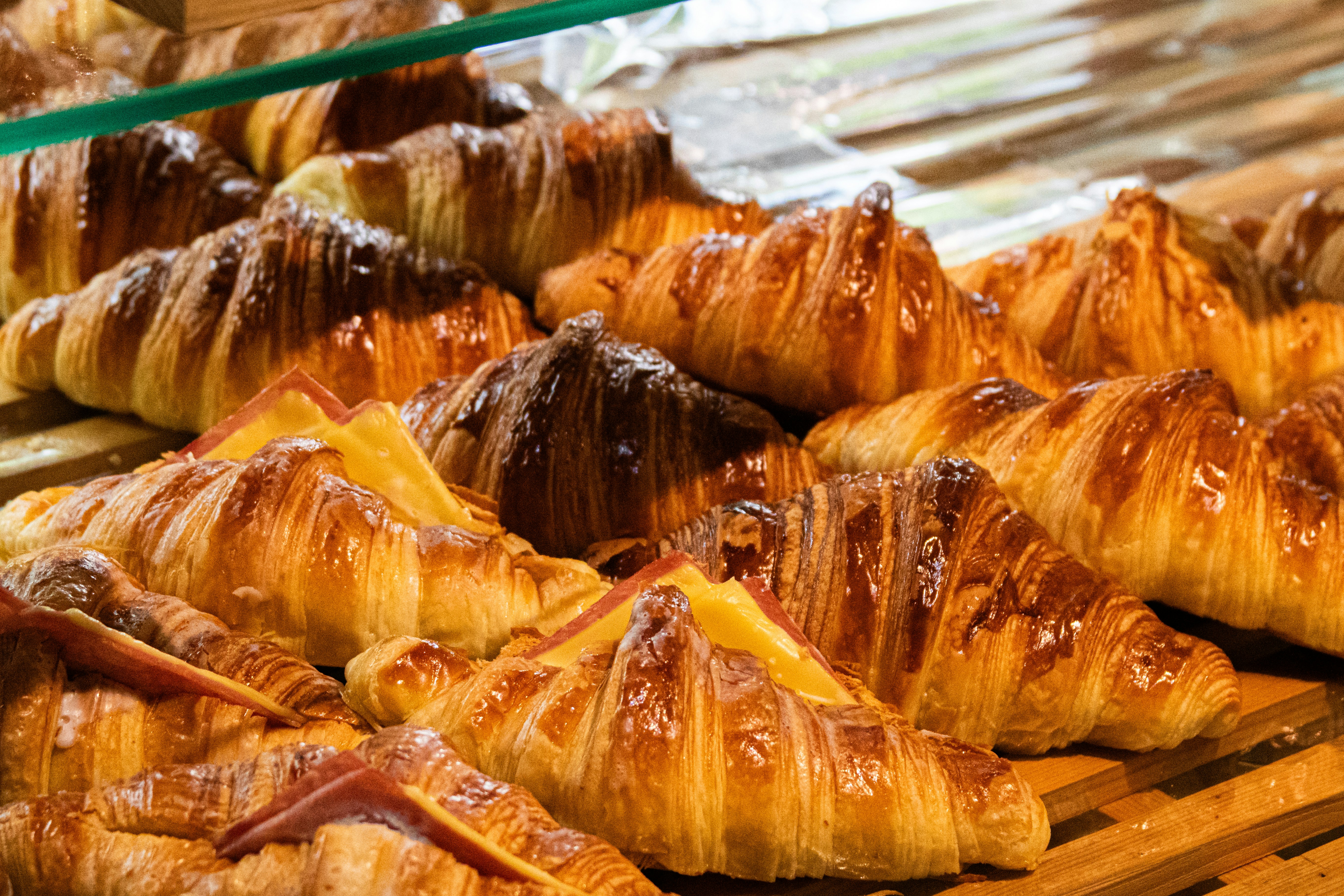
The Butter Croissant
Croissant au Beurre
The croissant au beurre is the quintessential French breakfast staple: a crescent-shaped laminated pastry made with pure butter (not margarine), creating its characteristic golden, flaky layers. A true croissant shatters when you bite it, releasing buttery steam. Straight croissants are 'ordinaire' (margarine), curved croissants are 'au beurre' (butter)—always choose curved. Best eaten warm from the bakery within hours of baking.
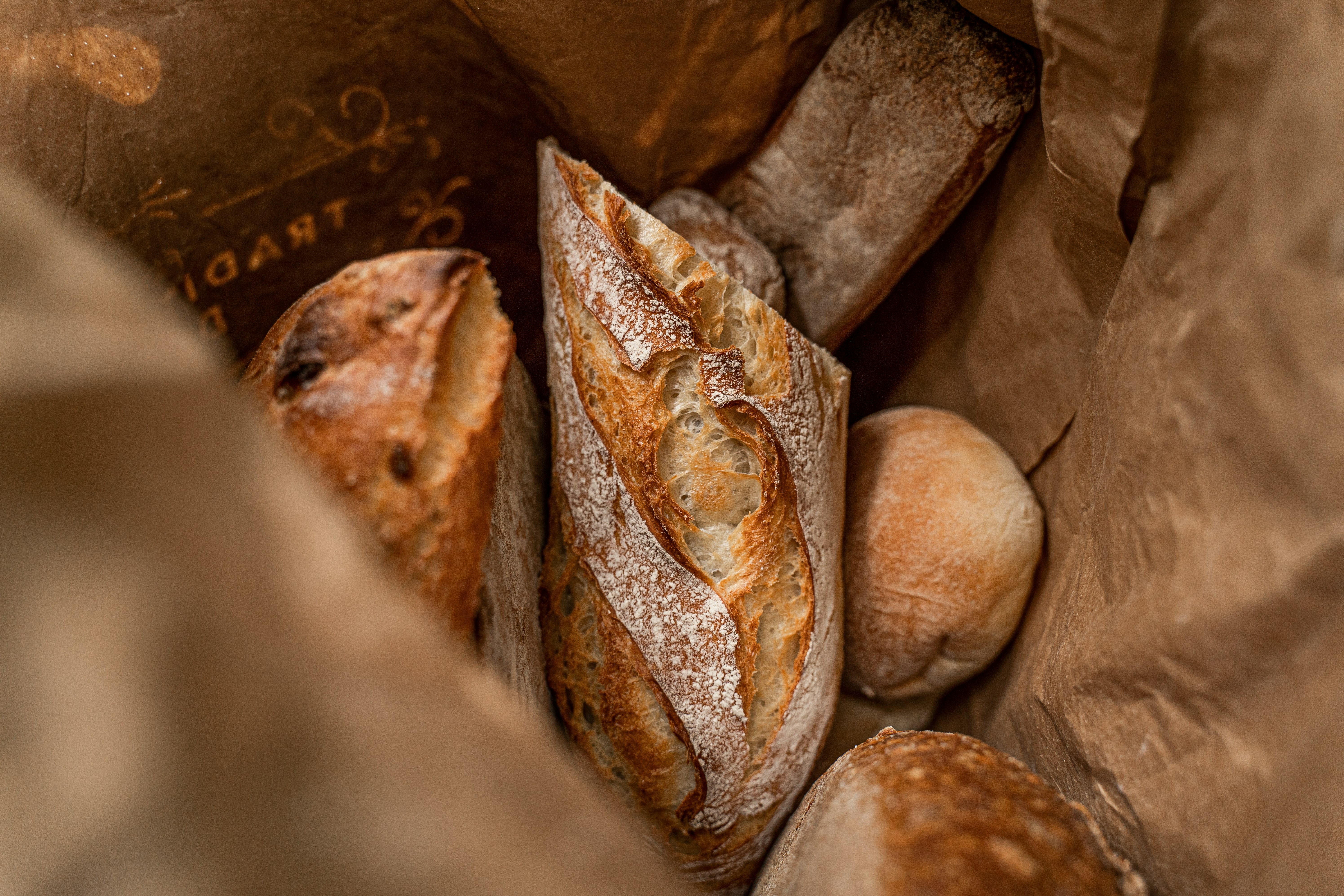
The Baguette
La Baguette Tradition
The baguette tradition is a long, thin loaf with a golden, crackly crust and a soft, airy interior with irregular holes. 'Tradition' means it's made by law with only four ingredients (flour, water, salt, yeast) and no additives—superior to regular baguettes. Locals buy them twice daily (morning and evening) because they go stale within hours. The perfect baguette sounds hollow when tapped, cracks when squeezed, and has a wheaty aroma.
Pain au Chocolat
Pain au Chocolat / Chocolatine
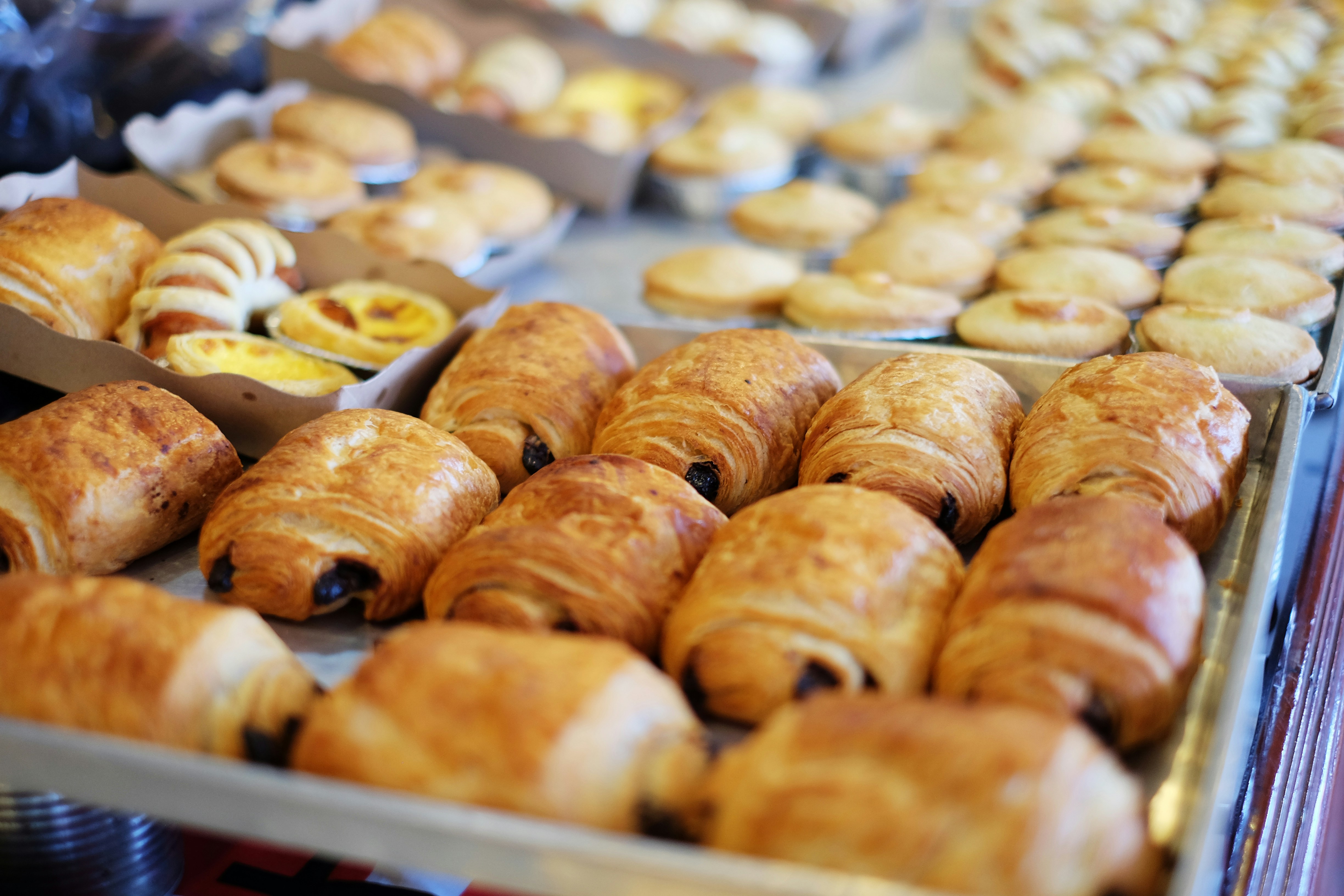
Pain au chocolat is a rectangular croissant dough pastry with two sticks of dark chocolate baked inside. The dough is the same laminated butter dough as croissants, but shaped differently. When pulled apart, the chocolate should be melted and gooey, the dough flaky and buttery. It's France's second most popular breakfast pastry after croissants. In southwest France, it's controversially called 'chocolatine'—a divide that sparks genuine debates.
Parisian Ham Sandwich
Jambon-Beurre
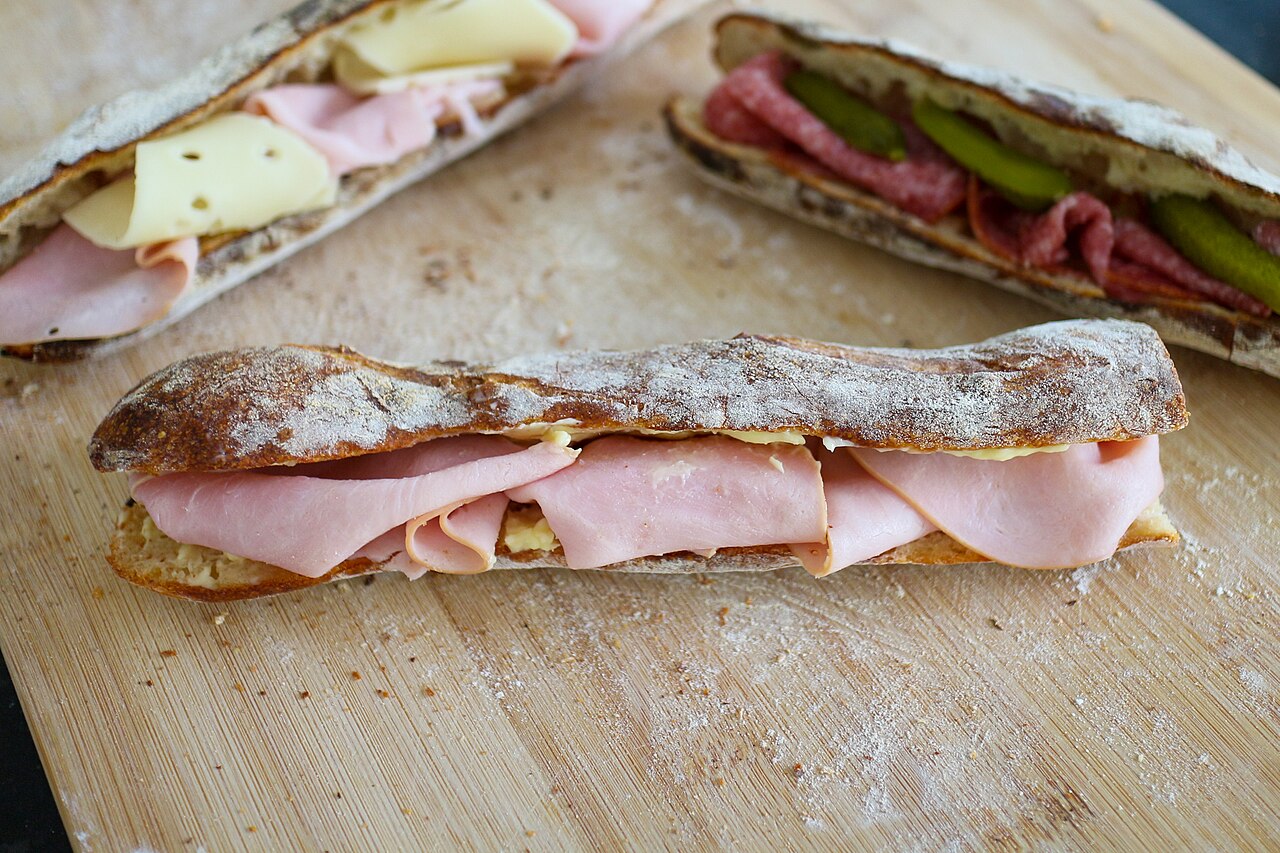
The jambon-beurre is France's most popular sandwich: a baguette sliced lengthwise, spread with salted butter, filled with high-quality Paris ham (jambon de Paris—lightly cooked, tender, pink ham). That's it. No lettuce, no cheese, no condiments. The quality comes from three perfect ingredients. Over 1 billion are sold annually in France. It's the true Parisian lunch, eaten on park benches, at desks, on the go.
Escargots de Bourgogne
Escargots
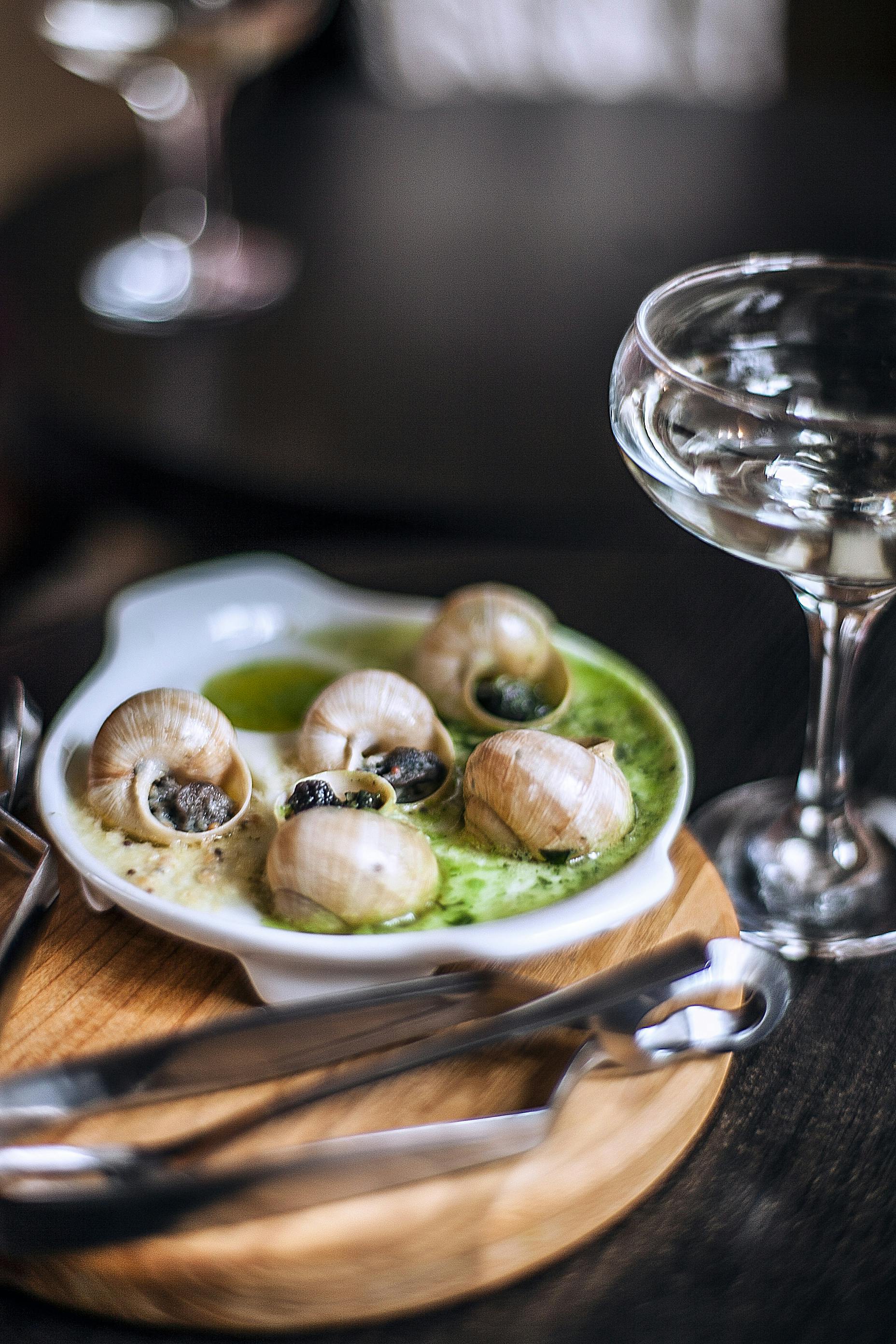
Escargots are land snails (Burgundy snails) baked in their shells with garlic-parsley butter (beurre d'escargot). Served as a starter (6 or 12 snails) in traditional brasseries. You use a special fork and tongs to extract the snail, then soak up the garlicky butter with bread. The snails themselves taste like earthy mushrooms; the butter is the star. More common at dinner than lunch.
Confit de Canard
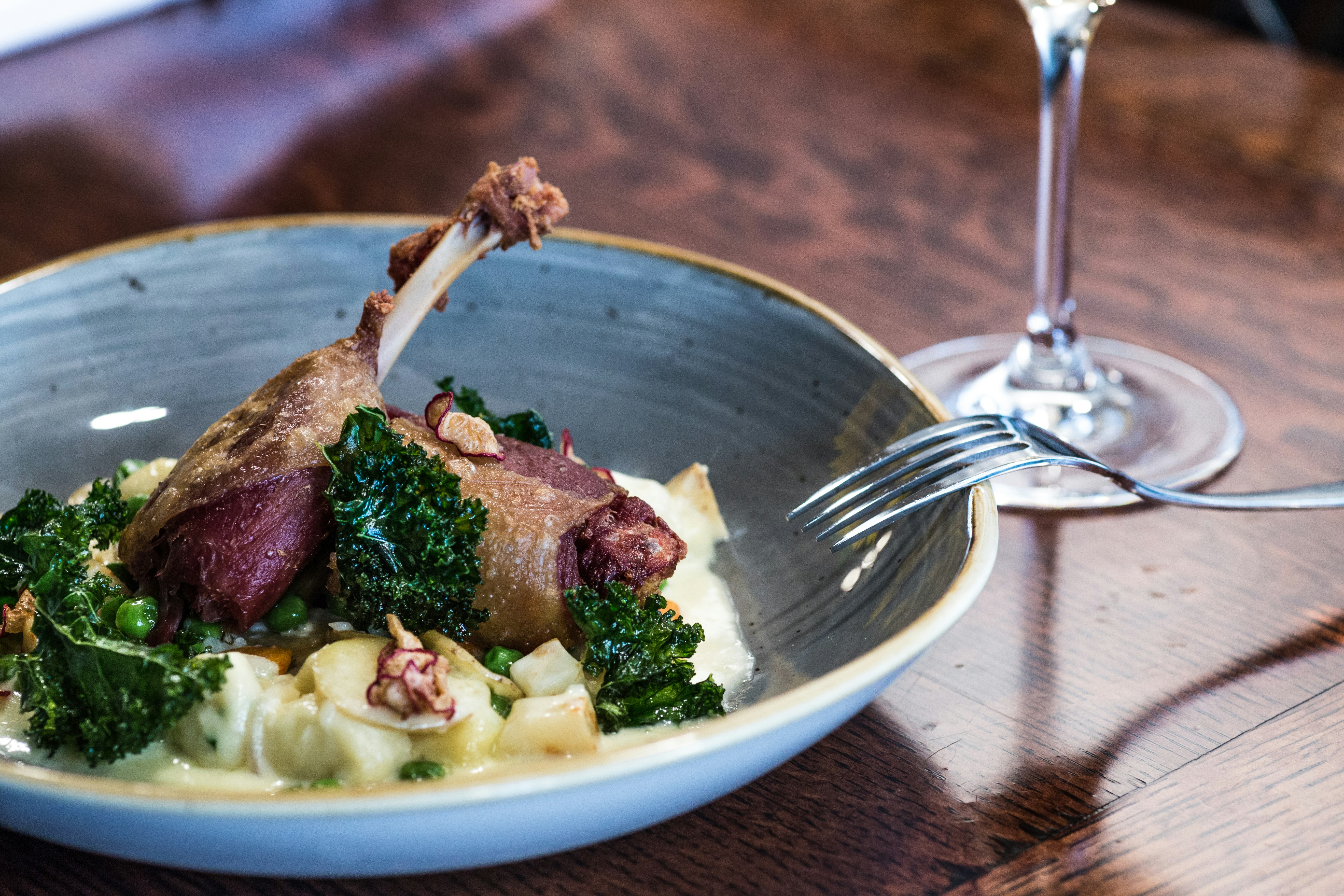
Confit de canard is duck leg slow-cooked in its own fat until the meat is fall-off-the-bone tender and the skin is crispy. It's a preservation technique from southwest France. The duck is salted, aged, then submerged in fat and cooked slowly for hours. Served as a main course with potatoes cooked in duck fat (pommes sarladaises) or green salad. The meat is rich, savory, and deeply flavorful.