The Baguette
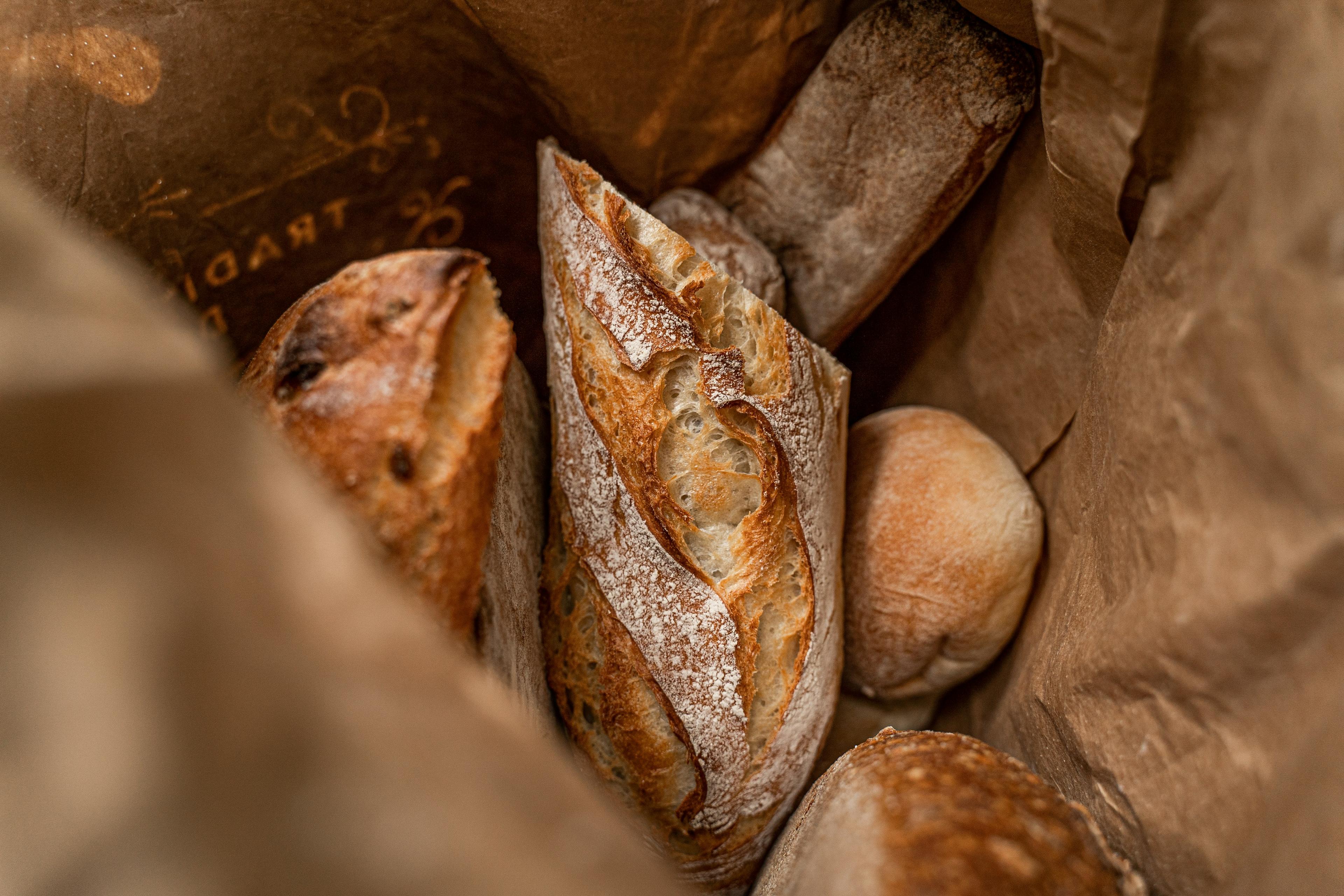
"The baguette tradition is a long, thin loaf with a golden, crackly crust and a soft, airy interior with irregular holes. 'Tradition' means it's made by law with only four ingredients (flour, water, salt, yeast) and no additives—superior to regular baguettes. Locals buy them twice daily (morning and evening) because they go stale within hours. The perfect baguette sounds hollow when tapped, cracks when squeezed, and has a wheaty aroma."
Logistics
Affordable
Vibe
Essential, daily
Duration
Immediate consumption
Best For
Daily ritual
The Backstory
Baguettes emerged in the 1920s-1930s in Paris when a law prohibited bakers from working before 4am, forcing them to create fast-baking bread. The 'baguette tradition' was legally defined in 1993 to preserve artisanal methods against industrial bread. It's so iconic that UNESCO recognized French baguette-making as intangible cultural heritage in 2022. Over 10 billion baguettes are consumed in France annually.
Local Secret
"Buy from an 'artisan boulanger' (sign on door)—they bake on-site. Chains (Paul, Marie Blachère) are inferior. Ask for 'une baguette tradition' not just 'baguette.' The best ones cost €1.20-1.50. Locals tear off the end ('le quignon') and eat it on the walk home—this is culturally approved. Store baguettes cut-side down on the counter, never in plastic. Stale baguettes make excellent French toast or pain perdu."
Gallery
You Might Also Like
The Butter Croissant
Croissant au Beurre
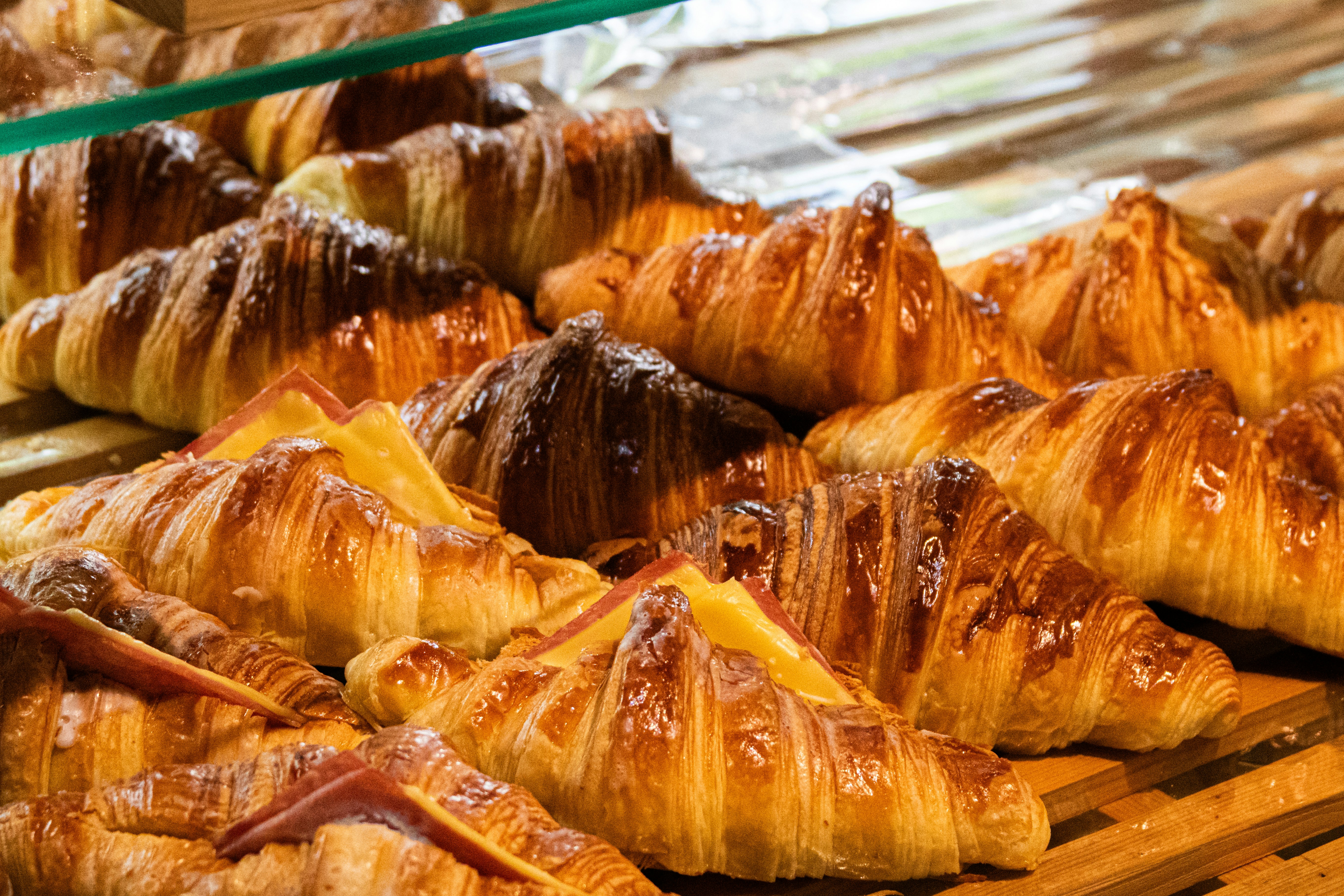
The croissant au beurre is the quintessential French breakfast staple: a crescent-shaped laminated pastry made with pure butter (not margarine), creating its characteristic golden, flaky layers. A true croissant shatters when you bite it, releasing buttery steam. Straight croissants are 'ordinaire' (margarine), curved croissants are 'au beurre' (butter)—always choose curved. Best eaten warm from the bakery within hours of baking.
Pain au Chocolat
Pain au Chocolat / Chocolatine
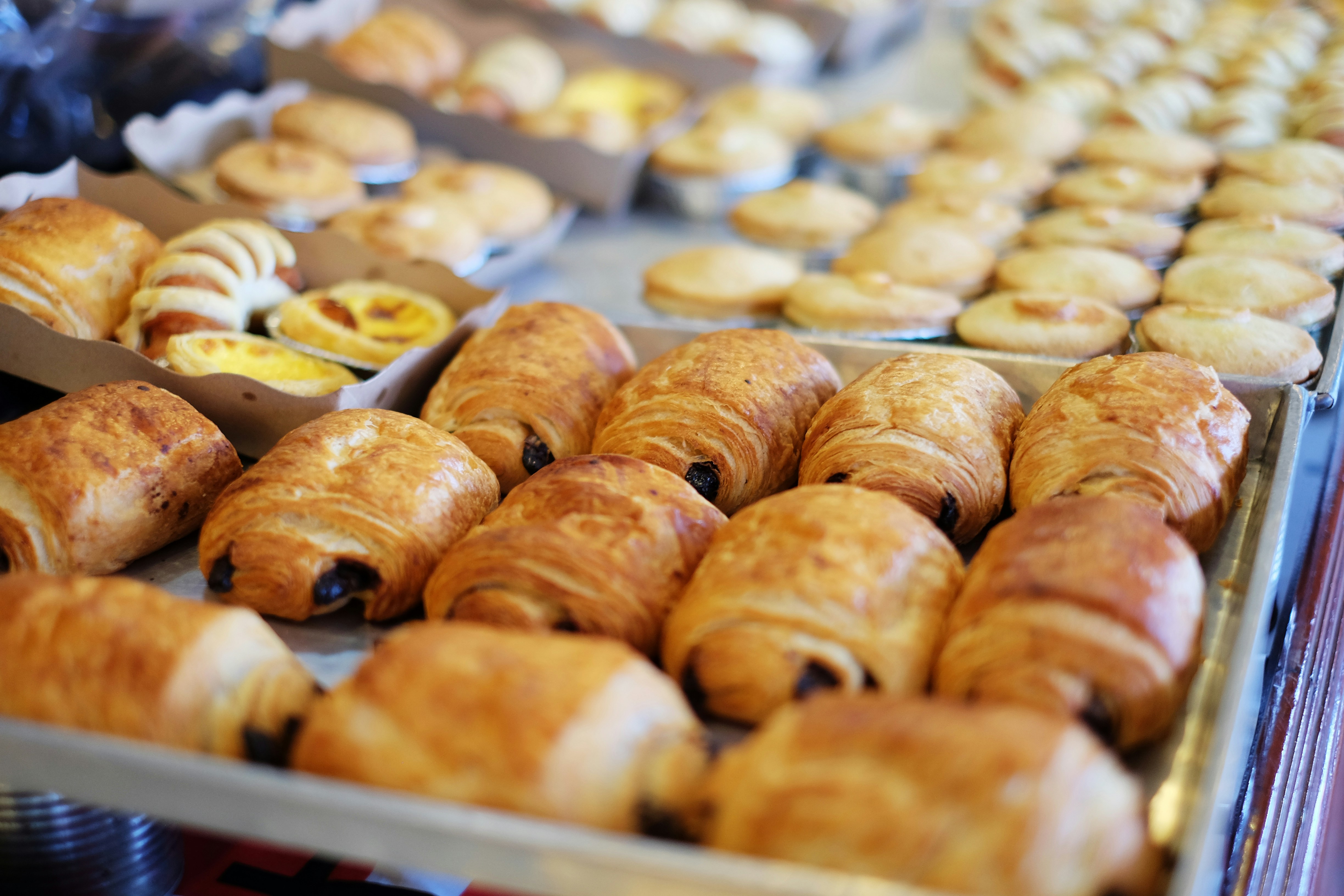
Pain au chocolat is a rectangular croissant dough pastry with two sticks of dark chocolate baked inside. The dough is the same laminated butter dough as croissants, but shaped differently. When pulled apart, the chocolate should be melted and gooey, the dough flaky and buttery. It's France's second most popular breakfast pastry after croissants. In southwest France, it's controversially called 'chocolatine'—a divide that sparks genuine debates.
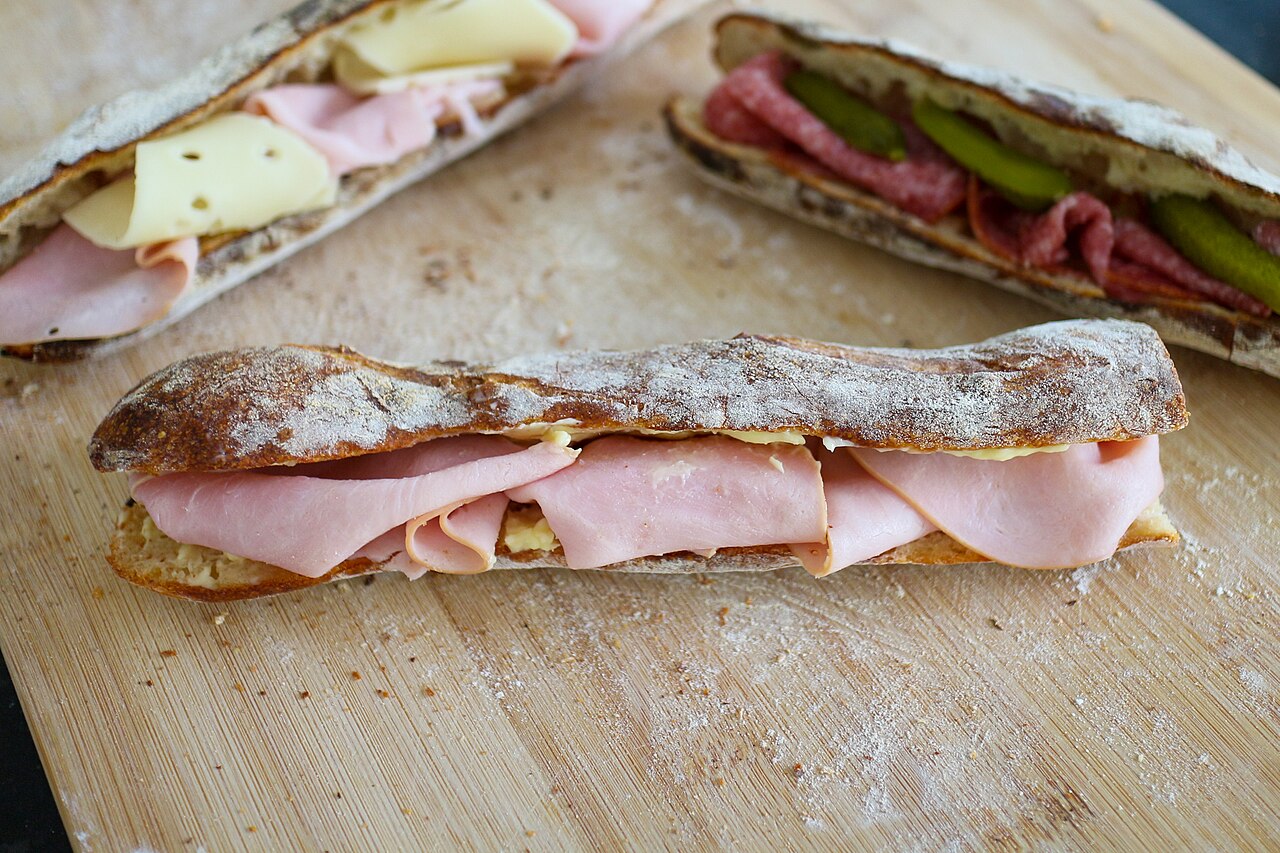
Parisian Ham Sandwich
Jambon-Beurre
The jambon-beurre is France's most popular sandwich: a baguette sliced lengthwise, spread with salted butter, filled with high-quality Paris ham (jambon de Paris—lightly cooked, tender, pink ham). That's it. No lettuce, no cheese, no condiments. The quality comes from three perfect ingredients. Over 1 billion are sold annually in France. It's the true Parisian lunch, eaten on park benches, at desks, on the go.