Must-See Attractions
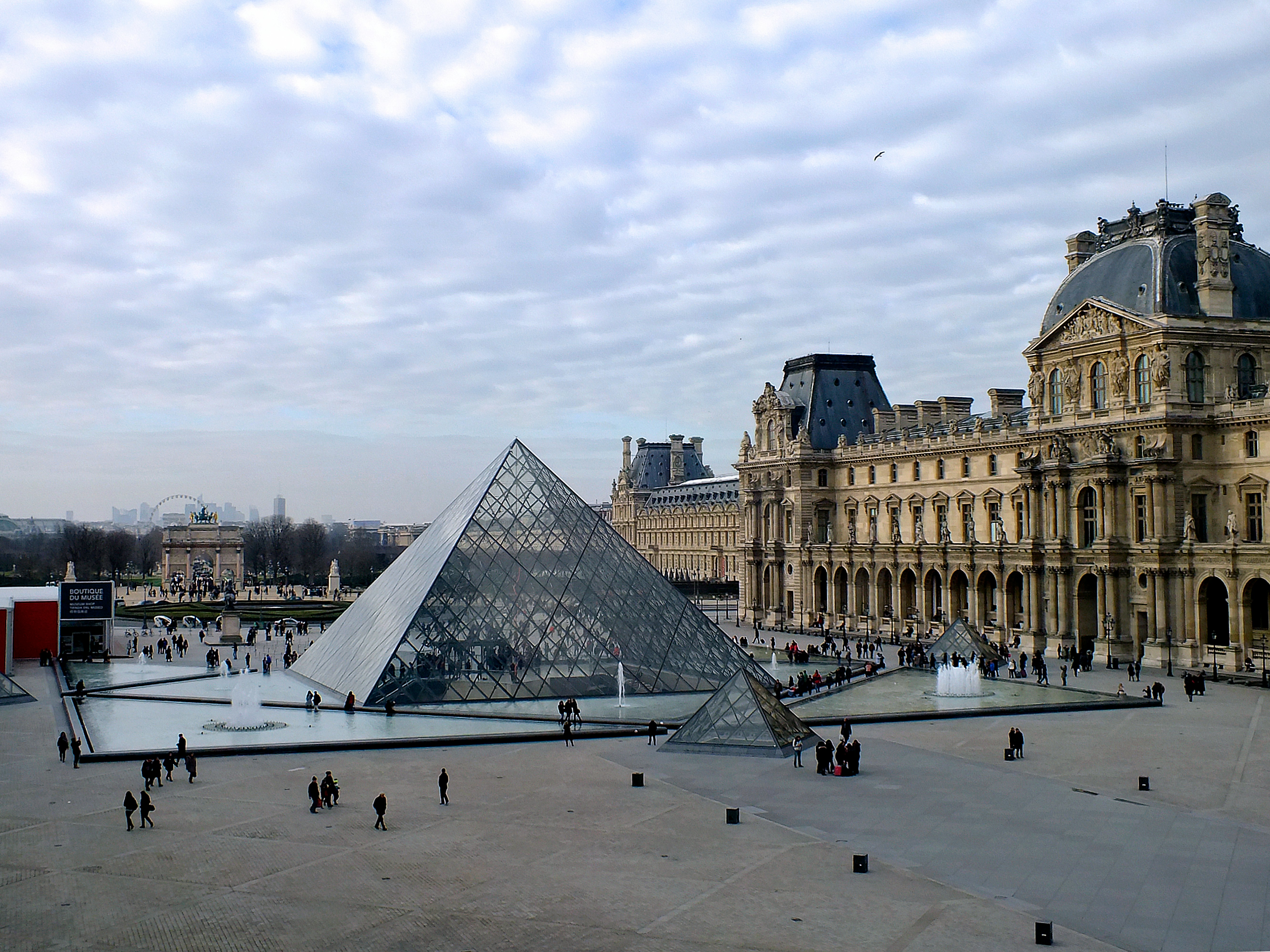
Musée du Louvre
The Louvre is the world's largest art museum and a historic monument in Paris. Originally a medieval fortress built in the 12th century, it became a royal palace before opening as a museum in 1793. Houses 38,000+ artworks spanning 9,000 years, including the Mona Lisa, Venus de Milo, and Winged Victory. The glass pyramid entrance (1989) is iconic. It's vast—you cannot see everything in one visit.
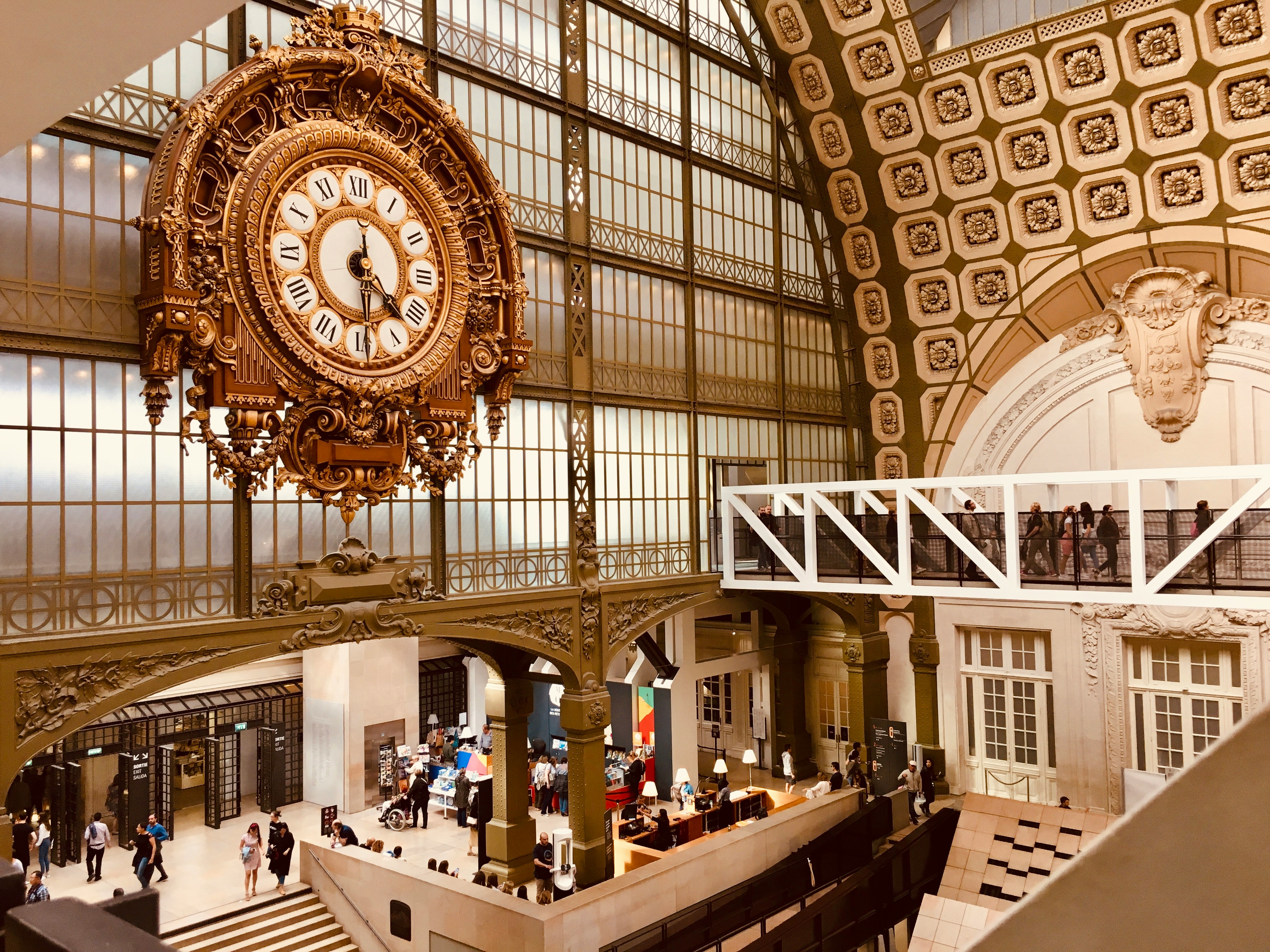
Musée d'Orsay
Musée d'Orsay is housed in a stunning Beaux-Arts former railway station (Gare d'Orsay, built 1900). It's the world's premier collection of Impressionist and Post-Impressionist art: Monet, Renoir, Degas, Van Gogh, Cézanne, Gauguin. The top floor galleries feature Water Lilies, Starry Night Over the Rhone, and Ballet Dancers. The building itself—with its massive ornate clock and glass roof—is an artwork. Smaller and more manageable than the Louvre.
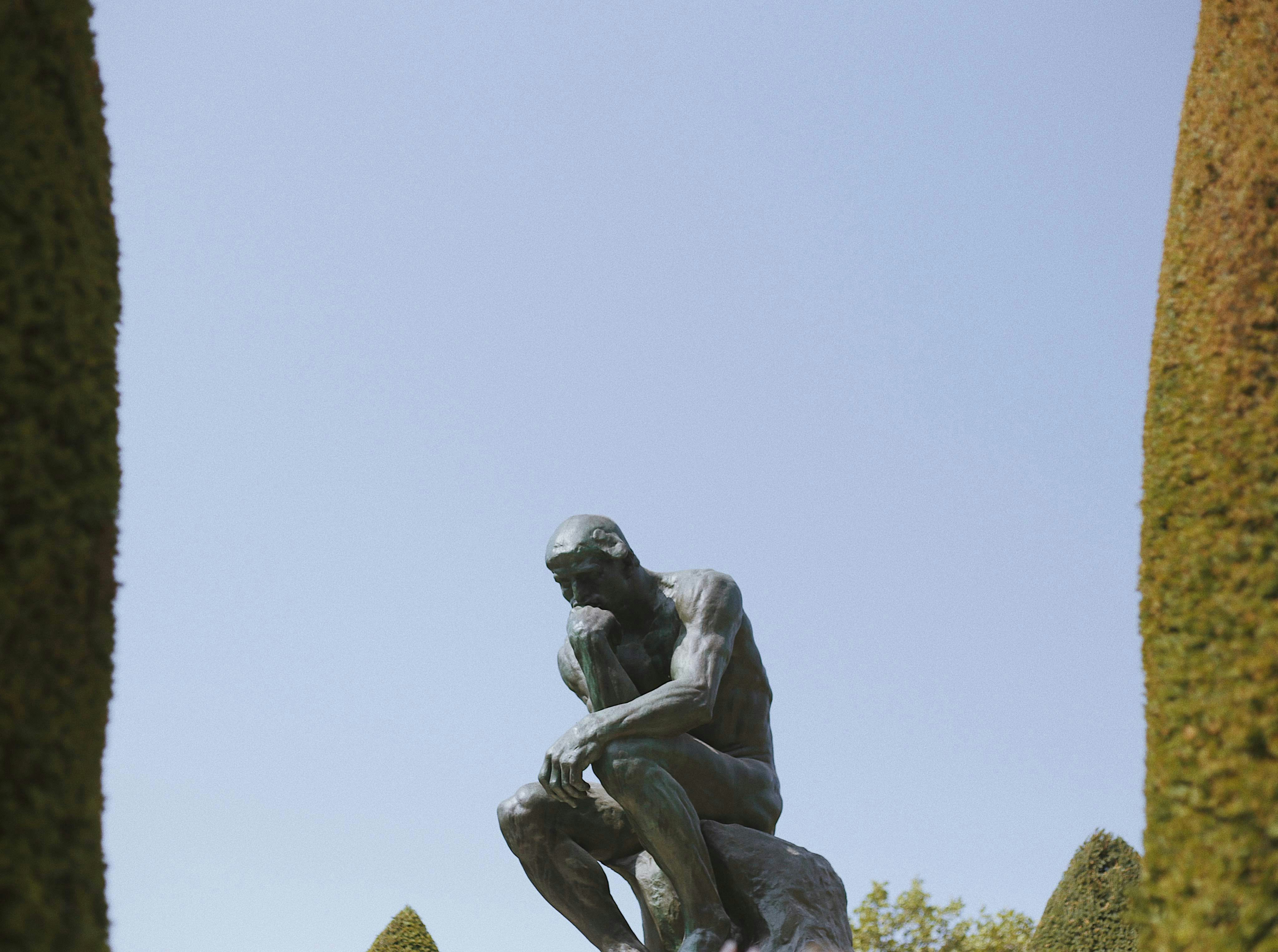
Musée Rodin
Musée Rodin is a serene sculpture museum in an 18th-century mansion (Hôtel Biron) with beautiful gardens. It houses the largest collection of Auguste Rodin's work, including The Thinker, The Kiss, The Gates of Hell, and Balzac. The sculpture garden is the highlight—bronze statues scattered among rose bushes and tree-lined paths. It's peaceful, intimate, and often overlooked by tourists rushing to bigger museums. Perfect for a calm afternoon.
Must-Eat Spots
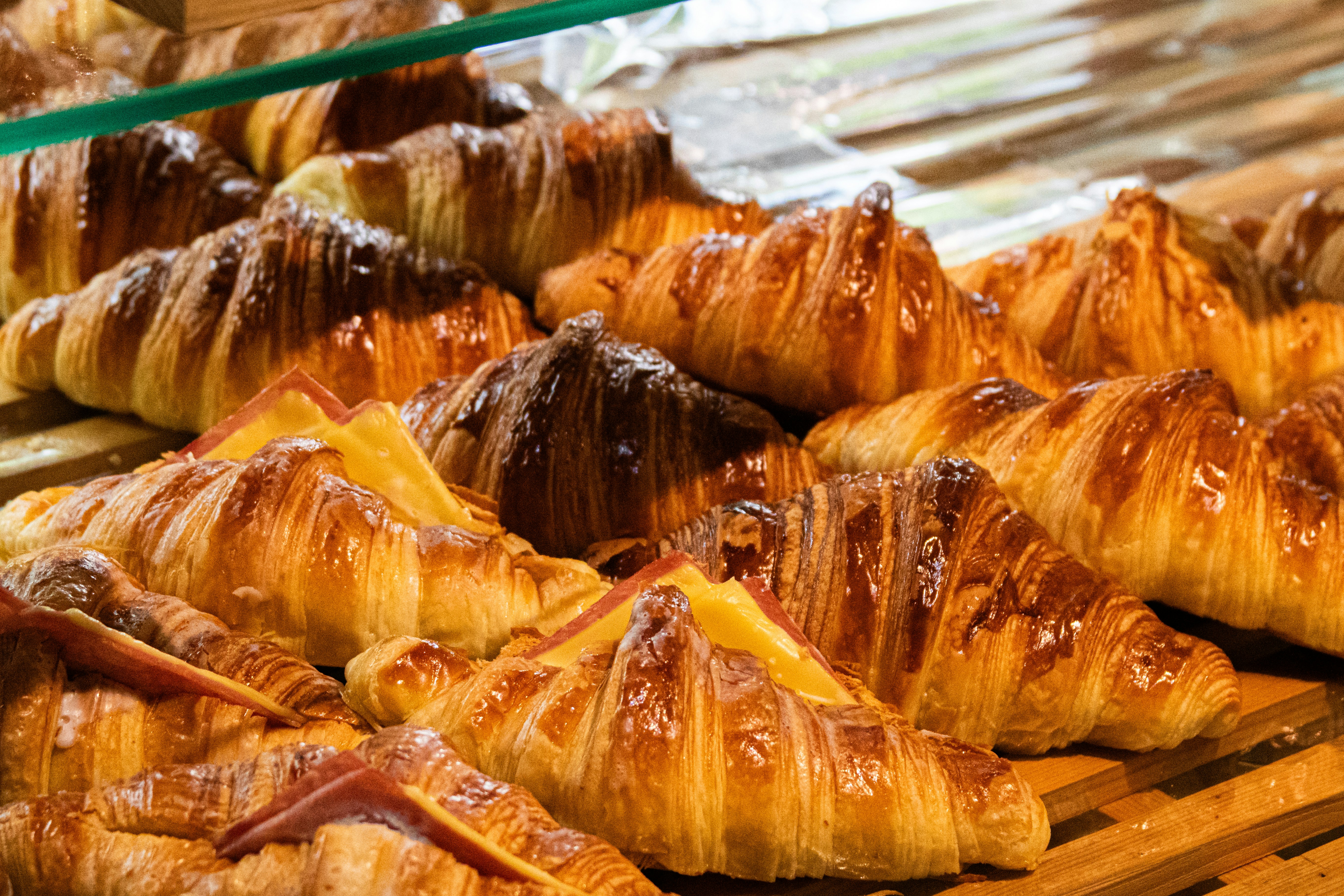
The Butter Croissant
Croissant au Beurre
The croissant au beurre is the quintessential French breakfast staple: a crescent-shaped laminated pastry made with pure butter (not margarine), creating its characteristic golden, flaky layers. A true croissant shatters when you bite it, releasing buttery steam. Straight croissants are 'ordinaire' (margarine), curved croissants are 'au beurre' (butter)—always choose curved. Best eaten warm from the bakery within hours of baking.
The Baguette
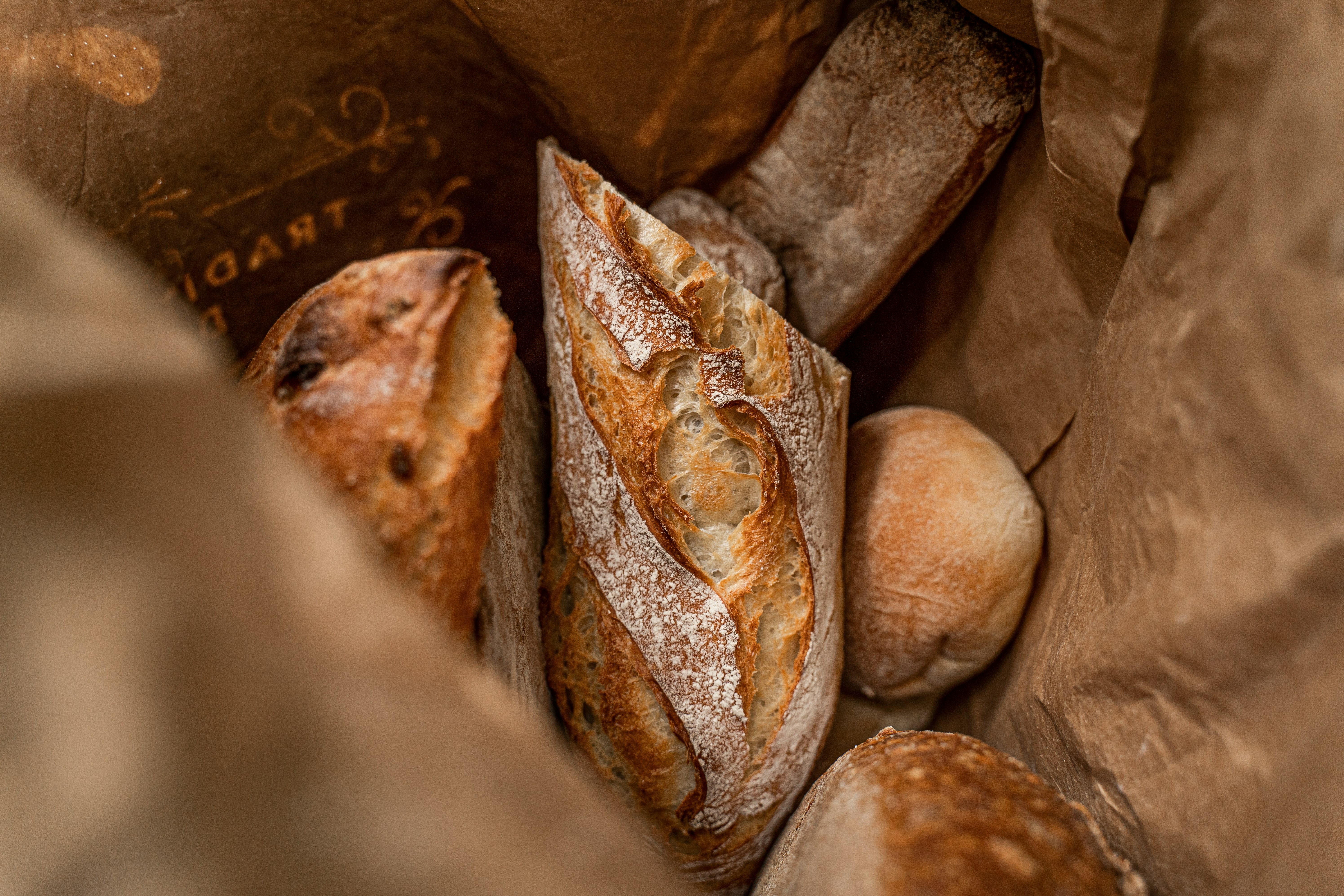
La Baguette Tradition
The baguette tradition is a long, thin loaf with a golden, crackly crust and a soft, airy interior with irregular holes. 'Tradition' means it's made by law with only four ingredients (flour, water, salt, yeast) and no additives—superior to regular baguettes. Locals buy them twice daily (morning and evening) because they go stale within hours. The perfect baguette sounds hollow when tapped, cracks when squeezed, and has a wheaty aroma.