Must-See Attractions
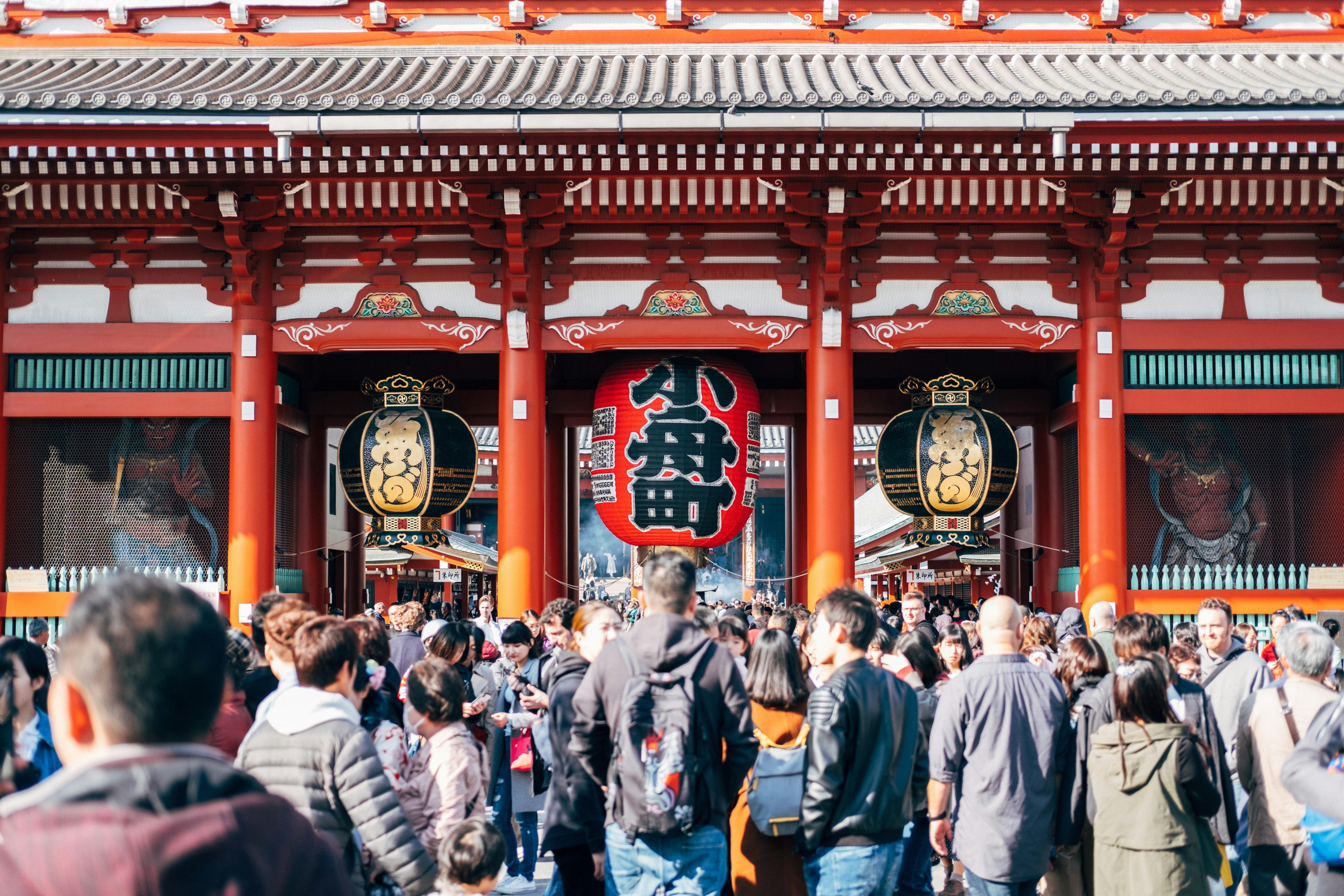
Senso-ji Temple
浅草寺
Senso-ji is Tokyo's oldest and most famous Buddhist temple (founded 645 AD), located in Asakusa. The entrance features the iconic Kaminarimon ('Thunder Gate') with a massive red lantern. Walk through Nakamise shopping street (200m of souvenir stalls) to reach the main hall. The temple is free, always open, and stunningly beautiful when lit at night. It's the most touristy temple but also the most photogenic and historically significant.
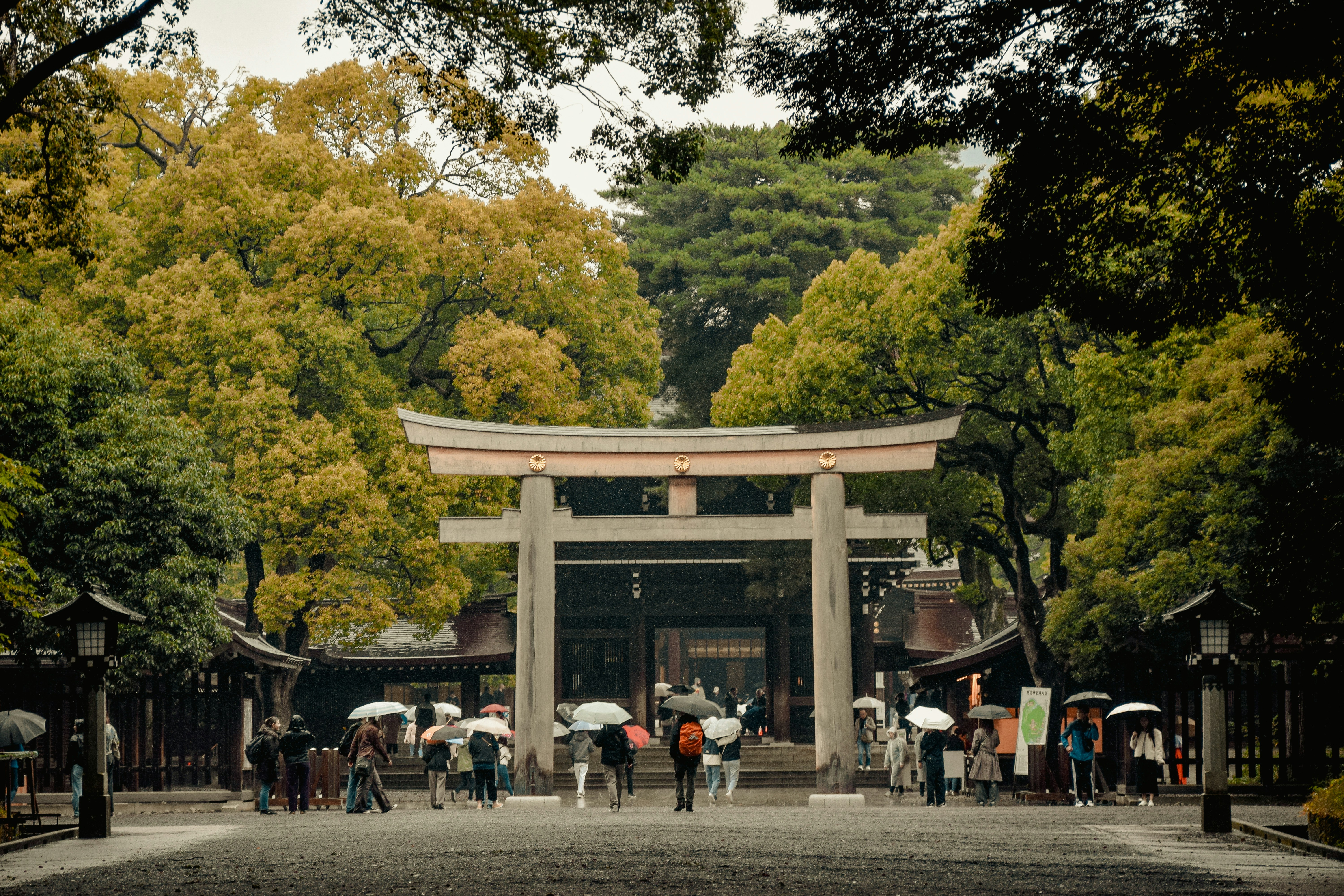
Meiji Shrine
明治神宮
Meiji Shrine (Meiji Jingu) is a serene Shinto shrine dedicated to Emperor Meiji and Empress Shoken, set in a 175-acre forested park in the heart of Tokyo. The walk through the towering torii gates and forest creates a peaceful transition from the chaos of Harajuku next door. The shrine itself is built from Japanese cypress and copper. It's free, always open, and a spiritual escape. If lucky, you might witness a traditional Shinto wedding.
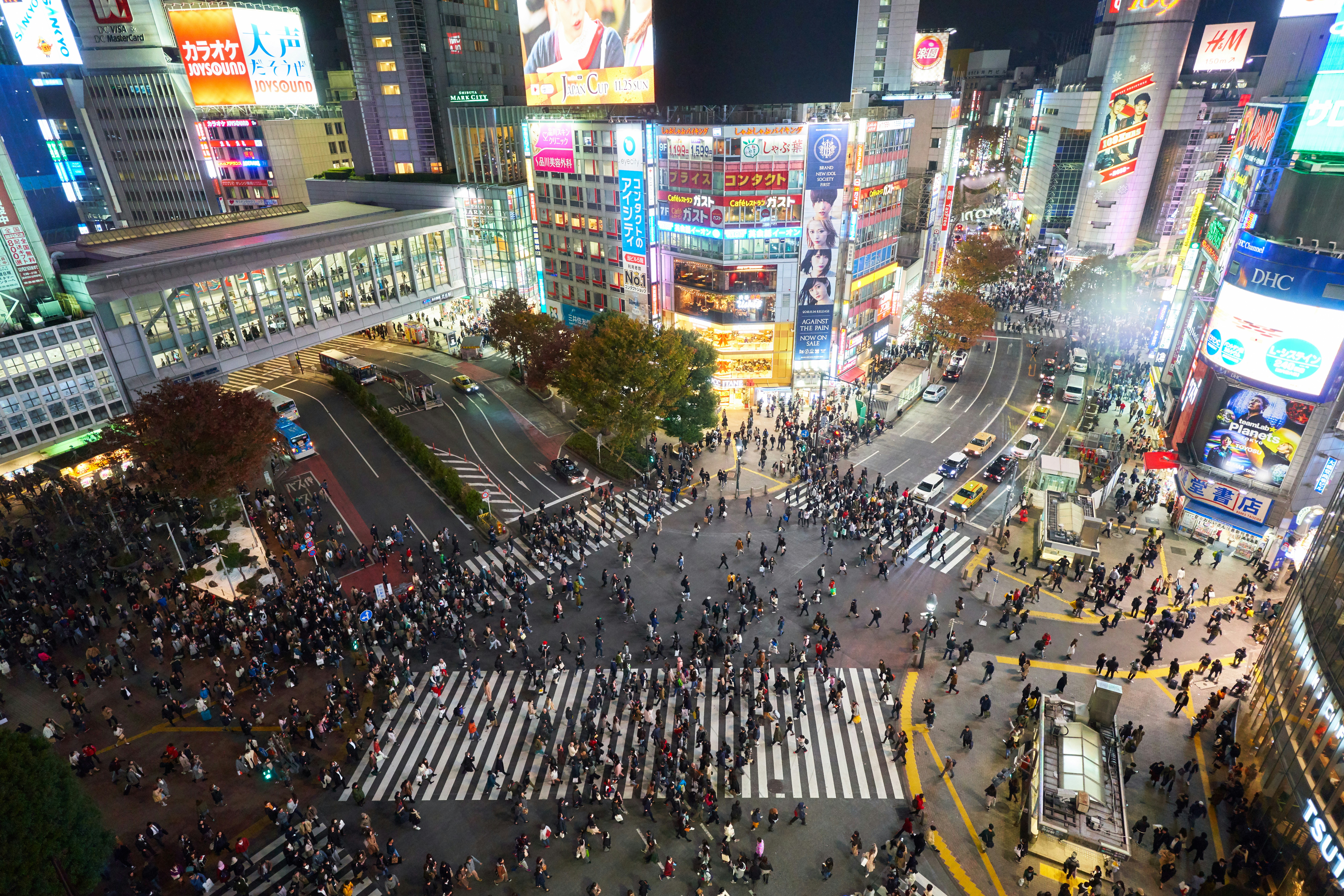
Shibuya Crossing
渋谷スクランブル交差点
Shibuya Crossing is the world's busiest pedestrian intersection—up to 3,000 people cross simultaneously every light cycle (every 2 minutes). It's a spectacle of organized chaos: neon billboards, video screens, and a sea of people converging from five directions. The experience is surreal—you're part of the flow. Best viewed from above (Mag's Park rooftop or Starbucks) or experienced at street level. Peak times (6-8pm weekdays) are most dramatic.
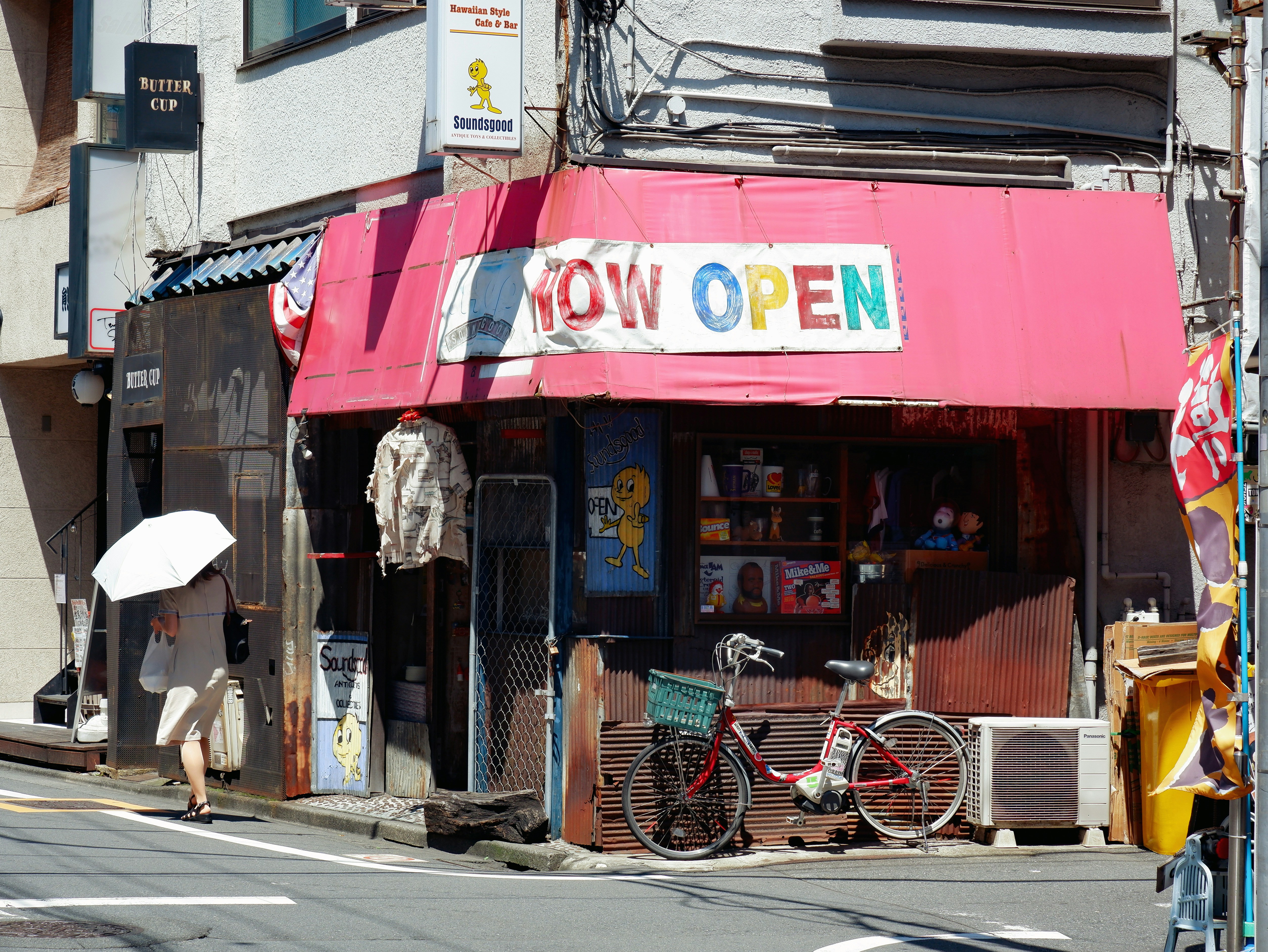
Shimokitazawa
下北沢
Shimokitazawa ('Shimokita') is Tokyo's hipster neighborhood: narrow pedestrian streets packed with vintage clothing shops, vinyl record stores, indie cafes, tiny theaters, and second-hand bookstores. There are no skyscrapers, chain stores, or tourist landmarks—just wandering, discovering, and vibes. The new 'Bonus Track' greenway (2020) connects Shimokita to Setagaya-Daita with boutique shops. It's where young Tokyoites spend weekends thrifting and cafe-hopping.
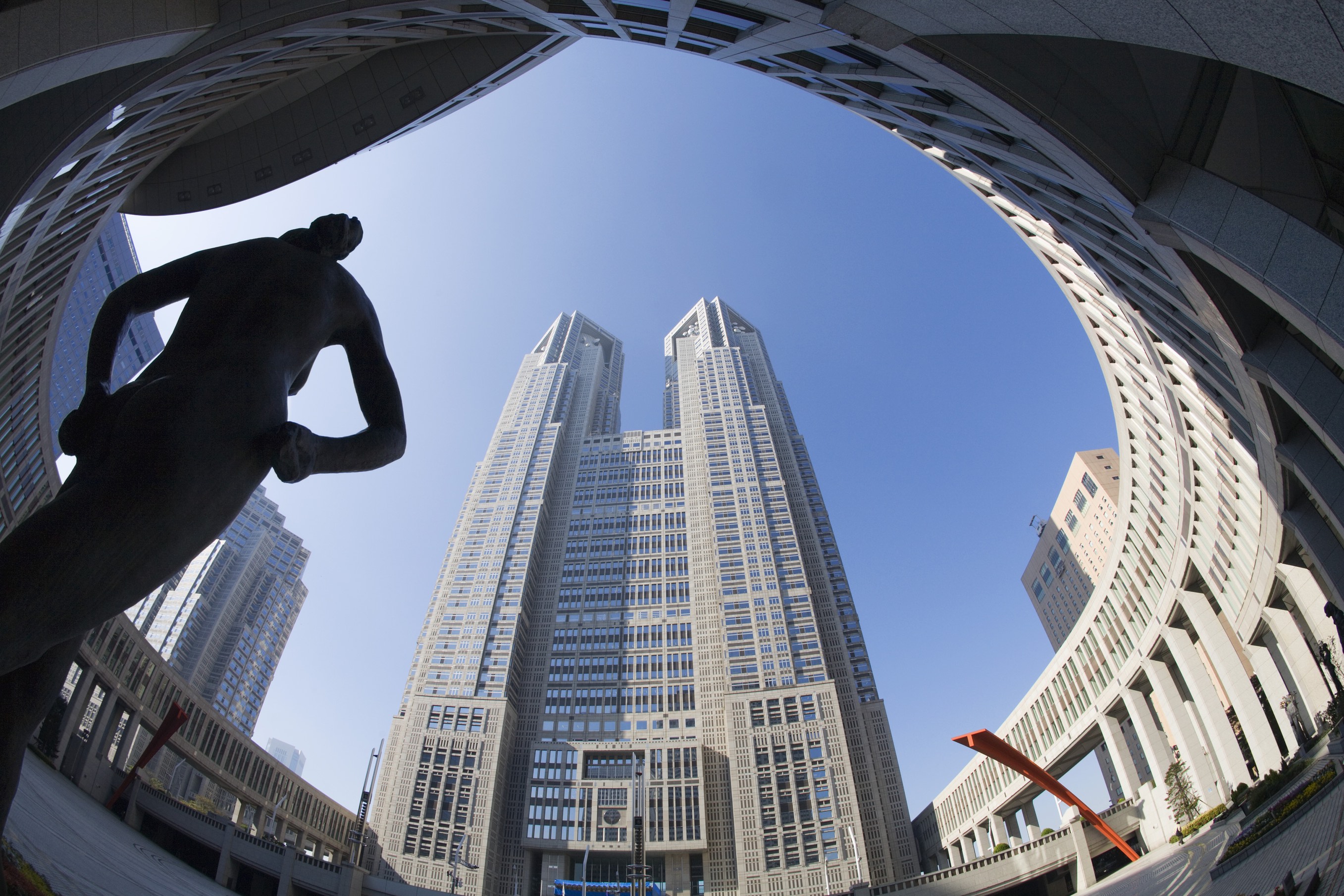
Tokyo Metro Gov Building
東京都庁
Tokyo Metropolitan Government Building (Tocho) offers the best FREE panoramic view in Tokyo from its 45th-floor observation decks (202 meters high). On clear days, you can see Mt. Fuji. The view rivals paid observation decks like Shibuya Sky (¥2,500) or Tokyo Skytree (¥3,000). Located in West Shinjuku among skyscrapers, the building itself is impressive brutalist architecture. Two towers—usually at least one is open. Less crowded than tourist observation decks.
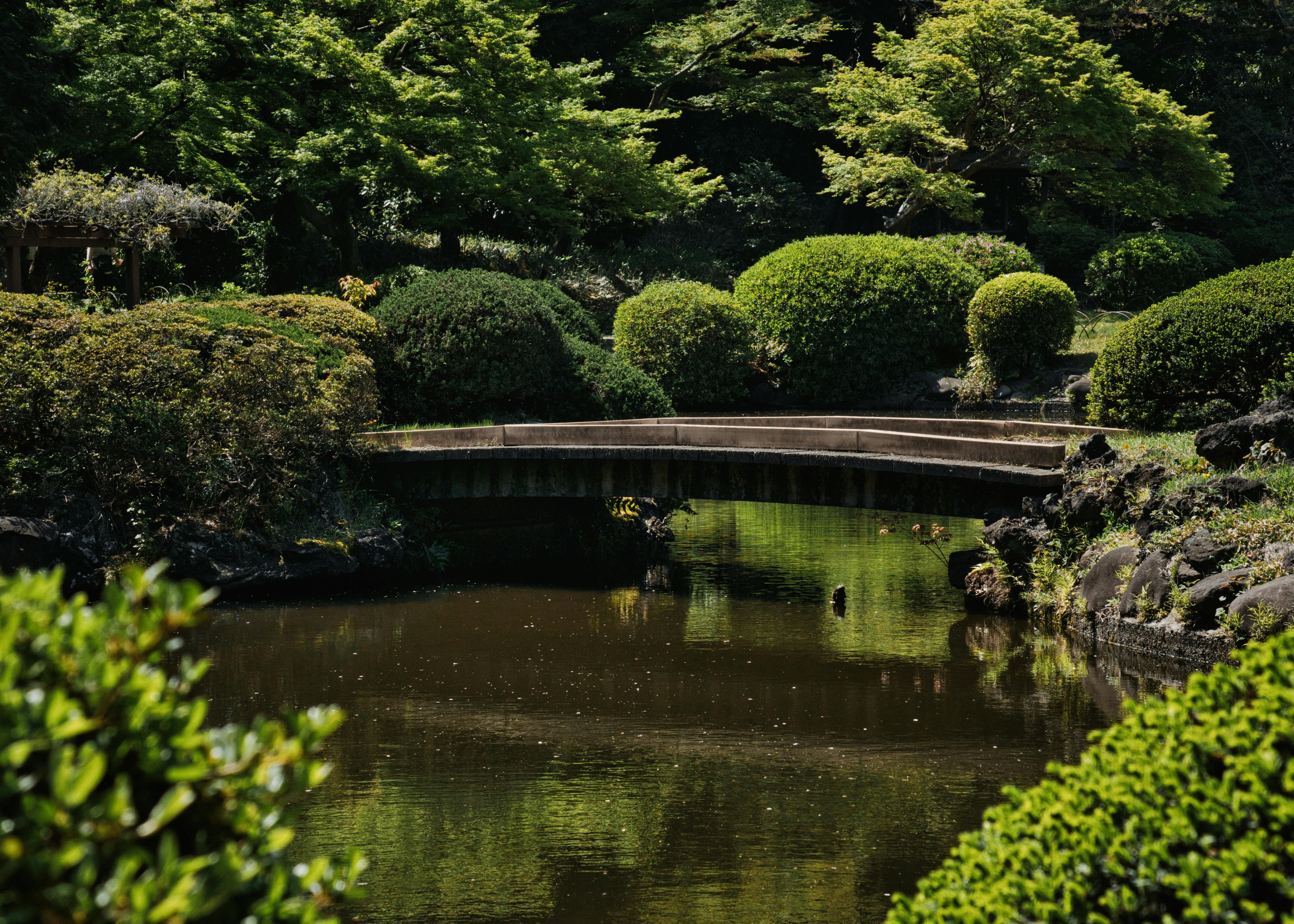
Shinjuku Gyoen
新宿御苑
Shinjuku Gyoen is a massive 144-acre traditional Japanese garden in the heart of Tokyo, combining three garden styles: French formal, English landscape, and Japanese traditional. It's famous for cherry blossoms (1,000+ trees, March-April) and autumn foliage (November). The park offers a peaceful reset from the urban chaos of Shinjuku. Entry costs ¥500, but it's spacious, well-maintained, and never feels crowded. No food/alcohol allowed—bring nothing but yourself.
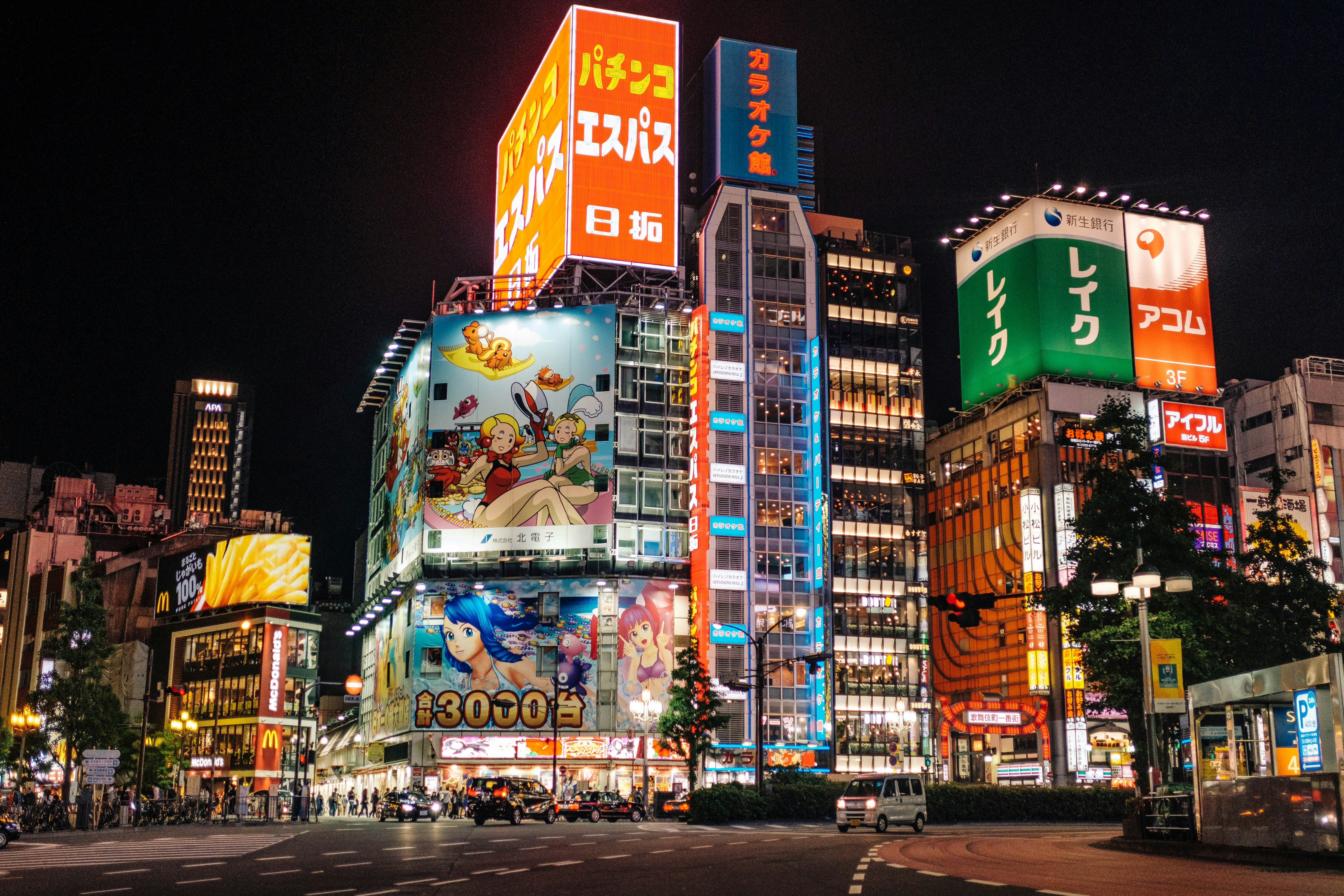
Shinjuku at Night
新宿
Shinjuku at night is Tokyo's neon soul: towering video screens, packed izakayas, red-light districts (Kabukicho), and smoky alleyways like Omoide Yokocho ('Piss Alley')—a narrow alley of yakitori stalls where salarymen drink after work. The area is safe but chaotic, loud, and overwhelming. East Shinjuku (Kabukicho) is the entertainment district; Omoide Yokocho offers authentic grilled skewers under low ceilings. It's cyberpunk reality.
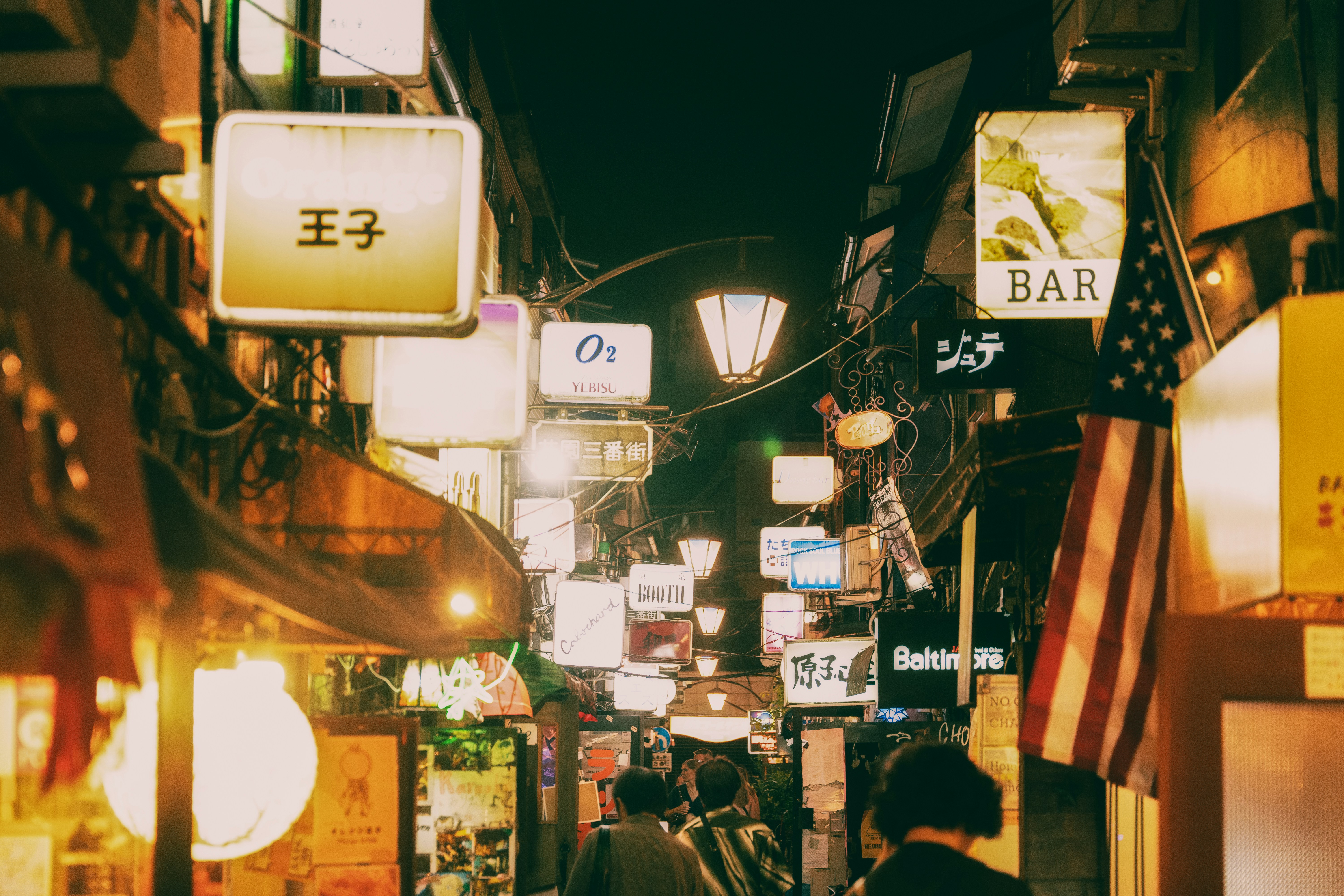
Golden Gai
ゴールデン街
Golden Gai is a cluster of over 200 tiny bars (seating 4-8 people) packed into six narrow alleys in Shinjuku. Each bar has its own theme, regulars, and personality—some welcome tourists, others don't. Most charge a cover fee (¥500-1,000) plus drink costs. It's a relic of post-war Tokyo, miraculously surviving redevelopment. The atmosphere is intimate, smoky, and nostalgic. Not all bars accept walk-ins—look for signs saying 'English OK' or 'Tourists welcome.'
teamLab Planets
チームラボ
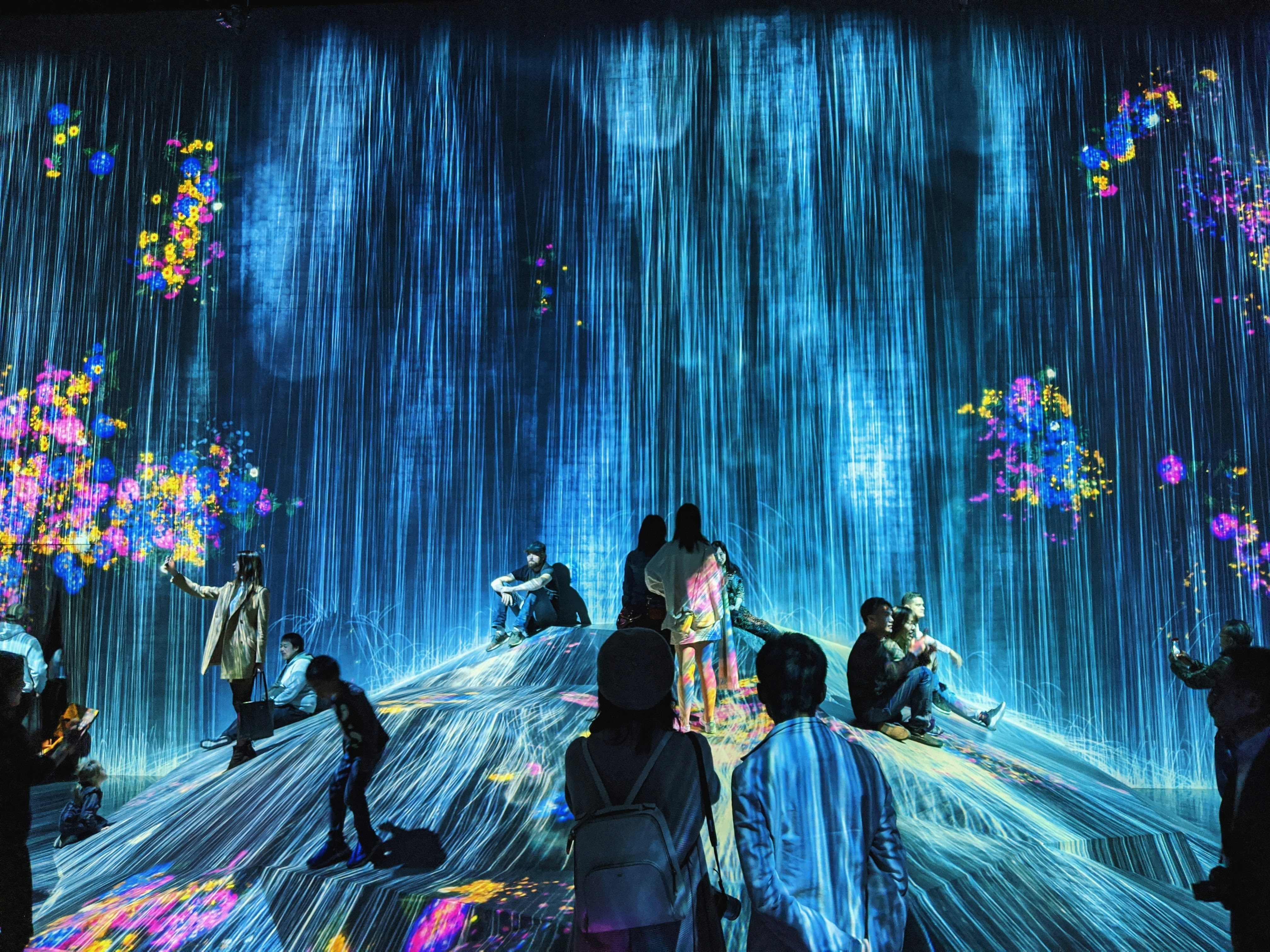
teamLab Planets is an immersive digital art museum where you walk barefoot through water, wade through mirrored rooms filled with floating flowers, and experience interactive light installations that respond to your movement. It's surreal, Instagrammable, and overwhelmingly popular—tickets sell out weeks in advance. The experience is multi-sensory: touch, walk, wade. Each room is a different world. It's art meets technology meets playground. Budget 90 minutes.
Akihabara Electric Town
秋葉原
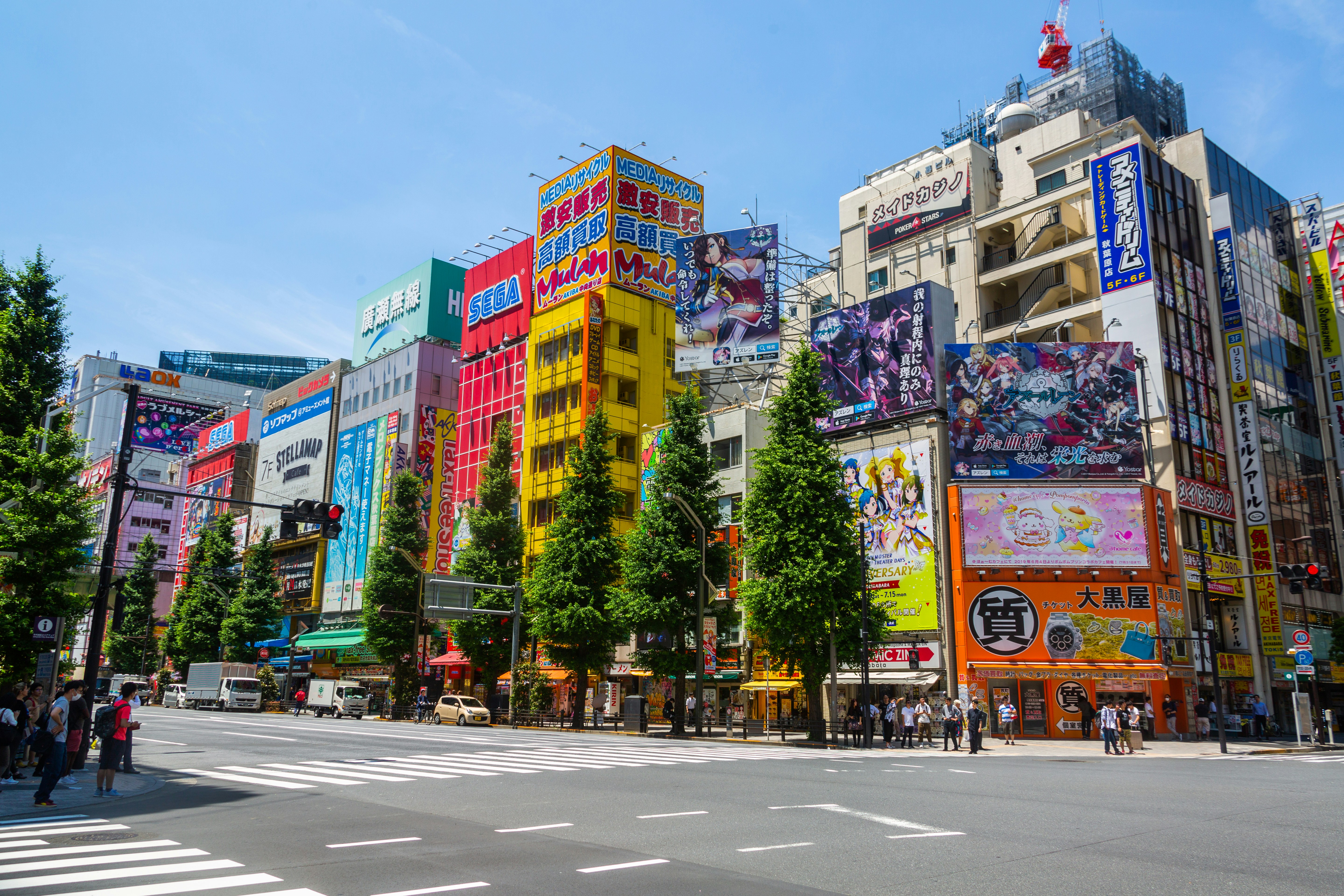
Akihabara ('Akiba') is the center of anime, manga, and otaku (geek) culture: multi-story electronics stores, anime shops, maid cafes, arcades, and adult goods stores. It's sensory overload—neon signs, cosplayers, and blaring J-pop. You can buy anything from retro video games to the latest tech gadgets. Maid cafes are surreal—waitresses in maid costumes serve food with performances. It's weird, wonderful, and uniquely Tokyo. Not for everyone.
Must-Eat Spots
Sushi
寿司
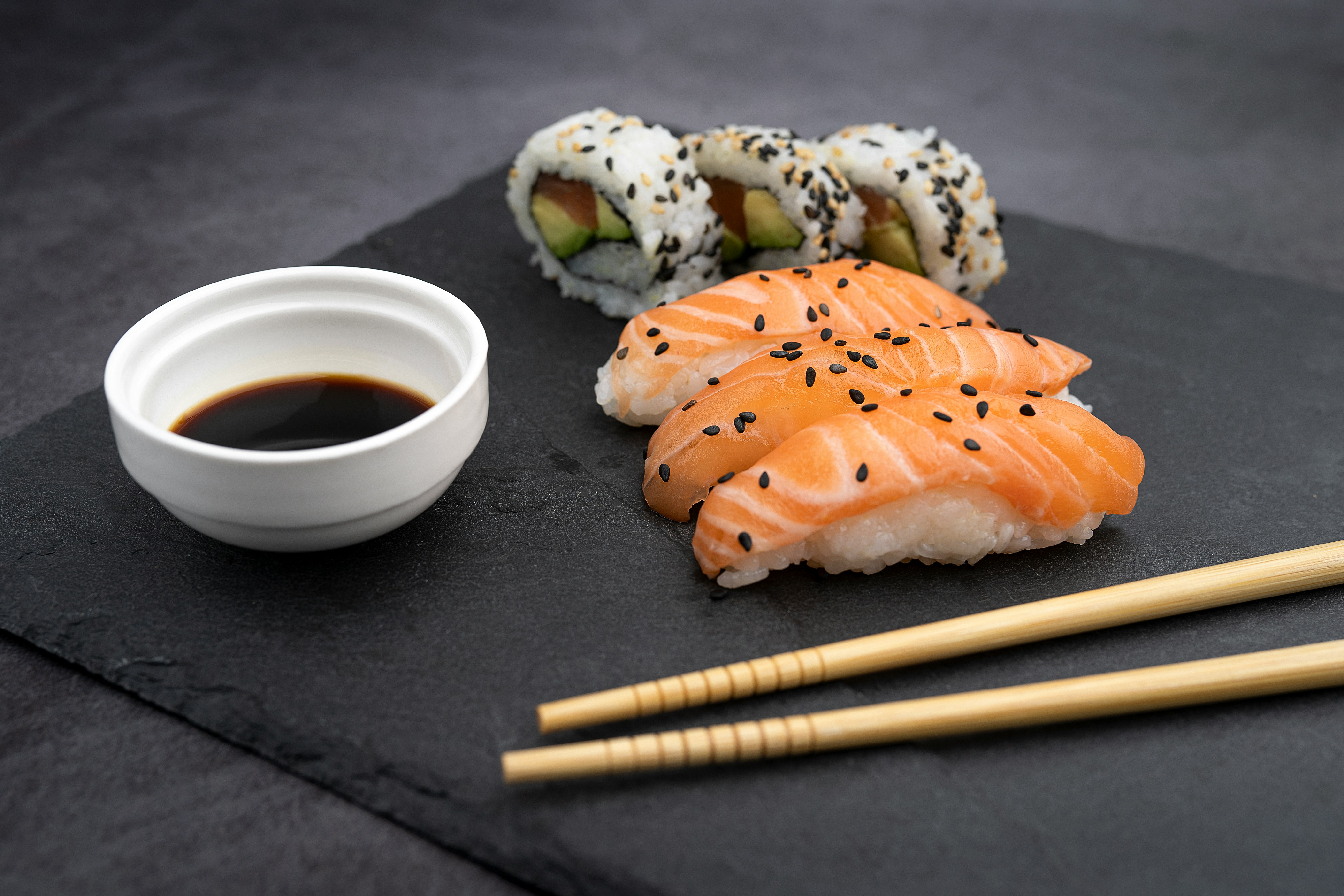
Sushi is fresh raw fish or seafood served over vinegared rice, sometimes with wasabi between the fish and rice. Tokyo is the global capital of sushi, from ultra-expensive omakase (chef's choice tasting menus at counters like Sukiyabashi Jiro) to affordable kaiten-zushi (conveyor belt sushi). Each piece is meant to be eaten in one bite. Don't mix wasabi into soy sauce—it's already in the sushi.
Ramen
ラーメン
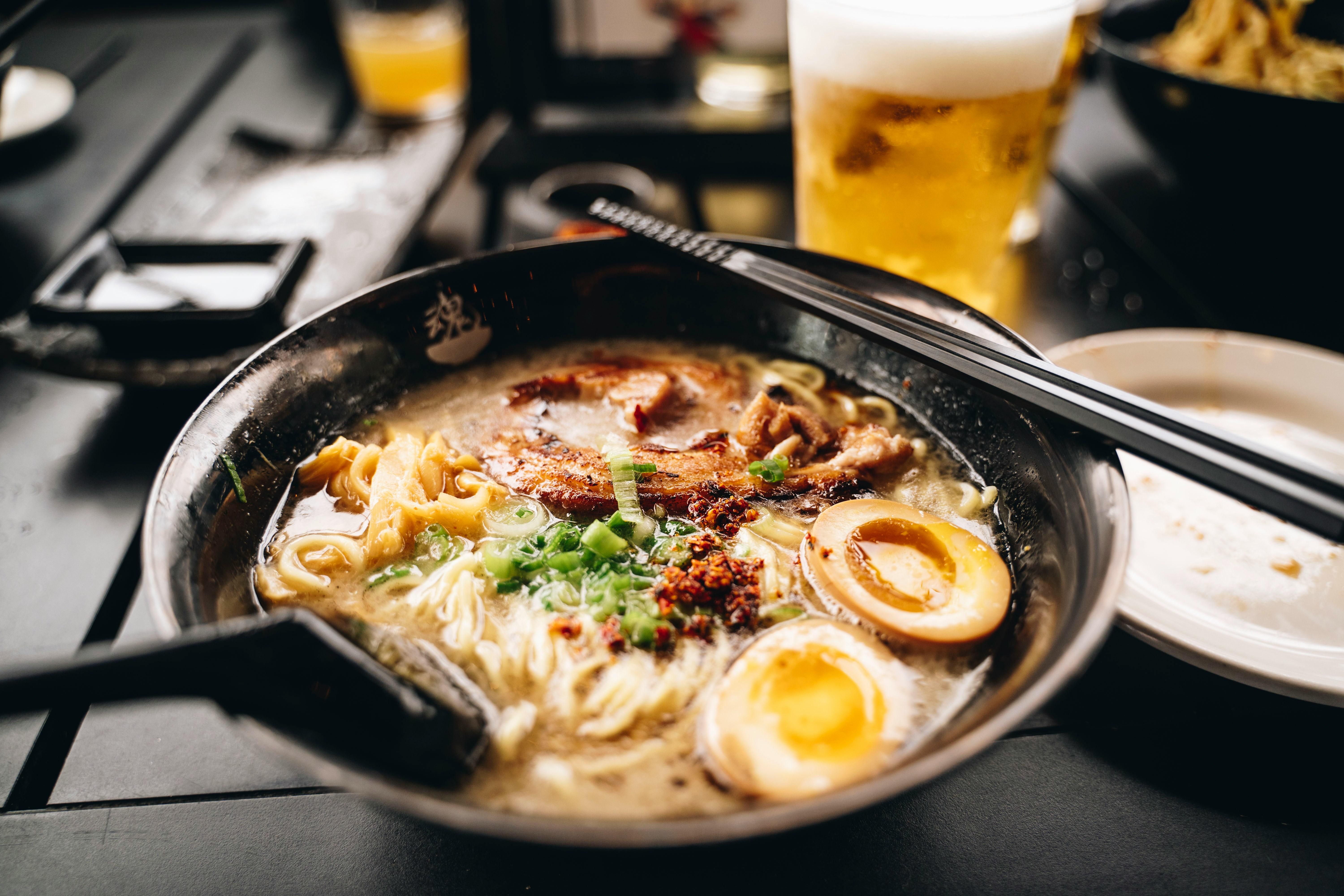
Ramen is Tokyo's soul food: wheat noodles in rich broth (shoyu soy sauce, miso, tonkotsu pork bone, or shio salt) with toppings like chashu pork, soft-boiled egg, nori, and green onions. It's fast, cheap (¥800-1,200), and consumed solo at counters. Slurping is encouraged—it cools the noodles and enhances flavor by aerating the broth. Most shops require ordering via ticket vending machines before sitting.
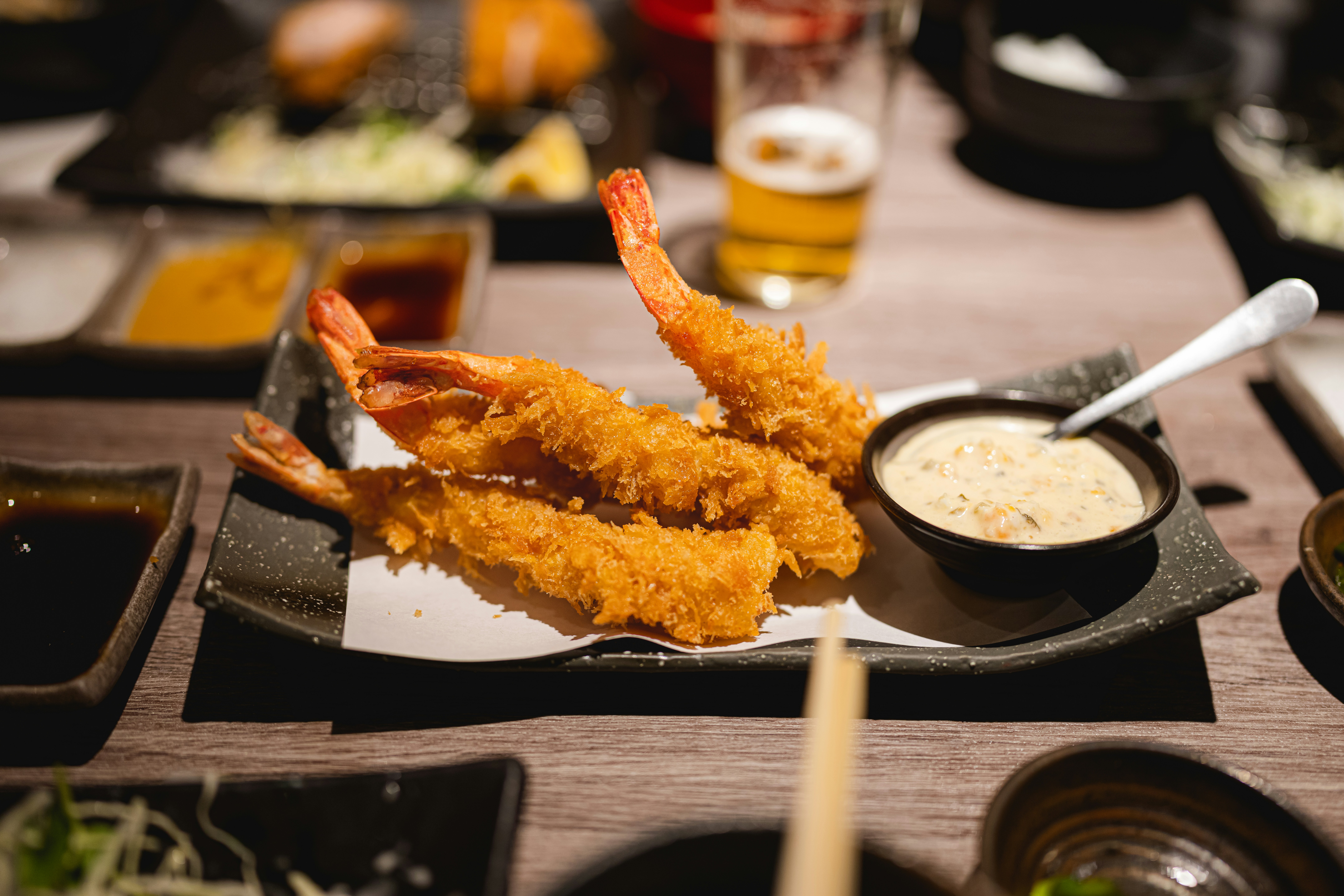
Tempura
天ぷら
Tempura is seafood or vegetables battered in a light, airy coating and deep-fried at precise temperatures (160-180°C) until crispy but not greasy. Common items: ebi (shrimp), anago (sea eel), shiitake mushrooms, shiso leaves, and sweet potato. Served over rice (tendon) or with dipping sauce (tentsuyu). High-end tempura restaurants serve each piece individually as it's fried. The batter should shatter on first bite.
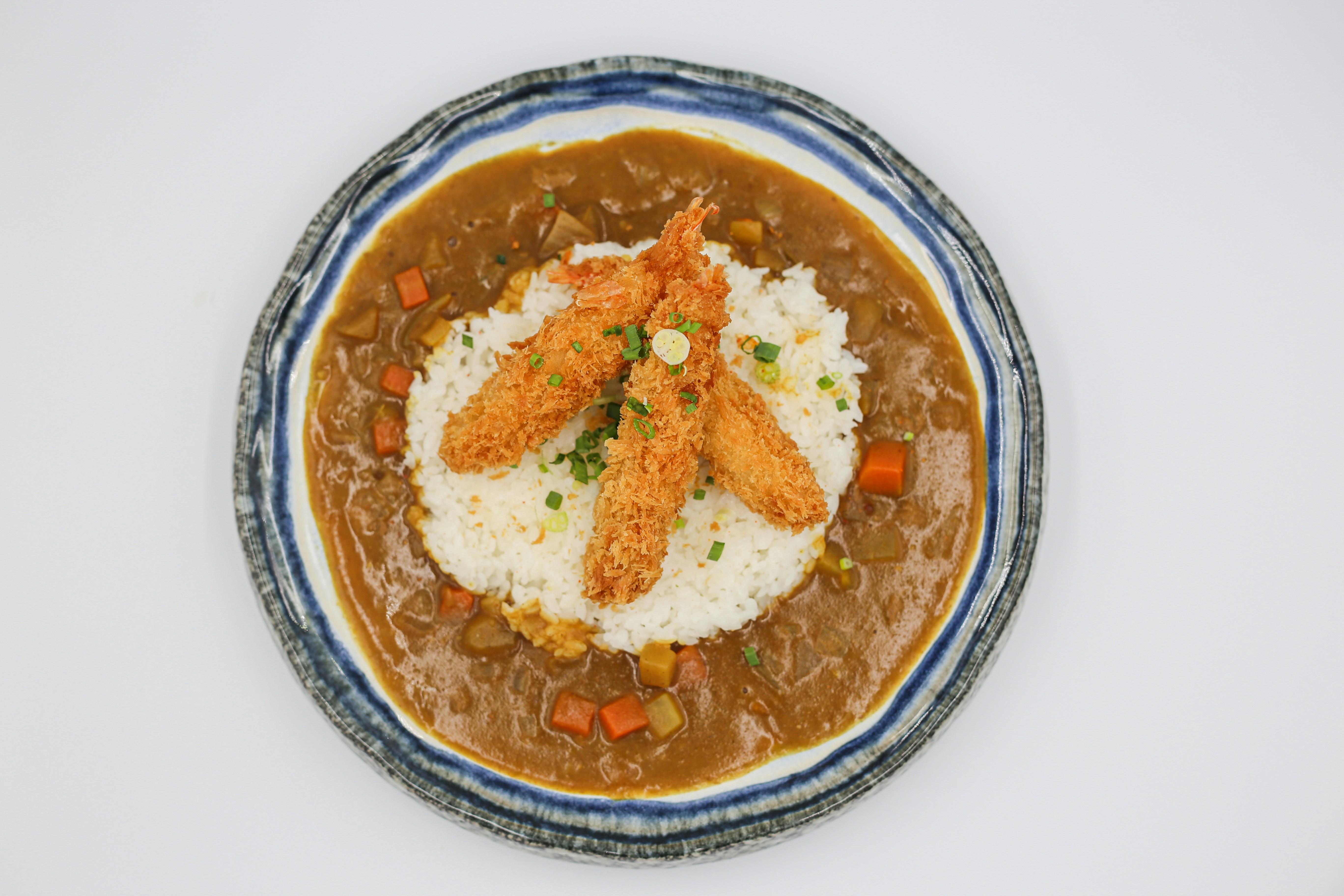
Japanese Curry
カレーライス
Japanese curry (kare raisu) is thick, mild, slightly sweet, and completely different from Indian or Thai curry. It's made with a roux base containing curry powder, flour, and oil, resulting in a gravy-like consistency. Served over rice with toppings like pork cutlet (katsu curry), chicken, or vegetables. CoCo Ichibanya is the ubiquitous chain where you customize spice levels (1-10) and toppings. It's comfort food, not exotic.
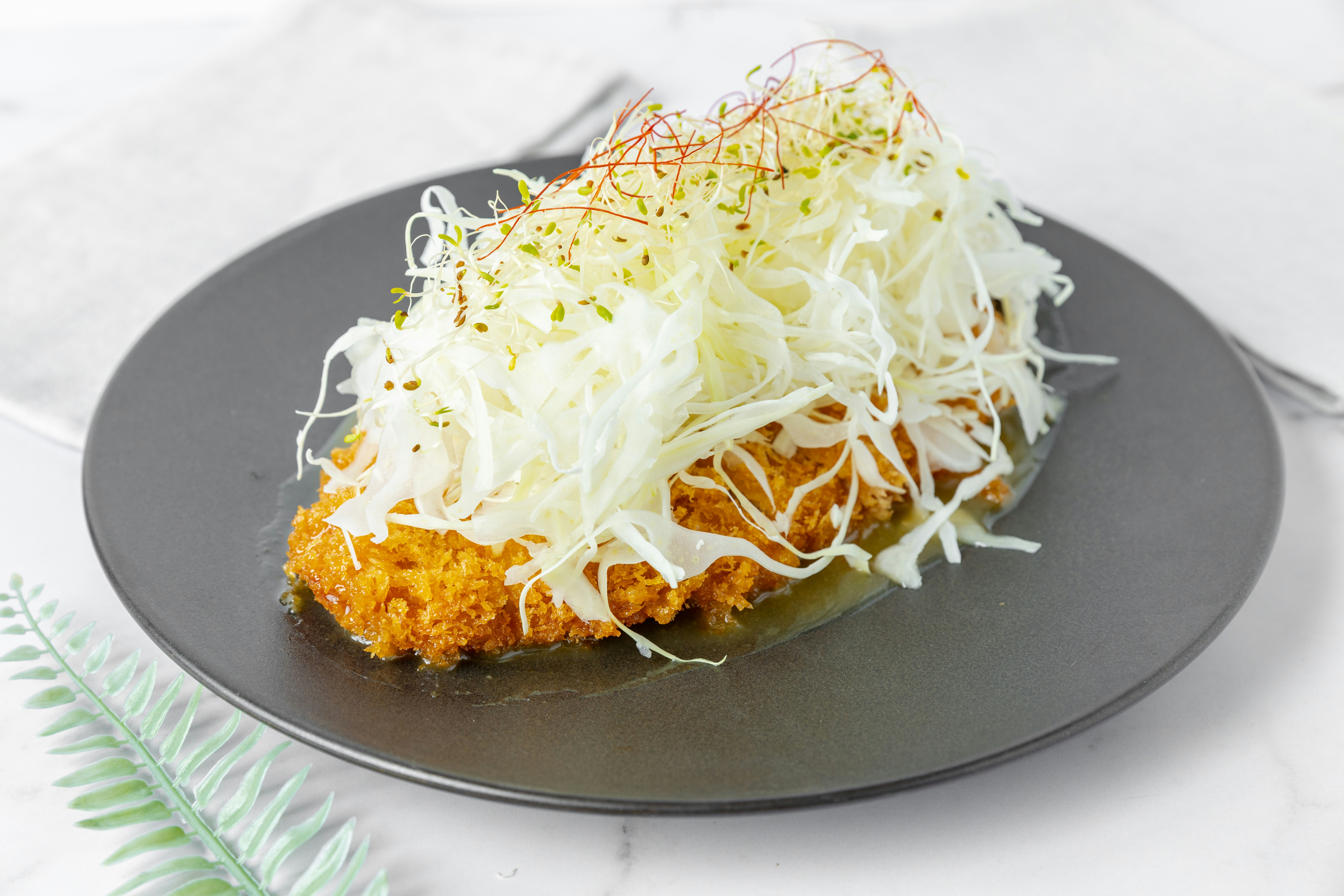
Tonkatsu
とんかつ
Tonkatsu is a breaded, deep-fried pork cutlet (usually loin or fillet) pounded thin, coated in panko breadcrumbs, and fried at precise temperatures for a crispy exterior and juicy interior. Served with shredded cabbage (eaten with sesame dressing), miso soup, rice, and tonkatsu sauce (thick, sweet-savory). The breading should shatter; the pork should be tender and pale pink inside. It's surgical precision applied to fried pork.
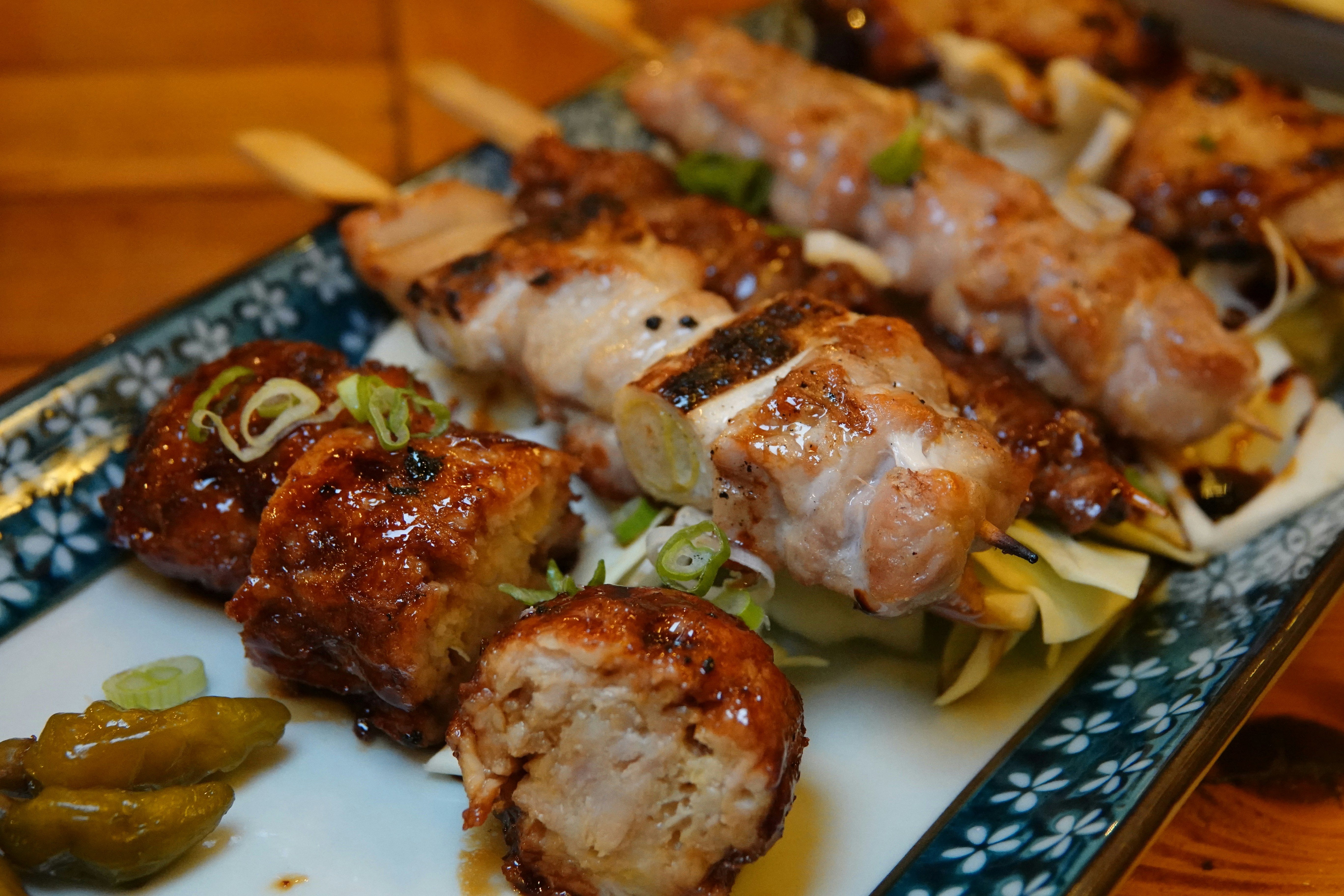
Yakitori
焼き鳥
Yakitori is grilled chicken skewers cooked over binchotan charcoal, giving a smoky flavor. Not just breast meat—try thigh (momo), skin (kawa), liver (reba), heart (hatsu), gizzard (sunagimo), and meatballs (tsukune). Ordered 'tare' (sweet soy glaze) or 'shio' (salt). It's the quintessential after-work food, eaten standing at casual joints or sitting in smoke-filled alleys, paired with beer or highballs.