Must-See Attractions
Morning Markets
Mercato Rionale
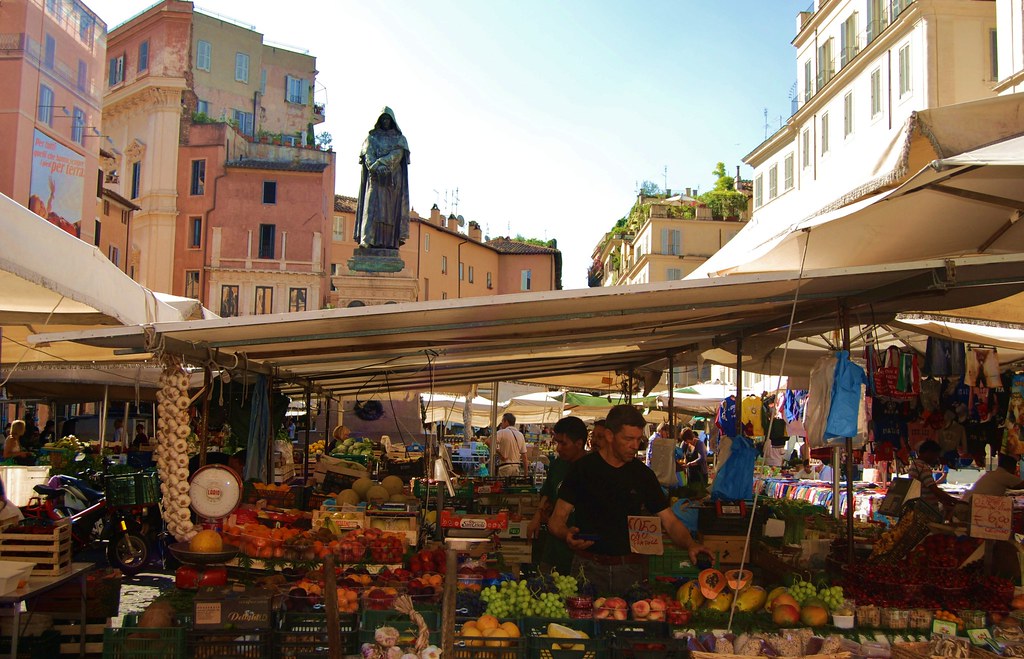
Mercato rionale are neighborhood markets where Romans buy fresh produce daily—loud, functional affairs that close by 2pm. Vendors shout prices, argue with regulars, and sell seasonal ingredients. Romans shop daily because refrigerators are small and the tradition is to buy what's seasonal and eat it that day.
Rome by Night
Roma di Notte
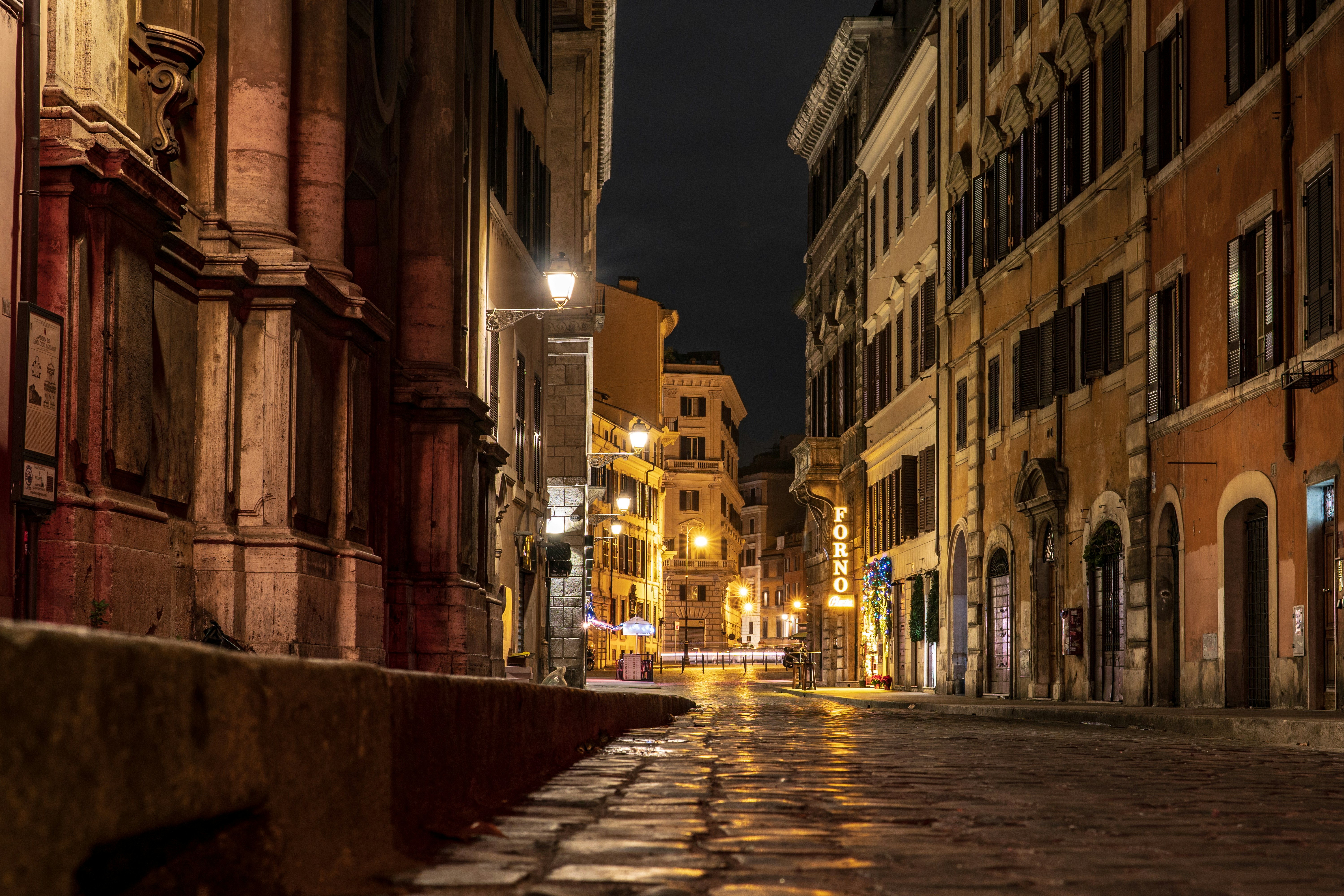
Rome transforms after dark with dramatically lit ancient ruins, cooler air, and piazzas filled with locals. Night walks have been a tradition since the Grand Tour era (1600s-1800s). The daytime crowds disappear and the city belongs to locals again.
Colosseum
Colosseo
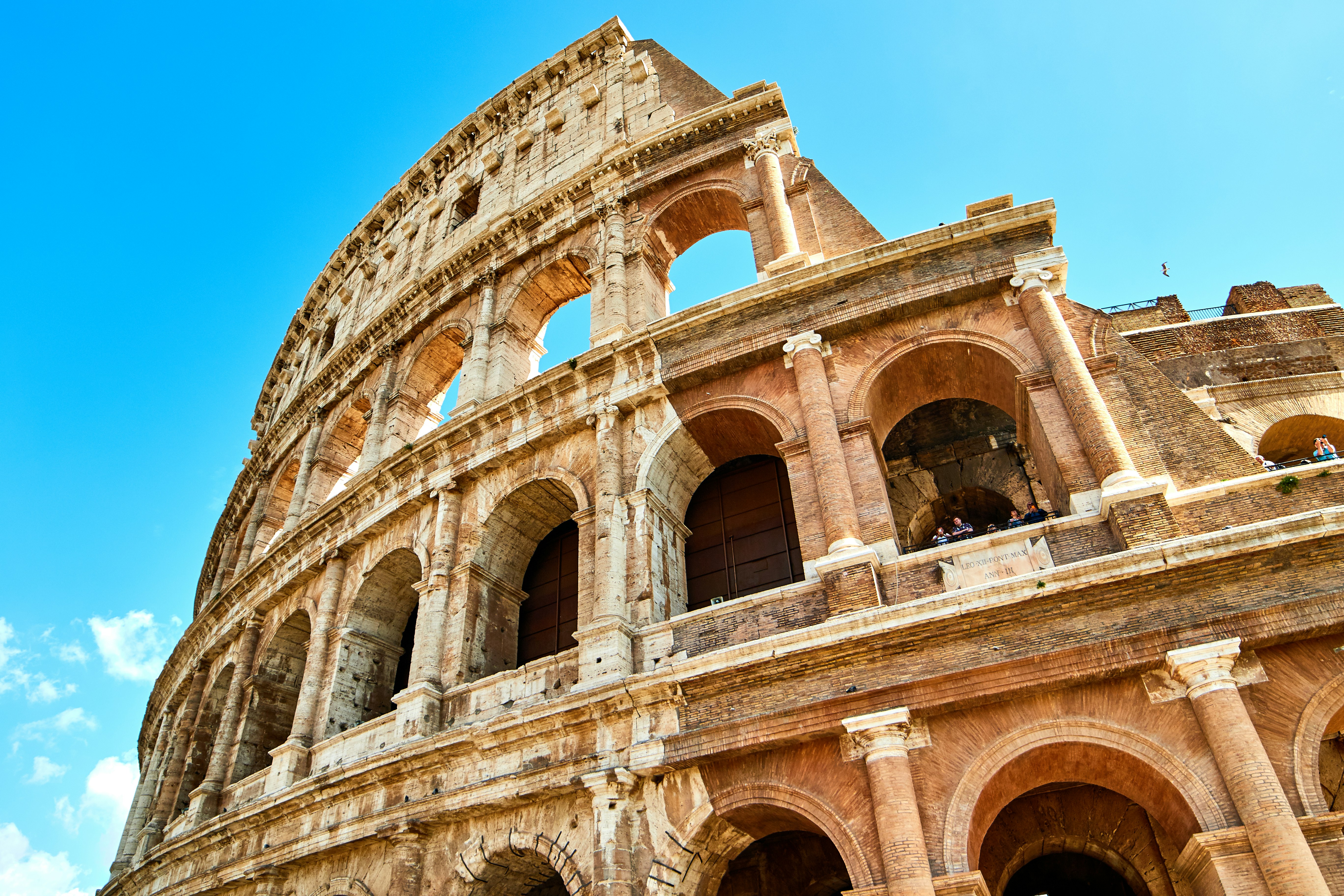
The Colosseum is the largest amphitheater ever built, constructed between 70-80 AD to hold 50,000-80,000 spectators for gladiatorial combat, animal hunts, and executions. The floor could be flooded for mock naval battles. It's Italy's most-visited monument and the defining symbol of ancient Rome's power.
Pantheon
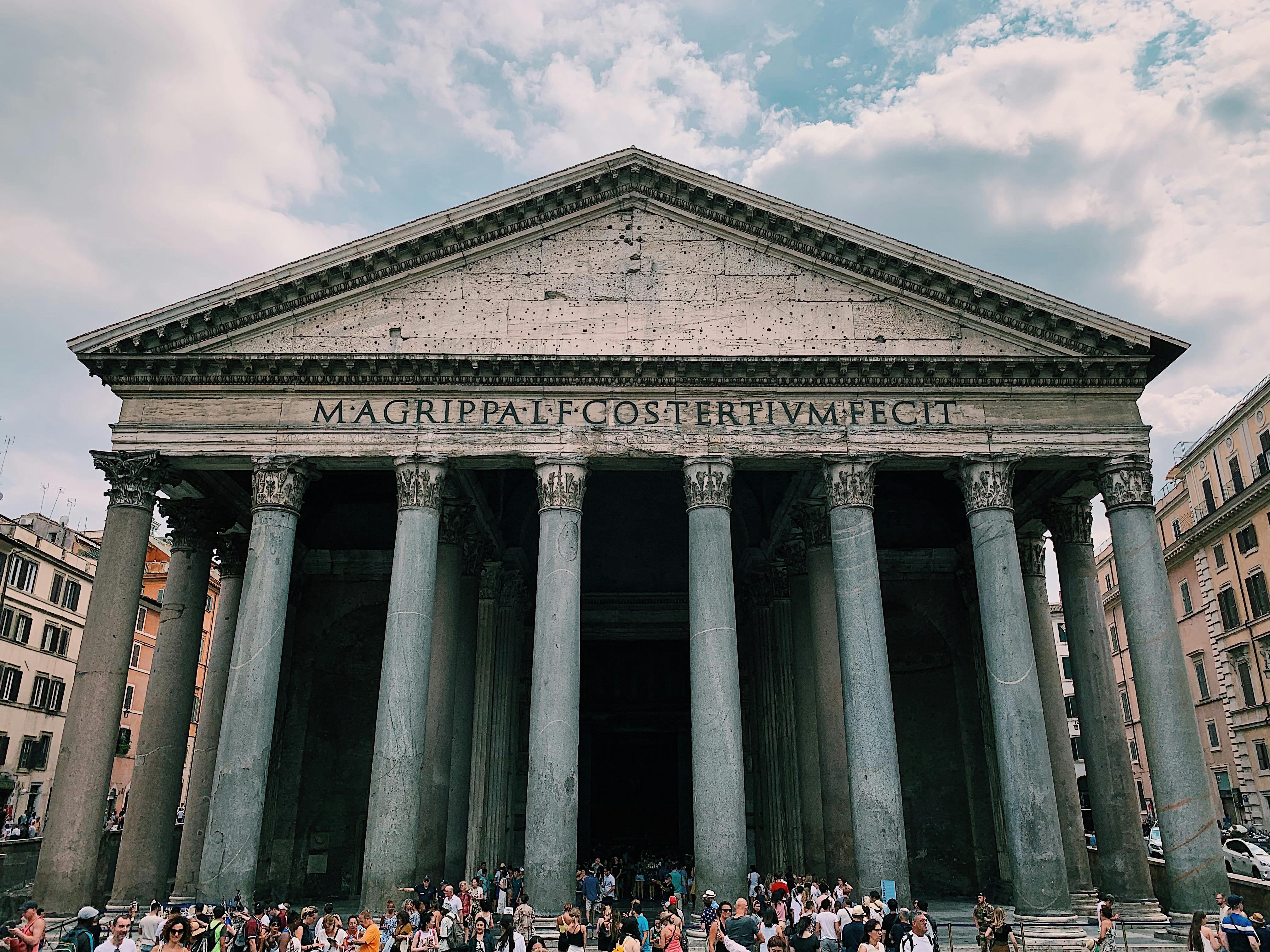
The Pantheon is the best-preserved building from ancient Rome, built in 126 AD by Emperor Hadrian. Its concrete dome remained the world's largest unreinforced dome for 1,300 years. The oculus (9-meter hole at the dome's peak) is the only light source and lets rain fall directly onto the marble floor with drainage holes.
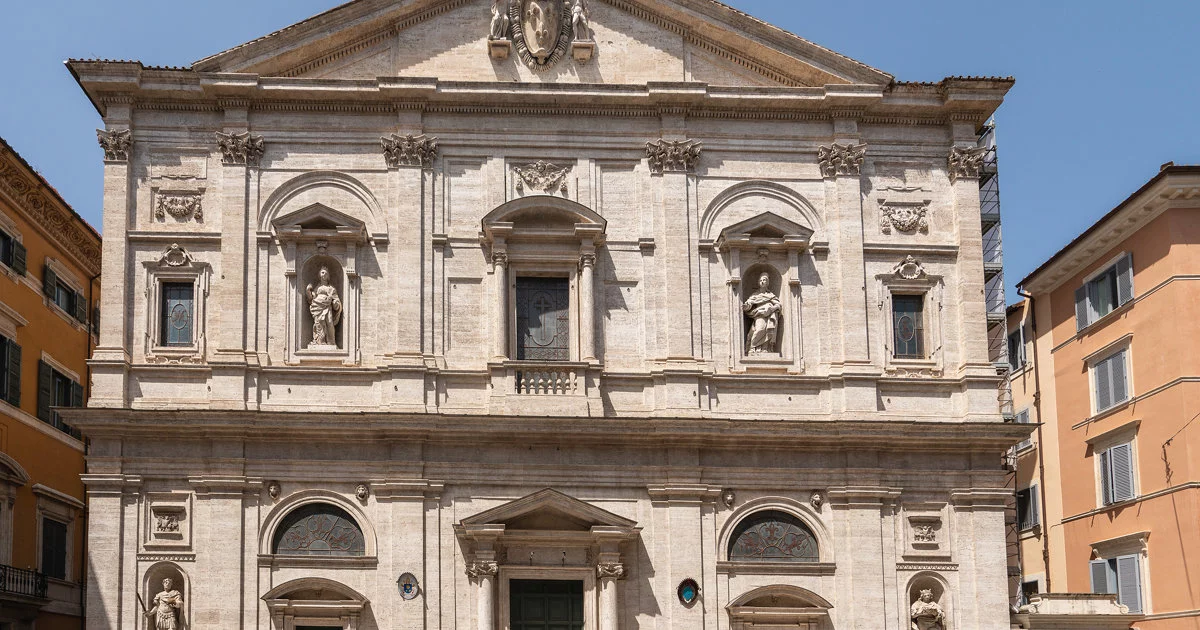
San Luigi dei Francesi
San Luigi
San Luigi dei Francesi is a church containing three massive Caravaggio paintings in the Contarelli Chapel: The Calling, The Inspiration, and The Martyrdom of St. Matthew (1599-1602). These paintings revolutionized art with their dramatic use of light and shadow. Entry is free, making it one of Rome's best art bargains.
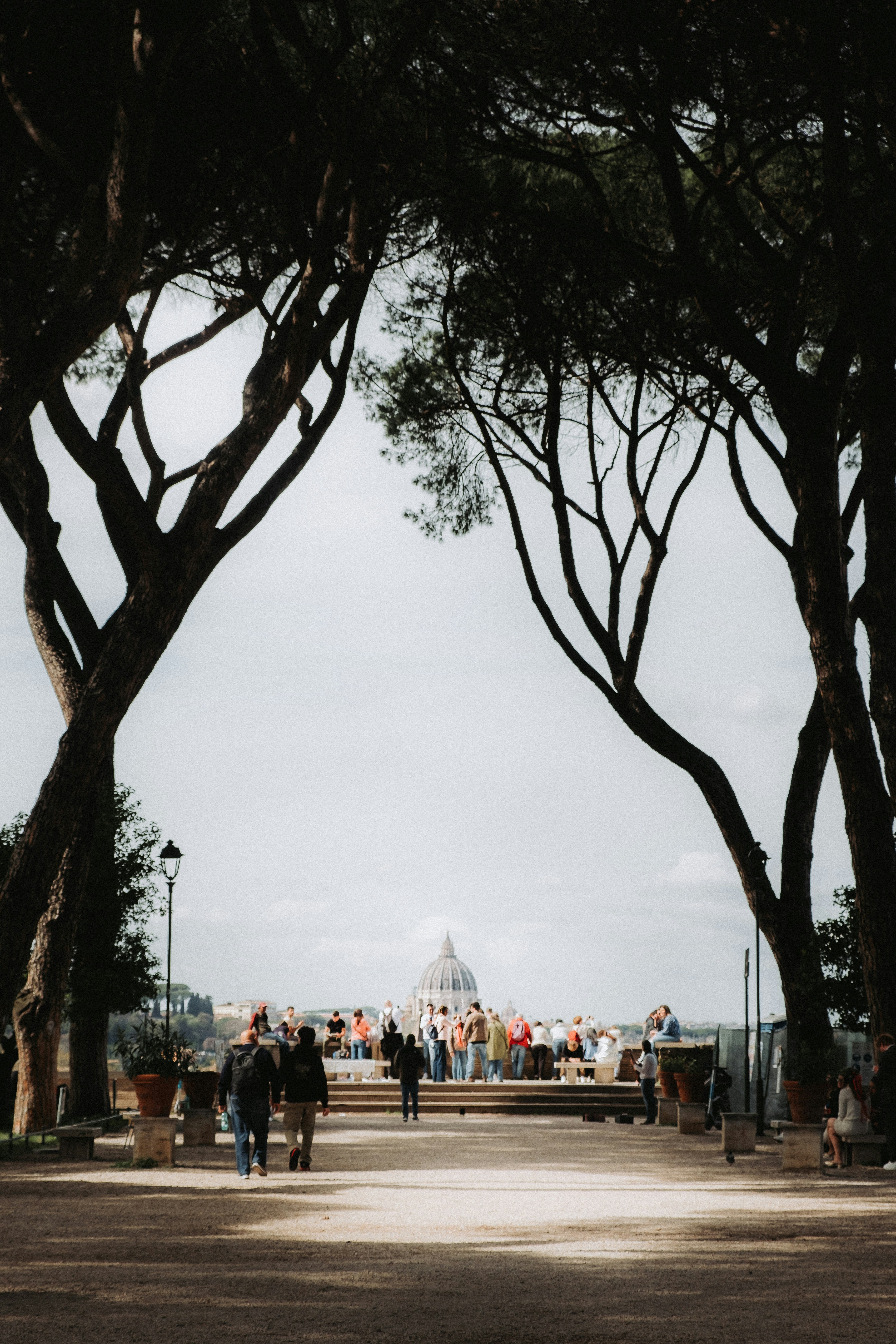
The Orange Garden
Giardino degli Aranci
The Orange Garden is a small hilltop park on the Aventine Hill with the best sunset view in Rome: St. Peter's dome perfectly framed by pine trees across the Tiber. The garden was created in 1932 when the city planted bitter orange trees (not edible). It's a local secret for sunset, though increasingly popular.
Must-Eat Spots
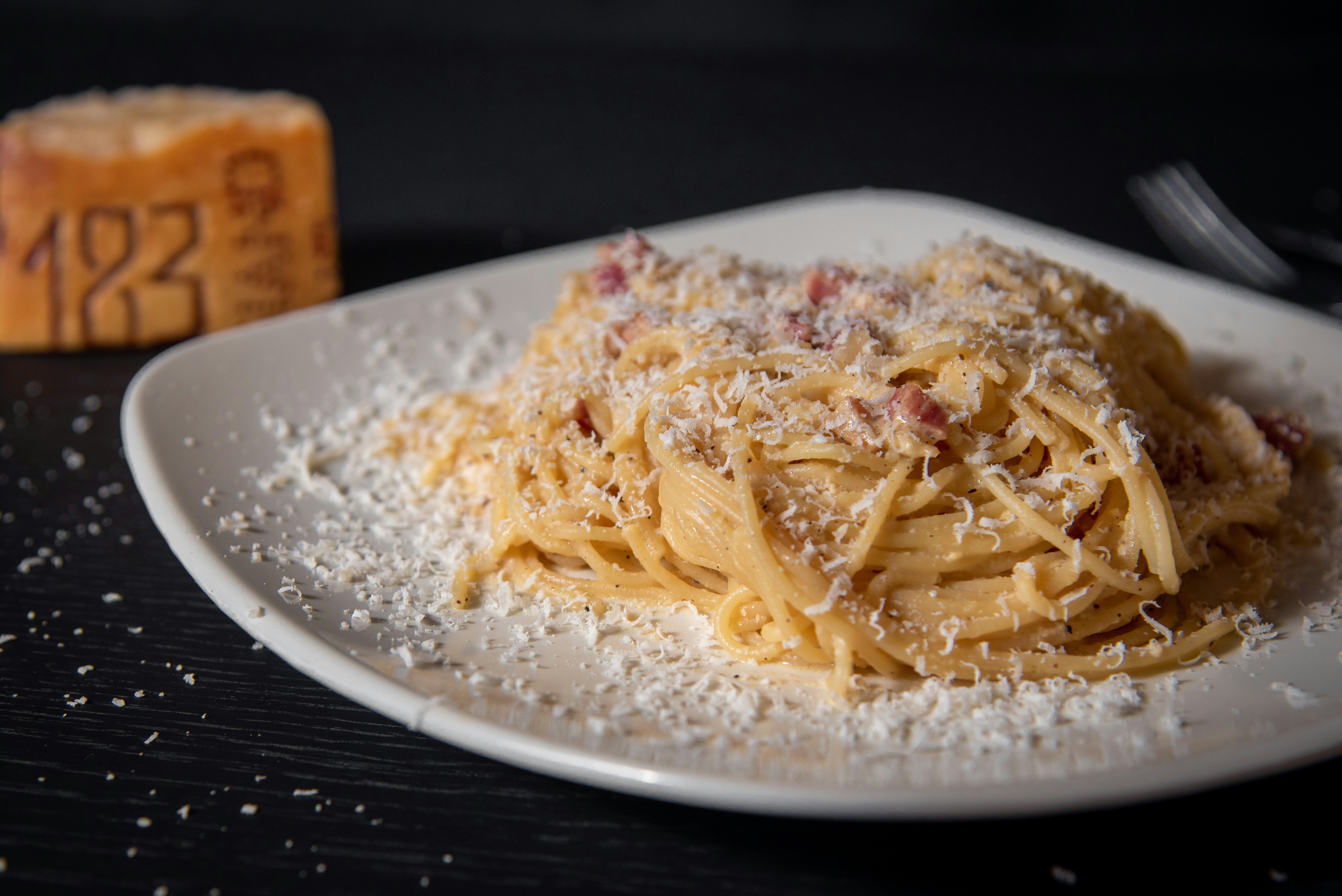
Carbonara
Carbonara is a Roman pasta dish made with egg yolks, Pecorino Romano cheese, guanciale (cured pork cheek), and black pepper—absolutely no cream. The heat of the pasta cooks the raw egg into a silky, creamy sauce that coats each strand. It's Rome's most iconic dish, fiercely protected by locals who consider adding cream a culinary crime.
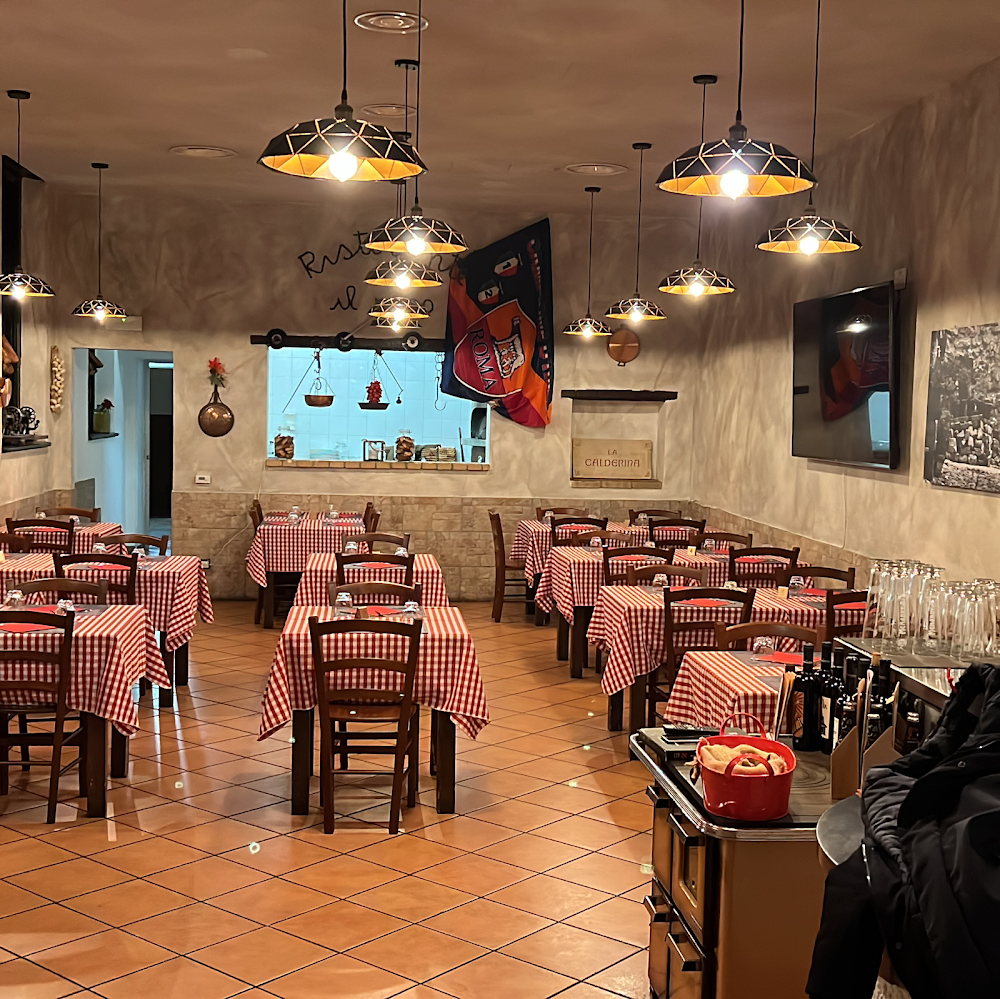
The Trattoria Rule
Trattoria Romana
A trattoria is a family-run, casual Italian restaurant serving simple regional food at affordable prices, typically with paper tablecloths and handwritten menus. Real trattorias never advertise, never have English menus with photos, and never seat tourists preferentially. They're loud because Romans talk loudly, cramped because space is expensive, and serve food locals eat daily.
Fried Starters (Fritti)
I Fritti
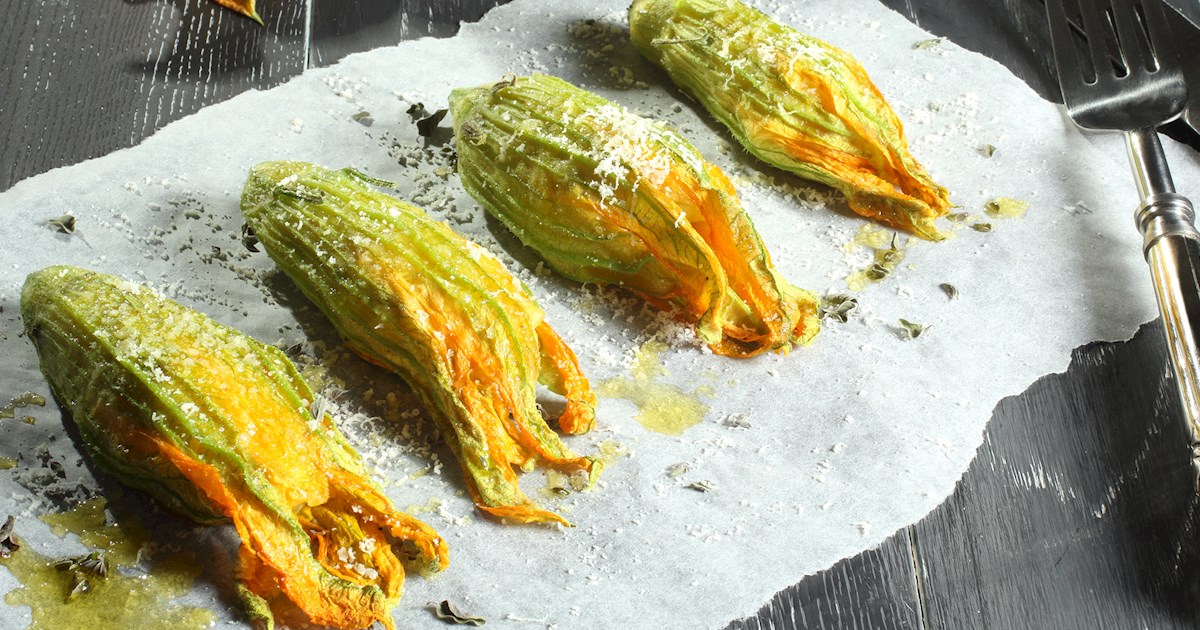
Fritti are fried appetizers served before pasta or pizza, including supplì (fried rice balls with mozzarella), fiori di zucca (fried zucchini flowers), and potato croquettes. They're crispy, hot, eaten with hands, and central to Roman dining. It's a social ritual: you order one plate for the table and everyone picks.
Cacio e Pepe
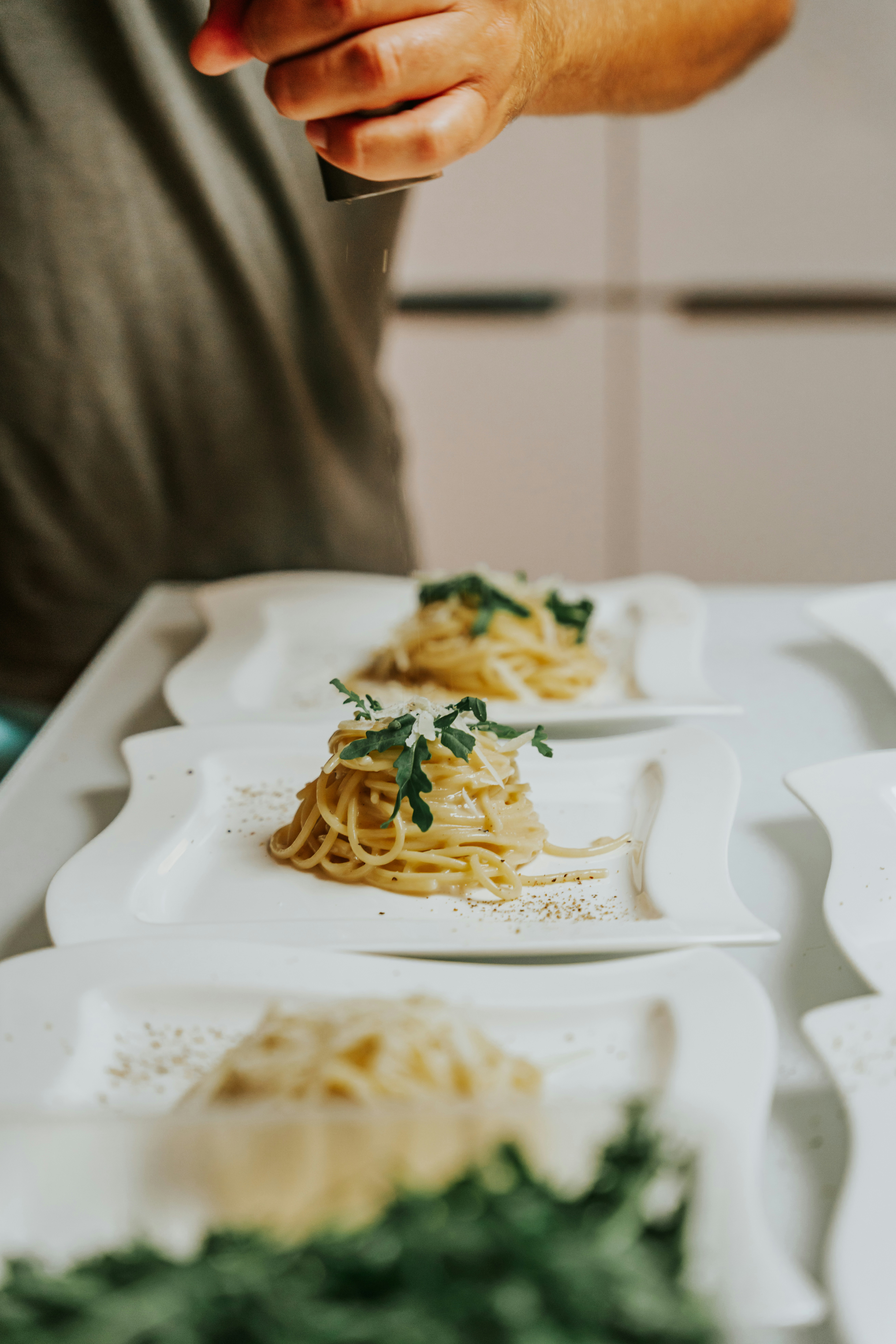
Cacio e Pepe is a minimalist Roman pasta with just three ingredients: pecorino cheese, black pepper, and pasta water. The cheese must be finely grated and tempered with hot pasta water to create a smooth emulsion, not clumps. Despite its simplicity, it requires extreme technical skill and has become a test of a restaurant's quality.