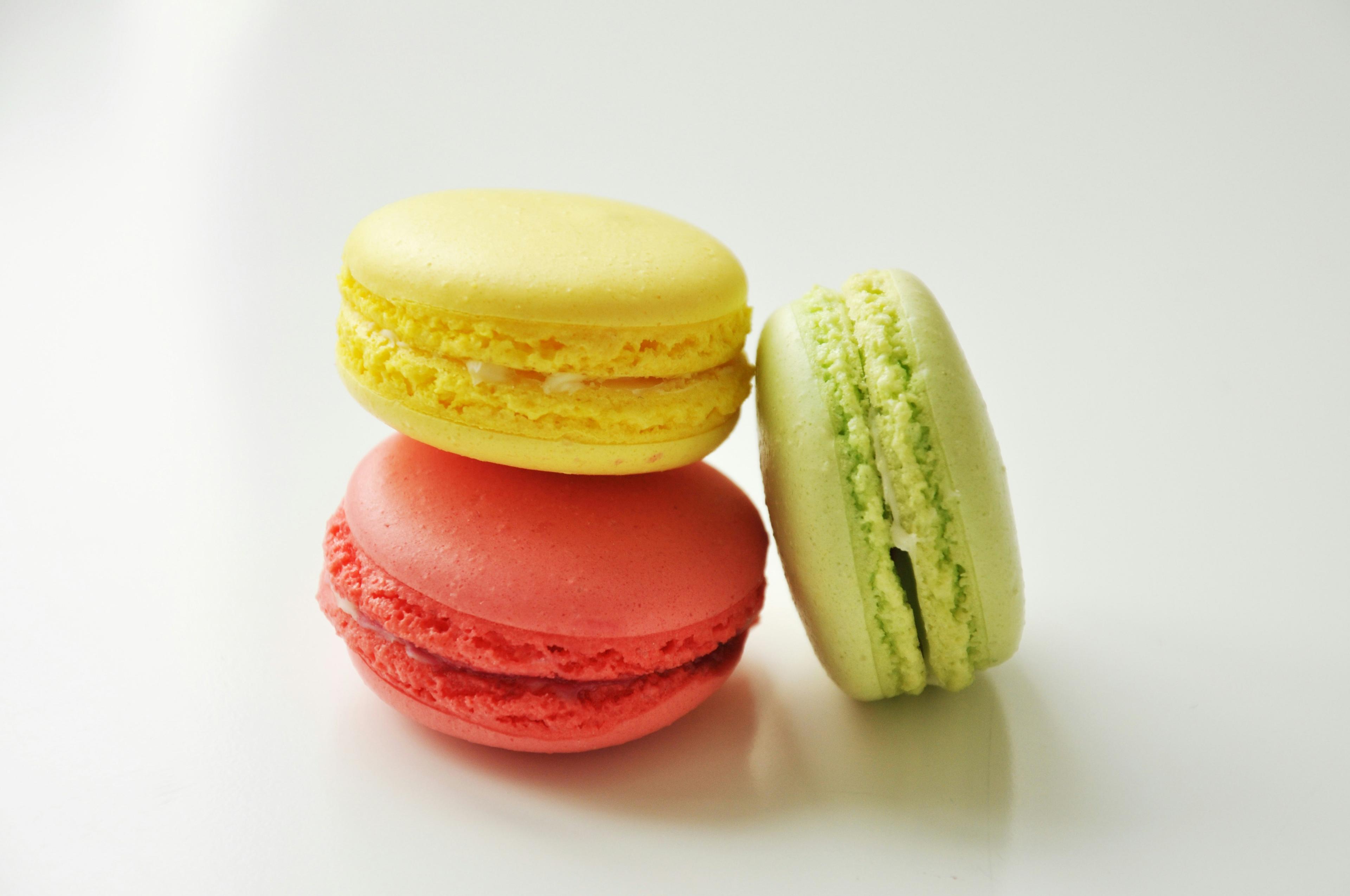
The Macaron
"The macaron is a delicate almond-based meringue cookie sandwich: two crisp-chewy shells with smooth ganache, buttercream, or jam filling. Not to be confused with coconut macaroons (American). Perfect macarons have a smooth, shiny shell, crisp exterior, chewy interior, and 'feet' (ruffled base). Flavors range from classic (vanilla, chocolate, pistachio) to seasonal (rose, salted caramel, yuzu). They're expensive (€2-3 each) but iconic."
Logistics
Moderate
Vibe
Elegant, delicate
Duration
5 minutes
Best For
Gifts
The Backstory
Macarons originated in Italy, arrived in France in the 1500s with Catherine de Medici. The Parisian ganache-filled version was created by Ladurée in 1930. Pierre Hermé elevated them to high art in the 1990s-2000s with inventive flavors (olive oil, foie gras). Now they're global symbols of French pâtisserie, though purists debate if modern versions are over-hyped.
Local Secret
"Ladurée (since 1862) is famous but touristy and overpriced (€2.90 each). Pierre Hermé is superior quality (€2.50 each). Local pâtisseries often have better value (€1.80-2 each) and less hype. Macarons should be stored in the fridge and eaten at room temperature after 20 minutes out. They're best eaten in 2-3 bites to appreciate texture. Don't buy them from supermarkets—they're stale and disappointing."
Gallery
You Might Also Like
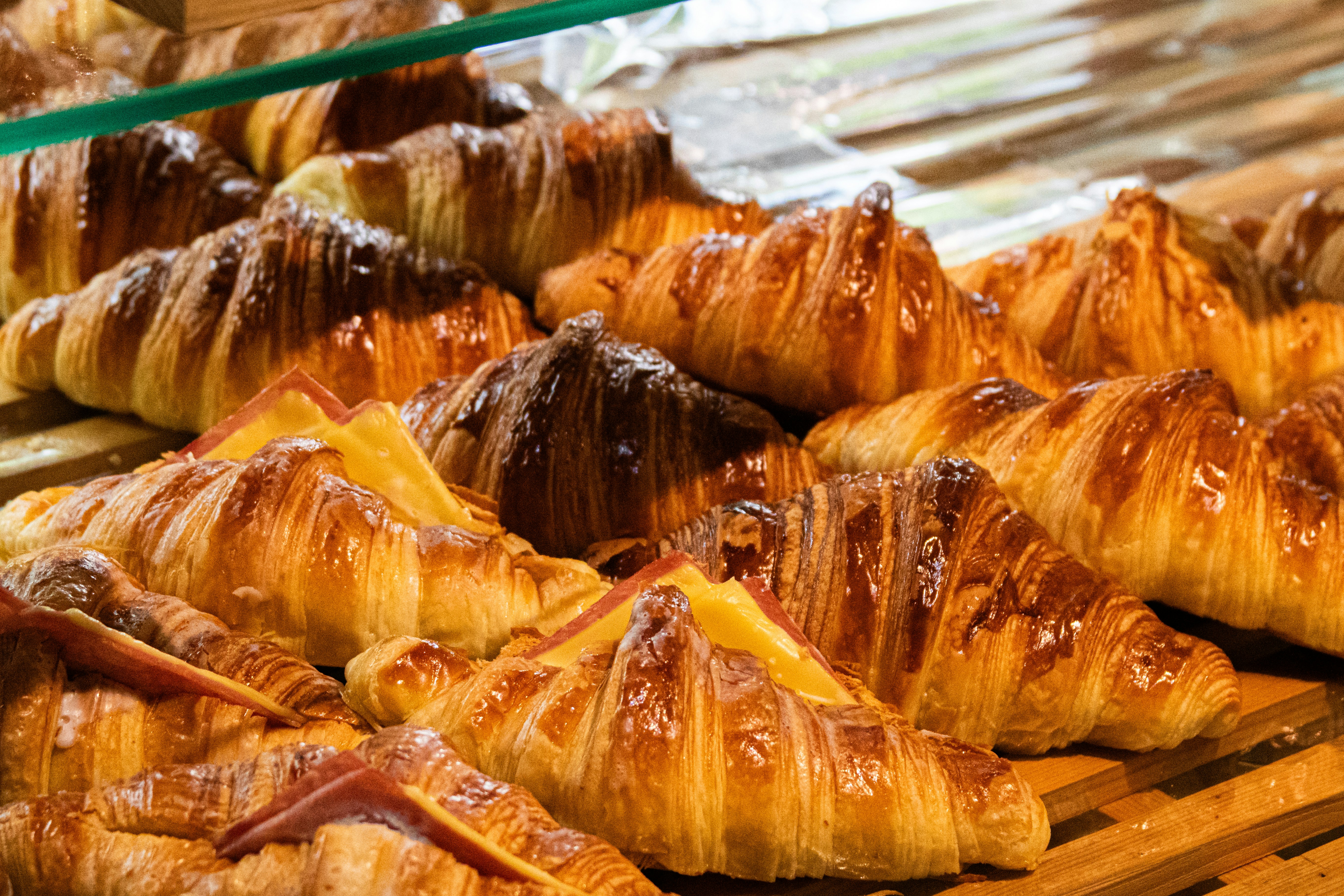
The Butter Croissant
Croissant au Beurre
The croissant au beurre is the quintessential French breakfast staple: a crescent-shaped laminated pastry made with pure butter (not margarine), creating its characteristic golden, flaky layers. A true croissant shatters when you bite it, releasing buttery steam. Straight croissants are 'ordinaire' (margarine), curved croissants are 'au beurre' (butter)—always choose curved. Best eaten warm from the bakery within hours of baking.
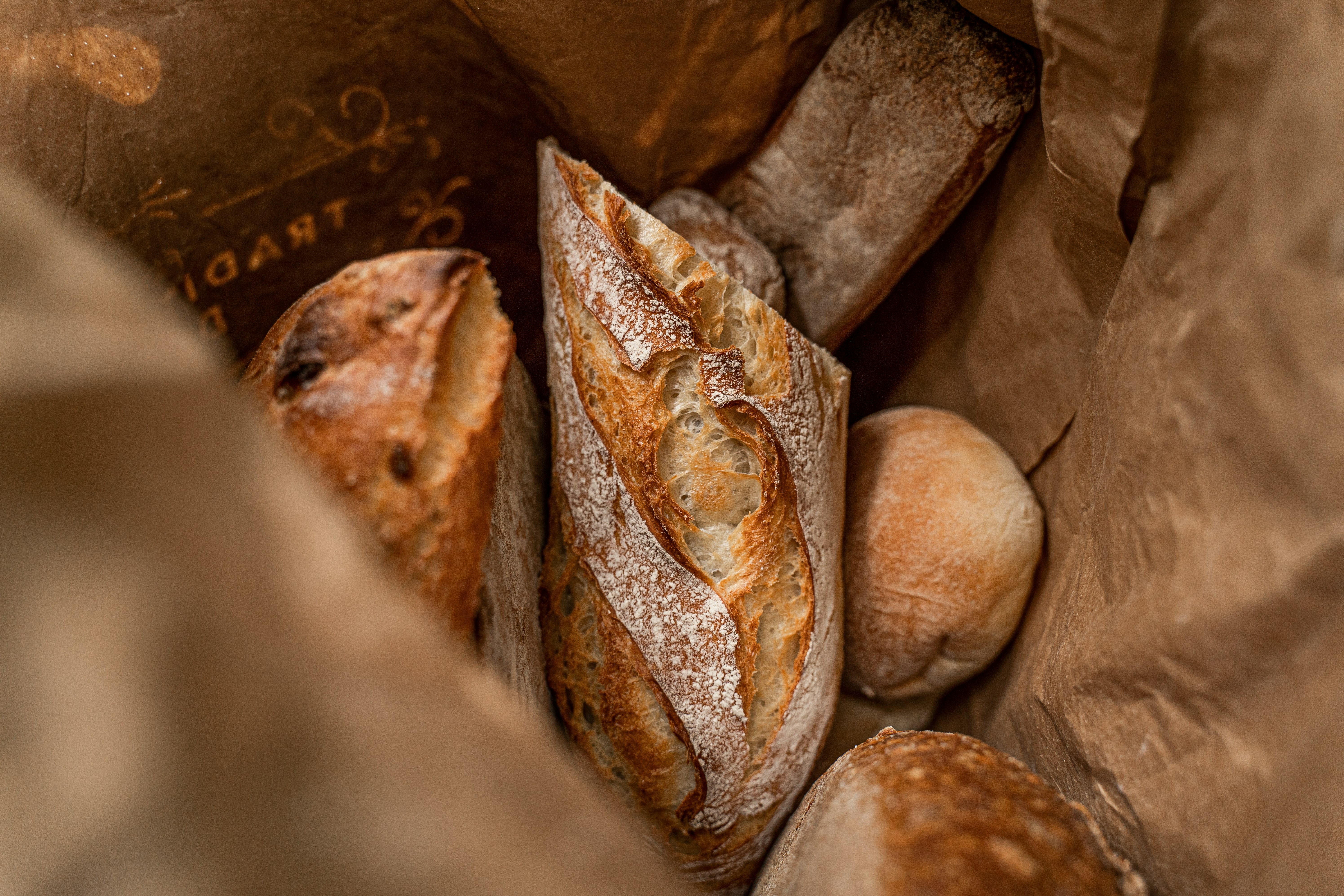
The Baguette
La Baguette Tradition
The baguette tradition is a long, thin loaf with a golden, crackly crust and a soft, airy interior with irregular holes. 'Tradition' means it's made by law with only four ingredients (flour, water, salt, yeast) and no additives—superior to regular baguettes. Locals buy them twice daily (morning and evening) because they go stale within hours. The perfect baguette sounds hollow when tapped, cracks when squeezed, and has a wheaty aroma.
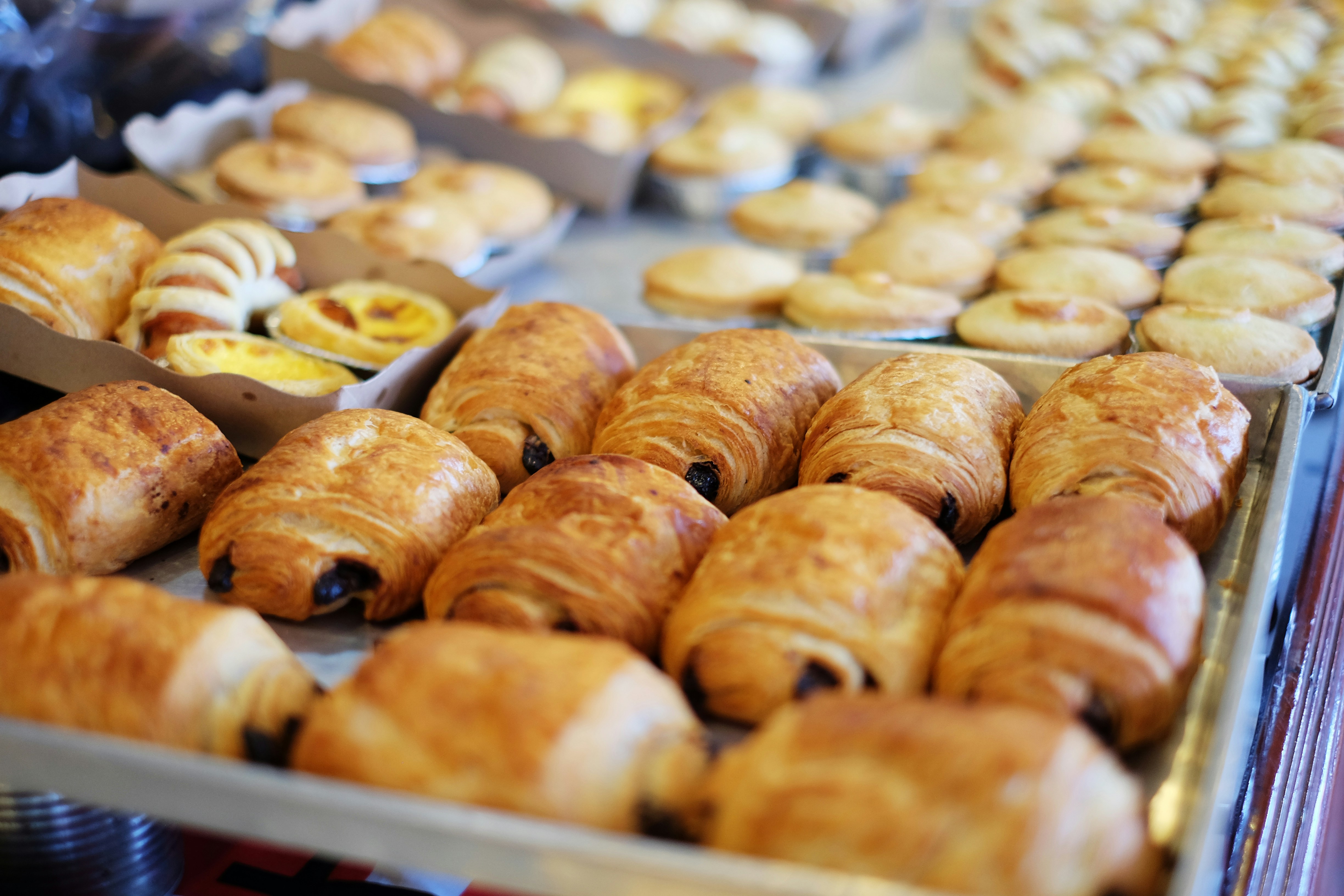
Pain au Chocolat
Pain au Chocolat / Chocolatine
Pain au chocolat is a rectangular croissant dough pastry with two sticks of dark chocolate baked inside. The dough is the same laminated butter dough as croissants, but shaped differently. When pulled apart, the chocolate should be melted and gooey, the dough flaky and buttery. It's France's second most popular breakfast pastry after croissants. In southwest France, it's controversially called 'chocolatine'—a divide that sparks genuine debates.