French Cheese Course
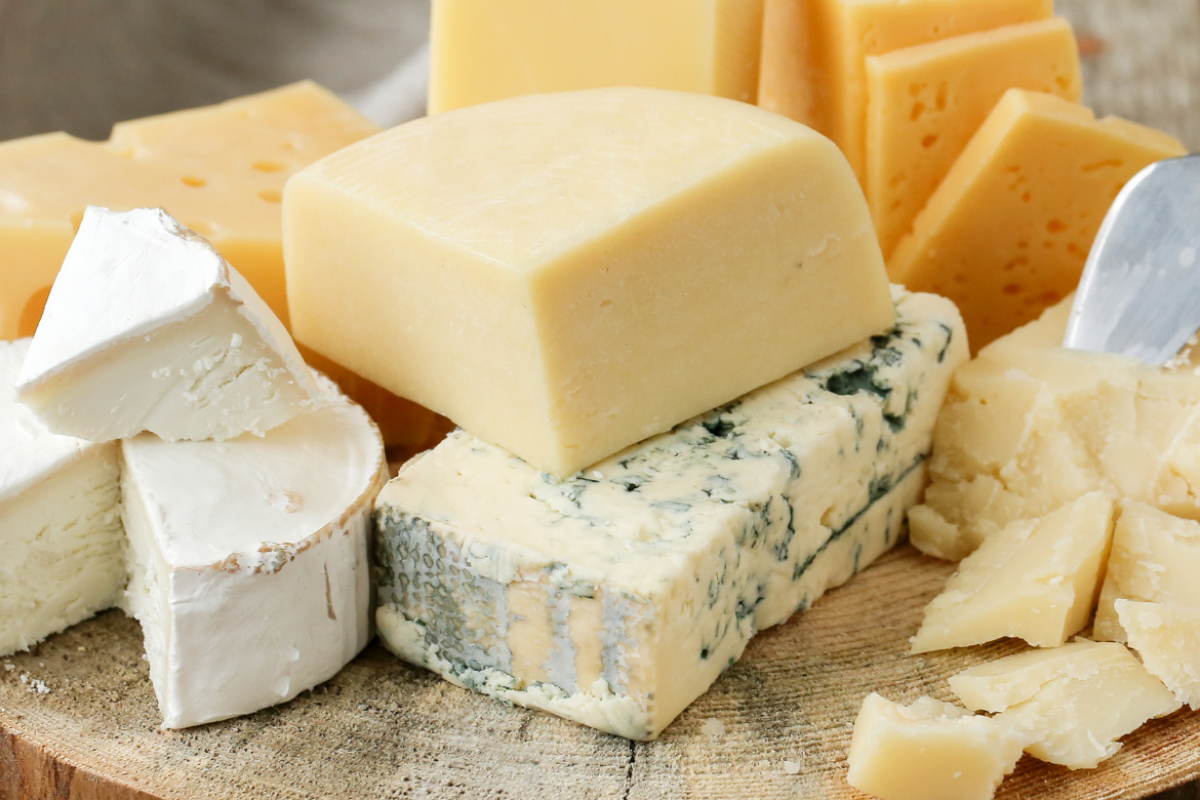
"In traditional French meals, cheese is served after the main course and before dessert—not as an appetizer. A cheese plate features 3-5 varieties representing different textures and flavors: fresh (chèvre goat cheese), soft (Brie, Camembert), hard (Comté, Beaufort), and blue (Roquefort). Eaten with bread, never crackers. The progression goes from mild to strong. It's meant to cleanse the palate and extend the wine course before dessert."
Logistics
Moderate
Vibe
Refined, traditional
Duration
20 minutes
Best For
Fine dining
The Backstory
The cheese course dates to the 1700s-1800s when multi-course meals became standard in bourgeois French dining. Serving cheese after the main course allows wine to continue flowing before sweet dessert wines. France produces 1,200+ cheeses—the most diverse cheese culture in the world. Each region has distinct varieties tied to local terroir and traditions.
Local Secret
"Cheese courses appear on formal restaurant menus, not casual bistros. Expect €12-18 for a selection. Eat from mildest (chèvre) to strongest (blue cheese). Cut cheese from the edge, never the tip ('nose'). Use bread to cleanse palate between cheeses. Pair with red wine (Bordeaux, Burgundy) or white (Sancerre). Don't refrigerate cheese before eating—it should be room temperature. If you're full from dinner, skip the cheese course—it's optional."
Gallery
You Might Also Like
The Butter Croissant
Croissant au Beurre
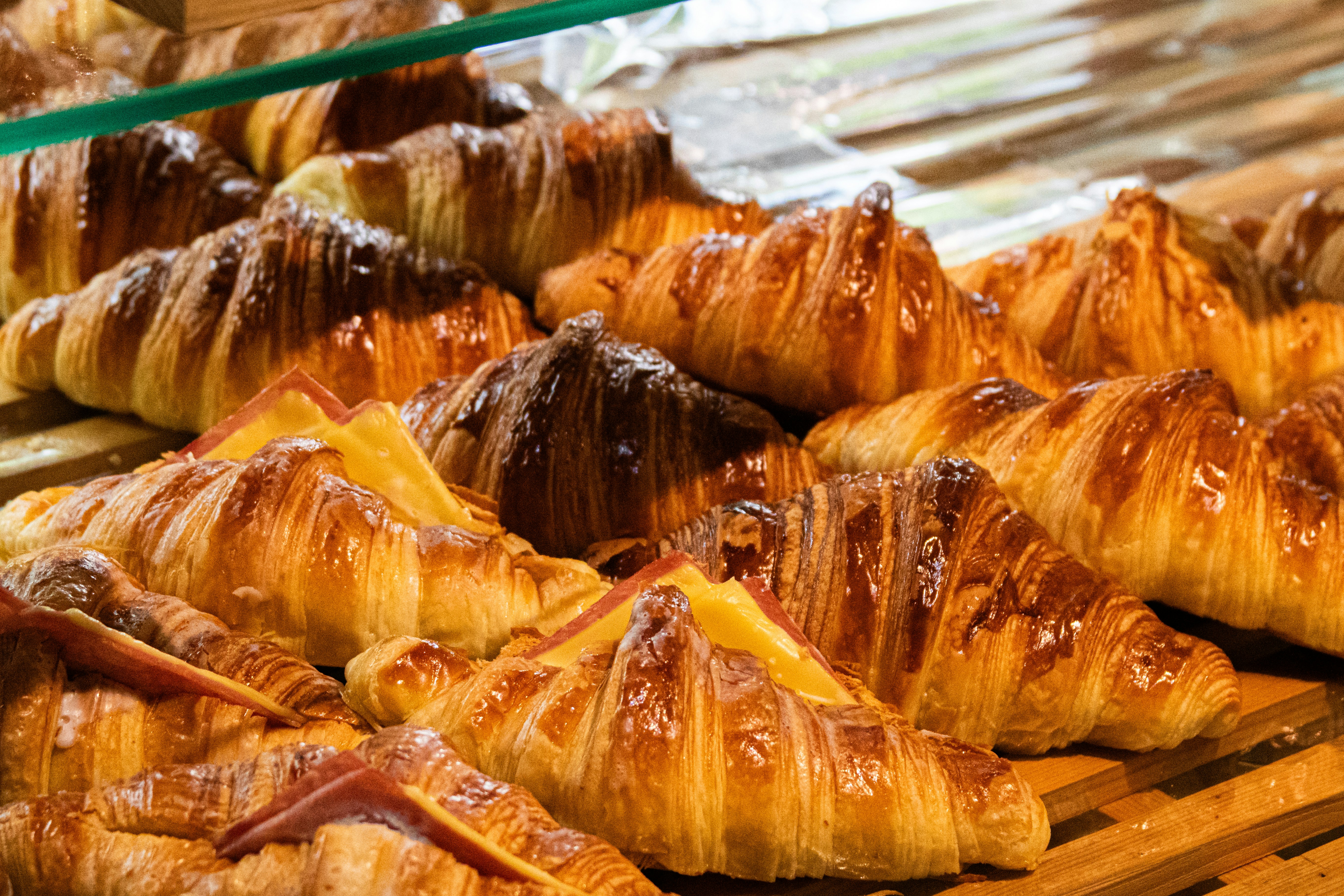
The croissant au beurre is the quintessential French breakfast staple: a crescent-shaped laminated pastry made with pure butter (not margarine), creating its characteristic golden, flaky layers. A true croissant shatters when you bite it, releasing buttery steam. Straight croissants are 'ordinaire' (margarine), curved croissants are 'au beurre' (butter)—always choose curved. Best eaten warm from the bakery within hours of baking.
The Baguette
La Baguette Tradition
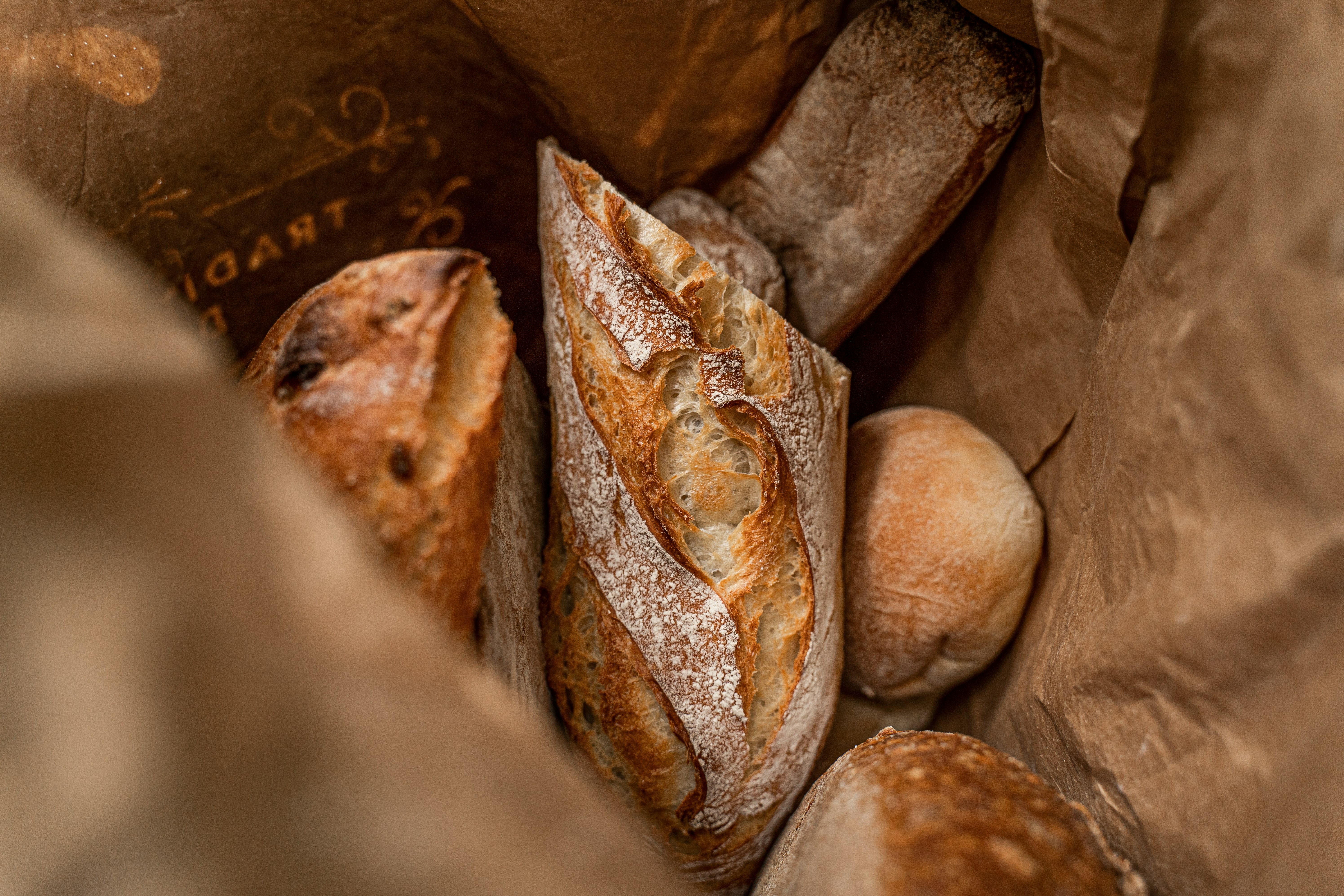
The baguette tradition is a long, thin loaf with a golden, crackly crust and a soft, airy interior with irregular holes. 'Tradition' means it's made by law with only four ingredients (flour, water, salt, yeast) and no additives—superior to regular baguettes. Locals buy them twice daily (morning and evening) because they go stale within hours. The perfect baguette sounds hollow when tapped, cracks when squeezed, and has a wheaty aroma.
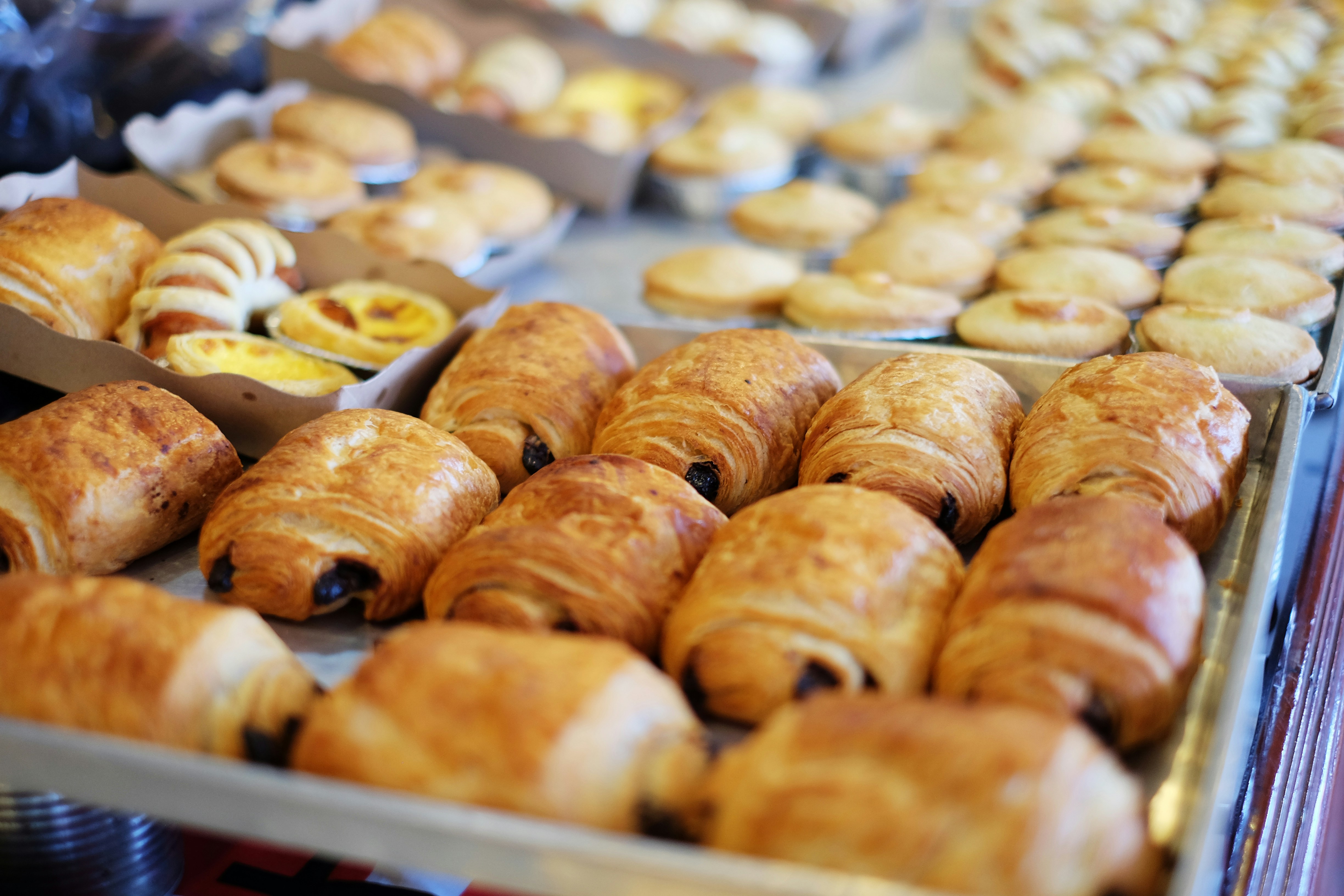
Pain au Chocolat
Pain au Chocolat / Chocolatine
Pain au chocolat is a rectangular croissant dough pastry with two sticks of dark chocolate baked inside. The dough is the same laminated butter dough as croissants, but shaped differently. When pulled apart, the chocolate should be melted and gooey, the dough flaky and buttery. It's France's second most popular breakfast pastry after croissants. In southwest France, it's controversially called 'chocolatine'—a divide that sparks genuine debates.