Must-See Attractions
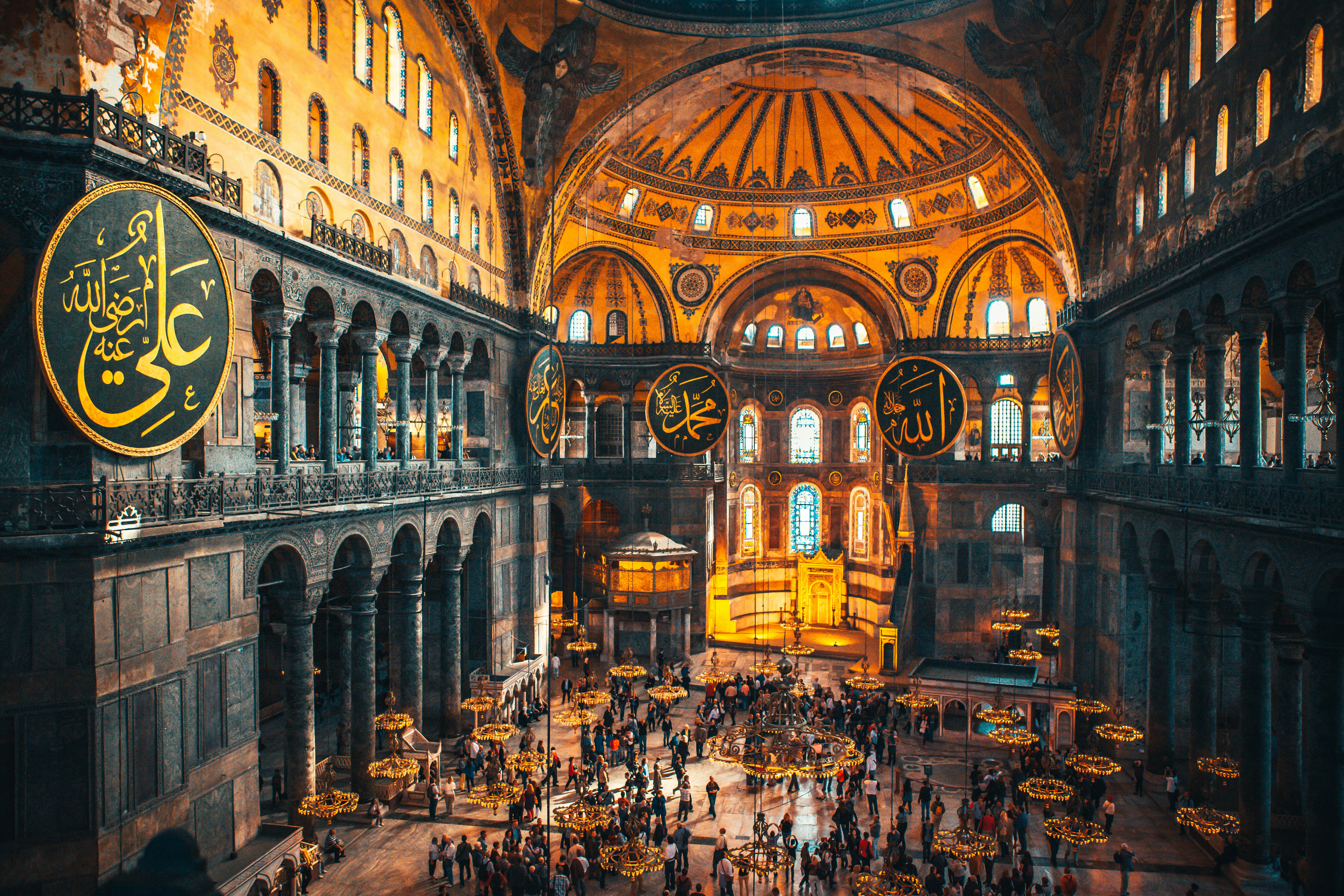
Hagia Sophia
Ayasofya
Hagia Sophia is a 6th-century architectural marvel that served as a Byzantine cathedral for nearly 1,000 years, then an Ottoman mosque for 500 years, and a museum from 1935-2020. It was reconverted to a mosque in 2020, fundamentally changing the visitor experience. The massive dome, stunning mosaics, and layered history make it one of the world's most significant buildings.
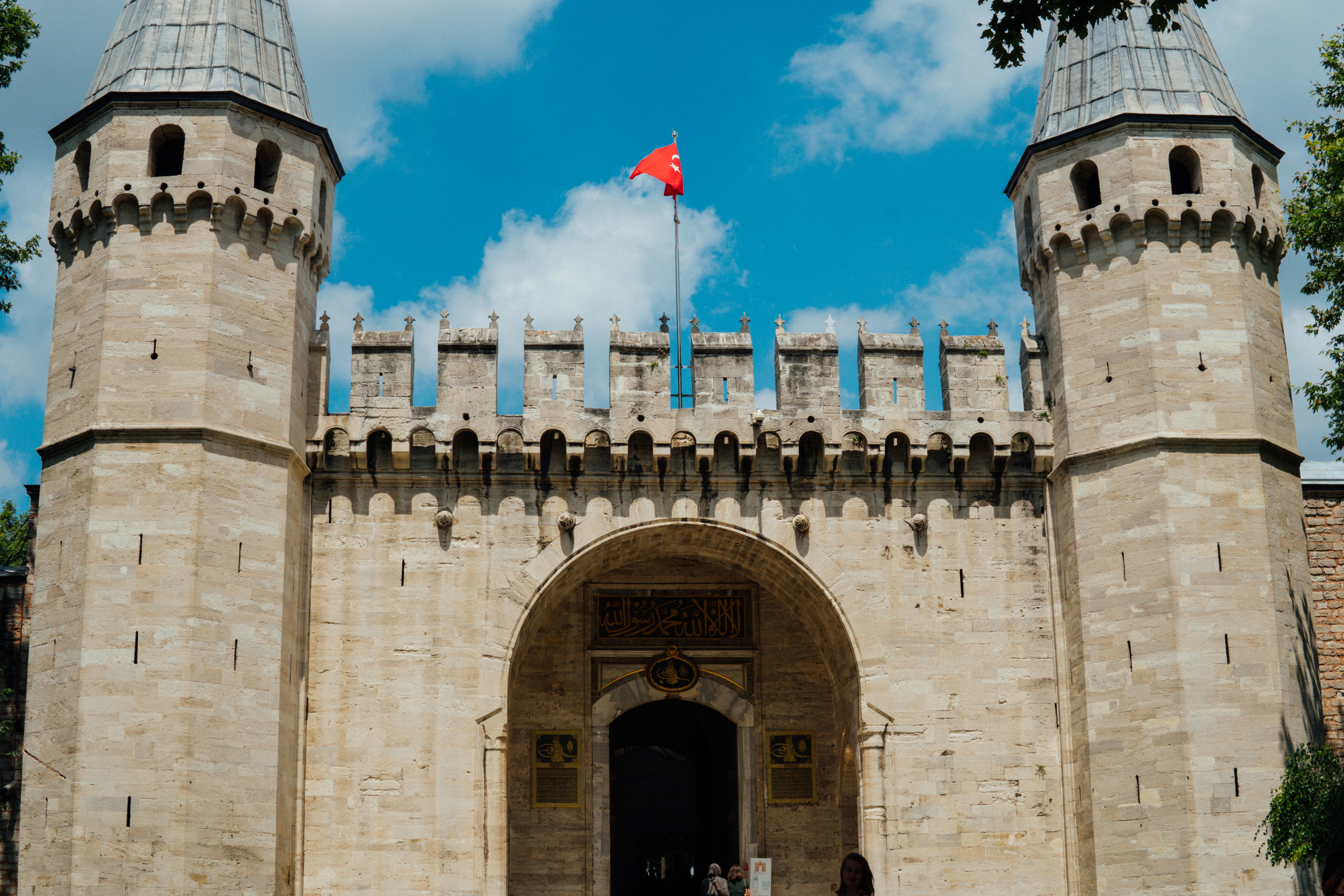
Topkapi Palace
Topkapı Sarayı
Topkapi Palace was the primary residence and administrative center of Ottoman sultans for nearly 400 years (1465-1856). This sprawling complex contains courtyards, pavilions, treasury rooms filled with jewels and artifacts, and the infamous Harem where the sultan's family and concubines lived. The views over the Bosphorus are stunning, and the scale reveals the power of the Ottoman Empire at its height.
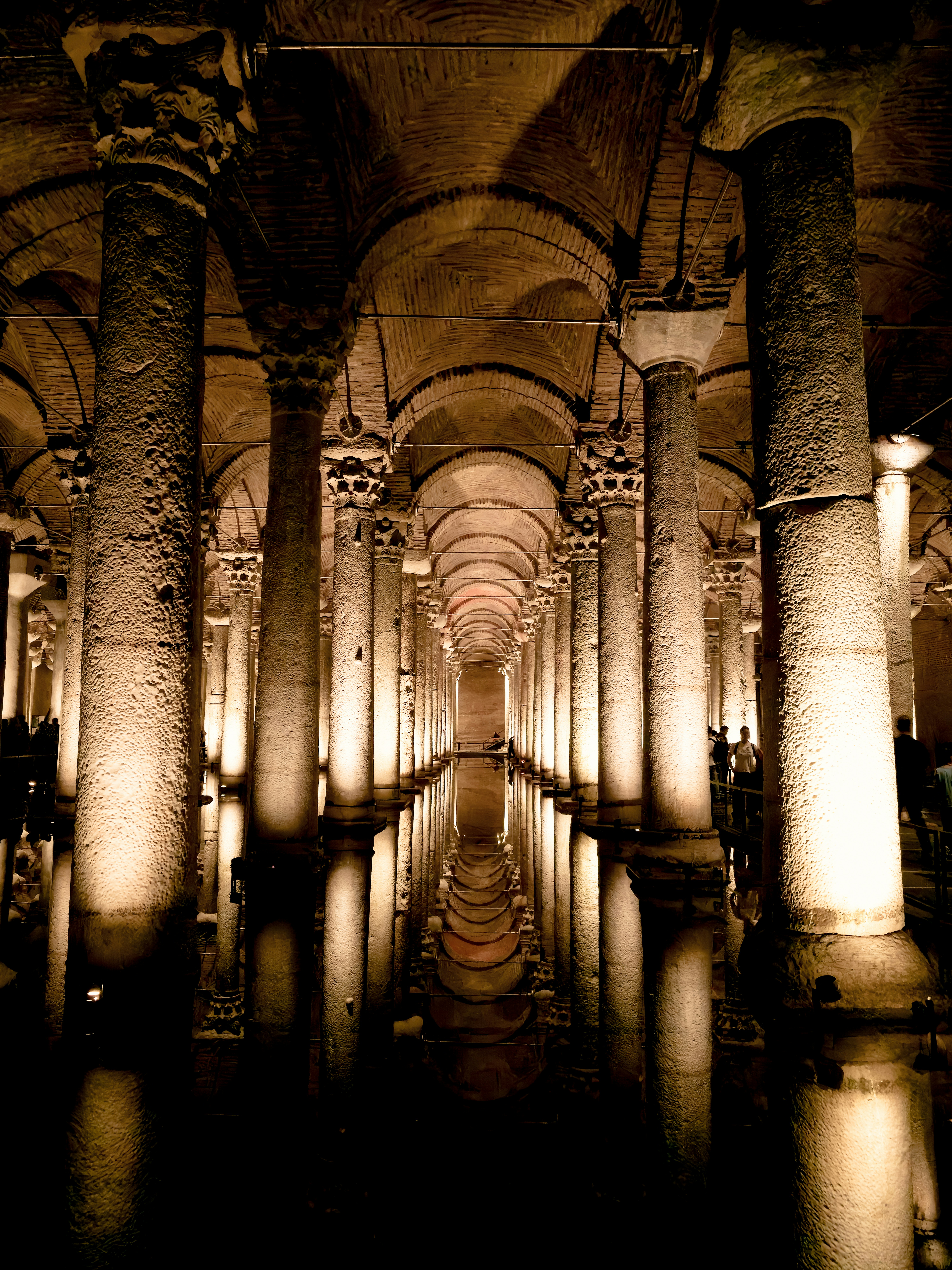
Basilica Cistern
Yerebatan Sarnıcı
The Basilica Cistern is an underground Byzantine water reservoir featuring 336 marble columns rising from shallow water in a dimly lit, cathedral-like space. The most famous features are two Medusa head column bases—one sideways, one upside down. Built in 532 CE, it's an atmospheric engineering marvel that once supplied water to the Great Palace. The acoustics and lighting create an eerie, cinematic experience.
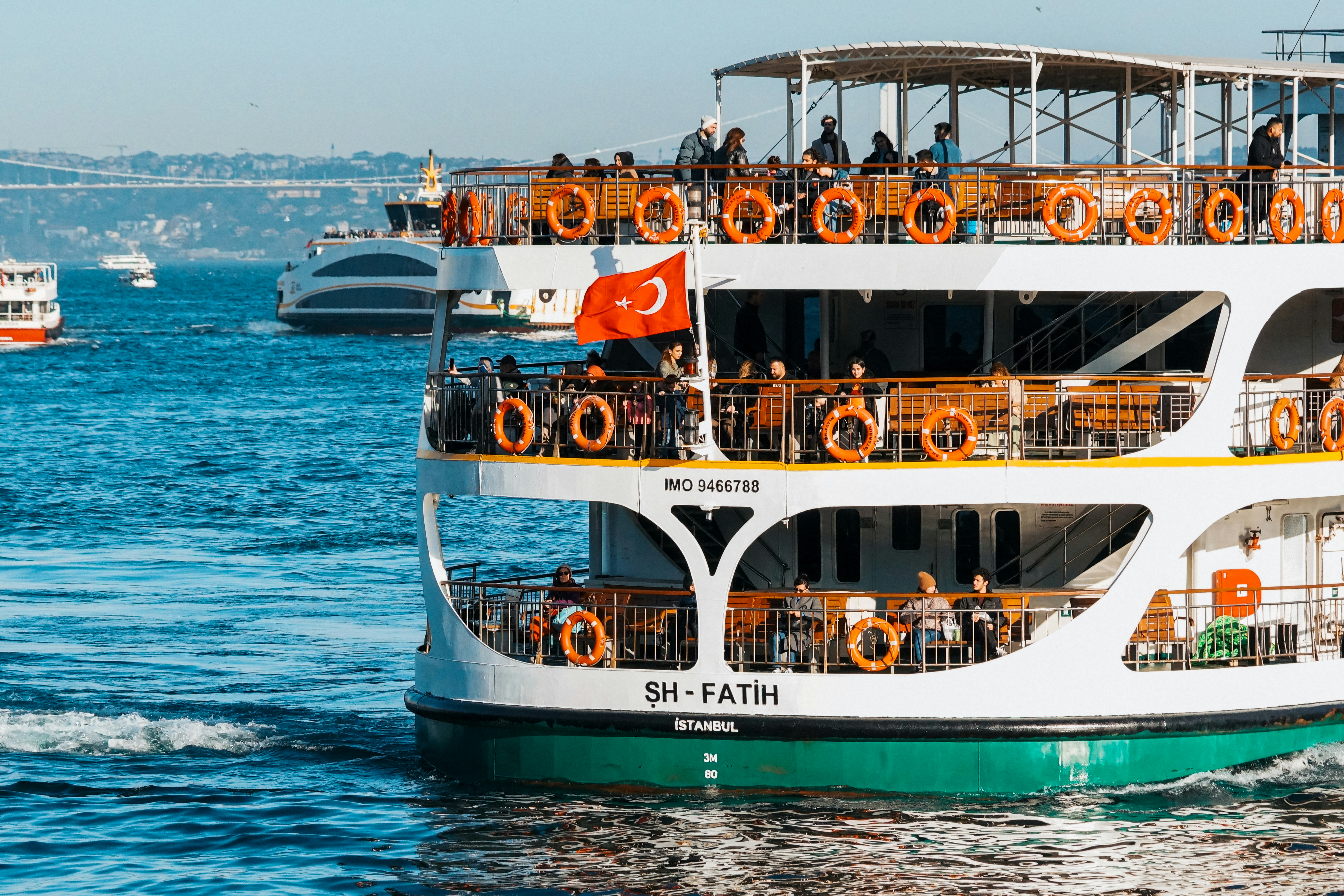
Commuter Ferry Ride
Vapur
The Bosphorus ferry (vapur) is Istanbul's iconic public transport connecting the European and Asian sides across the strait. This isn't a tourist cruise—it's how locals commute, complete with tea vendors walking the aisles. The views of palaces, mosques, and waterside mansions are unmatched. For a full experience, take Şehir Hatları's 'Long Bosphorus Tour' which goes all the way to the Black Sea.
Feriköy Antique Market
Feriköy Antika Pazarı
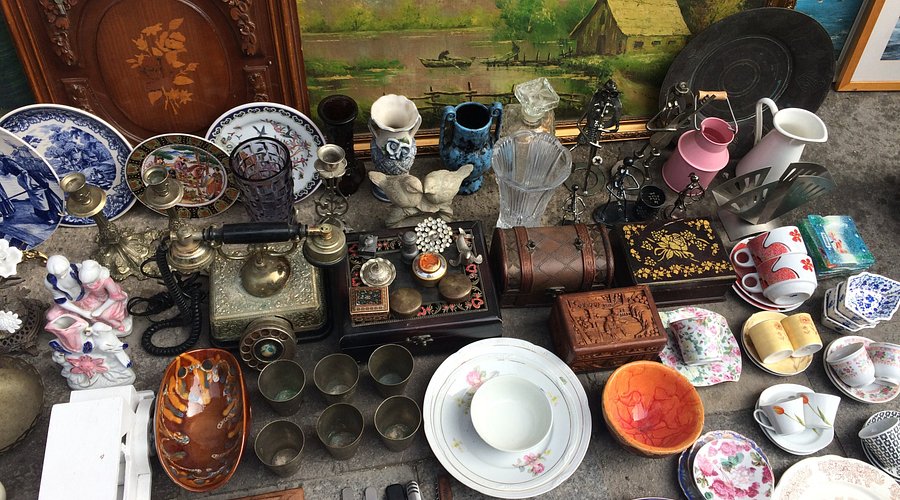
Feriköy Antique Market is a massive covered Sunday market in the Bomonti district specializing in antiques, vinyl records, vintage cameras, Ottoman-era objects, and retro collectibles. Unlike tourist-trap bazaars, this is where serious collectors and Istanbul hipsters hunt for treasures. The atmosphere is chaotic but genuine—vendors are knowledgeable and prices are negotiable. On Saturdays, the same space hosts an organic food market.
Kılıç Ali Paşa Hamam
Kılıç Ali Paşa Hamamı
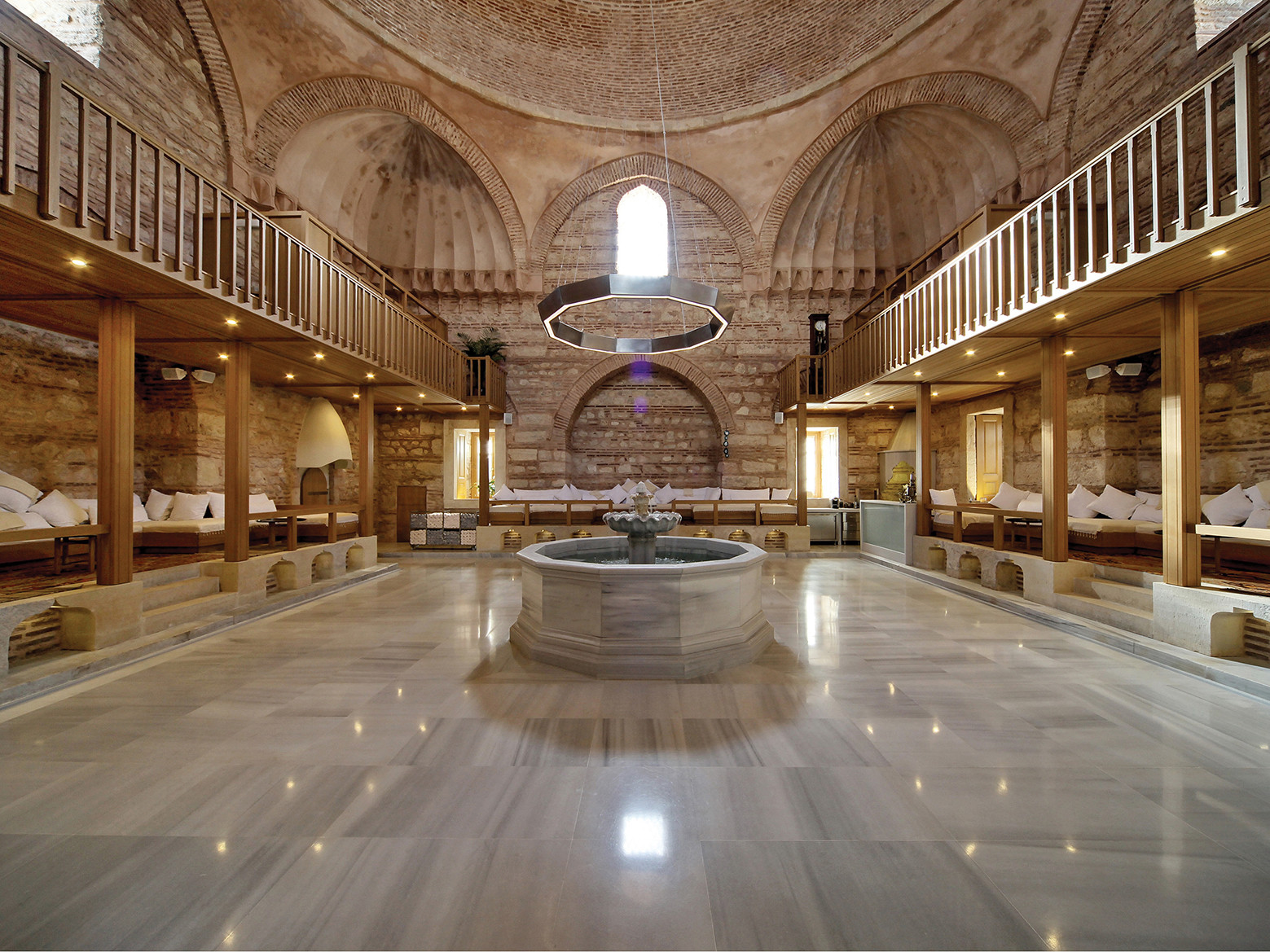
Kılıç Ali Paşa Hamam is a meticulously restored 16th-century Ottoman bathhouse designed by the legendary architect Mimar Sinan. After decades of abandonment, it reopened in 2012 as a luxury hamam experience combining historical authenticity with modern hygiene standards. The ritual includes time in the hot room (sıcaklık), an exfoliating scrub (kese), and a foam massage. Unlike many tourist-trap hamams, this is architectural and experiential excellence.
Grand Bazaar
Kapalı Çarşı
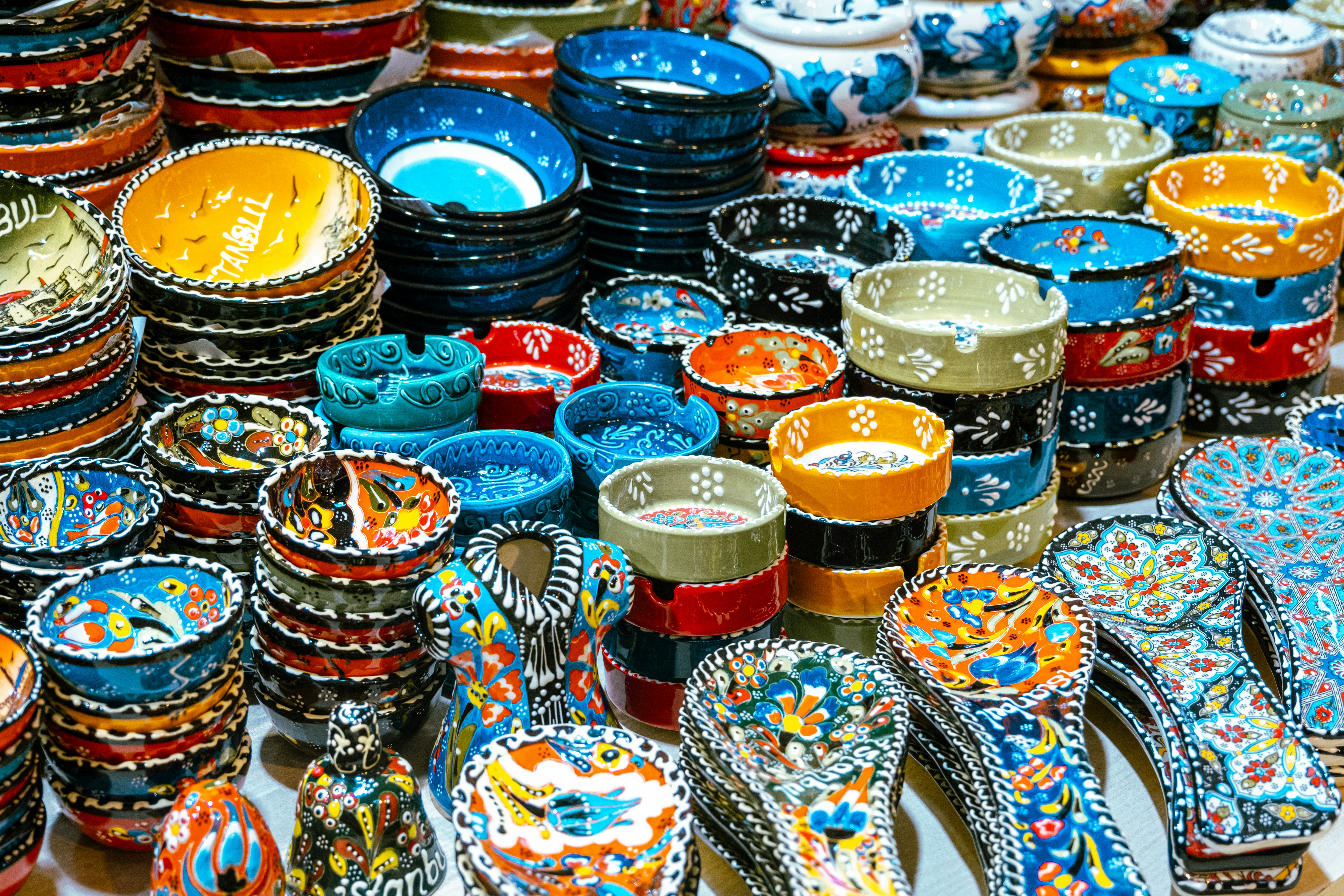
The Grand Bazaar is one of the world's oldest and largest covered markets, with 61 streets and over 4,000 shops within its labyrinthine structure. Built in 1461, it sells everything from carpets and ceramics to gold jewelry and leather goods. While heavily touristy, it remains a functioning market where locals shop. The architecture, scale, and energy make it essential despite the aggressive salesmanship.
Spice Bazaar
Mısır Çarşısı
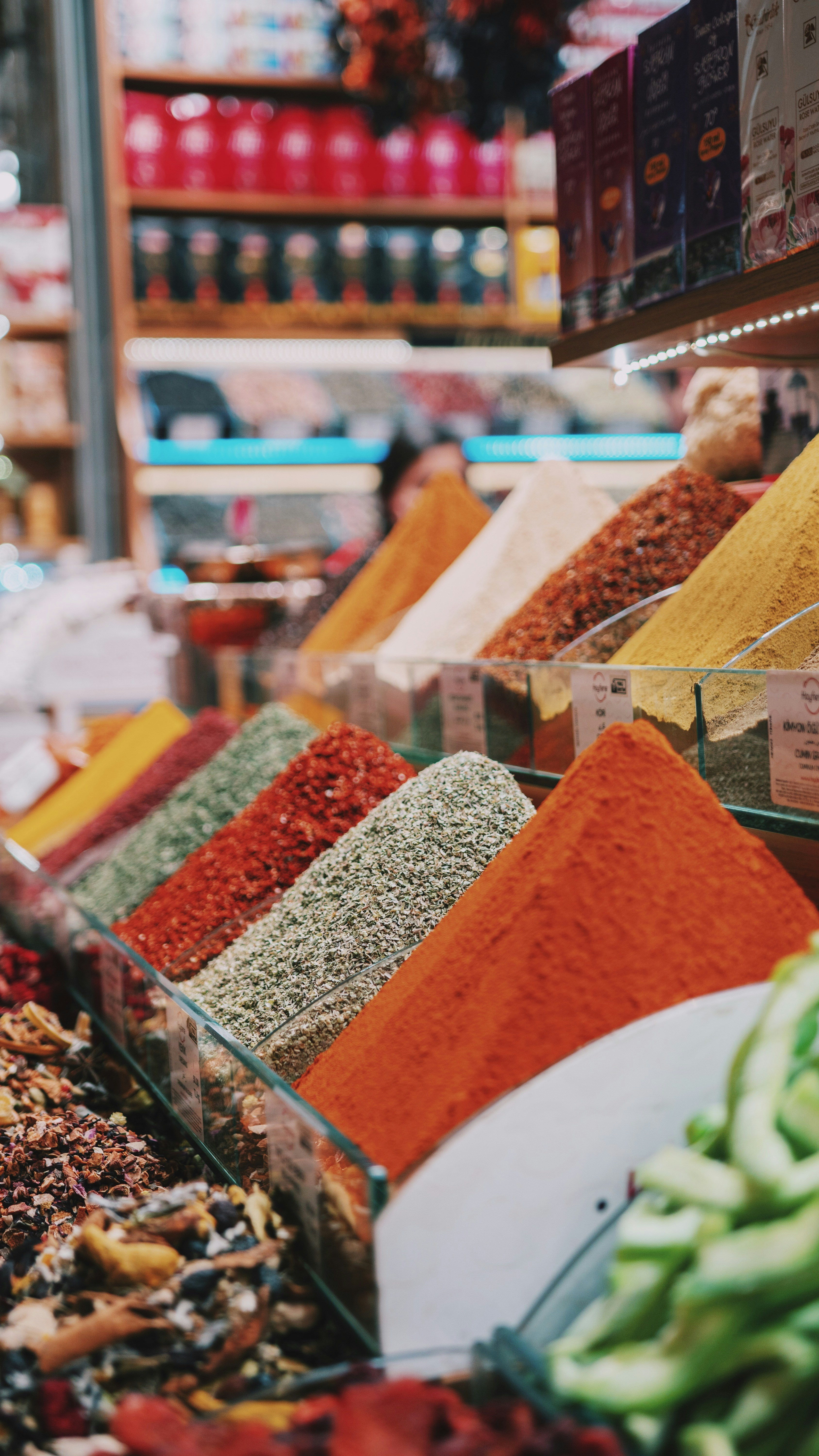
The Spice Bazaar (Egyptian Bazaar) is a L-shaped covered market built in 1664, smaller and more manageable than the Grand Bazaar. It specializes in spices, dried fruits, nuts, Turkish delight, teas, and traditional sweets. The sensory overload of colors and aromas is intense. While touristy, it's still where locals buy spices and specialty foods, making it more authentic than it appears.
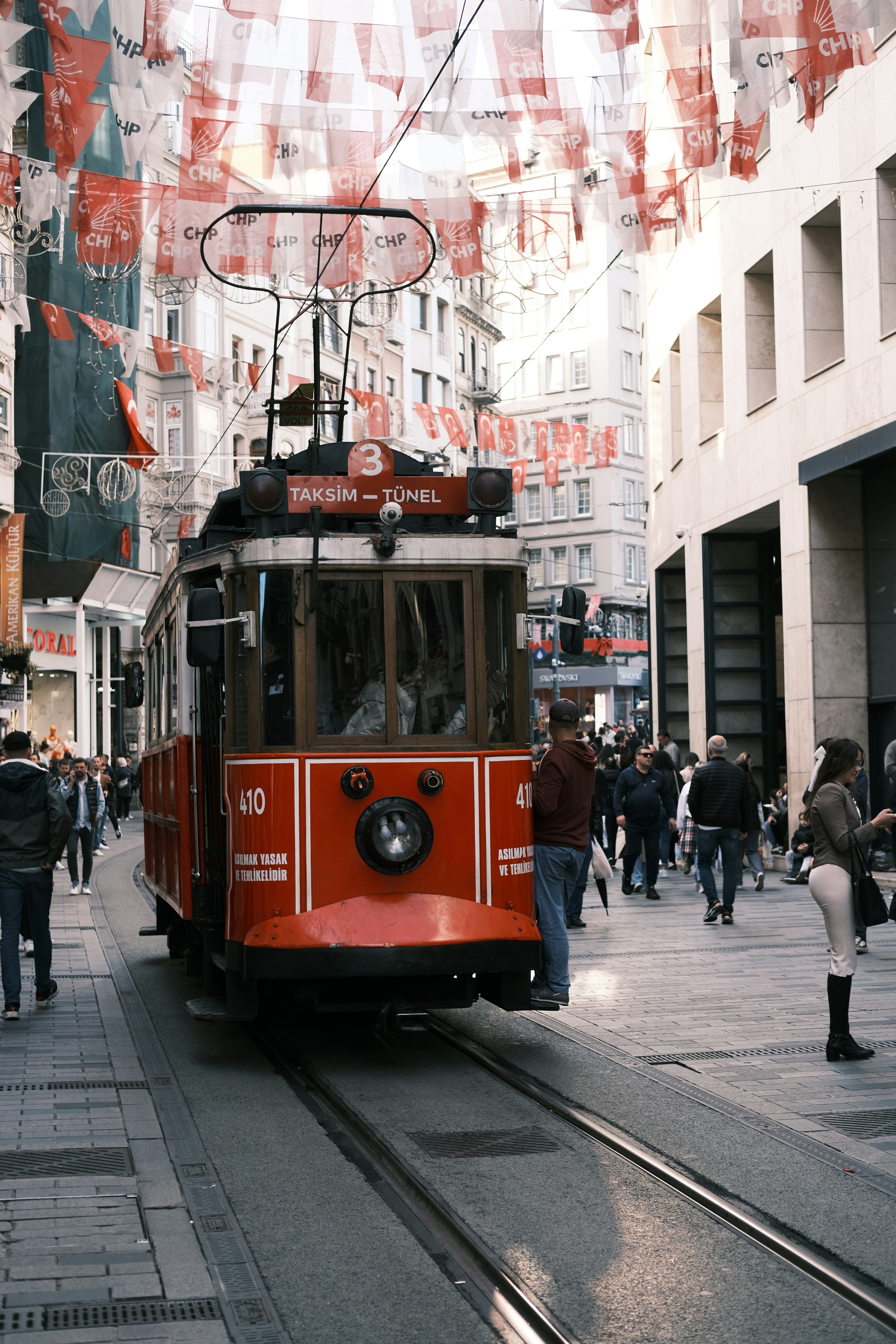
Istiklal Street
İstiklal Caddesi
Istiklal Street is a 1.4-kilometer pedestrian avenue running through Beyoğlu, serving as the commercial and cultural spine of modern Istanbul. Lined with 19th-century architecture, international brands, historic passages, churches, consulates, and entertainment venues, it sees millions of visitors weekly. A nostalgic red tram runs its length. It's touristy but essential for understanding contemporary Istanbul's energy.
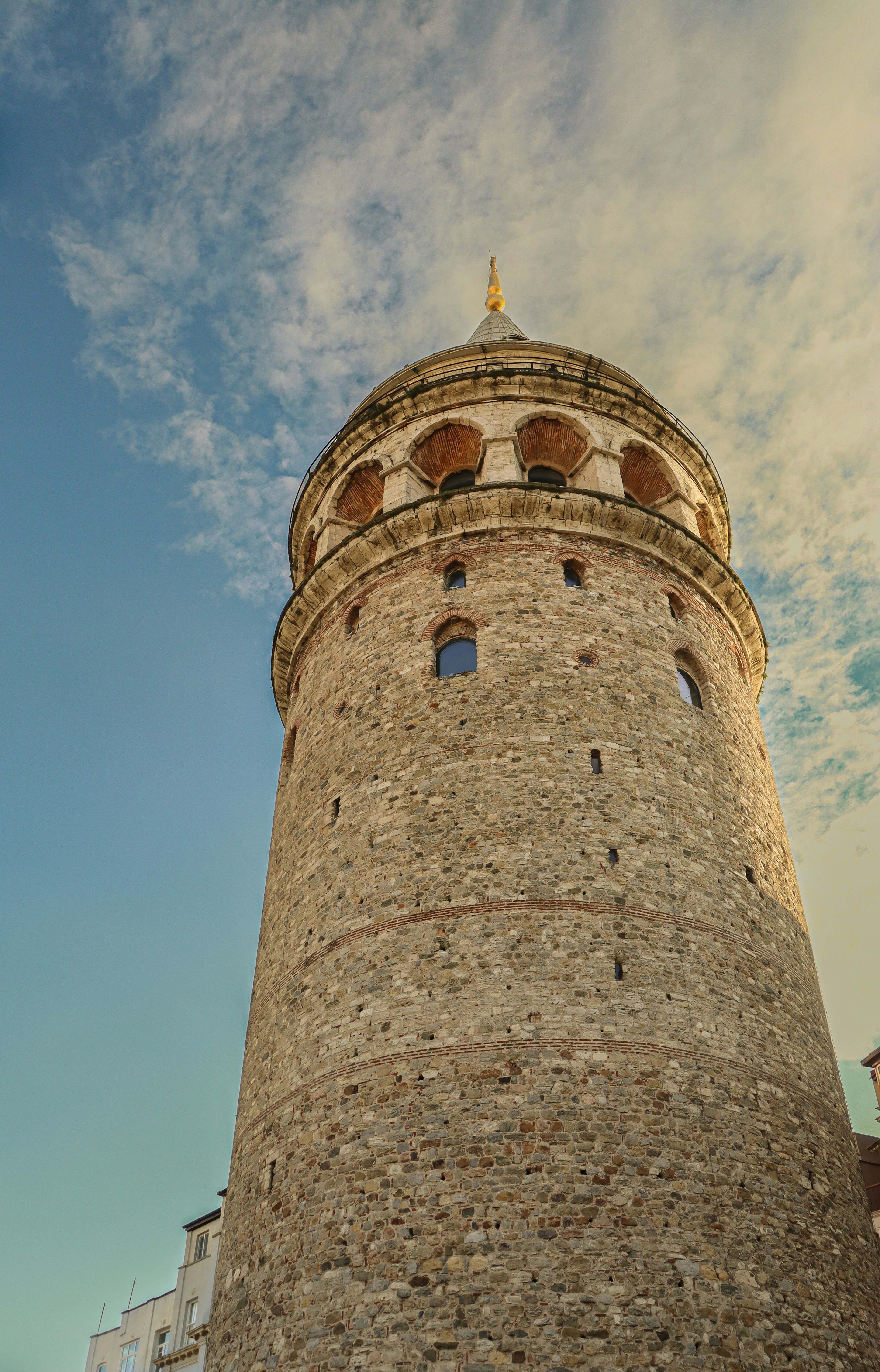
Galata Tower
Galata Kulesi
The Galata Tower is a 67-meter-tall medieval stone tower built in 1348, dominating the Beyoğlu skyline. Originally a Genoese watchtower, it now functions as a museum and observation deck offering 360-degree views of Istanbul—the Golden Horn, Bosphorus, and Old City spread below. It's touristy and expensive, but the panoramic views are genuinely spectacular, especially at sunset.
Must-Eat Spots
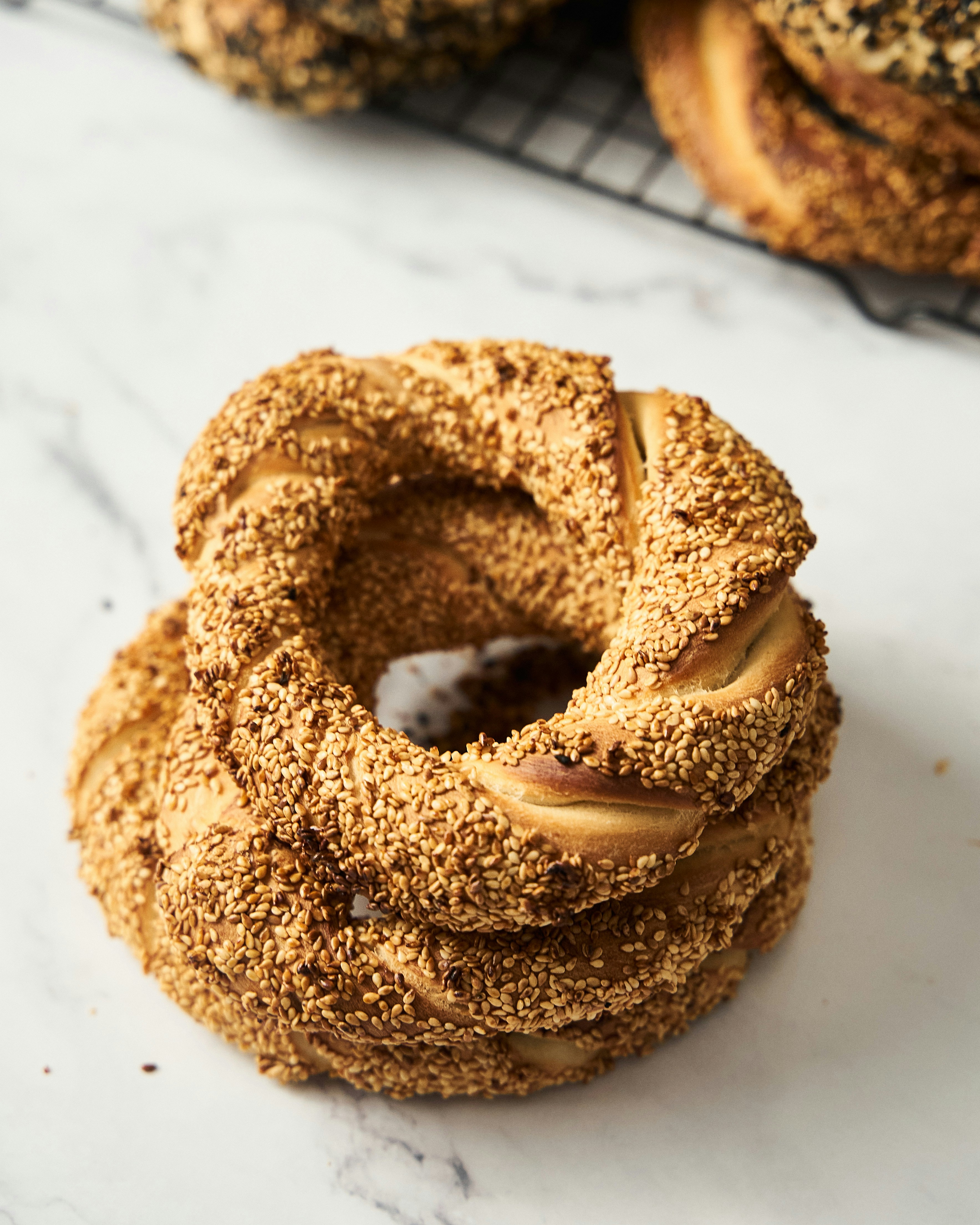
Simit
Simit is a circular sesame-encrusted bread ring, crispy on the outside and chewy inside, that serves as Istanbul's quintessential street food breakfast. Found on nearly every corner from dawn, it's traditionally eaten plain or with cheese. This ubiquitous snack is the fuel that powers the city's morning commute.
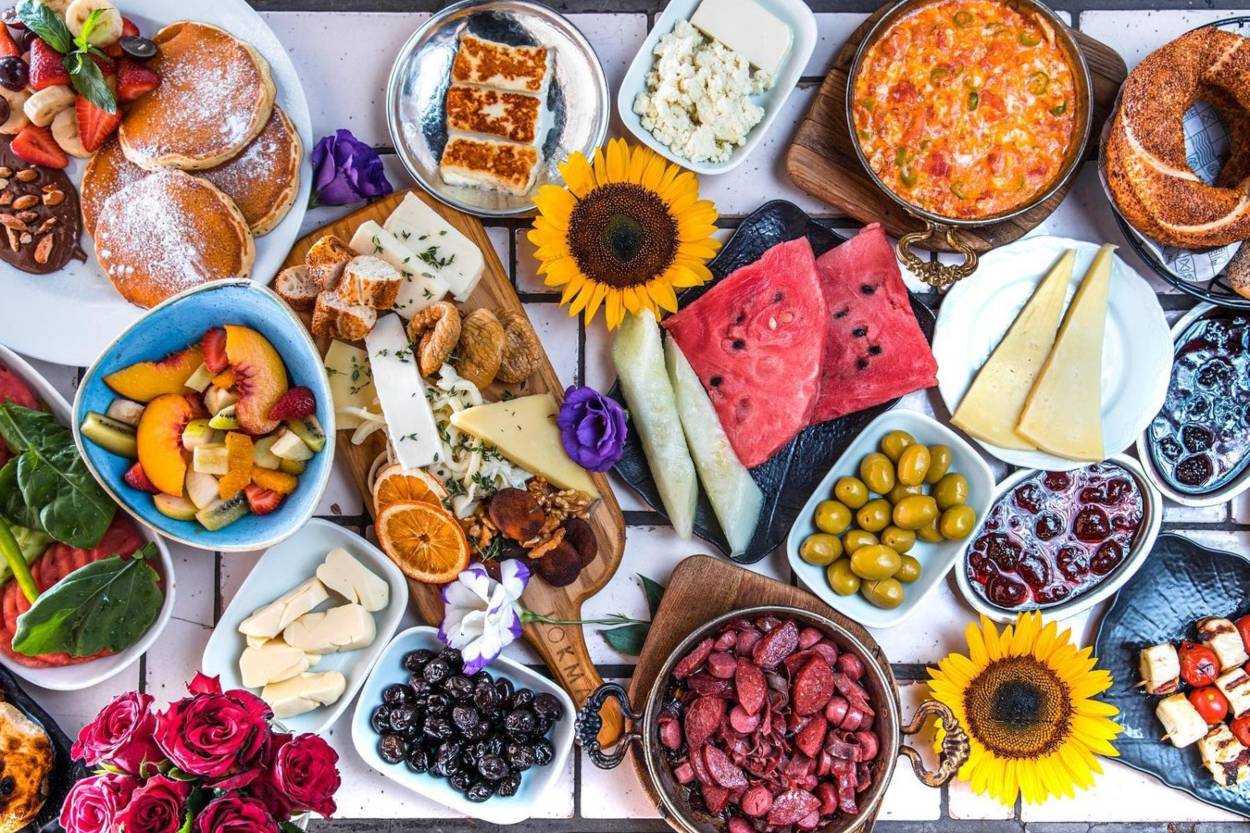
Serpme Breakfast
Serpme Kahvaltı
Serpme Kahvaltı is a sprawling Turkish breakfast spread featuring dozens of small plates including multiple cheeses, olives, jams, honey, eggs (often menemen—scrambled with tomatoes and peppers), fresh vegetables, and bread. The word 'serpme' means 'spread out,' reflecting the abundant, communal nature of this meal. It's designed to be leisurely, social, and substantial enough to fuel you until dinner.
Tradesmen's Restaurant
Esnaf Lokantası
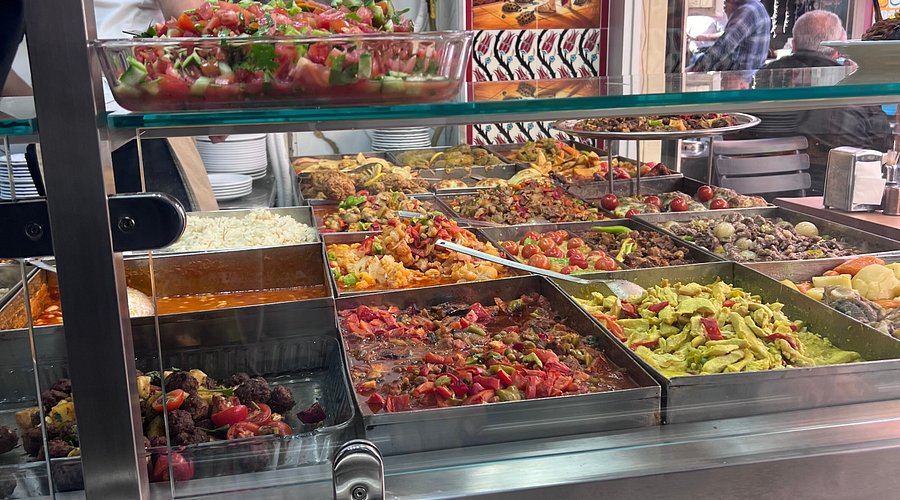
Esnaf Lokantası literally means 'tradesmen's restaurant'—no-frills, cafeteria-style eateries where you point at pre-cooked dishes displayed in steam trays. Expect home-cooked Turkish staples like stews, rice, beans (kuru fasulye), and vegetable dishes served quickly and cheaply. These are the backbone of Istanbul's working-class lunch culture, offering authentic flavors without pretension.
Meyhane Culture
Meyhane
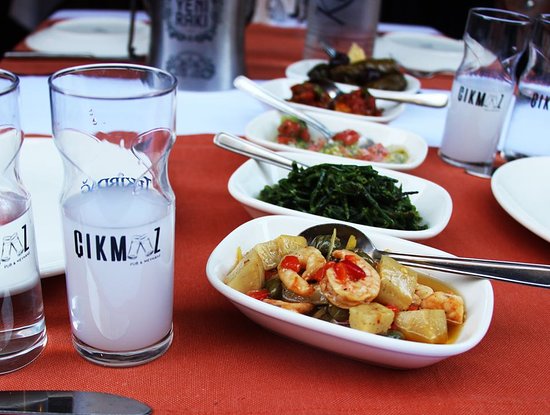
A meyhane is a traditional Turkish tavern centered around rakı (anise-flavored spirit) and meze (small shared plates). Unlike dining for sustenance, meyhane culture is about slow, convivial evenings filled with conversation, music, and measured drinking. You'll order cold mezes first from a display tray, then hot dishes throughout the night. The experience is fundamentally social—going alone is culturally odd.
Stuffed Mussels
Midye Dolma
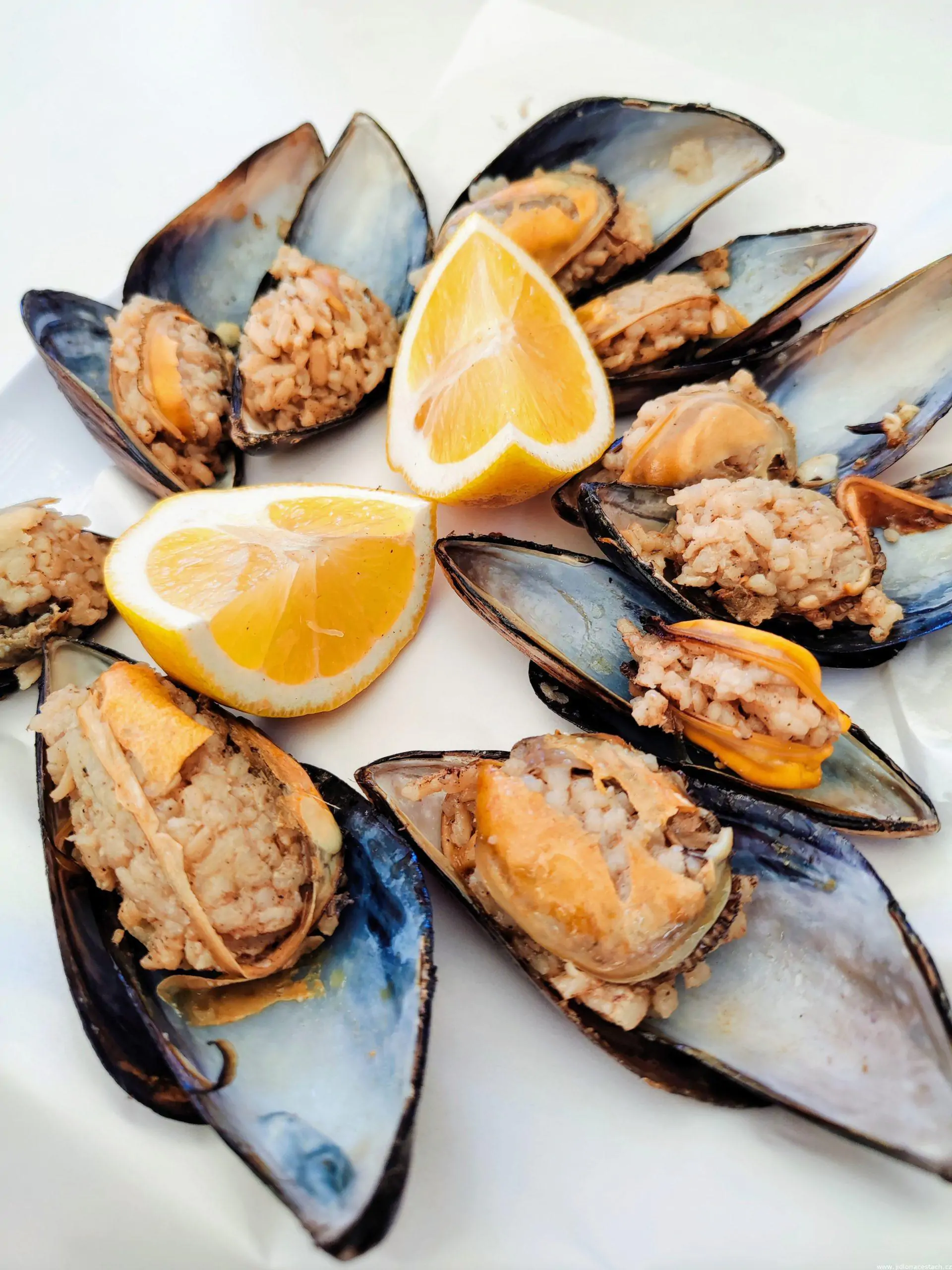
Midye dolma consists of black sea mussels stuffed with spiced rice, pine nuts, currants, and herbs, served cold with a squeeze of lemon. Sold by street vendors from large trays or carts, these are Istanbul's iconic street snack—you eat them standing up and pay by count. The combination of briny mussel and fragrant rice creates a unique flavor profile beloved by locals.
Kokoreç
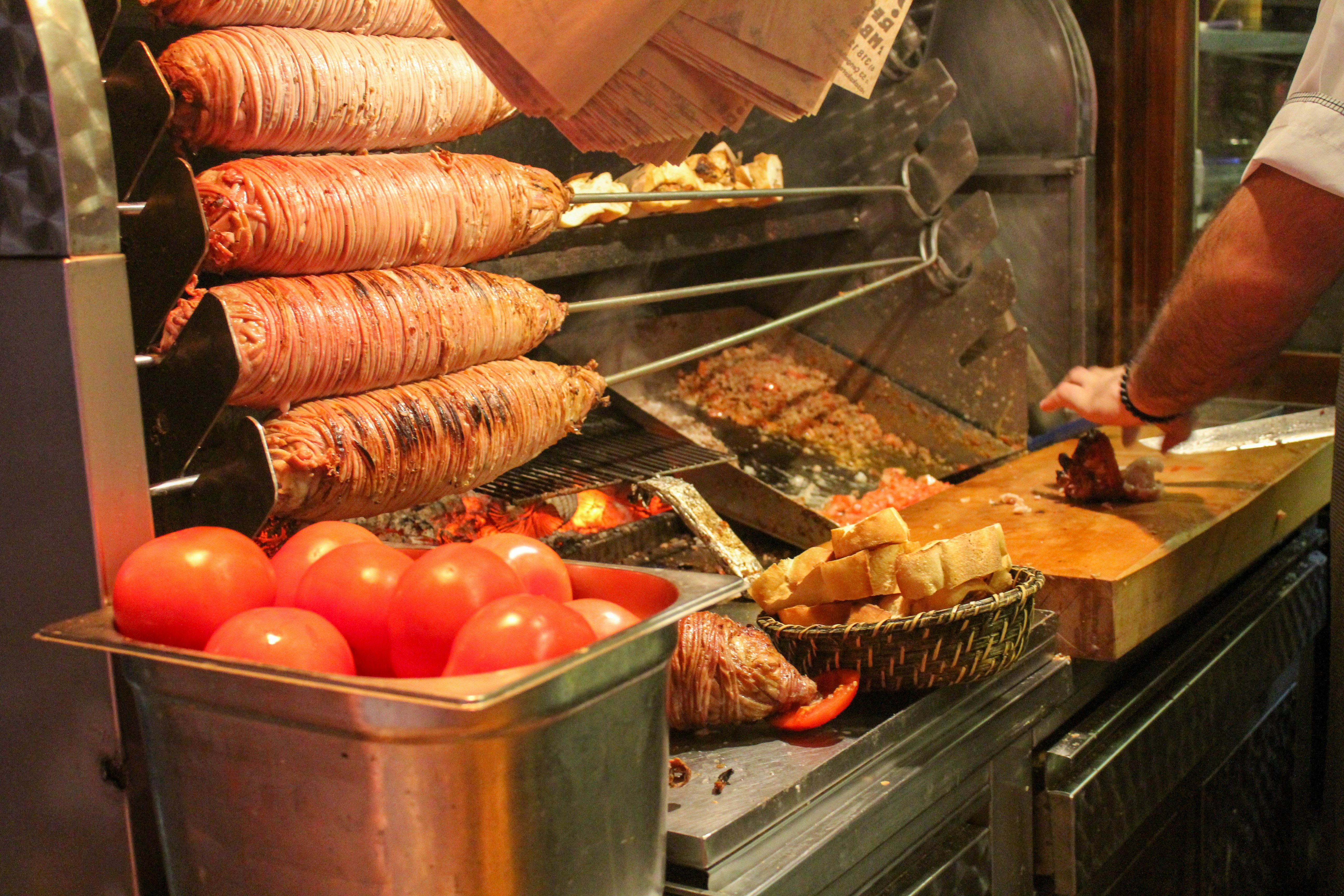
Kokoreç is grilled lamb intestines that are chopped, heavily spiced with oregano and red pepper flakes, and served in crusty bread. The texture is chewy and the flavor is intensely savory—divisive but beloved by locals. This is Istanbul's ultimate late-night street food, typically consumed after drinking. Hygiene is critical; choose busy, established vendors.