Must-See Attractions
Club Culture
Techno
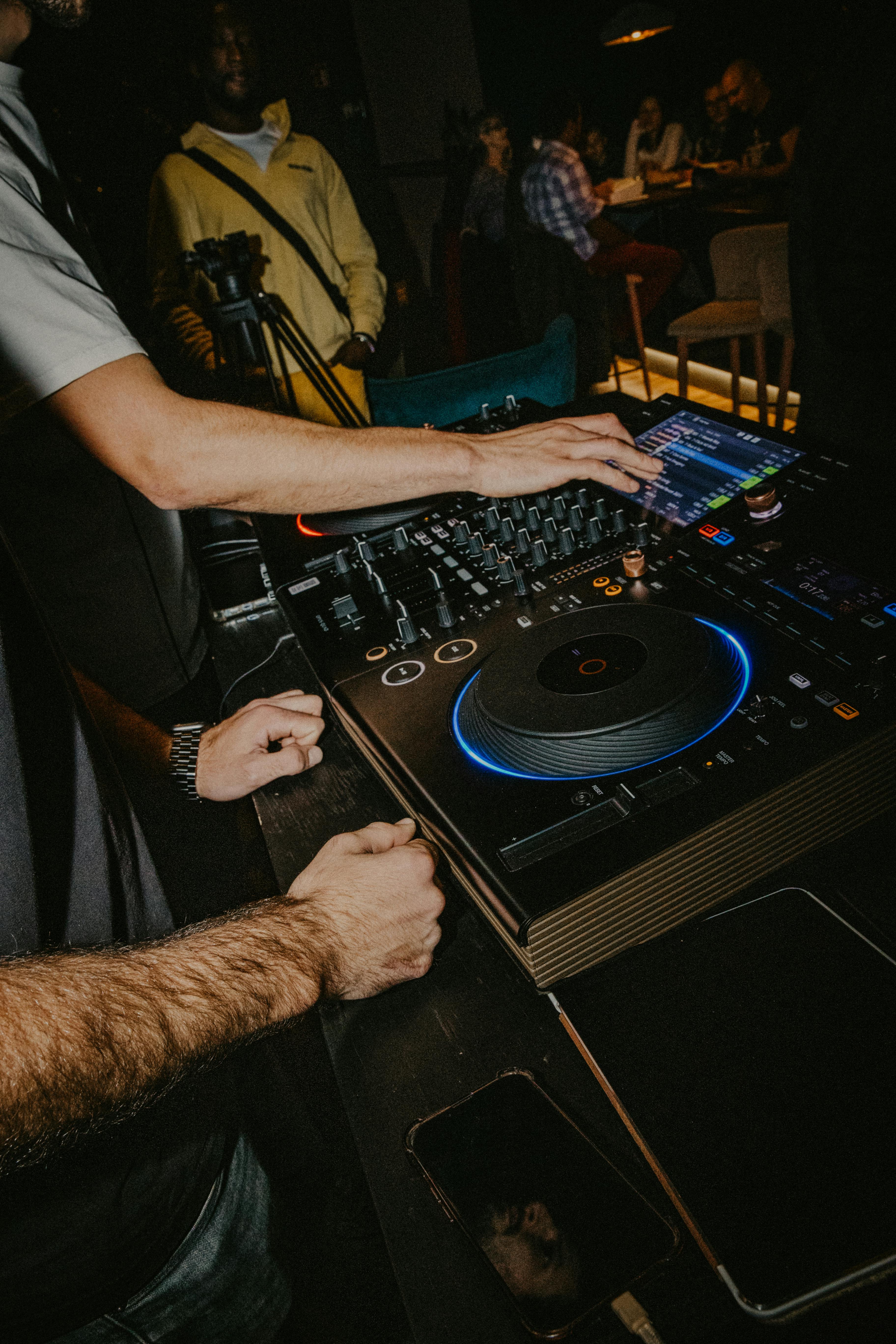
Berlin's club culture is legendary and unique: industrial warehouses converted into dark, cavernous spaces with world-class sound systems, strict 'no photo' policies, and door policies that reject based on vibes. Clubs like Berghain, Tresor, and Sisyphos operate Friday-Monday non-stop (48-72 hours). It's not about being seen—it's about disappearing into music, freedom, and hedonism. The experience is intense, inclusive, and life-changing for electronic music fans.
The Lakes (Badeseen)
Badesee
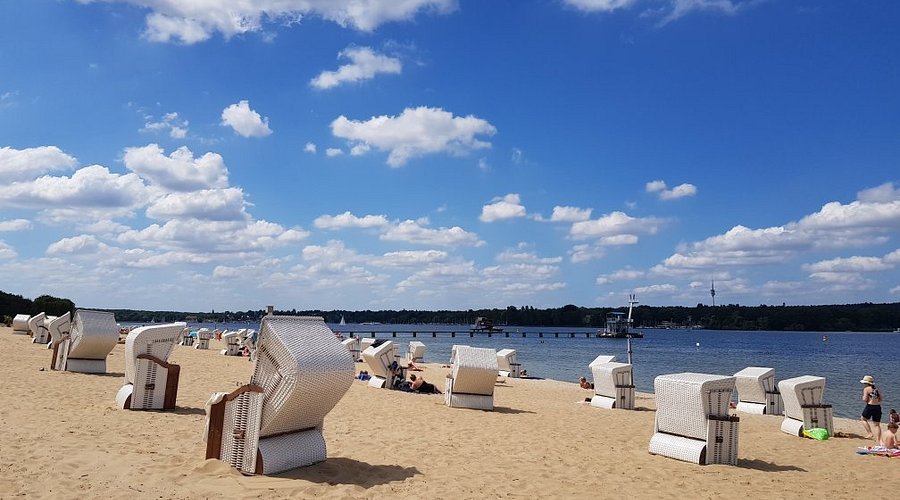
In summer, Berliners flee to the city's lakes (Badeseen)—Wannsee, Müggelsee, Schlachtensee, Plötzensee—for swimming, sunbathing, and grilling. These are natural lakes within city limits, surrounded by forests and beaches. FKK (Freikörperkultur—public nudity) is common, non-sexual, and culturally accepted at designated sections. It's pure nature, surprisingly clean water, and a stark contrast to urban Berlin. Locals bring beer, portable grills, and spend entire Sundays lakeside.
Tempelhofer Feld
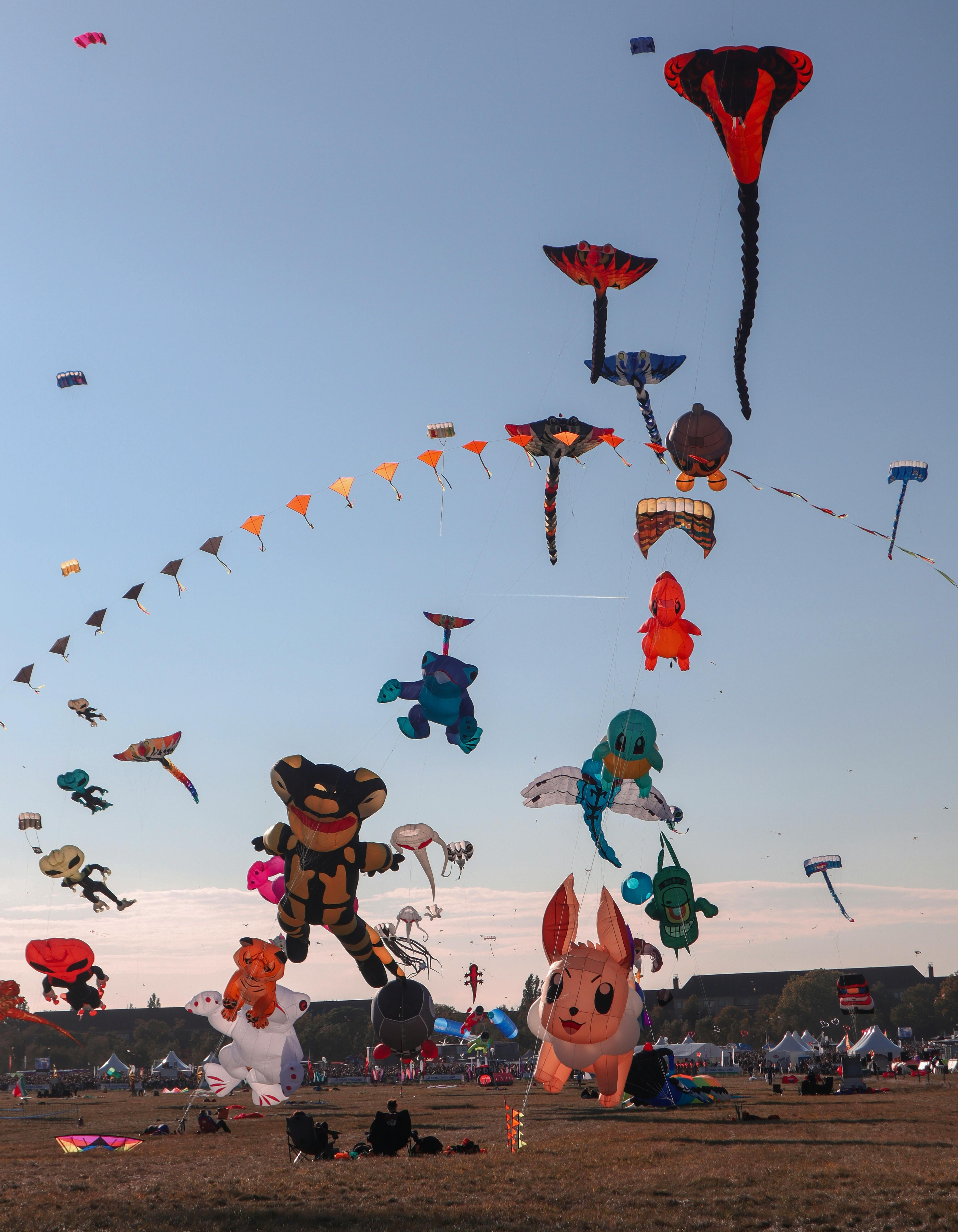
Tempelhofer Feld is a decommissioned airport turned into a massive 900-acre public park—the ultimate symbol of Berlin's freedom and transformation. The former runways are now used for skating, cycling, kiteboarding, grilling, and urban gardening. It's wide-open, flat, and surreal—you can see the entire city skyline. Locals voted in 2014 to keep it undeveloped, rejecting luxury housing plans. It's pure Berlin: reclaiming history for public space.
Späti Culture
Spätkauf
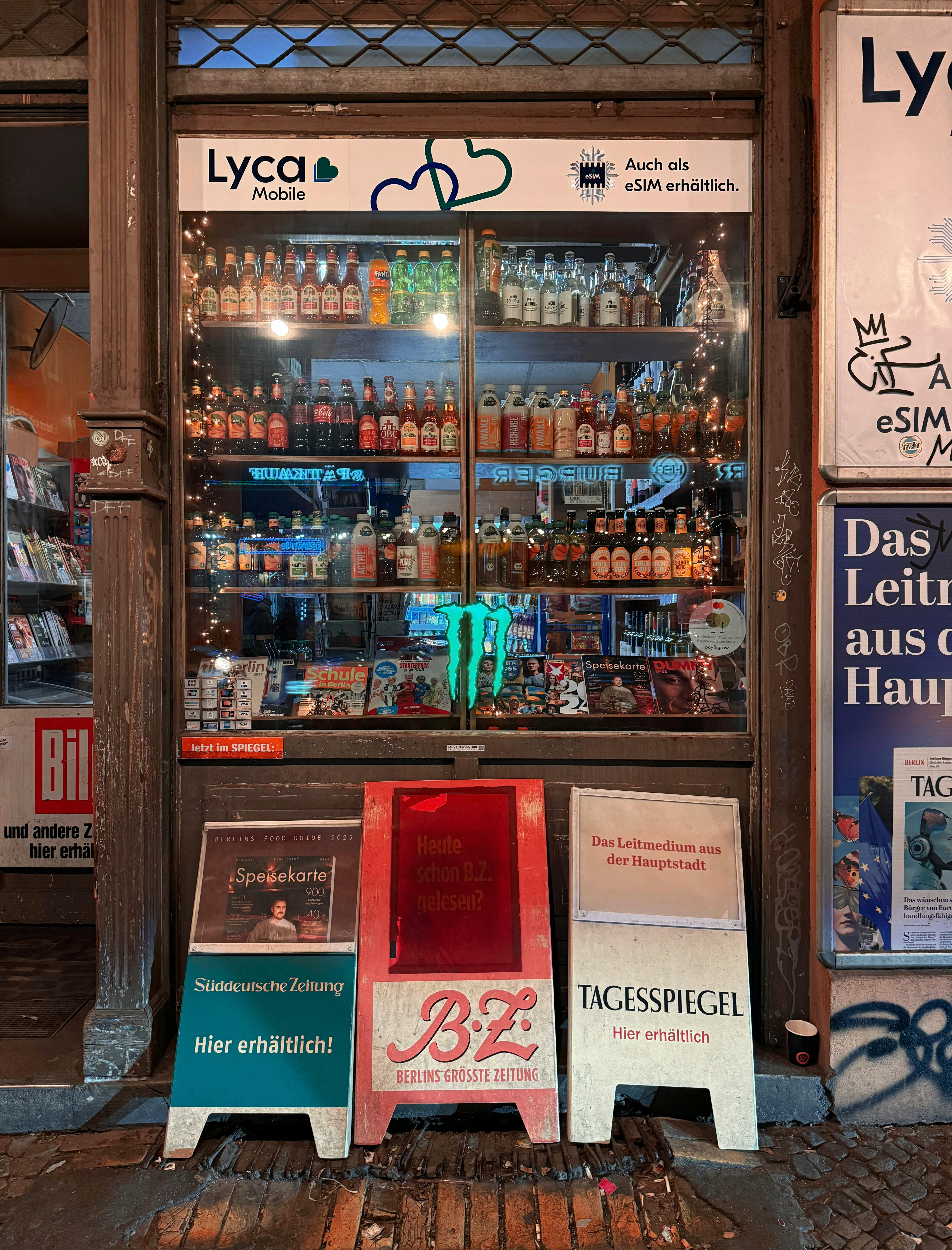
Späti culture is quintessential Berlin: skip the expensive bar, buy a €1.50 beer from a late-night corner store (Spätkauf/Späti), and sit on the bench outside watching the city go by. It's where neighbors gather, strangers become friends, and Berlin's social fabric lives. Spätis are open late (until 2am+), making them essential infrastructure for nightlife and community. It's democratic, cheap, and real.
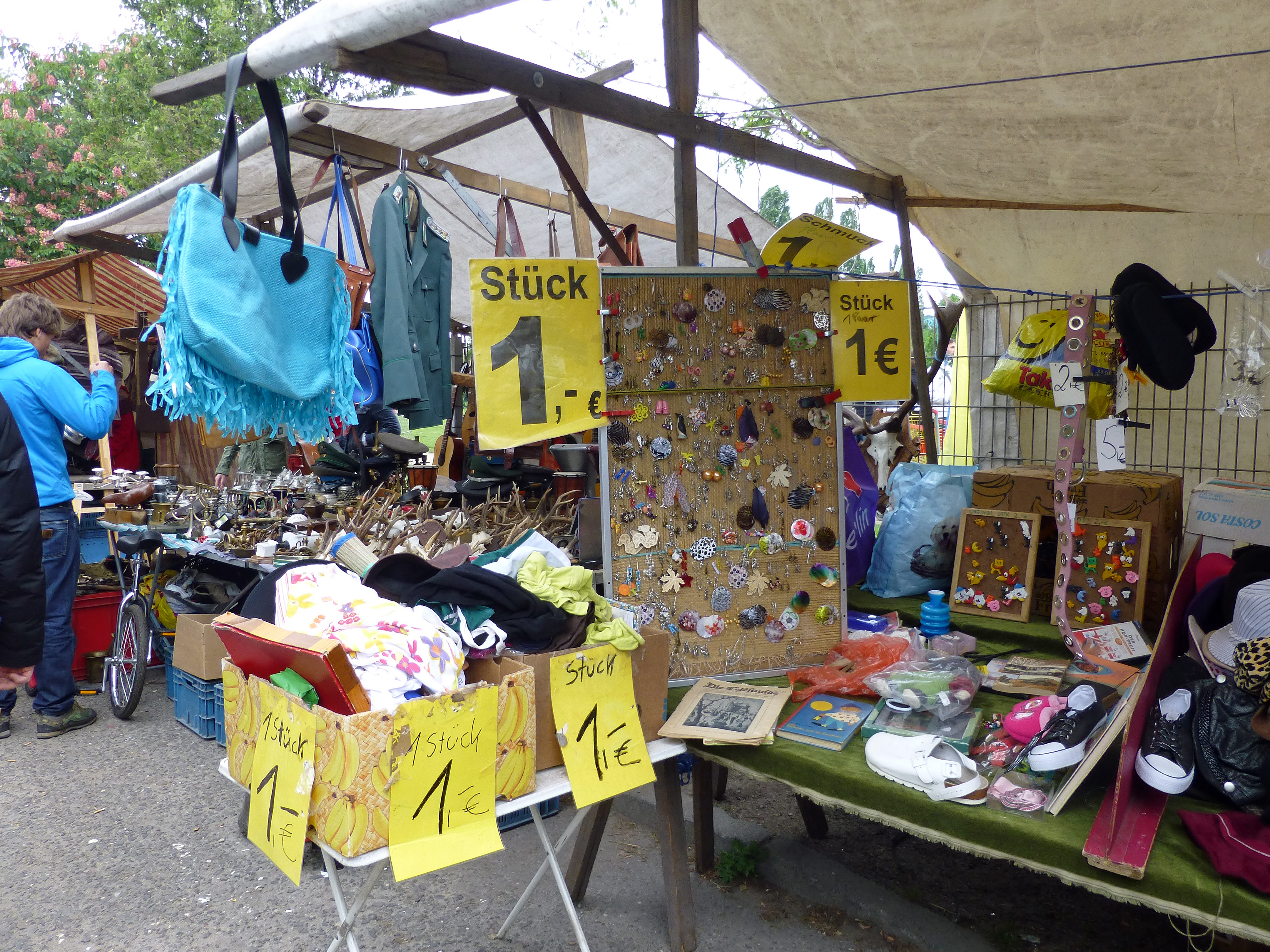
Mauerpark Sunday Market
Mauerpark Flohmarkt
Mauerpark on Sundays is a Berlin ritual: a massive flea market with vintage clothes, records, art, and junk, followed by the legendary 'Bearpit Karaoke' where thousands gather to cheer strangers belting out songs in an amphitheater. It's chaotic, loud, joyful, and uniquely Berlin. The park sits on the former Berlin Wall border strip ('Mauer' means wall). Come for the market, stay for the karaoke spectacle.
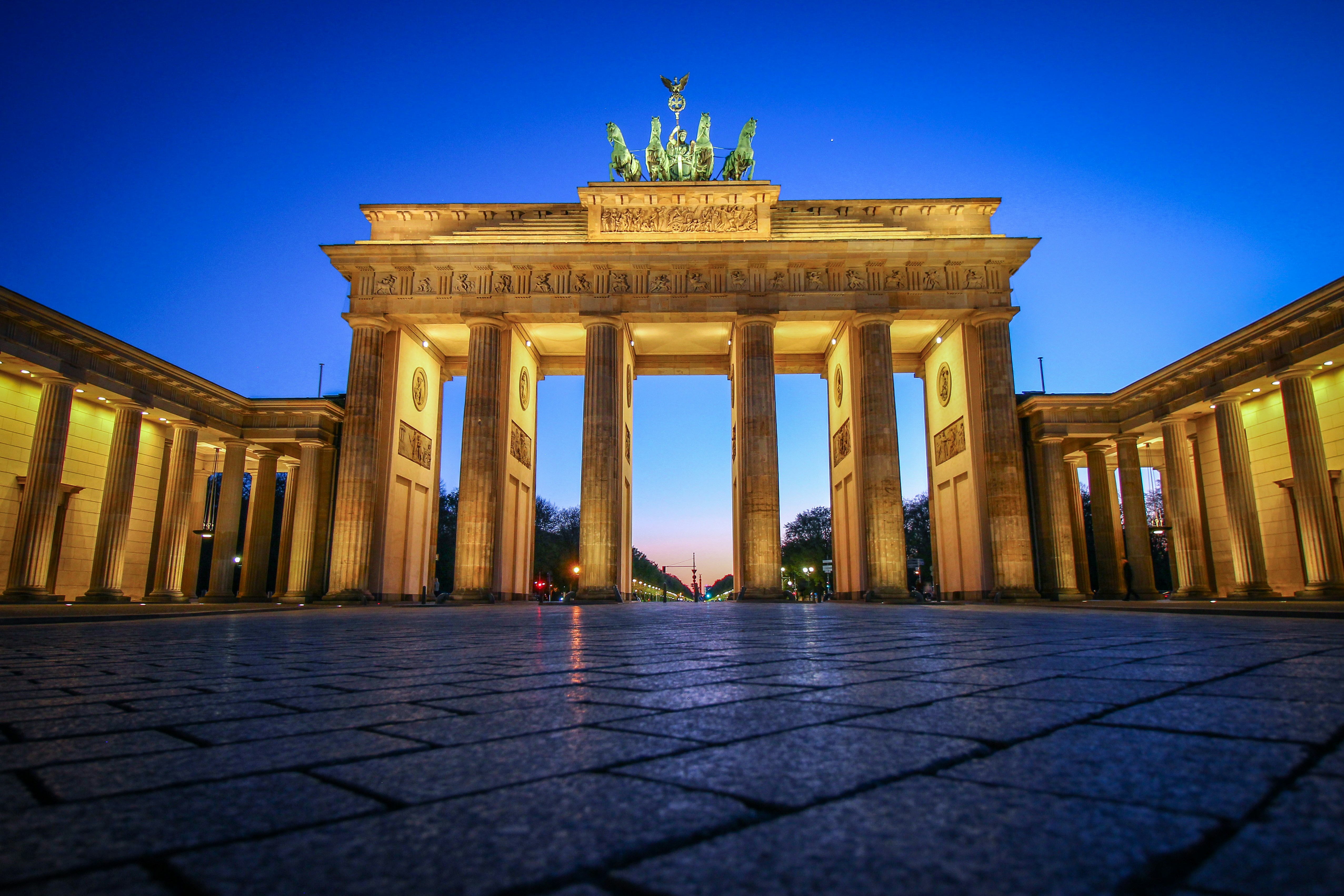
Brandenburg Gate
Brandenburger Tor
The Brandenburg Gate is Berlin's most iconic monument, a neoclassical 18th-century triumphal arch that became the symbol of German reunification. Built in 1791, it stood in the no-man's-land during the Berlin Wall era, inaccessible to both sides. When the Wall fell on November 9, 1989, over 100,000 people gathered here to celebrate. The gate's Quadriga (chariot sculpture) was stolen by Napoleon in 1806 and returned in 1814. It's beautiful at night when crowds thin.
Must-Eat Spots
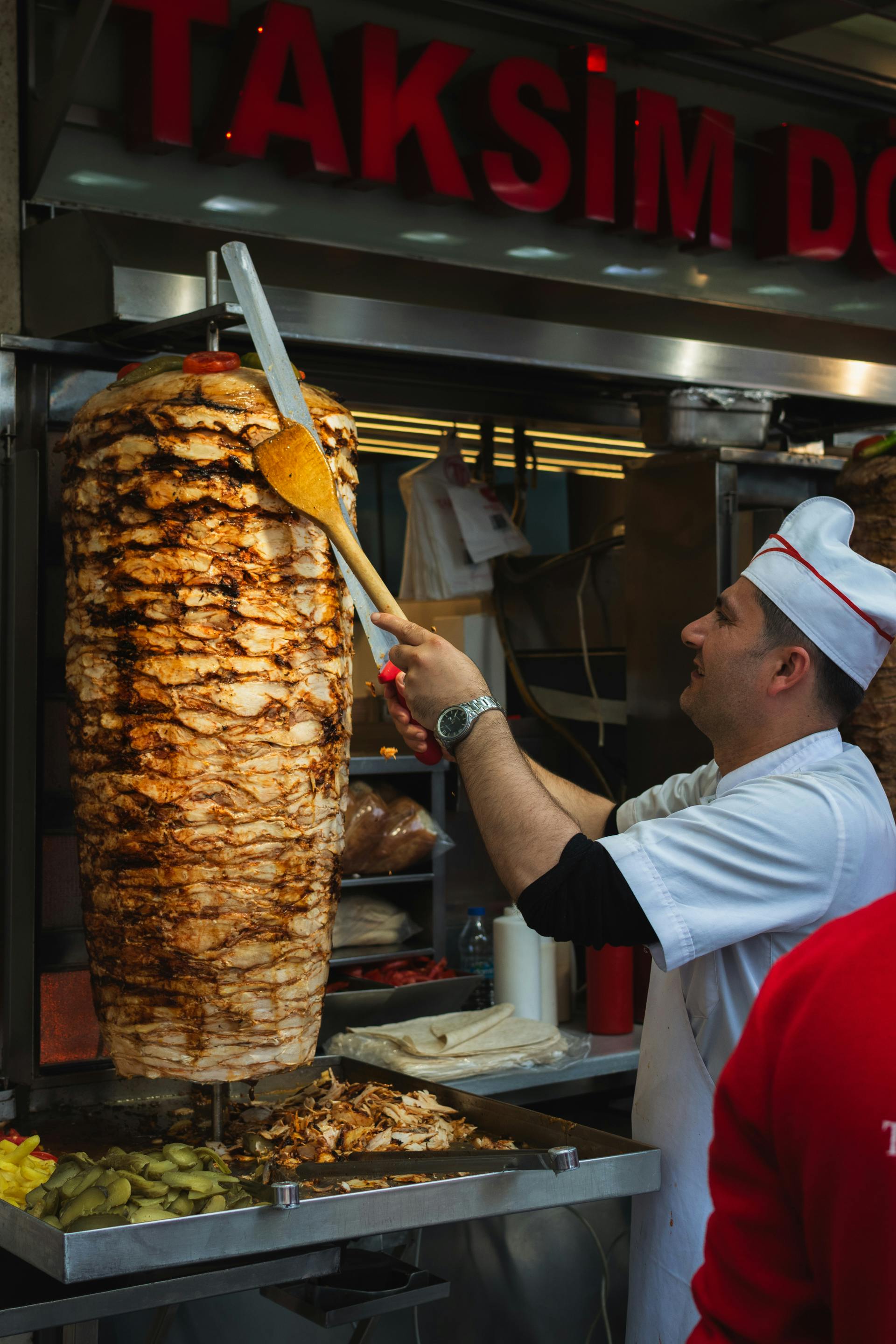
Döner Kebap
Döner
Döner Kebap is Berlin's #1 street food, invented here in the 1970s by Turkish immigrants. It's shaved rotisserie meat (lamb, chicken, or veal) stuffed into toasted flatbread with fresh salad, tomatoes, onions, cabbage, and garlic yogurt sauce. A 'Gemüse Kebap' (vegetable döner) adds grilled vegetables and feta cheese. It's fast, cheap (€4-6), and consumed at all hours—especially post-club at 4am.
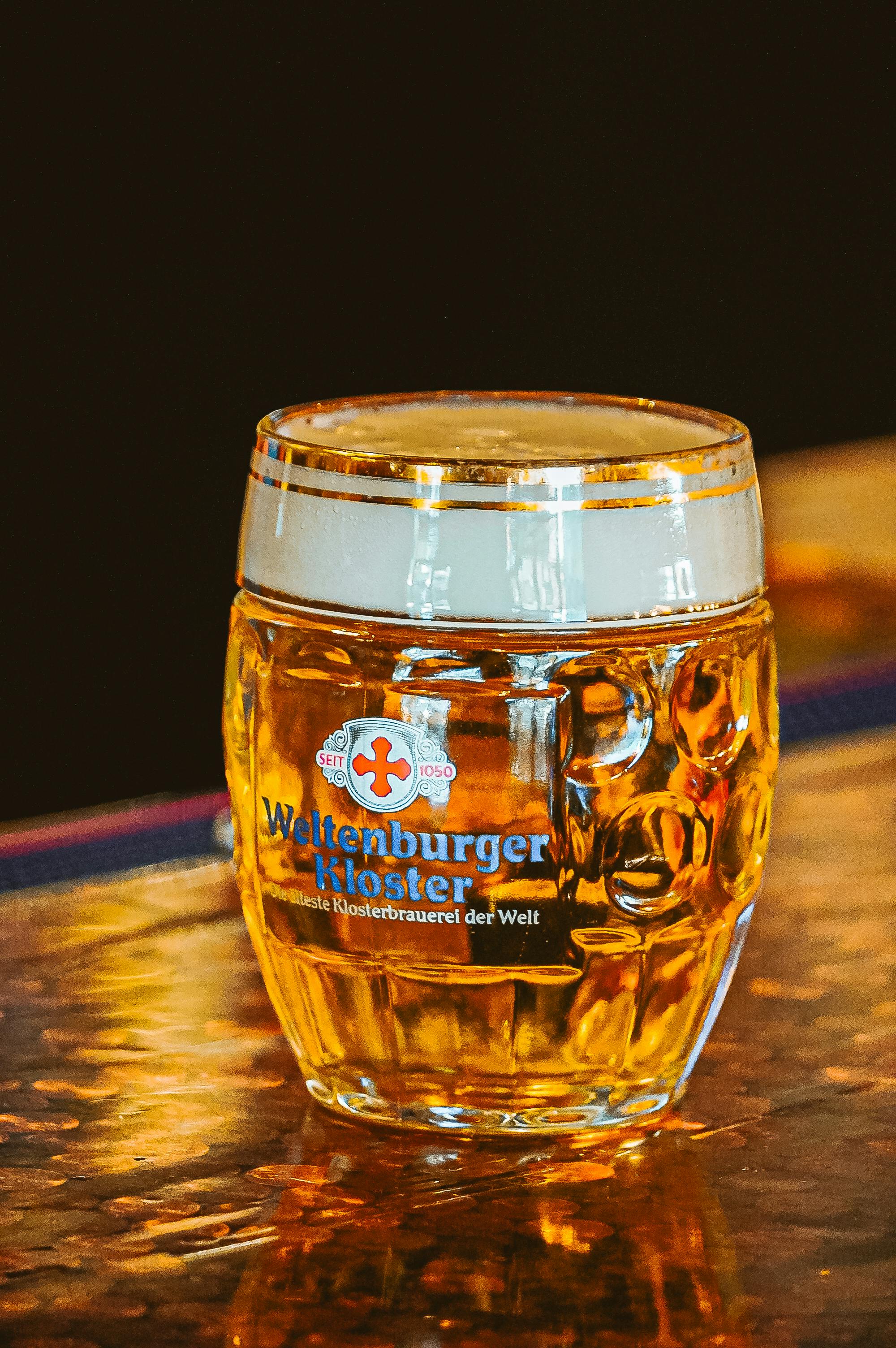
Berlin Beer Culture
Wegbier
Beer in Berlin is like coffee in Italy: cheap (€1-2 from Spätis), everywhere, and consumed casually at any time of day or night. It's not ceremonial or special—it's utilitarian. A 'Wegbier' (road beer) for the walk home or to the club is culturally normal and legal. Public drinking is accepted and common. The most popular local beers are Berliner Pilsner, Berliner Kindl, and Schultheiss.
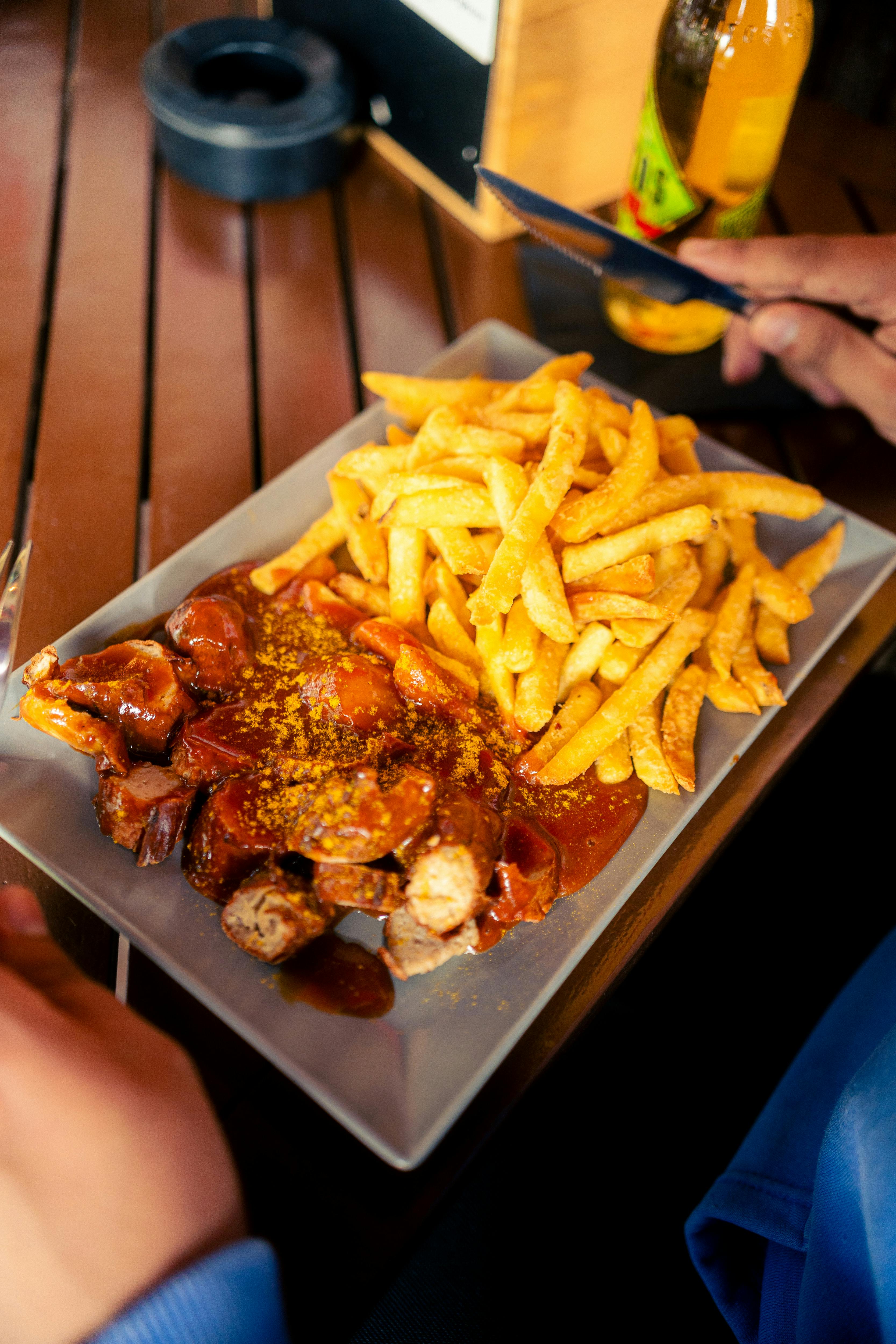
Currywurst
Currywurst is a Berlin icon: steamed then fried pork sausage cut into bite-sized slices, drowned in curry ketchup and sprinkled with curry powder. Served with fries or a bread roll. It's fast food, invented in post-war Berlin, and still a cult classic. The sauce is sweet, tangy, and mildly spiced. It's eaten at Imbiss stands (snack stalls) standing up at tall tables.
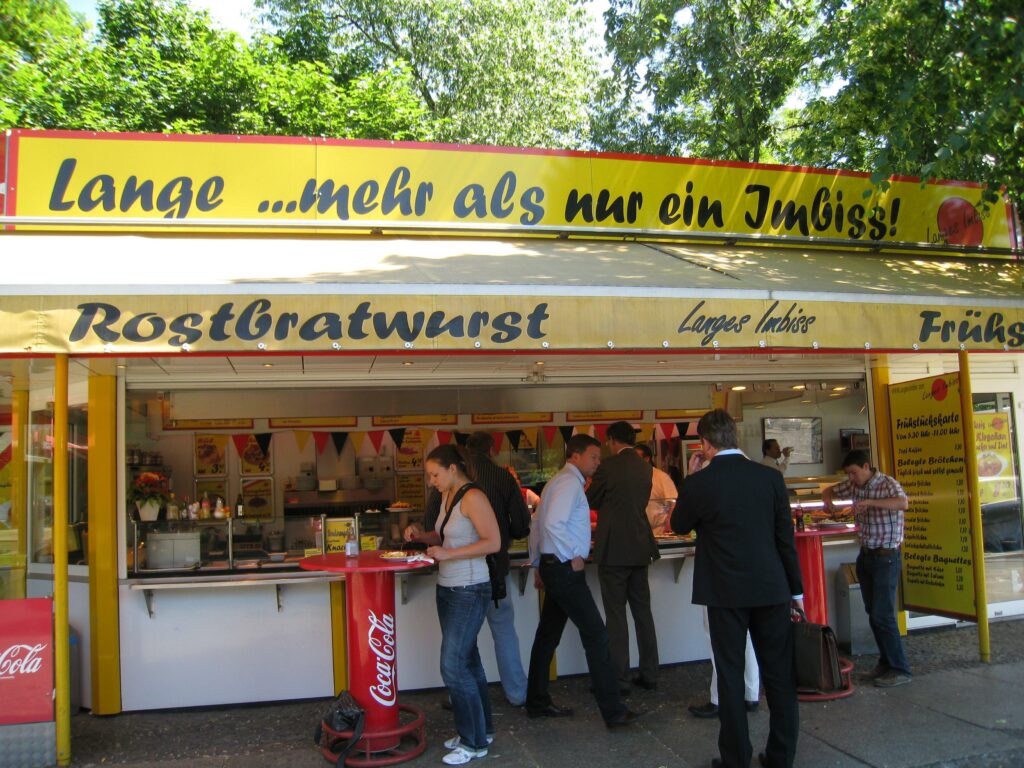
Imbiss Culture
Der Imbiss
The Imbiss is a German snack stand—not a restaurant—where you eat standing up at tall tables. It serves utilitarian, greasy, salty fast food: fries, sausages (bratwurst, currywurst), meatballs (Frikadellen), and schnitzel sandwiches. The goal is to keep you moving, not to sit and linger. It's fast, cheap (€3-6), and essential working-class infrastructure. You order at the window, eat quickly, and leave.