Must-See Attractions
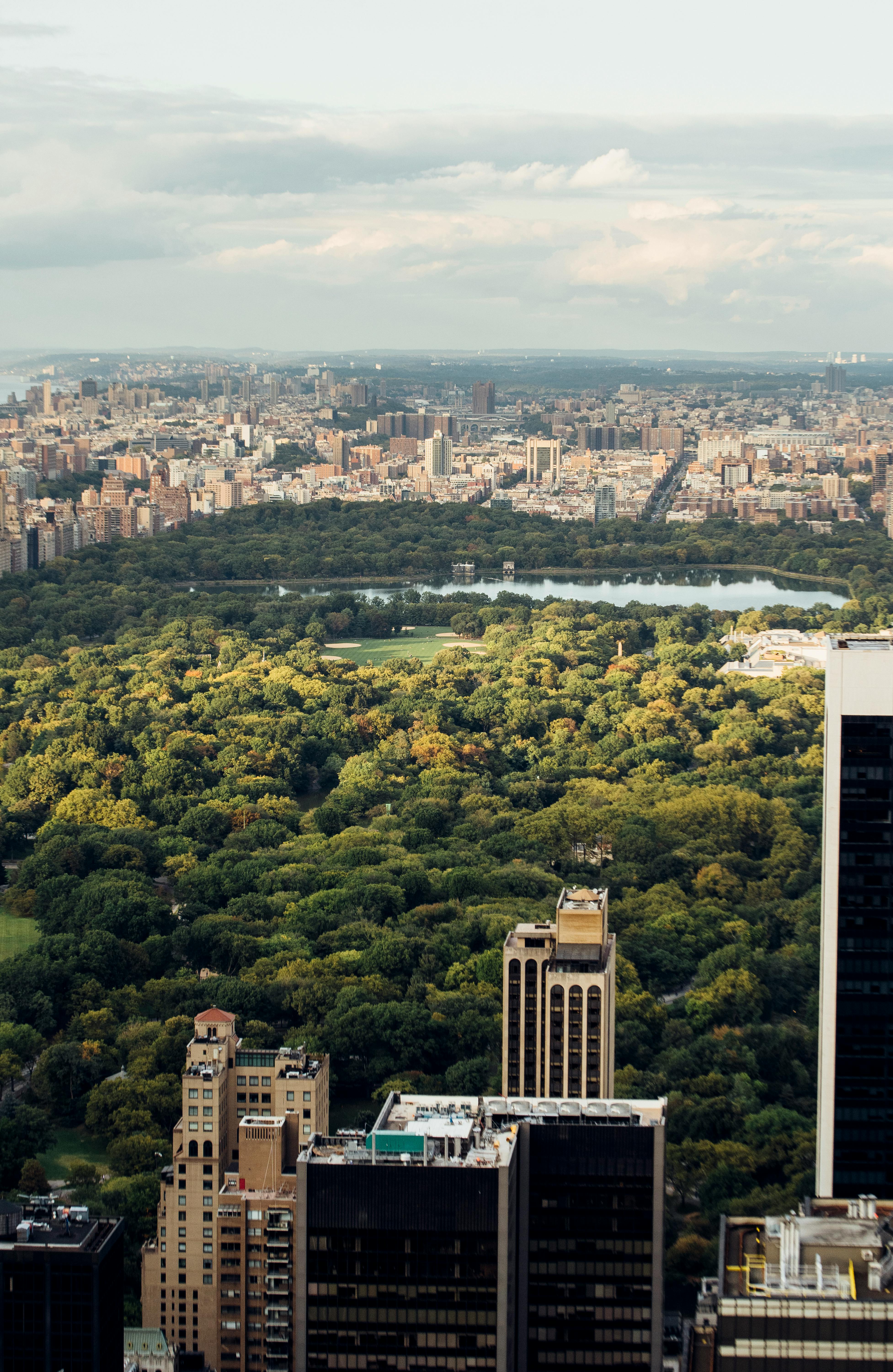
Central Park
Central Park is an 843-acre entirely man-made park in the heart of Manhattan, designed in 1857 by Frederick Law Olmsted and Calvert Vaux. It required moving millions of cartloads of earth and was conceived as a 'democratic space' where all social classes could mingle. The park contains woodlands, meadows, lakes, theaters, ice rinks, and the Metropolitan Museum. Don't just stay at the entrance—venture deep to find The Ramble (wild woodlands), Bow Bridge, or Bethesda Fountain.
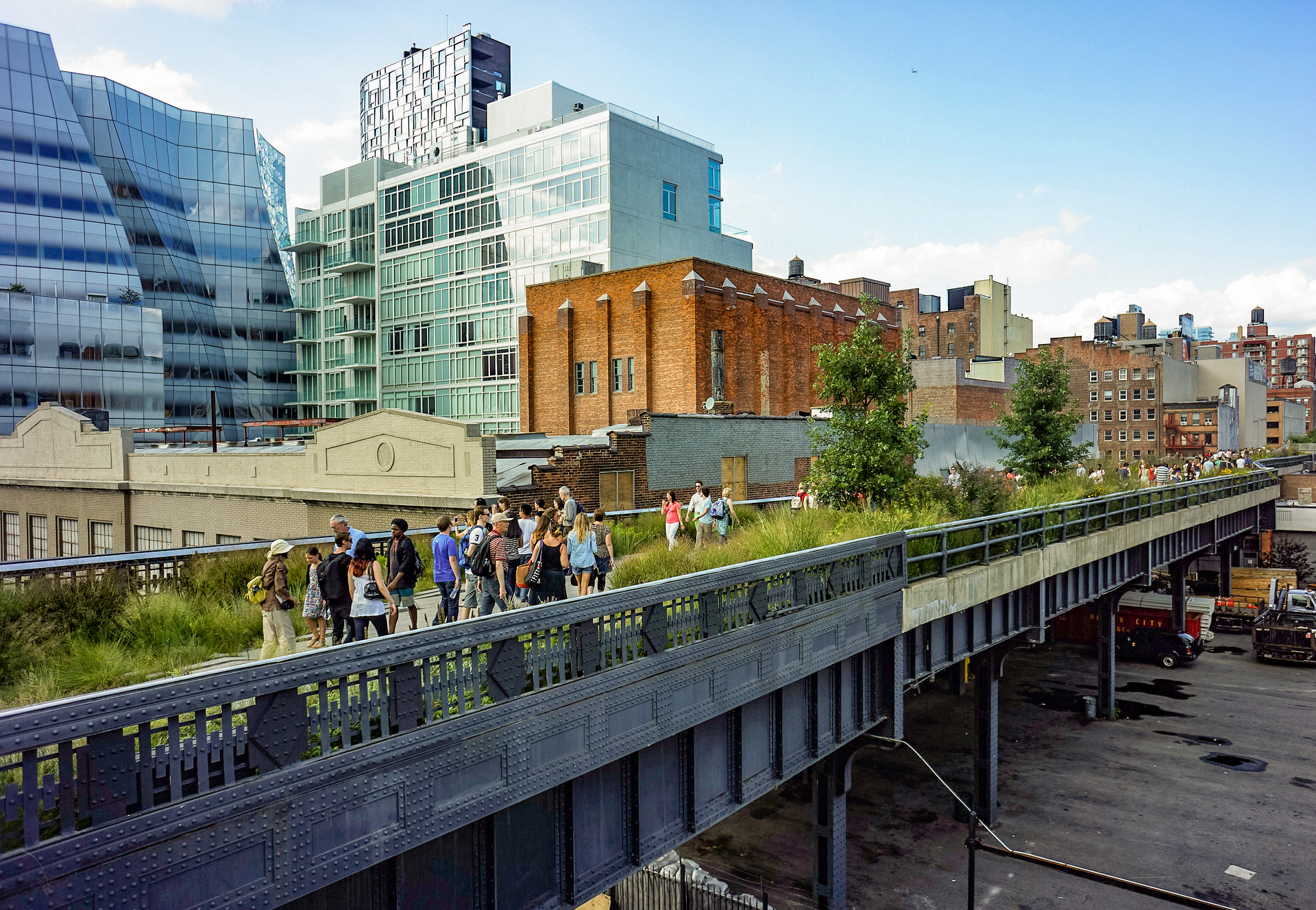
The High Line
The High Line is a 1.45-mile elevated linear park built on a historic freight rail line 30 feet above street level. It weaves through buildings from the Meatpacking District to Hudson Yards, featuring native plantings, public art, and unique city perspectives. It's a masterpiece of adaptive reuse and landscape architecture that transformed a rusted rail line into one of NYC's most popular parks.
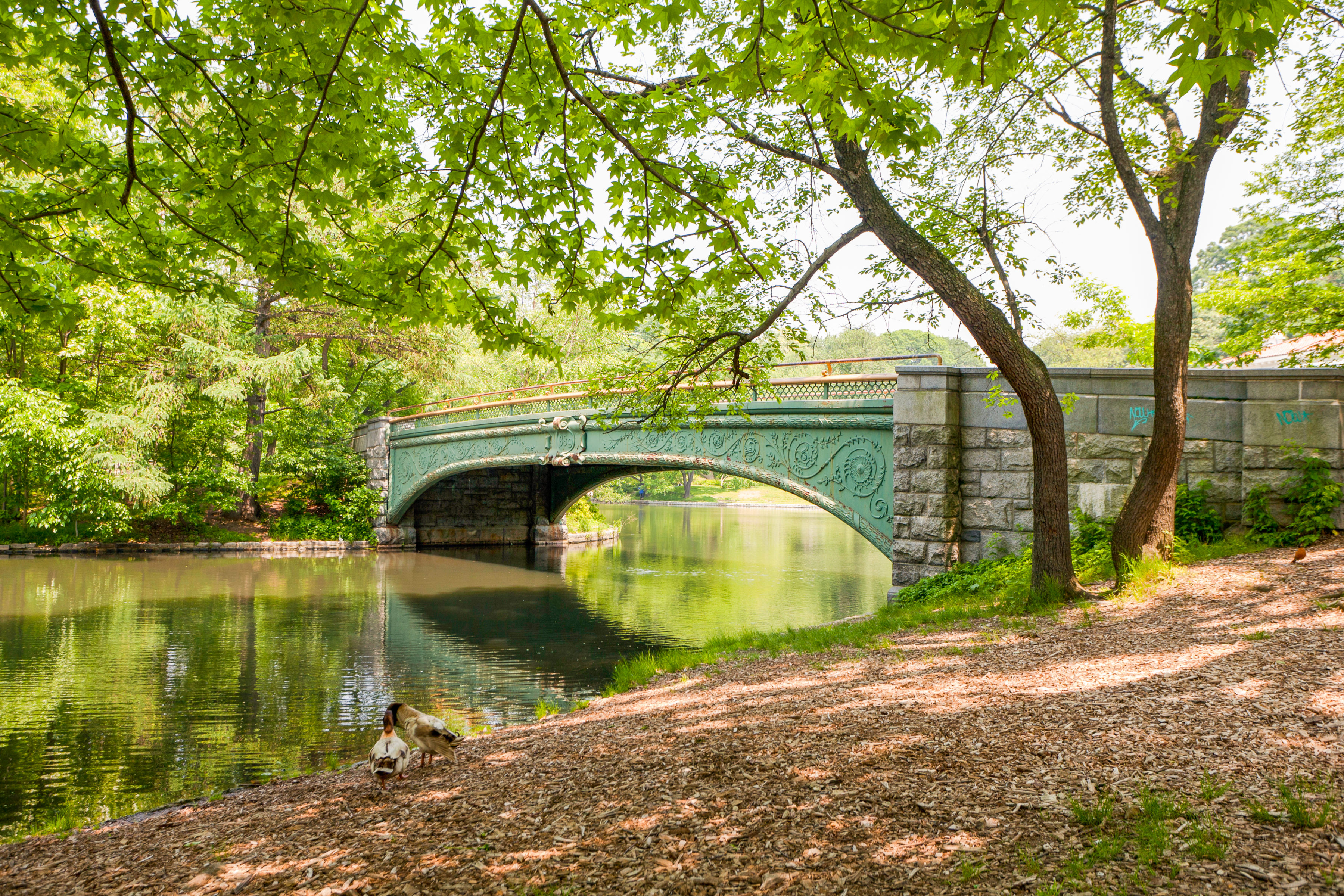
Prospect Park
Prospect Park is Brooklyn's 526-acre masterpiece, designed by Olmsted and Vaux (the same designers as Central Park). They considered this their 'better' park because they weren't constrained by Manhattan's rectangular grid. It features the Long Meadow (90 acres of unbroken green space), a lake, forests, and the Prospect Park Bandshell. It's less manicured and more naturalistic than Central Park.
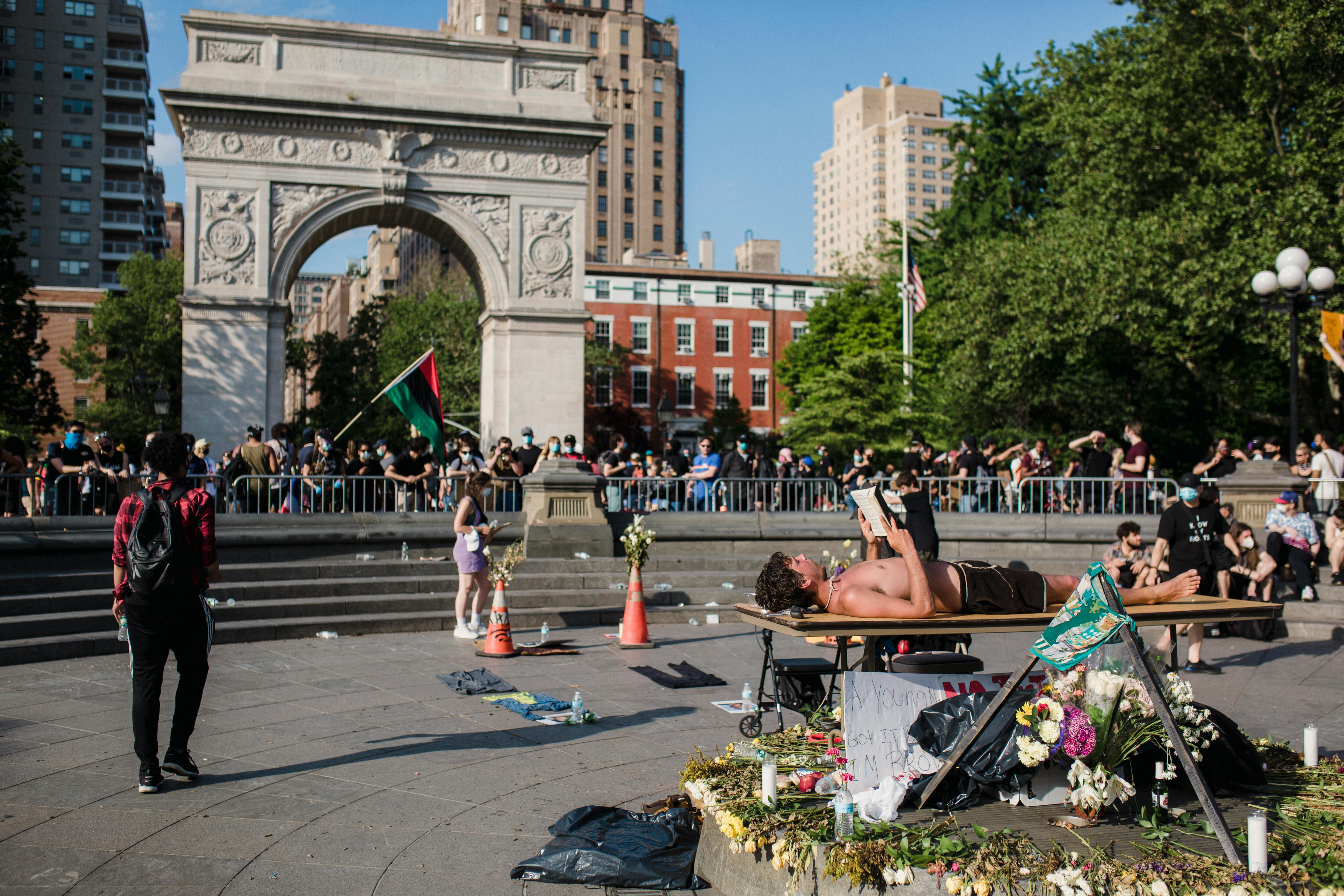
Washington Square Park
Washington Square
Washington Square Park is the 9.75-acre heart of Greenwich Village and the best people-watching spot in NYC. It's centered on the iconic marble arch (modeled after Paris's Arc de Triomphe) and features the famous fountain. Historically a potter's field (mass grave for the poor), it became the epicenter of the 1960s Beatnik and Folk movements. Today it's filled with street musicians, chess hustlers, NYU students, and pure NYC energy.
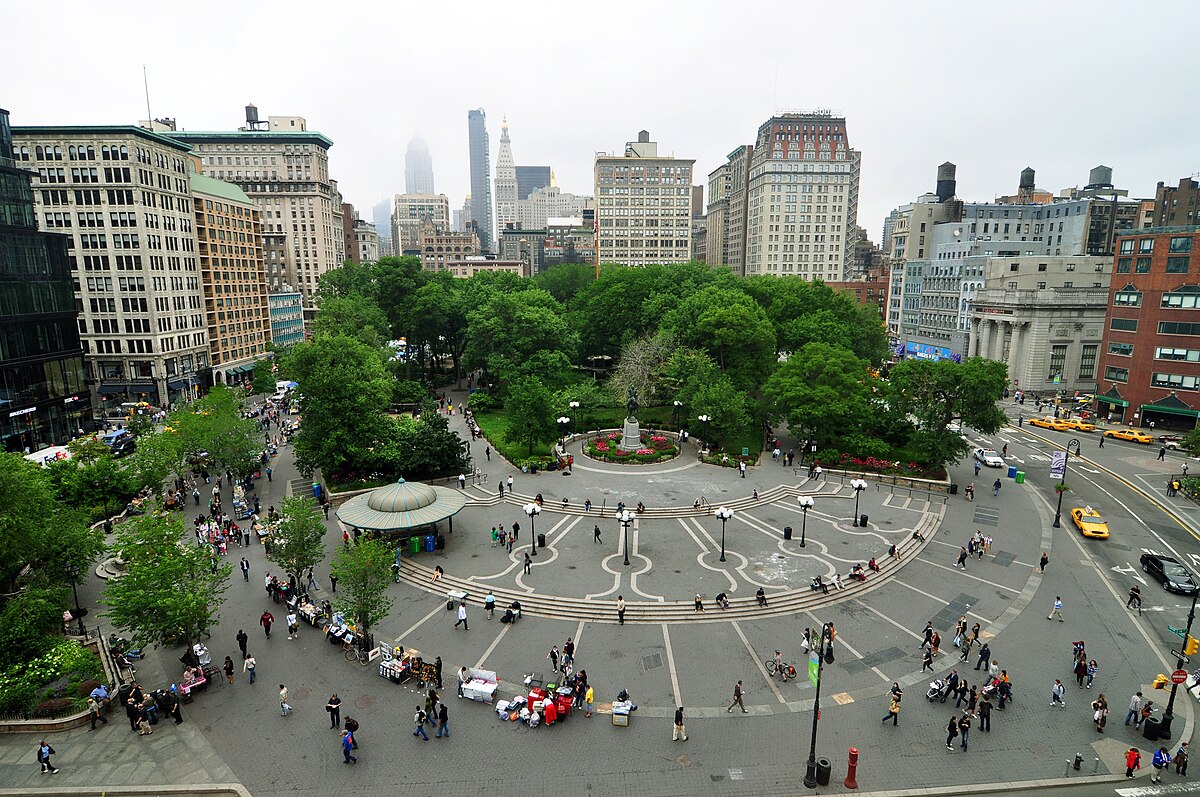
Union Square Greenmarket
Union Square
Union Square Greenmarket is NYC's most famous farmers market, operating Monday/Wednesday/Friday/Saturday year-round. Over 100 regional farmers sell produce, meats, cheeses, breads, and flowers directly to consumers. It's also a major transit hub (six subway lines) and historical site of protests and political gatherings. The market embodies NYC's connection to upstate farms and local food culture.
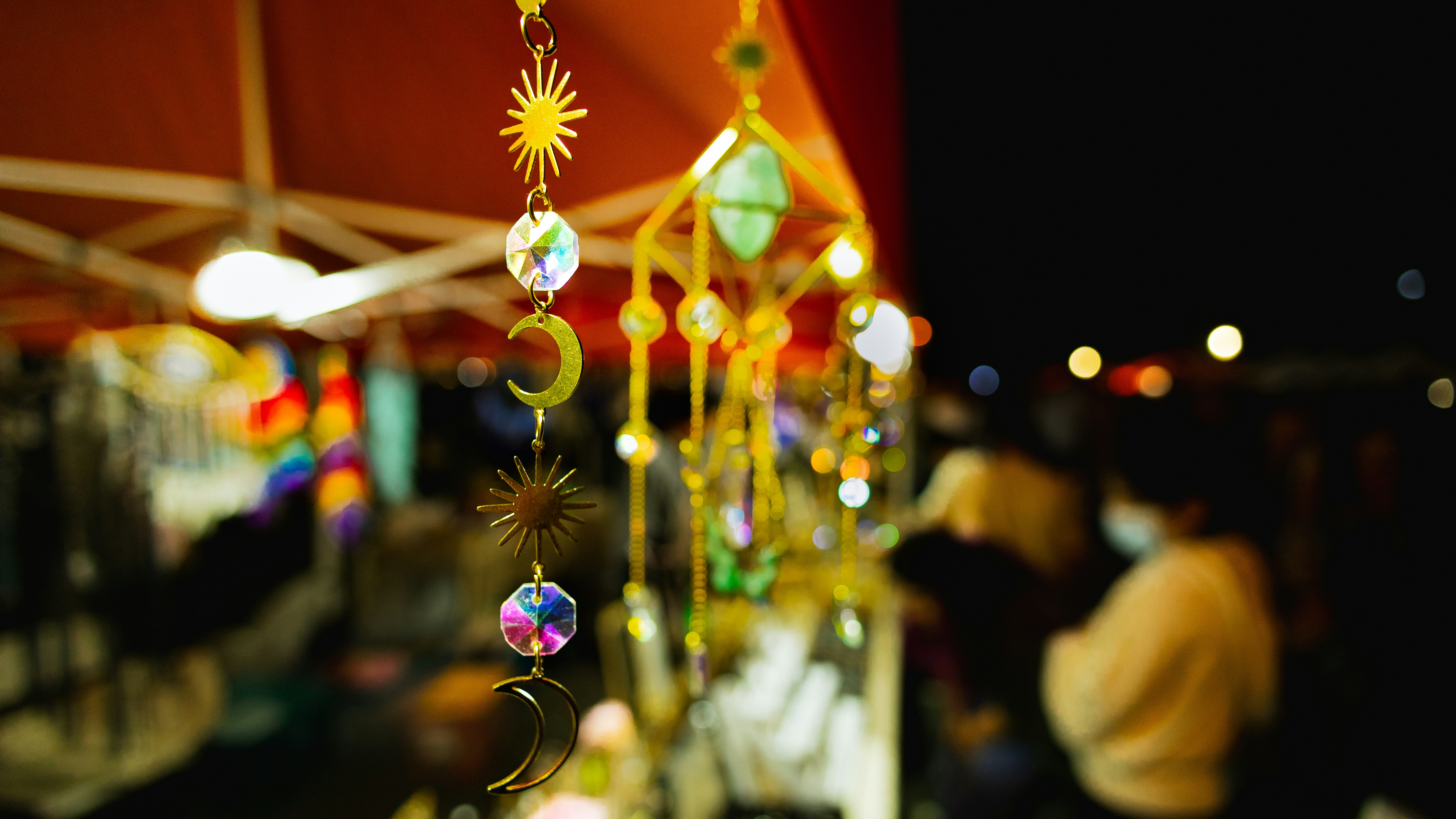
Queens Night Market
Queens Night Market is a seasonal open-air night market (April-October, Saturdays 5-midnight) at the New York Hall of Science in Flushing Meadows-Corona Park. It features 100+ vendors selling global street food from the world's most diverse borough, with all food capped at $6 maximum. The market emphasizes Queens' immigrant communities: Tibetan momos, Peruvian anticuchos, Filipino sisig, Colombian arepas. It's authentic, cheap, and community-focused.
Must-Eat Spots
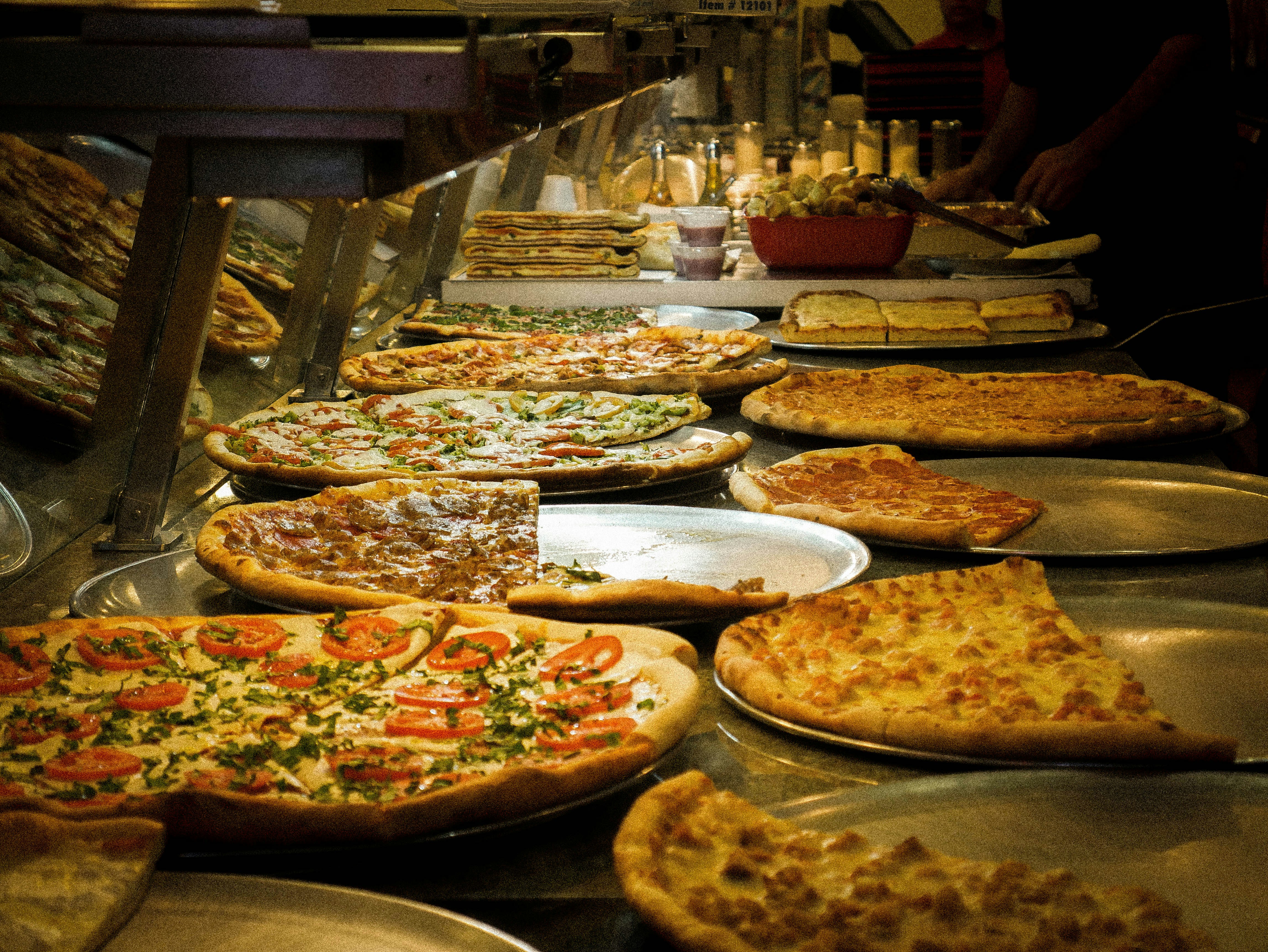
Dollar Slice ($1.50+)
A Slice
The 'Slice' is a distinct food category in NYC—different from a 'whole pie'—and serves as fast food for daily life. It's a thin-crust, greasy, triangular slice eaten standing up or while walking. The proper technique is to fold it lengthwise ('Libretto style') so the tip doesn't flop. Order a 'Regular' slice or 'Plain' slice, never 'cheese slice.' It's available 24/7 at pizzerias across all five boroughs.
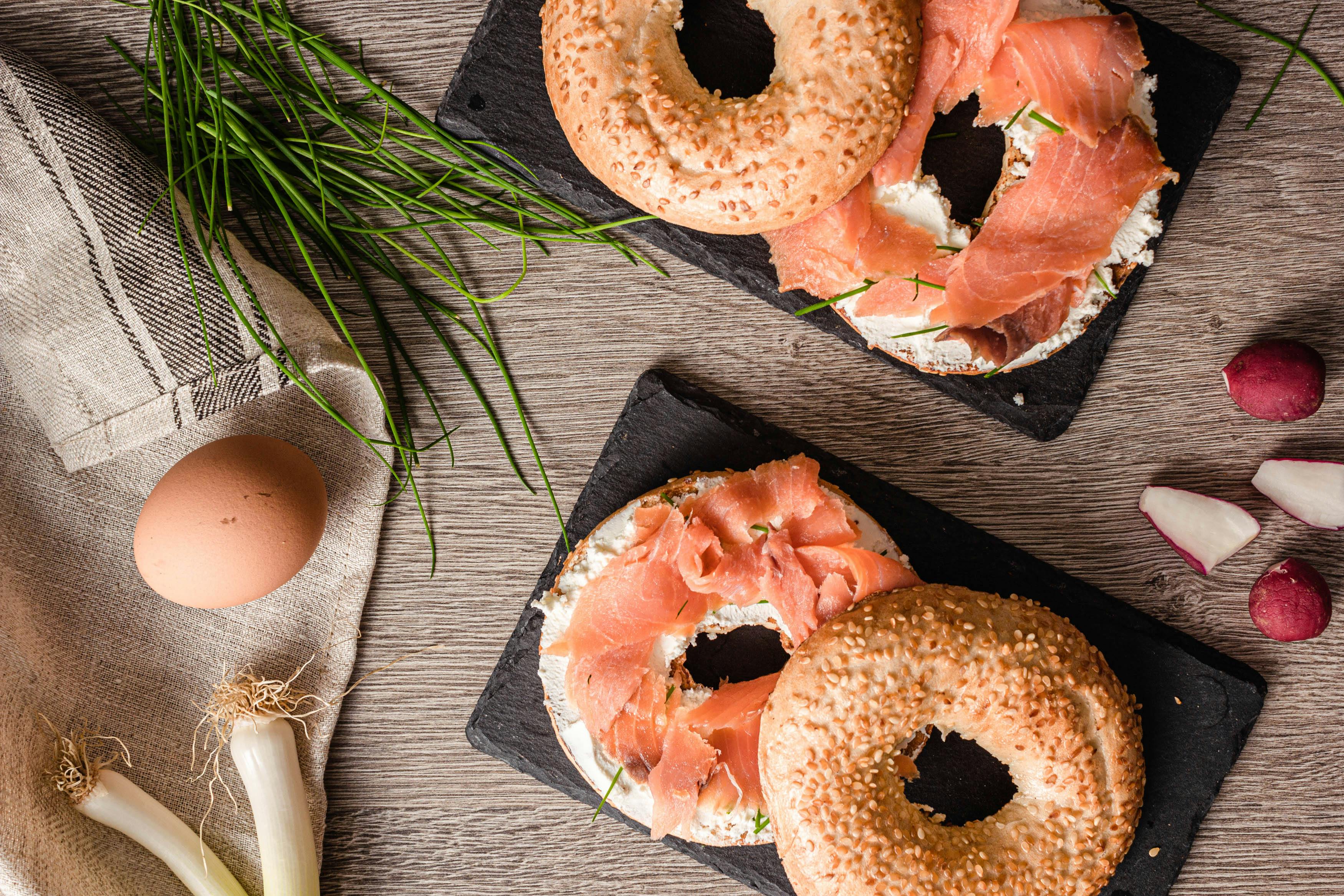
Bagel with Lox
Everything Bagel
A NYC bagel is a hand-rolled, boiled-then-baked bread ring with a dense, chewy interior and shiny crust. The 'Everything' bagel (topped with sesame seeds, poppy seeds, onion, garlic, salt) is the quintessential NYC order. Bagels are served with cream cheese ('schmear'), lox (cured salmon), tomato, onion, and capers. The 'Toasting Schism' divides purists (never toast fresh) from pragmatists (toast if not fresh).
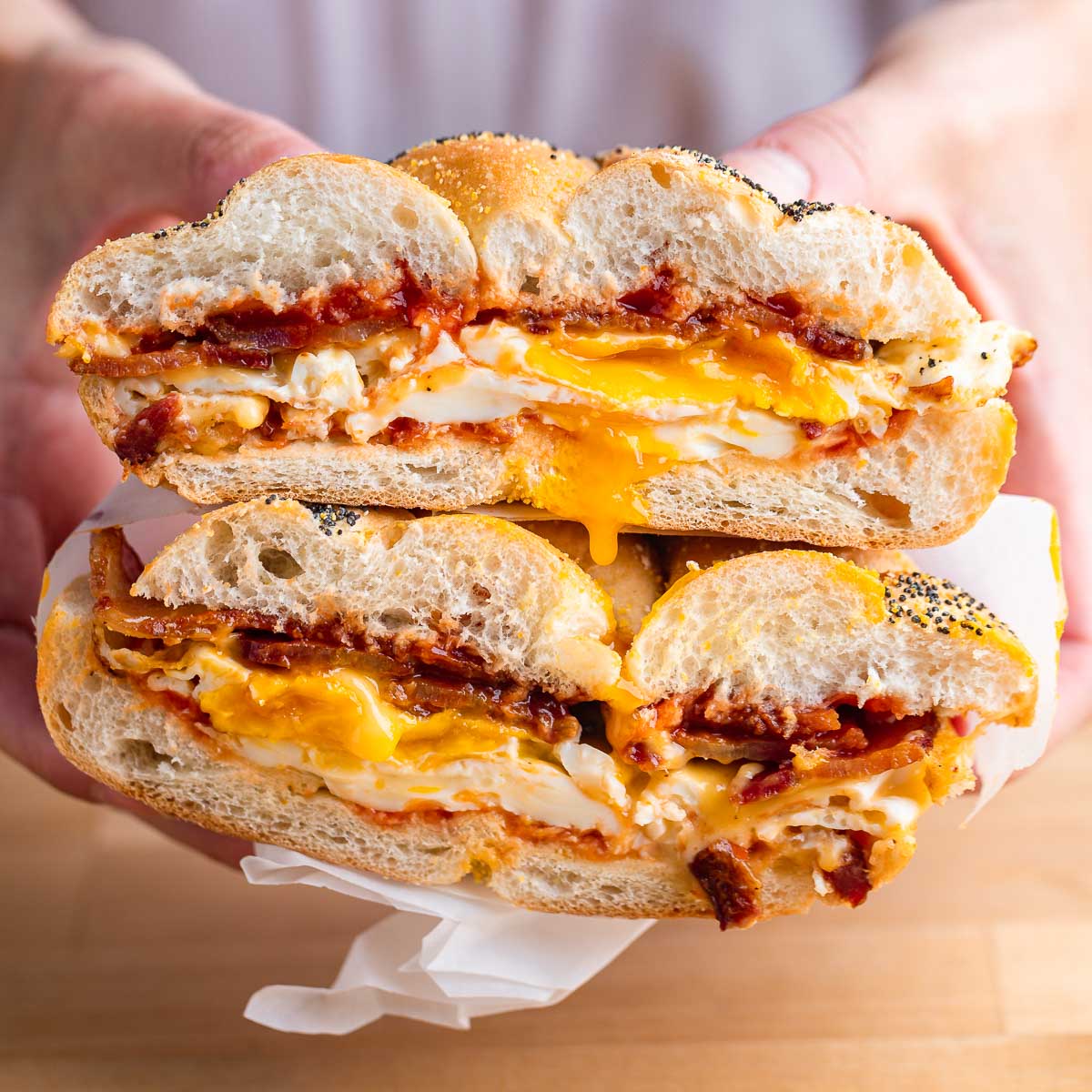
Bacon Egg and Cheese
BEC
The BEC (Bacon Egg and Cheese) is the quintessential bodega breakfast sandwich: fried eggs, bacon, and American cheese on a roll (never toast), wrapped in foil. It's efficient, greasy, salty, and cheap ($4-6). Order it as one rushed word at the bodega counter: 'Baconeggandcheese.' Add 'saltpepperketchup' (SPK) for the full working-class NYC experience.
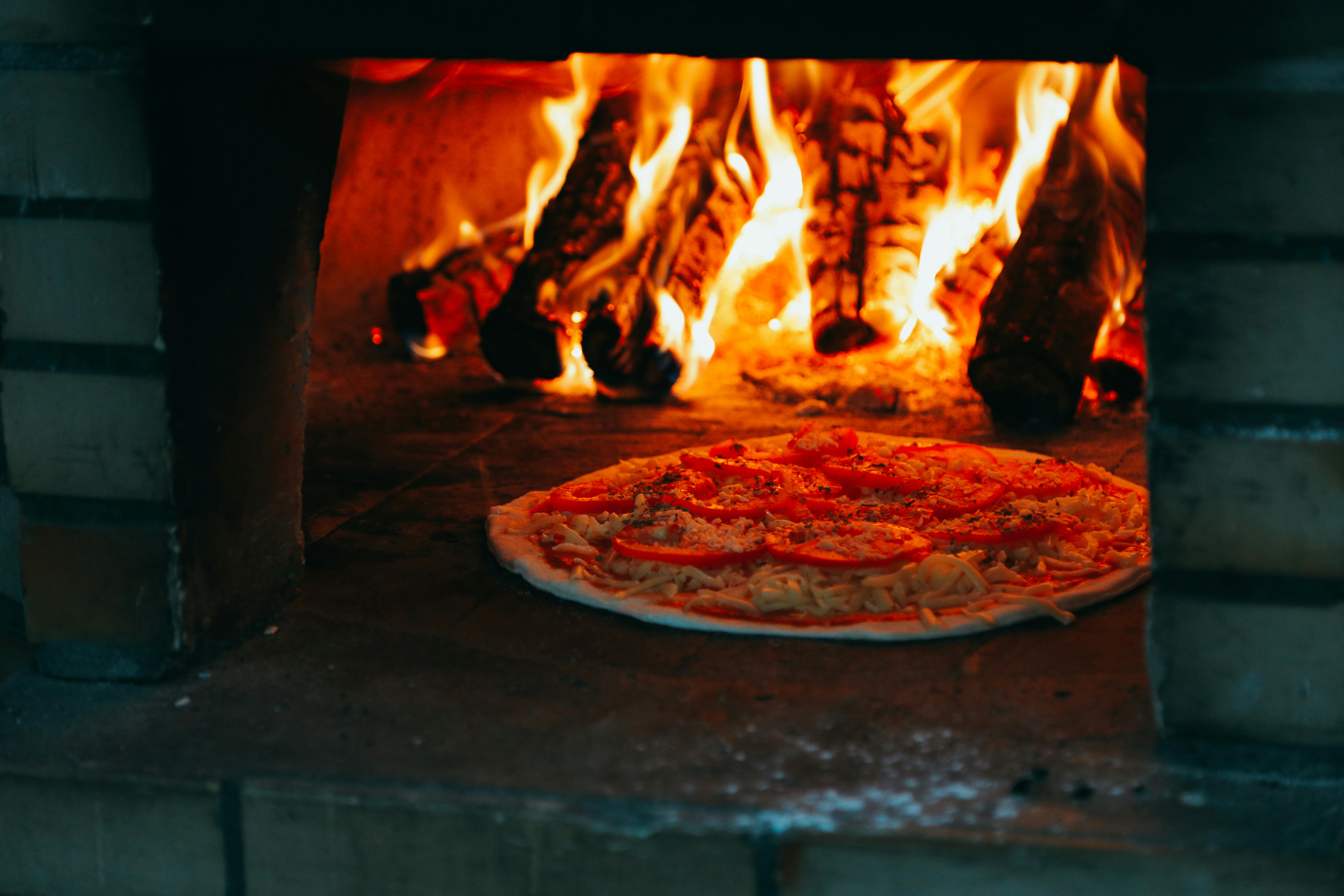
Coal Oven Pizza
Whole Pie
Coal oven pizza is a sit-down, destination meal cooked in 100-year-old anthracite coal ovens at 900°F (480°C), creating a charred, crispy, smoky crust in under 3 minutes. This is a 'whole pie' experience, not a slice—you sit down, wait in line, and order an entire pizza. The crust bubbles and chars ('leoparding'), and the center stays chewy. It's a social event requiring planning and patience.