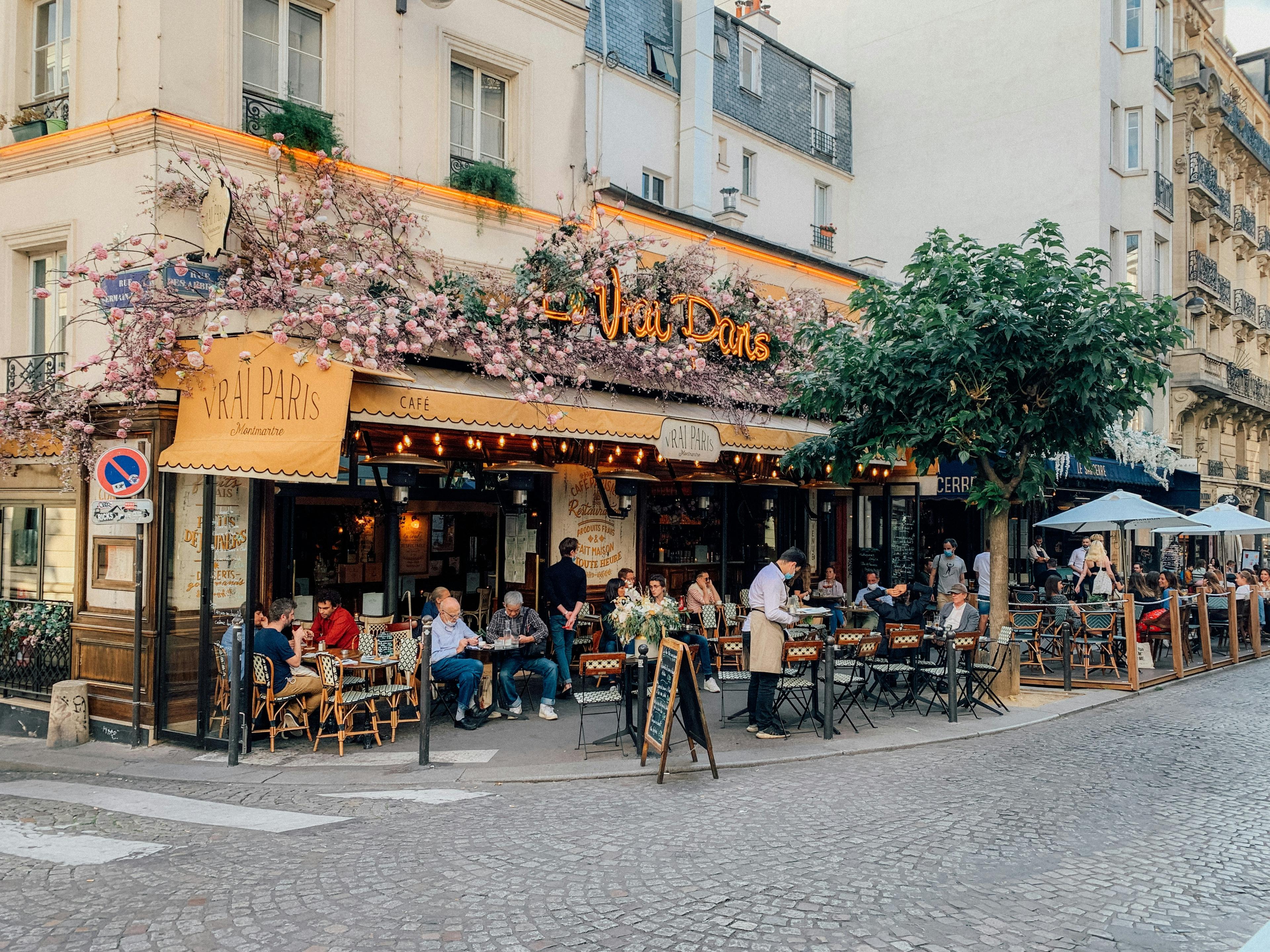
Café Culture
"Parisian café culture is about lingering over a single espresso ('un café') or glass of wine for hours, watching life pass by from a terrace table. It's a social institution, not just coffee service. Seating is strategic: 'en terrasse' (outside sidewalk) costs more than 'en salle' (inside), and 'au comptoir' (standing at the bar) is cheapest. The café is your office, living room, and people-watching theater. Ordering once buys you hours of space—no one rushes you."
Logistics
Moderate
Vibe
Leisurely, social
Duration
1-3 hours
Best For
People watching
The Backstory
Parisian cafés emerged in the 1600s-1700s, becoming intellectual hubs in the 1800s-1900s (Café de Flore, Les Deux Magots hosted Sartre, Hemingway, Picasso). The terrace culture exploded after WWII when sidewalk seating was permitted. Cafés became democratic spaces where everyone—from workers to intellectuals—could afford to sit. They're protected by law: cafés cannot be turned into banks or chain stores.
Local Secret
"Order 'un café' (espresso), 'un crème' (espresso with milk), or 'un café allongé' (americano). Sitting at the terrace costs 20-50% more than standing at the bar. You pay when you leave, not when you order—this allows lingering. Waiters won't rush you; you can sit for hours over one drink. Prime people-watching spots: Café de Flore, Les Deux Magots, Café de la Paix (tourist prices but iconic). Locals use neighborhood cafés in non-touristy areas (cheaper, authentic)."
Gallery
You Might Also Like
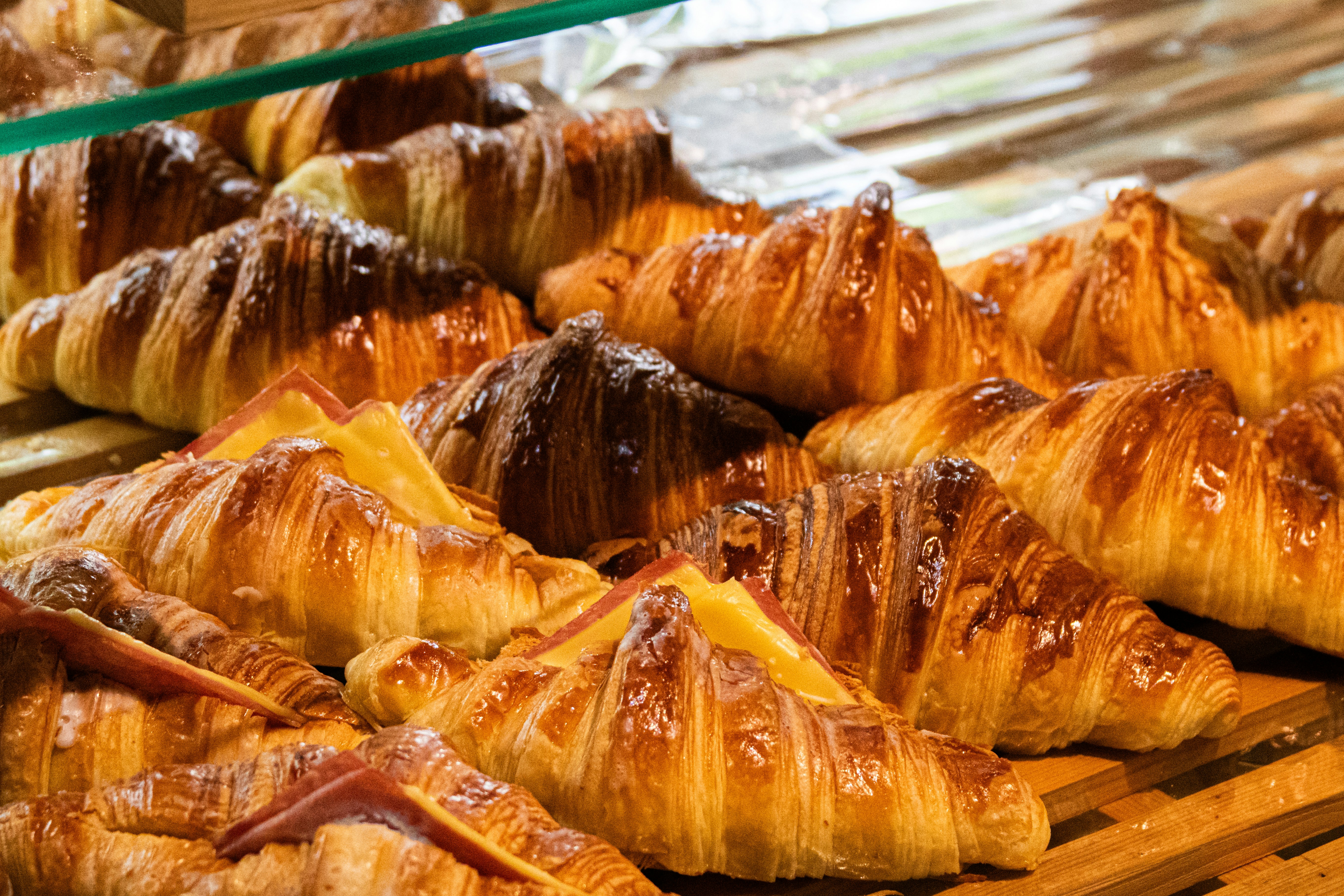
The Butter Croissant
Croissant au Beurre
The croissant au beurre is the quintessential French breakfast staple: a crescent-shaped laminated pastry made with pure butter (not margarine), creating its characteristic golden, flaky layers. A true croissant shatters when you bite it, releasing buttery steam. Straight croissants are 'ordinaire' (margarine), curved croissants are 'au beurre' (butter)—always choose curved. Best eaten warm from the bakery within hours of baking.
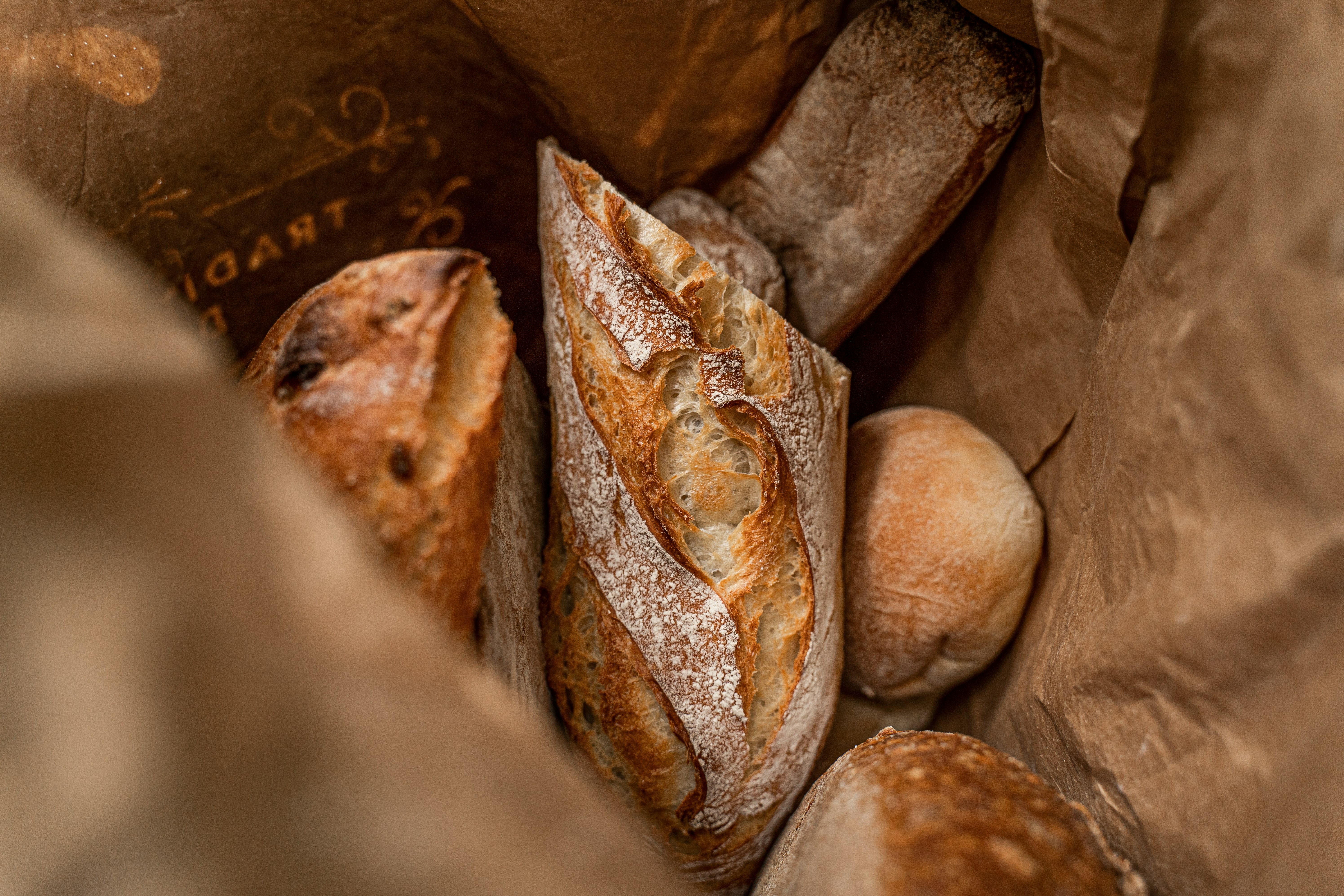
The Baguette
La Baguette Tradition
The baguette tradition is a long, thin loaf with a golden, crackly crust and a soft, airy interior with irregular holes. 'Tradition' means it's made by law with only four ingredients (flour, water, salt, yeast) and no additives—superior to regular baguettes. Locals buy them twice daily (morning and evening) because they go stale within hours. The perfect baguette sounds hollow when tapped, cracks when squeezed, and has a wheaty aroma.
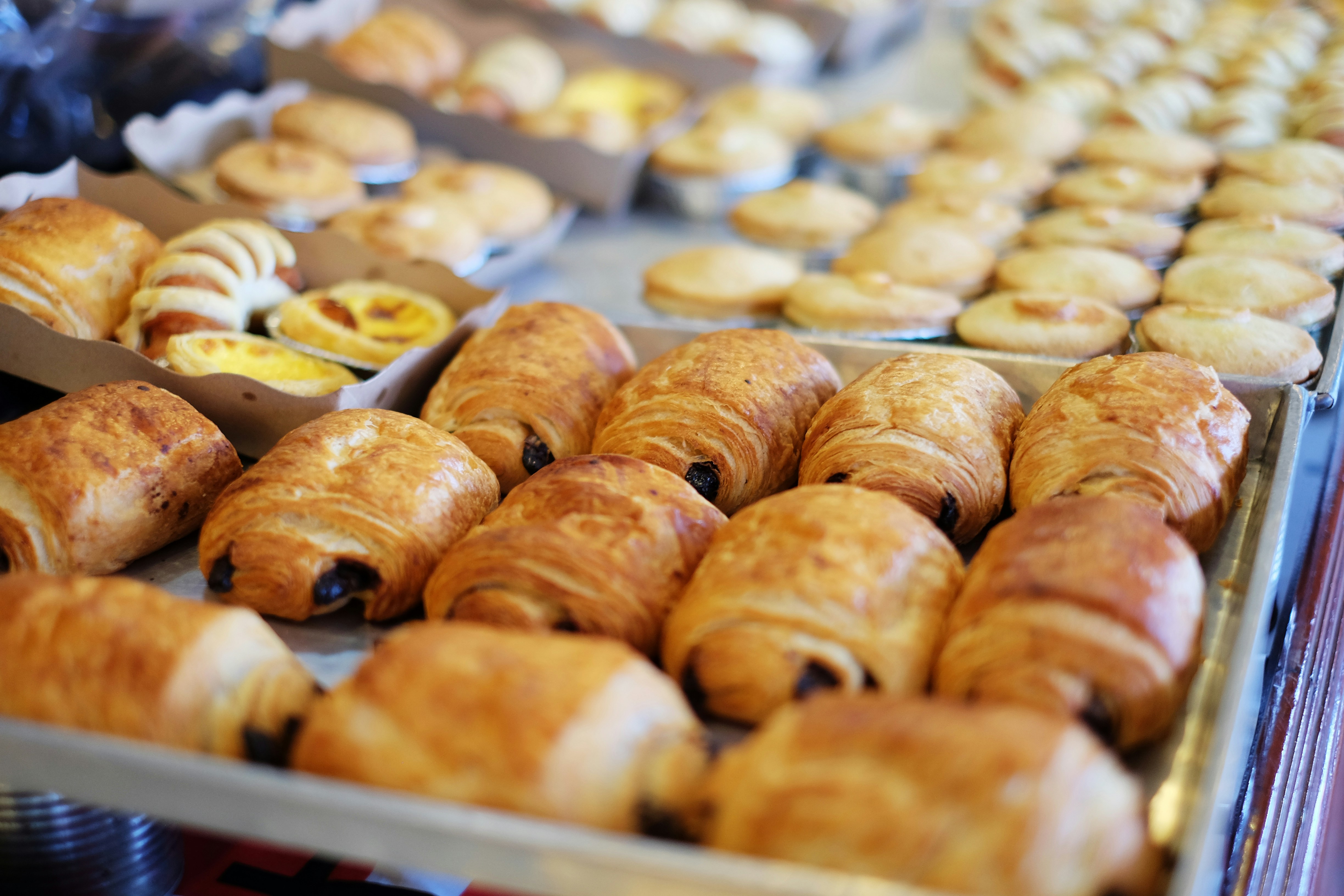
Pain au Chocolat
Pain au Chocolat / Chocolatine
Pain au chocolat is a rectangular croissant dough pastry with two sticks of dark chocolate baked inside. The dough is the same laminated butter dough as croissants, but shaped differently. When pulled apart, the chocolate should be melted and gooey, the dough flaky and buttery. It's France's second most popular breakfast pastry after croissants. In southwest France, it's controversially called 'chocolatine'—a divide that sparks genuine debates.